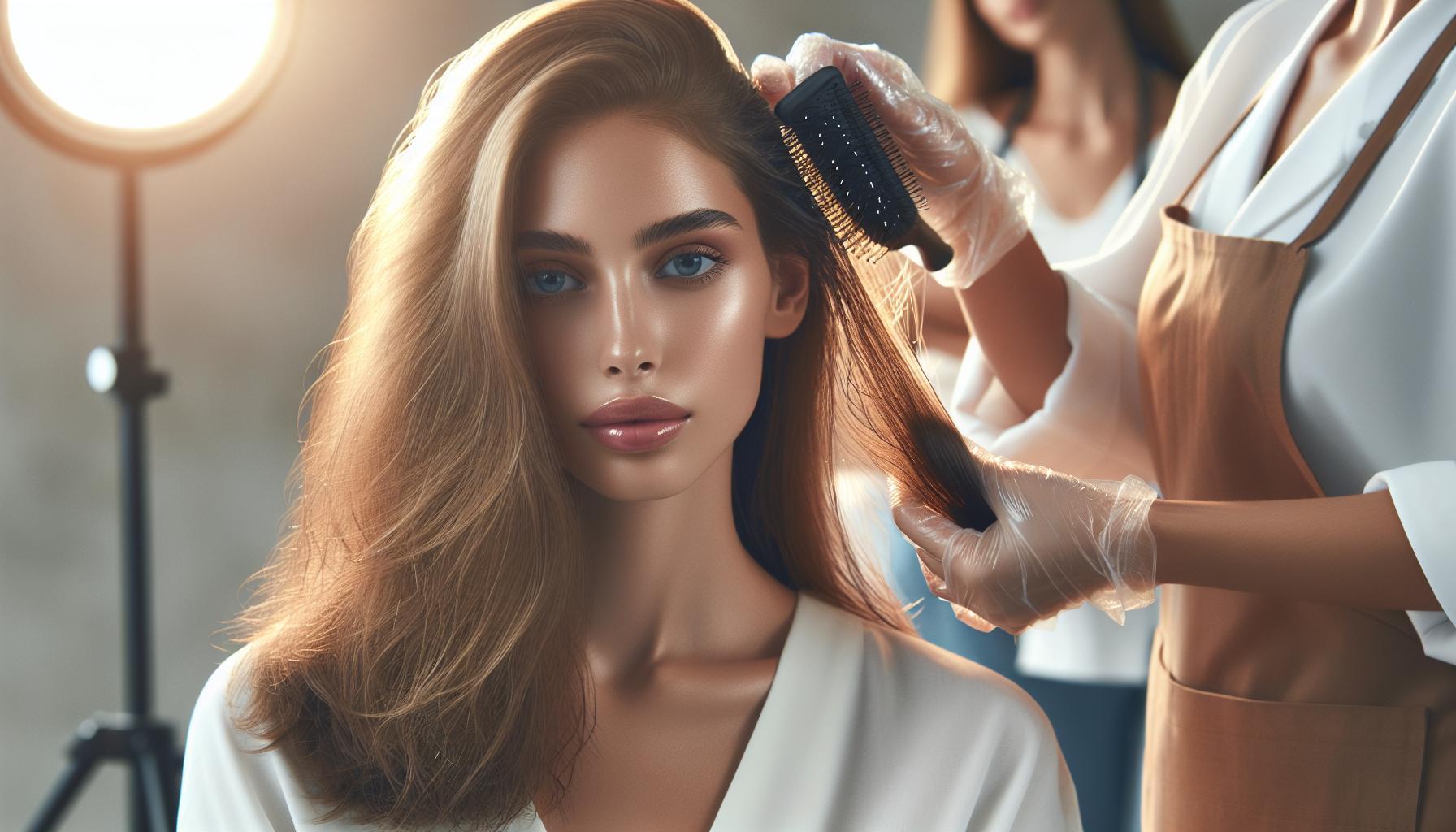
Are you struggling to achieve soft,manageable locks? The secret might lie in how long you leave conditioner in your hair. Understanding the ideal duration can unlock your hair’s full potential, enhancing texture and shine. Dive into the optimal conditioning times to maximize benefits and transform your hair care routine!
Contents
- Understanding the Role of Conditioner in Your Hair Care Routine
- How Long Should You Really Leave Conditioner in Your Hair?
- Different hair Types, Different Times: tailoring Conditioner Use
- The Science Behind Conditioning: What Happens to Your Hair?
- Professional Tips for Getting the Most Out of Your Conditioner
- Rinse-Out vs. Leave-In Conditioners: What’s the Difference?
- Common Mistakes When Using Conditioner: What to Avoid
- Enhancing Conditioner Benefits with Additional Treatments
- Frequently Asked Questions
- How long to leave conditioner in hair for maximum benefits?
- What is the purpose of leaving conditioner in hair?
- Why does hair type affect conditioning time?
- Can I leave conditioner in my hair overnight?
- How often should I use conditioner for best results?
- What happens if I leave conditioner in too long?
- Are there different types of conditioners for various hair needs?
- Wrapping Up
Understanding the Role of Conditioner in Your Hair Care Routine
Using conditioner is more than just an afterthought in your hair care regimen; it plays a crucial role in maintaining hair health, enhancing texture, and providing moisture. When you apply conditioner, you’re not simply coating your hair—you’re delivering a blend of nutrients and hydration that can combat dryness, reduce frizz, and improve overall manageability. You’ve likely heard recommendations on how long to leave conditioner in hair for maximum benefits, and understanding the science behind conditioning can help you tailor your routine for best results.
The Science Behind Conditioning
conditioners work primarily through surface science, meaning they coat the hair strands to create a barrier that locks in moisture and smooths out the cuticle. This layer not only helps to detangle hair but also provides protection against environmental factors, such as pollution and UV rays. here are some key components of conditioner that contribute to its effectiveness:
- Emollients: These ingredients soften and smooth the hair, reducing friction between strands.
- Humectants: They draw moisture from the environment into the hair, preventing dryness.
- Protein: Helps to strengthen the hair structure and repair damage over time.
Knowing how long to leave conditioner in your hair can significantly amplify these benefits. While the average recommended time is around 3 to 5 minutes for most conditioners, leaving it on longer can enhance deep conditioning treatments tailored to your hairS specific needs.
Choosing the Right Type of Conditioner
To maximize the benefits of conditioning, it’s notable to select the right product based on your hair type:
| Hair Type | Recommended Conditioner | Leave-In Time |
|---|---|---|
| Dry or Damaged | Deep moisturizing Conditioner | 5-15 minutes |
| Fine or oily | Lightweight Conditioner | 2-5 minutes |
| Curly or coarse | Creamy Conditioner | 5-10 minutes |
Getting familiar with these products will help you understand how long to leave conditioner in your hair for maximum benefits, tailored to your unique needs. Remember,it’s not solely about the time but also about how the chosen conditioner addresses your hair’s individual characteristics.
Ultimately, integrating conditioner into your hair care routine with a focus on timing and type can lead to healthier, shinier, and more resilient hair. By paying attention to how long to leave it on and choosing the right formula, you’ll not only boost the effectiveness of your products but also enjoy the transformative benefits they bring.
How Long Should You Really Leave Conditioner in Your Hair?
The effectiveness of your conditioner can be greatly influenced by how long you leave it in your hair. Many peopel underestimate the power of a few extra minutes,thinking that a quick rinse is sufficient. However, the optimal time frame for conditioning can vastly improve your hair’s health, texture, and overall appearance. But just how long should you really leave conditioner in your hair for maximum benefits?
General Guidelines for Conditioner Duration
Leaving conditioner in your hair for varying periods can yield different results depending on your hair type and the specific product you are using. Here are some common guidelines:
- Standard Conditioners: Typically, it’s recommended to leave regular rinse-out conditioners in your hair for 2 to 5 minutes. This time allows the conditioner to penetrate the hair cuticle and provide essential moisture and nutrients.
- Deep Conditioners: For deep conditioning treatments, a longer duration of 15 to 30 minutes is ideal. It’s beneficial to apply heat or wrap your hair in a warm towel to enhance absorption.
- Leave-In Conditioners: As the name suggests, leave-in conditioners are designed to stay in your hair. Apply a small amount to damp hair and style as usual without rinsing it out.
Understanding Your Hair Type
Your specific hair type plays a crucial role in determining how long to leave conditioner in for maximum benefits:
| Hair Type | Recommended Time | Tips |
|---|---|---|
| Fine or Oily Hair | 2-3 minutes | Use a lightweight conditioner to avoid weighing hair down. |
| Curly or Coarse Hair | 5-15 minutes | Look for rich, moisturizing formulas to enhance curl definition. |
| Dull or Dry Hair | 15-30 minutes | Consider using heat for deeper penetration and improved moisture retention. |
adjusting your conditioning time based on your unique hair needs can lead to dramatically improved results. Keep in mind that it’s always beneficial to read the product labels for specific instructions, as some formulations may have unique requirements for optimal results.
Different hair Types, Different Times: tailoring Conditioner Use
the diverse world of hair types necessitates unique approaches to hair care, particularly when it comes to conditioner request. Understanding how long to leave conditioner in your hair can make a notable difference in achieving the desired results—whether it’s for added moisture, repair, or manageability.Each hair type—be it straight,wavy,curly,or coily—has specific needs that dictate how much time and product should be devoted during conditioning.
Curly and Coily Hair
For those with curly or coily hair,the general consensus is that a longer conditioning time can yield significant benefits. this hair type tends to be drier due to the natural oils from the scalp having a harder time traveling down the curls. Leaving a deep conditioner in for about 15-30 minutes can definitely help infuse moisture, reduce frizz, and enhance curl definition. You can even consider using heat—like a warm towel or a hooded dryer—during this time to help the conditioner deeply penetrate the hair shaft.
Straight and Wavy Hair
Straight and wavy hair generally requires less conditioning time compared to its curlier counterparts. A standard 5-10 minute leave-in time is often sufficient to reap the advantages of a lightweight conditioner. For fine hair, it’s crucial to limit the amount of conditioner used to avoid weighing the hair down. Incorporating a rinse-out conditioner after your regular washing routine is advisable for maintaining volume and preventing buildup.
Thick or Coarse Hair
Individuals with thick or coarse hair might find that their strands absorb conditioners quickly but can also benefit from longer conditioning times. Leaving a thick,moisturizing conditioner on for 20-30 minutes not only offers hydration but also helps to soften the hair. for even better results, try wrapping your hair in a plastic cap, allowing the conditioner to work more effectively while you go about your routine.
Factors to Consider
When determining how long to leave conditioner in for maximum benefits, consider the following factors:
- Hair Porosity: High porosity hair can absorb moisture quickly but may also lose it faster, necessitating more frequent conditioning.
- Product Type: Different types of conditioners (deep versus rinse-out) come with their own recommended timings. Always check for specific instructions on the label.
- Environmental Factors: If you’re exposed to harsh weather, more frequent and longer conditioning sessions might be beneficial.
with these tailored approaches, you can optimize your conditioning process by respecting the unique needs of your hair type. Understanding how long to leave conditioner in provides a structured method to achieve luxurious, healthy hair, encouraging you to experiment until you find your ideal conditioning routine.
The Science Behind Conditioning: What Happens to Your Hair?
The conversion your hair undergoes during conditioning is not just a mere beauty ritual; it’s a fascinating interplay of science and nature. Understanding what happens to your hair at a molecular level when you use conditioner can significantly enhance your hair care routine. The benefits you reap are intricate, resulting from a combination of ingredients that penetrate, coat, and hydrate your hair. You may wonder, then, how long to leave conditioner in hair for maximum benefits—the answer lies in harnessing its effects efficiently.
How Conditioner Works
Conditioners are formulated with moisturizers and penetrative agents that target the hair’s cuticle and cortex. These components work through various mechanisms:
- Moisture Retention: Ingredients such as glycerin and certain oils help attract moisture to the hair,preventing dryness.
- Cuticle Smoothing: Silicone derivatives form a protective layer around the hair shaft, reducing tangling and enhancing shine.
- Damage Repair: Proteins derived from silk, keratin, or wheat rebuild and strengthen areas of damage, allowing the hair to regain its natural form and resilience.
When you apply conditioner, you’re essentially delivering nutrients directly to the bass of your hair’s structure. The formulation can penetrate the cuticle—the outer layer of the hair—by utilizing emulsifiers that help oils and water mix more effectively. Though, the key is to leave the product in for an optimal duration to maximize its efficacy.
The Impact of Time on Efficacy
The duration for which you allow the conditioner to work plays a crucial role in how well it can perform.Here’s a simplified breakdown in the table below:
| Time Left in Hair | Benefits |
|---|---|
| 1-3 Minutes | Surface moisturizing and detangling. |
| 3-5 Minutes | Improved manageability and slight cuticle smoothing. |
| 5-10 Minutes | Greater absorption of active ingredients; enhanced shine and repair potential. |
| 10+ Minutes | Deep conditioning effects; best for damaged hair needing extra nourishment. |
Conditioners essentially work to rejuvenate and nourish your hair, but the benefits are contingent upon this critical factor of time. Those with fine or oily hair types might prefer shorter conditioning times to avoid a greasy look, while individuals with coarse or dry hair might find that longer periods yield richer hydration.
In practice, understanding how long to leave conditioner in hair for maximum benefits can lead to visible improvements in hair texture, strength, and overall health. The next time you step into the shower, consider the science behind your hair care routine; small adjustments to your conditioning time could make a significant difference in your hair’s appearance and feel.
Professional Tips for Getting the Most Out of Your Conditioner
When it comes to achieving the most luscious locks, conditioning is a crucial step that can transform your hair’s health and appearance. Yet, many people underestimate the importance of not only *how long to leave conditioner in hair for maximum benefits*, but also the techniques that optimize its effectiveness. By following a few professional tips, you can elevate your conditioning routine from standard to exceptional, ensuring that your hair receives the nourishment it needs.
Choosing the Right Conditioner
The first step in maximizing your conditioning routine is selecting the appropriate product for your hair type. Not all conditioners are created equal; understanding your specific needs is essential. Consider the following:
- For Dry or Damaged Hair: Look for products rich in oils and proteins that provide deep hydration.
- For Oily Hair: Opt for lightweight, clarifying conditioners that won’t weigh your hair down.
- For Curly Hair: Use moisturizing conditioners that help define curls without leaving them frizzy.
- For Color-Treated Hair: Choose conditioners formulated to protect and maintain color vibrancy.
Application Techniques
How you apply conditioner can significantly influence the treatment’s effectiveness.Here’s how to do it right:
- Start with Clean Hair: Always apply conditioner after washing with a sulfate-free shampoo to remove any impurities.
- Focus on the Ends: concentrate on the mid-lengths and ends of your hair,where it tends to be the driest. Avoid applying directly to the scalp unless it’s a lightweight formula intended for that purpose.
- Use a Comb: For even distribution, use a wide-toothed comb to spread the conditioner evenly, ensuring every strand is covered.
Optimal Timing
Understanding how long to leave conditioner in hair for maximum benefits isn’t just about the clock; it’s about enhancing absorption. Here’s a quick guide:
| Hair Type | Time to Leave in Conditioner |
|---|---|
| Fine or Oily Hair | 2-5 Minutes |
| Normal Hair | 5-10 minutes |
| Dry or Damaged Hair | 10-15 Minutes |
| Deep Conditioning Treatments | 30 Minutes or More |
For maximum impact,consider using heat to boost the conditioner. Wrapping your hair in a warm towel or using a heat cap can help the product penetrate deeper, resulting in softer, healthier hair.
By considering the type of conditioner best suited to your hair, adopting effective application methods, and adhering to suggested timing guidelines, you’ll be well on your way to unlocking the fullest potential of your conditioner. Remember, a little extra care can go a long way in making your hair shine with vitality and health!
Rinse-Out vs. Leave-In Conditioners: What’s the Difference?
When it comes to hair care, understanding the distinctions between different types of conditioners can elevate your hair game significantly. Among the most common products are rinse-out and leave-in conditioners, each designed with specific purposes that cater to varying hair needs. A well-informed selection not only enhances your hair’s appearance but also maximizes the benefits you derive from your conditioning routine, such as knowing how long to leave conditioner in hair for maximum benefits.
Rinse-Out Conditioners
Rinse-out conditioners are typically used immediately after shampooing. These creamy formulations aim to provide a temporary boost to your hair’s moisture and manageability. They work by coating the hair shaft, helping to detangle and smooth the cuticle. Here are some key points to consider:
- Application: After cleansing your hair, apply the rinse-out conditioner generously, focusing on the mid-lengths and ends.
- Timing: For maximum effect, leave it in for about 2-5 minutes before rinsing thoroughly.
- Benefits: Delivers a quick moisture boost, balances pH, and prepares your hair for styling.
Leave-In Conditioners
On the other hand, leave-in conditioners are designed to be applied to damp or dry hair and left in without rinsing. They serve as a long-lasting treatment that protects and nourishes the hair throughout the day. Key features include:
- Application: Apply a small amount to damp hair, focusing on areas that require extra moisture or detangling.
- Timing: There’s no need to rinse—allow the product to work throughout the day.
- Benefits: Provides ongoing hydration, reduces frizz, and can enhance the styling process by adding definition or hold.
Comparison at a Glance
To better understand how rinse-out and leave-in conditioners differ, consider the following table:
| Feature | Rinse-Out Conditioner | Leave-in Conditioner |
|---|---|---|
| Purpose | Immediate moisture and softness | Long-term hydration and protection |
| Usage | After shampooing, rinsed out | Applied post-shampoo, left in |
| Time Required | 2-5 minutes | No rinse, all day |
| Best For | Dull, dry, or tangled hair | All hair types, especially curly or heat-damaged hair |
Choosing the right conditioner type ultimately depends on your hair type and the results you wish to achieve. When combined with the appropriate timing—specifically adhering to how long to leave conditioner in hair for maximum benefits—you can create a custom routine that nurtures your hair effectively. Whether you prefer the quick refresh from rinse-out conditioners or the sustained moisture of leave-in varieties, understanding both allows for a versatile hair care regimen that meets your unique needs.
Common Mistakes When Using Conditioner: What to Avoid
While conditioner is a crucial element in any hair care routine, knowing how to use it effectively can make all the difference between healthy, radiant hair and a dull mane. Many people unknowingly fall into traps that prevent them from getting the most out of their conditioner. here, we delve into common missteps that can undermine your efforts and diminish your hair’s potential, emphasizing key practices such as how long to leave conditioner in hair for maximum benefits.
Overusing Conditioner
One of the most frequent mistakes is applying too much product. It’s easy to assume that more conditioner equals better results, but this is far from the truth. Striking the right balance is essential; a quarter-sized amount is frequently enough adequate for medium-length hair. Excess product can lead to buildup, weighing down hair and causing it to appear greasy rather than nourished. Use just enough to coat your strands without saturating them, ensuring that your hair absorbs the conditioner effectively.
Neglecting to Read Instructions
Every conditioner is formulated differently, and neglecting to follow manufacturer instructions can hinder results. Some products specify optimal application times to maximize their hydrating benefits. Understanding how long to leave conditioner in hair for maximum benefits can significantly enhance your results. Aim for the recommended duration, but also listen to your hair. for deeper penetration, try leaving it in for 5-10 minutes, unless the label suggests otherwise.
Applying Conditioner to wet Hair Only
While it might seem logical to apply conditioner to wet hair, the effectiveness can frequently enough improve when products are applied to damp hair post-wash. this is particularly true for leave-in conditioners or deep conditioning treatments. Consider these application methods:
| Conditioner Type | Best Application Method | Recommended Leave-In Time |
|---|---|---|
| Regular Conditioner | On wet hair | 2-5 minutes |
| Deep Conditioner | On damp hair | 5-30 minutes |
| Leave-In Conditioner | On damp hair | Indefinite |
Rinsing Too Quickly
Rinsing your conditioner out too soon is another common error that can lead to suboptimal hair health. Make sure to let the product sit long enough for your hair to absorb its beneficial ingredients. Many conditioners are designed to work best after a specific amount of time; thus, take a moment to enjoy the process. Use this time to unwind and let your hair reap the rewards.
By avoiding these common mistakes, you’ll be well on your way to unlocking the full potential of your hair care routine, ensuring that every application of conditioner brings you closer to the hair of your dreams.
Enhancing Conditioner Benefits with Additional Treatments
Did you know that simply conditioning your hair may not be enough to achieve the luscious locks you desire? While knowing how long to leave conditioner in hair for maximum benefits is crucial, enhancing its effects through additional treatments can significantly elevate your hair care routine. By incorporating targeted treatments into your regimen, you can address specific hair concerns such as dryness, damage, and frizz, ensuring your hair remains healthy and vibrant.
Complementing Your Conditioner with Hair Masks
One of the best ways to amplify the impact of your regular conditioner is by utilizing hair masks. Depending on your hair type and condition, these intensive treatments can deeply penetrate the hair shaft, providing nourishment that conditioner alone might not offer. As an example:
- Deep Conditioning Masks: Ideal for dry or damaged hair, these masks often contain ingredients like coconut oil or shea butter, which help replenish moisture and repair damage.
- Protein Masks: If your hair is weak or prone to breakage,protein masks can restore structural integrity,thanks to ingredients like keratin or silk proteins.
- Color-Protection Masks: For color-treated hair, using a mask specifically designed to protect and extend color vibrancy will make a noticeable difference.
To get the most benefits, apply your hair mask after conditioning.Follow the manufacturer’s instructions for optimal timing,typically ranging from 5 to 30 minutes depending on the product.
Oil Treatments: A Boost of Shine and Protection
Incorporating natural oils can also significantly enhance your conditioning routine. Oils like argan, jojoba, and olive oil are excellent for adding moisture and shine to your hair while providing additional protection from environmental damage. You can apply these oils either before or after you condition, depending on your preference and hair type.
For those with finer hair, a few drops of lightweight oil can be used post-conditioning to seal in moisture without weighing the hair down. Those with thicker or curlier hair may benefit from using an oil treatment before rinsing out the conditioner, allowing the oil to penetrate the hair while it absorbs the conditioner.
Creating a Customized Regimen
It’s critically important to assess your individual hair needs to create a tailored care plan.Consider keeping a journal to track how long you leave conditioner in your hair for maximum benefits, along with the results of incorporating additional treatments. This approach lets you adjust your routine based on what your hair seems to respond to best.
The following table summarizes the optimal treatment for different hair concerns:
| Hair Concern | recommended Treatment | Timing |
|---|---|---|
| dryness | Deep Conditioning Mask | 20-30 minutes |
| breakage | Protein Mask | 10-15 minutes |
| Frizz | Leave-in Oil Treatment | As needed |
| Color protection | Color-Protection Mask | 15-20 minutes |
By strategically combining your conditioning routine with additional treatments, you can unlock the full potential of your hair care regimen, transforming your locks from dull to dazzling. Remember, personalized care is key, so feel free to experiment and find out what works best for you!
Frequently Asked Questions
How long to leave conditioner in hair for maximum benefits?
Generally, it’s best to leave conditioner in your hair for 3 to 5 minutes. this timeframe allows the product to effectively penetrate and nourish your hair, resulting in improved moisture levels and manageability.
Though, some deep conditioning masks may recommend longer application times, up to 30 minutes or more, for enhanced benefits. Remember that over-conditioning can weigh down your hair, so adjusting the time based on your hair type and condition is crucial.
What is the purpose of leaving conditioner in hair?
Leaving conditioner in your hair helps to hydrate, detangle, and strengthen it. Conditioners contain ingredients that can provide essential moisture and nourishment, particularly for dry or damaged hair.
When you allow conditioner to sit on your hair,it has more time to bond with the hair shaft,which helps smooth down the cuticles and enhances shine. For additional benefits,consider using a leave-in conditioner that offers prolonged hydration.
Why does hair type affect conditioning time?
Hair type significantly impacts how long to leave conditioner in hair for maximum benefits. Fine hair often requires less time, while thick or curly hair may benefit from extended application.
As an example, individuals with fine hair might only need 2 to 3 minutes, whereas those with coarse or curly hair may find that 10 to 15 minutes of conditioning yields better results. Understanding your hair’s needs can help you choose the right products and maximize their effectiveness.
Can I leave conditioner in my hair overnight?
Yes, but be cautious; leaving conditioner in overnight can vary based on hair type. People with very dry or damaged hair might benefit from overnight conditioning,but others could experience buildup or weigh down.
If you choose to leave conditioner in overnight, opt for a lightweight formula or a dedicated overnight treatment. Always remember to rinse thoroughly in the morning to avoid any residue that could affect your styling routine.
How often should I use conditioner for best results?
Using conditioner after every wash is typically recommended for most hair types. Though, the frequency may depend on individual hair needs, lifestyle, and product formulations.
If you have oily hair, consider conditioning every other wash.on the other hand, individuals with dry or chemically treated hair should use conditioner more often to maintain moisture. Keeping a consistent regimen can help improve overall hair health.
What happens if I leave conditioner in too long?
Leaving conditioner in for too long may lead to buildup or greasiness. While it may initially seem beneficial, prolonged exposure can weigh hair down and diminish volume.
Additionally, some conditioners contain ingredients that could irritate the scalp if left on for extended periods. To avoid negative effects, adhere to recommended leave-in times and consider incorporating a clarifying shampoo into your routine if buildup occurs.
Are there different types of conditioners for various hair needs?
Yes, there are various types of conditioners tailored for specific hair needs. Examples include moisturizing, protein-rich, or color-safe conditioners, each serving unique purposes based on hair concerns.
Identifying your hair type and its specific needs, such as hydration or repair, will help you select the most suitable product. for an in-depth guide on choosing conditioners, refer to our article on Choosing the Right Hair Conditioner.
Wrapping Up
As we wrap up our exploration of how long to leave conditioner in your hair for maximum benefits,it’s clear that this small but crucial step can significantly impact the health and appearance of your locks. We’ve discussed the importance of understanding your hair type—whether it’s fine, curly, or chemically treated—and aligning your conditioning time accordingly. Remember,less may be more for some,while others may thrive on longer treatments to truly absorb all those nourishing ingredients.
Don’t forget the science behind those silky strands: factors like the conditioner’s formulation and your hair’s porosity play pivotal roles in determining the ideal application time. As you experiment with different products and timings, trust your instincts and observe how your hair responds—this journey is as much about finding what works for you as it is indeed about following guidelines.
We encourage you to delve deeper into your hair care routine, perhaps even documenting your results to identify what makes your hair sing with health. Embrace the splendid world of hair care as a personal journey, one that enhances not just your hair but also your confidence. If you have any questions or personal stories to share about your own hair adventures, we’d love to hear from you! Your experiences can inspire others facing similar challenges, creating a supportive community where we all learn and grow together. Happy conditioning!