


Finding the right balance for hair washing can be a challenge, leading to questions about the ideal frequency based on hair type and lifestyle. Understanding how often to cleanse is crucial for maintaining scalp health,preventing damage,and achieving stunning locks.This guide will help you discover the perfect wash routine for yoru unique hair needs.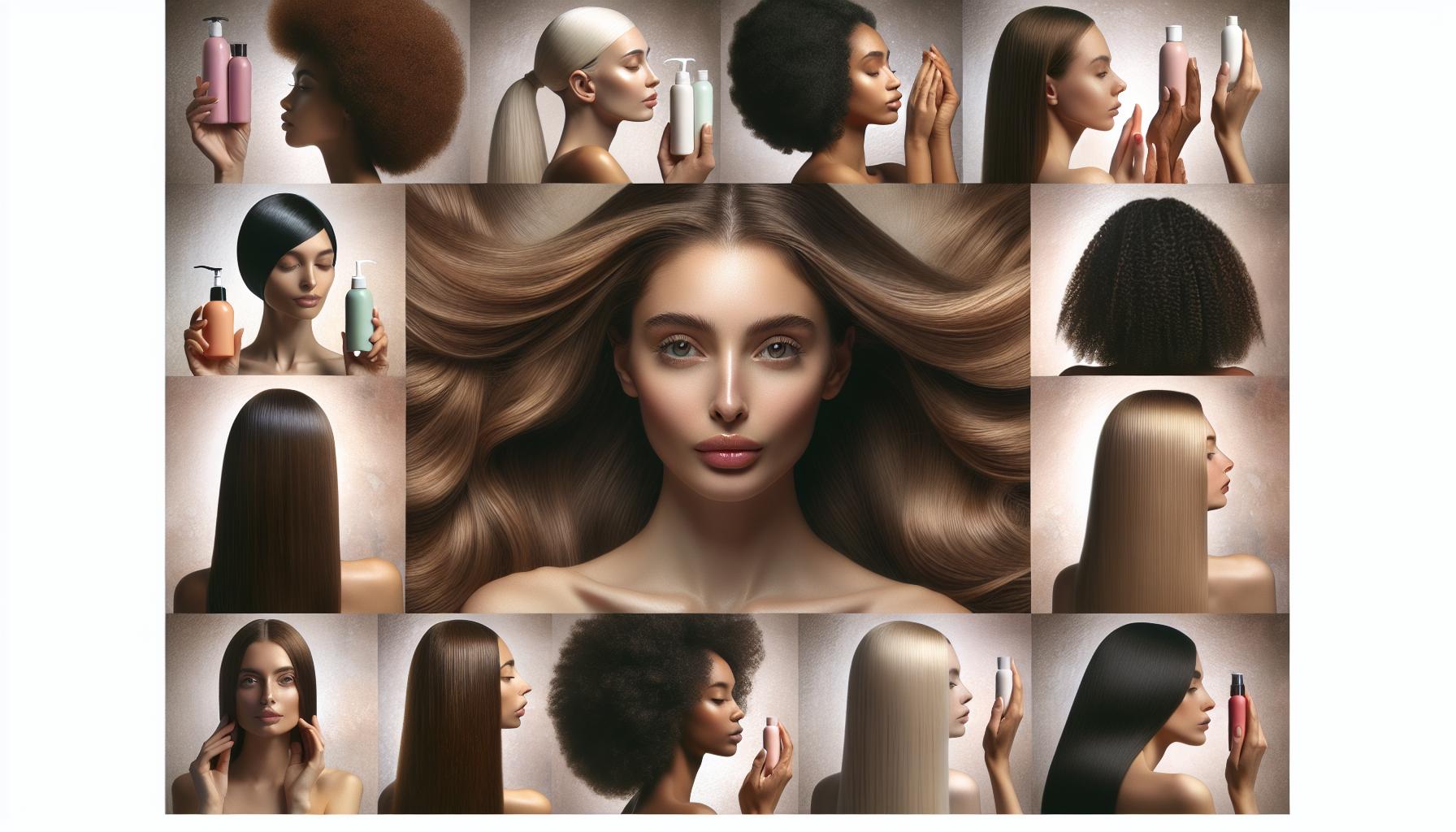
Contents
- Understanding Your Hair Type: The Foundation of Effective Hair Care
- The Science Behind Hair Washing: What Happens When You Clean Your Hair
- Expert Recommendations: How Often Should Different Hair Types Be Washed?
- Common Misconceptions About Hair Washing Frequency
- The Role of Scalp Health in Your Hair Washing routine
- Adjusting Your Hair Care Routine for Seasonal Changes
- DIY and Professional Treatments: Enhancing Your Washing Routine
- Navigating Hair Concerns: When to Wash More or Less for Optimal Health
- Frequently asked questions
- The Way Forward
Understanding Your Hair Type: The Foundation of Effective Hair Care
Understanding your hair type is crucial for developing an effective hair care routine. Different hair types—straight, wavy, curly, and coily—require tailored care strategies to maintain health and appearance. As a notable example,straight hair is frequently enough slick and soft but tends to become greasy quickly,while wavy hair can hold styles better but may need more hydration to enhance it’s natural texture. Curly hair, known for its bouncy curls, usually experiences more dryness due to the difficulty in natural oils traveling down the strands. Coily hair, with its tight curls, is delicate and requires special attention to prevent breakage. Recognizing these nuances allows you to customize your washing frequency and product choices, ensuring your hair remains vibrant and healthy.
Identifying Your Hair Type
To determine your hair type, you can examine its natural state without any products. After washing and air-drying your hair, take note of the following characteristics:
- Straight Hair (Type 1): Lacks curls, falls flat, and can appear shiny.
- Wavy Hair (Type 2): Forms loose waves and can vary in thickness and texture.
- Curly Hair (Type 3): Features bouncy curls; it can be prone to frizz and dryness.
- Coily Hair (type 4): Tightly curled or kinked; this type frequently enough requires intense moisture.
Once you identify your hair type, you can align it with the appropriate hair washing habits. For example, type 1 hair may only need washing every two to three days, while curly and coily hair may benefit from less frequent washes, such as once a week, to prevent over-drying.
Adapting Care Regimens
Here’s a fast guide to help you adapt your hair care regimen based on your hair type, as discussed in “How Often Should You Wash Your Hair? Expert Guide for Every Hair Type”:
| Hair Type | Recommended Washing Frequency | Product Recommendations |
|---|---|---|
| Straight Hair | Every 1-3 days | Lightweight shampoos and conditioners |
| Wavy hair | Every 2-4 days | Moisturizing shampoos; styling creams |
| Curly hair | Every 5-7 days | Hydrating shampoos; curl creams and gels |
| Coily Hair | Once a week or less | Deep conditioning treatments; oils |
Understanding these specifics about your hair type enables you to make informed decisions for washing and styling, ultimately leading to healthy, beautiful hair.
The Science Behind Hair Washing: What Happens When You Clean Your Hair
cleaning your hair is more than just a cosmetic ritual; it’s a science that impacts the overall health of your scalp and strands.When you wash your hair, you remove dirt, oil, and product buildup, which can lead to healthier hair growth and improved appearance. Understanding the science behind this process can help you make informed choices about your hair care routine.
When you apply shampoo to your hair, several key actions take place:
- Surfactant Action: Shampoos contain surfactants that create lather and help trap oil and dirt, allowing you to wash them away easily. This action is crucial for refreshing your hair and scalp.
- pH Balance: The pH of your shampoo can influence how effectively it cleans your hair without causing damage. Gently formulated products maintain the natural acid mantle of your scalp, protecting hair health.
- Moisture Retention: Conditioning agents in some shampoos help retain moisture in the hair strands, which is essential for preventing dryness and brittleness.
the frequency of washing plays a significant role in maintaining hair quality.While those with oilier hair types may benefit from washing daily, individuals with drier hair may find that washing two to three times a week suffices. Adjusting your routine based on your hair type is key to achieving optimal health.
Factors Influencing Hair Washing
Numerous factors influence how frequently enough you should wash your hair:
| Factor | Proposal |
|---|---|
| Hair Type | Oily (Daily) | Normal (2-3 times a week) | Dry (Once a week) |
| Environmental Factors | More frequent washing in humid or polluted environments |
| Activity Level | Daily workouts may necessitate more frequent washing |
By understanding the dynamics of hair washing,including the cleansing process and the factors at play,you can better tailor your routine. This not only optimizes hair health but also enhances your overall hair care strategy in line with the principles outlined in the “How Frequently enough Should You Wash Your Hair? Expert Guide For Every Hair Type.”
Expert Recommendations: How Often Should Different Hair Types Be Washed?
Understanding how often to wash different hair types can transform your hair care routine and keep your locks looking vibrant and healthy.Personalizing your washing frequency not only helps maintain the hair’s natural oils but also contributes to a well-balanced scalp environment. Here’s a breakdown of expert recommendations for various hair types, ensuring you find the best fit for your hair’s needs.
Oily Hair
If you struggle with oily hair, you’re not alone. this hair type tends to accumulate excess sebum more quickly, leading to a greasy appearance. Experts typically recommend washing oily hair every day or at least every other day to remove buildup and maintain freshness.Using a clarifying shampoo can also help control oil levels, keeping your scalp and hair cleaner for longer periods.
Dry or Curly hair
For those blessed with dry or curly hair, the approach is quite different. since this hair type is naturally drier, washing it two to three times a week is often sufficient. Frequent washing can strip away essential moisture, leading to frizz and breakage. Instead, focus on hydrating formulations and consider incorporating deep conditioning treatments into your routine to maintain moisture balance between wash days.
normal Hair
Having normal hair means you have a balance of oil and moisture. For this hair type, washing two to four times a week is generally ideal. This allows you to maintain a healthy scalp environment without stripping natural oils. Adjustments can be made based on activity levels or seasonal changes; as a notable example, if you sweat more in hot weather, you might find yourself washing more frequently.
Color-Treated Hair
Color-treated hair tends to require special attention to preserve color and health. It’s advisable to wash this type of hair two to three times a week with sulfate-free shampoos designed for color protection. This frequency helps maintain vibrancy and prevents fading while still allowing for necessary cleansing.
| Hair Type | Washing Frequency |
|---|---|
| Oily Hair | Every day or every other day |
| Dry or Curly Hair | Two to three times a week |
| Normal Hair | Two to four times a week |
| Color-Treated Hair | Two to three times a week |
by tailoring your washing schedule based on your hair type,you can ensure that you maintain healthy,beautiful hair without sacrificing cleanliness. Consider these expert recommendations as a guide to developing a personalized hair care regimen that allows your unique beauty to shine through.
Common Misconceptions About Hair Washing Frequency
Understanding the frequency of hair washing can considerably affect hair health and appearance, yet many people harbor misconceptions that may lead to inappropriate routines. One common myth is that daily washing is essential for cleanliness. In reality, for most hair types, washing every day can strip the hair of its natural oils, resulting in dryness and potential damage. This is particularly true for individuals with dry, curly, or textured hair, who often find that washing two to three times a week is sufficient to maintain a healthy balance of oils and moisture.
Another prevalent belief is that the type of hair products used dictates how often you should wash your hair. While using heavier styling products may necessitate more frequent washing, the overall condition and type of hair should guide your routine more than product choice. For instance, individuals with oily scalps may feel they need to wash more often, but it’s essential to find a balance that does not irritate the scalp or lead to excess dryness. Consulting with a hair care expert can provide tailored advice based on individual hair types and lifestyles.
When it comes to specific hair care for different ethnicities, there are further nuances. African American hair,which is often drier due to its natural texture,may benefit from less frequent washing to preserve moisture. Dermatologists recommend creating a personalized washing schedule that might range from once a week to once a month, depending on the individual’s hair condition and general care practices. Overwashing can lead to brittleness and breakage, making this myth particularly harmful.
For those uncertain about their washing frequency, a simple guide can serve as a helpful starting point:
| Hair Type | Recommended Washing Frequency |
|---|---|
| Straight/Wavy | 2-3 times a week |
| Curly | 1-2 times a week |
| Coily/African American | Once a week or less |
| Oily | Every other day |
By debunking these misconceptions regarding hair washing frequency, individuals can make more informed decisions that cater to their unique hair needs, ultimately leading to healthier, more vibrant hair. Recognizing that the right washing routine isn’t one-size-fits-all is key to achieving the best results for your specific hair type.
The Role of Scalp Health in Your Hair Washing routine
Maintaining a healthy scalp is crucial for promoting vibrant hair growth and overall hair health. Much like skin on the rest of your body, your scalp requires regular care to function optimally. An unhealthy scalp can lead to issues such as dryness,flakiness,or excess oil buildup,which can then affect the condition and appearance of your hair. Understanding how scalp health plays into your hair washing routine can help you establish a balanced regimen that caters to both your scalp and hair needs.
One of the basic aspects of a good hair washing routine is determining the right frequency based on your hair type and scalp condition. Washing your hair too frequently enough can strip it of natural oils, while infrequent washing can result in product buildup and an unhealthy scalp. For instance, individuals with oily scalps may need to wash their hair daily or every other day, whereas those with dry or curly hair types might find that washing once or twice a week suffices. Listening to your scalp’s signals is key: if it feels itchy or greasy, it might be time to wash.
Incorporating exfoliation into your routine can further enhance scalp health. Using a gentle scalp scrub or exfoliator can remove dead skin cells and buildup that regular shampooing might miss. This not only helps in keeping the scalp clean but also promotes blood circulation, encouraging healthy hair follicles. Additionally, choosing the right shampoo and conditioner designed for your specific hair type will aid in maintaining both scalp and hair health. Look for products infused with natural ingredients that nourish the scalp without being overly harsh.
Practical Steps for a Healthy Scalp
To optimize your hair washing routine, consider these actionable tips:
- Assess your hair type and adjust your washing frequency accordingly.
- Incorporate a scalp exfoliator into your regimen at least once a month.
- Choose shampoos and conditioners that target your specific scalp concerns,such as dryness or oiliness.
- Avoid sharing hair tools, as this can introduce bacteria and irritants to your scalp.
By prioritizing scalp health in your washing routine, you not only improve the appearance and vitality of your hair but also set the stage for optimal growth and resilience. Understanding the interplay between scalp care and hair washing frequency is a step towards achieving luscious, healthy locks. Remember, consistency is key, and being attuned to your scalp’s needs will lead to lasting benefits in your hair journey.
Adjusting Your Hair Care Routine for Seasonal Changes
Adjusting your hair care routine with the changing seasons is essential for maintaining healthy locks.As we transition from one season to another, our hair experiences various environmental stressors, such as humidity, temperature shifts, and UV exposure, which can impact its texture and health. For instance, winter often brings dry indoor heating that can strip moisture from your hair, while summer sun can cause color fade and dryness. Understanding these changes can guide you in tailoring your hair care practices effectively.
To begin adapting your routine, consider the following adjustments based on seasonal characteristics:
Winter Care
During the colder months, the air tends to be drier. This can lead to static hair and increased dryness. To combat these effects:
- Use a Hydrating Shampoo and Conditioner: opt for products rich in moisture, like those containing oils or aloe vera.
- Deep Conditioning Treatments: Incorporate weekly deep conditioning masks to restore moisture and nourish your hair.
- Limit Hot Showers: While it’s tempting to have hot showers, they can further dry out your hair. Keep water lukewarm rather.
Spring Adjustments
As the weather warms up, it’s time to refresh your routine. Hair can become oily or frizzy with increased humidity. Here’s how to adapt:
- Switch to Lighter Products: use lightweight shampoos and conditioners that won’t weigh your hair down.
- Increase Wash Frequency: if your scalp becomes oilier, consider washing more frequently, as spring frequently enough brings more sweat.
- Protect Against Allergens: Pollen can irritate your scalp; consider wearing a hat or using scalp treatments to keep it clean.
Summer Tips
summer presents challenges of UV exposure and chlorine from pools. Protect your hair by implementing these strategies:
- Use UV Protection: Invest in leave-in conditioners or sprays with UV filters.
- Rinse after Swimming: Always rinse your hair instantly after exposure to chlorinated water or salt to minimize damage.
- Stay hydrated: Just like your skin, your hair benefits from hydration, so drink plenty of water.
Fall Transition
As we move into fall, you may notice increased shedding. This natural seasonal occurrence can be mitigated with:
- Gentle Brushing: Use a wide-tooth comb to avoid breakage, as your hair may be more fragile during this time.
- Fall-Focused Hair Products: look for products that add thickness and promote scalp health.
- Nutrition: Incorporate foods rich in vitamins and minerals that support hair growth, such as nuts, fish, and leafy greens.
By adjusting your hair care routine according to the seasons, you can keep your hair vibrant and healthy year-round. Remember that individual hair types may require personalized adjustments, so observe how your hair reacts and adapt accordingly. This tailored approach aids in maintaining the beauty and health of your hair, ensuring you always look your best no matter the season.
DIY and Professional Treatments: Enhancing Your Washing Routine
Maintaining healthy hair goes beyond simply choosing the right shampoo; it involves incorporating effective treatments into your routine. DIY and professional treatments can significantly enhance the outcomes of your washing routine, making your hair look vibrant and feel revitalized. understanding how to integrate these treatments can lead to improved hair health tailored to your specific hair type, whether oily, dry, or color-treated.
DIY Hair Treatments
Utilizing natural ingredients from your kitchen not only saves money but also allows you to customize treatments based on your hair’s needs. below are some simple yet effective DIY hair treatments:
- avocado and Coconut Oil Mask: Blend one ripe avocado with two tablespoons of coconut oil to create a moisturizing mask. Apply it to your hair for 30 minutes before rinsing for hydration.
- Honey and Pumpkin Treatment: Mix one cup of pumpkin puree with 1-2 tablespoons of honey to harness its natural humectant properties. This treatment is excellent for dry or frizzy hair.
- Rice Water Rinse: After washing your hair,pour strained rice water over your hair and let it sit for 10-15 minutes to enhance shine and softness.
These methods not only enrich your hair with nutrients but also allow you to cater the treatment to your unique hair type, enhancing the effectiveness of your washing routine.
Professional Treatments
For those seeking a more targeted approach, professional treatments can provide significant benefits. Salons offer a variety of hair masks and treatments that cater to specific concerns such as damage, color retention, or scalp health. Popular options include:
| Treatment | Benefits |
|---|---|
| Keratin Treatment | Reduces frizz and enhances shine, ideal for coarse or curly hair. |
| Deep Conditioning | Locks in moisture and repairs damage, suitable for all hair types. |
| Scalp Treatment | Addresses issues like itching or flakiness, promoting a healthy scalp. |
Integrating these professional treatments into your regimen can enrich your hair care routine, providing results that may not be achievable with DIY methods alone.
By combining DIY and professional options, you can develop a holistic approach to hair care that aligns perfectly with the guidance from the ‘How Often Should You Wash Your Hair? Expert Guide For Every Hair Type’.This strategy not only enhances the effectiveness of your washing routine but also fosters long-term hair health, ensuring your locks remain luscious and vibrant.
Understanding when to wash your hair can significantly impact its health and overall appearance. For many, the journey to finding the perfect washing routine can feel puzzling, especially with the wide variety of hair types and scalp conditions out there. Factors like oil production, product buildup, and even lifestyle choices play essential roles in determining how often to cleanse. By paying attention to your hair’s unique signals, you can strike a balance that promotes optimal health while avoiding common pitfalls like dryness and breakage.
### Recognizing your Hair’s Needs
Different hair types require different approaches to washing. If your scalp is itching, flaking, or if your hair appears oily, it may be time to shampoo. These signs indicate that excess oil and dirt have built up and need to be removed. Conversely, those with drier, coarser hair textures—such as many individuals of African descent—may find that washing too frequently contributes to dryness and brittleness, potentially leading to breakage. In these cases, it’s often advised to wash just one to three times a week, or even less, depending on personal preference and lifestyle factors (Cleveland Clinic).
### Creating a Custom Washing Schedule
When deciding how often to wash your hair,consider developing a personalized schedule based on your specific situation. The following table summarizes various hair types and their recommended washing frequencies:
| Hair Type | Washing Frequency |
|---|---|
| Fine or Oily Hair | Every 1-2 days |
| Medium Hair | Every 2-3 days |
| Thick or Curly Hair | Every 3-7 days |
| Dry or Coarse Hair | Once a week or less |
### Adjusting Based on Lifestyle
Your lifestyle also influences how often you should wash your hair. As an example, those who engage in daily workouts or sweat frequently may need to wash their hair more often to prevent oil buildup and maintain scalp health.However, if you’re regularly using heat styling tools or coloring your hair, extending the time between washes can help preserve moisture and color vibrancy. As hair care expert Philip B suggests, it’s essential to listen to your scalp and make adjustments as needed rather than adhering to a strict schedule (Martha Stewart).
achieving optimal hair health involves a harmonious balance between personal needs, hair type, and lifestyle habits. By tuning in to your hair and scalp, you can effectively navigate the washing process and ensure your locks remain vibrant and healthy.
Frequently asked questions
How Often Should You Wash Your Hair?
How often you should wash your hair depends on your hair type, lifestyle, and scalp condition. People with oily hair may need to wash daily, while those with dry hair can wash every few days. It’s essential to find a balance that keeps your hair clean without stripping natural oils.
For example, fine or oily hair often requires more frequent washing to manage oil buildup. In contrast, curly or thick hair tends to be drier, needing less frequent washes to maintain moisture. Assess your individual needs to determine what works best for you.
What is the best shampoo for my hair type?
The best shampoo varies by hair type and concerns. Look for shampoos labeled for your specific hair type, like moisturizing for dry hair or volumizing for fine hair. Ingredients also matter; for example, avoid sulfates if you have sensitive skin.
You can also explore options like sulfate-free or organic shampoos, which are generally gentler. Always check ingredient lists to find what’s best for your hair condition. If you’re uncertain, consider seeking advice from a professional stylist.
Can I wash my hair every day?
Washing your hair every day is acceptable for some people, especially those with oily hair types. Though, daily washing can lead to dryness for others, particularly those with curly or textured hair. Listen to your hair’s needs.
If you feel your hair becoming dry,try spacing washes further apart. You could use a dry shampoo to absorb excess oil between washes. Experiment to see what routine keeps your hair looking its best.
Why does my scalp itch after washing?
An itchy scalp after washing could indicate a few issues. Common causes include using products that irritate the scalp, over-washing, or a reaction to shampoo ingredients like fragrance. Ensure you’re using products that suit your scalp’s needs.
Consider switching to gentle, hypoallergenic shampoos if irritation persists. additionally,avoiding hot water during washing can definitely help maintain scalp health. If itching continues, consult a dermatologist for personalized advice.
How does my diet affect hair washing needs?
Your diet can significantly impact your hair’s health and washing needs. A balanced diet rich in vitamins and minerals supports healthy hair growth, potentially altering your washing frequency if your hair becomes less oily.
Consume foods high in omega-3 fatty acids, proteins, and iron to improve hair health. Staying hydrated also keeps your scalp moisturized, which might reduce the need for frequent washing. Incorporate healthy choices for better scalp and hair conditions.
Are there benefits to not washing my hair frequently?
Not washing your hair frequently can indeed offer benefits. It allows your scalp’s natural oils to nourish and protect your hair,promoting improved texture and moisture balance,especially for those with dry or curly hair.
longer gaps between washes can lead to stronger, more resilient hair. If you struggle with oiliness, using a dry shampoo can help interim without stripping moisture. Assess your hair type to determine the best routine.
The Way Forward
determining how frequently enough to wash your hair is a highly individual choice, influenced by various factors such as hair type, lifestyle, and personal preference. While experts generally recommend washing hair 2-3 times a week for optimal health, finding a routine that suits you is essential.For those with oily hair, more frequent washing may be necessary, whereas dry or curly hair types often benefit from less frequent cleansing to preserve natural oils. Embracing a customized approach not only addresses your specific hair needs but also allows for a more profound connection with your hair care routine.
We invite you to explore more about hair care best practices and techniques that cater to your unique hair concerns. Engage with the content, experiment with different washing frequencies, and see what feels right for you. Remember, your hair journey is personal, and finding the balance that promotes your hair’s health and vitality can be both empowering and rewarding. Keep learning,and don’t hesitate to share your experiences and questions as you navigate your path to beautiful,healthy hair.


