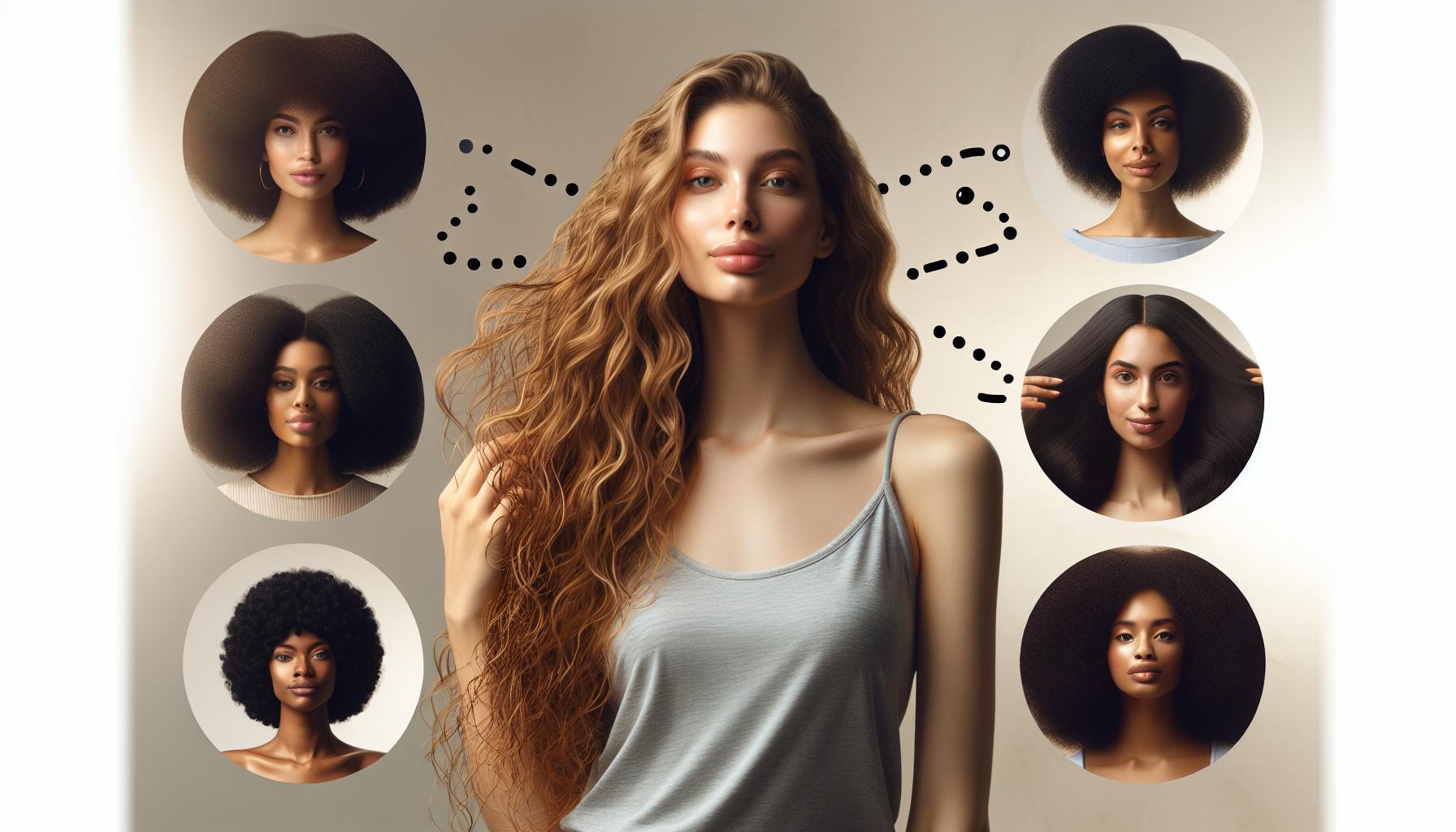

Have you ever wondered if leaving conditioner in your hair could enhance its texture and health? This common dilemma has many seeking answers, as the right hair care routine can make a important difference. While leave-in conditioners can provide moisture and manageability, understanding the benefits and potential risks is essential for achieving luscious locks.
Contents
- Understanding Conditioner: What it Does for Your Hair
- The Benefits of Leaving Conditioner in Your Hair
- Risks to Consider: When Overusing Conditioner Can Backfire
- How to Choose the Right Conditioner for Extended Use
- Expert Recommendations: How Long is Too Long?
- Tips for Safe Application: Getting the Best Results
- The Role of Hair Type in Conditioner Use: Tailoring Your Routine
- Faq
- Is It OK to Leave Conditioner in Your Hair?
- What are the benefits of leaving conditioner in your hair?
- Can I leave regular conditioner in my hair overnight?
- Why does my hair feel greasy after leaving in conditioner?
- What types of hair benefit most from leave-in conditioner?
- Are there any potential risks of leaving conditioner in your hair?
- In Summary
Understanding Conditioner: What it Does for Your Hair
Conditioner is more than just a post-shampoo step; it is a transformative product that plays a crucial role in hair care. Designed to enhance manageability, improve moisture retention, and protect hair from damage, conditioners serve a multitude of functions that benefit various hair types. Understanding what conditioner does for your hair can greatly enhance your hair care routine, perhaps influencing how you decide to use it—whether rinsing it out or leaving it in for extended periods.
Why Use Conditioner?
Conditioners work by coating the hair strands and providing essential nutrients, leading to several benefits that cater to the diverse needs of hair:
- Moisture Retention: conditioners help restore hydration to dry hair, making it softer and preventing frizz.
- Detangling: Thay reduce static and make hair easier to comb through, minimizing breakage and split ends.
- Protection: Conditioners form a protective barrier against environmental aggressors like heat, UV rays, and pollutants.
- Strengthening: Many conditioners contain proteins that help reinforce the hair structure, improving elasticity and resilience.
The effectiveness of a conditioner can vary substantially based on its formulation.Some are specifically designed for moisture, while others are protein-based or formulated to address particular hair concerns such as color treatment or curl definition.For those curious about the potential of leaving conditioner in your hair, it’s vital to consider both the benefits and the possible risks associated with prolonged use.
Potential Risks of Leaving Conditioner In
While there can be advantages to leaving conditioner in your hair, there are also a few potential downsides to be aware of:
- Product Buildup: Leaving conditioner in can lead to excess residue, making hair appear greasy and weighing it down.
- Scalp Issues: if conditioner clogs pores on the scalp, it may lead to irritation or dandruff.
- Imbalanced Hydration: Too much moisture can lead to over-saturation, making hair limp and oily.
Finding the right balance is key. For those with dry or damaged hair, using a leave-in conditioner formulated for daily use might provide the moisture needed without the risks associated with conventional rinse-out conditioners.
To summarize, understanding how conditioners work and the implications of leaving them in your hair is vital for maintaining healthy locks. If you’re exploring ways to maximize the benefits of conditioner while minimizing risks, consider trying different formulations to see what best suits your hair type and lifestyle.
The Benefits of Leaving Conditioner in Your Hair
While many people view the post-wash routine as a quick rinse and repeat, the practice of leaving conditioner in your hair opens up a world of nourishing possibilities. This method, ofen referred to as “leave-in conditioning,” allows for prolonged hydration and protection, giving your hair the extra love it deserves. To understand its appeal,let’s delve into the multiple advantages it offers for your hair health.
Enhanced Moisture Retention
One of the primary benefits of leaving conditioner in your hair is improved moisture retention.Traditional rinse-out conditioners are beneficial for detangling and smoothing, but they wash away almost entirely before you can reap their maximum benefits. By applying a leave-in conditioner, you allow the hydrating ingredients—such as glycerin or natural oils—to penetrate deeper into the hair shaft. This can result in softer, shinier, and more manageable hair.
Protection Against Damage
You may not realize it,but exposure to environmental aggressors like UV rays,pollution,and harsh weather can take a toll on your hair.By leaving a conditioner in, you create an additional protective barrier. Many leave-in products are formulated with ingredients that combat these stressors, such as antioxidants and sunscreens, which help shield your hair from damage.
- UV Protection: Ingredients like sunflower seed extract can fend off harmful rays.
- Pollution Shield: Some leave-in conditions contain properties to guard against dirt and grime.
Improved Detangling
Another critical benefit is the enhanced detangling factor.Particularly for those with curly or textured hair, leaving conditioner can transform a frazzled mane into a manageable crown of curls. The slippery consistency of leave-in products can help reduce friction, preventing breakage during styling. A small amount applied to damp hair can make combing or brushing feel effortless, minimizing damage caused by yanking on knots.
Table of Key Benefits
| Benefit | Description |
|---|---|
| Moisture Retention | Locks in hydration, preventing dryness and frizz. |
| Damage Protection | Creates a barrier against UV rays and environmental pollutants. |
| Enhanced Detangling | Reduces breakage and allows for easier combing. |
| Improved Styling | Makes styling treatments more effective by providing a smoother texture. |
Incorporating leave-in conditioner into your hair care regimen can lead to healthier, more resilient locks. Though, as with any product, moderation is key. Testing various formulas will help you determine what works best for your hair type and texture, minimizing the risks of buildup or greasiness while maximizing nourishment and protection.
Risks to Consider: When Overusing Conditioner Can Backfire
Overusing conditioner can feel like an indulgent treat for your hair, promising softness and manageability. However,this practice may lead to unexpected drawbacks that counteract your initial intentions. while investigating whether it’s acceptable to leave conditioner in your hair can unveil incredible benefits, it’s essential to also explore the potential pitfalls of excessive use.
Understanding the Drawbacks
conditioners are formulated to enhance moisture, smoothness, and shine, but too much of a good thing can lead to several issues. Here are some of the risks associated with overusing conditioner:
- Build-Up: Conditioners often contain silicones and other heavy ingredients that can accumulate on the hair and scalp over time. This build-up can weigh your hair down, making it look greasy and lifeless.
- Clogged Pores: Excessive product can also affect the scalp by clogging pores, leading to irritation, dandruff, or even hair loss. A healthy scalp is fundamental for preventing these issues.
- Altered Hair Texture: While conditioners aim to soften hair, overuse can produce a flat, limp appearance instead of the buoyancy and volume you might desire.
- Increased oil Production: Over-conditioning can signal your scalp to produce more oil as a response to perceived dryness, perpetuating a cycle of greasy hair.
Signs your Using Too Much Conditioner
Identifying whether you’re overusing conditioner is crucial for maintaining healthy hair. Here are some signs to watch out for:
| Signs | Description |
|---|---|
| Greasy Appearance | If your hair looks flat or feels oily within a day of washing, you might be using excess conditioner. |
| Build-Up Residue | Feeling a waxy or sticky texture that doesn’t wash off easily indicates a need for clarification. |
| Frequent Itching or Irritation | If your scalp feels itchy or irritated,it might very well be a reaction to product buildup. |
| Loss of Volume | Flat hair lacking bounce is frequently enough a telltale sign of over-conditioning. |
To avoid the potential pitfalls of heavy conditioning, consider starting with a smaller amount and gradually adjusting based on how your hair responds.regularly incorporate a clarifying shampoo into your routine to remove product build-up, ensuring your hair remains healthy and vibrant. Balancing hydration with proper cleansing is key to maximizing the benefits of each product while minimizing risks.
How to Choose the Right Conditioner for Extended Use
Finding the right conditioner for extended use is crucial for maintaining your hair’s health and appearance,especially if you’re considering the benefits and potential risks of leaving conditioner in your hair. Not all conditioners are created equal; choosing the one that suits your hair type and lifestyle can make a significant difference in achieving hydrated, manageable locks without negative effects.
Consider Your Hair Type
To start,identify your specific hair type and needs. Different hair textures—be it straight, wavy, curly, or coily—require different formulations to optimize moisture retention without causing buildup. Here’s a quick guide to help you choose:
| Hair Type | conditioner type |
|---|---|
| Straight | Lightweight, hydrating conditioners that are less likely to weigh down your hair. |
| Wavy | Medium-weight conditioners with moisturizing ingredients that enhance texture without frizz. |
| Curly | Rich, nutrient-dense conditioners that offer deep hydration and combat dryness. |
| Coily | Heavy, creamy formulations that provide maximum moisture and prevent shrinkage. |
Ingredients Matter
When selecting a conditioner, pay close attention to the ingredients. Look for hydrating components such as glycerin, aloe vera, or argan oil which can provide moisture. However, avoid products with overly harsh chemicals (like sulfates and parabens) that can lead to buildup or dryness over time. Always ensure that the conditioner contains sufficient proteins if your hair is damaged or lacks strength.
You may also want to explore leave-in conditioners or deep conditioners if you’re considering longer application times. These products are specifically formulated to remain in the hair without causing the buildup typical of traditional rinse-out conditioners. As an example, a leave-in treatment can provide ongoing moisture and protection, especially helpful in environments that are harsh on hair.
Monitoring Scalp Health
One often-overlooked aspect when considering the daily use of conditioner is scalp health. While focusing on ends, do not neglect your scalp, as it can become oily or develop product buildup. If you find yourself using a conditioner regularly,it’s an excellent idea to incorporate a clarifying shampoo into your routine once a month to keep your scalp fresh and clear.
finding the best conditioner for prolonged use requires understanding your hair’s unique needs, selecting products with beneficial ingredients, and monitoring your scalp’s condition. A thoughtful approach to conditioning not only maximizes the benefits but also minimizes potential risks associated with leaving conditioner in your hair.
Expert Recommendations: How Long is Too Long?
Many hair care enthusiasts frequently enough wonder how long they can safely keep conditioner in their hair, especially after learning about the potential benefits and risks associated with this practice. Understanding the balance between effective conditioning and overloading your hair with product is crucial for achieving healthy, manageable locks. So, how long is too long when it comes to leaving conditioner in your hair? Let’s delve into expert insights.
General Guidelines for Leaving Conditioner in Your Hair
A good rule of thumb is that rinse-out conditioner should be applied for no longer than 3 to 5 minutes, while leave-in conditioner is formulated to be absorbed throughout the day. Here are a few key considerations based on hair type and condition:
- Fine Hair: If you have finer hair, be cautious about leaving any type of conditioner in for extended periods. Experts suggest that a maximum of 10-15 minutes for a rinse-out conditioner is ideal, as longer durations can weigh down your strands.
- Thick or Coarse Hair: Individuals with thicker hair may benefit from longer application times, especially with deep conditioners, which can be left on for 20-30 minutes or even overnight if prepped properly.
- Color-Treated Hair: If you’ve treated your hair with color,a conditioner could help restore moisture,but experts recommend avoiding keeping it in for more than 15 minutes to prevent over-conditioning,which could lead to dullness.
Risks of Overdoing It
While conditioners can offer luxurious moisture and protection, the potential pitfalls of overusing them include buildup and an unwanted greasy texture.Leaving conditioner in your hair for extended periods may lead to:
| Potential Risks | Description |
|---|---|
| Product Buildup | Excessive buildup can lead to greasiness and dullness,diminishing the vibrancy of your hair. |
| scalp Issues | Prolonged exposure to products can irritate the scalp, causing itchiness or flakiness. |
| Impaired Shape | Heavy conditioners can weigh hair down, making it challenging to style and maintain desired shapes. |
while there are definite benefits to conditioning your hair, being mindful of how long you leave it in is vital. Experiment with different time frames based on your hair type and condition, and don’t hesitate to consult your hairstylist for tailored advice. A balanced approach will ensure your hair remains both healthy and hydrated without the drawbacks of over-conditioning.
Tips for Safe Application: Getting the Best Results
When it comes to hair care,the debate surrounding whether to leave conditioner in your hair can be complex. Though, with the right approach, you can harness the benefits while minimizing any potential risks to your hair and scalp health. understanding how to safely apply conditioner effectively can yield remarkable results, promoting softness, shine, and manageability.
Understand Your Hair Type
Different hair types respond uniquely to leave-in conditioner. Here’s a breakdown of how to tailor your application:
- Fine Hair: If you have fine hair, it’s essential to use a lightweight conditioner designed for leave-in use. Apply a small amount to the ends only, as applying too much at the roots can weigh your hair down.
- Curly or Coarse Hair: Thicker conditioners work well for curly or coarse textures. Liberally apply the product, distributing it evenly from roots to tips to maintain moisture and define curls.
- Color-Treated Hair: For color-treated strands, choose a conditioner that offers hydration but is also formulated to protect color. These products usually contain ingredients that help lock in color while nourishing the hair.
Application Techniques
how you apply conditioner matters significantly. Consider these practical tips for achieving the best results:
- Start with Damp Hair: For optimal absorption, apply leave-in conditioner to damp hair. This allows the product to penetrate the hair shaft better, enhancing its effectiveness.
- use the Right Amount: A common guideline is to use a quarter-sized amount of conditioner for medium-length hair. Adjust the amount based on your hair’s thickness and length to avoid build-up.
- Focus on Damage Areas: Concentrate application on the ends of your hair where damage is most likely to occur. This practice prevents the scalp from becoming overly greasy while ensuring that the most vulnerable parts of your hair are well cared for.
Monitor Scalp Health
while the query ‘Is It OK to Leave Conditioner in Your Hair?’ often focuses on hair benefits, scalp health is just as essential. Leaving conditioner in for prolonged periods may cause build-up on the scalp, leading to issues like dandruff or oiliness. Here are some strategies to maintain a healthy scalp:
- clarify Regularly: Use a clarifying shampoo every few weeks to remove any accumulated product residue.
- Balance Your Routine: Alternate between leave-in conditioner and regular rinsing conditioners to allow your scalp to breathe while still providing your hair with moisture.
- Patch Test New Products: Whenever you try a new conditioner, start with a small amount on a small area of your scalp to test for any adverse reactions.
Following these practical tips for safe application can definitely help you maximize the benefits of leave-in conditioners while minimizing any potential risks. A tailored approach that considers both your hair type and the health of your scalp will lead to healthier, shinier results.
The Role of Hair Type in Conditioner Use: Tailoring Your Routine
When it comes to hair care, understanding your specific hair type can significantly enhance the effectiveness of the products you choose, particularly conditioners. different hair types—whether straight, wavy, curly, or coily—have unique needs that can affect how you should use conditioner and whether leaving it in can offer additional benefits without adverse effects. Tailoring your routine based on these characteristics is essential for achieving optimal results, especially when considering the question of “Is it OK to leave conditioner in your hair? Benefits & Potential Risks.”
Understanding Your Hair Type
Each hair type comes with its own set of challenges and strengths, which should be considered when selecting a conditioner.For example:
- Straight Hair: Typically more prone to oiliness, straight hair may require lightweight conditioners that do not weigh it down. consider using a leave-in conditioner if your hair feels dry.
- Wavy Hair: This type often needs a balance of moisture and control. Creamy conditioners can enhance waves without causing frizz.
- Curly Hair: Curly hair generally requires intensive hydration due to its structure,which can trap moisture. rich, nourishing deep conditioners are highly beneficial, and leave-in options can help maintain curl definition.
- coily Hair: Coily hair is the driest of all types and thrives on heavy moisturizing products. Using a thick conditioner followed by a leave-in formula can provide the necessary hydration.
Applying Conditioner Based on Hair Type
The method of application and the type of conditioner used can vastly affect results. For finer hair types, more frequent application of lighter conditioners is often better, while thicker hair can benefit from less frequent use of heavier conditioners. The length of time you leave conditioner in your hair is also crucial. While most people rinse out their conditioners, some hair types can benefit from extended exposure:
- Fine Hair: Leave-in treatments can be beneficial, but limit the amount to avoid buildup.
- Curly and Coily Hair: Leaving conditioners in longer can enhance moisture retention and define curls, alleviating dryness.
Ultimately, understanding the intricacies of your hair type is paramount when contemplating “Is it OK to leave conditioner in your hair?” Adjusting your hair care routine to include tailored conditioning practices not only preserves hair health but also promotes shine and manageability.
| Hair type | Recommended Conditioner Type | Leave-in Time |
|---|---|---|
| Straight | Lightweight | Rinse out |
| Wavy | Creamy | 5-10 minutes |
| Curly | Rich,nourishing | 10-20 minutes / Leave-in |
| Coily | Heavy moisturizer | 15-30 minutes / Leave-in |
by customizing your conditioner use based on hair type,you can maximize hydration while minimizing the risk of damage or buildup,making your regimen as effective as possible.
Faq
Is It OK to Leave Conditioner in Your Hair?
Yes,it can be beneficial to leave certain types of conditioners in your hair, such as leave-in conditioners,which are specifically formulated for this purpose.These products provide hydration and protection, especially for dry or damaged hair. However, traditional rinse-out conditioners should generally be washed out to avoid buildup and grease.
Conditioners designed for leave-in use contain lighter ingredients that absorb quickly and enhance the hair’s feel without weighing it down. They also provide *protection against environmental damage* and can help manage frizz. In contrast, rinse-out conditioners contain heavier emollients that can lead to buildup if left on the hair.
What are the benefits of leaving conditioner in your hair?
Leaving conditioner in your hair can provide multiple benefits, such as improved hydration, reduced frizz, and enhanced manageability. Leave-in conditioners often contain ingredients that help nourish the hair strands and protect from heat and environmental stressors.
Users with textured or *chemically treated hair* often find that leave-in conditioners can significantly improve their hair’s health and appearance. It’s crucial to choose a product that suits your hair type to maximize these benefits. You can also explore various options by checking our recommendations for the best conditioners.
Can I leave regular conditioner in my hair overnight?
Leaving regular conditioner in your hair overnight is generally not recommended, as it may cause *product buildup* and weigh your hair down. Rinse-out conditioners are designed to be washed out after a few minutes to prevent these issues.
However, if you desire intensive treatment, consider deep conditioning masks formulated for longer application. these treatments contain concentrated ingredients and can be left in for extended periods without causing harm to your hair.
Why does my hair feel greasy after leaving in conditioner?
If your hair feels greasy after leaving in conditioner, it may be due to using a product not designed for that purpose, such as a rinse-out conditioner. Heavy ingredients can lead to an oily appearance and buildup.
To avoid this, stick to leave-in conditioners that are lighter and specifically formulated for longer wear. *Adjusting the amount used* can also make a difference—using too much can lead to excessive greasiness.
What types of hair benefit most from leave-in conditioner?
Curly, frizzy, and damaged hair types tend to benefit most from leave-in conditioners, as these products provide significant moisture and help define curls while reducing frizz.
Moreover, if you regularly use heat styling tools, leave-in conditioners can offer an extra layer of protection and hydration. For fine hair, choosing a lightweight formula is essential to avoid weighing down the strands.
Are there any potential risks of leaving conditioner in your hair?
Potential risks of leaving conditioner in your hair include buildup and dryness, especially if a product isn’t intended for leave-in use. Rinse-out conditioners may contain heavier ingredients unsuitable for prolonged application.
Additionally, if you have a sensitive scalp, it might lead to irritation. Always opt for products designed for extended wear and consider your hair and scalp type when deciding to leave conditioner in your hair.
In Summary
the question of whether it’s acceptable to leave conditioner in your hair delves into a rich landscape of benefits and potential risks. Whether you’re searching for extra moisture, smoother strands, or a protective barrier against damage, understanding the balance between hair health and product use is key. For those with coarse or drier hair types, leave-in conditioners can offer a nourishing solution, while others, particularly those with fine or oily hair, might find that traditional conditioning methods work better for them.As you navigate your hair care journey, consider experimenting with leave-in products, adjusting your routine based on your hair’s unique needs. Monitor how your hair responds and don’t hesitate to consult a professional stylist if you’re unsure. Remember, the goal is to empower you to make choices that enhance your hair’s health and beauty, providing you with the confidence to embrace your natural locks.
Take time to explore, test different products, and listen to what your hair tells you. Your hair care experience is personal, and by paying attention to both scientific principles and your own preferences, you can achieve luscious, healthy hair that shines with vitality. Keep learning, stay engaged, and don’t hesitate to share your own experiences and insights along the way. after all, hair care is not just about products; it’s about celebrating who you are.