


Bleaching hair is a popular choice for achieving vibrant colors, but many wonder if this process leads to irreversible damage. Understanding how bleaching affects hair integrity is crucial for anyone considering a transformation. this article explores the scientific implications of hair bleaching, revealing both the potential risks and ways to mitigate damage effectively.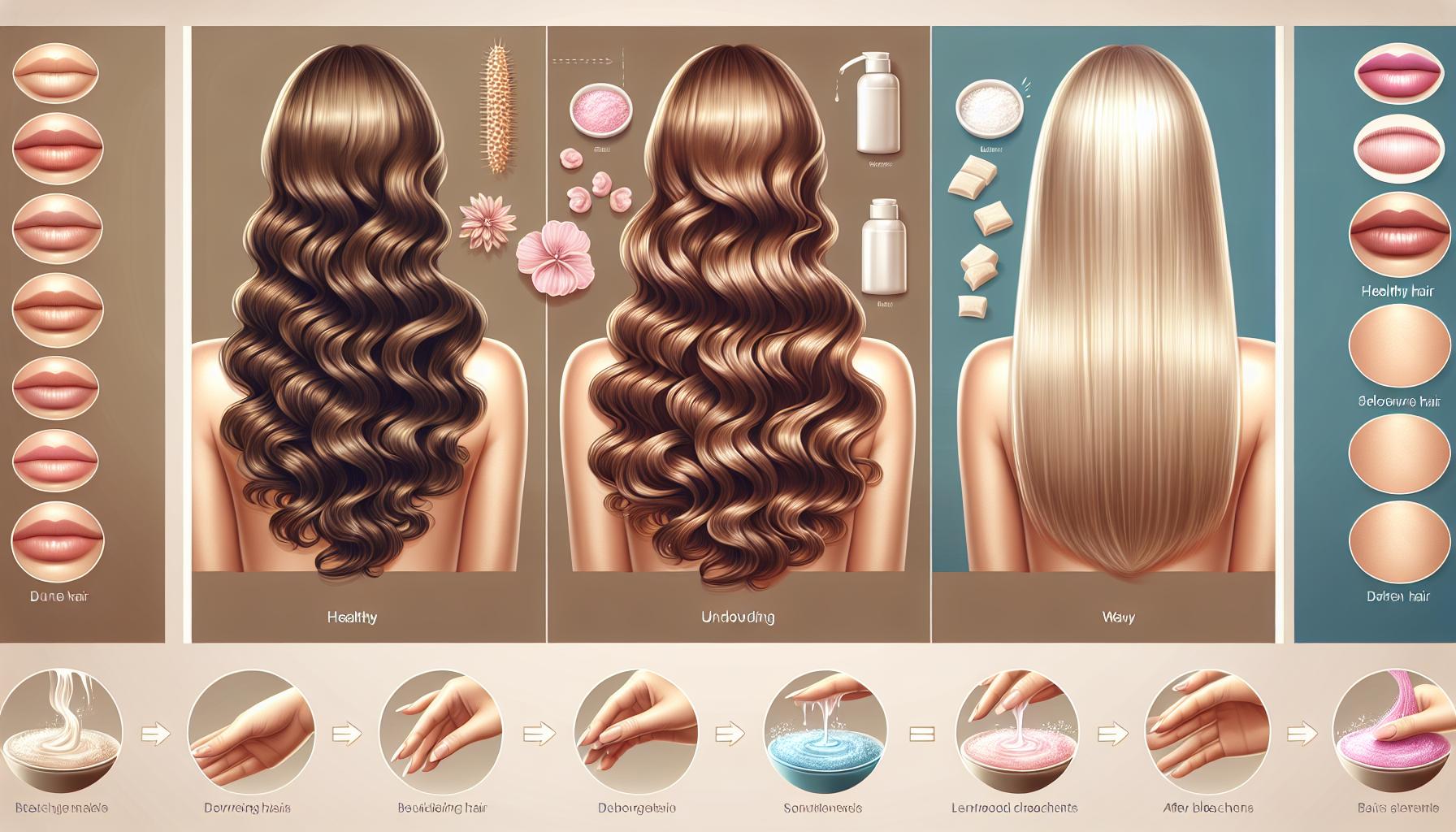
Contents
- Understanding Hair Structure: What Happens When You Bleach
- The Science of Hair Bleaching: Chemicals at Work
- Short-term vs. Long-Term Effects of Bleaching on Hair Health
- Expert insights: Hair Professionals Weigh In on Bleaching Damages
- Signs of Damage: How to Recognize If Your Hair Is Suffering
- Effective Aftercare: Tips for Reviving Bleached Hair
- Balancing Beauty and Health: Is Bleaching Worth the Risk?
- Alternatives to Traditional Bleaching: Exploring Safer Options
- frequently Asked Questions
- does bleaching hair cause permanent damage?
- How can I reduce damage while bleaching my hair?
- What is the science behind hair bleaching?
- Can I reverse damage caused by bleaching my hair?
- Why does my hair feel brittle after bleaching?
- How frequently enough can I bleach my hair safely?
- Does bleaching affect hair growth?
- Future Outlook
Understanding Hair Structure: What Happens When You Bleach
When considering hair bleaching,it’s essential to grasp how the process interacts with the natural structure of your hair.Contrary to what many may believe, the effects of bleach are more than just cosmetic; they fundamentally alter the hair’s composition and integrity. To truly understand the implications of this transformative process, one must delve into the science behind hair structure and how bleaching works.
Hair is composed primarily of a protein called keratin, which forms a protective outer layer known as the cuticle. This cuticle is crucial for maintaining the hair’s strength and moisture balance. When bleach is applied, it penetrates the hair shaft, breaking down the melanin pigments responsible for your natural hair color. This process involves a chemical reaction that opens the cuticle, allowing the bleach to lift the color while simultaneously deconstructing some of the hair’s natural fatty acids. As an inevitable result, hair can become more porous, increasing its susceptibility to dryness and damage.
The Impact of Bleaching on hair Damage
The critical question many have is whether this process leads to permanent damage. While it’s true that bleaching can cause immediate effects such as dryness and brittleness, the extent of damage largely depends on several factors, including:
- Developer strength: The percentage of developer used in the bleaching process directly affects how quickly and aggressively the bleach works, which can increase the damage.
- Hair Condition: Pre-existing damage, hair type, and porosity play significant roles. Healthier hair tends to withstand bleaching better than already compromised strands.
- Post-Bleach Care: Implementing a robust hair care regimen with moisturizing and strengthening products can mitigate damage.
While some damage is often certain, careful planning and execution can substantially reduce the repercussions of bleaching. It’s advisable to seek professional guidance, especially for those new to hair dyeing. They can assess your hair’s health and recommend tailored products and methods that address your specific needs, helping to maintain your hair’s integrity throughout the bleaching process.
understanding the structure of your hair and the effects of bleaching is vital in asking the question, “Does bleaching hair cause permanent damage?” What the science shows is that while some degree of damage is almost certain, proper techniques and aftercare can preserve hair health and mitigate long-term effects. Keeping your hair resilient post-bleach involves investing time in recovery and maintenance, ensuring your hair remains vibrant and healthy.
The Science of Hair Bleaching: Chemicals at Work
When it comes to transforming your hair color, bleaching is a popular method, but many are concerned about its potential long-term effects. The science behind hair bleaching is rooted in chemistry,primarily involving a process that alters the hair’s natural structure using oxidative agents. These agents primarily consist of hydrogen peroxide or ammonia, which work together to strip pigment from the hair strands. Understanding how these chemicals interact with hair can clarify whether bleaching leads to permanent damage.
The Chemical process Involved in Bleaching
Bleaching works by opening the hair cuticle, which is the outer protective layer, allowing the lightening agent to penetrate the cortex, where the hair’s pigment (melanin) resides. The process can be summarized as follows:
- Oxidation: The bleaching agents oxidize the melanin, effectively breaking down its structure and allowing for lighter shades to emerge.
- Heat Application: Frequently enough, heat is applied during bleaching to enhance the chemical reaction, which can expedite the process but may also lead to increased damage to the hair.
- Over-processing: If the bleach is left on for too long or applied too frequently,it may lead to chemical burns on the scalp or damage hair follicles,raising concerns about long-lasting effects.
While the immediate aftermath of bleaching may involve some degree of hair weakness or brittleness, research indicates that the hair typically regrows, particularly if the scalp and hair follicles are not severely damaged. However, cases of chemical burns leading to hair loss can occur, though these instances are often temporary. According to professionals, hair may take time to recover, and the regrowth process depends on various factors such as aftercare, individual hair health, and the severity of the damage inflicted by the chemicals used [[1](https://www.realself.com/question/los-angeles-ca-hair-loss-permanent-after-bleaching-scalp-numb-weeks)].
Mitigating the Risks of Permanent damage
To minimize the risk of long-term damage while undergoing bleaching, consider the following tips:
- Pre-Bleach Treatments: Applying deep conditioning treatments before bleaching can definitely help strengthen the hair cuticle and reduce damage.
- Choose Professional Services: Opting for a skilled hairdresser can ensure that the bleaching process is managed correctly, decreasing the likelihood of over-processing.
- Regular Aftercare: using sulfate-free shampoos and nourishing conditioners can help maintain hair health after bleaching.
Despite concerns about whether bleaching hair causes permanent damage, most of the scientific evidence suggests that if proper precautions are taken, the damage can be managed effectively. Understanding the chemistry behind the process, combined with professional guidance and a commitment to aftercare, can help mitigate risks and keep hair looking vibrant and healthy.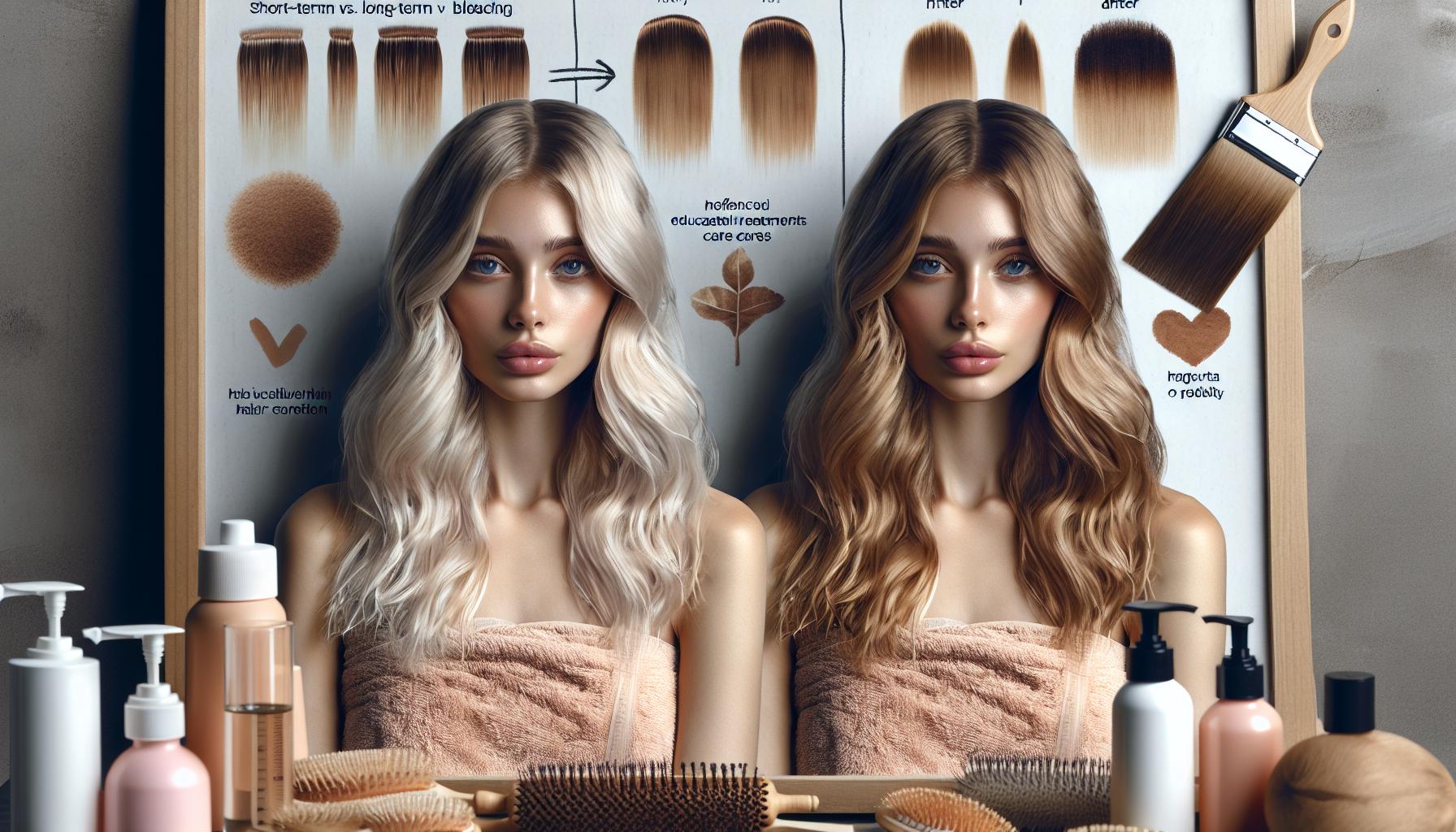
Short-term vs. Long-Term Effects of Bleaching on Hair Health
The transformation that occurs during hair bleaching is not only aesthetic but also comes with significant implications for hair health. Initially,many individuals experience a range of short-term effects,which can be surprising.These effects include dryness,increased brittleness,and a unique sensation that may be described as ‘puffiness’ or ‘fluffiness’ due to the hair shaft’s plumping from the bleaching process. While this temporary volumization can initially seem beneficial, it’s essential to recognize that it’s often accompanied by damage that can compromise the structure and integrity of the hair.
Short-Term Effects
In the days following a bleaching session, hair may feel more porous, leading to a heightened vulnerability to further damage. Common symptoms include:
- Dryness: The chemical process strips hair of its natural oils, making it feel drier and rougher.
- brittleness: Affected hair frequently enough becomes weaker, increasing the likelihood of breakage.
- Color Fade: The vibrant results of bleaching can begin to lose intensity quickly without proper care.
In essence, these immediate reactions can serve as a wake-up call regarding the need for diligent post-bleach hair care. Using conditioners rich in moisture and incorporating deep conditioning treatments can aid in reducing dryness and brittleness.
Long-Term Effects
When considering whether bleaching hair causes permanent damage, it’s important to evaluate the long-term consequences as well. Prolonged exposure to bleaching agents can lead to more severe alterations in the hair structure, including:
- Cuticle Damage: The outer layer of the hair, known as the cuticle, can sustain lasting harm, which may result in frizz and dullness as the protective barrier becomes compromised.
- Cortex Degradation: The cortex, which holds the bulk of the hair’s strength and color, can be significantly weakened, leading to permanent changes in texture.
- Chronic Frizz and Weakness: Over time, hair may not only feel weaker but also appear frizzy and unmanageable, requiring regular trims to maintain a healthier appearance.
Managing the long-term effects involves adopting a proactive approach to hair care. Regular use of protein treatments can help reinforce weakened strands, while minimizing the frequency of bleaching can significantly reduce cumulative damage.
Ultimately, understanding the difference between the short-term and long-term effects of bleaching is crucial.While immediate changes may create a visually appealing transformation, the potential for enduring damage highlights the importance of informed decision-making when it comes to hair care practices.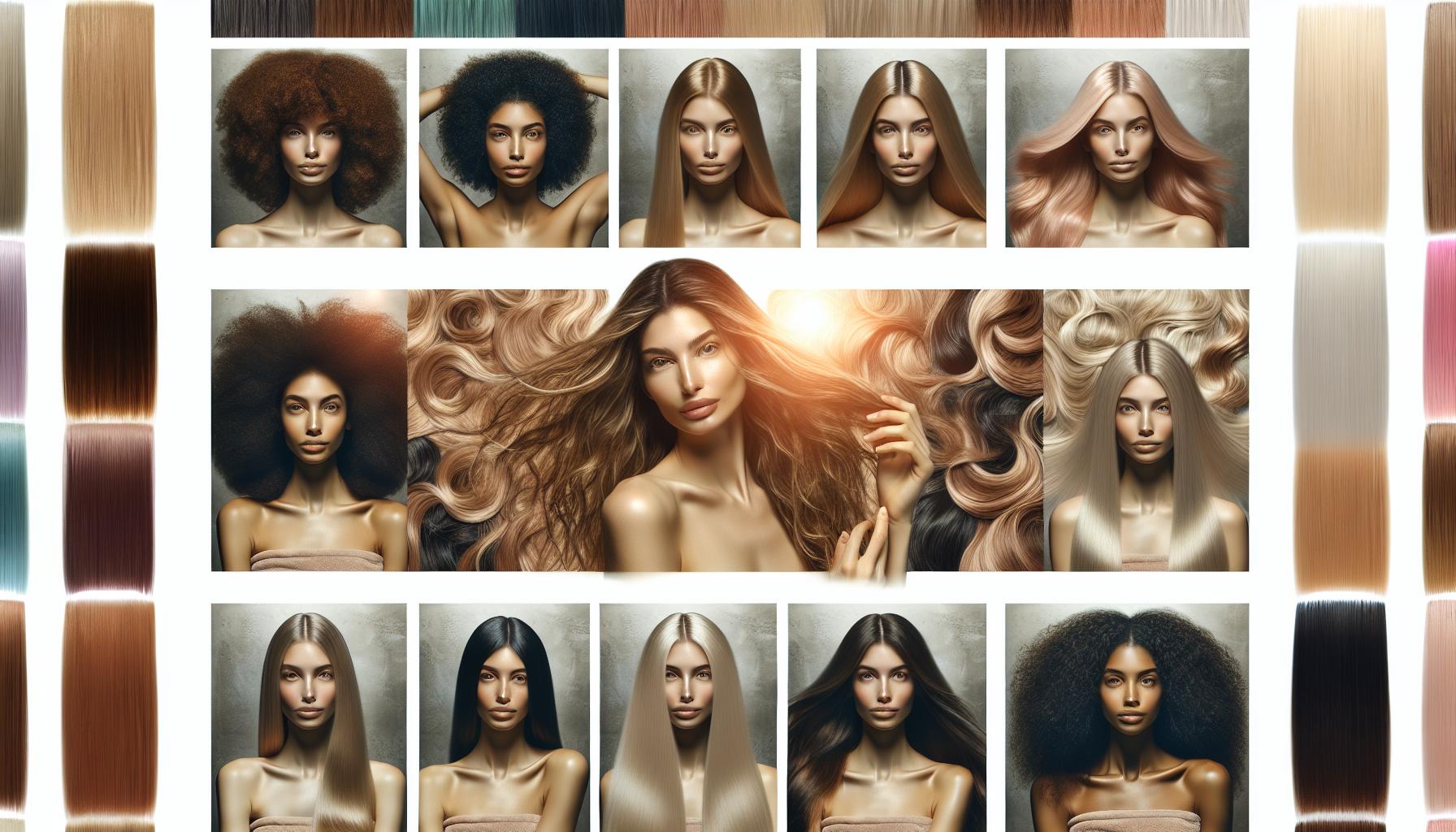
Expert insights: Hair Professionals Weigh In on Bleaching Damages
Bleaching hair is a widely embraced beauty trend, but it often comes with concerns about its long-term effects on hair health. Many hair professionals agree that while bleach can lighten hair significantly, it does pose risks that can lead to permanent damage if not addressed properly. Notably, the science behind how bleach interacts with hair structure reveals critical insights that can help mitigate adverse effects.
Understanding the Damage
When bleach is applied, it penetrates the hair shaft, disrupting the natural protein structure, primarily keratin, which is vital for hair strength. This process makes hair more porous and susceptible to breakage, dryness, and split ends. Experts emphasize the importance of assessing individual hair condition prior to bleaching; those with already damaged or fine hair are at greater risk of suffering irreversible harm.
For instance, stylist Faye notes that using too high a percentage of developer can cause the hair color to lift too quickly, leading to extensive damage of the hair cuticle. As a precaution, opting for lower peroxide levels can significantly reduce the risk of severe damage while still achieving the desired lightening effect [[2]].
aftercare and Recovery Strategies
Once hair has been bleached, the focus shifts to recovery and maintenance. Here are actionable strategies recommended by professionals:
- Hydration is Key: Regular deep conditioning treatments and hydrating masks are essential to restore moisture levels.
- Limit Heat Styling: Reduce the use of heat tools to prevent additional stress and damage to bleached hair.
- Use Correct Products: Incorporate shampoos and conditioners specifically designed for damaged hair to fortify and protect its structure.
These practices not only help improve the appearance of bleached hair but also work towards reinforcing its resilience against future damage.
Real-World Examples
In real-world scenarios, hairstylists often witness the consequences of neglecting proper hair care after bleaching. A client may follow up a bleaching session with regular haircuts and moisturizing treatments, often reporting an improved hair texture and reduced breakage. Conversely, clients who forgo aftercare may face conditions like brittle strands and excessive frizz due to lack of nourishment and hydration.
These insights paint a clearer picture of the potential for permanent damage associated with hair bleaching. By understanding the implications of bleaching and following through with effective care routines, individuals can minimize the risks and maintain healthy, vibrant hair.
Signs of Damage: How to Recognize If Your Hair Is Suffering
Recognizing the signs of hair damage is crucial, especially after undergoing the bleaching process. Many people often wonder, does bleaching hair cause permanent damage? What Science Says indicates that while bleaching can give your hair a vibrant new look, it also alters its natural structure, leading to potential long-term consequences. The key to maintaining healthy hair lies in understanding the indicators of damage so you can take proactive steps to restore your locks to their former glory.
One of the most immediate signs of damage is dryness. If your hair feels brittle or rough to the touch, or if it lacks the softness and moisture it once had, bleaching might be the culprit. This occurs because the bleach strips away natural oils, leaving hair susceptible to further damage and breakage. You should also be on the lookout for excessive hair shedding. A noticeable increase in the amount of hair that comes out during brushing could indicate that your strands are weakened, frequently enough a result of the bleaching process.
- Split Ends: Check for split ends that seem more pronounced after bleaching. These are a clear sign that your hair’s structure has been compromised.
- Change in Texture: If your hair feels different—coarse or straw-like instead of smooth and silky—it suggests damage.
- Loss of Color: If your hair color fades significantly or appears uneven shortly after treatment, it may indicate that your hair is unable to hold dye due to damage.
For a more objective assessment, consider conducting a simple elasticity test: Take a wet strand of hair and gently stretch it. if it snaps easily or shows minimal elasticity, this is a strong indication of damage as healthy hair should stretch slightly before breaking.
being vigilant about these signs can significantly aid in addressing any damage that might arise from bleaching. Understanding these symptoms not only answers the question of whether bleaching hair causes permanent damage, but also allows you to take immediate action for hair recovery and maintenance.
Effective Aftercare: Tips for Reviving Bleached Hair
Bleaching hair transforms your locks into vibrant shades but often comes with the dilemma of potential damage. Understanding how to effectively care for bleached hair can significantly impact its health and appearance, making this aftercare essential. when you bleach your hair, you’re essentially opening up the hair cuticles, allowing color to enter while making strands more vulnerable to breakage and dryness. thus, implementing a structured aftercare regimen not only helps in maintaining your new color but also protects the integrity of your hair.
immediate Aftercare Steps
Right after you bleach your hair, the first thing you should consider is gently cleansing it. A vigorous shampooing following the bleach process is crucial to remove any residual chemicals. It’s recommended to opt for a mild shampoo that’s designed for color-treated hair. This type of shampoo will help keep your color vibrant while minimizing further stress on your hair. As you cleanse,be gentle—avoid harsh scrubbing,which can exacerbate damage.
Hydration and Moisture Retention
Once you’ve cleansed your hair, the next step is to focus on hydration. Bleached hair tends to be drier, so using a high-quality deep conditioner or hair mask is essential. Products specifically formulated for bleached hair often contain ingredients that help seal the cuticle and retain moisture. Look for masks that feature:
- Argan oil – Known for its nourishing properties, it helps restore shine and softness.
- Keratins – These proteins can definitely help reconstruct the hair’s natural structure.
- Humectants – Such as glycerin, which draw moisture into the hair.
To further enhance moisture retention, consider using a microfibre towel to gently pat your hair dry post-wash.This method minimizes friction and reduces the risk of cuticle damage, keeping your strands smoother and more manageable [[1]](https://ogariolondon.com/how-to-take-care-bleached-hair/?srsltid=AfmBOoogLSPk4Wpu95RtG9K8_wOr3i7RgiJ99ndhKP76J2Tfc5YDIba_).
Long-Term Care Strategies
In the long run, maintaining the health of bleached hair involves being mindful of how often you wash it.Try to extend the time between washes to allow natural oils to nourish your hair. Additionally, incorporating a nourishing leave-in conditioner can provide ongoing moisture throughout the day. Choose products that are designed for color-treated hair to help maintain vibrancy. Always be cautious with heat styling; using a heat protectant spray can minimize further damage from tools like blow dryers and curling irons [[2]](https://www.quora.com/What-should-I-do-immediately-after-bleaching-my-hair).
Integrating these practices into your routine will not only help address the concerns related to the permanence of damage from bleaching but will also promote healthier, revitalized hair as you embrace your new look.
Balancing Beauty and Health: Is Bleaching Worth the Risk?
Bleaching hair is a popular choice for many seeking dramatic changes in their appearance, but the allure of a luminous, new look often comes with significant risks. This dichotomy between beauty and health presents a challenge for individuals contemplating whether to undergo the chemical process of hair bleaching. While transforming your hair color can enhance your style and boost self-confidence, it is essential to recognize the potential for permanent damage and health risks associated with the process.
Before diving into the decision to bleach,consider the various factors that contribute to the risk of damage. Regular exposure to hair bleach can lead to a range of complications such as hair damage and breakage, which undermines the very goal of achieving aesthetically pleasing hair. The effects can manifest as dryness, brittleness, and increased fragility. Moreover, you could experience scalp irritation or even more severe allergic reactions that can have discomforting consequences. As a notable example, many at-home bleachers overlook the sensitivity of their skin, leading to painful burns or rashes as the chemicals breach the scalp’s protective barrier, resulting in prolonged irritation [1[1].
Though,it is indeed not just the visible effects that should raise concern. The chemical composition of many bleaching agents includes harsh substances that can pose serious health risks. Exposure to toxic chemicals can lead to systemic reactions, whether through inhalation, direct contact, or ingestion of residues. Symptoms can range from mild irritation to more severe outcomes, such as respiratory issues and abdominal pain, particularly in poorly ventilated spaces or when safety measures are ignored [3[3].
To mitigate these risks while enjoying the benefits of bleaching, consider the following practical steps:
- Consult a Professional: Always seek guidance from a certified hairdresser who can assess your hair type and recommend the safest products.
- Perform a Patch Test: Prior to any bleaching process, conduct a patch test to check for adverse reactions to the chemicals used.
- Choose Quality Products: Opt for professional-grade products that are less harmful and have protective ingredients to minimize damage.
- Follow Proper Aftercare: Invest in nourishing shampoos and conditioners formulated for bleached hair to restore moisture and strength.
These steps can provide a balance between achieving the desired aesthetic and safeguarding your health. Ultimately, acknowledging the question, “does bleaching hair cause permanent damage? What Science Says,” allows for more informed decisions in pursuit of beauty without compromising wellbeing.
Alternatives to Traditional Bleaching: Exploring Safer Options
Exploring options for lightening hair without the harsh effects of traditional bleach is becoming increasingly popular among those concerned about the lasting damage it may cause. Traditional bleaching processes can strip hair of its natural moisture and color, leading to dryness, brittleness, and long-term damage. For anyone wondering,”Does bleaching hair cause permanent damage?” the growing trend toward safer alternatives offers hope. Below, we delve into some effective methods for achieving lighter hair tones without resorting to bleach.
natural Lightening Methods
Natural ingredients can provide a gentler alternative, lightening hair gradually while minimizing damage. Here are some popular methods:
- Lemon Juice: Combining lemon juice with conditioner can create a natural lightening agent that not only enhances your hair color but also nourishes it.
- Apple Cider Vinegar: This ingredient not only restores shine but can lighten hair when used as a rinse after shampooing, thanks to its natural acidity.
- Chamomile Tea: Regularly rinsing your hair with chamomile tea can produce subtle highlights over time, especially effective on lighter hair shades.
- honey and Olive Oil: Honey has natural bleaching properties, and when mixed with olive oil, it revitalizes the hair while gradually lightening it.
Low-Impact Hair Dyes
If you seek a more controlled lightening process, consider low-impact hair dyes that don’t contain harsh chemicals. These products are designed to minimize damage while still delivering vibrant color.
| Type of Dye | Benefits | Best For |
|---|---|---|
| Demi-Permanent Color | Less damage than permanent dyes; lasts longer than semi-permanent | Subtle changes without commitment |
| Temporary Color | Non-damaging and easy to wash out | Experimenting with new shades |
| Herbal Dyes | Natural ingredients; conditioning properties | Sensitive scalps and natural seekers |
Utilizing the Sun
Another effective and natural option is to embrace sunlight for lightening hair. UV rays can enhance natural lightening,particularly for those spending significant time outdoors. Adding a combination of lemon juice and conditioner to your hair before sun exposure can amplify the lightening effects while ensuring your hair remains healthy and moisturized.By exploring these alternatives to bleach, individuals concerned with the effects of traditional bleaching processes can achieve stunning, lighter hair tones while maintaining its health and integrity. Whether through natural remedies, gentler dyes, or sunlight, there are numerous pathways to enhance your hair color without the potential harm of permanent damage associated with bleach.
frequently Asked Questions
does bleaching hair cause permanent damage?
Bleaching hair can cause both temporary and possibly permanent damage, depending on how it’s done. The process of lightening hair breaks down the natural hair pigment, which can lead to dryness, breakage, and changes in hair texture.
The extent of damage often hinges on factors such as the hair’s original condition, the strength of the bleach used, and the maintenance practices post-treatment. Proper care and using high-quality products can mitigate some adverse effects.
How can I reduce damage while bleaching my hair?
To minimize damage when bleaching,consider using lower volume developer,performing a strand test,and not washing your hair right before the procedure. This helps protect the scalp and hair should reduce bleaching effects.
Additionally, deep conditioning treatments and using nourishing hair masks can help restore moisture. Implementing a gentle, sulfate-free shampoo can also aid in maintaining healthy hair after bleaching.
What is the science behind hair bleaching?
Bleaching hair involves a chemical process where hydrogen peroxide or other bleaching agents strip the hair of its natural pigment. This process opens the hair cuticle and alters its structure.
The chemicals can lead to changes at a molecular level, impacting the protein structure of the hair, primarily keratin. Understanding the chemistry can help in selecting gentler products and techniques, thereby reducing damage.
Can I reverse damage caused by bleaching my hair?
While it’s challenging to fully reverse damage from bleaching, you can improve the health of your hair with intensive care. Regular treatments with deep conditioners and protein-rich products can restore some strength.
Consider consulting a professional for tailored advice and potentially opting for bond-building treatments, which can definitely help fortify weakened hair.
Why does my hair feel brittle after bleaching?
Brittleness after bleaching is primarily due to moisture loss and structural damage to the hair shaft. Bleaching removes natural oils and moisture, leaving hair feeling dry.
Rehydrating with moisture-rich products and avoiding heat styling can help alleviate this *dryness*. Opt for products that specifically address damage and work to restore versatility.
How frequently enough can I bleach my hair safely?
It’s generally recommended to wait at least 6 to 8 weeks between bleaching sessions. This gives your hair time to recover, reducing the risks of severe damage.
Always assess your hair’s condition and adjust accordingly; if you notice excessive dryness or breakage, it may be wise to extend the waiting period before your next treatment.
Does bleaching affect hair growth?
While bleaching itself does not directly affect hair growth, excessive damage can lead to breakage and loss of length. Healthy hair is essential for maintaining growth.
to support hair growth, focus on a nourishing hair care routine and avoid practices that stress the hair and scalp, such as frequent bleaching or rough handling.
Future Outlook
while bleaching your hair can create stunning transformations and allow for vibrant expressions of personal style, it also brings a risk of damage that can be significant. Understanding how bleach interacts with your hair’s structure is crucial.The process weakens protein bonds in the hair, leading to increased fragility and a higher likelihood of breakage [2[2][3[3]. However, this doesn’t meen that all hope is lost. By adopting protective measures, such as using specialized conditioning treatments and limiting chemical exposure, you can mitigate potential long-term effects and nurture your hair back to health [1[1].
Ultimately, the key is to make informed decisions and prioritize your hair’s wellbeing. For those contemplating a bleaching journey or dealing with the aftermath,exploring methods to strengthen and rejuvenate your hair is vital. Remember, every hair story is unique, and with the right approach, you can keep your locks vibrant and resilient. We encourage you to dive deeper into the science of hair care and explore further strategies to maintain the beauty of your tresses while enjoying the freedom of experimentation.Your hair deserves the best, and knowledge is a powerful tool in achieving it.


