

As the popularity of cannabis continues to rise, many users wonder about its potential effects on hair health, notably concerning hair loss. This topic is crucial as both lifestyle choices and nutritional habits can substantially impact hair vitality. While some studies suggest a link between marijuana use and hair thinning, others point to indirect factors like stress and poor nutrition as the real culprits. exploring the science behind these claims can shed light on this pressing issue.
Contents
- Understanding the Link Between Cannabis and Hair Health
- Common Myths: Can Smoking Weed Really Lead to Hair Loss?
- The Science Behind Hair Growth: How THC and CBD Might Play a Role
- Expert Opinions: What Dermatologists and Trichologists Say About Cannabis Use
- Lifestyle Factors: How Smoking Marijuana Fits Into Your Overall Health
- Practical Tips for Hair care: Mitigating Potential Damage from Cannabis Use
- Beyond Hair Loss: Other Hair and Scalp Concerns Linked to Marijuana Use
- Finding Balance: Enjoying Cannabis While Caring for Your Hair
- FAQ
- Does smoking weed cause hair loss? Research and expert views?
- What are the effects of smoking weed on hair health?
- Can cannabinoids help with hair growth?
- Why might marijuana use be linked to hair shedding?
- Can lifestyle changes counteract hair loss from weed use?
- What hair loss treatments are recommended for those who smoke weed?
- how can I maintain healthy hair while using cannabis?
- In Summary
Understanding the Link Between Cannabis and Hair Health
While many people enjoy cannabis for its recreational or medicinal benefits, the question remains: does smoking weed impact hair health? The relationship between cannabis consumption and hair loss is complex and multifaceted, drawing interest from both the scientific community and the general public. cannabis interacts with the endocannabinoid system, which is known to play a role in hair follicle regulation. However, the direct effects of marijuana on hair loss are still under investigation, making it essential to understand the nuances involved.
Research shows that both chronic use of cannabis and specific cannabinoids can potentially influence hair health. As an example, while some studies imply that cannabis may not directly cause hair loss, factors such as dosage, frequency of use, and individual response play meaningful roles. Specifically,some cannabinoids have shown potential in treating inflammatory conditions that can lead to hair loss,creating a paradox within the realm of hair health. Understanding how cannabis interacts with various hormonal pathways could offer insights into its overall effects on hair.
Among the most notable connections is the impact of THC and CBD. These cannabinoids may either exacerbate or reduce hair loss risk depending on their interactions with the body’s hormones and inflammatory responses. For people concerned about hair loss, it might be prudent to explore evidence-based treatments alongside their cannabis use. Options such as FDA-approved therapies like finasteride or minoxidil may offer more reliable benefits for those experiencing hair thinning or loss.
while some studies suggest a possible link between cannabis and hair loss, the current scientific consensus remains uncertain. As more research emerges, potential users should weigh the risks and benefits of cannabis in the context of their hair health and overall well-being. Keeping an eye on emerging studies and consulting healthcare professionals is advisable for anyone interested in understanding how their cannabis consumption might impact their hair.
Common Myths: Can Smoking Weed Really Lead to Hair Loss?
the connection between cannabis use and hair loss has sparked various debates and misconceptions. Many individuals wonder if smoking weed might contribute to thinning hair or baldness. Research into this topic is still developing, but certain factors can definitely help clarify this complex relationship. The primary elements to consider are the effects of THC and cannabis on the body,the potential for lifestyle habits associated with heavy use,and individual predispositions to hair loss.
Understanding Cannabis and Hair Health
While definitive research linking cannabis smoking directly to hair loss is limited, it is crucial to explore how compounds in cannabis might impact overall health, including scalp and hair condition.THC (tetrahydrocannabinol), the psychoactive component of cannabis, can influence hormonal balances in the body. Some studies suggest that hormonal fluctuations,particularly involving testosterone and its derivative DHT (dihydrotestosterone),can impact hair follicles,potentially leading to hair loss in genetically predisposed individuals.
Moreover, the lifestyle habits commonly associated with heavy cannabis use can indirectly affect hair health. For instance, inadequate sleep, poor nutrition, and increased stress levels—often prevalent among heavy cannabis users—can contribute to hair loss. It is essential to consider these as indirect factors rather than linking cannabis directly to hair thinning. Maintaining a well-balanced lifestyle with proper sleep, nutrition, and stress management can mitigate these risks.
Common Misconceptions
Several myths circulate regarding smoking weed and hair loss. Hear are a few prevalent misconceptions to clarify:
- Myth 1: Smoking weed causes immediate hair loss.
- Myth 2: All cannabis users will experience hair loss.
- Myth 3: Only chronic use of cannabis leads to hair thinning.
In reality, the impact of cannabis on hair loss varies significantly among individuals. Genetics, lifestyle choices, and overall health play more critical roles than the act of smoking itself.
Conclusion: A Balanced Perspective
When considering whether smoking weed can lead to hair loss, it is beneficial to adopt a holistic view. If you find yourself concerned about hair health,focusing on lifestyle adjustments and moderation in cannabis use can yield positive outcomes. Adopting healthy habits—like a balanced diet, regular exercise, and stress reduction techniques—may ultimately play a more pivotal role in preserving hair health than cannabis consumption alone.For anyone facing significant hair loss, consulting a healthcare professional or a dermatologist can provide personalized insights and effective strategies.
The Science Behind Hair Growth: How THC and CBD Might Play a Role
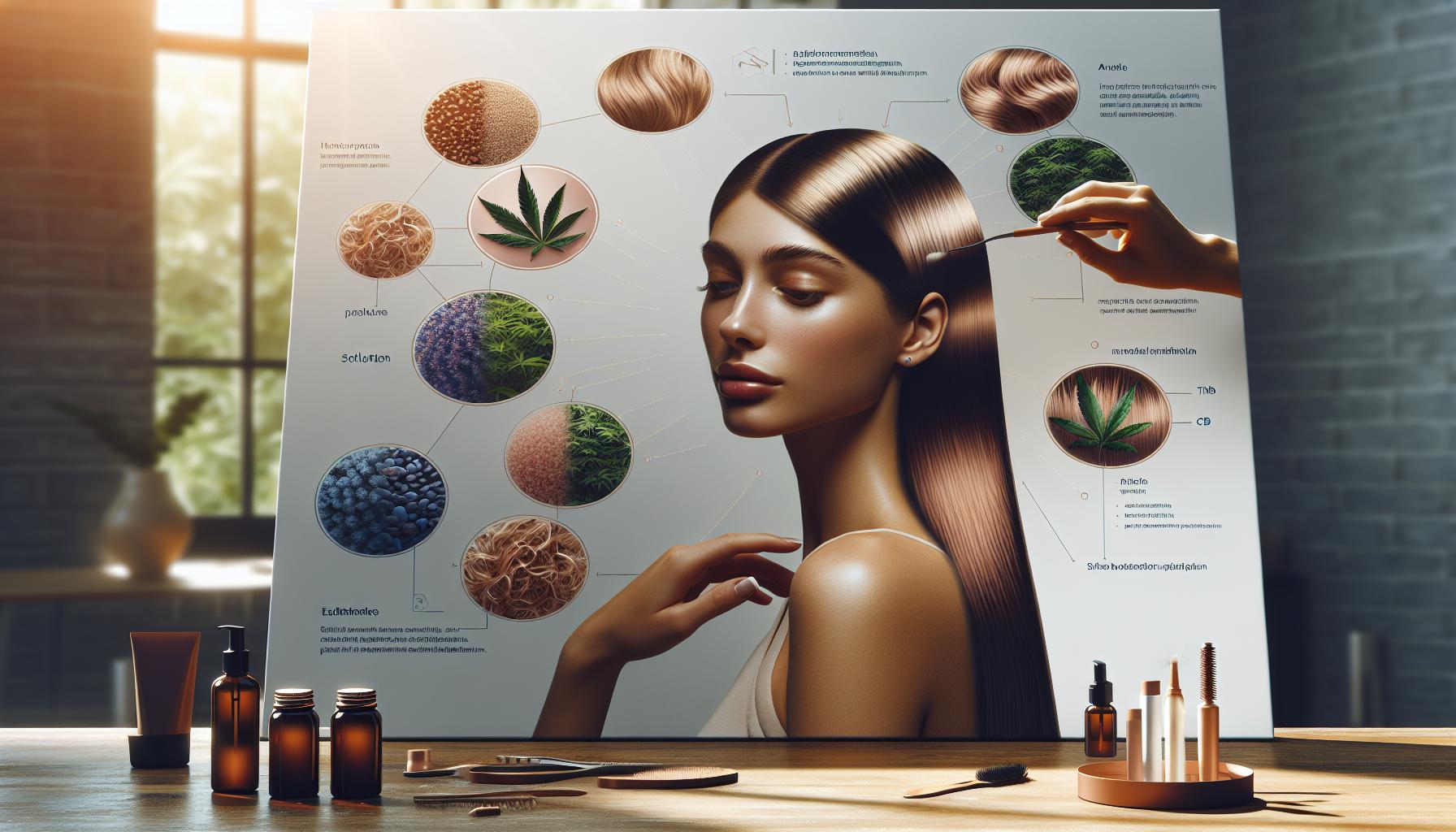
The fascination with cannabis extends beyond recreational use, penetrating various health and wellness domains, including hair growth. Recent studies are unraveling how compounds found in cannabis—particularly THC and CBD—might influence hair health. Research indicates that while smoking weed might trigger some concerns about hair loss, the active ingredients in cannabis could also have therapeutic benefits that promote hair regrowth.
The Role of THC in Hair Growth
Tetrahydrocannabinol (THC), the psychoactive component of cannabis, has garnered attention in the beauty and wellness industries for its potential effects on hair follicle biology. according to research, THC acts as a CB1 agonist, which can influence a range of bodily functions, including the hair growth cycle. Studies suggest that THC could potentially be useful in managing conditions that lead to hair loss, although excessive use or smoking may still have adverse effects due to inhalation toxins[1].
How CBD Contributes to Hair Health
In contrast, cannabidiol (CBD) shows promise as a CB1 antagonist that may promote hair growth.It is believed to work by modulating the endocannabinoid system, which plays a crucial role in hair follicle health. CBD is noted for its anti-inflammatory properties, which can help create a favorable habitat for hair growth, stimulating follicles and reducing issues like scalp irritation that may contribute to hair thinning or loss[2]. A meta-review from The Journal of Cosmetic Dermatology highlights that while research is still in the infancy stage,CBD and other cannabinoids could play a supportive role in the quest for healthier hair[2].
Practical Applications and considerations
Those considering cannabis for hair health should look for topical applications of THC and CBD, such as oils or lotions specifically formulated for scalp use. These products can target the hair follicles directly without introducing the toxins associated with smoking. Additionally, it’s vital to consider the dosage and concentration of these compounds. Researchers emphasize that while some studies advocate for the benefits of these cannabinoids, further investigation is necessary to determine optimal usage practices[3].
The intersection of cannabis and hair growth is a burgeoning field, embedding itself in discussions about holistic health solutions. Further investigations into these compounds could provide clarity on how cannabis can aid in combating hair loss, making it a key topic in understanding whether smoking weed causes hair loss, as explored by experts in the field.
Expert Opinions: What Dermatologists and Trichologists Say About Cannabis Use
Cannabis use has sparked considerable interest in both scientific and personal circles, especially regarding its potential effects on hair health.Many people wonder, “Does smoking weed cause hair loss?” Understanding the perspectives of dermatologists and trichologists could provide valuable insights into this evolving discussion.
Insights from Dermatologists
Dermatologists caution that the relationship between cannabis and hair loss is complex and not definitively understood. Some studies suggest that while cannabidiol (CBD) may promote hair growth, other cannabinoids might contribute to hair loss. As a notable example, research indicated that topical application of a CBD-rich cannabis extract led to a significant increase in nonvellus hair count among patients with androgenetic alopecia (AGA) [[[[[1]](https://pubmed.ncbi.nlm.nih.gov/36181341/). Yet, the possibility of hair loss linked to different components of cannabis remains an area for further investigation.Dermatalogists often stress the importance of personalized factors such as genetics, hormonal changes, and overall health that can influence hair growth and loss.
Trichologists Weigh In
trichologists, specialists in hair and scalp health, emphasize that individual responses to cannabis can vary widely. Factors such as dosage, frequency of use, and the specific type of cannabinoid consumed are believed to play key roles in how cannabis affects hair follicles. While preliminary data suggests that some cannabinoids may support hair regrowth, other forms like smoking may introduce toxins that could potentially harm hair and scalp health[[[[[2]](https://www.nuggmd.com/blog/weed-and-hair-loss). They highlight the necessity of balancing any perceived benefits with a cautious approach, recommending that those concerned about hair loss explore alternatives and consider consulting healthcare providers for tailored advice.
For those considering incorporating cannabis products into their hair care routine, it is advisable to start with topical applications rather than smoking. Topical products that include CBD may provide targeted benefits without the systemic effects associated with smoke inhalation. As research continues to evolve, staying informed and consulting professionals who specialize in hair health can empower individuals to make educated decisions regarding cannabis use and its potential implications for hair loss.
Lifestyle Factors: How Smoking Marijuana Fits Into Your Overall Health
While many people enjoy the perceived benefits of marijuana, understanding its impact on overall health is crucial, especially concerning lifestyle factors and habits. The intersection of marijuana use and health can include various aspects such as mental clarity, physical health, and potentially unexpected effects like hair loss. Although the scientific community continues to explore these areas, preliminary discussions raise vital questions: Does smoking weed cause hair loss? Research and expert views highlight the importance of considering not just the immediate effects of marijuana but also its long-term implications on health and well-being.
The Impact on Hair Health
Research surrounding the claim that marijuana use can lead to hair loss remains inconclusive. However, experts indicate that there might be indirect pathways through which smoking weed could affect hair health. Prolonged use of marijuana often leads to lifestyle changes, including alterations in diet, stress management, and overall health. Such as, users might experience increased anxiety or stress, which are known contributors to hair loss conditions such as telogen effluvium.
- Hormonal Changes: Some studies indicate that THC,the psychoactive component in marijuana,can influence hormonal levels,which may play a role in hair health.
- Reduced Nutrient Absorption: Smoking can impair digestion, potentially leading to deficiencies in essential vitamins and minerals necessary for healthy hair growth.
- Stress Factors: The relationship between stress and hair loss is well documented, and significant lifestyle changes associated with habitual marijuana use may exacerbate stress levels.
Your Overall Health and Lifestyle Choices
Lifestyle choices can significantly influence the way marijuana use impacts health. Incorporating a balanced diet, regular exercise, and proper hydration can mitigate some adverse effects of smoking marijuana. For those concerned about the risk of hair loss, emphasizing a nutrient-rich diet may help. Key nutrients for hair health include:
| Nutrient | Sources |
|---|---|
| biotin | Eggs, nuts, seeds |
| Zinc | Meat, shellfish, legumes |
| iron | Red meat, spinach, lentils |
| Vitamin D | fatty fish, fortified foods, sunlight |
Maintaining a holistic approach to health can provide a counterbalance to any negative impacts of marijuana use.This includes managing stress through mindfulness practices such as yoga or meditation, which can also support overall mental health. As research evolves, it becomes increasingly crucial to stay informed about the complex relationship between lifestyle factors and the effects of smoking marijuana.
while claims relating to marijuana and hair loss are still being studied, being proactive about health can significantly influence the likelihood and extent of any potential issues. Taking charge of one’s lifestyle choices is essential in maintaining both mental and physical health in the context of marijuana use.
Practical Tips for Hair care: Mitigating Potential Damage from Cannabis Use
While exploring the connection between cannabis use and hair health, it’s crucial to acknowledge the potential damage that smoking weed may cause. Despite some research suggesting that cannabis could have nourishing benefits when used in certain products, there are also concerns about how smoking can impact hair loss. To mitigate these risks and promote stronger, healthier hair, consider the following practical tips.
Choose cannabis Products Wisely
Opting for cannabis-infused hair products, such as shampoos, conditioners, and serums, can provide benefits without the potential harm associated with smoking. Look for products rich in CBD and hemp seed oil, which are known for their hydrating and anti-inflammatory properties. Using these products regularly can support scalp health and improve hair vitality, helping to counteract some negative effects of smoking.
Limit Exposure to smoke
If you’re a cannabis user who smokes, consider reducing the frequency of use. Smoking exposes hair and scalp to toxins that can weaken hair strands and contribute to loss. You might explore option consumption methods such as edibles, oils, or vaporizers, which generally produce fewer harmful byproducts. Keeping your environment smoke-free can also significantly benefit both your hair and overall health.
Implement a Healthy Hair Care Routine
A consistent and nourishing hair care routine can significantly mitigate damage. Incorporate the following practices:
- Hydrate: Deep condition your hair weekly with moisture-rich masks to restore hydration levels that may be depleted by smoking.
- Avoid Heat Damage: Limit the use of heat styling tools that can further stress your hair, opting for air-drying whenever possible.
- Scalp Care: Regularly massage your scalp to stimulate blood flow,which can promote hair growth and reduce the effects of hair loss.
Nutrition and Supplementation
A well-rounded diet is essential for maintaining healthy hair.Incorporate foods rich in omega-3 fatty acids, protein, and vitamins A, C, and E. Supplements such as biotin and collagen may also support hair strength and growth. Consulting a healthcare professional can help tailor a nutrition plan that offsets the potential effects of cannabis on hair health.
These actionable steps can help address concerns surrounding the relationship between cannabis smoking and hair loss, offering practical solutions for those seeking to maintain their hair’s health while enjoying the benefits of cannabis.
Beyond Hair Loss: Other Hair and Scalp Concerns Linked to Marijuana Use
The connection between marijuana use and hair health extends beyond the question of whether smoking weed causes hair loss. Recent discussions highlight several other hair and scalp concerns associated with cannabis consumption, warranting attention for anyone considering or currently using marijuana. while anecdotal evidence suggests that some users may experience changes in their hair health, scientific explanations and a deeper exploration into scalp conditions are still emerging.
One key concern is scalp health, particularly regarding its potential to exacerbate existing conditions or cause new issues. Cannabis use can influence inflammation levels in the body, which may in turn affect the scalp. for instance, cannabinoids have shown efficacy in managing inflammatory conditions, which could either positively or negatively impact certain scalp conditions tied to hair loss, such as folliculitis or seborrheic dermatitis [1[1[1[1]. Additionally, the hormonal fluctuations caused by consistent marijuana use might lead to variations in sebum production, potentially resulting in conditions like oily scalp or dandruff.
Moreover, stress and lifestyle factors related to cannabis use can also play a critical role in hair and scalp health. Regular marijuana consumption might influence weight changes, dietary habits, and even sleep patterns—each of which has known ramifications on hair health. Stress, a common factor in hair loss, can be exacerbated by lifestyle choices surrounding cannabis use, including social behaviors and individual responses to consumption. Therefore, monitoring both psychological and physiological responses to marijuana is essential for maintaining optimal hair and scalp conditions.
Practical advice for those worried about their hair health in connection with cannabis use includes maintaining a balanced diet rich in vitamins and minerals known to support hair growth, implementing proper scalp care practices, and consulting with healthcare professionals. Engaging in a holistic approach can mitigate potential adverse effects and enhance overall hair and scalp health, thus enabling users to enjoy their lifestyles while managing any associated risks.
Finding Balance: Enjoying Cannabis While Caring for Your Hair
Amid the evolving conversation surrounding cannabis use, the relationship between enjoying cannabis and maintaining healthy hair continues to draw interest. many individuals ponder, does smoking weed cause hair loss? Research and expert opinions reveal a nuanced picture that blends enjoyment with responsible hair care practices.
While cannabis products like CBD oil and hemp seed oil are often touted for their potential benefits to hair health—such as improving scalp conditions and enhancing circulation—a deeper understanding of cannabis use is essential. Smoking weed, particularly when done excessively, can lead to complications such as hair thinning and shedding. This occurs as the compounds released during smoking can negatively impact the hair shaft, contributing to increased hair loss in those predisposed to such issues. Thus, it’s vital to balance one’s cannabis use with effective hair care routines.
Practical Steps for Hair Care while Enjoying Cannabis
here are some actionable tips for maintaining a healthy mane while enjoying cannabis:
- Choose Alternates: Consider non-smoking methods of consumption, such as edibles or oils, which may be less harmful to your hair.
- Implement a Nourishing Regimen: Incorporate hair care products enriched with CBD and hemp seed oil, which can nourish your scalp and promote healthier hair growth.
- Stay hydrated: Proper hydration helps maintain hair health. Ensure you are drinking enough water, as cannabis can lead to dehydration.
- Consult Professionals: If you’re concerned about hair loss, seek advice from healthcare professionals who can provide tailored guidance based on your situation and genetic predispositions.
These strategies can help mitigate the potential negative effects of cannabis while allowing you to enjoy its recreational benefits. By prioritizing hair health within your lifestyle, you can strike a balance that allows your hair to thrive alongside your cannabis enjoyment.
FAQ
Does smoking weed cause hair loss? Research and expert views?
There is ongoing debate about whether smoking weed leads to hair loss. Some research indicates that marijuana could potentially harm hair health, while other studies suggest cannabinoids may actually promote hair growth under certain conditions.
As an example, certain cannabinoids like CBD have shown promise in boosting hair growth, but other compounds might contribute to hair thinning. Genetic predispositions also play a vital role in whether an individual experiences hair loss associated with cannabis use. For a deeper dive into effective treatments,check out comprehensive resources on hair health.
What are the effects of smoking weed on hair health?
Smoking weed may negatively impact hair health primarily through its effects on the hair shafts, potentially leading to thinning and shedding. Additionally,cannabis may influence hormonal levels,further complicating hair health.
It’s important to note that issues like follicle inflammation could arise with prolonged use. While some individuals report hair issues related to cannabis, others find it beneficial due to its anti-inflammatory properties. Understanding these nuances can help guide decisions about usage and hair care.
Can cannabinoids help with hair growth?
Certain cannabinoids, particularly CBD, have been researched for their potential to promote hair growth.Some studies indicate a significant increase in nonvellus hair count after applying CBD-rich products.
This suggests that while some components of cannabis might potentially be harmful, others could offer therapeutic benefits for hair restoration. It’s essential to approach this topic with a nuanced understanding of the different cannabinoid effects on hair follicles and overall scalp health.
Why might marijuana use be linked to hair shedding?
Marijuana use may contribute to hair shedding due to possible increased stress levels or hormonal changes. Stress can exacerbate conditions like telogen effluvium, a common cause of hair loss.
Moreover, smoking might lead to poor blood circulation, negatively affecting hair nutrition. Individuals predisposed to genetic hair loss should remain particularly cautious as the combination could significantly amplify shedding.
Can lifestyle changes counteract hair loss from weed use?
Yes,implementing lifestyle changes can help mitigate hair loss associated with weed use. Incorporating a balanced diet rich in vitamins and minerals can nourish hair follicles.
Additionally, reducing stress through exercise or mindfulness practices can also support hair health. For tailored advice on managing hair loss, consider consulting a healthcare professional.
What hair loss treatments are recommended for those who smoke weed?
For those experiencing hair loss while smoking weed, FDA-approved treatments such as minoxidil and finasteride can be effective. These treatments address common types of hair loss, including androgenetic alopecia.
Consulting with a healthcare professional can provide personalized recommendations and help determine the best course of action based on individual circumstances, including cannabis use.
how can I maintain healthy hair while using cannabis?
To maintain healthy hair while using cannabis, focus on a holistic hair care regimen.This includes proper hydration, a nutritious diet, and gentle hair care practices to reduce damage.
Moreover, consider using products rich in beneficial cannabinoids that may support scalp health without contributing to hair loss, ensuring your routine aligns with your overall health goals.
In Summary
the relationship between smoking weed and hair loss is both complex and nuanced. While some studies suggest a potential link, the evidence is not yet conclusive. Factors such as genetics,hormonal changes,overall health,and lifestyle choices also play significant roles in hair health. Understanding your individual circumstances is crucial. If you’re concerned about hair loss, consider consulting with a healthcare professional to explore your options. embrace the journey of self-discovery and hair care, and remember that informed choices can lead to positive changes.For those looking to further engage on this topic,there are resources and communities available where experiences and advice can be shared. Take the next step towards understanding your hair better, and don’t hesitate to seek out support as needed.


