


For many cancer patients,the journey through chemotherapy often leads to an unsettling question: when will my hair grow back? Understanding the timeline for hair regrowth is crucial for emotional healing and recovery. Typically, regrowth can begin as early as 3-6 weeks after treatment concludes, offering hope and a sense of normalcy as patients navigate their healing process.
Contents
- understanding Hair Growth Cycles: What happens After Chemotherapy?
- The Emotional Journey: Coping with Hair Loss and regrowth
- Factors That Influence Hair Regrowth After Chemotherapy
- Nourishing Your Hair: Tips for supporting Healthy regrowth
- The Role of Scalp Care During the Hair Regrowth Process
- When to Expect Changes: A Timeline for Hair Regrowth
- Professional Insights: What Oncologists Want You to Know About Hair Recovery
- Styling Options while waiting for regrowth: Embracing New Looks
- Frequently asked questions
- How long does hair take to regrow after chemotherapy?
- Can I speed up hair regrowth after chemotherapy?
- What should I expect when my hair starts to regrow after chemotherapy?
- Why does hair take so long to regrow after chemotherapy?
- Is there a difference in hair regrowth after different chemotherapy drugs?
- Can scalp massage help with hair regrowth after chemotherapy?
- What are the best products to use for hair regrowth after chemotherapy?
- Final Thoughts
understanding Hair Growth Cycles: What happens After Chemotherapy?
Experiencing hair loss during chemotherapy can be one of the most emotionally challenging aspects of treatment. Understanding the natural hair growth cycles and what happens after chemotherapy provides hope and clarity for many. As the body recovers from the effects of cancer treatment, hair regrowth typically begins within a few weeks, though individual experiences can vary widely.
The regrowth Timeline
For most individuals, hair growth resumes around 4 to 6 weeks after completing chemotherapy. However, a significant number of people will start to see noticeable regrowth within 3 to 6 months post-treatment. Factors influencing this timeline include the type and dosage of chemotherapy drugs administered, overall health, and individual biological responses.
some patients may find that their new hair has a different texture or color compared to what they had before. This change can be surprising but is usually temporary as the hair follicles recover from the treatment. While it might be tempting to rush the process, it’s essential to allow the body the time it needs to heal and restore its natural hair growth cycles.
Factors affecting Hair Regrowth
The regrowth of hair after chemotherapy doesn’t follow a one-size-fits-all model. Here are some factors that can impact how long it takes for hair to regrow after chemotherapy:
- Type of Chemotherapy: Some drugs are more aggressive and can impact hair follicles differently.
- Individual Health: Nutritional status and overall health can also play crucial roles in recovery.
- Genetics: an individual’s genetic makeup influences hair growth patterns.
- Previous Hair Loss: Anyone who experienced hair loss before treatment may face differing regrowth challenges.
What to Expect During Regrowth
as your hair begins to grow back, it may initially appear finer or softer than before. many find that their hair grows back with increased curl or wave, leading to a fresh look that differs from their pre-treatment hair. While this can be an exciting change, understanding that it may take time for your hair to regain its previous volume and texture is crucial. Patience and gentle care are key during this transitional period.
most individuals can expect to see hair regrowth begin 4 to 6 weeks after chemotherapy,with notable progress in the following months. This process is highly individualized and depends on several dynamic factors, reminding us of the resilience of the body as it heals and recovers. Taking care of your overall health and practicing patience can considerably contribute to prosperous hair regrowth after chemotherapy.
The Emotional Journey: Coping with Hair Loss and regrowth
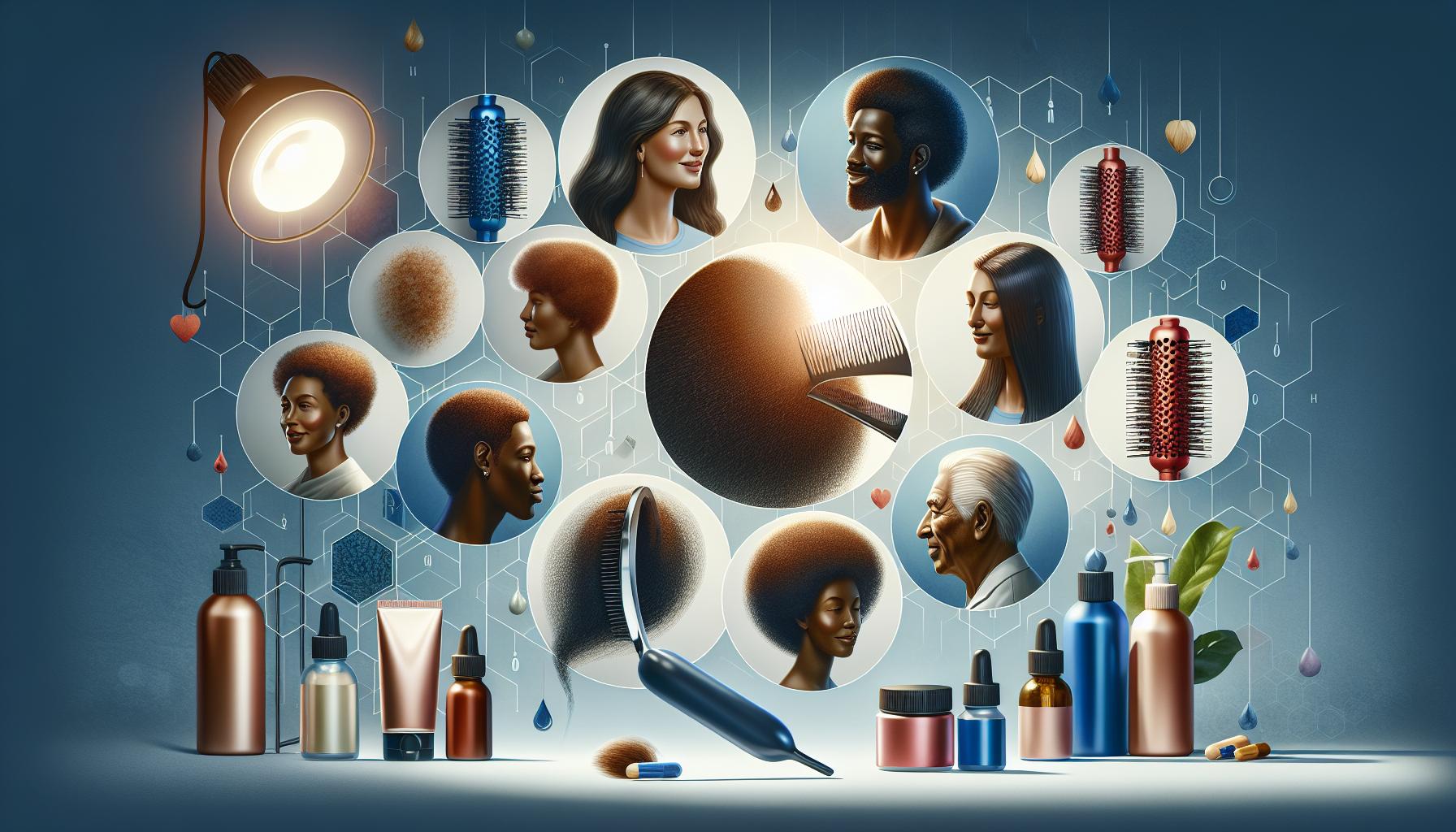
The experience of hair loss during chemotherapy can be emotionally challenging, contributing to feelings of vulnerability and identity loss. For many, hair is deeply tied to self-image and femininity, making its absence a visible sign of battling a serious illness. However, it’s essential to acknowledge that while this phase is challenging, it is often temporary. Understanding the regrowth timeline can provide hope and clarity during this turbulent time.
After treatment ends, many individuals wonder, *how long does hair take to regrow after chemotherapy?* Generally, regrowth can begin approximately 3 to 6 months post-treatment for most people, but this can vary widely based on several factors, including the specific chemotherapy drugs used, overall health, and previous hair characteristics. As new hair emerges, changes may be noticeable—sometimes appearing thicker or of a different texture than what was there before, which can be both exciting and a little daunting.
To cope with the emotional impact of hair loss and its eventual regrowth, consider the following strategies:
- Establish a Support Network: Engage with friends, family, or support groups who understand your journey. Sharing experiences and feelings can be incredibly therapeutic.
- explore Temporary Solutions: Wigs, scarves, and hats can definitely help individuals feel more comfortable and confident. Many organizations,such as Look Good Feel Better,offer resources and tips for finding styles that suit you.
- Focus on Self-Care: Engage in activities that promote relaxation and self-love, such as yoga, meditation, or creative pursuits, to ease anxiety related to appearance.
- Educate Yourself: Understanding the biological processes of hair regrowth can diminish worry. Expect to see fuzz as the first signs of new hair, and celebrate each milestone.
As hair begins to grow back, many people report a mix of emotions—excitement, anxiety, and sometimes uncertainty about how they will look. Embracing this journey involves patience, acceptance, and trust in the natural healing process. In this way, hair regrowth becomes not just a physical change but also a symbol of resilience and renewal in the aftermath of a challenging experience.
Factors That Influence Hair Regrowth After Chemotherapy
Understanding the complexities surrounding hair regrowth after chemotherapy can be both captivating and crucial for those experiencing this significant life transition. Many individuals undergoing treatment report varying timelines for hair regrowth, with initial growth often resembling fine, fuzzy strands. This initial phase typically commences a few weeks post-treatment, but achieving fuller and thicker hair can take months or even longer. The regrowth process is influenced by several factors, each playing a pivotal role in determining when and how the hair returns to its previous state.
Key factors Affecting Hair Regrowth
Several aspects contribute to the rate and quality of hair regrowth following chemotherapy treatments:
- Type of Chemotherapy Drugs: Different chemotherapy agents effect hair differently. Some types are more likely to cause hair loss than others. For instance,alkylating agents may lead to more severe loss compared to non-alkylating agents.
- dosage and treatment Duration: Higher doses or prolonged treatment periods can significantly impact the extent of hair loss and the subsequent regrowth process.
- Individual Health Factors: Personal health, including nutritional status prior to and during treatment, can greatly influence hair regrowth. A balanced diet rich in vitamins and proteins promotes healthier hair follicles.
- Age and Hormonal Levels: Younger patients may experience faster regrowth compared to older individuals, possibly due to higher levels of growth hormones.
Hair Regrowth Timeline and Expectations
The timeline for hair regrowth varies considerably depending on the above factors. On average, individuals might observe some hair starting to grow within two to four weeks after completing chemotherapy. initially, this hair may appear soft and may not resemble the original hair texture. Over time, as the hair follicles begin to stabilize and recover, it can take anywhere from a few months to over a year before achieving a full regrowth that is similar in density and appearance to the pre-treatment phase.
| Time Post-Chemotherapy | Typical Hair Growth Phase |
|---|---|
| 2-4 weeks | Initial soft, fine hair begins to grow |
| 3-6 months | Hair becomes thicker but may still lack volume |
| 6-12 months | possible return to original hair volume and texture |
By understanding these factors and timelines, individuals can form realistic expectations about their journey towards hair regrowth after chemotherapy. Supporting overall health through nutrition and self-care practices can further promote a vibrant return to hair, enhancing both physical appearance and emotional well-being during recovery.
Nourishing Your Hair: Tips for supporting Healthy regrowth

After undergoing chemotherapy, many are eager to see those first signs of hair regrowth, typically within 2-4 weeks after treatment ends. Though, the process can be enhanced with proper care and nourishment. Understanding how to support your hair during this transitional period can make a significant difference in the regrowth journey.
To promote healthy regrowth, consider implementing a regimen that focuses not just on hair care but also on overall well-being. Here are some tips to keep in mind:
Nutrition Matters
A balanced diet rich in vitamins and minerals is crucial for hair health. Nutrients such as biotin, zinc, and vitamins A, C, D, and E play pivotal roles in promoting hair regrowth. Incorporate the following foods into your meals:
- Leafy greens – Spinach and kale are loaded with vitamins A and C.
- Fatty fish - Salmon and mackerel provide omega-3 fatty acids, which support scalp health.
- Nuts and seeds - Almonds and flaxseeds are excellent sources of vitamin E.
- Eggs – Rich in protein and biotin, essential for hair structure.
Additionally, staying hydrated is essential. Aim for at least 8 glasses of water a day to help keep hair follicles healthy.
Stress Management Techniques
Stress can hinder the natural regrowth of hair, making it crucial to find effective ways to manage anxiety. Techniques such as meditation, yoga, or gentle exercise can have profound effects on both mental well-being and physical recovery.consider setting aside a few minutes each day for mindfulness practices to encourage a calm mind, which can directly influence hair health.
Gentle Hair Care Routine
As new hair begins to grow, it’s vital to adopt a gentle hair care routine. Use a mild, sulfate-free shampoo and conditioner to avoid further irritation to your sensitive scalp. When styling, choose heat-free methods and avoid tight hairstyles that can stress new hair.Regularly massaging the scalp can also stimulate blood flow, promoting healthier hair growth.
| Action | Benefit |
|---|---|
| Balanced diet | Provides essential nutrients for hair health |
| Scalp massages | Stimulates blood circulation to hair follicles |
| Stress management | Reduces hormone disruption affecting hair regrowth |
| Mild hair products | Prevents irritation and promotes healthy growth |
incorporating these strategies into your routine can significantly impact how long it takes for hair to regrow after chemotherapy.Remember, each person’s experience is unique, so be patient and gentle with yourself throughout this process.
The Role of Scalp Care During the Hair Regrowth Process
During the hair regrowth process after chemotherapy,scalp care is essential for creating an optimal environment for new hair to flourish. The scalp, much like the garden from which hair grows, requires nurturing and attention to ensure that the roots are strong and healthy. After a period of treatment that often disrupts natural hair growth, incorporating specific scalp care practices can significantly enhance the overall regrowth experience.
Importance of scalp Health
Taking care of your scalp is crucial for several reasons. Firstly, chemotherapy can lead to dryness and sensitivity of the scalp, making it vital to keep the area well-moisturized. Products containing natural oils like coconut or argan oil can help hydrate and soothe the skin. Regular gentle exfoliation can also assist in removing dead skin cells and promoting blood circulation, which in turn nourishes hair follicles. This nourishment can be pivotal, as many individuals wonder about the timeline when asking, ”How long does hair take to regrow after chemotherapy?” Enhancing scalp health can potentially shorten this duration.
Daily Maintenance Tips
To maintain a healthy scalp during the regrowth phase, consider the following practices:
- Hydration: Drink plenty of water and consider hydrating hair products.
- Gentle Cleansing: Use sulfate-free shampoos to minimize irritation.
- Scalp Massages: Stimulate blood flow by massaging the scalp with your fingertips
- Sun Protection: Use hats or protective products to shield the scalp from the sun.
These steps not only address immediate scalp needs but also strengthen the microscopic environment where hair follicles can thrive.
Effective Treatments
Utilizing treatments that promote scalp health is also beneficial. Look for scalp serums enriched with vitamins such as biotin and niacin, as these nutrients have been shown to support hair health and growth. Additionally, essential oils like rosemary and peppermint may stimulate hair follicles and improve circulation.
also,consider more intensive treatments:
| Treatment Type | Description | Benefits |
|---|---|---|
| Scalp Scrubs | Exfoliates dead skin and buildup | Improves circulation and unclogs follicles |
| Moisturizing Treatments | Hydrates the scalp | Reduces dryness and irritation |
| Hair Growth Serums | Formulations with active growth ingredients | Stimulates new hair growth |
In massage and treatment routines,patience is key. Individuals frequently enough report that while regrowth can take several weeks to several months after chemotherapy, maintaining a focus on scalp care can lead to healthier hair and potentially a more accelerated regrowth journey.Embracing a dedicated scalp care regimen can transform the regrowth process into a more gratifying experience.
When to Expect Changes: A Timeline for Hair Regrowth
The journey of hair regrowth after chemotherapy frequently enough brings both anticipation and anxiety. For many, understanding what to expect can ease some of the emotional strain associated with treatment. New hair growth typically begins around 2 to 3 weeks after the completion of chemotherapy. Though, it may take several months for the hair to become fully established and resemble its pre-treatment state.
Timeline Overview
During the recovery process, individuals may notice various changes in their hair. Here’s a general timeline of what to expect:
| Timeframe | Expected Changes |
|---|---|
| 2-3 Weeks Post-Chemotherapy | Initial hair regrowth may begin. Fine, soft hairs often emerge first. |
| 1-3 Months | Hair may start to grow in thickness and length. Some individuals experience changes in texture or pigmentation. |
| 3-6 Months | Most patients see significant regrowth, with hair filling in and becoming more defined. Hair styling may begin. |
| 6-12 Months | Hair texture and color usually stabilize, resembling its original state. Full regrowth may not be achieved until this point. |
- Variation in Regrowth: It’s crucial to note that each individual’s hair regrowth experience can vary widely depending on factors such as the type of chemotherapy used and individual health conditions.
- Emotional Support: Leaning on support groups or counseling can provide emotional relief during this transition.
- Topical Treatments: Many find that using topical treatments can enhance hair regrowth, so discussing options with healthcare providers is advisable.
As the body heals from chemotherapy, patience is crucial. While the initial regrowth may be soft and fine, it often develops into stronger, healthier hair as time passes. Understanding how long it takes for hair to regrow after chemotherapy can help set realistic expectations and provide encouragement during this challenging phase.
Professional Insights: What Oncologists Want You to Know About Hair Recovery
Understanding the process of hair regrowth after chemotherapy can be both reassuring and empowering for those navigating recovery. Oncologists emphasize that while each person’s experience can vary, many patients can expect to see initial signs of hair regrowth typically within 2-4 weeks after completing treatment. Some may notice noticeable growth by 2-3 months, while full restoration can take anywhere from 6 to 12 months. This timeline highlights the resilience of the body and its ability to recover after grueling cancer therapies.
Key Insights from Oncologists
Oncologists want patients to approach their hair recovery with a sense of patience and self-compassion.Here are some essential takeaways they often share:
- Individual Variability: The speed and quality of hair regrowth can be influenced by various factors, including the type of chemotherapy, the duration of treatment, overall health, and genetics. Each individual’s body reacts differently to treatment, which can affect how long it takes for hair to regrow after chemotherapy.
- Hair Texture Changes: It’s common for patients to notice differences in hair texture and color during the regrowth phase. New hair may initially be softer, curlier, or even change color compared to what was present before treatment.
- Scalp Care: taking care of the scalp is vital. Gentle cleansing with mild shampoos, avoiding harsh chemicals, and using moisturizing products can help promote a healthy environment for new hair to thrive.
- Diet and Nutrition: A balanced diet rich in vitamins and minerals, particularly those known to support hair health, such as biotin, zinc, and omega-3 fatty acids, can significantly aid in the recovery process.
Practical Advice for Enhancing Recovery
To further support hair regrowth post-chemotherapy, oncologists recommend the following actionable steps:
- Stay hydrated: Drink plenty of water to help your body recover and support overall hair health.
- Be Gentle: If your scalp is sensitive, be gentle during washing and styling. Avoid tight hairstyles and tools that could pull on new hair.
- Limit Heat Exposure: Steer clear of styling tools and excessive heat, which can damage fragile new hair.
- Seek Support: Connecting with others who have undergone similar experiences can provide emotional support and insights into the recovery journey.
By following these rich insights and recommendations from oncologists, individuals can foster a more positive and nurturing environment for their hair as they embark on the healing journey of regrowth after chemotherapy.
Styling Options while waiting for regrowth: Embracing New Looks
While waiting for hair to regrow after chemotherapy, which typically takes between three to six months to show significant results, many individuals find themselves seeking new styling options that can both enhance their appearance and boost their confidence. Embracing this transitional phase is vital, as it allows for creativity and personal expression without being wholly dependent on hair length or thickness.
Explore Head Accessories
Accessories can transform your look dramatically. Consider the following options:
- Fedoras or wide-brimmed hats: These can add a chic element while providing protection from the sun.
- Scarves: A colorful silk scarf can be tied around the head or neck for a stylishly sophisticated touch.
- Headbands: Opt for embellished or patterned headbands to accentuate your facial features.
- Beanies: A snug beanie can keep you warm and provide a casual vibe, perfect for everyday outfits.
Short Hairstyles and Textured Looks
If you’re open to cutting your hair short, this can be a liberating option while waiting for regrowth. As your hair begins to come back, you might consider embracing various textures:
- Pixie cuts: A daring pixie cut can be stylish and manageable.
- Edgy shaves: A gradually shaved style can highlight bold features as hair begins to regrow.
- Textured layers: Adding layers can create volume and movement, making any regrowth appear more robust.
Wigs and Hairpieces
Investing in a high-quality wig can be transformative and empowering. Choose wigs that mimic your natural hair texture and color for a seamless look. Many synthetic options are available that can be styled easily. Additionally, clip-in extensions can enhance what you have, giving your look a fuller appearance during this regrowth period.By exploring these styling options, you can confidently navigate the waiting period associated with hair regrowth after chemotherapy. Whether through creative accessories, embracing short haircuts, or utilizing wigs, this time can become an prospect for self-expression and style exploration, turning a challenging moment into one of creativity and personal growth.
Frequently asked questions
How long does hair take to regrow after chemotherapy?
Hair typically begins to regrow between 3 to 6 months after chemotherapy, but this can vary for each individual. Factors such as the type of chemotherapy and personal health influence the timeline.
Many people notice fine, soft hair returning first, which may take up to a year to thicken. While the initial regrowth is essential, patience and care for your scalp can significantly enhance the process. To learn more about hair recovery post-chemotherapy, visit our dedicated section on this topic.
Can I speed up hair regrowth after chemotherapy?
Yes, there are methods to potentially accelerate hair regrowth after chemotherapy. Techniques include maintaining a healthy diet,using specific hair regrowth treatments,and ensuring proper scalp care.
A balanced diet rich in vitamins and minerals (like biotin and zinc) supports overall hair health. Additionally, using gentle shampoos and scalp massages can promote circulation, aiding the regrowth process.
What should I expect when my hair starts to regrow after chemotherapy?
When your hair starts to regrow post-chemotherapy, you may notice a change in texture and color. It often begins as soft, fine hair and may differ from your original hair type.
This change is normal as the hair follicles recover. Over time, the hair is likely to return to its usual texture, but it may take up to a year for full regrowth. Being patient and managing expectations is essential.
Why does hair take so long to regrow after chemotherapy?
The length of time for hair regrowth after chemotherapy varies due to the treatment’s effect on hair follicles. Chemotherapy works by targeting rapidly dividing cells, which includes hair follicles, leading to temporary hair loss.
As your body recovers from treatment, the follicles must regenerate and become active again, which can take several months. Each person’s recovery timeline can be different based on their health and treatment.
Is there a difference in hair regrowth after different chemotherapy drugs?
Yes, the type of chemotherapy drug can significantly affect the regrowth of hair. Some drugs are more aggressive and can cause more extensive hair loss than others.
This means individuals may experience different hair regrowth times and patterns based on the specific medications they received. Consulting with your medical team about the expected effects of your treatment can provide better insights.
Can scalp massage help with hair regrowth after chemotherapy?
Yes, scalp massage may help promote hair regrowth after chemotherapy. It increases blood flow to the scalp, potentially stimulating hair follicles.
Integrating gentle scalp massage into your routine, especially after regrowth begins, can support recovery. Consider using essential oils known for their hair-amiable properties to enhance the experience.
What are the best products to use for hair regrowth after chemotherapy?
Using gentle, nourishing hair care products is vital for supporting hair regrowth after chemotherapy. Look for shampoos and conditioners that are free from harsh chemicals.
In addition, products containing minoxidil or those enriched with vitamins can aid recovery. Always consult with your healthcare provider before trying any new products to ensure they suit your needs.
Final Thoughts
As we explore the journey of hair regrowth after chemotherapy, it’s essential to remember that while hair loss during treatment can be challenging, the regrowth phase offers a sense of renewal. Generally, individuals can expect their hair to begin regrowing about 3 to 6 months after completing chemotherapy, although the pace and thickness of this regrowth can vary significantly based on factors like individual health, the specific drugs used, and prior hair condition [1[1[1[1][2[2[2[2].Caring for your hair during this sensitive time is crucial. Gentle handling, avoidance of harsh treatments, and proper nourishment can help in promoting healthy regrowth [3[3[3[3]. Remember, each person’s journey is unique, and what works for one may not work for another. By staying informed and adjusting your hair care routine, you can support your hair’s return to its former glory.
We hope this details empowers you on your path to regrowth and encourages further exploration into effective hair care strategies. Embrace this phase as a new beginning and stay connected for more insights tailored to your hair health.


