

As cannabis use continues to rise,questions about its impact on health,including potential links to hair loss,have gained traction. While scientific evidence is still emerging, some studies suggest that marijuana may influence hair growth through various mechanisms. Understanding these effects is crucial for users concerned about their hair health and overall well-being.
Contents
- Understanding the Connection Between Cannabis Use and Hair Health
- How Does THC Affect Hair Growth and Loss?
- The Role of Cannabinoids in the Hair Growth Cycle
- Medical Research: What Studies Say About Cannabis and Hair Loss
- Common Myths About Weed and Hair: Separating Fact from Fiction
- Practical Tips for Maintaining Healthy Hair While Using Cannabis
- The Emotional Impact of Hair Loss: Coping Strategies for Affected Individuals
- Seeking Help: When to Consult a Professional About Hair Concerns
- FAQ
- Can Weed Cause Hair Loss? Medical Research on Cannabis Effects
- What types of hair loss are associated with cannabis use?
- How does cannabis affect hair follicles?
- Can using CBD oil promote hair growth?
- Why do some people experience hair loss with cannabis?
- what should I do if I notice hair loss after using cannabis?
- Is there a connection between stress and cannabis-related hair loss?
- Closing Remarks
Understanding the Connection Between Cannabis Use and Hair Health
Cannabis has long been a subject of intrigue and debate,notably regarding its effects on various aspects of health. Among these discussions is its impact on hair health. Recent studies suggest that components of cannabis, particularly cannabinoids like CBD, may play multifaceted roles in hair growth and loss. Understanding these connections can empower users to make informed decisions about cannabis consumption and its potential effects on their hair.
Studies indicate that CBD may promote hair growth by improving hair thickness and overall health. A clinical study reported a notable 92% satisfaction rate in participants who experienced enhanced hair health after using CBD-infused products[[1](https://hairscience.org/news/can-cannabis-help-hair-loss/)]. This phytocannabinoid’s ability to potentially stimulate hair follicles presents exciting possibilities for individuals struggling with thinning hair or loss. Though, the response to cannabis compounds can vary significantly from person to person, emphasizing the need for personalized approaches.On the flip side, not all components of cannabis are beneficial for hair. Some research highlights that excessive use of certain phytocannabinoids could lead to hair loss. Cannabinoids may influence hormonal levels, particularly those linked to hair growth cycles, hence making it crucial to consider dosage and form of cannabis consumed[[2](https://pubmed.ncbi.nlm.nih.gov/36181341/)]. It’s noted that the effects of cannabinoids on hair may depend significantly on these factors, with lower doses being potentially more effective for promoting growth and higher doses sometimes leading to adverse effects[[3](https://www.healthline.com/health/cbd-for-hair-growth)].
Given the complex nature of cannabis and its effects on hair,it’s essential for users to approach these therapies carefully. Here are some actionable steps for those considering cannabis for hair health:
- Consult a Healthcare Professional: Before starting any cannabis regimen, speak with a healthcare provider knowledgeable in cannabinoid therapy.
- Start Low and Go Slow: begin with small amounts of CBD and gradually increase to gauge effects on hair health.
- Monitor Your Response: Keep a journal documenting any changes in hair health as you adjust your usage.
- Choose High-Quality Products: Ensure you are using products from reputable sources with clear labeling of cannabinoid content.
the dialog surrounding the question, “can weed cause hair loss? Medical research on cannabis effects,” continues to evolve. Many factors influence how cannabis affects hair health, highlighting the importance of tailored usage. With more research emerging, each individual can potentially harness the benefits of cannabinoids while minimizing risks to their hair health.
How Does THC Affect Hair Growth and Loss?
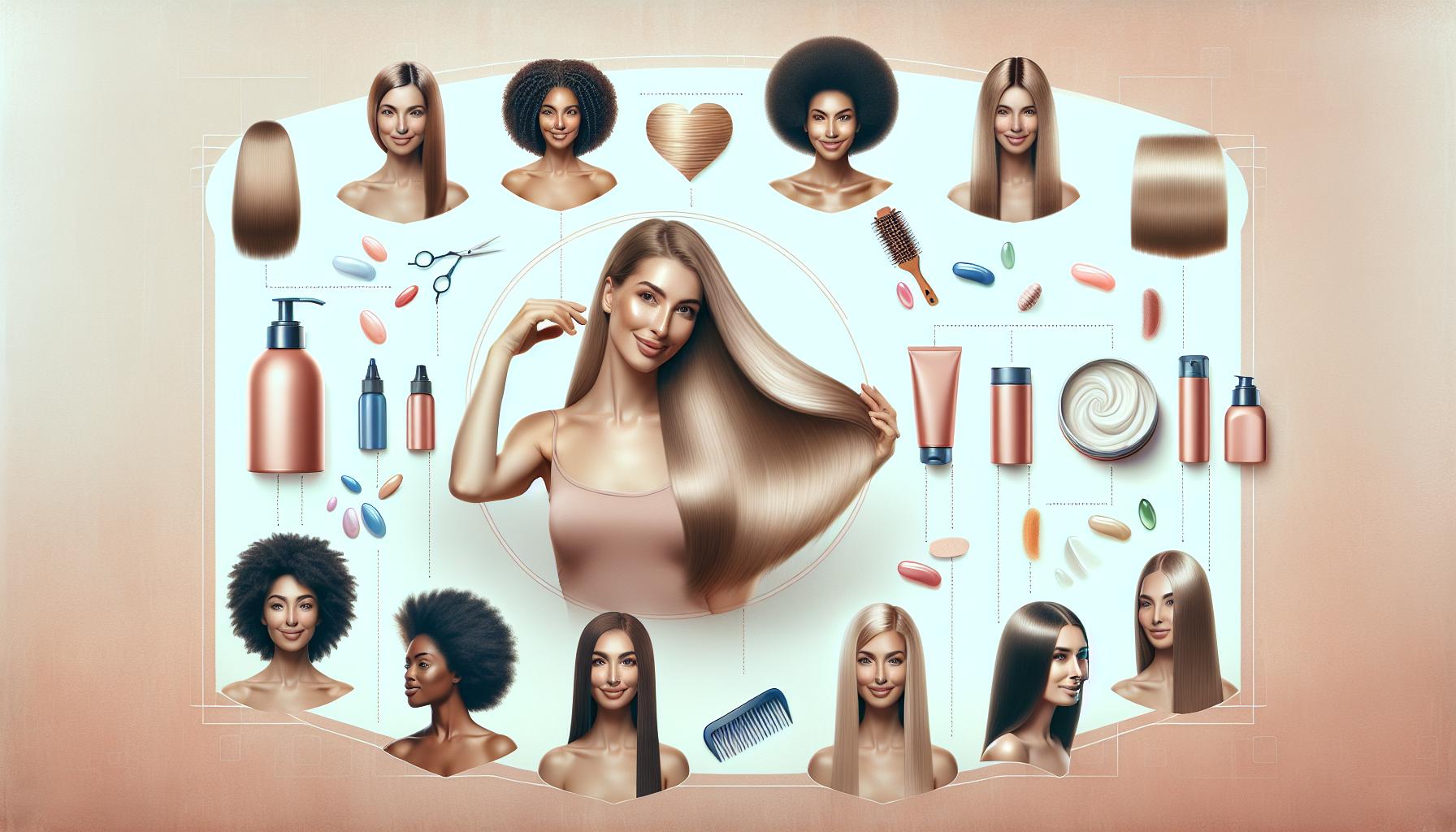
The relationship between THC, the psychoactive compound in cannabis, and hair growth is complex and interesting. Research suggests that cannabinoids,including THC,may have varying effects on hair follicles,influencing both hair loss and regrowth. Studies indicate that while THC could contribute to hair loss in some contexts, it may also promote hair growth through its interaction with cannabinoid receptors. This duality opens a discussion on the potential therapeutic applications of cannabis in hair restoration.
Impact of THC on Hair Loss
THC interacts with the body’s endocannabinoid system, which plays a critical role in various physiological processes, including hair growth. Some studies have illustrated that the activation of CB1 receptors by cannabinoids like THC may lead to increased hair follicle apoptosis (cellular death). This mechanism can result in hair thinning or loss, particularly in individuals predisposed to conditions like androgenetic alopecia. Moreover, stress is known to trigger the release of cannabinoids, which may exacerbate hair loss through hormonally driven pathways, further complicating the effects of THC on hair health.
Potential for Hair Regrowth with THC
Contrastingly, there’s emerging evidence that suggests THC could facilitate hair regrowth under certain conditions. A recent study involving the topical submission of CBD-rich cannabis extract demonstrated a significant increase in nonvillus hair counts—approximately 93.5% over six months—in participants. While this study focused on CBD, the potential synergistic effects with THC should not be overlooked, as both compounds are found in cannabis and can work together to influence hair health positively [[2](https://pubmed.ncbi.nlm.nih.gov/36181341/)].
to explore this potential, users interested in cannabis for hair growth should consider the following practical approaches:
- Topical Applications: Utilizing cannabis-infused oils or shampoos that contain both THC and CBD may maximize benefits.
- Dosage and Method: Pay attention to the method of application and dosage,as these factors considerably affect efficacy.
- Consultation with Professionals: Always consult with a healthcare provider or a dermatologist familiar with cannabinoid therapies to craft a balanced and safe approach.
while THC can potentially contribute to hair loss, its impact is nuanced, with evidence suggesting avenues for regrowth and restoration when used appropriately. Understanding the intricate balance between these cannabinoids is vital for those seeking solutions to hair loss, making ongoing research into cannabis’s effects essential.
The Role of Cannabinoids in the Hair Growth Cycle
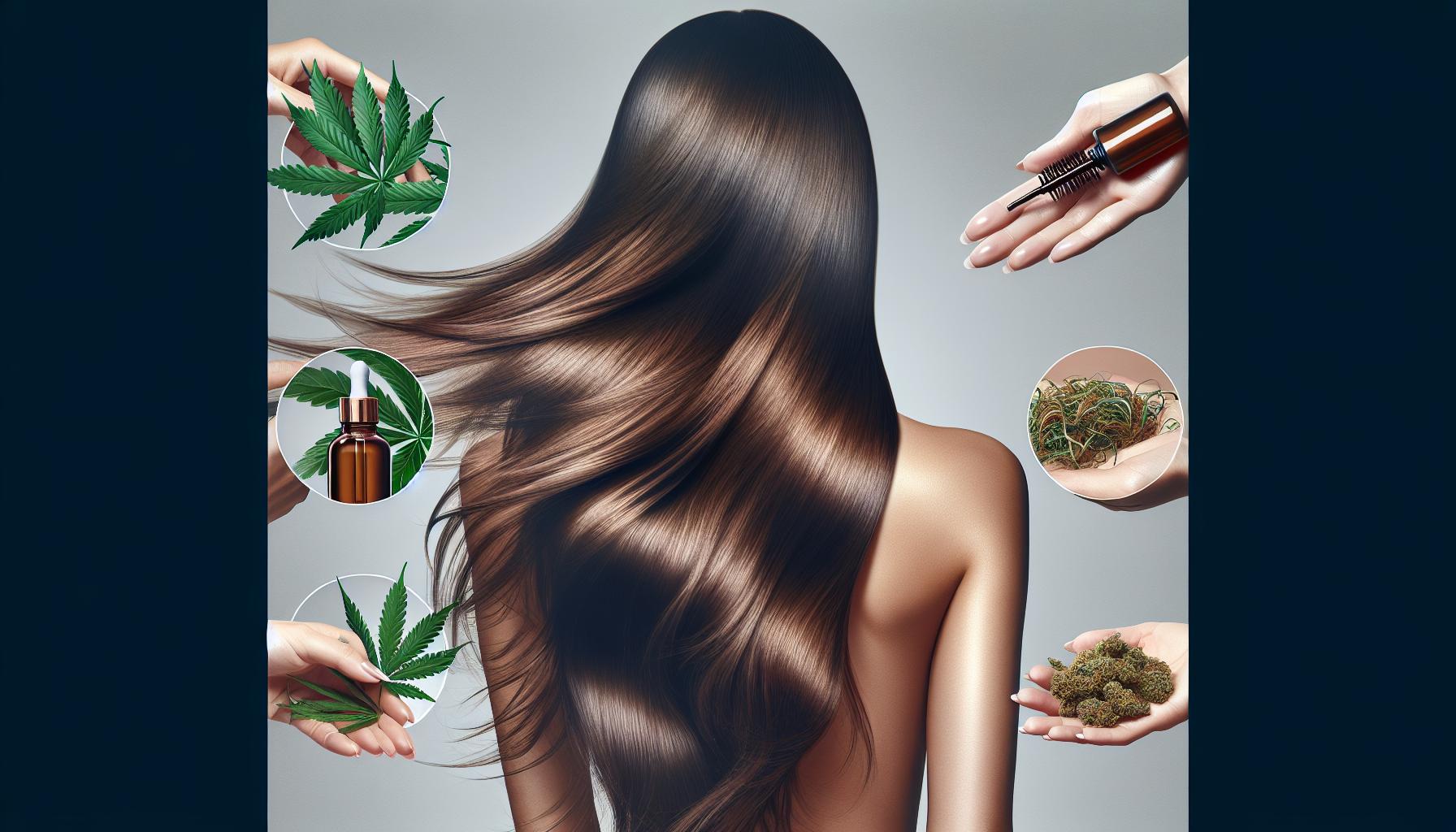
The connection between cannabinoids and hair growth has been gaining attention in recent years, particularly as scientific inquiry into the effects of cannabis becomes more prevalent.Cannabinoids, such as CBD (cannabidiol), are known to interact with the body’s endocannabinoid system, which plays a significant role in various physiological processes, including hair growth. Research indicates that these compounds may influence the hair growth cycle by promoting healthier hair follicles and potentially counteracting hair loss.
Cannabinoid Effects on Hair Follicles
Studies have shown that the application of cannabinoids like CBD directly to the scalp can stimulate hair follicles. According to research, CBD acts as a negative allosteric modulator of the CB1 receptor, leading to increased hair shaft elongation. This elongation can result in thicker,more robust hair strands,promoting an improved appearance over time [[2](https://publications.sciences.ucf.edu/cannabis/index.php/Cannabis/article/view/78)].
Cannabinoids contribute to the potential rejuvenation of hair follicles through several mechanisms:
- Anti-inflammatory Properties: Cannabinoids are known for their anti-inflammatory effects, which may help reduce scalp irritation and inflammation, conditions that can impede hair growth.
- Regulation of Sebum Production: the endocannabinoid system helps regulate sebum production, which is crucial for maintaining scalp health and preventing hair follicles from becoming clogged.
- Improved Circulation: These compounds may also enhance blood circulation in the scalp, ensuring that hair follicles receive sufficient nutrients and oxygen necessary for growth.
Additional Benefits of Cannabinoids for Hair Health
Beyond promoting growth, cannabinoids may improve the overall health and aesthetics of hair. Products infused with CBD oil frequently enough contain high levels of vitamin E,a potent antioxidant that can enhance hair growth and minimize hair loss [[3](https://www.webmd.com/cannabinoids/cbd-hair-products)]. The moisturizing properties of CBD can also contribute to improved hair texture and reduced breakage, creating a more vibrant appearance.
| Property | Benefit for Hair Growth |
|---|---|
| Anti-inflammatory | Reduces scalp irritation, promoting healthier hair growth. |
| Regulates Sebum | Prevents blockage of hair follicles, supporting hair vitality. |
| Enhances Circulation | Increases nutrient delivery to hair follicles. |
| Rich in Vitamin E | Protects hair strands and promotes growth. |
With the rise in popularity of CBD-infused hair products,consumers are increasingly looking for alternatives to traditional hair care solutions. While some may question whether cannabis can cause hair loss or have negative effects, the evidence suggests that cannabinoids, particularly CBD, hold promise in encouraging hair growth and maintaining general scalp health. Further research in this area could reveal even more about how these compounds work in harmony with the body’s natural processes to promote hair wellness.
Medical Research: What Studies Say About Cannabis and Hair Loss
Current research suggests a complex relationship between cannabis use and hair loss, attracting attention from both the medical community and casual users. Cannabis consumption, especially through smoking, may negatively impact hair health. Studies indicate that smoking marijuana can damage hair follicles, leading to inflammation and nutrient deficiency, which are crucial for maintaining healthy hair. One significant concern is the potential for cannabis to exacerbate underlying stress, a factor already known to contribute to hair loss conditions such as telogen effluvium, where hair prematurely enters the resting phase and afterward sheds more than usual.
Hormonal Influence and Stress
One of the overarching theories regarding cannabis and hair loss revolves around its effects on hormone regulation. Cannabis acts as a depressant, and its impact on the endocannabinoid system can disturb the hormonal balance in the body. Fluctuations in hormones such as cortisol, often referred to as the stress hormone, can aggravate hair loss conditions. When stress levels increase, it frequently enough results in hair shedding, creating a vicious cycle where cannabis use leads to more stress and subsequent hair loss [2[2[2[2].
Furthermore,a significant aspect of understanding whether weed can lead to hair loss lies in nutrition. Users may neglect proper dietary habits, resulting in deficiencies that can detrimentally affect hair vitality.Poor nutrition is well-documented as a contributor to hair loss, and many cannabis users may inadvertently suffer from reduced hair quality due to insufficient nutrient intake [1[1[1[1].
Research Highlights
Anecdotal evidence from some users suggests that marijuana may lead to telogen effluvium, a reversible form of hair loss marked by increased shedding. however, thorough clinical studies to solidify this connection are still limited. In this very way, further research is necessary to substantiate and understand the extent of cannabis’s effects on hair follicles. Future studies could illuminate whether stopping cannabis use may reverse its hair loss effects, offering a potential path for those concerned about their hair health.
while the current findings on cannabis and hair loss remain preliminary, they open up important discussions regarding usage behaviors and lifestyle adjustments. Users are encouraged to observe their hair health closely and consider moderation or cessation as part of a holistic approach to wellness.
Common Myths About Weed and Hair: Separating Fact from Fiction
Understanding the connection between cannabis use and hair health can be tricky, especially with so many myths circulating in popular culture. Many people have heard anecdotes linking marijuana consumption with hair loss, but separating these myths from the realities informed by scientific research is essential. The conversation around whether weed can impact hair continues to evolve, reflecting both anecdotal accounts and emerging studies that provide a more nuanced view.
Debunking common Myths
One prevalent myth is that all forms of cannabis usage lead directly to hair loss. While there are claims suggesting that regular marijuana use may trigger hair thinning in some individuals, the evidence remains largely anecdotal and lacks robust scientific backing. According to some sources, cannabis components like THC have been observed to suppress hair follicle growth, potentially contributing to hair loss for certain users, but definitive conclusions are still elusive [1[1[1[1][3[3[3[3]. Thus, while some users report hair issues, asserting a global cause-and-effect relationship oversimplifies a complex issue.
Another misconception revolves around the idea that cannabis use can universally harm hair health. In contrast, recent research suggests that marijuana might have therapeutic properties that could enhance scalp health and hair growth due to its anti-inflammatory effects and the presence of antioxidants [2[2[2[2]. This brings to light the dual nature of cannabis, indicating that depending on the individual and the context of use, weed might either positively or negatively influence hair health.
Actionable Insights for Consumers
To navigate these mixed signals, consider the following practical tips:
- Monitor Your Hair’s Health: Keep track of any changes in your hair condition after starting or altering your cannabis consumption.
- Consult Professionals: If you’re experiencing significant hair loss, consult a dermatologist or a trichologist who can offer guidance tailored to your specific situation.
- Balance and Moderation: If you choose to use cannabis, doing so in moderation might be wise, as excessive use could have varying effects.
- Stay Informed: Follow ongoing research in the area of cannabis effects on health to make educated decisions.
Ultimately, understanding the nuances regarding whether weed can cause hair loss relies on continued investigation into cannabis’s biological impacts and personal experiences. By approaching the topic with a critical mind and relying on research-supported information, individuals can better manage their hair health in the context of cannabis use.
Practical Tips for Maintaining Healthy Hair While Using Cannabis
While many people enjoy the benefits of cannabis, it’s important to consider its potential effects on hair health. Research indicates that certain compounds in cannabis can influence hair growth and loss, leading to a keen interest in maintaining healthy hair for users. Below are some practical tips to ensure your hair remains vibrant and resilient if you regularly consume cannabis.
Hydration and Nutrition
One of the key aspects of healthy hair is proper hydration and nutrition. Ensure you are drinking enough water daily, as dehydration can lead to brittle hair and scalp issues. A balanced diet rich in vitamins and minerals, particularly those known to support hair health, can make a significant difference. Focus on incorporating the following nutrients into your diet:
- Protein: Essential for hair structure, found in beans, fish, and lean meats.
- Omega-3 Fatty Acids: Found in walnuts, flaxseeds, and fatty fish, they help nourish hair follicles.
- Vitamins: Vitamins A, C, D, and E play a critical role in hair health.
- Biotin: Often recommended for hair growth,found in eggs,nuts,and avocados.
Proper Hair Care Routine
Adopting a consistent hair care routine can definitely help mitigate any potential negative effects of cannabis on your hair. Consider tailoring your hair care regimen by including products that are specifically formulated to enhance hair strength and health. Look for shampoos and conditioners infused with beneficial ingredients like CBD or natural oils, which are known for their nourishing properties.
In addition to using high-quality hair products, be mindful of how you wash and treat your hair. Avoid overwashing,as this can strip natural oils. Instead, try to limit shampooing to two or three times a week and focus on conditioning. Using a deep conditioning treatment once a week can further restore moisture and vitality to your hair.
Scalp Health
Maintaining a healthy scalp is crucial for overall hair health. Incorporate scalp massages into your routine to promote blood circulation and stimulate hair follicles, making sure to use natural oils like coconut or hemp seed oil for added nourishment. Avoid using products that contain harsh chemicals, as they can irritate the scalp and lead to hair loss. Rather, opt for gentle, organic options that cleanse without stripping natural oils.
Stress Management
Lastly,managing stress is essential,as it can contribute to hair loss through hormonal imbalances. Incorporate relaxation techniques into your daily routine,such as yoga,meditation,or simply spending time in nature. These practices not only improve overall well-being but also foster a healthy habitat for hair growth.
By following these practical tips, individuals consuming cannabis can take proactive steps to protect their hair and promote a healthy scalp. Remember, the interplay between cannabis use and hair health can vary by individual, so monitoring your personal experience and adjusting your care practices accordingly is vital.
The Emotional Impact of Hair Loss: Coping Strategies for Affected Individuals
Experiencing hair loss can be an emotionally challenging journey, leaving individuals feeling vulnerable and self-conscious about their appearance. For many, a full head of hair represents youth and vitality, making its absence not just a physical issue but a deeply personal one. the link between stress and hair loss,along with the possible effects of substances like cannabis,underscores the complex relationship between emotional well-being and hair health. Understanding coping mechanisms can transform how one deals with these feelings and pave the way toward emotional recovery.
One effective strategy for coping with hair loss is to openly express and acknowledge feelings about the change in appearance. This can foster a supportive environment, whether it’s among friends or through online communities. Sharing experiences with others facing similar struggles can diminish feelings of isolation.Engaging with support groups—both in-person and online—can provide a safe space to confront the emotional turmoil surrounding this experience.
In addition to open dialogue, another practical approach is to focus on self-care and enhance overall well-being. Simple practices like mindfulness and meditation can significantly reduce anxiety and promote a healthier self-image. Furthermore, maintaining a balanced diet and regular exercise are essential for nurturing physical and emotional health, potentially mitigating some of the distress associated with hair loss. For individuals concerned about the potential impacts of cannabis on hair health,consulting healthcare professionals can guide them toward informed decisions about usage.
Practical Coping Strategies
Here are actionable strategies that can definitely help individuals cope with the emotional impacts of hair loss:
- Seek professional help: Consider speaking with a therapist who specializes in body image issues.
- Explore hair loss solutions: Research options such as hair prostheses or topical treatments that may alleviate concerns and improve visual confidence.
- Embrace personal style: Experiment with different hairstyles, headwear, or accessories as a way to redefine your look and boost confidence.
- Educate yourself: Understand the potential connections between lifestyle choices, including cannabis use, and hair health; knowing this may help in making informed decisions about hair care and wellness.
By addressing both the practical and emotional aspects of hair loss,individuals can empower themselves to navigate this challenging stage with resilience and grace. Emphasizing mental health is paramount, as the journey of coping is as much about emotional recovery as it is about accepting one’s physical changes.
Seeking Help: When to Consult a Professional About Hair Concerns
Addressing concerns about hair loss can be daunting, especially as individuals navigate potential contributing factors like marijuana use. Understanding when to seek professional advice is crucial for identifying underlying issues and effective treatments.If you’re experiencing noticeable changes in your hair density or health, it’s advisable to consult a healthcare provider or a specialist.
Before bringing your concerns to a professional,consider the following signs that may warrant a consultation:
- Unexplained Hair Shedding: If you notice hair loss that seems excessive or unexplained,it may indicate an underlying health issue.
- Changes in Hair Texture: A significant alteration in the quality of your hair, such as increased brittleness or thinning, can be a cause for concern.
- Persistent Symptoms: If you experience itching, redness, or scaling on your scalp alongside hair loss, it’s time to seek professional help.
- Your Stress Levels: Elevated stress levels, particularly from factors such as marijuana use, can lead to hair loss through conditions like telogen effluvium, making it important to assess your overall mental and physical health.
When you decide to seek help, be prepared to discuss your marijuana use and any lifestyle factors that could contribute to your hair concerns. A professional may ask detailed questions regarding your usage frequency, method of consumption, and any other symptoms you might potentially be experiencing. This thorough approach helps identify whether cannabis could be linked to hair loss or if other medical conditions might be playing a role.
Professionals can provide tailored assessments, which may involve blood tests or scalp examinations, to better understand your situation. Depending on the findings, they may recommend treatment options ranging from lifestyle changes to medication, potentially offering solutions to mitigate any negative impact from substances like marijuana. Keep in mind that seeking help early can often lead to better outcomes and may help reverse some effects related to hair health.
FAQ
Can Weed Cause Hair Loss? Medical Research on Cannabis Effects
yes, evidence suggests that *marijuana use* can contribute to hair loss.research indicates that certain cannabinoids might negatively affect hair growth and lead to conditions like telogen effluvium, where hair enters a shedding phase prematurely.
While there’s more interest in researching the effects of cannabinoids on health, studies have pointed out that *some compounds in cannabis may inhibit hair shaft growth*. This could manifest in reduced hair density or shedding. If you’re concerned about hair loss linked to cannabis use, consult a healthcare provider for advice.
What types of hair loss are associated with cannabis use?
Cannabis use is primarily linked to *telogen effluvium*, a condition characterized by temporary hair shedding. This occurs when hair follicles prematurely enter the resting phase, leading to visible thinning and shedding.
Telogen effluvium can be triggered by various factors, including stress and hormonal changes. studies suggest that cannabis could be a potential factor in exacerbating this type of hair loss by affecting the hormonal balance within the body. For more detailed insights,visit hairman.
How does cannabis affect hair follicles?
Cannabis impacts hair follicles negatively by disrupting their normal growth cycle. Cannabinoids may inhibit the development and growth of the hair shaft, leading to hair loss.
Research has indicated that while *cannabinoids like CBD* may have beneficial properties,others could lead to adverse effects,revealing a complex relationship between cannabis use and hair health. Understanding these effects can help users make informed decisions about their use of cannabis.
Can using CBD oil promote hair growth?
Some studies suggest that CBD oil may promote hair growth in certain contexts due to its potential *anti-inflammatory properties*. However, its effectiveness can vary based on individual reactions and underlying health issues.
CBD appears to foster a healthy environment for hair growth, potentially counteracting some negative effects associated with other cannabinoids. If exploring CBD for hair health, it’s advisable to consult with a healthcare professional for tailored advice.
Why do some people experience hair loss with cannabis?
Hair loss associated with cannabis use can arise from various mechanisms. The most common is hormonal changes that can lead to *telogen effluvium*, along with potential damage to hair follicles caused by specific cannabinoids.
The impact of *stress and lifestyle factors* related to cannabis use may also play a role. For individuals experiencing hair shedding, understanding these contributing factors can be crucial in seeking effective hair loss treatments.
what should I do if I notice hair loss after using cannabis?
If you notice hair loss after using cannabis, consider consulting a healthcare provider for a thorough evaluation. They can help identify underlying causes and suggest appropriate measures to mitigate hair loss.
It might also be beneficial to monitor your *overall health habits*, including diet, stress management, and hair care practices. Understanding the multifaceted nature of hair health can aid in developing an effective strategy to combat hair loss.
Yes, stress plays a significant role in *telogen effluvium*, and might be exacerbated by cannabis use. Increased stress levels can trigger hair follicles to enter a resting phase, leading to shedding.
This relationship suggests that individuals using cannabis for stress relief might unwittingly contribute to hair loss. It’s critically important to explore alternative stress management strategies if you are facing hair issues linked to cannabis use.
Closing Remarks
while the relationship between cannabis and hair loss remains complex and not fully understood, several studies suggest that smoking marijuana may exacerbate hair loss indirectly through mechanisms such as increased stress and hormonal changes. Although certain cannabinoids, like CBD, show potential for promoting hair growth, others may contribute negatively. for those concerned about hair health, it is essential to consider a holistic approach, including managing stress, maintaining a balanced diet, and consulting with healthcare professionals. By staying informed and proactive, you can take meaningful steps toward healthier hair. We encourage you to explore more on this topic, share your experiences, and connect with others who understand the journey of navigating hair care challenges.


