


many of us rely on hair straighteners for a sleek look, but is this daily styling tool causing irreversible damage to our locks? Understanding the potential risks of heat styling is crucial for anyone wanting to maintain healthy hair. In this article, we’ll uncover the truth behind hair straighteners and their long-term effects.
Contents
- Understanding Hair Structure: How Heat Affects Your Strands
- Common Myths About Hair Straighteners and Damage
- The Science Behind Heat Damage: What Happens to Your Hair?
- Protective Measures: Safeguarding Your Hair While Styling
- Choosing the Right Tools: What to look for in a Hair Straightener
- Restorative Practices: How to Heal Damaged hair After Use
- Professional Insights: Hair Care Tips from Stylists and Trichologists
- Long-term Impact: Assessing the Risks of Frequent Straightening
- FAQ
- Frequently Asked Questions about Hair Straighteners
- Do hair straighteners damage hair permanently?
- How can I minimize damage from hair straighteners?
- What are the signs of hair damage from straightening?
- Can I still use hair straighteners if my hair is damaged?
- Why do hair straighteners cause damage?
- What types of hair are most affected by heat styling?
- Can using a different type of straightener reduce damage?
- To Wrap It Up
Understanding Hair Structure: How Heat Affects Your Strands
The hair we cherish is not merely a collection of strands; it is indeed a sophisticated structure that can be significantly affected by heat. Understanding how hair is built helps us appreciate why tools like straighteners can have long-lasting effects. Each hair strand consists of three main layers: the outer cuticle,the middle cortex,and the inner medulla. The cuticle, made up of overlapping cells, acts like a protective barrier. However, when exposed to high temperatures from styling devices, the cuticle can become damaged, leading to weakened hair.
Impact of Heat on Hair Structure
Heat affects the structural integrity of hair primarily through its influence on the cortex. This middle layer contains keratin, a protein that provides strength and elasticity. Excessive heat can denature keratin, causing it to lose its natural shape and leading to breakage.The structural damage may not be immediately visible but often manifests over time through dryness, frizz, and split ends.
To mitigate heat damage from tools like hair straighteners, it is crucial to employ protective strategies. Here are some practical steps to consider:
- Use Heat Protectant Products: Before styling,apply a heat protectant formula that contains silicones or natural oils to create a barrier against high temperatures.
- Limit Styling Frequency: Try to reduce the number of times you use heat styling tools. Opt for air drying or heat-free styles when possible.
- Adjust Temperature Settings: Use the lowest effective temperature setting on your straightener. Fine or damaged hair generally requires less heat than thicker hair.
- Incorporate Moisturizing Treatments: Regular deep-conditioning treatments can restore moisture balance and help repair damage caused by heat exposure.
Does Heat Damage Hair Permanently?
Addressing the question, “Do hair straighteners damage hair permanently?” it’s vital to recognize that while heat can cause irreversible structural changes, recovery is possible with the right care. If damage is frequent and extensive,strands may require trimming and intensive moisture treatments. However, maintaining a holistic hair care routine can prevent long-term consequences and enhance curl integrity over time.
By understanding the delicate interplay between heat and hair structure, we can make more informed choices about styling practices. Prioritizing protective measures allows us to enjoy the look we desire while minimizing the risk of lasting damage,paving the way for healthier,more resilient hair.
Common Myths About Hair Straighteners and Damage
The world of hair straightening is often shrouded in myths and misconceptions.Among the most persistent beliefs is the idea that using hair straighteners leads to irreversible damage, leaving locks lifeless and broken. However, this narrative is not supported by fact. Understanding the truth behind hair straighteners and the potential for damage is crucial for anyone looking to maintain their hair health while enjoying sleek styles.
Myth 1: Hair Straighteners Permanently Damage Your Hair
many fear that regular use of hair straighteners will result in permanent hair damage. While excessive heat can indeed cause temporary damage, such as dryness or split ends, it does not necessarily mean your hair will never recover. With proper care, including conditioning treatments and heat protectants, hair can bounce back and remain healthy.
Myth 2: All hair Straighteners Are Created Equal
Not all straighteners apply heat likewise.High-quality straighteners often have adjustable heat settings, advanced technology, and ceramic plates, which distribute heat more evenly. This functionality can significantly reduce the risk of damage. Consider these features when choosing your device:
| Feature | Benefit |
|---|---|
| Adjustable Heat Settings | Allows for personalized temperature control according to hair type. |
| Ceramic or Tourmaline Plates | Helps in even heat distribution, resulting in less damage. |
| Ion Technology | Reduces frizz and enhances shine by neutralizing static. |
Myth 3: You Can’t Use Hair Straighteners on Fine or Curly Hair
Another misconception is that hair straighteners are unsuitable for fine or curly hair types. In contrast, with the right technique and tools, individuals with these hair types can safely enjoy straightening. It’s crucial to use lower heat settings with a heat protectant to prevent possible damage.As an example, starting at a lower temperature and gradually increasing it can help achieve the desired results without compromising hair integrity.
by dispelling these myths with factual facts, individuals can embrace hair straighteners as a styling option without fear of irreversible damage. With proper use and regular hair care routines,achieving sleek and stylish hair can be part of any beauty regimen.
The Science Behind Heat Damage: What Happens to Your Hair?
The allure of sleek, shiny hair achieved through hair straighteners is undeniable, but the underlying science reveals a more complicated truth. When heat is applied to hair,it affects its very structure and can lead to permanent damage if not managed properly.To understand the implications of this styling method, it’s crucial to delve into how hair reacts to high temperatures.
understanding Hair Structure
Hair is primarily made up of a protein called keratin,which forms a protective layer around the hair shaft. This structure is delicate and can easily be disrupted. when you apply heat,particularly from devices like straighteners,the following processes occur:
- Moisture Loss: Hair contains about 15-17% water; excessive heat can lead to important moisture evaporation,leaving hair dry and brittle.
- Protein Denaturation: High temperatures above 450°F (232°C) can cause keratin to lose its natural shape and integrity, which is essentially a breakdown of the protein structure.
- Changes in hair Color: Heat can also alter the melanin within hair, which may lead to unwanted changes in color, making hair appear dull or brassy.
Temperature and Duration Matter
The extent of damage hair straighteners can cause largely depends on the temperature settings and the duration of heat application. Here’s a rapid overview:
| Temperature (°F) | Potential Damage | Recommended Usage Duration |
|---|---|---|
| 250-300 | Minimal damage; suitable for finer hair | Up to 10 seconds |
| 300-350 | Moderate damage; ideal for medium-textured hair | 5-8 seconds |
| 350-400 | High damage risk; better for thick or coarse hair | 3-5 seconds |
| Above 400 | Severe damage; avoid if possible | 1-2 seconds |
Understanding these effects can guide you in using hair straighteners more wisely. allow hair to cool between passes, use lower heat settings when possible, and always apply a heat protectant. These preventive measures can significantly lower the risks associated with heat styling, leading to healthier hair in the long run.
the question of whether hair straighteners can cause permanent damage is nuanced. while frequent and improper use can indeed result in irreversible harm, taking informed measures can help mitigate these risks, allowing you to enjoy your styling without jeopardizing the health of your hair.
Protective Measures: Safeguarding Your Hair While Styling
While hair straighteners can be a chic way to transform your hairstyle, they also pose potential risks that can lead to irreversible damage. Understanding how to protect your hair during styling is essential in ensuring that you maintain healthy locks even after frequent use of hot tools. Investing in protective measures can mean the difference between luscious hair and a damaged mane.
Understanding the Risks
When it comes to styling, excessive heat is the primary culprit behind hair damage.Frequent exposure to high temperatures can strip hair of its moisture, leading it to become brittle, break off, or develop split ends. In the quest to answer whether hair straighteners damage hair permanently, it’s crucial to recognize that the level of damage depends not only on the temperature used but also on the frequency and method of application.
Practical Protective Measures
To safeguard your hair while using straighteners, consider the following protective strategies:
- Heat Protectant Sprays: Always apply a heat protectant spray before styling. These specialized products form a barrier between the heat and your hair, significantly reducing the risk of thermal damage.
- Optimal Temperature Settings: Use straighteners with adjustable temperature controls. Setting your tool to the lowest effective temperature for your hair type can drastically reduce damage. Fine hair typically requires a maximum of 300°F,while coarser hair may tolerate up to 450°F.
- Limit Styling Frequency: Try to limit the use of straightening tools to a couple of times a week to avoid cumulative damage.Embrace natural styles on alternate days or use less damaging methods like blow-drying with a round brush.
- Regular conditioning Treatments: Deep conditioning treatments can revitalize your hair and provide necessary moisture. Incorporate protein-rich masks once a week to strengthen your hair and help repair existing damage.
Implementing a Proper Routine
Establishing a hair care routine that includes hydration and nourishment is vital. Consider a weekly schedule where you dedicate time to treat your hair. For an effective routine, you might look into a table format like this:
| Day | Activity | Product Advice |
|---|---|---|
| Monday | Use heat protectant | XYZ Heat Shield |
| Wednesday | Deep conditioning treatment | ABC Repair Mask |
| Friday | Limit heat styling; embrace natural hair | N/A |
By integrating these protective measures into your styling routine, you can mitigate the potential risks associated with straighteners. Remember that you can enjoy fabulous hairstyles without sacrificing the health of your hair. With the right techniques and products,maintaining beautiful locks is entirely possible.
Choosing the Right Tools: What to look for in a Hair Straightener
Choosing the right hair straightener can make all the difference in achieving sleek,smooth locks while minimizing potential damage. As many hair enthusiasts wonder, “Do hair straighteners damage hair permanently? Truth unveiled” frequently enough leads to confusion. Though, selecting the right tool can significantly mitigate risks and enhance your styling experience.
When evaluating hair straighteners, consider the following essential features to ensure you pick a device that promotes healthy hair while providing the style you desire:
Plate Material
The material of the plates directly impacts how the straightener heats up and how it interacts with your hair. Here are some common plate materials:
| Material | benefits | Considerations |
|---|---|---|
| Ceramic | Even heat distribution, reduces hot spots, suitable for all hair types. | Can chip over time, especially with rough handling. |
| titanium | Quick heating, durability, great for thick or coarse hair. | May be too hot for fine or damaged hair. |
| Tourmaline | Reduces frizz and adds shine, emits negative ions during styling. | Higher price point; ensure it’s blended with other materials for durability. |
| Floating Plates | Helps grip hair without snagging, improves maneuverability. | Less common; make sure to check for quality. |
Temperature Control
The ability to adjust heat settings is crucial for maintaining healthy hair. High temperatures can cause irreversible damage, especially for finer or color-treated hair. Look for straighteners that offer adjustable temperature settings, preferably with a digital display, allowing you to select the most suitable heat level for your hair type. As a notable example:
- Fine hair: 250°F – 300°F
- Medium hair: 300°F – 375°F
- Thick/curly hair: 375°F - 450°F
Added Features
Contemporary hair straighteners come equipped with additional features designed to enhance safety and ease of use:
– Auto Shut-off: A safety feature that turns the device off after a certain period of inactivity, preventing accidents.
– Swivel Cord: A rotating cord reduces the risk of tangling and provides more versatility during styling.
– Dual Voltage: Ideal for travelers, this feature allows you to use the straightener in different countries without needing a voltage converter.
In essence, when it comes to averting the potential question, “do hair straighteners damage hair permanently? Truth unveiled,” equipping yourself with the right tools can significantly lower the risk of harm.Make informed,thoughtful choices when selecting a straightener tailored to your specific hair type and styling needs.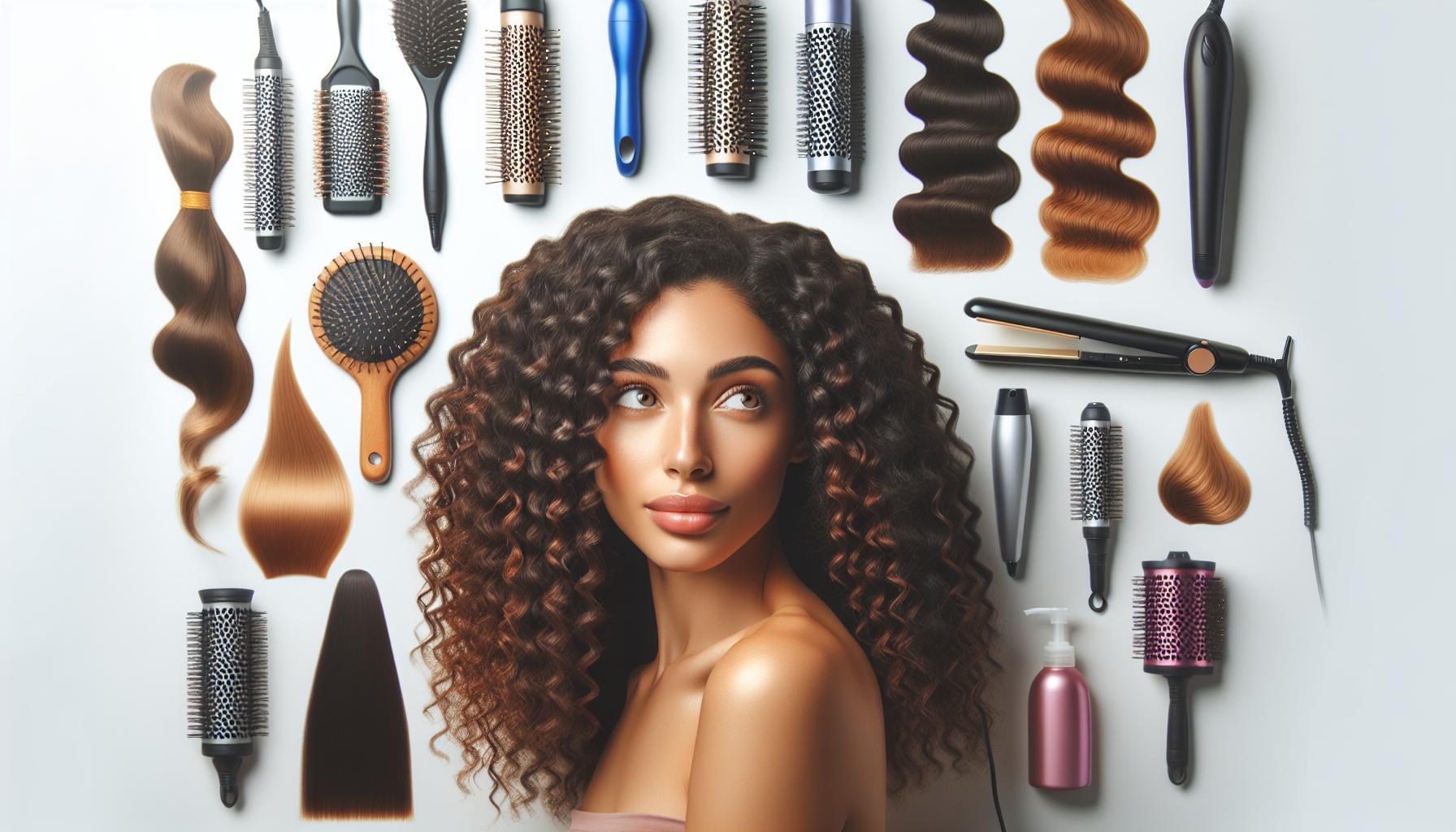
Restorative Practices: How to Heal Damaged hair After Use
Regular use of hair straighteners can lead to significant damage, making it essential to have an effective recovery plan.Once you’ve realized the toll these styling tools can take, the journey to restoring your hair’s health begins with understanding the types of damage caused and the effective restorative practices you can implement.
Identify the Damage
before starting any restorative regimen, it’s crucial to evaluate the extent of the damage. Look for signs such as dryness, split ends, and lackluster shine. Depending on the severity, you can tailor your healing routine more effectively.
Implementing a Repair Routine
To help combat damage from hair straighteners, consider the following restorative practices:
- Moisturizing Treatments: Integrate deep conditioning treatments at least once a week. look for products infused with natural oils, such as argan or coconut oil, which penetrate the hair shaft to hydrate and nourish.
- Protein Treatments: Use protein treatments monthly to strengthen the hair.Keratin-infused masks can definitely help rebuild the structural integrity of damaged strands.
- Regular Trims: Schedule regular trims every 6-8 weeks to remove split ends and prevent further damage from traveling up the hair shaft.
- Heat Protection: Always apply a heat protectant spray before styling to minimize future damage.This forms a protective barrier against high temperatures.
Adopt Gentle Styling Practices
Gradually transition to gentler styling methods to minimize damage. consider air-drying or using a lower heat setting on your straightener. Additionally, exploring heat-free styling methods, such as braiding damp hair for waves, can definitely help maintain your style while preserving hair health.
Nutrition and Hydration for Hair Health
Don’t underestimate the impact of your diet on hair vitality. Ensure you’re consuming sufficient amounts of proteins, vitamins (especially biotin and vitamin E), and hydration. Foods like nuts, fish, and leafy greens can contribute significantly to the overall health of your hair, making it more resilient against damages from styling tools.
By understanding how straighteners affect hair and embracing these restorative practices, you can nurture and repair damaged locks, proving that the question, “Do hair straighteners damage hair permanently?” might not be as definitive as it truly seems. With the right care, healthier hair is possible.
Professional Insights: Hair Care Tips from Stylists and Trichologists
While the allure of sleek, straight hair often overshadows the potential risks associated with hair straighteners, understanding the nuanced impact of heat styling tools on hair health is essential.Research highlights that frequent use of high-temperature styling tools can lead to significant damage, altering the hair’s structure and leading to breakage and split ends. To maintain hair health and mitigate potential damage from straighteners, it is vital to adopt a extensive hair care routine based on professional insights from stylists and trichologists.
Understanding Heat Damage
Hair straighteners can indeed cause lasting effects, especially when used improperly. Experts suggest that consistent exposure to high heat can strip moisture from strands, making hair more brittle and prone to damage. To combat this, here are some crucial recommendations:
- Temperature Control: Always use the lowest effective temperature. If your hair is fine, start as low as 300°F (150°C) and never exceed 450°F (230°C).
- Use Heat Protectants: Apply a heat protectant spray or serum before styling to create a barrier against moisture loss and heat damage.
- Limit Frequency: Reduce the frequency of straightening to give your hair time to recover. Consider embracing your natural texture on off days.
Product Selection and Hair Care Regimen
Choosing the right products plays a pivotal role in maintaining hair health. Stylists frequently recommend accessing hydration through moisturizers specifically designed for heat-styled hair. Look for:
| Product Type | Key ingredients |
|---|---|
| Heat Protectant Spray | Silicone, Panthenol |
| moisturizing Conditioner | Shea butter, Argan Oil |
| Deep Conditioning Mask | Keratin, Coconut Oil |
Incorporating a deep conditioning treatment into your regimen at least once a week can restore moisture and elasticity lost from heat styling. Alternatively, consider switching to a no-heat styling method once a week to further protect your strands.
Conclusion
While the question of whether hair straighteners damage hair permanently is nuanced, the consensus is clear: without proper care, the risk of lasting damage increases significantly. By implementing the tips and strategies from professionals, you can enjoy sleek styles while minimizing harm, ensuring your hair remains healthy and resilient for years to come.
Long-term Impact: Assessing the Risks of Frequent Straightening
The allure of sleek, straight locks can often overshadow the potential risks associated with frequent hair straightening. Many individuals may not realize that while a straightener can transform frizzy hair into a smooth masterpiece, its continuous use might lead to long-term effects that can jeopardize the overall health of your tresses. With the rising trend of heat styling, it is indeed essential to delve into the underlying dangers that frequent straightening poses, frequently enough leading to irreversible damage.
Understanding Damage Through heat Exposure
Hair straighteners typically operate at temperatures that can reach upwards of 450°F (230°C).Such high heat can strip hair of its natural moisture, resulting in dry, brittle strands prone to breakage. In fact, a study conducted by dermatologists highlighted that hair can lose up to 50% of its moisture content when exposed to heat styling tools regularly.
The long-term implications of frequent use are multifaceted. Here are some notable risks associated with overstressed strands:
- breakage: Excessive application of heat weakens the hair shaft,leading to snapping and split ends.
- Color Fading: For those who dye their hair, straightening can cause color to fade more rapidly, requiring frequent touch-ups.
- Scalp Damage: Consistent heat exposure can also irritate the scalp, potentially leading to conditions like dermatitis.
- Unmanageable Texture: Over time, repeatedly straightening hair can alter its natural texture, resulting in curls becoming limp and lifeless.
Strategies to Mitigate Long-term Risks
Choosing to style your hair doesn’t mean sacrificing its health. Here are a few practical tips to protect your hair while still enjoying the benefits of straightening:
| Tip | Description |
|---|---|
| Use Heat Protectant | Apply a quality heat protectant spray before styling to form a barrier against damage. |
| Lower the Temperature | Adjust your straightener to the lowest effective temperature based on your hair type. |
| Limit Frequency | Aim to straighten your hair no more than once a week,allowing it to recover between sessions. |
| Invest in Quality Tools | Seek out salon-grade straighteners that offer even heat distribution and lower risk of damage. |
By taking a proactive approach and applying these strategies, you can continue to enjoy beautifully straight hair without succumbing to the permanent damage associated with regular heat styling. Understanding the potential consequences of frequent straightening offers a path toward achieving a balance between style and hair health, ensuring that each strand remains as vibrant and strong as possible.
FAQ
Frequently Asked Questions about Hair Straighteners
Do hair straighteners damage hair permanently?
Hair straighteners can cause temporary damage to your hair, but with the right care, it is usually not permanent. The degree of damage depends on the heat used, frequency of use, and your hair’s natural health.
Using high heat repeatedly can affect hair structure, leading to issues like breakage and dryness. For optimal care, consider using a heat protectant, adjusting the temperature to suit your hair type, and limiting use. To learn more about hair care tips, check our hair care guide.
How can I minimize damage from hair straighteners?
To minimize damage from hair straighteners, use a heat protectant spray, lower the temperature setting, and limit your styling frequency. These steps can significantly safeguard your hair.
Additionally, allow your hair to air dry partially before straightening, as this reduces the amount of heat exposure required. Regular conditioning treatments can also help restore moisture and resilience to your hair, aiding recovery from any potential damage.
What are the signs of hair damage from straightening?
Signs of hair damage from straightening include split ends, increased frizz, dryness, and a rough texture. If you notice these symptoms, your hair might potentially be struggling to cope with heat.
It’s crucial to observe how your hair feels and looks after styling; if it appears lackluster or brittle,implementing a deep conditioning routine or seeking professional advice might potentially be necessary to reverse the damage.
Can I still use hair straighteners if my hair is damaged?
Yes, you can use hair straighteners on damaged hair, but it’s essential to take precautions such as using lower heat settings and protective products. This can allow you to style without exacerbating the damage.
Consider alternating between straightening and heat-free styles to give your hair a break. Regular trims can also help manage damaged ends and maintain a healthy appearance.
Why do hair straighteners cause damage?
Hair straighteners cause damage primarily due to high temperatures that break down the keratin structure in hair.This leads to moisture loss and makes hair more prone to breakage and split ends.
When used frequently without protective measures, the cumulative effect can be detrimental. It’s critically important to understand your hair type and adjust your styling techniques accordingly to mitigate this effect.
What types of hair are most affected by heat styling?
Curly or coily hair types are generally more susceptible to damage from straightening due to their natural structure. These hair types frequently enough require more heat to achieve a straight look, increasing the risk of damage.
Fine hair can also get damaged easily with heat, while thick or coarse hair may handle more heat but can still suffer long-term effects if not cared for properly.
Can using a different type of straightener reduce damage?
Yes, using a ceramic or tourmaline straightener can reduce damage compared to metal options, as they distribute heat more evenly and help minimize hot spots.
Additionally,straighteners with adjustable temperature settings allow you to tailor the heat based on your hair’s thickness and health. Selecting the right tool can be key in reducing potential heat-related damage.
To Wrap It Up
as we’ve explored, the concern around hair straighteners and their potential for causing permanent damage is valid, yet it is indeed frequently enough clouded by myths and half-truths. While excessive heat and improper use can indeed lead to issues such as dryness and split ends,understanding the science behind hair health empowers you to make informed choices.
To mitigate risks,always opt for tools with adjustable heat settings,use heat protectant products,and allow your hair ample recovery time between styling sessions. Regular deep conditioning treatments can replenish moisture and improve resilience, while incorporating nourishing ingredients can enhance your hair’s overall health.
Remember, it’s not about fully avoiding hair straighteners but mastering their use to achieve your desired style without compromising your hair’s integrity. Embrace your unique hair journey, armed with knowledge and best practices, and let your confidence shine alongside your beautifully styled locks.
We encourage you to keep exploring effective hair care solutions and techniques that align with your goals. With the right information and a mindful approach,you can enjoy styling your hair while maintaining its beauty and health. Should you have any further questions or want to share your experiences, feel free to join our community and engage with others on their hair care journeys!


