


For those blessed with curls, caring for your unique hair type goes beyond basic routines. Curly hair often requires specialized attention to maintain its health, definition, and moisture. Understanding the essential tips and tricks for managing curls is crucial for achieving vibrant, bouncy locks while preventing common challenges like frizz and dryness.
Contents
- Understanding Curly Hair: What Makes It Unique?
- Essential Products for Curly Hair Care: A Guide for Every Type
- The Importance of Moisture: Hydrating Techniques for curls
- Styling Strategies: Embracing Your Natural Texture
- Common Myths About Curly Hair: Debunking Misconceptions
- Regular Maintenance: How to Keep Your Curls Healthy
- Protective Styles: Safeguarding Your Curls from Damage
- Expert Tips for combatting Frizz and Maintaining Definition
- Faq
- Do people with curly hair need special care? Essential Tips & Tricks?
- What is the best shampoo for curly hair?
- Why does curly hair frizz easily?
- Can I use regular conditioner on curly hair?
- How to care for curls between washes?
- Why is protein important for curly hair care?
- Can I style my curly hair without heat?
- To Wrap It Up
Understanding Curly Hair: What Makes It Unique?
curly hair is a marvel of nature, characterized by unique textures, growth patterns, and styling needs that set it apart from straight hair. This distinctiveness comes from the shape of the hair follicle itself: while straight hair grows from round follicles, curly hair originates from oval or asymmetrical follicles.This shape leads to the gorgeous swirls and loops that many people adore but also necessitates a special understanding of care routines. Recognizing how curly hair behaves is essential to maintaining its health and vibrancy.One of the critical aspects of curly hair is its tendency to be drier than straight hair. This is largely due to the natural oils produced by the scalp having a harder time traveling down the twists and turns of each individual curl. Consequently, people with curly locks often find that their hair benefits from rich moisturization and hydrating products. To cater to these needs, incorporating products specifically designed for curly hair, such as leave-in conditioners, curl creams, and oils, can significantly improve moisture retention and curl definition.
Special Care Tips for Curly Hair
When it comes to styling curly hair, understanding its unique properties can make all the difference. Here are some essential tips to ensure optimal care:
- Hydrate Regularly: Use deep conditioning treatments weekly to restore moisture.
- Avoid Heat: Limit heat styling to prevent damage; embrace air drying or diffusing.
- Use Sulfate-Free Cleansers: conventional shampoos can strip curly hair of its natural oils; opt for gentler alternatives.
- Apply Products on wet Hair: For best results,apply styling products while hair is still wet to seal in moisture.
the distinctiveness of curly hair requires more than just a basic hair care routine. By specifically addressing the moisture needs and styling quirks of curls, individuals can achieve beautiful, healthy, and lively hair that expresses their unique style. this insight into understanding curly hair leads to a question frequently asked: do people with curly hair need special care? The answer is a resounding yes, and adopting tailored practices is essential for thriving curls.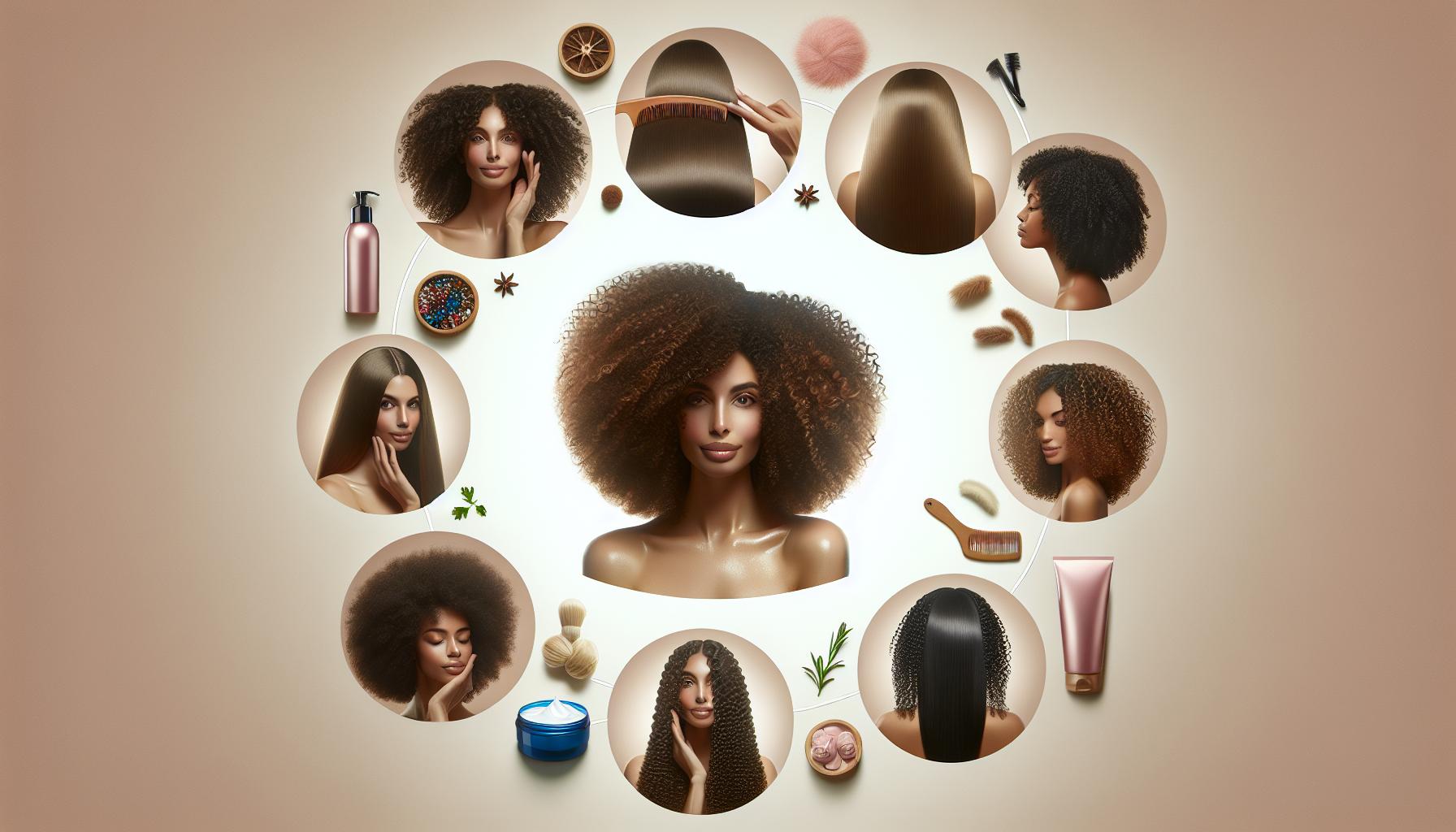
Essential Products for Curly Hair Care: A Guide for Every Type
For individuals embracing their natural curls, selecting the right hair care products is essential to achieving defined, healthy, and vibrant curls. Curly hair tends to be drier and more prone to frizz than straight hair, making specialized products a necessity. Here’s a thorough guide to essential products that cater to various curly hair types, ensuring that your curls can thrive.
Key Products for Curly Hair
To best care for curly locks, consider incorporating the following products into your routine:
- Gentle Cleanser: Start with a sulfate-free shampoo or low-poo cleanser to maintain moisture and avoid stripping your hair of its natural oils.
- Conditioner: A hydrating conditioner is crucial for softening and detangling curls. Look for formulations that are rich in moisturizing ingredients.
- Leave-In Conditioner: After washing, applying a leave-in conditioner helps to maintain hydration throughout the day and makes subsequent styling easy.
- Styling Gel: Use a curl-defining gel to seal in moisture and enhance curl formation, providing hold without stiffness.
- Hair Oil or Serum: Incorporate a nourishing hair oil or serum to combat frizz and add shine, especially for those with tightly coiled hair.
Choosing the Right Products for Your Curl Type
Understanding your curl type is vital in selecting the appropriate products. The following table outlines the needs of various curl types:
| Curl Type | Product Recommendations | Key Needs |
|---|---|---|
| 2A – 2C (Wavy) | Lightweight mousse or cream | Volume and definition without heaviness |
| 3A – 3B (Curly) | Hydrating curl cream or gel | Moisture retention and curl definition |
| 3C – 4A (Kinky) | Rich leave-in conditioners and oils | Deep hydration and frizz control |
| 4B – 4C (Coily) | Thick creams and butters | Moisture, definition, and protection from breakage |
Common mistakes to Avoid
To maintain healthy curls, steer clear of these common pitfalls:
- Over-washing: Frequent washing can strip curls of essential moisture. Aim to wash your hair only onc or twice a week.
- Using the Wrong Products: Avoid products with sulfates, parabens, and alcohol, as these can dry out and damage curly hair.
- Heat Styling: Limit the use of heat styling tools. when necessary, always apply a heat protectant to minimize damage.
By understanding your hair’s unique needs and incorporating these essential products into your routine, you’ll be better equipped to provide your curls with the care they deserve. This tailored approach directly addresses the question of whether people with curly hair need special care, leading to healthier and more beautiful curls.
The Importance of Moisture: Hydrating Techniques for curls
The unique structure of curly hair makes it more prone to dryness and damage, highlighting the critical need for moisture retention strategies. Curly hair often lacks the natural oils produced by the scalp that help to keep the hair hydrated, necessitating special care to maintain its health and vitality.Emphasizing moisture not only enhances the appearance of curls but also improves elasticity, reduces breakage, and promotes overall hair health.Understanding effective hydrating techniques is essential for anyone who embraces their natural curls.
Essential hydrating Techniques for Curly Hair
to achieve beautifully defined curls, it’s pivotal to incorporate several hydrating techniques into your hair care routine. Here are some proven methods:
- Water-based products: Utilizing water-based leave-in conditioners, gels, and mists can yield lightweight yet effective hydration. These products allow for easy submission and can be layered without weighing down the curls [[1]].
- The LOC Method: This three-step technique—Liquid, Oil, and Cream—effectively locks in moisture. Start with a water-based product to hydrate, follow with an oil to seal in the moisture, and finish with a cream to define curls [[3]].
- Deep conditioning: Regularly using a hydrating hair mask or deeply moisturizing conditioner can make a meaningful difference. For optimal results, cover the hair with a plastic cap for a few hours to allow the product to penetrate effectively [[2]].
- Regular Hydro Treatments: Implementing regular hydro treatments using steam or hot water can further enhance moisture absorption and improve curl definition.
By integrating these techniques into your routine, you ensure that your curls remain hydrated, healthy, and vibrant. Understanding the importance of moisture is paramount for those asking if people with curly hair need special care; the answer is a resounding yes! Each technique not only nourishes your curls but also allows you to celebrate their unique texture and beauty.
Styling Strategies: Embracing Your Natural Texture
Embracing the natural texture of curly hair means understanding the unique needs that set it apart from straight or wavy hair. curly hair frequently enough lacks moisture due to its structure,which can lead to dryness and frizz. Thus, effective styling strategies are not just about aesthetics—they’re essential for maintaining healthy curls. By following some tried-and-true techniques, you can enhance your natural curls while also ensuring they are well-nourished and manageable.
Choosing the Right Products
Finding the right products is crucial for effectively styling curly hair. A accomplished routine usually includes:
- Moisturizing Agents: Look for hydrating shampoos and conditioners that contain natural oils like argan, jojoba, or coconut. These ingredients help to lock in moisture.
- Styling Products: Use curl-enhancing products such as serums, lotions, or mousses to define your curls.follow this with a strong hold product like gel or custard to maintain the curl shape throughout the day.
- Heat Protectants: If you choose to use heat styling tools occasionally, always apply a heat protectant to prevent damage.
Proper Washing Technique
How you wash your curly hair can significantly impact its texture and manageability. It’s best to adopt a gentle approach:
- Frequency: Depending on your hair type, aim to wash your hair every 3-7 days to avoid stripping your curls of essential oils.
- Method: Consider co-washing (using a conditioner only) to cleanse your scalp without drying it out.
- Drying: After washing, avoid rubbing your curls with a towel. Instead, gently scrunch your hair with a cotton or microfiber towel to remove excess water.
Techniques for Defining Curls
To achieve beautifully defined curls, employ styling techniques that work in harmony with your hair’s texture:
- The “Praying Hands” Method: Apply styling product using your hands in a downward motion to help clump curls together.
- Scrunching: While the hair is still damp, scrunch upward to encourage curl formation.
- Plopping: Utilize a t-shirt or a microfiber towel to “plop” your hair, allowing your curls to set in a defined shape as they dry.
By integrating these strategies into your hair care routine, you can celebrate the beauty and uniqueness of your curls.With careful attention to product selection and styling techniques, embracing your natural texture can transform how you experience and style your curly hair. Always remember, embracing your natural texture is not just about looking good—it’s about feeling good and confident in your unique style.
Common Myths About Curly Hair: Debunking Misconceptions
Curly hair often comes with its fair share of misconceptions, perpetuating myths that can lead to misguided care practices. Understanding the truths behind these myths is essential for anyone looking to embrace and care for their curls effectively. Often, the belief that curly hair requires a specific set of products and processes can misguide those who simply want healthy, vibrant locks. Here are some prevalent misconceptions you may encounter.
Myth 1: Curly Hair is High Maintenance
Many assume that curly hair demands more care and time than straight hair due to its distinctive texture. While it is indeed true that curls may require specific products to maintain their shape and health, they do not necessarily need excessive upkeep.In fact, the crucial element is to find the right routine that works for your hair type. Emphasizing hydration with leave-in conditioners and avoiding heat can solidify a low-maintenance approach.
Myth 2: You Should Shampoo Curly Hair Frequently
Another common belief is that curly hair needs frequent shampooing to stay clean. On the contrary, excessive washing can strip away natural oils that curls need to maintain moisture. It is typically recommended that those with curly hair shampoo less often, opting instead for co-washing with conditioners designed to cleanse the scalp without drying out the hair.
Myth 3: All Products are Good for Curly Hair
The idea that all hair products suit all textures is fundamentally flawed. Curl-specific products are often formulated to address the unique needs of textured hair, like frizz and dryness. Ingredients such as silicones can build up on curly hair unless they are properly removed, which leads to the notion that only sulfates can effectively cleanse the hair. In reality, there are various non-sulfate surfactants that can achieve this while being gentler on curls [[3]](https://www.reddit.com/r/curlyhair/comments/13r1nlh/common_myths_that_float_around_curly_hair_spaces/).
By debunking these common curly hair myths, individuals can foster a deeper understanding of how to care for their unique textures. Embracing effective practices from the start can lead to healthier hair and a positive experience in maintaining it.
Regular Maintenance: How to Keep Your Curls Healthy
Having curly hair often feels like walking a tightrope between beauty and maintenance, and understanding how to keep your curls healthy is crucial. Curls can easily become dry,frizzy,and unmanageable,making effective regular maintenance essential for preserving their integrity and vibrancy. Following a few targeted strategies can make all the difference in achieving and maintaining the lush, bouncy curls you desire.
Key Maintenance Practices
To maintain the health of curly hair, it is indeed critical to incorporate specific hair care practices into your routine. Here are some essential strategies:
- Use sulfate-free shampoos: Sulfates can strip natural oils from your hair, leading to dryness. Opt for sulfate-free shampoos that gently cleanse while protecting moisture levels.
- Avoid excessive washing: Washing curly hair too frequently can contribute to dryness. Aim to wash your hair no more than 1-2 times a week, allowing your scalp natural oils to hydrate your curls.
- Deep condition regularly: integrate deep conditioning treatments into your regimen at least once a week. Look for products rich in natural oils and proteins that cater specifically to curly hair.
- Limit heat styling: Excessive use of heat tools can lead to damage. Try to air-dry your curls whenever possible, or use heat styling tools sparingly and on the lowest settings.
- Protect your curls at night: Use a silk or satin pillowcase to prevent friction that can lead to frizz while you sleep. Alternatively, consider a loose pineapple hairstyle or a silk scarf to minimize tangles.
Clarifying and Hydrating Your Curls
Maintaining balance in your hair care routine also requires clarifying and hydrating your curls effectively. Product buildup can weigh down curls and diminish their natural texture. A general advice is to clarify your hair every 4-5 washes using a clarifying shampoo, followed by a rich, hydrating conditioner to restore moisture.
| Product Type | Usage Frequency | Purpose |
|---|---|---|
| Clarifying Shampoo | Every 4-5 washes | Removes buildup |
| Deep Conditioner | Weekly | Provides deep hydration |
| leave-In Conditioner | After each wash | Maintains moisture |
Incorporating these maintenance techniques not only enhances the texture and appearance of curly hair but also fosters an overall healthier scalp environment, creating the perfect foundation for vibrant, well-defined curls. Remember, while there’s no one-size-fits-all solution for curly hair care, these foundational practices provide a strong basis for any curly hair regimen, exemplifying why specialized care for this hair type can yield beautifully defined and healthy curls.
Protective Styles: Safeguarding Your Curls from Damage
Maintaining curly hair can be a delightful journey, yet it often requires mindful consideration of styling techniques that minimize damage and promote growth. One of the most effective strategies for safeguarding your curls is through the use of protective styles. These styles not only shield your hair from environmental stressors but also help to retain moisture and reduce the likelihood of breakage. By tucking your curls away and keeping them secure, you’re not merely creating a statement with your hairstyle—you’re nurturing the very health of your hair.
What Are Protective Styles?
Protective styles are those that keep your ends tucked away and your hair out of the way, minimizing exposure to damaging elements. Common examples include braids, twists, buns, and even wigs if installed correctly. Each of these styles can provide excellent protection for your curls when done thoughtfully.
- Braids: Whether box braids or cornrows, these styles can last for weeks while keeping the hair secure.
- Twists: Simple two-strand twists can easily incorporate the natural curl pattern while protecting your strands.
- Buns: A high or low bun can be a stylish and practical way to keep ends tucked away.
- Wigs and Extensions: Offering versatility, they can provide a break from daily manipulation and styling.
Benefits of protective Styles
Implementing protective styles in your hair care routine offers numerous benefits. Not only do they protect your hair from physical damage, but they also allow for less daily handling, which can lead to less wear and tear. Furthermore, these styles help to maintain your hair’s moisture levels, an essential aspect of effective curly hair care. Studies suggest that shielding your ends, which are the oldest and often the most fragile parts of your hair, can significantly contribute to overall hair health and growth.
| Benefit | Description |
|---|---|
| Moisture retention | Protective styles help to lock in moisture, reducing dryness. |
| Reduced breakage | Keeping ends tucked away helps prevent split ends and breakage. |
| Low Maintenance | Once styled, less manipulation is needed, which can save time and effort. |
| Versatility | Allows for creative expression without the stress of hair damage. |
Incorporating protective styles into your routine is one of the many essential tips and tricks for curly hair care. Not only do they safeguard your curls from damage, but they can also be a fun way to change your look while prioritizing the health of your hair. Remember, while wearing these styles, it’s vital to maintain a regular moisturizing routine and give your hair breaks from tight styles to ensure it remains healthy and vibrant.
Expert Tips for combatting Frizz and Maintaining Definition
Maintaining defined curls while keeping frizz at bay can often feel like a daunting task, notably for those new to the special care curly hair requires.It’s essential to recognize that the key to achieving beautiful, frizz-free curls lies not just in the products you use but also in the methods you employ during your hair care routine. By implementing a few expert tips, anyone with curls or waves can foster healthier hair and enhance its natural beauty.
Hydration is Key
One of the most crucial aspects of caring for curly hair is ensuring it remains well-hydrated. Instead of relying solely on a traditional conditioner, consider integrating hydrating masks and leave-in conditioners into your routine. These products help lock in moisture and maintain curl definition. Performing a pre-wet wash hydrating mask can yield significant benefits, as it prepares your hair for washing and minimizes moisture loss [[2]](https://www.quora.com/What-is-the-best-way-to-reduce-frizz-in-curly-or-wavy-curly-hair-without-making-it-look-flat-and-lifeless-no-blow-drying-no-straightening).
- Use a wide-tooth comb for gentle detangling.
- Apply products on wet hair to maximize absorption.
- Consider silk or satin pillowcases to reduce friction during sleep.
choose the Right Styling Products
When it comes to styling, the choice of product can make a world of difference. Rather than turning to conditioner for frizz control, opt for specific curling and styling creams or gels. These formulations are designed to keep curls defined and in shape as they dry, significantly reducing frizz. Experts frequently enough recommend experimenting with different kinds of products to find the right combination that works for your texture and curl type.
As a notable example, a light gel may provide a crunchy finish that softens as curls are scrunched post-drying. Alternatively, creams provide a softer hold but may require more frequent application. It’s about finding the right balance that maintains your hair’s natural bounce while providing enough control to fight off frizz [[1]](https://www.reddit.com/r/curlyhair/comments/m6w0ai/psa_the_cure_to_frizz_is_not_conditioner/).
Technique Matters
The way you apply products can have a significant impact on the final look of your curls.Here are some practical techniques to consider:
| technique | Description |
|---|---|
| Praying Hands Method | Apply product by gliding your palms down the sections of hair, ensuring even distribution. |
| Scrunching | After applying your styling product, scrunch your hair upwards towards your scalp to encourage curl formation. |
| Clipping Roots | Use hair clips to lift the roots while drying to create volume and prevent flatness. |
By incorporating these expert tips into your hair care regimen, you can effectively combat frizz and maintain the definition of your curls. Remember, the journey to understanding how to manage and enjoy curly hair is a personal one, and what works for one might not work for another. Keeping this in mind, continue to experiment with product combinations and techniques until you discover what best suits your unique hair type.
Faq
Do people with curly hair need special care? Essential Tips & Tricks?
Yes, people with curly hair often require special care due to their unique structure and moisture needs. Enhancing your hair’s natural texture can lead to healthier, more beautiful curls.
Curly hair tends to be drier than straight hair because the natural oils have a harder time traveling down the hair shaft. Therefore, implementing a regular moisturizing routine with conditioners and oils can significantly improve hair health.
What is the best shampoo for curly hair?
The best shampoo for curly hair is a sulfate-free formula that cleanses without stripping natural oils. Look for moisture-rich products.
Using sulfate-free shampoos can prevent dehydration and frizz, keeping curls defined and manageable. Consider trying a “no-poo” method, which skips traditional shampoo altogether and uses conditioners for cleansing.
Why does curly hair frizz easily?
Curly hair tends to frizz due to its structure and moisture imbalance, making it more porous and prone to environmental damage.
Humidity and exposure to drying elements can exacerbate frizz, particularly for those with high-porosity hair. Incorporating products that promote moisture retention,like creams and oils,can mitigate frizziness effectively.
Can I use regular conditioner on curly hair?
While you can use regular conditioner, deep conditioners or leave-in conditioners are highly recommended for curly hair to enhance moisture and manageability.
Deep conditioning treatments once a week can replenish lost moisture, while leave-in conditioners can provide ongoing hydration and help prevent breakage. Seek products specifically formulated for curls to achieve the best results.
How to care for curls between washes?
To care for curls between washes, use refreshing sprays or water to revive curls and promote moisture.
Simply dampen your curls and apply a light leave-in conditioner or curl cream to reshape them. This helps maintain definition and reduces the need for frequent washing,which can lead to dryness.
Why is protein important for curly hair care?
Protein is vital for curly hair as it helps strengthen the hair shaft, improving elasticity and managing breakage.
Incorporating protein treatments can restore structure to curls that might be damaged from heat or environmental factors. Aim for a balanced routine that includes both protein and moisture to maintain healthy curls.
Can I style my curly hair without heat?
Absolutely! Styling curly hair without heat is not only possible but can be beneficial. Use products like curl creams or gels to enhance natural texture.
Techniques like plopping or braiding damp hair can create beautiful curls without the risk of heat damage.Embrace your natural texture by exploring various curl-enhancing methods.
To Wrap It Up
caring for curly hair is not merely a routine but an art that requires knowledge, patience, and practice. Remember the essential principles: ditching sulphates and harsh chemicals, moisturizing your strands regularly, and embracing your natural texture are vital. Experimenting with the right products, such as SLS-free shampoos, conditioners, and styling creams can make a significant difference in the health and appearance of your curls. Utilizing tools like a wide-toothed comb and a microfibre towel will also help minimize damage.
By understanding your hair type and specific needs—whether it’s porosity or density—you can tailor a routine that not only enhances your natural beauty but also promotes stronger, healthier hair. As you explore further, don’t hesitate to connect with communities and resources that share your journey. Curly hair can indeed be a source of pride and joy when cared for properly. Embrace the process, and let your curls shine!


