


Many believe that vibrant red hair may never fade to gray, but what does science say about this intriguing claim? Understanding the genetic factors behind hair pigmentation and the myths surrounding redheads is crucial as it shapes how individuals approach aging and beauty standards. Dive into the realities of red hair transitioning to gray and what has been discovered about this unique hair type.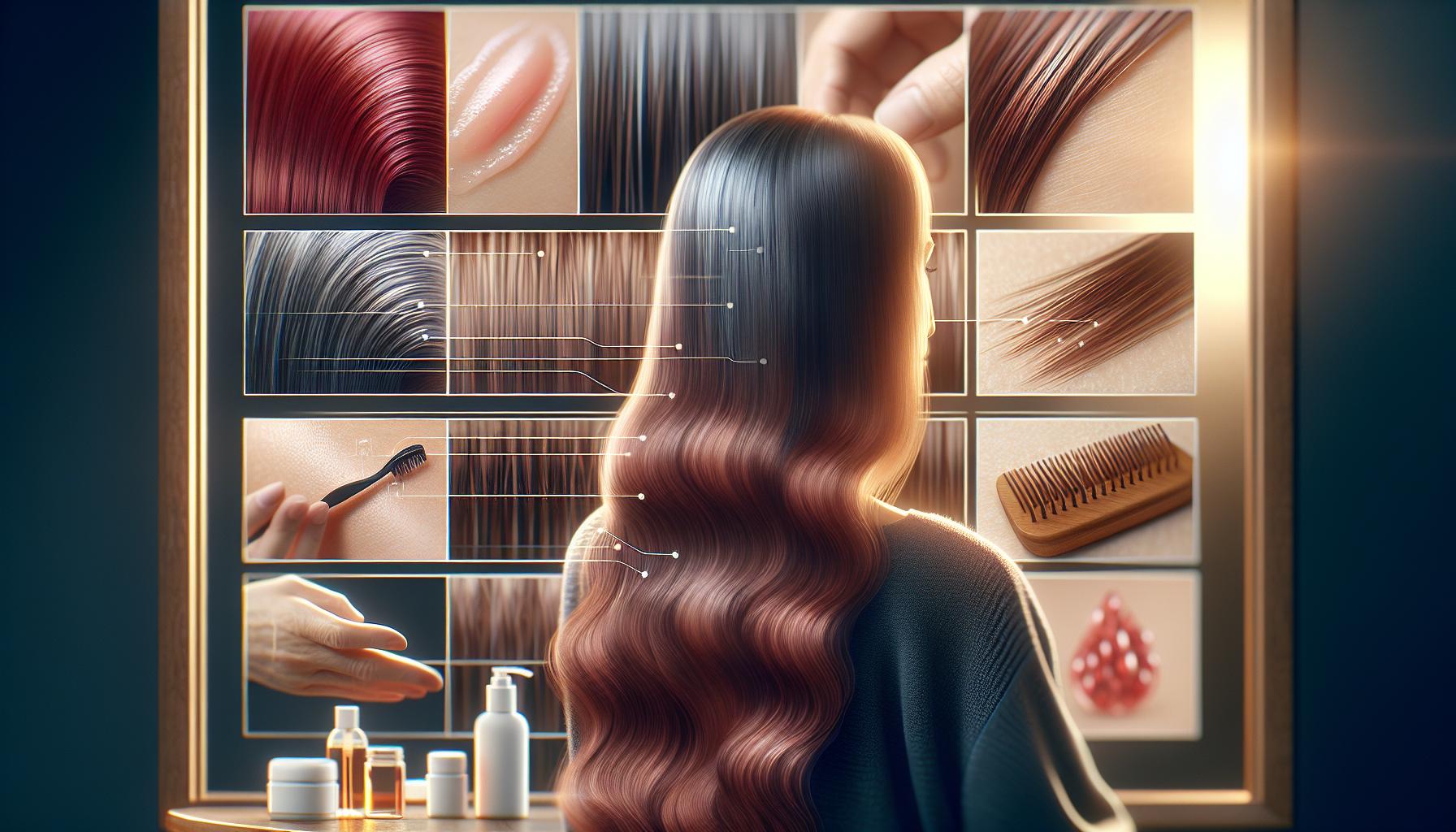
Contents
- understanding the genetics Behind Red Hair and Graying
- Common Myths About Redheads and Gray Hair: What’s True?
- the Science of Hair Color Changes: How and Why We Go Gray
- Emotional Impacts of Graying: Navigating the Transition Gracefully
- Expert Insights: What Dermatologists Say About Redheads and Graying
- Embracing Change: Hair Care Tips for Redheads Transitioning to Gray
- The role of Lifestyle Choices in hair Aging: What You Can Do
- celebrating Your Silver lining: Styling Tips for Red Hair Going Gray
- Frequently asked questions
- Do redheads get gray hair? Genetics, Myths & What to expect?
- What causes gray hair in redheads?
- Can I prevent gray hair as a redhead?
- What products can help redheads cover gray hair?
- Why do myths exist about redheads going gray or white?
- When do redheads typically start getting gray hair?
- Are there any health implications tied to early graying in redheads?
- To Conclude
understanding the genetics Behind Red Hair and Graying
Understanding the genetic foundations of red hair and its transition to gray can unravel some intriguing insights about human biology and heritage. Most notably, the driving force behind red hair is a specific genetic variation in the MC1R gene. This gene plays a crucial role in the body’s melanin production, which determines skin and hair color. For individuals to have red hair, they must inherit two copies of the red hair variant—one from each parent, as it is a recessive trait. This means that even if one parent does not have red hair, they can still pass the gene on, making family genetics particularly captivating for those with fiery locks.
As red-haired individuals age, the question arises: do they gray like the rest of the population? The answer is both yes and no, depending on various factors, including genetics. While red hair is associated with a slower graying process due to increased melanin longevity, it isn’t immune to the effects of aging.Rather than transitioning to gray, many redheads may experience a lightening of their hair color over time. this shift can manifest in various shades, from strawberry blond to a faded copper, rather than the typical gray or white associated with aging in other hair colors.
Here are some key aspects of how red hair genetics relate to graying:
- Age and Color Change: Red hair often lightens with age, sometimes leading to a unique combination of colors rather than an outright gray.
- Genetic Factors: The MC1R gene not only determines hair color but can also influence the rate of hair graying.
- Habitat and Health: Factors like UV exposure and overall health can impact the aging process of hair, sometimes accelerating or delaying graying.
Interestingly, the cultural perception of red hair adds another layer to this discussion. Many redheads embrace their distinctiveness and may view the transition to lighter shades as a continuation of their vibrant identity rather than a loss. not only fills gaps in our scientific knowledge but also enhances appreciation for the diversity found within human traits, reminding us that every color, including red, carries its own story.
Common Myths About Redheads and Gray Hair: What’s True?
In a world where hair color trends come and go, few things intrigue like the question of what happens to red hair with age. Many believe that redheads solely transition to white hair as they mature, but the reality is more nuanced. Recent studies suggest that redheads can indeed experience gray hair, just like individuals with other hair colors. This revelation challenges long-held beliefs and sheds light on the genetic factors involved in hair aging.
myth 1: Redheads Only Go White
One of the most persistent myths is that redheads lose their vibrant hair color and only go white. While it’s true that many redheads transition to a lighter shade as they age, they can also develop gray hair. Research indicates that the graying process is predominantly influenced by genetics and the natural aging process, factors that apply universally across all hair colors. Therefore, it’s entirely possible for a redhead to experience a gradual shift toward gray instead of solely white hair, reinforcing the idea that hair aging varies substantially from person to person [[2]].
Myth 2: Redheads Are the Last to Go Gray
Another common misconception is that redheads will be the last to show signs of graying when compared to people of other hair colors. While it’s often noted that redheads age gracefully in this aspect, the reality is that this varies considerably among individuals. The timing of graying hair is largely determined by genetics, hormone levels, and overall health. Therefore,redheads may not necessarily be slower to gray,but each person’s journey through hair color change will differ greatly [[3]].
Recommendations for Redheads Facing Hair Color changes
For those navigating the world of hair color as they age, it’s beneficial to understand how to care for transitioning locks. Here are some practical tips:
- Hydration is Key: Keeping your hair moisturized can definitely help maintain its health and vibrancy.
- Choose the Right Products: Use shampoos and conditioners designed for color-treated hair to protect your locks.
- Consult a Professional: If you’re considering dyeing your hair or enhancing its color,consider seeing a stylist who understands the nuances of colored hair.
Embracing the journey through changes in hair color can be empowering. Rather of letting myths dictate perceptions, understanding the truth about how redheads may experience graying opens up new avenues for confidence and self-expression.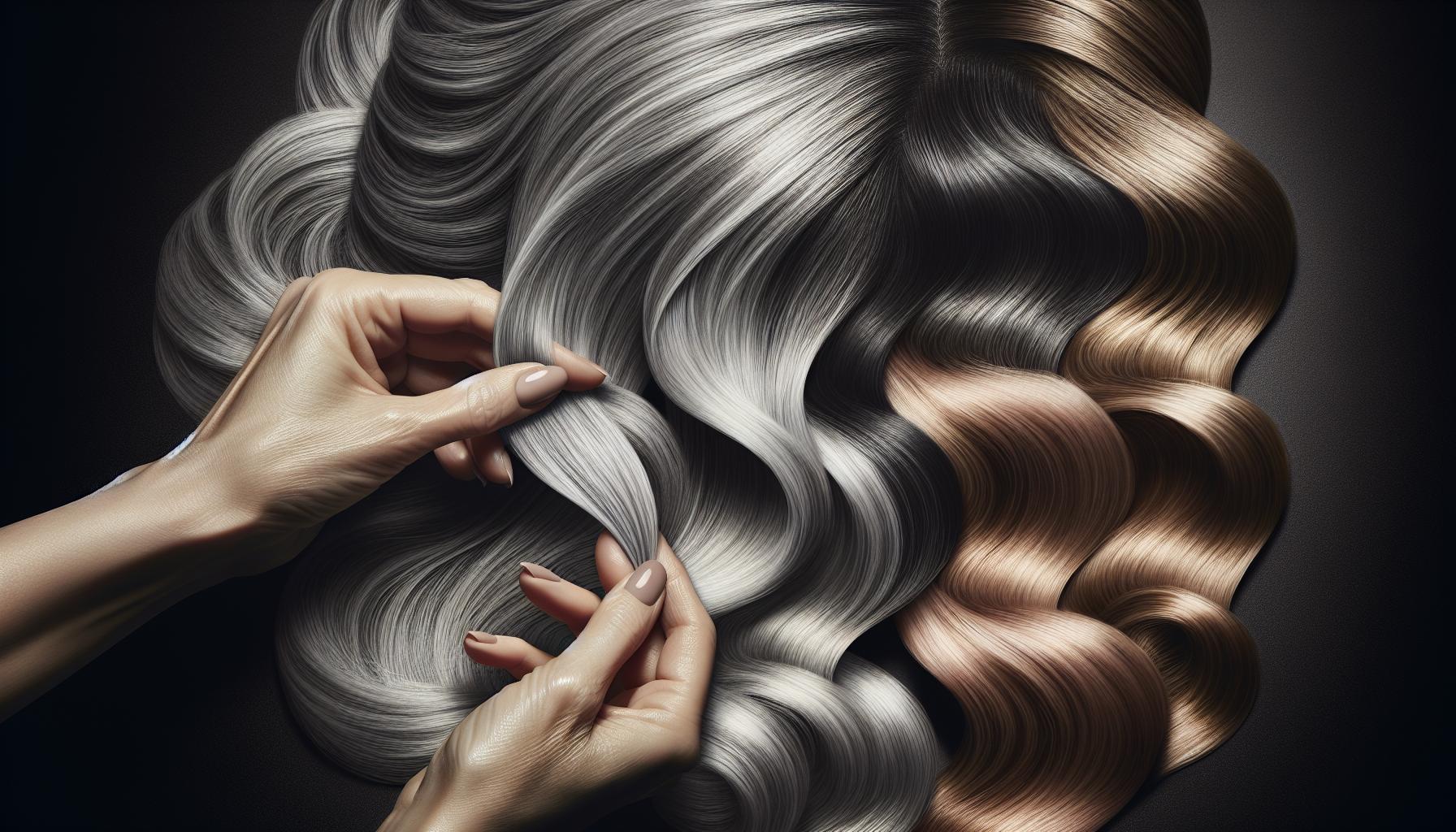
the Science of Hair Color Changes: How and Why We Go Gray
The change of hair color as we age is a fascinating interplay of genetics and biology. Starting with the basics, our hair color is primarily determined by the type and amount of melanin present, which is governed by multiple genes. As we get older, the production of melanin decreases, leading to the gradual greying of hair. This process isn’t the same for everyone, raising questions like “Do redheads get gray hair?” The answer is yes, redheads, like others, will eventually see their vibrant locks turn gray, but the timing and extent can vary significantly.
Genetic Influences on Hair Color Changes
The shift in hair color involves a complex genetic landscape. research indicates that specific genes are responsible for determining not only the original color of hair but also the age at which our hair begins to grey. For instance, the gene IRF4 plays a critical role in pigmentation and may influence when redheads, specifically, start showing signs of graying. This genetic predisposition means that individuals can frequently enough predict their graying onset based on family history.
- Melanocytes are the cells that produce melanin in our hair follicles.
- As individuals age, the activity of melanocytes decreases, resulting in less pigment deposited in the hair strands.
- Genetic variants, particularly in the MC1R gene, are particularly relevant for red-haired individuals, potentially affecting how quickly they gray.
Myths and Realities Surrounding Red Hair graying
A common myth suggests that redheads never really go gray; rather, they fade to a white or silvery hue. While those with red hair tend to retain a distinct color for longer, they will eventually experience changes, usually transitioning from vibrant red to a light auburn or blonde before reaching gray. It’s essential to note that the perception of red hair changing can be influenced by multiple factors including sun exposure and hair care practices.
The timing of when individuals begin to go gray also varies markedly. For instance, Caucasians often see their first gray hairs in their mid-30s, while those of African and Asian descent might not notice grays until their late 40s to early 50s. Thus, the question of “Do redheads get gray hair?” intertwines with broader genetic patterns and individual differences.
| Hair Color | Typical Onset of Graying | Final Shade After Graying |
|---|---|---|
| Red | Mid-30s to early 40s | Auburn to Silver |
| Dark Brown | Mid-30s | Gray |
| Blonde | Late 40s | Light Gray |
the mineral depletion that leads to gray hair and the genetic factors influencing this process reminds us that hair color changes are entirely natural and expected. Embracing these changes can empower individuals to appreciate their unique beauty at every stage of life.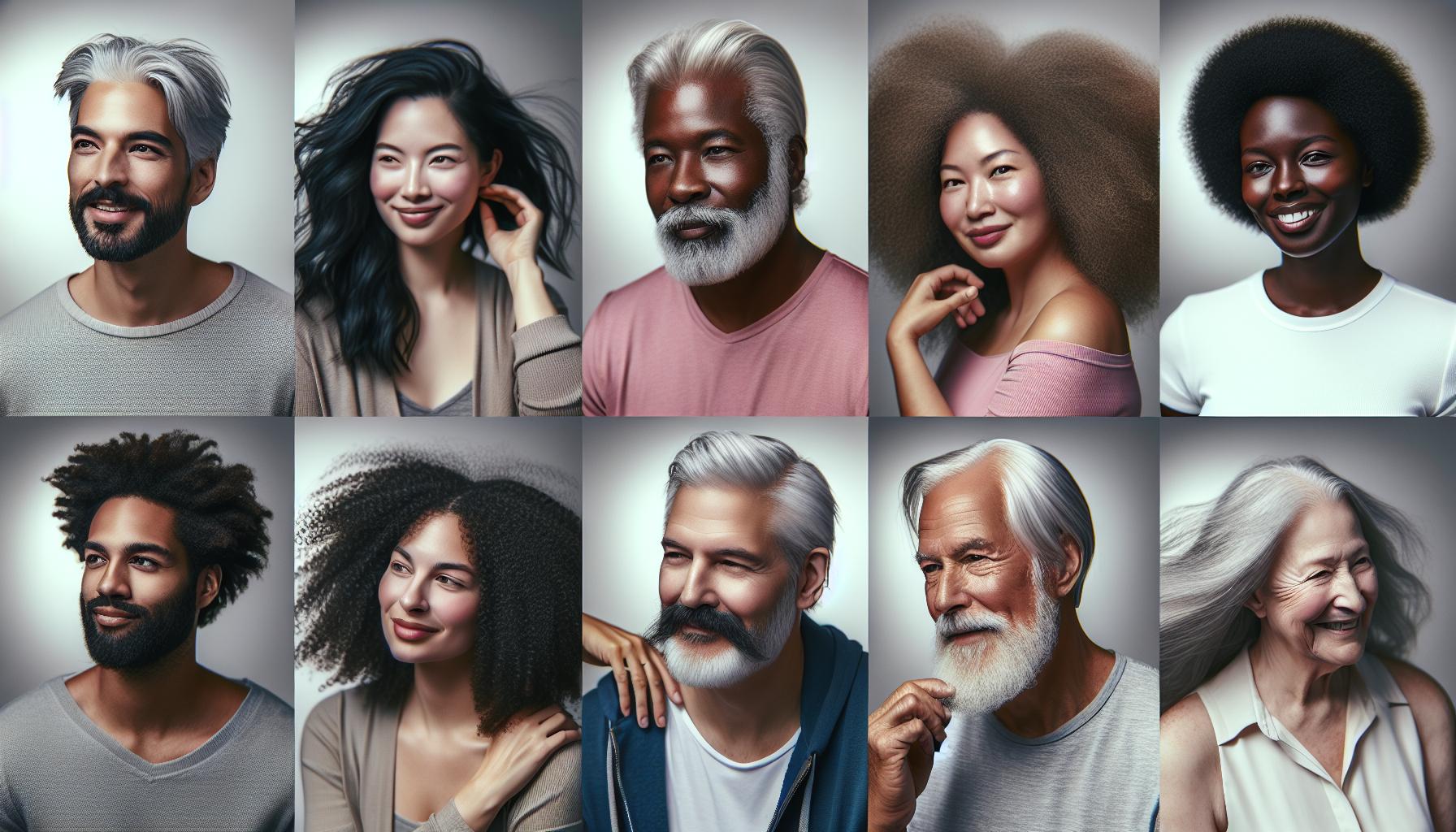
Observing the transformative journey that accompanies the onset of graying hair can evoke a spectrum of emotions,especially for individuals with unique hair colors like redheads. As one navigates this natural transition, it’s essential to acknowledge not only the biological aspects but also the psychological implications of embracing a changing appearance. For many, the emergence of gray hair can stir feelings of self-doubt and anxiety about aging, challenging long-held notions of attractiveness and identity.Research has highlighted that stress is a crucial factor in the graying process, revealing that the emotional states individuals experience can significantly affect hair pigmentation.The connection between stress and the onset of gray hair suggests that managing emotional health can play a role in how one perceives and reacts to these changes. Understanding that stress-related hair changes might also be reversible can provide hope and empower individuals to adopt more balanced lifestyles. As discussed in studies, fluctuations in emotional well-being correlate with the hair’s pigmentation status, indicating that personal care and mental health strategies should be integral to navigating this transition gracefully [[1]](https://www.scientificamerican.com/article/gray-hair-can-return-to-its-original-color-mdash-and-stress-is-involved-of-course/) [[2]](https://www.today.com/health/stress-turns-hair-gray-it-s-reversible-study-finds-today-t224667).
To embrace this life stage with confidence, consider implementing the following practices:
- Mindfulness and Meditation: Regular mindfulness exercises can help manage stress and mitigate the emotional impact of graying.
- Support Networks: Engaging with friends or support groups can foster a sense of community and acceptance as one’s appearance evolves.
- Personal Styling: Experimenting with new hairstyles or colors may enhance self-esteem and allow a continued expression of individuality despite graying.
Embracing the transition to gray hair is not merely about physical appearance; it reflects a broader journey of self-acceptance and personal growth. By focusing on positive adaptations rather than viewing graying as a loss, individuals can celebrate their unique beauty. In navigating this meaningful life change, acknowledging emotional responses and actively managing them empowers redheads and others experiencing the effects of aging to redefine their narratives and embrace their authenticity fully.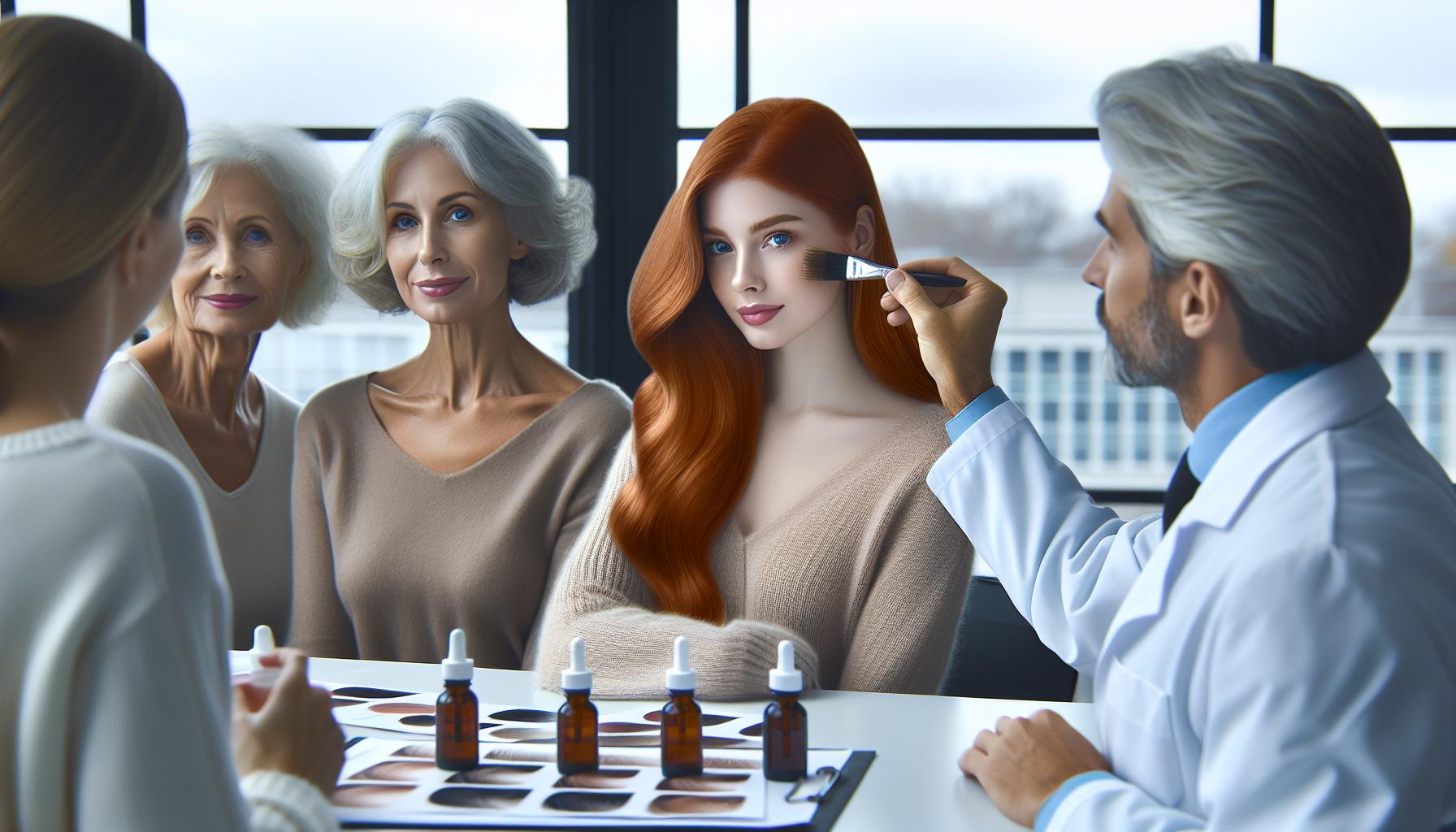
Expert Insights: What Dermatologists Say About Redheads and Graying
The experience of aging can present unique challenges for redheads, especially when it comes to graying hair. While it’s a common belief that everyone will eventually encounter gray hair, redheads have specific genetic traits that influence this process. Dermatologists note a distinctive pattern in how red hair transitions as individuals age, frequently enough debunking myths surrounding premature graying and the genetic pathways involved.
The Genetics Behind Graying in Redheads
Red hair is primarily determined by the presence of the MC1R gene,which plays a crucial role in the production of melanin,the pigment responsible for hair color. As people age, the melanocytes, or pigment-producing cells, shrink and produce less melanin, leading to the loss of color in hair. For redheads, this means their vibrant hair color may fade first to a lighter blond shade before turning gray or white. According to dermatologists, the unique properties of red hair pigment may delay the appearance of gray but does not prevent it entirely.
The Myths and Realities of Red Hair Aging
Many people hold misconceptions about how redheads age, particularly regarding graying hair. Here are some key points dermatologists share:
- Redheads Generally Gray Later: Research suggests that natural redheads may keep their hair color longer than those with darker hair. However, they will eventually experience graying, similar to others.
- Different Shades of Gray: When redheads do go gray, the transition often includes tones that may appear as blonde or silvery, rather than the conventional gray seen in darker-haired individuals.
- Genetic Factors: Environmental factors and overall health can also influence when and how hair turns gray, but the MC1R gene primarily governs the aging process for redheads.
Understanding these factors can definitely help redheads manage their expectations around hair color changes over time.Regular consultations with dermatologists can provide personalized insights and recommendations tailored to individual hair care needs while also addressing concerns related to aging and hair health.
In exploring the question ”Do redheads get gray hair?” it’s crucial to recognize that while genetics play a significant role, the journey through aging is shared among all hair types.Each individual, irrespective of hue, navigates this universal experience, making continued care and understanding essential for all.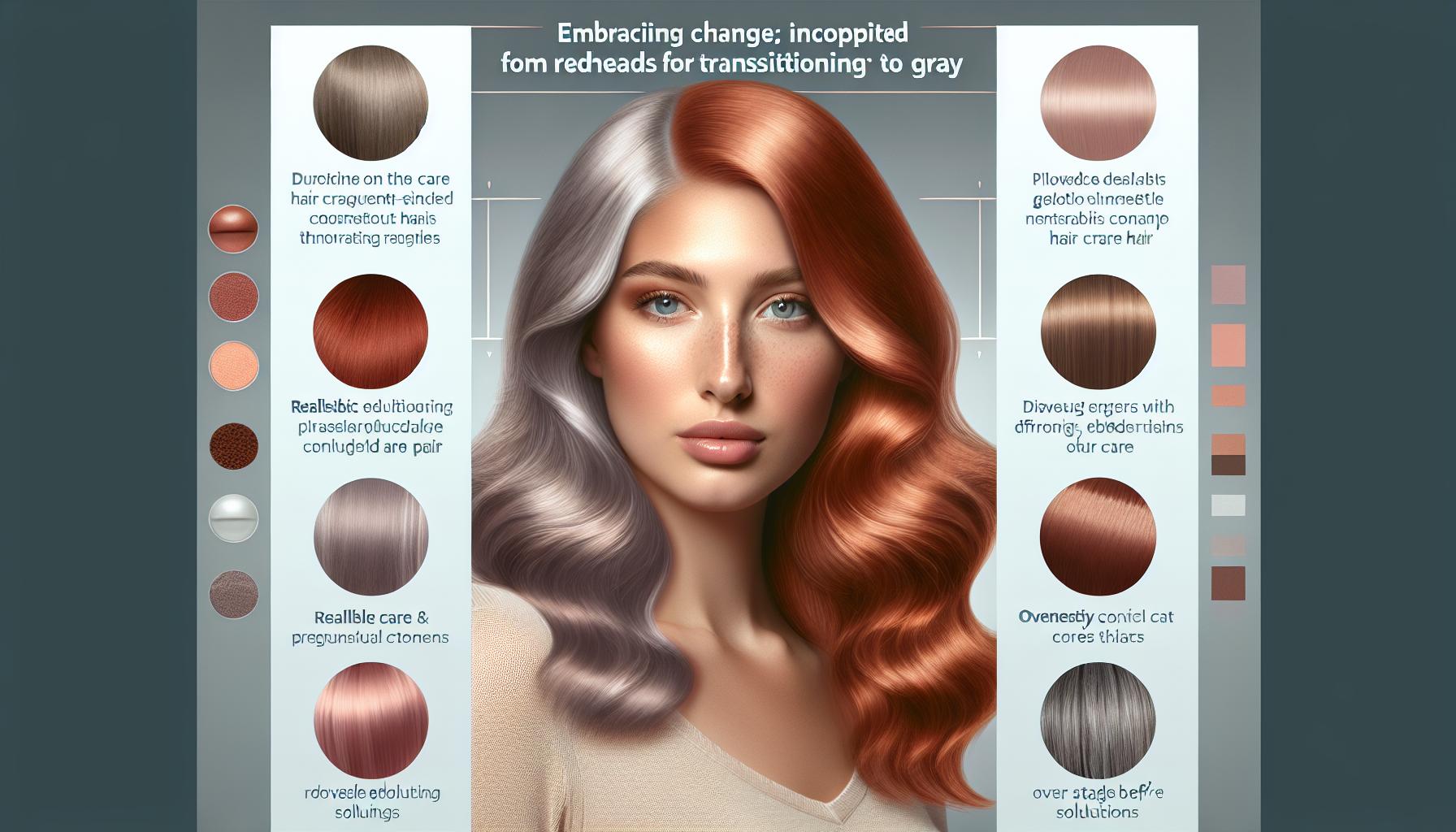
Embracing Change: Hair Care Tips for Redheads Transitioning to Gray
Transitioning to gray hair can feel daunting, especially for redheads, known for their fiery locks. It’s significant to understand that embracing gray is not just a cosmetic change but also a personal journey that reflects one’s individuality. redheads often enjoy a unique relationship with gray hair; genetics play a crucial role in this process as red hair can gray differently compared to other hair colors. Many redheads experience a gradual shift in their hair color before it becomes predominantly gray or white, and how you care for your hair during this transition can enhance this new look.
To ensure your hair maintains its luster and health while transitioning, consider the following tips:
Hair Care Essentials During Transition
- Hydration is Key: Use moisturizing shampoos and conditioners specifically formulated for color-treated hair. These products help retain moisture and prevent dryness, as red hair can become brittle during the transition.
- Regular Trims: Keeping your ends healthy with regular trims can definitely help manage the texture changes that come with gray hair.
- Limit Heat Styling: Reduce the use of heat styling tools to prevent further damage. When styling, opt for lower settings and use heat protectants.
- Embrace Natural Textures: This could be a great time to experiment with more natural styles that don’t require extensive styling.
Coloring Options for Integration
For those who prefer to blend in the gray with their existing red color, consider gentle coloring techniques. semi-permanent dyes can soften the contrast between red and gray,making for a smoother transition. Additionally,highlighting or adding lowlights can create depth and dimension,giving you a fashionable look as you navigate through the changes.
Emotional Support and Acceptance
Embracing change can be challenging. Surround yourself with supportive friends or communities who encourage you during this transition. Sharing experiences and tips with fellow redheads can provide valuable insight and solidarity as you embark on this journey.Whether celebrating your natural silver strands or exploring new styles, confidence plays a significant role in how you feel about your evolving look.
By integrating these hair care strategies into your routine, you’ll not only adapt more smoothly to the graying process but also celebrate your beauty at every stage. As you ponder whether redheads get gray hair, remember that each gray strand tells a story of change and growth—a natural and beautiful progression.
The role of Lifestyle Choices in hair Aging: What You Can Do
As we age, the changes in our hair can be surprising, particularly for redheads, who may have unique experiences with graying and hair texture. Lifestyle choices play a significant role in how our hair ages, influencing not only its appearance but also its health. Factors such as diet, stress management, and hair care routines can help mitigate the inevitable changes that come with time. Understanding how to control these variables can lead to healthier hair and potentially delay the onset of graying, prompting many to ponder, “do redheads get gray hair? Genetics, Myths & What to Expect.”
Impact of Diet on Hair Aging
A balanced diet is crucial in maintaining the vitality of your hair. Nutrients like vitamins A, C, D, E, and minerals such as zinc and iron contribute significantly to hair health. Including a variety of foods, such as:
- Leafy greens – Packed with essential vitamins and antioxidants.
- Fatty fish – Rich in omega-3 fatty acids, promoting elasticity and shine.
- Beans and legumes – Excellent sources of protein and iron for stronger strands.
These can help combat dryness and brittleness, which often accompany aging hair.For those curious about the gray hair phenomenon,ensuring adequate nutrition may also support melanin production,delaying the gnarled graying process often noted in discussions surrounding “Do redheads get gray hair? Genetics,Myths & What to Expect.”
Stress Management and Its Role
Stress can significantly accelerate hair aging and loss. Chronic stress may lead to telogen effluvium, a temporary hair loss condition where hair follicles enter a resting state. Incorporating stress-reduction techniques such as yoga, meditation, or regular physical exercise can counter these effects. Establishing a consistent routine that focuses on mental and physical well-being can reflect positively on your hair’s condition.
Essential Hair Care Practices
Moreover, adopting a specialized hair care regimen is vital. Older hair requires gentler treatments to avoid damage.Here are some actionable steps you can take:
- Reduce Wash Frequency: Washing your hair too frequently enough can strip essential oils.
- Moisturize Regularly: Utilize conditioners and masks to maintain hydration.
- Choose Volumizing Products: These can help give the appearance of fuller hair.
Additionally, utilizing gentle, sulfate-free shampoos and avoiding excessive heat can help preserve hair integrity. Such practices not only enhance hair appearance but also support healthier growth, countering the doubts that arise in the conversation about “do redheads get gray hair? Genetics, Myths & What to expect.”
By understanding and implementing these lifestyle choices, individuals can combat the effects of aging on their hair, irrespective of its natural color.
celebrating Your Silver lining: Styling Tips for Red Hair Going Gray
Embracing the journey of going gray can be empowering, especially for redheads transitioning into a stunning silver mane. While many might wonder, “Do redheads get gray hair?” the answer is a resounding yes. The unique genetic blend that gives red hair its vibrant hue can also influence how and when graying occurs. This process can start as early as their 20s or 30s, but it’s essential to approach this natural change with style and confidence.
One of the most appealing aspects of going gray is the opportunity to reinvent your look. Here are some practical styling tips to celebrate your silver lining:
Enhancing Your Natural Gray
- Cut and Style: Consider getting a modern haircut that complements your face shape. Shorter styles or edgy cuts can highlight the uniqueness of your gray hair while removing dryness or split ends associated with transitioning.
- Use the Right Products: Invest in hair care products specifically designed for gray hair, which can definitely help maintain shine and softness. Look for shampoos and conditioners that are sulfate-free and contain moisturizing agents.
Accessorizing Your Look
- Jewelry and Makeup: With gray hair, vibrant accessories can really pop. Choose bold colors for your wardrobe as well as statement earrings or necklaces that can draw attention to your hair. A well-chosen lipstick color can also enhance your overall look.
- Hats and scarves: These can be stylish additions that not only protect your hair but also add flair. A chic hat can become your signature piece during the transition phase and can help to manage any initial awkwardness as you shift from red to gray.
Transitioning Gracefully
As you navigate this transition, remember that the journey can also reflect your personality.Some choose to embrace the gradual process by blending colors or using temporary dyes. For instance, as you wait for the gray to take over, using vegan options like silver gray hair dyes can enhance your look while keeping your hair healthy. Brands such as lunar Tides offer cruelty-free and semi-permanent options that let you express your evolving style without compromising on ethics or hair health [[1]].
the transition from red to gray is not just a change in color; it’s a celebration of resilience and individuality. By using these styling tips, embracing accessories, and selecting the right hair care, you can showcase your stunning silver lining with confidence and style.
Frequently asked questions
Do redheads get gray hair? Genetics, Myths & What to expect?
Yes, redheads do get gray hair. Much like individuals with other hair colors, genetic factors and the natural aging process influence how redheads experience graying. While it was commonly believed that redheads only go white, studies show they can go gray as well.
Graying hair is primarily determined by genetics, which means your family history plays a significant role. According to a study from Stanford University, many redheads can eventually develop gray hair, debunking the long-standing myth that they exclusively turn white[3]. Understanding this can help redheads prepare for the natural aging of their hair and explore hair care options.
What causes gray hair in redheads?
Gray hair occurs due to a decrease in melanin production. This reduction is due to age, genetics, and certain health factors that can affect pigmentation in hair follicles. As redheads age, their natural hair pigments fade, leading to gray or white hair.
The body produces less melanin over time, resulting in the loss of color. Genetics is a key player; if your family experienced graying early, you might too[1].This natural transition can be enhanced by certain lifestyle choices and health conditions, but the underlying cause remains the same.
Can I prevent gray hair as a redhead?
While you can’t completely prevent gray hair, you can slow its onset. Maintaining a healthy lifestyle, managing stress, and ensuring proper nutrition may help preserve your natural color longer.
Regular visits to a dermatologist or trichologist can provide insights into appropriate hair care.Certain vitamins and minerals,like B vitamins and antioxidants,might support hair health[2]. however, genetics ultimately dictates when your hair will start turning gray.
What products can help redheads cover gray hair?
Redheads can use semi-permanent hair dyes or color-depositing shampoos. These products are designed specifically for red hair, helping to blend grays and enhance natural color without harsh chemicals.
choosing the right shade is crucial for a natural look.Many brands now offer options tailored for redheads, ensuring that new growth blends seamlessly with existing hair[1]. It’s recommended to consult with a professional stylist who understands the nuances of red hair tones.
Why do myths exist about redheads going gray or white?
Myths about redheads and graying are often based on cultural perceptions and anecdotes. Historically, many believe that all redheads turn white due to the unique pigments in their hair.
However, scientific research contradicts these myths, revealing that redheads can experience gray hair just like anyone else. this misunderstanding highlights the need for better education on hair pigmentation and genetics, allowing for a more accurate understanding of how aging affects all hair colors.
When do redheads typically start getting gray hair?
Redheads generally start getting gray hair in their 30s to 40s, similar to other hair colors. The exact age can vary significantly based on genetic factors and personal health.
While some may experience early graying, others may retain their vibrant color longer. Observing family traits can provide insight into timing. If you notice changes in your hair color, it’s a normal part of aging, and seeking advice can help you manage your look effectively.
Are there any health implications tied to early graying in redheads?
Early graying isn’t usually a health concern but can be related to certain health conditions. Factors like stress, hormonal changes, or deficiencies in certain vitamins can play a role.
If graying seems unusually early or is accompanied by other symptoms,consulting a healthcare provider may be beneficial. Maintaining a balanced diet rich in vitamins can also support overall hair health and reduce premature graying.
To Conclude
As we conclude our exploration of whether redheads get gray hair, it’s important to remember a few key points. While genetics play a significant role in the graying process, redheads are often the last to experience this change, mainly due to the unique properties of their melanin. Interestingly, grey hair can be reversible in some cases, and lifestyle factors like stress may also contribute to how our hair changes over time [[1]](https://www.pinterest.com/ideas/red-hair-going-grey/926707919003/).
For red-haired individuals grappling with the prospect of transitioning to gray, embracing this change can be an empowering journey. Stories from those who have gone through this transition highlight the beauty and dignity of the process [[2]](https://thenewknew.com/red-hair-going-gray/). Remember, no matter where you are on this journey, there are practical solutions and styles that can make this phase feel like a celebration rather than a loss.
We encourage you to explore further—whether you’re looking for tips on maintaining your vibrant color or seeking advice on the best ways to transition to gray with grace. Your hair is a reflection of your unique journey; embrace it, and don’t hesitate to reach out for support or to share your own experiences with others.


