


Are you noticing that your hair seems to be growing slower than usual? Damaged locks can indeed hinder hair growth, making recovery crucial for those seeking luscious, healthy hair. Understanding the relationship between hair health and growth is essential for effective restoration, and exploring proven methods to speed up recovery can transform your hair care routine.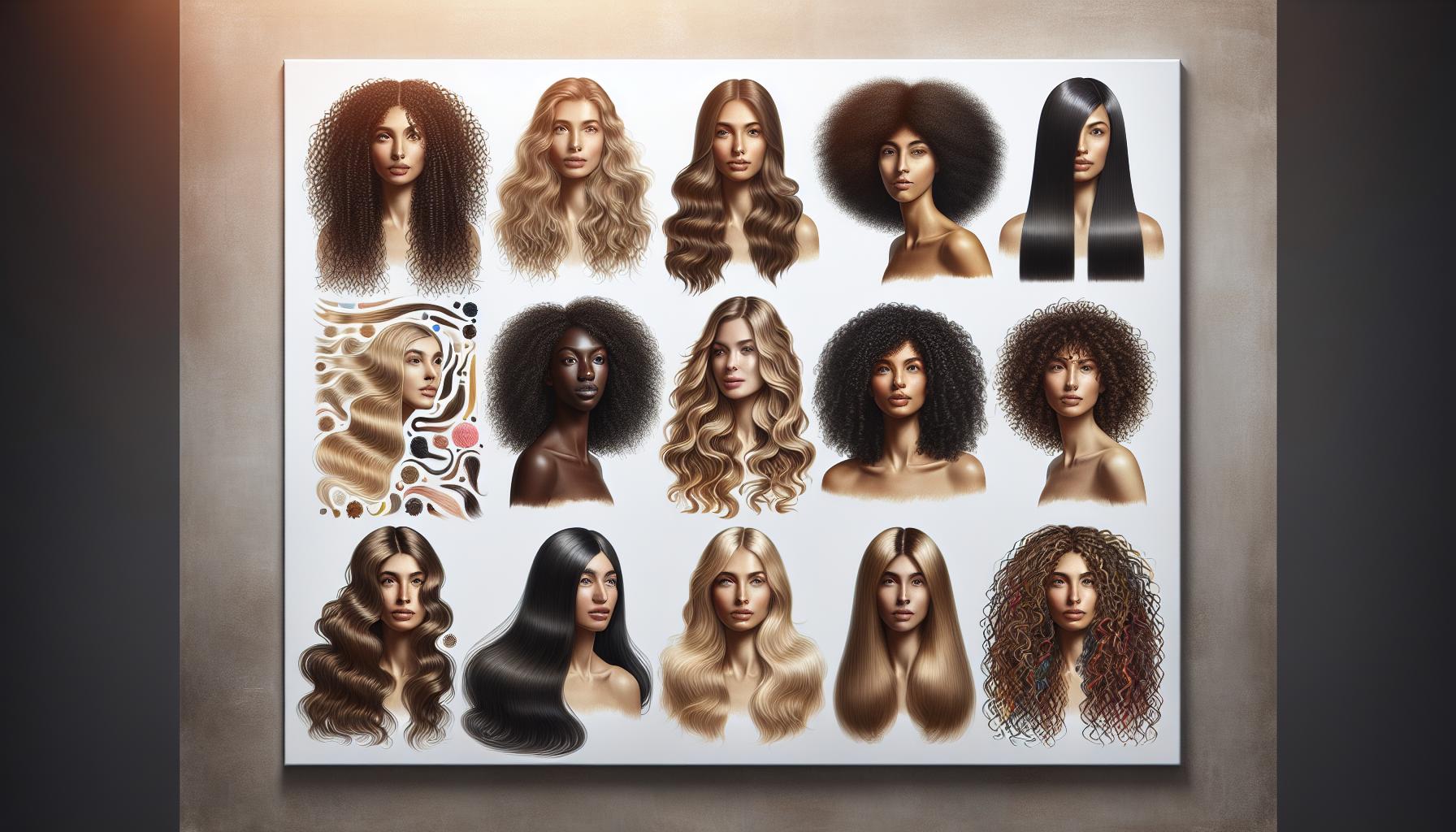
Contents
- Understanding the Science Behind Hair Growth: How Damage Affects Your Strands
- Signs of Damage: Is Your Hair Slowing Down?
- Nutritional boosts for Stronger,healthier Hair
- Gentle Care Practices: Styling and Washing Tips for Recovery
- The Role of Professional Treatments in Hair Repair
- DIY Remedies: Natural Solutions for Damaged Hair
- Cultivating Patience: What to Expect in your Hair Recovery journey
- Faq
- Frequently Asked Questions: Does Damaged Hair Grow Slower? Speed Up Your Hair Recovery
- Wrapping Up
Understanding the Science Behind Hair Growth: How Damage Affects Your Strands
Damage to hair can significantly impact not just its appearance,but also the rate at which it grows. Understanding the mechanisms behind hair growth and how various types of damage affect your strands can empower you to make informed choices about your hair care routine, ultimately answering the question: does damaged hair grow slower? One key aspect to note is that hair growth can be hindered by several factors, including the condition of your hair follicles and the overall health of your scalp.
the hair growth process begins at the follicle, where cells produce keratin, the protein that makes up hair. When hair follicles become damaged due to factors like heat styling, harsh chemicals, or tight hairstyles, they can respond by slowing down hair production or, in severe cases, going into a resting state. This results in thinner hair and slower growth, making it crucial to revive your hair follicles if you want to enhance growth. Adopting a gentle hair care routine that minimizes stress on the hair and scalp is essential for restoring follicle health.
To speed up your hair recovery and boost growth, consider the following strategies:
- Avoid Heat Styling: Excessive use of heat tools like straighteners and curling irons contributes to damage. Limiting their use can help maintain the integrity of your hair.
- gentle Shampooing: Choose a sulfate-free shampoo that cleans without stripping your hair of essential oils.Regular gentle cleansing helps keep follicles unblocked.
- Nourishing ingredients: Opt for products rich in vitamins and natural ingredients, such as biotin, keratin, and essential fatty acids, which support healthier hair growth.
- Scalp Care: Regular scalp massages can stimulate blood circulation to the hair follicles, promoting healthier hair growth.
moreover, it’s notable that hair recovery takes time; hence patience is key. while damaged hair may initially grow slower, implementing a consistent and nurturing hair care routine can gradually restore its health and resilience. For those wondering about the timeline, regular trimming to remove damaged ends paired with a revitalization routine can lead to noticeable advancement—a practical approach in the journey of speeding up hair recovery.Keeping in mind these elements will not only clarify the relationship between hair damage and growth rates but also equip you with actionable steps to restore your strands effectively.
Signs of Damage: Is Your Hair Slowing Down?
Hair can serve as a vivid reflection of how well we care for our bodies, but when it becomes damaged, it may signal that something is amiss. Many wonder if damaged hair actually grows slower, a concern that merits close attention. Recognizing the signs of damage early can help you understand whether your hair is indeed slowing down in growth and what you can do to facilitate recovery.
Identifying Signs of Hair Damage
Recognizing damaged hair is the first step in addressing it. Here are some common indicators that your locks may be suffering:
- Dry or Brittle Texture: One of the most noticeable signs is the overall texture of your hair. Damaged hair frequently enough appears dry or feels brittle, making it susceptible to breakage.
- Increased Shedding: If you find more hair on your brush or in the shower drain than usual, this could be a sign of damage. Excessive shedding can indicate weakened strands that are more prone to falling out.
- Tangles and knots: damaged hair tends to tangle easily. If your daily routine has become a battle against knots, this could be a clear signal your hair needs extra care.
- Variability in Thickness: Pay attention to how your hair feels from roots to ends. Damaged strands might feel thick at the roots but frayed and thin at the tips, indicating split ends and overall deterioration.
effects of Damage on Growth
The relationship between damage and hair growth is complex. When hair is damaged, it not only affects its appearance but can also hinder its growth cycle. Damaged follicles may not function optimally, leading to slower hair growth. It’s vital to treat your hair with care and adopt strategies to promote recovery.
Practical Steps to Revitalize Your Hair
Here are actionable steps to help restore the health of your hair and potentially speed up growth:
- Use Nourishing Products: Look for shampoos and conditioners formulated to repair and hydrate damaged hair. Ingredients like keratin and natural oils can provide the nourishment your hair needs.
- Minimize Heat Damage: Reduce the frequency of heat styling tools such as blow dryers and straighteners. When you do style, use a heat protectant.
- Regular Trims: Regularly trimming your hair helps eliminate split ends, promoting a healthier appearance and feel.
- Optimize your Diet: Ensure your diet is rich in vitamins and minerals essential for hair health, such as biotin, zinc, and omega-3 fatty acids.
Addressing the signs of hair damage is crucial in determining whether it is indeed affecting your hair growth.By taking proactive steps towards recovery, you can improve not only the health and appearance of your hair but also its growth potential. With time and care, you can restore your hair’s vitality and encourage robust, healthy growth.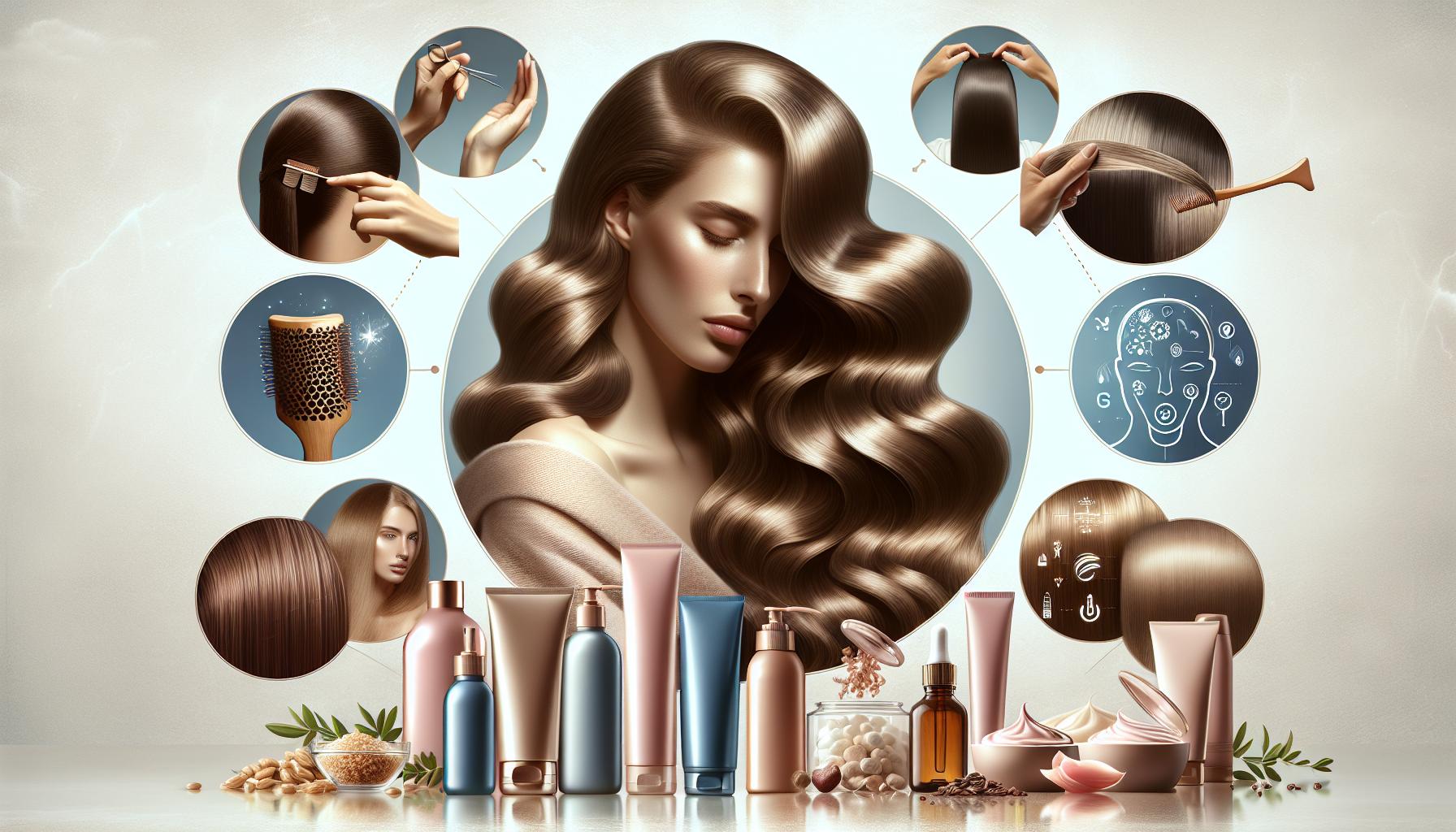
Nutritional boosts for Stronger,healthier Hair
Incorporating specific nutrients into your diet can significantly enhance the health and vitality of your hair,making it one of the most vital factors to consider when seeking to recover from damage. did you know that hair is primarily composed of protein? This means that ensuring an adequate intake of protein-rich foods is crucial for producing strong, healthy hair. In addition, vitamins and minerals play a meaningful role in maintaining hair health and promoting growth.
Key Nutrients for Hair Health
To boost your hair’s resilience and encourage growth, focus on the following essential nutrients:
- Protein: Keratin, the primary protein in hair, is vital for healthy strands. Include lean meats, eggs, beans, and legumes in your diet.
- Vitamin E: This nutrient supports circulation to the scalp, which is essential for hair growth. Nuts, seeds, and spinach are excellent sources of Vitamin E [[3]](https://www.weightandwellness.com/resources/podcasts/boosting-hair-health-ask-nutritionist).
- Iron: A deficiency in iron can lead to hair loss. incorporate foods like red meat, lentils, and fortified cereals to ensure adequate iron levels.
- Omega-3 Fatty Acids: These healthy fats help nourish hair and promote thickening. Fatty fish like salmon, flaxseeds, and walnuts are great additions to your diet.
Understanding Nutritional Deficiencies
Being aware of how nutrient deficiencies can affect your hair’s health is crucial. As an example, a shortage of specific vitamins—such as B vitamins, Vitamin D, and zinc—can hinder hair growth and contribute to loss. Conversely, over-supplementation of certain nutrients, including selenium and Vitamin A, may also lead to adverse effects such as hair thinning [[2]](https://pmc.ncbi.nlm.nih.gov/articles/PMC5315033/). Thus, balance is key when considering nutritional boosts for your hair.
Actionable Steps for a Healthier Diet
To optimize your nutrition for stronger hair, here are practical steps you can take:
- Plan Balanced Meals: Incorporate a variety of the nutrients mentioned above in every meal to ensure you’re supporting your hair consistently.
- Stay Hydrated: Water is essential for overall health, and hydration can affect hair’s moisture levels.
- Consider Supplementation Wisely: If you believe your diet may lack certain nutrients, consult with a healthcare professional to tailor supplementation that supports your hair without overdoing it.
By making informed dietary choices, you can take significant steps toward restoring your hair’s health and mitigating issues such as slow growth, ultimately answering the question, “Does damaged hair grow slower?” with a definitive no through proper nutrition and care.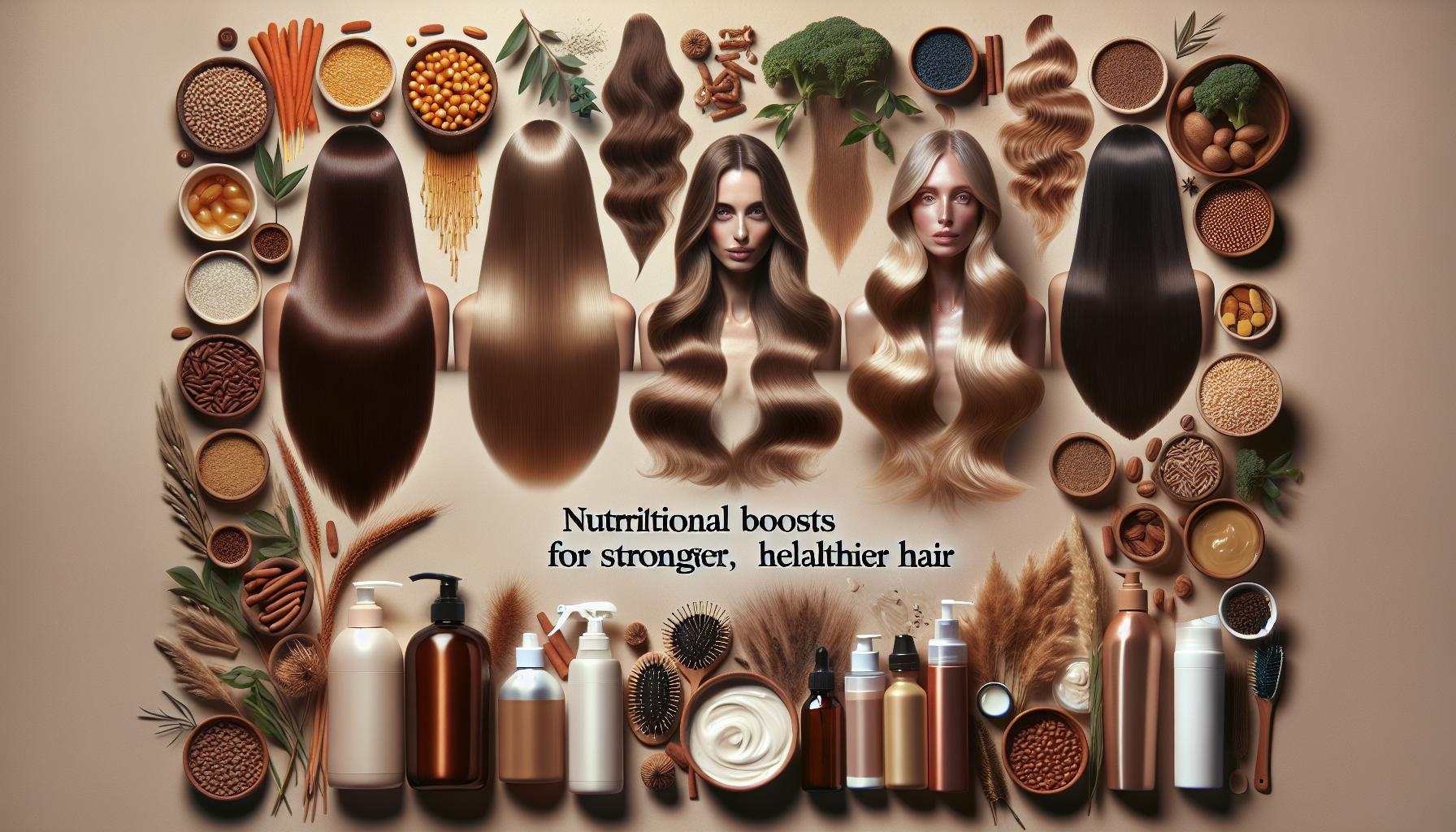
Gentle Care Practices: Styling and Washing Tips for Recovery
To achieve vibrant, healthy locks, it’s essential to implement gentle care practices during both styling and washing. Many peopel wonder, *does damaged hair grow slower?* Indeed, the health of your hair can significantly affect its growth rate and overall appearance. Adopting a thoughtful hair care routine not only addresses existing damage but can also promote faster recovery and growth.
Washing Techniques for Recovery
When it comes to washing your hair, *less is often more*. aim to wash your hair no more than two to three times a week. This frequency helps preserve the natural oils that keep hair hydrated. Use lukewarm water instead of hot, as hot water can strip away moisture, leading to further damage. Here are some additional tips to enhance your hair-washing routine:
- Choose sulfate-free shampoos: Sulfates can be harsh, particularly on already damaged hair. Opt for gentle, sulfate-free shampoos that cleanse without stripping away essential oils.
- Condition effectively: always apply conditioner after shampooing,focusing on the mid-lengths to ends of your hair. leave it in for at least three to five minutes to allow for deep conditioning.
- Detangle with care: Use a wide-tooth comb to gently detangle your hair while it is indeed still wet and conditioned. This minimizes breakage and keeps your strands intact.
Styling Tips to Minimize Damage
When styling your hair, especially if it is indeed damaged, consider implementing strategies that protect it from further harm.Frequent use of heat styling tools can exacerbate existing issues,leading many to question,*does damaged hair grow slower?* Reducing heat exposure is a crucial step in fostering recovery.
- Limit heat styling: Try to air-dry your hair whenever possible, or use a blow-dryer with a diffuser on a low heat setting.
- Invest in quality tools: If you must use heat, invest in high-quality styling tools with adjustable temperature settings, and always apply a heat protectant product beforehand.
- Opt for protective hairstyles: Styles like braids, buns, or twists can minimize tension and friction on your hair, aiding in recovery and reducing the likelihood of breakage.
By incorporating these gentle care practices, such as mindful washing techniques and protective styling, you can effectively speed up your hair recovery process. As you nurture and protect your strands, you’ll not only combat the question of whether damaged hair grows slower but also foster an environment for healthier, faster growth.Embrace these methods, and watch your hair transform into the vibrant mane you desire!
The Role of Professional Treatments in Hair Repair
Professional hair treatments can be transformative for those battling damaged hair,especially when considering whether damaged hair grows slower. Regular salon visits offer specialized products and techniques that go beyond over-the-counter solutions, targeting the underlying issues of hair damage effectively. Hair professionals are equipped with knowledge of the latest innovations in hair care technology, making them vital allies in your journey to healthy hair.
Benefits of Professional Treatments
When it comes to speeding up hair recovery,professional treatments provide immediate results that at-home routines frequently enough cannot achieve. these treatments, which typically include deep conditioning masks, keratin treatments, and bonding therapies, work to significantly strengthen hair strands and restore moisture. Here are some of the key benefits of seeking professional care:
- Custom Formulations: Professionals assess your specific hair needs and tailor treatments accordingly, ensuring optimal care.
- Advanced Techniques: Techniques like Olaplex or PRP (Platelet-Rich Plasma) therapy target damage at a molecular level, making hair healthier and restoring its natural luster.
- Long-Lasting Effects: The results from salon treatments frequently enough last longer than home care, helping to maintain hair health over time.
Popular Treatment Options
Several popular professional treatments can aid in recovery.Notable options include:
| Treatment Type | Benefits |
|---|---|
| Olaplex Treatment | Repairs broken bonds, restores hair structure. |
| Keratin Treatment | Smooths frizz,adds shine,protects from heat damage. |
| Deep Conditioning Mask | Restores moisture, improves texture and elasticity. |
Integrating professional treatments into your hair care regimen can significantly improve the condition of your hair and may help address the question,”Does damaged hair grow slower?” Not only can these treatments restore strength and shine,but they also prepare the hair for future growth,encouraging healthier hair strands overall.Regular professional care,combined with an effective ongoing maintenance routine at home,can maximize your hair’s recovery journey,leading to noticeably improved results.
DIY Remedies: Natural Solutions for Damaged Hair
If you’re struggling with damaged hair, the good news is that nature offers a wealth of remedies that can revitalize your locks and promote healthier growth. Many people ponder, “Does damaged hair grow slower?” the truth is that while damaged hair may not grow as quickly or healthily, using natural solutions can significantly speed up your hair recovery and improve its overall condition. Embracing DIY treatments not only saves money but also allows you to use ingredients tailored to your specific needs.
###
Effective DIY Remedies for Hair Recovery
Natural ingredients can work wonders for repairing damaged hair. Here are some effective DIY remedies that can definitely help restore your hair’s vitality:
- Egg and Olive Oil Mask: Mix one egg with one tablespoon of olive oil to create a nourishing hair mask. Eggs are rich in protein, while olive oil adds moisture. Apply it to your hair and scalp, leave it on for about 20 minutes, and then rinse thoroughly with lukewarm water.This mask strengthens hair and adds shine, combating the effects of damage and dryness [[3]].
- Honey and Coconut Oil Treatment: Combine equal parts honey and coconut oil for a hydrating treatment. This mixture penetrates deep into the hair shafts, moisturizing and reducing frizz. Apply it to dry hair, let it sit for 30 minutes, and wash it out with a gentle shampoo.
- Aloe Vera Gel: Known for its soothing properties, aloe vera can help repair damaged hair and promote growth. You can apply pure aloe vera gel directly to the scalp and hair. Leave it for about 30 minutes before rinsing.Its enzymes nourish the scalp, encouraging optimal hair health.
Utilizing these natural solutions can not only ameliorate the immediate symptoms of damage but also tackle the underlying issues that might prevent your hair from growing at its best pace.###
Nourishing Scalp Treatments
Scalp health is crucial for promoting hair growth. A well-nourished scalp can facilitate faster recovery from damage. Consider indulging in a stimulating scalp massage with essential oils.
- Rosemary Oil: Studies suggest that rosemary oil can effectively support hair growth and reduce hair loss. Mix a few drops with a carrier oil like jojoba or coconut oil, and massage it into your scalp. Leave it on for at least 30 minutes or overnight for maximum benefits [[2]].
- Scalp Scrubs: Exfoliating the scalp helps remove dead skin cells and product buildup. You can make a simple scrub by combining sugar with your favorite oil. Using this once a week can enhance circulation and support hair recovery.
By incorporating these DIY remedies into your hair care routine, you can effectively combat the question of whether damaged hair grows slower. Each treatment targets specific hair needs, supporting the overall health of your hair and scalp while speeding up recovery.
Cultivating Patience: What to Expect in your Hair Recovery journey
The journey to hair recovery can often feel like a test of endurance, especially for those grappling with questions about growth rates and recovery speed. Many wonder, “Does damaged hair grow slower?” Understanding this process is crucial not only for managing your expectations but also for making informed decisions about hair care. Recovery isn’t only about the length of your hair but also about restoring its health and vitality.
When embarking on your journey, it’s essential to recognize that hair growth is not an overnight phenomenon. Hair typically grows at an average rate of half an inch per month. however, several factors, including damage from styling products, environmental stressors, and overall health, can influence this rate. To foster optimal recovery, focus on the following actionable strategies:
- Nutrition: A balanced diet rich in proteins, vitamins, and minerals supports hair health. key nutrients include:
- consistent Care: Use gentle, nourishing hair products. Avoid harsh chemicals and excessive heat styling, as they can exacerbate damage and slow recovery.
- Patience: Understand that hair recovery takes time. Regularly monitor your progress, and be gentle with yourself during this period.
| Nutrient | Role in Hair Growth |
|---|---|
| Protein | Essential for keratin production |
| Vitamins A, C, D, E | Promote scalp health and strengthen hair |
| Omega-3 fatty acids | Moisturize and enhance scalp vascularity |
While the experience of hair recovery can be discouraging at times, it’s important to adopt a mindset of patience. By focusing on healthy habits and recognizing that visible changes may come slowly, you can cultivate a positive attitude throughout your hair regrowth journey. Additionally, patience is often rewarded with not just longer hair but healthier, stronger strands that withstand damage better than before. With commitment and the right care, you’ll find that your hair is on a path not only to recovery but to thriving.
Faq
Frequently Asked Questions: Does Damaged Hair Grow Slower? Speed Up Your Hair Recovery
Does damaged hair grow slower?
Yes, damaged hair can appear to grow slower due to breakage and lack of health. While hair growth itself is not directly affected, damage can hinder your hair’s overall appearance and health.
The condition of your hair can lead to increased breakage, which creates the illusion that your hair isn’t growing. Regular trims and adequate care can help improve hair structure. To learn more about hair growth, check out our detailed article on repairing damaged hair.
What can I do to speed up hair recovery?
To speed up your hair recovery, consider deep conditioning treatments and protein-rich products. Ensure you’re following a wholesome diet rich in vitamins and minerals necessary for healthy hair growth.
Incorporate products with keratin and natural oils into your routine. Regularly trimming your hair also prevents split ends, ensuring it looks healthier overall.Remember that gentle handling and avoiding heat styling can greatly improve hair health.
Why does damaged hair feel rough?
Damaged hair often feels rough due to the loss of moisture and cuticle damage that prevents light reflection. This rough texture can be improved with proper hydration and smoothing treatments.
Using moisturizing shampoos and conditioners can restore some softness. Additionally, consider treatments like leave-in conditioners or serums designed specifically for damaged hair to help seal the cuticle and enhance smoothness.
Can I repair damaged hair fully?
While you may not be able to completely repair damaged hair, you can significantly improve its health and appearance. Treatments can restore moisture and strength, making your hair look better over time.
Focus on a consistent hair care routine and consider professional treatments for deeper restoration. Remember, patience is key when recovering from hair damage.
How often should I trim damaged hair?
Trimming your damaged hair every 6 to 8 weeks is advisable to remove split ends and promote healthier growth. This helps maintain the integrity of your hair as it grows.
A balanced trimming schedule ensures that you remove damaged sections while allowing your healthy hair to flourish. pairing trims with a hydrating hair care routine can speed up your recovery.
What are the main causes of hair damage?
the primary causes of hair damage include environmental factors, chemical treatments, heat styling, and even diet. Such factors can weaken hair structure and lead to breakage.
Addressing these issues, like reducing heat use and adopting protective hairstyles, can definitely help preserve your hair’s health. Nutritional support, including vitamins like Biotin, also plays a crucial role in preventing damage.
Does washing my hair too often cause damage?
Yes, washing your hair too frequently can lead to damage by stripping away natural oils, which are essential for healthy hair. This can make hair dry and brittle.
Consider washing your hair 2-3 times a week, using sulfate-free shampoos that cleanse without removing moisture. This practice can help maintain a balanced scalp and healthier hair texture.
Wrapping Up
while damaged hair can indeed affect growth rates and overall health, understanding the underlying causes and adopting effective recovery strategies can make a significant difference. It’s essential to recognize that the journey to restoring your hair may require patience and commitment, typically spanning six months or more to see noticeable improvement in its appearance and strength[1[1].
Incorporating weekly deep treatments that focus on nourishing ingredients—like fatty acids, silk proteins, and conditioning oils—can help revitalizes damaged strands, enhancing their resilience against further breakage[2[2]. Additionally, leveraging ingredients such as rice water, rich in inositol, may aid in penetrating damaged hair and promoting recovery from the inside out[3[3].
Ultimately, empowering yourself with knowledge about both the science and practical solutions in hair care is key to not only speeding up recovery but also enhancing your overall hair health.Don’t hesitate to explore more about effective treatments and care routines tailored to your specific needs—your journey to healthier hair starts with informed choices!


