


Curious about the pace at which your hair grows each month? Understanding hair growth can help you navigate concerns about thinning or slow growth, whether due to genetics or lifestyle factors. On average, hair grows about half an inch monthly, but various elements can affect this. let’s explore the science behind hair growth and what influences its rate.
Contents
- understanding Hair Growth: What You Really Need to Know
- The Science Behind Hair Growth Rates: How Fast Can It happen?
- Factors That Influence Hair Growth: Genetics,Diet,and more
- Debunking Myths About Hair Growth: What Works and What Doesn’t
- Effective Care Tips: How to Support Healthy Hair Growth
- The Role of Hair Health in Growth: Addressing Damage and Loss
- A Look at Hair Growth Patterns: Understanding the Phases
- When to Seek Professional Help for Hair Growth concerns
- Frequently Asked Questions
- How Much Does Hair Grow in a month? Science-Based Answers
- What factors affect hair growth rates?
- Can I increase my hair growth in a month?
- Why does hair grow faster in some people?
- Does hair growth vary by hair type?
- What are common misconceptions about hair growth?
- How does health affect hair growth?
- Closing Remarks
understanding Hair Growth: What You Really Need to Know
Did you know that hair growth is a dynamic process influenced by various factors, including genetics, nutrition, and hormonal changes? On average, hair grows about half an inch each month, amounting to approximately six inches per year. Though, there’s much more to understand about the intricacies of hair growth and what it means for cultivating a healthy mane. By grasping the science behind how hair grows, you can adopt effective strategies to support and enhance this natural phenomenon.
Several stages contribute to the hair growth cycle, broadly categorized into anagen, catagen, and telogen phases. During the anagen phase, hair actively grows for several years, which can vary substantially among individuals. Aging, certain medical conditions, and hormonal fluctuations—often linked to menopause or thyroid issues—can alter the duration of this phase.The catagen phase serves as a transitional period lasting a few weeks, where hair stops growing and separates from the follicle. in the telogen phase, hair rests and eventually sheds. Understanding this cycle is crucial for anyone looking to improve their hair’s health and contribute to its growth.
To optimize hair growth,consider the following actionable tips:
- Nourish Your Body: A diet rich in vitamins A,C,D,E,zinc,iron,and omega-3 fatty acids can significantly boost hair health. Incorporate foods like fatty fish, nuts, and leafy greens.
- Stay Hydrated: Proper hydration plays a key role in maintaining scalp health and supporting the hair follicles.
- Utilize Hair Growth Products: Consider using topical treatments or oils, such as those enriched with rosemary or castor oil, which are known for their nourishing properties[[1]]].
- Manage Stress: Chronic stress can disrupt the hair growth cycle, leading to thinning hair. Engage in stress-reducing activities like yoga or meditation.
Ultimately, understanding how much hair grows in a month is just one part of the larger picture regarding hair health. By considering the factors that influence hair growth and implementing proactive measures, you create a healthy environment for hair to thrive.
The Science Behind Hair Growth Rates: How Fast Can It happen?

Hair growth is an intriguing biological process that varies significantly among individuals. On average, hair grows approximately 0.5 inches per month, or about 6 inches per year. This rate can fluctuate based on a variety of factors, including genetics, age, health, and environmental influences. Understanding the science behind these rates can definitely help manage expectations and guide effective hair care practices.
Factors Affecting Hair Growth Rates
The growth rate of hair can be influenced by several key factors:
- genetics: Your genetic makeup plays a significant role in determining how quickly your hair grows. If your parents had rapid hair growth, it’s likely that you will too.
- Age: Younger individuals tend to have faster hair growth compared to older adults, with growth rates typically slowing as one ages.
- health: Overall health significantly impacts hair growth. Nutritional deficiencies or chronic health issues can impede the growth process.
- Hair Care Practices: Regular scalp massages and the use of growth-promoting oils can enhance blood circulation, potentially stimulating faster hair growth.
Research shows that under optimal conditions—such as using specific hair oils and regularly massaging the scalp—individuals may experience growth rates exceeding the average. Some anecdotal reports indicate increases up to 1 inch per month, which highlights the potential for personal variance in hair growth rates depending on lifestyle choices and hair care routines [[1](https://www.reddit.com/r/haircarescience/comments/18lziob/how_fast_does_your_hair_grow_appoximately/)].
Understanding the Growth Cycle
The hair growth cycle consists of three phases: anagen (growth), catagen (transitional), and telogen (resting). the anagen phase is where the majority of hair growth occurs, lasting several years. In healthy individuals, a significant percentage of hair will be in this phase, contributing to the potentially robust growth observed in those with effective hair care practices.
| Growth Phase | Duration | Growth Activity |
|---|---|---|
| Anagen | 2-7 years | Active hair growth |
| Catagen | 2-3 weeks | Transitioning phase |
| Telogen | 3 months | Resting phase |
By recognizing how many factors influence rates of growth, individuals can tailor their hair care strategies effectively. Implementing a nourishing regimen considering these elements may not only improve growth rates but also enhance overall hair health.
Factors That Influence Hair Growth: Genetics,Diet,and more
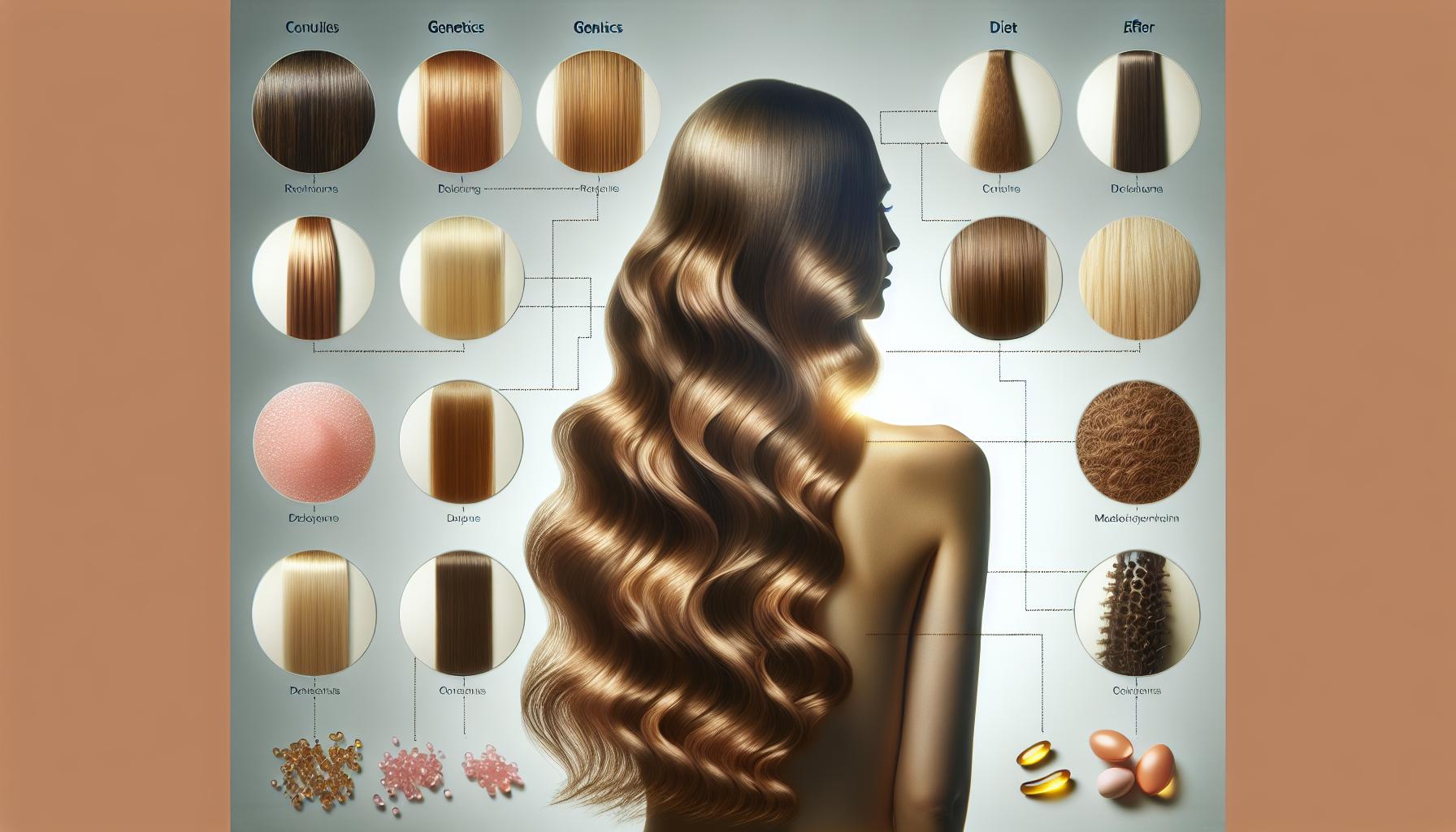
The complex process of hair growth is influenced by a myriad of factors, intertwining genetics, dietary choices, and environmental elements. Understanding these influences not only illuminates the question of how much hair grows in a month but also offers practical insights into fostering healthy locks. Genetics plays a fundamental role; individuals inherit traits that can dictate hair thickness, color, and growth rate. As an example, if your parents had thick, fast-growing hair, it’s likely you might too. On the other hand, those with a family history of thinning hair may experience similar challenges, highlighting the importance of understanding your genetic background.
Diet is equally crucial, serving as the foundation for healthy hair growth. Nutritional deficiencies can hinder the hair growth cycle, leading to slower growth rates. A balanced diet rich in essential vitamins and minerals supports not only overall health but also stimulates hair follicles. Key nutrients include:
- Protein: Since hair is primarily made of a protein called keratin, adequate protein intake is essential for healthy hair growth.
- Iron: Low iron levels can led to hair loss,so consuming foods like spinach,lentils,and red meat can be beneficial.
- Omega-3 Fatty Acids: Found in fish and flaxseed, these healthy fats nourish the hair and skin, promoting a healthy scalp.
- Vitamins A and C: These vitamins help maintain healthy skin and scalp by promoting sebum production.
Moreover,environmental factors such as stress levels,exposure to pollutants,and even climate can affect hair health. Prolonged stress can lead to a phenomenon known as telogen effluvium, where hair follicles enter a resting phase and hair shedding increases. Engaging in stress-reducing activities like yoga or meditation can be beneficial.
Incorporating a routine that supports hair health is effective and can accelerate growth. Mild, sulfate-free shampoos and regular conditioning can maintain scalp health. Additionally, some individuals have found success with topical treatments that contain growth factors, which are substances that stimulate cell activity and support the hair growth cycle. For those keen on maximizing their hair’s potential growth as discussed in “How Much Does Hair Grow in a Month? science-Based Answers,” regular monitoring of dietary intake, stress management, and understanding personal genetic factors can play a pivotal role in achieving desired outcomes.
Debunking Myths About Hair Growth: What Works and What Doesn’t
Understanding the factors that truly influence your hair growth can be particularly enlightening, especially in a world rife with misleading facts. Many people believe common myths that, while popular, lack scientific backing. As an example, a widespread belief is that frequent hair trims can accelerate hair growth. In reality, hair grows from the follicles located in the scalp, while the hair you see is comprised of dead cells. Thus, trimming the ends does not impact the rate at which hair grows, which averages about half an inch per month for many individuals.
Myth: Cutting Your Hair Makes It Grow Faster
The notion that cutting hair stimulates growth is a persistent myth. The hair follicle, responsible for growth, is beneath the skin and remains unaffected by haircuts. While trimming helps maintain the overall health of hair by removing split ends, it does not influence how much hair grows in a month. Rather, focus on practices that nourish the scalp and enhance follicle function, such as using a balanced diet rich in vitamins and minerals, particularly B vitamins, zinc, and iron.
Myth: You Can Repair Damaged Hair
Another prevalent misconception is that damaged hair can be “repaired.” Since hair is not a living tissue, once it’s damaged, it cannot revert to its original state. Products claiming to repair or heal hair are frequently enough disguising the damage rather than fixing it. Instead, consider using moisturizing and protective products to minimize further damage. For example, oils and leave-in conditioners can help maintain moisture and reduce the appearance of damage.
Effective Practices for Promoting Hair Growth
to foster healthy hair growth, consider these actionable steps:
- Maintain a healthy diet: Incorporate protein, omega-3 fatty acids, and a variety of fruits and vegetables.
- Stay hydrated: Drink plenty of water, as hydration plays a crucial role in overall health, including scalp health.
- Minimize stress: Engage in stress-reducing activities such as yoga, meditation, or regular exercise.
- Avoid tight hairstyles: Styles that pull on hair can lead to tension and breakage.
Understanding how much hair grows in a month becomes easier when we distinguish fact from fiction.By debunking these myths, one can embrace a more informed approach to hair care, ultimately leading to healthier, more vibrant hair.
Effective Care Tips: How to Support Healthy Hair Growth
To unlock the secrets of faster hair growth,understanding the factors that contribute to healthy hair is essential. research shows that hair typically grows about half an inch per month, but there are numerous strategies you can implement to support and potentially enhance this growth rate.Embracing these effective care tips can make all the difference in your hair journey, ensuring that your strands are not just growing, but thriving.
Nutrition is Key
A well-rounded diet rich in vitamins and minerals is vital for promoting healthy hair growth. Incorporate foods such as:
- Protein: Chicken, fish, eggs, and legumes fuel hair structure.
- Vitamins: Vitamins A, C, D, and E are crucial; fruits and leafy greens are great sources.
- Iron and Zinc: Nuts, seeds, and whole grains help prevent hair loss and support strength.
Each meal is an opportunity to nourish your hair from the inside out, so aim for a balanced intake that reflects the diversity of nutrients needed for optimal growth.
Scalp Care Matters
Often overlooked,the scalp is the foundation for healthy hair. Regular scalp massages can stimulate blood circulation and encourage hair follicles to remain active. Consider these practices:
- Daily Scalp Massage: Spend a few minutes each day massaging your scalp with your fingertips to enhance blood flow.
- Essential Oils: incorporate oils like rosemary or peppermint, known for their stimulating properties.
- Maintain Cleanliness: Use a gentle shampoo that suits your hair type to keep your scalp free from excess oil and buildup.
By prioritizing scalp health, you set the stage for hair that not only grows but flourishes.
Manage Stress and Hydration
Stress and dehydration can significantly impact hair growth. Adopting strategies to manage stress effectively, such as yoga, meditation, or regular exercise, can provide dual benefits for both mental well-being and hair vitality. additionally, staying well-hydrated supports overall health, aiding in the transportation of nutrients to hair follicles:
| Hydration Tips | Benefits for Hair Growth |
|---|---|
| Drink 8-10 glasses of water daily | Maintains moisture balance in hair and scalp |
| Include water-rich foods | Provides essential hydration and nutrients |
| Avoid excessive caffeine and alcohol | Prevents dehydration and promotes healthy blood flow |
Integrating these hydration strategies into your daily routine can act as a double boon, not just for your overall health, but also for supporting the healthy growth of your hair.By implementing these effective care tips,you can actively support the processes discussed in “How Much Does Hair Grow in a Month? Science-Based Answers,” paving the way for the vibrant,strong hair you desire. Each small effort contributes to a more comprehensive approach toward not just length, but the health and resilience of your strands.
The Role of Hair Health in Growth: Addressing Damage and Loss
Addressing hair damage and loss is crucial for promoting healthy growth, and understanding how various factors contribute to these issues can make all the difference. on average, hair grows about half an inch per month, which translates to roughly six inches a year. Factors such as genetics, health, and environmental influences can significantly affect this rate. Hair health is closely tied to its growth cycle, and any disturbances in this cycle can lead to thinning and loss.
One of the key elements in maintaining robust hair health is nutrition. A diet rich in essential nutrients is vital for delivering the building blocks needed for hair growth. Here are some vital nutrients to incorporate:
- Proteins: Hair is primarily made of keratin,a protein. Ensuring adequate protein intake through sources like chicken, fish, eggs, and legumes can promote stronger hair.
- Iron: This mineral is crucial for blood circulation, helping deliver oxygen to hair follicles. Foods high in iron include leafy greens, beans, and red meat.
- Vitamins A, C, and E: These vitamins support the health of hair follicles and skin. Citrus fruits, nuts, and carrots are excellent sources.
- Omega-3 Fatty Acids: Found in fish, flaxseeds, and walnuts, these healthy fats promote a healthy scalp.
Additionally, everyday practices can impact hair health dramatically. Limiting the use of heat-styling tools, avoiding harsh chemical treatments, and protecting hair from environmental stressors like pollution can help mitigate damage. regular trims also play a vital role in preventing split ends,thus maintaining healthier hair overall.
Moreover, there’s a strong link between stress levels and hair loss. High stress can push hair follicles into a resting phase, resulting in shedding. Engaging in stress-reducing activities such as yoga, meditation, or even simple breathing exercises can greatly benefit not only mental health but also overall hair vitality.
for those wondering how much hair grows in a month and seeking ways to enhance this growth process,focusing on nutrition,daily hair care practices,and stress management can yield promising results.Recognizing that hair health is integral to optimal growth will empower individuals to take proactive steps in caring for their hair.
A Look at Hair Growth Patterns: Understanding the Phases
Understanding the intricate processes of hair growth can significantly enhance your hair care regimen. Each strand of hair undergoes a complex cycle consisting of various phases, each playing a crucial role in hair development and overall health. Knowing about these stages allows individuals to better comprehend how hair grows and the factors that influence its growth rate, such as genetics, nutrition, and overall health.
Phases of Hair Growth
The hair growth cycle is primarily divided into four distinct phases:
- Anagen Phase: This is the active growth phase where hair follicles are most productive. Hair can grow approximately half an inch per month during this time. The duration of this phase can last from 2 to 7 years, depending significantly on individual genetics and health factors.This is why understanding how much hair grows in a month can vary from person to person.
- Catagen Phase: Following anagen, the hair enters a short transitional phase. This stage lasts about 2-3 weeks and marks a period of regression where hair growth slows down, and hair follicles shrink.
- Telogen Phase: This resting phase lasts approximately 3 months. During this time, hair does not grow; however, it remains attached to the follicle. Eventually, hair will shed, making room for the new growth cycle to start again.
- Exogen Phase: Often considered part of the telogen phase, exogen is when the hair sheds. It’s the phase where old hair is released, paving the way for new strands to emerge in the anagen phase. The average person loses about 50 to 100 hairs daily during this process.
Understanding these phases is vital for anyone asking themselves how much hair grows in a month, as it greatly influences hair health and maintenance strategies. Such as, during the anagen phase, ensuring adequate nutrition and scalp health can optimize growth.On the other hand, great care should be taken to avoid stress and underlying health issues that might impact the transition between these stages.
Additionally, the hair growth cycle can vary from one individual to another based on various factors, including age, hormonal changes, and overall health. Knowing about these cycles not only provides insight into the science behind hair growth but also guides practical hair care tips to maintain healthy growth throughout these phases. Keeping hair clean and properly nourished during the anagen phase and managing stress levels can foster optimal hair growth, making every inch count in the journey of understanding how much hair grows in a month.
When to Seek Professional Help for Hair Growth concerns
concerns about hair growth are not just superficial; thay can impact your self-esteem and overall confidence.While hair does typically grow about half an inch per month, various factors, such as genetics, health conditions, and lifestyle choices, can significantly influence this rate. Recognizing when to seek professional help is crucial for anyone experiencing hair growth concerns. Early intervention can lead to effective management or treatment options, potentially preventing further hair loss.
If you notice sudden or significant hair thinning, it’s essential to consult a dermatologist. Conditions like androgenetic alopecia, which affects both men and women, can often be diagnosed through a straightforward examination.additionally, hair loss can result from hormonal changes, nutritional deficiencies, or underlying health issues such as thyroid disorders. A professional can help identify the root cause and recommend appropriate treatments tailored to your specific needs, such as medications or lifestyle adjustments.
It’s also wise to reach out for help if your hair changes are accompanied by other symptoms.As a notable example, if you’re experiencing scalp irritation or itching together with hair loss, a dermatologist can assess for possible infections or autoimmune conditions. Consulting a specialist can provide you with solutions that go beyond over-the-counter products, leading to more personalized and effective hair restoration strategies.
if you find yourself questioning how much hair grows in a month and notice changes that deviate from the norm, don’t hesitate to seek professional advice.A proactive approach can provide clarity and options, and in many cases, professional guidance is the first step toward achieving healthier, fuller hair. Remember, effective treatment exists, and understanding the science behind hair growth can empower you to take action sooner rather than later.
Frequently Asked Questions
How Much Does Hair Grow in a month? Science-Based Answers
On average, hair grows about half an inch (1.25 cm) per month, totaling about six inches per year. This rate can vary based on factors such as genetics,nutrition,and overall health.
What factors affect hair growth rates?
Hair growth rates are influenced by several factors, including genetics, age, and hormonal balance. Nutritional intake also plays a crucial role,with vitamins like biotin being essential for follicle health.
Can I increase my hair growth in a month?
Yes, while you can’t drastically change growth rates, maintaining a healthy diet rich in vitamins and minerals can support your hair’s natural growth. regular scalp massages can also stimulate circulation.
Why does hair grow faster in some people?
Individuals may experience faster hair growth due to genetic predispositions that influence hair follicle activity. Hormonal factors, such as those associated with pregnancy or hormonal treatments, can also play a significant role.
Does hair growth vary by hair type?
Yes, hair growth can vary by hair type. For instance,curly hair may appear to grow slower because it coils up,whereas straight hair may show visible length increase more consistently.
What are common misconceptions about hair growth?
Many people believe that cutting hair can make it grow faster, but this is a myth. The rate of hair growth is determined by what happens at the root, not the ends.
How does health affect hair growth?
Overall health significantly impacts hair growth.Conditions like thyroid disorders or iron deficiency can slow hair growth or lead to hair loss, emphasizing the need for routine check-ups.
Closing Remarks
As we conclude our exploration of hair growth, it’s clear that understanding how much hair grows in a month is not only a matter of scientific interest but also of personal concern for many. On average, hair grows about half an inch each month, influenced by factors like genetics, nutrition, and overall health. This knowledge empowers you to take proactive steps in your hair care routine, from maintaining a balanced diet rich in vitamins to avoiding stress that may impact hair health.
Remember, healthy hair starts at the root, and nurturing your scalp is crucial for optimal growth. If you’re experiencing hair loss or damage, it’s critically importent to consult with a professional who can guide you through tailored solutions suited to your unique situation.
We encourage you to continue learning about the intricate world of hair care. Explore how different treatments, products, and lifestyle choices can make a difference. Join our community where we share experiences, tips, and the latest research to support not only your hair health but also your confidence. You’re not alone on this journey, and every small effort can lead to significant results. Keep striving for the hair you desire!


