


Getting pine sap stuck in your hair can be a frustrating experience, especially after a day outdoors. This sticky substance not only clings to your strands but can also damage your hair if not removed properly. Understanding effective removal methods is essential for maintaining your hair’s health and ensuring that outdoor adventures remain enjoyable. In this guide,discover speedy and easy tips to dissolve and remove pine sap from your hair with minimal hassle.
Contents
- Understanding Pine Sap: What It Is and Why It Sticks to Hair
- The Science Behind Pine Sap and Hair: How It Bonds
- Essential Tools: What You need to Remove Pine Sap Easily
- Step-by-Step Guide: Safe Techniques for Dissolving Pine Sap
- Natural Remedies vs. Commercial Solutions: Which is Right for You?
- Aftercare Tips: Protecting Your hair Post-Pine Sap Removal
- Troubleshooting: What to Do If Pine Sap Just Won’t Budge
- Preventing Future encounters: Tips for Safer Outdoor Fun
- FAQ
- How to dissolve pine sap in hair: Quick, easy removal tips?
- What is the best method to remove pine sap from hair?
- Can I use alcohol to remove pine sap from hair?
- Why does pine sap stick to hair so strongly?
- How can I prevent pine sap from getting in my hair?
- Is there a way to remove pine sap from hair without harsh chemicals?
- What should I do if pine sap gets on my pet’s fur?
- Final Thoughts
Understanding Pine Sap: What It Is and Why It Sticks to Hair
Pine sap, a sticky and viscous substance, is often a nuisance when it finds its way into hair. This natural resin is produced by pine trees as a defense mechanism against pests and diseases, sealing wounds in the tree trunk.While it serves an vital ecological purpose, its properties make it incredibly adhesive, which is why it can cling stubbornly to your hair, clothing, and tools. Understanding the characteristics of pine sap is the first step in effectively removing it from your hair.
Pine sap contains a mix of organic compounds, including terpenes and various resins, which contribute to its sticky nature. When exposed to air, sap hardens, creating a more challenging removal process. This adherence is intensified by the natural oils present in hair, which can attract and bind the sap tightly. As you navigate activities in pine-rich environments—like hiking or camping—itS crucial to be mindful of were you’re positioning your hair, as pine sap can easily become an unwelcome companion.
To effectively remove pine sap from hair, it’s essential to use substances that can break down the resin. Common household items such as rubbing alcohol, hand sanitizer, or even oil-based products can be effective in dissolving the sap’s sticky texture. Here’s a quick guide to help you tackle this sticky problem:
- Rubbing Alcohol: Apply a small amount to the affected area and gently rub to dissolve the sap.
- Baby Oil: The oil can help break down the sap’s adhesive properties; apply and let it sit before washing out.
- Dish Soap: A potent dish soap mixed with warm water can definitely help rinse away the residue after the sap has been dissolved.
- Vinegar: For those sensitive to strong odors,vinegar can provide an option pH balance that aids in sap removal.
By understanding what pine sap is and its mechanism of sticking to hair, you can better equip yourself with effective strategies for removal. Whether you prefer using common household items or specialized products, the key lies in acting swiftly to minimize the sap’s grip, making those outdoor adventures more enjoyable without the lingering worry of sticky hair.
The Science Behind Pine Sap and Hair: How It Bonds
the sticky nature of pine sap can be a true nuisance, especially when it finds its way into hair. Understanding the science behind how this natural resin bonds to hair can aid in effectively removing it.Pine sap primarily consists of complex carbohydrates, water, and oils, which contribute to its viscous and adhesive properties. When tree sap comes in contact with hair, it can create strong bonds due to its sticky consistency and the fibrous structure of hair itself. This connection can be particularly challenging to detach without the right approach.
To break down these bonds, it’s important to utilize substances that can interact with the sap’s chemical makeup. many effective removal methods leverage oils and solvents, which can help dissolve the sap and release it from hair. Here are some common options:
- Baby Oil or Mineral Oil: These oils penetrate the sap,allowing it to loosen its grip on hair strands without causing damage.
- Rubbing Alcohol: Known to break down adhesive substances, isopropyl alcohol can dissolve the sap effectively, although its use on hair should be moderated to prevent dryness.
- Dish Soap: This can emulsify the oils in sap,making it easier to wash out when combined with water.
- Mayonnaise: The fats in mayonnaise can also work to loosen the sap, making it easier to remove during washing.
While these methods can assist in the removal of pine sap, it’s essential to be gentle during the process. Aggressive pulling or tugging can lead to hair breakage, so employing a carefully methodical approach is key. After applying any chosen product, allow it to sit for a few minutes before gently combing through with a wide-toothed comb to gradually lift the sap away from hair strands. Ultimately, understanding how pine sap interacts with hair and utilizing the right removal strategies can make tackling this sticky problem much more manageable.
Essential Tools: What You need to Remove Pine Sap Easily
Removing pine sap can be quite the challenge, especially when it mistakenly attaches itself to your hair. However, with the right tools and techniques, this sticky substance can be eliminated effectively.To master the art of sap removal,it’s essential to gather a few key items that will simplify the process and ensure that your hair and belongings come out unscathed.
Must-Have Tools for Sap Removal
To successfully dissolve pine sap in hair and on other surfaces, keep the following tools on hand:
- Cooking Spray or Oil: A quick solution for sap stuck in hair is to apply cooking spray. The oiliness of the spray breaks down the sap, making it easier to comb through.
- Rubbing Alcohol: This versatile solvent can break down sticky substances effectively.It’s particularly useful on clothing and equipment by applying it with a cloth to soak and dissolve the sap.
- Dish Soap: After treating the area with oil or rubbing alcohol, washing with warm water and dish soap helps remove any remaining residue.
- Mayo: Surprisingly, mayonnaise is effective for removing sap from skin and hair due to its oil content. Apply it generously and let it sit for a few minutes before rinsing.
- Fine Grit Sandflex Block: For tools or hard surfaces, using this abrasive tool can definitely help scrub away any sap without damaging the material.
With these essential tools at your disposal, you’ll be well-equipped to tackle the sticky situation of pine sap in hair or on other surfaces. It’s always best to act quickly to prevent the sap from setting, making your removal efforts easier and more successful.
By arming yourself with the proper materials, you can confidently address any accidental encounters with pine sap, keeping your hair and belongings safe and clean. Whether you’re in the woods or just enjoying your outdoor space, knowing how to dissolve pine sap in hair with these quick, easy removal tips will save you time and frustration.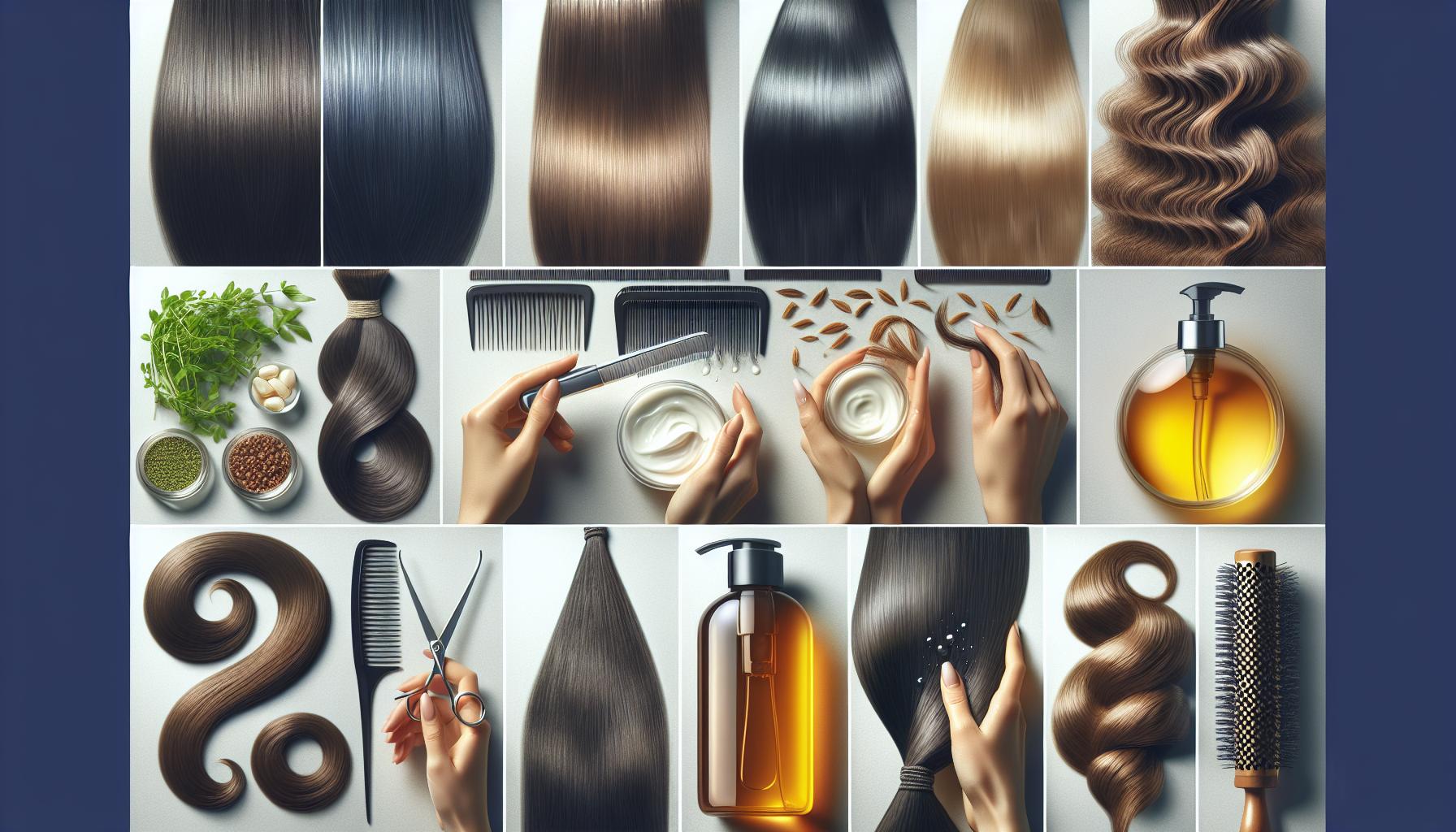
Step-by-Step Guide: Safe Techniques for Dissolving Pine Sap
When dealing with the pesky challenge of pine sap, especially when it finds its way into your hair, understanding the right methods for removal can make all the difference. Pine sap, while natural, is sticky and stubborn, often requiring a little extra care and patience to dissolve effectively. the following techniques are not only effective but also safe, ensuring that your hair retains its health and vitality during the cleaning process.
Essential Materials to Gather
Before starting the removal process, gather your tools and ingredients to make the task smoother.Here’s a quick list of what you might need:
- Vegetable oil or olive oil – for gentle adhesion.
- Dish soap – to break down the oily residue.
- Baby shampoo – known for its gentle cleansing properties.
- Warm water – to facilitate the removal process.
- Soft cloth or paper towel – for application and wiping.
Step-by-Step Technique
When it comes to the actual removal of pine sap from hair, follow these actionable steps for effective results:
- Apply Oil: start by applying a small amount of vegetable or olive oil directly to the sap-stuck area of your hair.Gently massage the oil into the sap, allowing it to penetrate and soften the sticky residue.
- let it Sit: Give the oil a few minutes to work its magic. The longer you let it sit, the easier the sap will dissolve. A five to ten-minute wait can make a significant difference.
- Lather with Soap: After sufficient soaking, use a small amount of dish soap mixed with water to lather your hair where the sap was applied. This combination helps to break down the oils, making it easier to rinse out the sap.
- Rinse Thoroughly: Use warm water to rinse your hair thoroughly. Ensure all soap and residual oils are wholly removed,which may require more than one rinse.
- Follow Up with Shampoo: use your regular shampoo or baby shampoo to cleanse your hair fully, restoring its natural texture and shine.
Additional Tips for Success
If you encounter any residual sap after the initial cleaning, repeat the oil application and washing process.It may take a couple of tries, but persistence will pay off. Additionally, consider protecting your hair with a conditioner after the treatment to maintain moisture and softness.
Using these simple yet effective techniques on how to dissolve pine sap in hair ensures a fuss-free cleanup without damaging your strands. Whether during outdoor activities or household tasks, knowing how to remove tree sap can save you from long-term hair issues and keep your locks looking their best.
Natural Remedies vs. Commercial Solutions: Which is Right for You?
Natural remedies have gained popularity in recent years, especially as many seek safer, more holistic options for personal care. When it comes to challenges like removing pine sap from hair, the choice between natural remedies and commercial solutions can substantially impact effectiveness and safety. Many people wonder which route to take for efficient sap removal, particularly as they strive for options that align with their values and lifestyle.
Benefits of Natural Remedies
Using natural remedies to dissolve pine sap in hair frequently enough involves common household items that are safe for both the surroundings and your health. Here are a few reasons why you might choose this route:
- Fewer chemicals: Natural solutions generally avoid harsh chemicals found in many commercial products, reducing the risk of irritation.
- Cost-Effective: Many natural remedies, such as oil or baking soda, are inexpensive and readily available, making them accessible to everyone.
- Gentle on Hair: Oils like olive or coconut not only help remove sap but also nourish and condition hair,mitigating potential damage.
if you’re opting for a natural approach, consider these steps when using oils to address the sticky challenge of pine sap:
| Natural Ingredient | Instructions | Effectiveness |
|---|---|---|
| Coconut Oil | Apply generously to the affected area, let it sit for 10-15 minutes, then wash out with shampoo. | Very effective; softens sap and eases removal. |
| Olive Oil | Rub into the sap, allowing it to penetrate before combing out the sap gently. | Effective; provides moisture and aids in removing stickiness. |
| Baking Soda | Create a paste with water, apply it, and scrub the area gently before rinsing. | Moderately effective; helpful in breaking down sap. |
Commercial Solutions: Quick and Convenient
While natural remedies offer a gentle approach,commercial products are often designed for quick and efficient results. Those with busy lifestyles may find that certain commercially available sap removers work faster, employing specialized formulations that target sticky residues. These products frequently contain solvents that break down sap compounds effectively but come with considerations:
- Speed: Commercial solutions are likely to provide immediate results, ideal for urgent situations.
- Targeted Formulations: Many hair products are scientifically crafted to tackle specific problems, potentially yielding reliable effectiveness when removing sap.
- Variety: Options available range from sprays to oils that can accommodate various preferences.
Ultimately,the decision between natural remedies and commercial solutions hinges on your personal values,lifestyle,and hair care ideology. Understanding the benefits and limitations of each method not only empowers you to make informed choices but also ensures that removing pine sap from your hair becomes a manageable task, providing peace of mind in your care routine.
Aftercare Tips: Protecting Your hair Post-Pine Sap Removal
Protecting your hair after removing pine sap is crucial to maintain its health and prevent any adverse effects from the removal process. Pine sap can be quite sticky and damaging, so after ensuring its effective removal, it’s important to treat your hair with care. The following tips will help you keep your locks looking great and feeling nourished post-cleanup.
Moisturize Your Hair
After using methods to dissolve pine sap, such as oils or alcohol-based solutions, your hair may feel dry or brittle. Replenishing moisture is essential. Consider using a high-quality conditioner or a deep conditioning treatment to restore hydration.Look for products containing nourishing ingredients like:
- Argan Oil: Rich in fatty acids, it helps to soften and moisturize dry hair.
- Coconut oil: Acts as a deep conditioner, locking in moisture and preventing breakage.
- Aloe Vera: Known for its soothing properties, it helps to repair and hydrate.
Protect Against Heat Damage
If you usually style your hair with heat,it’s advisable to minimize heat exposure immediately after removing pine sap. Your hair will be more vulnerable, so applying a heat protectant spray can shield it from the drying effects of styling tools.
| Heat Protectant Ingredients | Benefits |
|---|---|
| Silicone | Forms a protective barrier against heat |
| Natural Oils | Nourishes hair while offering protection |
| Vitamins (like E and B5) | Promotes healthy hair while providing a protective layer |
Regular Maintenance
Integrating regular trims into your hair care routine can help prevent damage from spreading after a pine sap incident. Keeping your hair healthy through regular maintenance allows you to avoid issues associated with sticky residues and their potential impact on your hair length over time.
Also,consider using a clarifying shampoo periodically to remove any build-up that might potentially be left over from the sap removal process. This will help maintain a clean scalp and healthy hair strands.
By taking these aftercare steps, you can ensure that your hair remains vibrant and healthy following the removal of pine sap, maximizing the benefits of the initial care you provided during the cleaning process.
Troubleshooting: What to Do If Pine Sap Just Won’t Budge
If you’ve ever found yourself grappling with stubborn pine sap that seems determined to stick around,you’re not alone. Whether the sap has invaded your hair or adhered to your favorite outdoor gear, it can be a frustrating experience. Fortunately, there are effective methods to tackle even the most tenacious sap. Here’s what you can do if you’re struggling to get rid of it.
Evaluate Your Approach
Sometimes, the removal technique you initially chose may not be strong enough to dissolve the sap effectively. If your first attempt with soap and water hasn’t worked, consider switching to more potent solutions. Products like rubbing alcohol or WD-40 are particularly effective against tree sap. Apply your chosen solution directly to the affected area and let it sit for about five minutes to penetrate the sticky residue. For an added boost, you can place a wet cloth soaked in hot water over the area, which may enhance the cleaning process [[1](https://andreadekker.com/how-to-remove-sticky-tree-sap/)][[2](https://forums.paddling.com/t/removing-pine-sap-lumps/117094)].
Utilize Natural Remedies
If household cleaners are not available, you can opt for natural alternatives that often yield great results. Such as, citric acid powder can be mixed into a saturated solution to soak tools and materials affected by sap. This method is especially recommended for persistent sap residues that do not respond to standard cleaning agents [[3](https://woodworkingmasterclasses.com/discussions/topic/cleaning-off-pine-sap-from-tools/)]. Additionally, consider using vegetable oil or peanut butter as a last resort for hair; these oils can definitely help break down the sap effectively.
Be Patient and Persistent
Removing pine sap can sometimes take several attempts, especially if it has hardened. If the sap remains stubborn after multiple treatments, don’t get discouraged. repeat the process, allowing ample time for each solution to penetrate. Also, gentle scraping with a plastic tool can help lift the sap without damaging the surface beneath it. Always remember to test your solution on a small, inconspicuous area first to ensure it doesn’t cause any unwanted damage.
By varying your removal strategies and remaining patient, you can successfully tackle even the most unyielding pine sap. Whether you’re looking for easy removal tips or need practical advice for specific situations,adapting your techniques can make all the difference.
Preventing Future encounters: Tips for Safer Outdoor Fun
While enjoying the great outdoors can be a rewarding experience, it’s essential to take proactive measures to prevent unwanted encounters with wildlife. Just as knowing how to dissolve pine sap in hair can save an enjoyable day from turning sticky and frustrating, understanding wildlife behavior can help ensure your adventures remain safe and fun.engaging with nature means respecting its boundaries and acknowledging that you are entering the habitat of various wild animals.
To minimize the chances of unexpected encounters,consider the following tips:
- Stay Aware of Your Surroundings: Pay attention to your environment,especially in areas known for wildlife activity. Look for signs such as animal tracks, droppings, or vocalizations.
- Make Noise: As you hike, talking or making noise can alert wildlife to your presence, giving them a chance to avoid you.
- Travel in Groups: Animals are less likely to approach larger groups. Hiking with friends or family not only enhances your safety but also increases the fun.
- Avoid Dawn and Dusk Activities: Wildlife is often most active during these times. Try to plan your outdoor activities for mid-day to reduce encounters.
- Secure Your Food: If camping,keep food securely stored to avoid attracting animals. Utilize bear-proof containers or hang food at least 10 feet off the ground.
- Educate Yourself: Know the types of animals that inhabit the areas you plan to explore and learn their behaviors. This knowledge can help you react appropriately if you do encounter wildlife.
If you find yourself in situations with potential wildlife encounters, stay calm. Recognizing that you share their environment and respecting their space is crucial.Slowly back away without turning your back on the animal, maintaining a calm demeanor to avoid startling it. Following these preventive tips not only enhances your safety but also enriches your outdoor experience by allowing you to appreciate nature from a respectful distance.
By incorporating these strategies, you can safeguard your outdoor fun, just as you would learn to effectively remove pine sap from your hair if you ever found yourself in that sticky situation. Enjoy your adventures while ensuring both your safety and the well-being of the wildlife you may encounter.
FAQ
How to dissolve pine sap in hair: Quick, easy removal tips?
To dissolve pine sap in hair, use products like olive oil, coconut oil, or peanut butter. These natural oils can effectively loosen the sap,making it easier to wash out with shampoo.
start by applying a generous amount of oil directly to the sap. Let it sit for a few minutes to penetrate and soften the sap. Then, gently work it through your hair before rinsing with warm water and shampooing thoroughly.
What is the best method to remove pine sap from hair?
The best method to remove pine sap from hair involves using oil-based products. Items like olive oil or baby oil break down the sap efficiently and are easy to rinse out.
After loosening the sap, follow up with a clarifying shampoo to ensure all residue is removed. Avoid using harsh chemicals, as they can damage your hair.
Can I use alcohol to remove pine sap from hair?
Yes, you can use rubbing alcohol to remove pine sap from hair, but it should be done with caution. Rubbing alcohol is effective but may dry out hair and scalp.
Apply alcohol to a cotton ball and gently dab at the sap. Follow this by conditioning your hair to restore moisture. It’s recommended to try oil-based solutions first to avoid potential damage.
Why does pine sap stick to hair so strongly?
Pine sap sticks to hair due to its thick and sticky resinous composition. This natural adhesive is designed to protect the tree and can bond easily with hair fibers.
Due to this strong adhesion, sap removal requires specific techniques and products tailored to break the bond efficiently, such as oils that are capable of penetrating and loosening the sap.
How can I prevent pine sap from getting in my hair?
To prevent pine sap from getting in your hair, avoid sitting or standing under pine trees when they are producing sap, particularly during warm weather.
If you’re spending time outdoors, wearing a hat can protect your hair. Additionally, being aware of your surroundings while hiking or camping can help you steer clear of sap sources.
Is there a way to remove pine sap from hair without harsh chemicals?
Yes, there are several natural solutions to remove pine sap from hair without harsh chemicals. Methods include using oil, such as olive or coconut oil, or applying peanut butter.
These natural options are not only effective but also gentler on your hair. Always follow up with shampoo to ensure all the sap and residue are completely washed out.
What should I do if pine sap gets on my pet’s fur?
If pine sap gets on your pet’s fur, you can use mineral oil or olive oil to help remove it. Gently massage the oil into the fur and let it sit for a few minutes before brushing it out.
It’s essential to ensure that any product you use is safe for pets. Always consult your veterinarian if you’re unsure about the product’s safety.
Final Thoughts
removing pine sap from hair doesn’t have to be a daunting task. By employing simple methods such as using baby oil to break down the sap or applying peanut butter to soften it for easier comb-out, you can effectively manage this sticky challenge. Remember, heating the sap slightly may also aid in loosening its grip, but be cautious to avoid spreading it further. each of these techniques is rooted in easily accessible household items, making them practical for immediate implementation. We encourage you to try these tips at home and explore further solutions tailored to your unique hair care needs. Stay informed and proactive about your hair health, and you’re sure to keep those pesky sap encounters in check!


