


Is daily hair conditioning a blessing or a burden? Wiht countless products claiming to nourish and enhance your locks, it’s crucial to understand how often to condition based on your unique hair type. This expert guide will help you navigate the complexities of hair care, ensuring your tresses remain healthy and vibrant without overdoing it.
Contents
- Understanding Hair Types: Do You Really Need Daily Conditioning?
- The science Behind Conditioning: How it Benefits Your Hair
- Daily Conditioning Myths: Separating Fact from Fiction
- Tailoring Your Conditioning Routine to Match Your Hair Texture
- Expert Insights: When Daily Conditioning Is Advantageous
- Signs That You Might Be Over-conditioning Your Hair
- The Role of Ingredients: What to Look for in Your Conditioner
- Practical Tips for Developing a Healthy Hair Care Regimen
- Q&A
- Is It Okay to Condition Hair Daily?
- What is the difference between a conditioner and a deep conditioner?
- Why does my hair feel greasy after conditioning daily?
- Can I use the same conditioner every day?
- Is it bad to over-condition my hair?
- How do I know which conditioner is best for my hair type?
- Can daily conditioning help with hair loss?
- in summary
Understanding Hair Types: Do You Really Need Daily Conditioning?
Understanding your hair type is crucial in determining whether daily conditioning is beneficial or needless. Each hair type—from straight to curly—has unique characteristics that influence its moisture retention and overall health. Such as, straight hair tends to be oilier at the roots, which can make daily conditioning feel heavy or greasy. In contrast, curly and coily hair frequently enough requires more moisture due to its structure that makes it harder for natural oils to travel down the hair shaft.
Daily Conditioning by Hair Type
Depending on whether you have straight, wavy, curly, or coily hair, the need for daily conditioning varies substantially. Here’s a swift breakdown:
| Hair type | Daily Conditioning Recommendation |
|---|---|
| Straight | Usually not necessary; use lightweight conditioner as needed. |
| Wavy | Moderate; can benefit from daily conditioning to prevent frizz. |
| Curly | Highly recommended; look for moisturizing products to enhance curl definition. |
| Coily | Essential; coily hair thrives on moisture to maintain elasticity and prevent breakage. |
Many people with textured hair find that daily conditioning or the use of leave-in conditioners significantly improves manageability and shine. As an example, those with curly or coily hair should look for products specifically designed to hydrate and define curls. Alternatively, straight-haired individuals might opt for conditioning a few times a week, focusing on the ends rather than the scalp. Always listen to your hair’s needs and adjust your regimen accordingly.
In considering whether to condition daily, factors such as climate, activity level, and product choice come into play. For example,individuals living in humid environments may notice their hair feels greasy quicker and may not need daily conditioning. Conversely, those in dry climates or after extensive heat styling may find that their hair benefits greatly from consistent moisture.Ultimately, understanding your specific hair type will guide you to the right conditioning routine, ensuring your locks remain healthy and vibrant.
The science Behind Conditioning: How it Benefits Your Hair
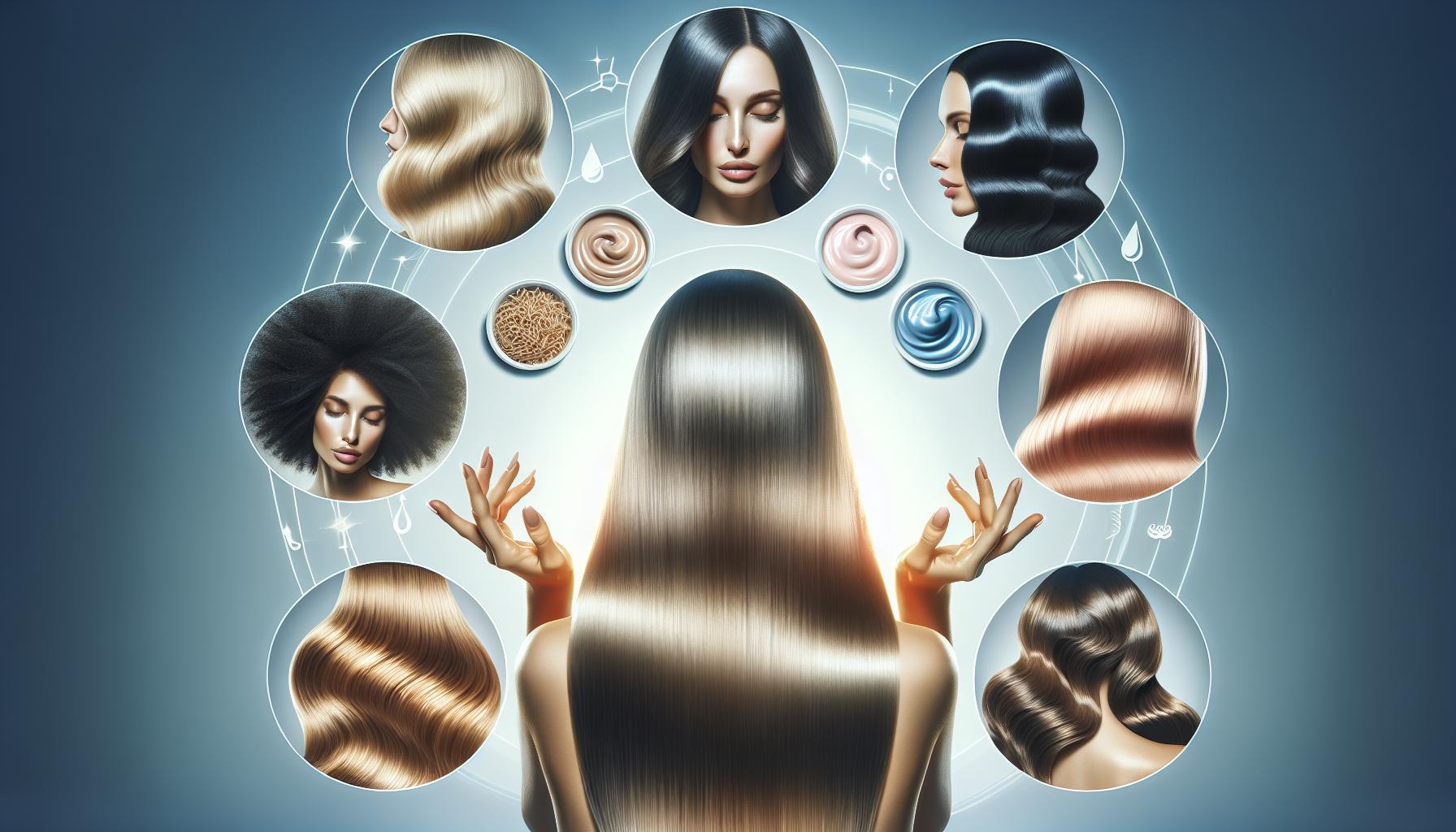
Did you know that the right conditioning can transform your hair from dull and lifeless to vibrant and full of health? Conditioning plays a crucial role in hair care, reflecting the science of hair structure and the benefits of nourishing ingredients. When considering whether to condition your hair daily, it’s essential to understand how these products work at both a molecular and physical level.
The primary purpose of conditioner is to restore moisture and improve the overall texture of your hair. Hair strands are made up of a protein called keratin, which can become damaged due to various factors such as heat styling, chemical treatments, and environmental stressors. Conditioners typically contain ingredients that help form a protective layer around each hair strand, reducing friction and ensuring that moisture is retained. This protective barrier works to:
- Prevent Split Ends: By sealing the hair cuticle, conditioners help minimize damage and reduce the occurrence of split ends.
- Improve Elasticity: Properly hydrated hair is more elastic, which means it’s less likely to break when subjected to styling.
- Enhance Shine: A well-conditioned mane appears shinier because the surface is smooth and reflective.
Understanding your hair type is vital when deciding on daily conditioning.For instance,those with coarse or curly hair might benefit from daily conditioning,as these hair types are generally drier and can absorb more moisture.On the other hand, individuals with finer hair may find daily use can lead to product buildup, weighing their hair down. here’s a quick reference table to help clarify:
| Hair Type | Daily Conditioning Recommendation | Suggested Products |
|---|---|---|
| Fine | Occasional Conditioning | Lightweight Leave-Ins |
| Medium | Moderate Conditioning | Nourishing Creams |
| Coarse/Curl | Daily conditioning | Deep Conditioners |
Moreover, consider incorporating leave-in conditioners or deep conditioning treatments into your regimen. These products work to reinforce moisture and protect hair throughout the day, providing additional benefits without weighing it down.By understanding the science behind conditioning, you’ll be better equipped to make informed choices for your specific hair type, leading to healthier, shinier hair that radiates vitality.
Daily Conditioning Myths: Separating Fact from Fiction
For many, the idea of conditioning hair daily conjures images of luxurious, manageable locks, yet this practice is rife with myths that can leave hair in less-than-ideal condition. As individuals strive to understand the nuances behind hair care,particularly the question,“Is it okay to condition hair daily? Expert advice for your hair type” comes into play,it’s essential to sift through popular misconceptions.
One common myth is that daily conditioning is universally beneficial. In truth, hair type plays a significant role in determining the frequency of conditioning. Such as, individuals with dry or coarse hair may benefit from more frequent conditioning to restore moisture, while those with fine or oily hair might find that daily application leads to build-up and a weighed-down appearance. Let’s break this down:
Myths vs.Facts
- Myth 1: Everyone should condition every day.
- Fact: Hair texture, type, and scalp health dictate conditioning frequency.
- Myth 2: Using more conditioner will always yield better results.
- Fact: Over-conditioning can result in limp, greasy hair; balance is key.
- Myth 3: Conditioning is unnecessary if you use a good shampoo.
- Fact: While shampoo cleanses, conditioner provides essential moisture and protection.
Another prevalent belief is that over-conditioning is harmless. In reality, applying conditioner too frequently, especially to hair that does not require it, can lead to unwanted effects such as buildup that weighs hair down or makes it appear greasy. It may even disrupt the scalp’s natural oil production, leaving your hair dry and brittle in the long run.
How to Determine your Conditioning Routine
To establish the best conditioning practice for your unique hair type, consider the following factors:
| Hair type | Conditioning Frequency | recommended products |
|---|---|---|
| Oily/Fine | 1-2 times a week | Light-weight, volumizing conditioners |
| Normal | 2-3 times a week | Hydrating conditioners |
| Dry/Curly | Every other day | Moisture-rich, leave-in conditioners |
| Color-treated | 3-4 times a week | Color-safe, nourishing conditioners |
by recognizing these myths and facts, one can make informed choices that align with their specific hair needs. Understanding that “Is it okay to condition hair daily? Expert advice for your hair type” is not a one-size-fits-all approach empowers individuals to adopt a regimen that enhances their hair’s health and appearance.
Tailoring Your Conditioning Routine to Match Your Hair Texture
Understanding how to tailor your conditioning routine based on your unique hair texture can significantly elevate the health and appearance of your locks. Different hair types—whether straight, wavy, curly, or coily—have distinct needs that dictate the frequencies and types of conditioners best suited for them. The key to achieving optimal hydration and manageability lies in recognizing these differences.
Straight Hair
For straight hair types, the natural oils from the scalp can travel down the hair shaft more easily, making them less prone to dryness. As such, conditioning can be done less frequently, typically every 2 to 3 days. Lightweight conditioners or leave-in treatments are ideal, as they won’t weigh the hair down. Incorporating a few drops of serum or oil during your routine can enhance shine without risking oiliness.
Wavy Hair
Wavy hair frequently enough walks the fine line between straight and curly. To maintain that coveted bounce while managing frizz, using a medium-weight conditioner is recommended. Conditioning every other day or even daily, depending on your styling regimen, can keep waves hydrated without overloading them. Consider using a clarifying conditioner once a week to remove any buildup from heavier products.
Curly Hair
Curly hair is often dry and can benefit from a more frequent conditioning routine. Aim to condition your curls daily or even apply a moisturizing conditioner after each wash. Look for rich, creamy conditioners specifically formulated for curls that provide intense hydration. Moreover, incorporating deep conditioning treatments once a week is essential for maintaining elasticity and curl definition.
Coily Hair
For those with coily hair, ample moisture is crucial. This texture is usually the driest, making daily conditioning a necessity. A leave-in conditioner followed by a sealant, such as an oil, can help lock in moisture throughout the day.Consider using thicker, more emollient conditioners and indulging in deep conditioning sessions weekly to keep coils healthy and springy.
| Hair Type | conditioning Frequency | Product Recommendations |
|---|---|---|
| Straight | Every 2-3 days | Lightweight conditioners, serums |
| Wavy | Every other day or daily | Medium-weight conditioners, clarifying cond. weekly |
| Curly | Daily | Rich, creamy conditioners, deep treatments weekly |
| Coily | Daily | Thick, emollient conditioners, leave-in and oils |
By customizing your conditioning routine to match your specific hair texture, you enable your strands to thrive. Understanding “is it Okay to condition Hair Daily? Expert Advice for Your Hair Type” requires a complete look at what your hair needs for its unique characteristics.Tailoring your products and frequency can lead to vibrant, healthy hair you’ll be proud to showcase.
Expert Insights: When Daily Conditioning Is Advantageous
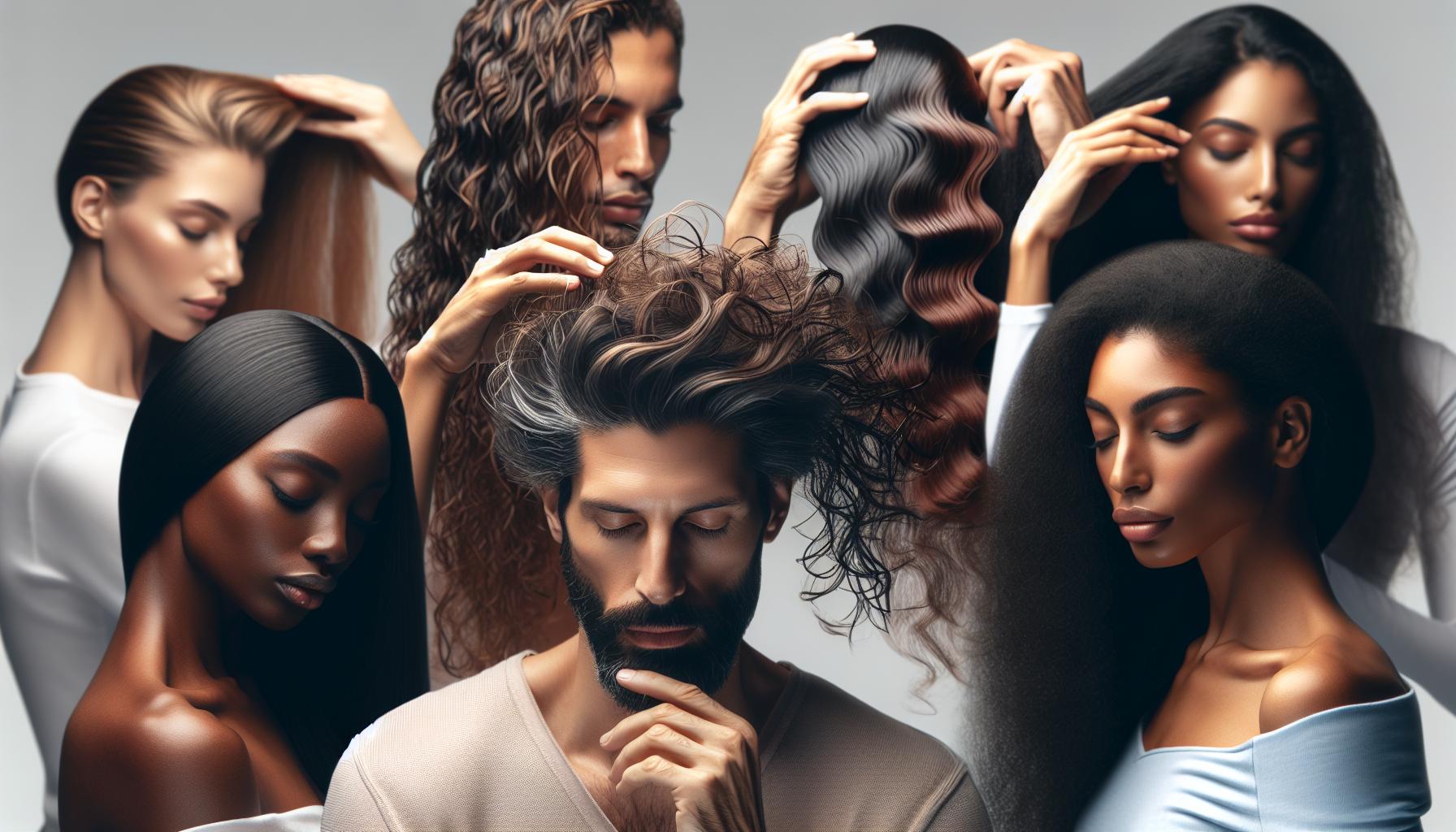
When considering the frequency of hair conditioning, it’s crucial to understand that not all hair types are created equal. Daily conditioning may seem excessive to some, but for others, it can be a game changer in maintaining optimal hair health. The key lies in recognizing the unique needs of your hair and scalp.
Identifying Your Hair Type
For curly, coarse, or dry hair, daily conditioning can significantly enhance moisture retention and manageability. Curly hair,in particular,often lacks the natural oils that straight hair types benefit from due to their structure. Consequently, curls may thrive on a consistent supply of conditioning agents. Here are some scenarios where daily conditioning proves beneficial:
- Curly Hair: Helps define curls and reduce frizz, ensuring the hair maintains its shape and luster.
- Color-Treated Hair: Regular conditioning aids in repairing damage from color treatments, keeping the hair vibrant and minimizing brittleness.
- High Humidity Environments: If you live in a humid area, daily conditioning can help combat frizz and maintain softness.
Even straight hair can benefit from daily conditioning if it tends to be fine or lacks density. Here’s a breakdown of hair types and their conditioning needs:
| Hair Type | Conditioning Frequency | Benefits |
|---|---|---|
| Curly | Daily | Enhances curl definition, reduces frizz |
| Color-Treated | Daily or Every Other Day | Restores moisture, maintains color |
| Fine/Straight | Every Other day or as needed | Maintains softness, adds shine but avoids heaviness |
| Coarse/Dry | Daily | Locks in moisture, provides nourishment |
Ultimately, understanding your own hair’s response to conditioning is vital. Conducting a simple test—paying attention to how your hair feels after conditioning—can inform your routine. If your hair feels overly greasy, consider scaling back, but if it feels dry and lifeless, daily conditioning might be the solution you need. Tailoring your hair care regimen according to your specific needs can help you answer the question, “Is it okay to condition hair daily?” with confidence and knowledge.
Signs That You Might Be Over-conditioning Your Hair
Some people may unwittingly place their hair through a conditioning marathon, believing that more is always better. While conditioning is essential for maintaining healthy locks,excessive treatment can lead to serious consequences. Understanding the signs that you may be over-conditioning your hair is crucial to preserving its natural beauty and texture.
Signs of Over-Conditioned Hair
Recognizing when you’ve gone overboard with conditioning can save your hair from unintended damage. If you’re experiencing any of the following symptoms, your conditioning routine may need a reevaluation:
- Excessive Oiliness: if your hair feels greasy shortly after washing, it could be a sign that you’re applying too much product. A lighter conditioning formula might serve better.
- Lifeless or Weighed Down: Overly conditioned hair often appears flat and dull. If your hair lacks volume and bounce, it’s time to scale back on the conditioning routine.
- Buildup: A noticeable residue or film on your hair can indicate that products are accumulating. Switching to a clarifying shampoo occasionally can help alleviate this issue.
- Increased Breakage: Ironically, over-conditioning can weaken hair, making it more prone to breaking. If you notice an uptick in split ends or hair loss,assess your conditioning habits.
Understanding Your Hair Type
Different hair types absorb moisture at varying rates, which means that what works for one person might not be suitable for another. Here’s a brief overview to help you understand how your specific hair type interacts with conditioning:
| Hair type | Recommended Conditioning Frequency |
|---|---|
| Straight Hair | Every 2-3 days |
| Wavy Hair | Every 1-2 days |
| Curly Hair | Daily or as needed |
| Kinky Hair | Daily or intensive weekly treatments |
understanding your hair’s unique characteristics is essential for developing a conditioning routine that nurtures rather than harms your tresses. if you find yourself exhibiting signs of over-conditioning, consider adjusting the type of product you use or the frequency of your conditioning sessions to restore your hair’s natural balance.
The Role of Ingredients: What to Look for in Your Conditioner
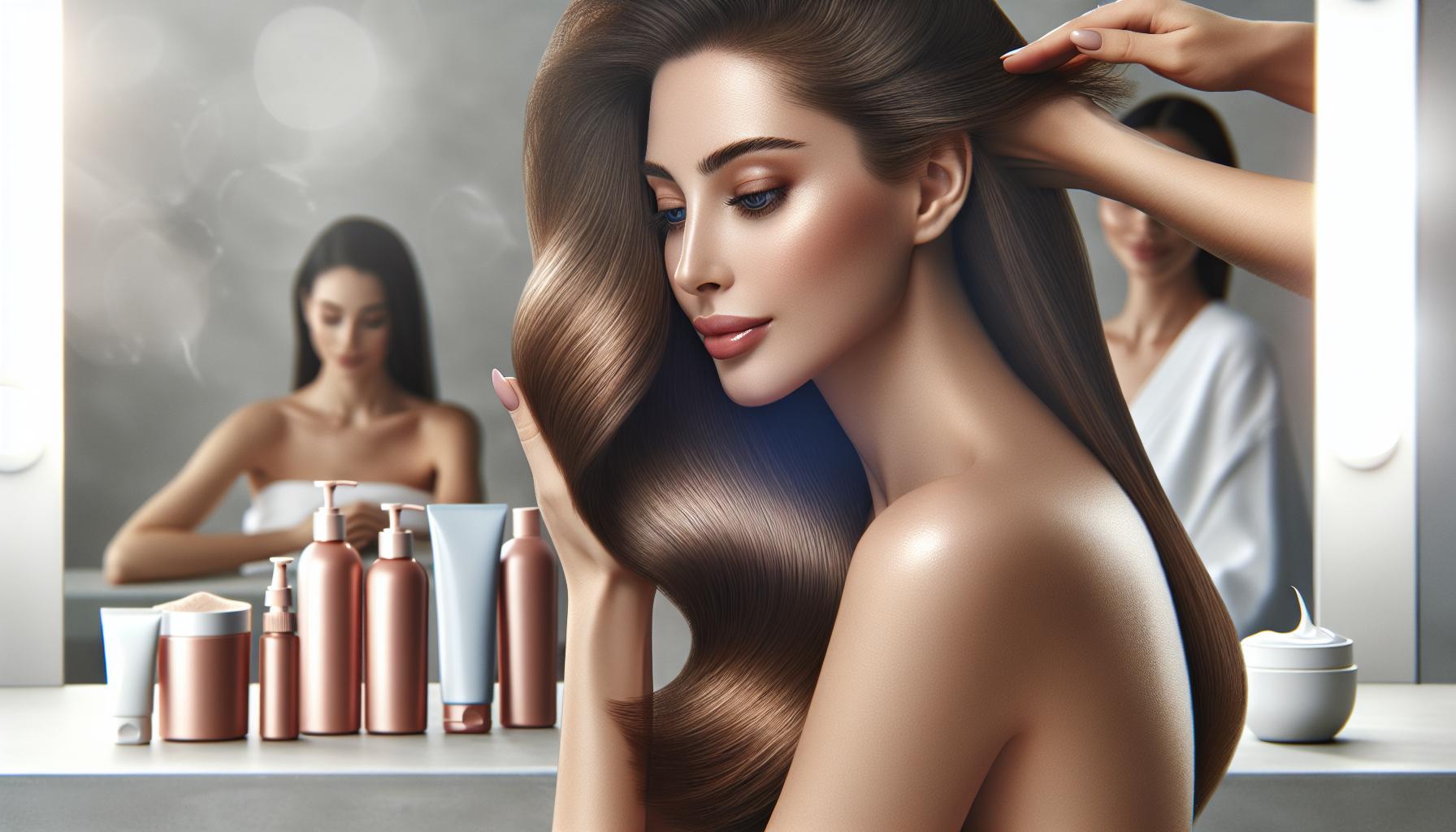
Understanding how to choose the right conditioner can be a game-changer for your hair care routine. With countless products on the market, knowing which ingredients work best for your hair type is essential. Conditioning daily may bring benefits or drawbacks depending on the formula’s components and your specific hair needs. Here’s what you should prioritize when selecting a conditioner to fit your hair regimen perfectly.
key Ingredients to Seek Out
Not all conditioners are created equal. Formulations vary widely, and some ingredients can either enhance your hair’s health or do more harm than good. Consider these beneficial ingredients when assessing conditioners:
- Silicones: These form a protective barrier, reflecting light for shine and reducing frizz. Though, build-up can occur with daily use, so look for water-soluble silicones if you condition daily.
- Natural Oils: Ingredients like argan, coconut, or jojoba oil deeply nourish and hydrate the hair. They can help prevent breakage and enhance softness.
- Proteins: Hydrolyzed proteins strengthen and repair damaged strands. Ideal for those with color-treated or heat-styled hair, be cautious if your hair is fine, as excess protein can lead to brittleness.
- Humectants: Glycerin and aloe vera extract draw moisture into the hair. They are especially beneficial for dry or frizzy hair types.
potential Ingredients to Avoid
While some ingredients are hero-worthy, others may not align well with daily conditioning practices. Watch out for:
- Sulfates: while effective cleansers, sulfates can strip essential oils from your hair, leading to dryness and damage. Avoid conditioners that contain them if you condition every day.
- Heavy Waxes: Though they may provide a temporarily shiny finish, products loaded with waxes can accumulate on the hair, making it appear dull and lifeless.
- Alcohols: Not all alcohols are bad, but those high up on the ingredient list can cause dryness. Avoid conditioners with drying alcohols like ethanol or isopropyl alcohol.
Examples of Conditioners for Daily Use
To help you in your quest for the right daily conditioner,here’s a simplified table showcasing some popular options,their key ingredients,and their benefits tailored to different hair types.
| conditioner | Key Ingredients | Best For |
|---|---|---|
| Argan Oil Conditioner | Argan oil, aloe vera | Dry, damaged hair |
| Moisture Balance Conditioner | Glycerin, hydrolyzed silk | Normal to slightly dry hair |
| strengthening Protein Conditioner | Keratin, wheat protein | fine or color-treated hair |
| Frizz Control Conditioner | Coconut oil, dimethicone | Frizzy or curly hair |
Choosing the right conditioner is crucial for maintaining your hair’s health, especially when considering daily application. By being mindful of ingredients that cater to your hair type, you can determine whether conditioning every day is appropriate for your locks.Be informed and proactive about the products you use to unlock the full potential of your hair care routine.
Practical Tips for Developing a Healthy Hair Care Regimen
When it comes to maintaining healthy hair, understanding the balance between cleansing and conditioning is crucial. Many people wonder, “Is it okay to condition hair daily?” The answer often depends on various factors, such as hair type, scalp health, and daily activities. Developing a personalized hair care regimen tailored to your needs can enhance your hair’s vitality, shine, and overall health.
Know Your Hair Type
Before incorporating daily conditioning into your routine,identify your hair type and any specific needs it may have. Here are some common hair types and their characteristics:
- Straight Hair: Tends to get greasy quicker; a lighter conditioner might potentially be more suitable.
- Wavy Hair: Can benefit from a moderate conditioner that enhances waves without weighing them down.
- Curl Hair: Frequently enough requires intensive moisture, making a richer conditioner beneficial.
- Kinky Hair: Needs high levels of hydration; daily conditioning can help maintain softness.
Create a Balanced Routine
To determine whether daily conditioning is right for you, consider the following steps for a healthy regimen:
Cleansing
- Frequency: assess how often you wash your hair based on your lifestyle and scalp health. For oily scalps, every other day might be necessary; drier hair types may go longer between washes.
- Shampoo Selection: Choose a sulfate-free shampoo that suits your hair type to preserve moisture.
Conditioning
- Daily vs. Weekly: Those with curly or dry hair may find benefits in daily conditioning. Conversely, straight or oily hair types might only need conditioner a few times a week.
- Product Choice: Opt for a lightweight, hydrating conditioner if conditioning daily; for weekly deep treatments, consider a heavier mask.
Match Products to Your Hair’s Needs
Find products designed for your specific hair concerns. A table below summarizes the recommended types of conditioners based on hair type:
| Hair Type | Conditioner Type |
|---|---|
| Straight | Lightweight Conditioner |
| Wavy | Moisture-Enhancing Conditioner |
| curl | Rich Moisturizing Conditioner |
| Kinky | Intensive Hydrating Conditioner |
Additional Tips
- Experiment: Your hair may react differently at various times of the year; be flexible and willing to adjust your regimen based on environmental changes.
- Hydration is Key: Regardless of your hair type, incorporating a leave-in conditioner or hair oil can provide extra moisture and protection.
- Limit Heat: Reducing the use of heat styling tools will support your hair’s integrity, helping to maintain the balance achieved through your cleansing and conditioning routine.
By understanding your hair’s unique characteristics and balancing your cleansing and conditioning practices, you can cultivate a regimen that promotes healthy hair. When contemplating daily conditioning, consider expert advice tailored to your hair type, ensuring the best results for vibrant, strong locks.
Q&A
Is It Okay to Condition Hair Daily?
Yes, it is generally okay to condition your hair daily, but it largely depends on your hair type and the products you use. Daily conditioning can help maintain moisture and reduce damage.
For those with dry or curly hair, using a conditioner daily can be beneficial as these hair types frequently enough require more hydration. On the other hand, if you have fine or oily hair, daily conditioning might weigh it down. Consider exploring *lightweight conditioners* or focusing on specific products for your hair type.
What is the difference between a conditioner and a deep conditioner?
A regular conditioner is designed for daily use to maintain moisture, while a deep conditioner is a treatment meant for infrequent use, targeting more severe damage.
Deep conditioners penetrate deeper into the hair shaft, providing intensive repair and hydration.They’re typically used once a week or as needed, especially if your hair is exposed to heat styling or environmental stressors.
Why does my hair feel greasy after conditioning daily?
Your hair may feel greasy if you’re using too much conditioner or a product that is too rich for your hair type. This is particularly common in those with fine hair.
Try using a smaller amount of conditioner and focus on the ends rather than the scalp. Additionally, consider switching to a lighter formulation or using a daily conditioner designed for your specific needs.
Can I use the same conditioner every day?
Yes, you can use the same conditioner daily, but it’s essential to select one that matches your hair type and concerns. For best results, look for a conditioner with ingredients suited to your hair’s needs.
Some conditioners contain harsh chemicals that may build up on your hair. If you notice your hair becoming dull or lifeless, consider alternating between different conditioners or incorporating a clarifying shampoo once in a while.
Is it bad to over-condition my hair?
Over-conditioning can lead to a condition called buildup, which weighs hair down and may result in a greasy appearance.Finding the right balance is crucial.
Signs of over-conditioning include limp hair and lack of volume. If you’re experiencing this, consider spacing out your conditioning or switching to a cleansing conditioner that provides moisture without heaviness.
How do I know which conditioner is best for my hair type?
To choose the best conditioner,consider your hair texture,porosity,and any specific concerns like dryness or damage. Assessing these factors will guide you to the right products.
For instance, *coarse or curly hair* typically benefits from rich, moisturizing conditioners, while *fine hair* may need lighter formulations. It’s also beneficial to consult with a hair care professional or visit our hair care tips page for tailored guidance.
Can daily conditioning help with hair loss?
While daily conditioning alone won’t prevent hair loss, keeping your hair moisturized can reduce breakage and make it appear healthier. Healthy, well-conditioned hair may promote better overall health.
Consider using conditioners with ingredients like biotin and keratin, which can strengthen hair. If you’re experiencing significant hair loss, it’s advisable to consult a healthcare professional for comprehensive advice.
in summary
whether daily conditioning is suitable for your hair truly depends on your unique hair type and individual needs. Remember, lubricating the hair with the right conditioner can enhance its health, adding moisture and managing frizz, while also protecting it from environmental damage. For those with fine hair, lightweight conditioners can prevent that weighed-down feeling, while individuals with dry or textured hair might benefit from richer, more emollient formulas.
It’s crucial to listen to your hair’s response—adjusting your routine based on its needs can lead to the best results. Consider experimenting with leave-in conditioners or deep-conditioning treatments weekly for a balanced approach. If you’re navigating concerns like hair loss or significant damage, consulting with a dermatologist or a trichologist can provide tailored solutions that prioritize both health and aesthetics.
Don’t hesitate to dive deeper into your hair care journey! Explore various products designed for your specific hair type and discover techniques that can elevate your daily routine. Remember, every strand tells a story, and with the right knowledge and care, you can ensure that your hair shines with vitality and confidence.


