

Are you searching for natural ways to enhance your hair care routine? Using rainwater could be a game-changer.This eco-kind rinse is believed to nourish and revitalize hair thanks to its unique mineral content.Understanding the science behind this natural option can definitely help you make informed choices for healthier, shiny locks.
Contents
- The Benefits of Rain Water: A Refreshing alternative for Your Hair
- Understanding pH Levels: How Rain Water interacts with Your Hair
- Essential Minerals in Rain Water: Nourishment for Your Strands
- Debunking Myths: is Rain Water Really Good for Everyone?
- How to Safely Collect and Use Rain Water for Hair Care
- Professional Insights: What Hair Experts Say About Rain Water Rinses
- Real Experiences: Testimonials on the Effects of Rain water on Hair Health
- Tips for Incorporating Rain Water into Your Hair Care Routine
- Frequently asked questions
- Is Rain Water Good for Your Hair?
- How to Use Rain Water for Hair Care?
- Why does Rain Water Make Hair Softer?
- Can I Replace Shampoo with Rain Water?
- What Are the Risks of Using Rain Water on Hair?
- Can Rain Water Help with Dandruff?
- what is the Science Behind Rain Water and Hair?
- How Does Rain Water Compare to Tap Water?
- To Conclude
The Benefits of Rain Water: A Refreshing alternative for Your Hair
The gentle touch of rain can offer more than just a refreshing break from the sun; it may also be a beneficial ally for your hair. Many people are surprised to learn that rainwater is softer than tap water, which means it contains fewer minerals and irritants. This unique quality can help rejuvenate hair, making it feel lighter and more manageable. in several cultures,rainwater has been regarded as a natural beauty treatment,contributing to healthier hair and enhanced growth.
How Rainwater Benefits Hair Health
Using natural rainwater can enhance hair vitality and contribute to a clearer scalp. Here are some notable benefits:
- Hydration: The moisture in rainwater can hydrate both hair and scalp, leaving them refreshed and revitalized.
- pH balance: Rainwater typically has a neutral pH, which can help maintain the scalp’s natural balance, minimizing irritation and dryness.
- Natural Purifier: Rainwater is free from the chemicals found in most municipal water supplies, making it a gentler option for washing hair.
It’s vital to note that while rainwater can offer these benefits, it should be collected and stored properly to avoid contamination. Ensure that you catch rainwater in clean, food-grade containers to maximize its advantages for hair care.
Incorporating Rainwater into Your hair Care Routine
To effectively use rainwater as part of your hair care regimen, consider the following actionable steps:
1. Collect rainwater during clean rain showers to ensure quality.
2. Use rainwater as a rinse after your regular shampoo and conditioner routine to infuse your hair with extra moisture.
3. Try a DIY hair mask by combining rainwater with natural ingredients like honey or aloe vera for added nutrients and hydration.
By taking advantage of the gentle properties of rainwater, many find they can improve the overall health and appearance of their hair. Adopting practices that utilize nature’s resources not only aligns with eco-friendly lifestyles but also promotes personal wellness.
Understanding pH Levels: How Rain Water interacts with Your Hair
Rainwater has long been regarded as a gentle and natural alternative to conventional bathing and hair care products,largely due to its unique pH composition. Contrary to what some might assume, rainwater is not entirely neutral; its pH typically falls between 5.0 and 5.5, depending on atmospheric conditions and pollution levels. This places rainwater within the slightly acidic range, which is often beneficial for hair health. Healthy hair is maintained at a similar pH level,and using rainwater can help preserve the natural acid mantle of the hair,promoting shine and preventing damage.
One key interaction occurs when the pH of rainwater meets that of the hair. The slightly acidic nature of rainwater can assist in closing the hair cuticles, which leads to a smoother surface and less frizz. When hair cuticles are closed,they reflect light better,enhancing natural shine.In contrast, hard water, which typically has a higher pH of 6.5 to 8.5, can cause the cuticles to lift, making hair more prone to tangling and damage due to environmental factors and styling tools [[1](https://atlas-scientific.com/blog/ph-in-hair-products/?srsltid=AfmBOoqsNS1bPJXEHk5JOR_3-SedjUDvVJQs7sX4TDqfgxTI-p32rw8e)][[2](https://longsecowater.com/blog/how-your-water-affects-your-hair)].
Utilizing rainwater can also improve the overall health of your hair by reducing the buildup of hard minerals typically found in tap water, such as calcium and magnesium, which can lead to dullness. Depending on your location, if the rainwater is collected in a clean manner and free from pollutants, it can serve as a purifying rinse that helps refresh and rejuvenate the hair. This is especially notable in areas where hair products or treatments might interfere with the scalp’s natural balance or where hard water presents ongoing challenges.
If you decide to incorporate rainwater into your hair care routine, consider these practical tips:
- Collect rainwater in a clean, filtered container to ensure purity before use.
- Test the pH of collected rainwater using pH strips to confirm its acidity aligns with hair health.
- Use rainwater for rinsing after using sulfate-free shampoos to maintain moisture and shine.
- Combine rainwater with natural oils for deep conditioning treatments to enhance the benefits.
the interaction between rainwater and hair highlights a natural and scientifically-backed method to enhance hair health. By understanding the pH levels and their effects, you can leverage the benefits of rainwater, ensuring that your hair remains gorgeous and vibrant. This natural rinse offers a promising alternative in your quest for gorgeous hair.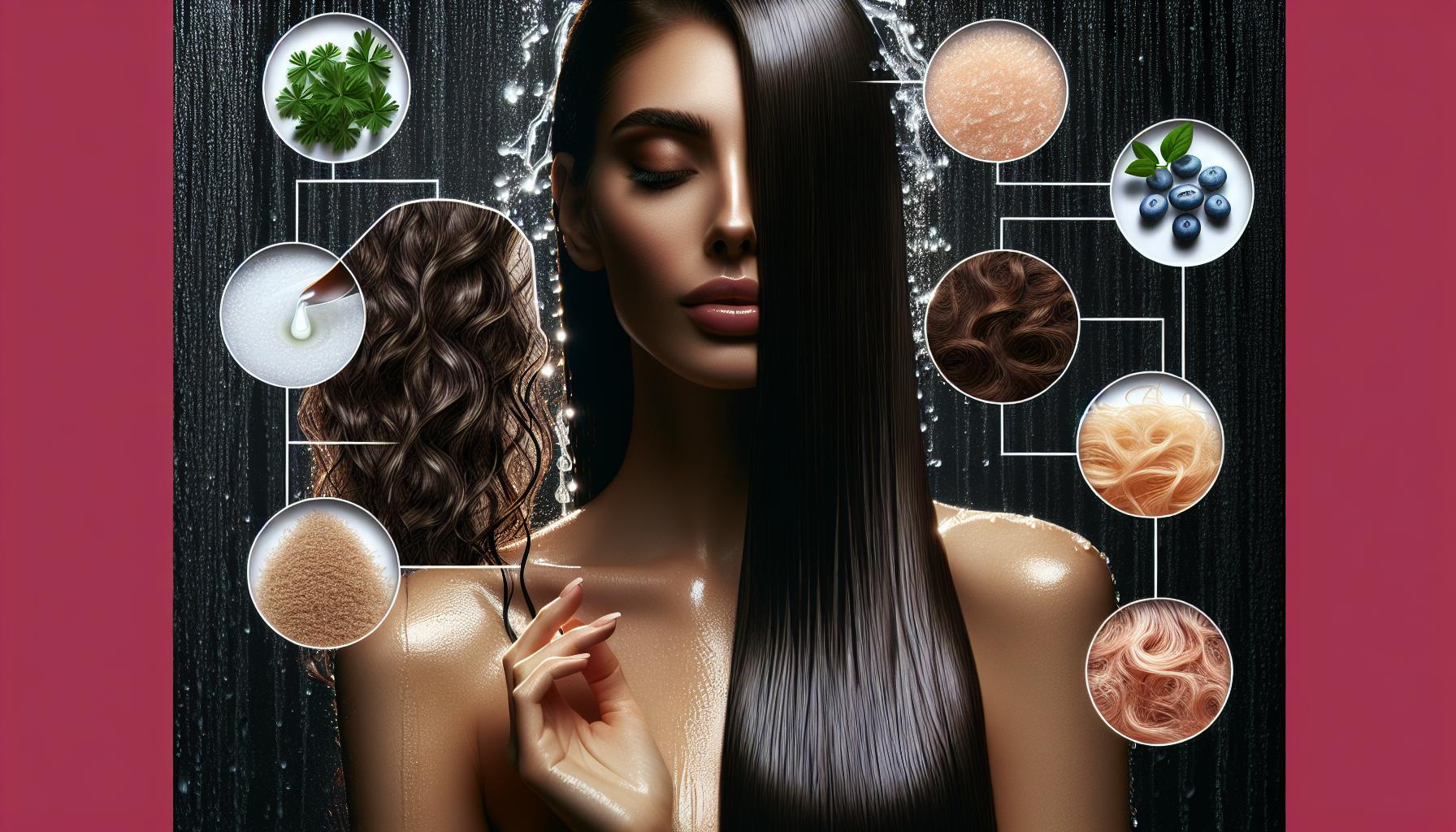
Essential Minerals in Rain Water: Nourishment for Your Strands
Rainwater, frequently enough hailed as one of the purest forms of water, is a treasure trove of essential minerals that can deliver notable benefits for hair health. Unlike tap water, which may contain harsh additives and chemicals, rainwater begins its journey as vapor, collecting minerals from the atmosphere. When it comes into contact with your hair, it does more than just rinse away impurities; it nourishes your strands with nature’s own blend of nutrients.
Vital Minerals for Hair Nourishment
rainwater contains several key minerals that play pivotal roles in maintaining healthy hair. These include:
- Calcium: Essential for strengthening hair follicles and preventing hair breakage.
- Magnesium: Helps in reducing hair loss and promotes shine by improving the overall health of the scalp.
- potassium: Known for retaining moisture,potassium helps in keeping your hair hydrated and manageable.
- Sodium: While often viewed negatively in larger quantities, a trace amount can aid in maintaining the hair’s natural oils.
By utilizing rainwater as a natural rinse, these minerals work synergistically to fortify each strand, promoting not just the appearance but also the overall vitality of hair.
Real-World Applications
Incorporating rainwater into your hair care routine can be as simple as collecting it in a clean container during a rain shower. Once collected, consider using it as a final rinse after washing your hair with your favorite shampoo. This step can enhance the absorption of the aforementioned minerals while also acting as a gentle clarifier. Additionally, blending rainwater with other natural ingredients—such as essential oils or herbal infusions—can maximize the benefits, making it a customized hair treatment.
If you worry about the potential contaminants in rainwater, it’s worth noting that using a filtration system can help ensure its purity while maintaining its beneficial properties. Ultimately, recognizing the advantages of these essential minerals in rainwater invites a holistic approach to hair care, echoing the premise that nature often provides the best remedies.
By embracing this natural alternative and integrating rainwater into your hair regimen, you can explore the profound question of “Is rainwater good for your hair?” and discover its transformative effects.
Debunking Myths: is Rain Water Really Good for Everyone?
Many people are curious about the benefits of using rainwater for hair care, but misconceptions abound regarding its safety and effectiveness. While rainwater has several advantages that can enhance hair health, it may not be universally suitable for everyone. Understanding the various elements of rainwater and its interaction with different hair types can help debunk some of these myths.
Natural Composition and Benefits
Rainwater is celebrated for its unique chemical composition, which is typically less harsh than tap water. It has lower levels of minerals compared to hard water, which characteristically contains calcium and magnesium that can lead to build-up on hair. This gentle quality makes rainwater a soothing option for many hair types. According to experts, using rainwater can definitely help maintain optimal pH balance, enhancing your hair’s shine and vitality. Moreover, its natural acidity helps combat mineral deposits that may dull your hair’s appearance [[2]](https://www.capilclinic.us/benefits-rainwater-hair/).
Considerations for Different Hair Types
While rainwater can be beneficial,its effects can differ based on individual hair types and local environmental factors. as a notable example, those with oily scalps might find rainwater effective in removing excess oil without leaving deposits [[3]](https://www.quora.com/Why-does-rain-water-make-hair-healthy).On the other hand, individuals with dry or color-treated hair may need to be cautious, as the lack of minerals can lead to a dry and brittle texture if not balanced with moisturizing products.
Environmental Impact and Safety
It’s crucial to consider the environmental conditions surrounding rainwater collection. Urban areas may expose collected rainwater to pollutants and toxins, making it less safe for use in hair care. Before incorporating rainwater into your routine, it’s critically important to ensure it has been collected in a clean manner, ideally away from chemical contaminants [[1]](https://www.youtube.com/watch?v=t3_zk5bOAzM).
By understanding these factors, individuals can make informed decisions about whether rainwater is a suitable choice for their hair care regimen. Addressing these common myths allows for greater recognition of rainwater’s potential and encourages users to tailor their hair care practices based on their specific needs and circumstances.
How to Safely Collect and Use Rain Water for Hair Care
Collecting rainwater presents an eco-friendly alternative for hair care that not only conserves resources but also leverages the natural benefits of this pure source of hydration. For those battling the effects of hard water, using rainwater can be especially beneficial as it is typically free from the harsh minerals and chemicals found in tap water.When properly collected and utilized, rainwater could help maintain healthy, vibrant hair, making it a popular choice among lasting beauty enthusiasts.
### How to Collect Rainwater Safely
To embark on your rainwater collection journey, start by ensuring you have clean materials in place. Investing in a quality rain barrel is essential. Look for barrels that are made from food-safe materials and are fitted with mesh screens to filter debris and bugs. Here are the steps to safely collect and use rainwater:
- Choose the Right Location: Position your rain barrel beneath a downspout from your roof, making sure the roof is made from safe materials (avoid roofs treated with harmful chemicals).
- Regular Cleaning: Clean your rain barrel regularly to prevent algae growth and to ensure that the collected water is free of contaminants.
- Use a First Flush Diverter: This system helps to discard the initial runoff that may contain roof debris and pollutants, ensuring cleaner water collects thereafter.
### Using Collected Rainwater for Hair Care
Before you begin using rainwater, it’s critically important to ensure that the water is safe and clean. After collection, let it sit in a sealed container to allow any remaining particles to settle. Decant the clean water into a separate, clean container for use.
When ready, use rainwater as a hair rinse or mix it into your hair care routine. For instance,after shampooing,use rainwater as a final rinse to aid in managing frizz and adding shine. The natural softness of the rainwater makes it an ideal choice for hydrating hair without stripping it of essential oils, as opposed to harsher tap water sources.
### Real-World Examples
Many enthusiasts claim that using rainwater not only revitalizes their hair but also supports their quest for more natural beauty solutions. People who have made the switch often report less buildup from products, leading to more manageable hair over time. The practice of utilizing rainwater for various beauty routines is deeply rooted in various cultures, showcasing a long history of reliance on nature’s resources.
incorporating rainwater into your hair care regimen is not merely an environmentally conscious choice—it is indeed a practical solution grounded in the benefits of nature. By ensuring clean collection and careful use, individuals can enjoy the refreshing effects of this natural rinse, aligning with the ongoing exploration of whether rainwater is indeed good for your hair as suggested by the science behind this practice.
Professional Insights: What Hair Experts Say About Rain Water Rinses
In the realm of hair care, the debate around using rainwater as a natural rinse sparks intrigue among both professionals and enthusiasts alike. Many experts agree that rainwater, particularly when collected after the initial downpour, can offer a multitude of benefits for your hair. However, insights into its efficacy depend on understanding its composition and your hair type.
Understanding Rainwater’s Composition
Rainwater is frequently enough hailed as one of the purest forms of water due to its soft quality, which means it is indeed generally free from the harsh minerals found in hard tap water. This softness can lead to less buildup on the hair and scalp, resulting in softer, shinier locks when used correctly. Experts suggest that individuals with color-treated or chemically processed hair may particularly benefit from rainwater rinses, as it can definitely help revive the hair while minimizing damage caused by other water sources.
The Science Behind the Benefits
While rainwater can be beneficial, the timing of collection plays a crucial role. The first rain after a dry spell can wash away airborne pollutants, which may not be friendly for your hair. According to professionals, it is advisable to wait for the second or third rain to capture the optimal quality of rainwater. this is when the air is highly likely to be cleaner, allowing the water to maintain its pure benefits without adverse effects from contaminants.
Practical Application Tips
Integrating rainwater into your hair care routine can be straightforward. Here are some actionable steps suggested by hair care specialists:
- Collecting Rainwater: Use clean containers to gather rainwater during a downpour, focusing on mid-storm collection for better quality.
- Rinsing Technique: Rinse your hair with rainwater after washing with your regular shampoo. this can enhance shine and softness.
- Bi-monthly Use: consider using rainwater once or twice a month as a treatment to see results without over-relying on any single method.
while rainwater is widely recognized for its potential benefits in hair care, the application should be cautious and informed. Embracing such natural remedies, as highlighted in evaluations of “Is Rain Water good for Your Hair? Science Behind This Natural Rinse,” allows for a balanced routine that complements modern hair care practices.
Real Experiences: Testimonials on the Effects of Rain water on Hair Health
People have been turning to nature’s remedies for centuries, and rainwater is increasingly gaining attention for its potential benefits for hair health. Many individuals who have incorporated rainwater into their hair care routines claim noticeable improvements in their hair’s texture, shine, and overall condition. This section delves into some personal testimonials that highlight the positive effects of using rainwater as a natural rinse.
Real User Experiences
- Sarah, a hairstylist from Vermont: “After using rainwater for my hair wash for a few months, I’ve noticed a significant reduction in frizz. The natural minerals in rainwater seem to define my curls without the need for additional products. It feels lighter and looks more vibrant!”
- Mark, a nature enthusiast: “I started collecting rainwater to wash my hair after learning about its softening properties. My scalp feels healthier, and there’s this natural shine that my hair didn’t have before. It feels great to use something so eco-friendly!”
- Elena, an eco-conscious consumer: “I was skeptical at first, but after a few washes with rainwater, my hair is less oily and more manageable. I love that I can avoid harsh chemicals by using a completely natural rinse. Plus, it smells fresh after a rain!”
These stories resonate with numerous individuals who appreciate the pureness of rainwater, particularly in contrast to conventional tap water, often laden with chlorine and other chemicals that can harm hair structure. According to one source, rainwater is generally purer and lacks the contaminants that typically damage hair, leading to healthier and more manageable locks [[3]](https://www.quora.com/Why-does-rain-water-make-hair-healthy).
The effectiveness of rainwater also seems to stem from its slightly acidic pH, which harmonizes with the natural environment of hair. This was highlighted on a Reddit discussion thread where users expressed that hair thrives in mildly acidic conditions, suggesting that rebuffing the urge to use conventional products in favor of rainwater could yield excellent results [[1]](https://www.reddit.com/r/HaircareScience/comments/18wypxu/is_rainwater_bad_for_your_hair/).
these personal testimonials assert that people have found success in enhancing their hair’s health through the simple act of harnessing rainwater. For those curious about the benefits of this natural rinse, exploring rainwater as a part of their hair care regimen could offer a refreshing alternative.
Tips for Incorporating Rain Water into Your Hair Care Routine
incorporating rainwater into your hair care routine can be a refreshing and beneficial choice for nurturing your locks. With its slightly acidic pH—around 5.6—rainwater helps to maintain optimal scalp health and can enhance the overall appearance of your hair by making it shinier and smoother, much like a vinegar rinse does [[1](https://littleextralove.com/blog/hair-care/rainwater-for-hair-health?srsltid=AfmBOorZJRCw_1aCeF4RHbr97Mnc0HavLRWaJ2CSLUOWPEly0YAQXFpj)][[2](https://www.longhaircommunity.com/forums/showthread.php?p=1635835)]. Here’s how you can make the most of this natural resource in your hair care regimen.
Collecting Rainwater
To use rainwater effectively, start by ensuring you collect it from a clean source. Utilize a rain barrel or a clean container placed in an area free from debris, pollutants, or contaminants. Consider filtering the water through a cloth or a filtered system before using it on your hair to ensure purity. This simple step can definitely help you harness the benefits while minimizing any potential drawbacks.
DIY Rainwater Rinse
Using rainwater as a rinse is straightforward. Here are the steps to follow for a rejuvenating hair treatment:
- Wash your hair: Start with your usual shampoo to cleanse your hair.
- Condition: apply your favorite conditioner and rinse it out.
- Final rinse: Use collected rainwater as a final rinse after conditioning. The mild acidity will help to close the hair cuticles, resulting in smoother, shinier hair.
This method not only promotes shine but can also improve the manageability of your hair [[3](https://www.reddit.com/r/HaircareScience/comments/18wypxu/is_rainwater_bad_for_your_hair/)].
Mixing Rainwater with Other Natural Ingredients
For an enhanced treatment,consider combining rainwater with other hair-friendly ingredients.Here are a few ideas:
| Ingredient | Benefit |
|---|---|
| Apple Cider Vinegar | Boosts shine and helps with dandruff. |
| Essential Oils (like lavender or rosemary) | Promotes scalp health and adds fragrance. |
| Aloe Vera Gel | Moisturizes and helps soothe an irritated scalp. |
Mix these ingredients with rainwater to create a natural hair mask or rinse. This not only enhances the treatment but also allows you to customize it to your specific hair type and needs.
By integrating rainwater into your hair routine, you’re taking a step toward more sustainable and effective hair care. with its natural ability to balance pH and add moisture, rainwater could just become your new favorite rinse in your quest for healthier hair.
Frequently asked questions
Is Rain Water Good for Your Hair?
Yes, rainwater can be beneficial for your hair due to its natural softness and lack of chemicals. Unlike treated tap water, it is typically free from additives like chlorine, which can be harsh on hair.
Rainwater is naturally soft and can help enhance the shine and softness of your hair. Many people notice that using rainwater for rinsing improves their hair’s texture and reduces frizz, making it a great natural option for hair care.
How to Use Rain Water for Hair Care?
To use rainwater for hair care, first, collect clean rainwater and store it in a sterile container. Then, use it to rinse your hair after shampooing for best results.
Simply replace your regular rinse with rainwater a few times a month. This can help to remove buildup from hair products and provide moisture.However, ensure the rainwater is collected away from pollutants or debris for safe use.
Why does Rain Water Make Hair Softer?
Rainwater makes hair softer because it is naturally free from harsh minerals and chemicals found in tap water.
The absence of chlorine and hard minerals present in municipal water helps in maintaining the hair’s natural moisture balance. Consequently, hair feels smoother and looks shinier after using rainwater compared to treated water.
Can I Replace Shampoo with Rain Water?
While you cannot completely replace shampoo with rainwater, you can use it as a final rinse after washing your hair.
Using rainwater to rinse hair helps to remove soap residue and adds softness. Be sure to continue using a gentle shampoo to maintain cleanliness, but consider integrating rainwater into your hair care routine for enhanced results.
What Are the Risks of Using Rain Water on Hair?
The main risks of using rainwater include possible contaminants if not collected properly, but it is indeed generally safe if sourced correctly.
To minimize risks, collect rainwater in clean containers and avoid areas where pollution is high. always ensure it’s filtered or treated before usage to safeguard against dirt or bacteria that could irritate the scalp.
Can Rain Water Help with Dandruff?
Yes, rainwater may help with dandruff as it is indeed soft and less irritating than chlorinated water.
Using rainwater can soothe the scalp and reduce the occurrence of dandruff. Soft water reduces build-up that can irritate the scalp, potentially lessening dandruff symptoms over time.
what is the Science Behind Rain Water and Hair?
The science behind rainwater’s benefits lies in its natural composition, which is typically free of additives.
Rainwater is often closer to the ideal pH for hair, allowing it to retain moisture better than chemically treated tap water. Studies have shown that this natural softness makes it a desirable alternative for various hair types.
How Does Rain Water Compare to Tap Water?
Rainwater generally contains fewer chemicals, making it gentler on hair than tap water.
Treatments like chlorination and fluoridation in tap water can lead to buildup and dryness in hair. In contrast,rainwater’s natural properties promote healthier hair with improved shine and texture.
To Conclude
utilizing rainwater for hair care can yield remarkable benefits, thanks to its unique properties. Its lack of harsh chemicals and minerals, particularly when compared to treated tap water, can enhance hair’s natural shine and overall health[2[2]. The way rainwater interacts with hair can also re-establish vital hydrogen bonds in your hair proteins, contributing to its resilience[1[1].Though, it’s essential to consider how external factors like humidity can affect your hair after being exposed to rain, potentially leading to frizz or dandruff