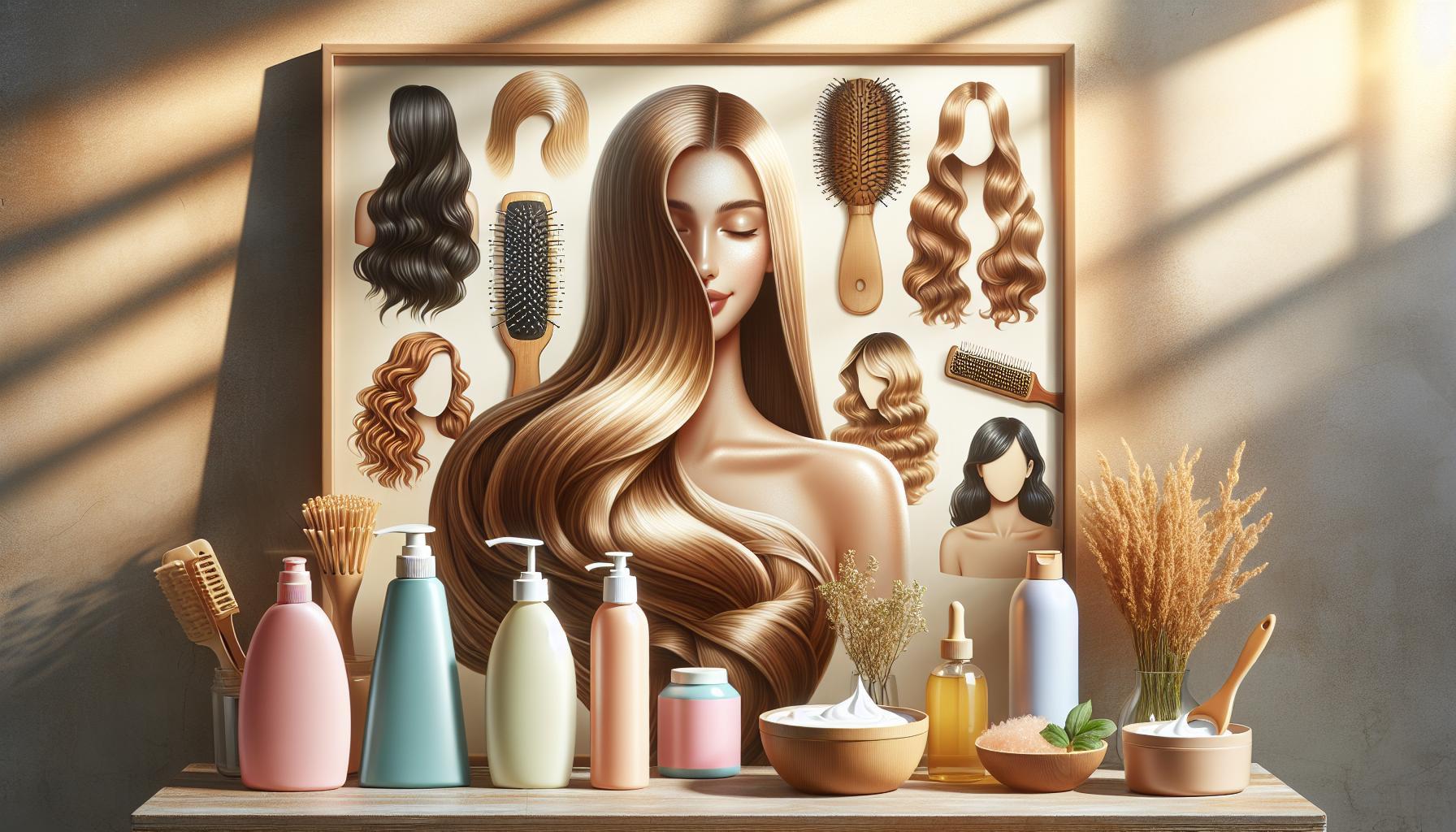
Are split ends sabotaging your hair goals? Many people grapple with the dilemma of whether to trim these pesky ends at home.Understanding how to safely manage split ends can save you time and money while promoting healthier hair. In this guide, discover tips and techniques for effective DIY hair trimming.
Contents
- Understanding Split Ends: What They Are and Why They Happen
- The Pros and Cons of Trimming Your Own Hair
- Tools of the Trade: What You’ll Need for DIY Haircuts
- Step-by-Step guide: How to Safely Trim Your Split ends
- Tips for Maintaining Healthy Hair Between Trims
- Professional Insights: When to Seek Help from a Stylist
- The role of Hair Care Products in Preventing Damage
- Listening to Your Hair: signs It’s Time for a Trim
- Q&A
- Should you trim your own split ends?
- What tools do I need to trim my split ends?
- How can I identify split ends before trimming?
- Can I effectively trim my split ends without professional help?
- Why does hair develop split ends?
- How often should I trim my split ends?
- What techniques are best for trimming split ends?
- The Conclusion
Understanding Split Ends: What They Are and Why They Happen

Understanding split ends is crucial for anyone who aspires to maintain healthy and vibrant hair. These pesky issues,known scientifically as trichoptilosis,occur when the protective outer layer of the hair cuticle wears away due to various factors,leading to the splitting of the hair shaft. Split ends are not just a cosmetic annoyance; they are a clear sign of damaged hair that can result from physical, chemical, or environmental stressors.
What Causes Split Ends?
There are several reasons why split ends develop, including:
- Heat Damage: Frequent use of hair dryers, curling irons, and straighteners can considerably weaken hair structure.
- Lack of Moisture: Dry hair is more susceptible to splitting. Environmental factors like sunlight and dry air can contribute to hair dryness.
- Chemical Treatments: Coloring, perming, or relaxing hair can strip essential proteins and moisture, leading to weakened strands.
- Physical Manipulation: Aggressive brushing, especially when hair is wet, can lead to breakage and split ends.
Each of these factors contributes to a common hair dilemma faced by many. If you’ve ever wondered, “Should you trim your own split ends? DIY Guide to Healthier Hair,” understanding the root causes will guide you in preventative care and maintenance strategies.
Recognizing the Signs
Split ends manifest primarily at the tips of hair strands, where the shaft begins to fray or split into two or more parts. Identifying split ends early can be beneficial in mitigating damage before it progresses further up the hair shaft. Hair may also start to feel rough or appear dull, indicating a lack of health and hydration.
If you’re considering a DIY approach to hair care, here are a few actionable tips:
- Inspect your hair regularly for split ends, especially after heat styling or chemical treatments.
- Schedule regular trims—every six to eight weeks—to maintain your hair’s health.
- Incorporate hydrating products such as leave-in conditioners and hair oils to combat dryness.
Understanding split ends and their causes not only empowers you to take control of your hair care routine but also informs your decision-making when it comes to trimming and maintaining a healthy mane.
The Pros and Cons of Trimming Your Own Hair

When considering whether to take the hairstyling process into your own hands, its essential to weigh the benefits and drawbacks carefully. Many individuals feel empowered by the idea of saving money on salon visits while also enjoying the convenience of trimming their own hair at home. Though, this method is not without its challenges and potential pitfalls. Understanding both sides can help you make an informed decision about whether to engage in this DIY endeavor as outlined in ‘Should You trim Your Own Split Ends? DIY Guide to Healthier Hair.’
Benefits of DIY Hair trimming
Trimming your own hair can be a rewarding experience that comes with several advantages:
- Cost Savings: Regular salon visits can quickly add up. By learning to trim your own hair, you can save money for other beauty treatments or personal needs.
- Convenience: There’s no need to schedule appointments or commute to a salon. You can trim your hair whenever it suits you, making it a flexible option.
- Personalized Style: You have complete control over your hair’s appearance, allowing you to tailor the trim to your specific preferences and needs.
- creative Outlet: For many, hair cutting can be a fun and artistic way to express themselves, giving a sense of accomplishment with each trim.
Drawbacks to Consider
Despite the appealing aspects of trimming your own hair, there are also several potential downsides to keeping in mind:
- Skill and Experience: Not everyone has the talent to cut hair properly.An uneven trim can lead to more significant problems that eventually require professional intervention.
- Limited Tools: Many home users may lack professional-grade scissors or the right tools that stylists use, which can negatively impact the quality of the trim.
- Potential for Damage: If not done correctly, DIY trims can damage hair, especially if you are cutting split ends incorrectly or using the wrong technique.
- Less Guidance: While many online tutorials are available, nothing beats the hands-on advice you receive from a trained professional who can consider your specific hair type and texture.
while trimming your own hair can lead to significant savings and convenience, it also requires a certain level of skill and knowlege to avoid mistakes. Before diving into the tips provided in the ‘Should You Trim Your Own Split Ends? DIY Guide to Healthier Hair’, consider where you stand concerning experience and comfort with hair cutting. If you choose to proceed, arm yourself with the right information and techniques to ensure a successful haircut.
Tools of the Trade: What You’ll Need for DIY Haircuts
When contemplating the idea of trimming your own hair, especially if you’re considering ways to tackle split ends, having the right tools is essential for achieving professional-looking results. Just like a chef relies on high-quality knives, you need specific instruments in your arsenal to create a DIY haircut that looks polished rather than haphazard. Here’s a breakdown of the must-have tools that can enhance your DIY hair-cutting experience, notably when it comes to managing split ends.
Essential Tools for DIY Haircuts
To execute a successful trim, particularly for split ends, you will want to gather the following tools:
- Quality Hair Cutting Scissors: Invest in a pair of sharp, professional-grade hair cutting scissors. Dull scissors can cause further damage to your hair, making your split ends worse.
- Thinning Shears: These are great for blending and reducing bulkiness in your hair. They allow for a more textured finish.
- Fine-Tooth Comb: A must for detangling your hair and ensuring it is indeed properly sectioned for an even cut.
- Hair Clips: Helpful for sectioning off your hair, making it easier to focus on one area at a time.
- Mirror: A hand-held or wall-mounted mirror can provide the best view of your work as you trim.
- Spray Bottle with Water: Keeping your hair slightly damp can make it more manageable and reduce frizz during cutting.
Optional Yet Helpful Tools
While the essential tools will get you started, there are additional supplies that can enhance your experience:
- Hair Cutting Cape: This helps keep hair away from your clothes and reduces cleanup afterward.
- Ruler or Measuring Tape: If you’re aiming for precision, measuring tape can ensure you achieve uniform lengths.
- Quality Hair Oil or Serum: For a final touch, applying a nourishing product can reduce the appearance of split ends and give your hair a healthy glow.
Table of Recommended Tools
| tool | Purpose | Tip |
|---|---|---|
| Hair Cutting Scissors | Precision cutting | Keep them sharp for clean cuts. |
| Thinning Shears | Blending hair for a natural finish | Use sparingly to avoid over-thinning. |
| fine-Tooth Comb | Detangling and sectioning | Always work with clean hair for best results. |
| Hair Clips | Sectioning hair | Use multiple clips for long hair. |
| Mirror | Viewing your haircut | A second mirror can definitely help you check the back. |
With the right tools at your fingertips, you’re well on your way to successfully managing your split ends and enhancing the overall health of your hair. Being equipped not only boosts your confidence but also increases the chances of achieving the gorgeous, healthy look you desire—all from the comfort of your own home.
Step-by-Step guide: How to Safely Trim Your Split ends

to maintain healthy, vibrant hair, many people find themselves facing the question: how can I manage my split ends without visiting a salon? Trimming your own split ends can seem daunting, but with the right approach and tools, it can be an easy and satisfactory DIY task.Here’s a clear and actionable guide to help you safely tackle those pesky ends at home, ensuring your hair remains both healthy and stylish.
gather Your Tools
Before you begin, make sure you have the following tools on hand, as using the right equipment is crucial for a clean and effective trim:
- Sharp hair scissors: Invest in professional-grade hair scissors for a clean cut. Dull scissors can further damage your hair.
- Wide-tooth comb: This will help detangle hair without causing breakage.
- Mirror: A well-lit area with a mirror allows you to see the details of your hair clearly.
- Hair clips: These will be useful for sectioning your hair to ensure you don’t miss any splits.
- Magnifying glass (optional): this can help you spot split ends more easily.
Prepare Your Hair
Prior to trimming, your hair should be clean and dry. This allows for more accurate cuts. Follow these steps to prepare your locks:
- Wash your hair with a gentle shampoo and conditioner.
- gently towel-dry your hair and allow it to air dry completely.
- Once dry, use the wide-tooth comb to remove any tangles, working from the ends to the roots gently.
Trim your Split Ends
Now that you’ve set up your workspace and prepared your hair, you’re ready to start trimming. Follow these steps for effective DIY split end management:
- Section your hair: Divide your hair into manageable sections,using hair clips to keep them separate. Generally, 4-6 sections work well.
- Inspect each section: Hold a section of hair taut and examine it closely for split ends. You’ll want to hold the hair toward the end to see the tips clearly.
- Cut just the splits: Use your sharp scissors to snip off any split ends. Cut only the damaged part, aiming for about 1/4 to 1/2 inch above the split for the best results—don’t rush!
- Check and repeat: Move through each section until you’ve inspected all of your hair.If you’re feeling unsure,cut less rather than more.You can always go back for another trim later.
Post-Trimming Care
After you’ve finished trimming, it’s vital to follow up with some post-trim care to maximize the benefits of your work.
- Apply a nourishing hair oil or serum to hydrate your ends and help prevent future splits.
- Consider a deep conditioning treatment once a week to restore moisture to your hair.
- Regularly monitor your hair for any new split ends and decide when the next trim will be, generally every 6-8 weeks.
Trimming your split ends at home can be a satisfying part of your hair care routine, allowing you to maintain a healthier mane—without the expense of regular salon visits. With practice and patience, you’ll become more adept at this skill, helping you ensure your strands stay gorgeous and ready to shine!
Tips for Maintaining Healthy Hair Between Trims
Maintaining luscious locks between your salon visits is essential not only for aesthetics but also for the overall health of your hair. With the right care regimen, you can keep your strands vibrant and resilient, reducing the likelihood of split ends before it’s time for a trim. Here are some actionable tips to help you preserve your hair’s health and minimize damage.
Hydration is Key
One of the primary reasons for dull and damaged hair is inadequate moisture. Using a high-quality conditioner after every wash is crucial, but consider adding a few extra steps to your routine:
- Deep Conditioning Treatments: Integrate deep conditioning masks or treatments into your weekly regimen to provide your hair with intense moisture. Look for products containing natural oils, such as argan or coconut oil.
- Leave-In Conditioner: A leave-in conditioner can definitely help maintain moisture throughout the day while also adding a layer of protection against environmental stressors.
- Hydration from Within: Don’t forget to drink plenty of water and include hydrating foods, like fruits and vegetables, in your diet for overall hair health.
Limit Heat Exposure
Excessive use of heat-styling tools can lead to significant damage. To protect your hair between trims, consider these strategies:
- Air Drying: Whenever possible, allow your hair to air dry. If you must use a blow dryer, opt for a cooler setting and keep the dryer moving to avoid concentrating heat on one area.
- Heat Protectant: Always apply a heat protectant spray or serum before using tools like flat irons or curling wands to shield your hair from thermal damage.
- Style with Care: Try styles that require less manipulation, like braids or buns, to reduce breakage. If you’re styling your hair frequently, consider the protective benefits of hairstyles that tuck away the ends.
Nourish from the Inside Out
Your diet plays a significant role in the health of your hair. Incorporating a variety of nutrients can strengthen your strands and keep them looking their best. Focus on:
- protein: Hair is primarily made of protein, so ensuring you consume adequate amounts is vital. Consider chicken, fish, eggs, legumes, and nuts.
- Vitamins: Vitamins such as B vitamins, vitamin D, and vitamin E promote hair health and can reduce breakage. Foods like leafy greens, nuts, seeds, and dairy are excellent sources.
- omega-3 Fatty Acids: Include foods rich in omega-3s, such as salmon and flaxseeds, to support a healthy scalp and hair growth.
by giving your hair the TLC it deserves through proper hydration, heat management, and a nutrient-rich diet, you can prolong the time between necessary trims while keeping your strands healthy and beautiful.Implement these practices into your routine, and you may find that your hair not only withstands the test of time but flourishes in condition, making the query “Should You Trim Your Own split Ends? DIY Guide to Healthier Hair” increasingly less relevant.
Professional Insights: When to Seek Help from a Stylist
While the thought of trimming your split ends might seem straightforward, there are times when DIY methods simply won’t cut it—literally. For many, hair care is not just about aesthetics; it’s also a form of self-expression and personal care. Understanding when to reach out to a professional stylist can save you time, effort, and, possibly, a lot of hair.
Recognizing the Signs
before deciding on a home trim, it’s essential to evaluate the condition of your hair. Here are a few indicators that you might be better off consulting with a stylist:
- Severe Damage: If your hair is excessively dry, frizzy, or has noticeable breakage beyond the ends, a stylist is equipped to assess and recommend treatments that can restore health.
- Styling Challenges: If you struggle to style your hair due to uneven lengths or specific needs (like layering), a professional can provide tailored cuts that suit your face shape and lifestyle.
- Confusion Over Techniques: If you feel unsure about how to properly use scissors or struggle with achieving a straight cut, it might be time to let a stylist take the reins.
- Specialized Treatments: Conditions like chemical damage from coloring or styling may require specialized products and techniques only a professional can provide.
What to Expect from a Stylist
When you decide to seek help, you’re not just getting a simple cut; you’re receiving an experience designed to enhance your overall hair health. A professional stylist can provide:
| Service | Description |
|---|---|
| Evaluation | A comprehensive assessment of your hair type and its specific needs. |
| Customized Trims | Tailored cuts that address your split ends while considering overall shape and thickness. |
| Product Recommendations | Advice on the best products and treatments to maintain hair health post-appointment. |
| Styling techniques | Professional styling tips and techniques to help manage and showcase your hair between visits. |
Choosing when to turn to a stylist can sometimes seem daunting, especially if you enjoy the hands-on approach of a DIY guide for healthier hair. However, recognizing when your hair needs professional care can lead to significant improvements, enhancing not only your hair’s appearance but also your confidence and self-care routine.
The role of Hair Care Products in Preventing Damage
the quest for healthy, vibrant hair frequently enough hinges on a well-rounded hair care routine, particularly in the context of preventing damage. While the occasional split end may seem insignificant, neglecting your hair’s health can lead to more severe issues that compromise its integrity.A good hair care product can be a game changer, offering protection and nourishment that is essential in maintaining optimal hair condition. With the right products, you can significantly reduce the risk of damage and promote overall hair vitality.
Key Benefits of Hair Care Products
Using the right hair care products treats existing damage and acts as a shield against future harm. Quality shampoos and conditioners loaded with nourishing ingredients can replenish moisture, helping to retain your hair’s elasticity. As a notable example, products with keratin, oils, and vitamins nourish the hair and fill in gaps caused by wear and tear. Protectants, such as leave-in conditioners and serums, can also create a barrier against heat styling and environmental stressors.
- Moisture Retention: Hydrating formulations combat dryness and brittleness.
- split End Repair: Some products specifically formulated for split ends help mend and prevent further splitting.
- Heat Protection: Leave-in conditioners and heat protectants shield hair strands during styling.
- Strengthening Ingredients: Look for products containing proteins and oils that reinforce hair structure.
Choosing the Right Products
Investing in clean hair care brands can also boost your hair’s recovery journey. It’s essential to select shampoos and conditioners free from harsh chemicals that may exacerbate hair issues. according to a recent article, clean brands offer gentler alternatives that nourish hair without the toxic load. For those embarking on a DIY hair health journey—like trimming your own split ends as suggested in the “Should You Trim Your Own Split Ends? DIY Guide to Healthier Hair”—the integration of restorative products is vital. Using these effectively can provide lasting benefits, allowing you to maintain healthier hair between trims.
| Product Type | Key Ingredients | Benefits |
|---|---|---|
| Moisturizing Shampoo | Coconut Oil, Aloe Vera | Hydrates and detangles hair |
| Leave-In Conditioner | Keratin, Argan Oil | strengthens and protects from heat damage |
| split End serum | Vitamin E, Jojoba Oil | Repairs and prevents further splitting |
the role of hair care products extends far beyond mere aesthetics; they are vital for maintaining hair health and preventing damage. By carefully selecting and using effective products, you can support your hair’s resilience and ensure it’s always ready for any styling challenge, echoing the principles outlined in the “Should You Trim Your Own Split Ends? DIY Guide to Healthier Hair.”
Listening to Your Hair: signs It’s Time for a Trim
Recognizing when your hair needs a trim can sometimes feel like a guessing game,but with a little attentiveness,your locks will tell you exactly what they need. Many hair care enthusiasts swear by the old saying, “a haircut can change everything,” and it’s true—regular trims not only revitalize your style but significantly enhance the health of your hair. If you find yourself frequently pondering whether to tackle those split ends at home, being aware of the critical signs that indicate it’s time for a trim can help guide your decision.
Signs Your Hair is Asking for a Trim
Paying close attention to the condition of your hair can unveil important clues. Here are some tell-tale signs that suggest your strands are pleading for some TLC:
- Split Ends: One of the clearest indicators that your hair is in need of a trim is the presence of split ends. If you notice frayed or split strands, it’s a signal that they are breaking and splitting further up the shaft.
- Lack of Shine: Healthy hair usually has a natural sheen. If your hair appears dull and lifeless, this may indicate damage or dryness—both of which can be improved with a trim.
- Tangles and Knots: If you find your hair tangling more than usual, it might be due to damaged ends. Trimming away those damaged areas can reduce friction and make detangling easier.
- Unruly Growth: As hair grows, it can start to behave unpredictably. If the ends are looking wispy or uneven, a trim can help create a more refined shape and style.
Assessing Your Hair Condition
To assist you further, consider maintaining a regular hair health journal, in which you can log observations about your hair’s state over time. Along with tailored routines based on the findings, this approach can provide clarity on when to execute those necessary trims.
| Hair Condition | Recommended Action |
|---|---|
| Dry and Frizzy | Opt for a moisture-rich trim to remove damaged sections. |
| Flat and Lifeless | Consider a trim to remove dead weight and add volume. |
| Tangled Ends | Trim regularly to keep ends healthy and manageable. |
| uneven Lengths | Give your hair a clean, even cut for a more polished look. |
With these insights, you can confidently decide if it’s time to take the scissors into your own hands. Understanding your hair’s needs is crucial in practicing good hair upkeep, allowing you to achieve the smooth, vibrant locks you desire while following the DIY guide for healthier hair.
Q&A
Should you trim your own split ends?
Yes, trimming your own split ends is possible and can be done effectively at home. Regularly trimming split ends helps maintain healthier hair and prevents further damage.With the right tools and technique, you can keep your hair looking its best without a professional visit.
While it’s beneficial to trim your own hair, having a basic understanding of hair structure and the right tools is important. You may consider watching tutorials for guidance. This DIY guide aims to equip you with essential tips for achieving cleaner cuts and managing your hair effectively.
What tools do I need to trim my split ends?
To trim your own split ends, you will need sharp hair scissors, a comb, and a mirror. high-quality, sharp scissors are crucial for making precise cuts, while a comb helps in separating hair sections effectively.
Using the right tools not only reduces the risk of additional damage but also makes the process smoother and easier. For a thorough understanding of maintaining hair health, check out our comprehensive article on hair care tips.
How can I identify split ends before trimming?
Split ends are recognizable by their frayed appearance at the hair tips, frequently enough resembling a forked end. They can also contribute to hair looking dull and unhealthy. Inspect your hair in good lighting to better see these splits.
Additionally,gently running your fingers down the hair strands can help you feel any irregularities.Regularly checking your hair for damage promotes long-term health and beauty, allowing you to manage your hair care proactively.
Can I effectively trim my split ends without professional help?
Yes, you can effectively trim your split ends at home with proper technique and patience. Many people successfully maintain their hair by performing trims themselves, especially if they have learned the correct methods.
Consider starting with smaller trims, focusing on a few inches at a time. This way, you can preserve your hair length while removing damaged ends. As you get more agreeable, you can gradually become more confident in your trimming abilities.
Why does hair develop split ends?
Hair develops split ends due to several factors,including lack of moisture,excessive heat styling,and chemical processing. Each of these factors contributes to hair damage and the eventual splitting of the hair shaft.
maintaining hydration through proper conditioning and protecting your hair from heat damage can significantly reduce the occurrence of split ends. Understanding these causes equips you to adopt better hair care habits and prevent reoccurrence after your trims.
How often should I trim my split ends?
It’s generally recommended to trim your split ends every 6 to 8 weeks. Regular maintenance helps prevent splits from progressing further up the hair shaft and preserves overall hair health.
Though, the exact frequency can vary depending on your hair type and damage levels. If you frequently use heat styling tools, you may need to trim more frequently enough. Staying attentive to your hair’s condition will help you create a personalized schedule that works best for you.
What techniques are best for trimming split ends?
Straight-across cuts and the “twist and cut” technique are effective methods for trimming split ends. Each technique focuses on minimizing damage while helping achieve a more natural look.
For a straight-across cut, simply take a section of hair, comb it straight, and trim the ends evenly. The “twist and cut” technique involves twisting a section of hair and snipping the split ends without compromising the overall length. These methods can ensure cleaner ends and promote overall hair health.
The Conclusion
trimming your own split ends can be a rewarding and empowering choice, especially when you understand the techniques and tools involved. By mastering the art of DIY hair care, you not only save money but also gain control over the health of your hair. Remember to approach the process with patience, using the tips outlined in this guide as your foundation.
As you embark on your hair journey, keep in mind the importance of regular maintenance and nurturing your locks with appropriate products. Embrace the science behind hair growth, the significance of hydration, and the benefits of a well-rounded hair care routine.
If you’re still feeling unsure or want to dive deeper into specific methods, products, or hair health advice, don’t hesitate to explore further. Engaging with a community or seeking professional insight can enhance your understanding and confidence. Your hair is a reflection of your unique self—so whether you choose to trim your ends or leave it to a professional, remember that the key is to prioritize its health and beauty. Happy hair days ahead!