


Searching for the perfect way to frame your face? A fringe haircut offers an array of possibilities, enhancing your features while adding style and personality to your look. Understanding the different fringe styles not only helps you choose the best option but also empowers you to express your unique identity through your hair.
Contents
- Understanding Fringe Haircuts: What Sets Them Apart?
- Choosing the Right Fringe for Your Face Shape
- The Impact of Fringe on Different Hair Textures
- Styling Tips: How to Enhance Your Fringe Look
- Maintenance Essentials: Keeping Your Fringe Fresh
- Common mistakes to Avoid with Fringe Haircuts
- Embracing Change: Transitioning to a Fringe Style
- Expert Advice: Consulting with Your Stylist on Fringes
- Frequently Asked Questions
- In Conclusion
Understanding Fringe Haircuts: What Sets Them Apart?
Fringe haircuts have gained notable popularity due to their ability to transform a hairstyle and accentuate facial features. From subtle side-swept bangs to bold blunt fringes, these cuts offer a versatile way to frame the face and can be tailored to suit various hair types and lengths. Unlike standard haircuts that focus primarily on length and layers, fringe styles prioritize the front sections of the hair to create a focal point that can enhance one’s unique characteristics.
Types of Fringe Haircuts
Fringe haircuts can be categorized based on their shape, length, and style preferences. Here’s a detailed overview of the key types that stand out:
- Blunt fringe: This style features straight-across bangs, frequently enough adding a dramatic flair and making it perfect for bold personalities.
- Side-Swept Bangs: Offering a softer look, these are typically longer on one side and can be styled to frame the face gently.
- Textured Fringe: Ideal for adding volume and movement, textured bangs are often choppy or layered for a more youthful appearance.
- Curly Fringe: Best suited for those with natural texture, curly fringes can add playfulness and dimension to curly hairstyles.
Choosing the right fringe haircut largely depends on face shape, hair texture, and personal style. As a notable example, a blunt fringe can beautifully complement oval faces, while side-swept bangs work well with rounder face shapes by elongating the appearance of the face. Understanding these dynamics is crucial when considering what sets fringe haircuts apart from other styles.
Maintenance and styling tips
Maintaining fringe haircuts often requires regular trims to keep the bangs at the desired length and shape. A good rule of thumb is to visit your stylist every 4-6 weeks. Additionally, using styling tools such as flat irons or curling wands can help achieve the desired texture and finish.products like lightweight mousses or hairsprays can also be favorable in keeping the fringe in place without weighing it down.
fringe haircuts are unique and versatile, making them an excellent choice for individuals seeking a fresh look. They not only highlight one’s facial features but also provide a canvas for various styling options. By understanding the different types of fringes and employing proper maintenance techniques, anyone can find their perfect face-framing style that reflects their personality and complements their appearance.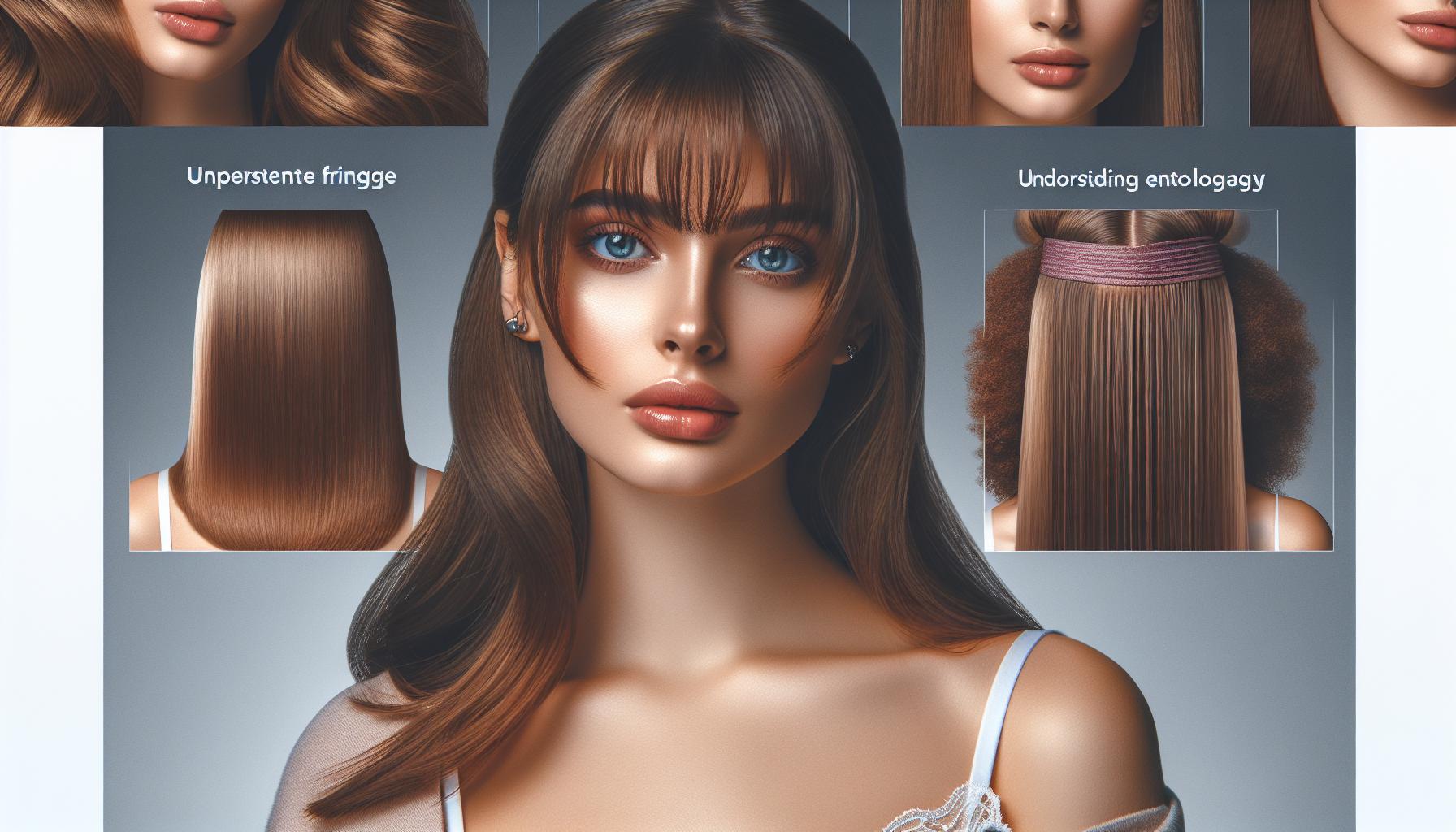
Choosing the Right Fringe for Your Face Shape
When considering a fringe haircut, one of the most impactful aspects to think about is how the fringe complements your face shape. The right fringe can not only enhance your overall appearance but also highlight your best features. For various face shapes, specific styles of bangs can either soften angles, elongate a round face, or add balance to a longer profile. With the right knowledge, you can choose a fringe that feels uniquely tailored to you.
Fringes for Round Faces
For those with a round face, the right fringe can be transformative. Bangs that are longer and side-swept can help elongate the appearance of the face, providing a flattering look that breaks up the symmetry of round features. opting for heavier or curtain bangs can create angles and add depth, enhancing your facial structure. As noted by stylist Joel Goncalves,“fringe can reshape a round face” by drawing attention upward and away from the roundness [[1]](https://www.vogue.com/article/the-best-bangs-for-round-faces).
Fringes for Square Faces
Square-faced individuals benefit from softer, wispier bangs that create a balance against strong jawlines. Feathered or textured bangs are especially effective, as they soften sharp edges and bring a touch of femininity to square features. The goal is to introduce movement and roundness through the hairstyle, helping to soften the overall look while maintaining style.
Fringes for Oval Faces
Those with an oval face shape are incredibly versatile when it comes to fringe styles. Almost any style works well, from blunt bangs to playful wisps. Though, it’s best to opt for bangs that frame the eyes and highlight your natural facial symmetry. Longer fringe styles that can be parted or worn to the side are particularly appealing, allowing for a dynamic look that can change with styling.
Fringes for Heart-shaped Faces
Heart-shaped faces are beautifully complemented by bangs that are softer and fuller at the edges.Curtain bangs, which hang longer on the sides, work wonders in balancing wider foreheads and creating a more harmonious silhouette. These types of bangs not only frame the face gently but also draw attention to the cheeks and eyes, enhancing your best features.
Incorporating these principles of face shape into your choice of fringe can dramatically change your appearance, ensuring that you look and feel your best. When planning your next haircut,consider experimenting with different fringe styles based on these suggestions to discover the perfect look that resonates with you.
The Impact of Fringe on Different Hair Textures
Fringe hairstyles have a powerful ability to transform a person’s look, enhancing their facial features and adding a unique touch to various hair textures. Understanding how fringe interacts with different hair types can definitely help you make an informed choice tailored to your individual style. The way fringe frames the face and complements the texture of the hair can significantly impact the overall appearance, providing dynamic options for those looking to refresh their style.
Textured Fringe on Straight Hair
On straight hair, a fringe can introduce layers and movement that might otherwise seem lacking. A blunt fringe can create a bold contrast with the sleekness of straight strands, drawing attention to the eyes and cheekbones. Alternatively, a soft, wispy fringe adds a touch of femininity while maintaining a modern edge. This combination ensures that even the straightest hair can look vibrant and full of life.
Textured Fringe for Wavy Hair
Wavy hair presents a nature-driven canvas where a textured fringe can accentuate the inherent volume and bounce. Loose, beachy waves paired with a choppy fringe can evoke a carefree vibe, ideal for casual settings. Additionally, layers can be incorporated into the fringe itself, enhancing the dimension and allowing for versatile styling options—whether it’s a tousled look or sleek and polished.
Fringe and Curly Hair
Curly hair may benefit from a textured fringe that emphasizes the curls’ natural shape. A well-placed fringe helps to frame the face while controlling volume, creating a balance between the wildness of curls and the precision of the fringe line. Opting for a longer fringe can allow curls to cascade elegantly, softening the overall silhouette. It’s a perfect example of how fringe can work harmoniously within a hairstyle, adding definition without restricting the natural movement of curls.
The relationship between fringe and hair texture is crucial for achieving the desired look. By incorporating a fringe that complements your hair type—be it straight, wavy, or curly—you can enhance your features and present a polished aesthetic that suits your personal style. Exploring different fringe options can also inspire new styles within that framework, encouraging experimentation and creativity.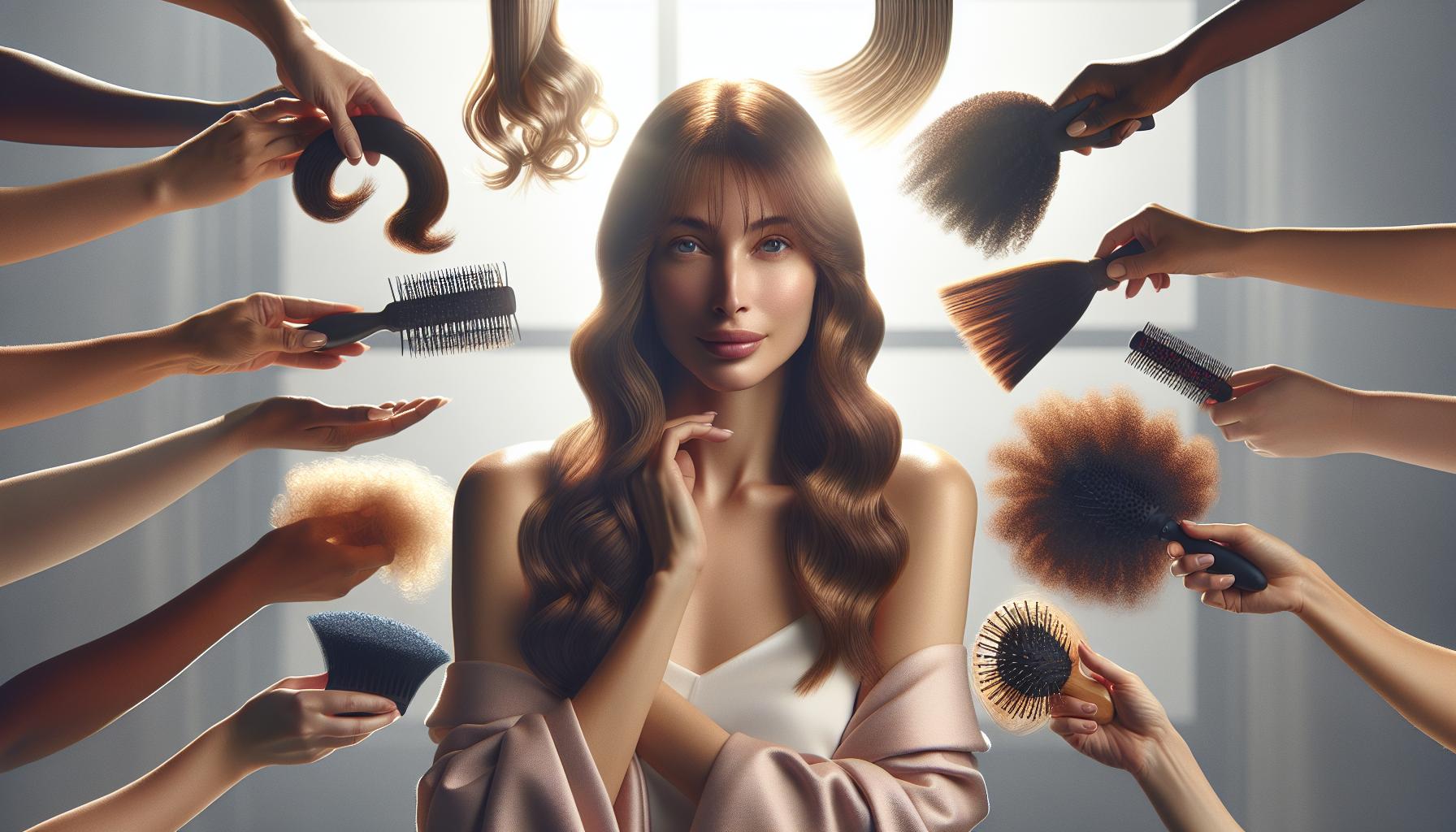
Styling Tips: How to Enhance Your Fringe Look
The art of enhancing a fringe look lies in selecting the right techniques and products tailored to your specific style and hair type.Whether you prefer a sleek and polished appearance or a more relaxed, tousled vibe, the right approach can elevate your fringe and frame your face beautifully. Incorporating specific styling tips can not only define your fringe but also contribute to the overall aesthetic of your hairstyle.
Choosing the Right Products
Using quality styling products is crucial for achieving the perfect fringe. Here’s a swift checklist:
- Styling Wax: A small amount of styling wax, like REF Styling Wax N°534, is perfect for creating definition.Warm it in your hands and apply evenly for a textured look.
- Hair Spray: A light-hold hair spray can help maintain your fringe’s position without weighing it down.
- Texturizing Spray: This adds volume and enhances the natural finish, especially beneficial for those with flat hair.
Blow-Drying Techniques
Mastering the blow-dry technique can dramatically change the way your fringe falls. start by using a round brush while blow-drying to create shape and movement:
- part your hair to the desired side.
- Direct the heat of the blow dryer down the hair shaft to smooth the cuticle.
- For added volume, lift the roots while blow-drying.
- Finish styling with cool air to set the fringe and add shine.
Daily Maintenance
Keeping your fringe looking fresh requires regular trims and some daily care:
- Schedule trims every 4-6 weeks to maintain the shape.
- Incorporate a regular hair care routine that includes hydrating shampoos and conditioners, especially if you often style your hair.
- Apply a bit of leave-in conditioner or serum on dry days to avoid frizz and keep your fringe looking vibrant.
By implementing these styling tips, you can enhance your fringe look effectively, ensuring it complements your overall hairstyle while showcasing your personality. The balance of product use, blow-drying techniques, and maintenance will help you achieve and sustain that perfect fringe, turning heads wherever you go.
Maintenance Essentials: Keeping Your Fringe Fresh
To keep your fringe looking fresh and fabulous, a few maintenance essentials can make a significant difference. The beauty of a fringe lies not only in its initial cut but also in how well you maintain it. This involves regular styling practices and a few smart products that can help hold your shape while adding texture and volume.
Daily Care Tips
A well-groomed fringe starts with good daily habits. Consider these practices to ensure your bangs remain lively:
- Blow-Drying Techniques: Always blow-dry your fringe after washing. Focus on lifting the roots for added volume. Using a round brush can definitely help shape your bangs as they dry, giving them that bouncy look.
- Use of dry Shampoo: Incorporating dry shampoo is a game changer. Apply it underneath your bangs to absorb oil and provide lift. This helps prevent your fringe from becoming flat and sticking to your forehead throughout the day [[1]].
- Regular Trims: Schedule trims every four to six weeks to maintain the shape and length of your fringe. This helps avoid split ends and ensures your bangs stay looking sharp and vibrant.
Styling Products
The right styling products can greatly enhance your fringe game. Explore options like:
- Textured Hair Creams: Lightweight creams can definitely help define your bangs without weighing them down. A small amount can create a soft, touchable feel while allowing for movement.
- Hair Sprays: A light hold hairspray can be used to set your fringe in place without making it stiff. Aim for a product that offers adaptability so that you can still tousle your hair throughout the day.
Handling Bad Hair days
Even with the best maintenance, some days might require a little extra care. Here are strategies to manage less-than-perfect bangs:
- Re-Styling: If your fringe falls flat or goes out of shape,re-heat your styling tools to quickly touch them up.A quick brush through with a round brush and a blow dryer can revitalize your bangs.
- Accessorizing: On off days, consider using hair clips or headbands to stylishly push your bangs aside or pin them back.This can create a different look while giving your hair a break.
By following these essential tips and tricks, you’ll find that maintaining a fringe hairstyle can be effortless and enjoyable, allowing you to showcase a fresh, stylish look that frames your face beautifully. With proper care, your fringe will not only enhance your hairstyle but also boost your confidence and personal style.
Common mistakes to Avoid with Fringe Haircuts
The allure of fringe haircuts lies not only in their stylish aesthetics but also in their ability to frame the face beautifully. However, manny people often miss the mark when it comes to choosing the right fringe or styling it properly. Here are some critical pitfalls to avoid to ensure your fringe looks effortless and chic rather of contrived or unflattering.
Over-Styling Your Bangs
One of the most common mistakes is over-styling bangs with tools that can leave them stiff or flat. Using a flat iron or round brush excessively can create an unnatural look,making your bangs appear overly straight or curled in ways that don’t match your natural texture.Instead, aim for a more relaxed style. Allow your bangs to dry naturally or use a light mousse to enhance their texture without weighing them down.
Choosing the Wrong Fringe Length
Bangs can dramatically change your overall look, but selecting the inappropriate length is detrimental. Fringes that are cut too short can create an overly harsh appearance, while those that are too long may just blend into the rest of your hair, losing their defined impact. When opting for a fringe, consult with a stylist to determine the best length that complements your facial shape. As an example, chin-length bangs often frame the face well, while longer fringes can soften features.
Ignoring Face Shape
not every bang style suits every face shape. Square faces may benefit from soft, side-swept bangs, whereas round faces often look great with longer, more choppy bangs that add angles.Here’s a quick guide to help you choose your fringe based on face shape:
| Face Shape | Ideal Fringe Style |
|---|---|
| Oval | Almost any style works well |
| Round | Long, layered bangs that elongate the face |
| Square | Soft, wispy bangs |
| Heart | side-swept bangs |
By understanding how fringe haircuts can vary based on different factors such as hair thickness, texture, and personal style, you’re more likely to select a hairstyle that elevates your features rather than detracts from them. Avoiding these common mistakes will help you embrace the beauty of a fringe and make heads turn wherever you go.
Embracing Change: Transitioning to a Fringe Style
Embracing a fringe hairstyle can be a transformative experience, allowing you to refresh your look and express your personality.Whether you’re bored with your current style or simply seeking a change, transitioning to a fringe can be both simple and impactful. The key lies in finding the right style that complements your face shape and enhances your features.
When considering a fringe, think about the various styles available—such as blunt, wispy, side-swept, or layered fringes. Each type offers unique benefits: blunt fringes bring a bold statement,while wispy styles add softness. here are some tips to help you make a smooth transition:
- Assess Your Face Shape: Determine which fringe style suits you best. As an example, a soft, round fringe works well on square faces, while long, side-swept bangs can soften angular features.
- Start with a Temporary Change: If you’re unsure about committing to a fringe, consider using hair extensions or clip-in bangs to experiment with the look.
- consult a Professional: A stylist can provide invaluable insight and help you choose the right fringe type based on your hair texture and lifestyle.
Additionally,maintenance is crucial in ensuring your fringe always looks its best. Regular trims every few weeks can definitely help maintain the desired length and prevent awkward grow-out phases. You can also incorporate styling products to keep your fringe looking polished. As you adjust to this new look, be open to experimenting with different hairstyles that incorporate your fringe, such as pulling your hair back into a bun or letting your natural waves show.
Transitioning to a fringe is not just about changing your hair—it’s about embracing a new you. With the right approach and care, you’ll find that a fringe can enhance your beauty and give you a fresh perspective, making it a worthwhile addition to your hairstyle repertoire.
Expert Advice: Consulting with Your Stylist on Fringes
When considering a fringe haircut, effective communication with your stylist is key to achieving your desired look. A well-executed fringe can wholly transform your hairstyle by framing your face beautifully, but it’s important to ensure that this transformation aligns with your personal style and hair type. To kick off your consultation, start by sharing your inspiration. Whether it’s a specific celebrity’s look or a favorite photo from social media, visuals can definitely help bridge the gap between what you envision and what your stylist can create.
key Questions to Discuss
During your appointment,be sure to cover the following essential topics with your stylist:
- Face Shape: Different fringe styles complement different face shapes. Ask your stylist which type might potentially be most flattering for your unique features.
- Hair Texture: Your natural hair texture plays a significant role in how a fringe will fall. Inquire about the best fringe options for straight, wavy, or curly hair.
- Maintenance Level: Some fringes require regular trims and styling, while others may be more forgiving. Discuss what you’re willing to commit to in terms of upkeep.
- Styling Tips: Request advice on how to style your new fringe at home. Your stylist can recommend products and techniques to help you maintain your look.
Such as, if you have a round face, your stylist might suggest longer, side-swept fringes to elongate your features, while someone with an oval face might suit a blunt fringe or a shorter cut.Not only does this tailored approach enhance your natural beauty, but it also boosts your confidence in your hairstyle.
Trial and adjust
Don’t be afraid to express any concerns or adjustments you desire during the consultation. A great stylist will appreciate your input and work with you to ensure you leave the salon satisfied.If you’re uncertain about a dramatic change, consider asking for a subtler version of your desired fringe first. This way, you can evaluate how you feel about the change before fully committing.
Ultimately, consulting with your stylist about a fringe haircut can lead to a stunning new look that reflects your personal style. Taking these steps will help you find the perfect face-framing style that you’ll love every time you look in the mirror.
Frequently Asked Questions
What is a Fringe Haircut?
A fringe haircut features strands of hair cut straight across the forehead, also known as bangs. This style can frame your face beautifully, enhancing your features and adding character to your look.
Fringe haircuts can vary in length and texture, from blunt cuts to wispy fringes.They’re versatile,working well with many hair types and face shapes. When considering a fringe, it’s critically important to consult your stylist about how it complements your hair’s natural texture.
How can I style a Fringe Haircut?
styling a fringe haircut can be simple. Use a round brush while blow-drying to add volume and shape, or apply a smoothing serum for a sleeker look.
For a more textured style, consider using a texturizing spray or pomade. Experimenting with parting your hair can also change the appearance of the fringe, allowing for various looks.
Why does my Fringe Haircut look flat?
A fringe haircut can look flat due to a lack of volume or improper styling techniques.
To avoid a flat appearance, try using a volumizing spray before styling. Consider blow-drying your fringe upside down or using a round brush for added lift. Regular trims will also help maintain the shape and texture of your fringe.
Can I have a Fringe Haircut with curly hair?
Yes, you can absolutely have a fringe haircut with curly hair! Curly fringes can look amazing but require specific techniques to maintain.
Your stylist can create a curly fringe that complements your natural curl pattern. Using the right products, like curl-enhancing cream, will help keep your curls defined and frizz-free.
What face shapes suit a Fringe Haircut?
A fringe haircut can suit various face shapes, but it particularly flatters oval, round, and heart-shaped faces.
The key is to choose the right type of fringe. As a notable example, long, side-swept bangs elongate round faces, while blunt fringes can balance out an oval face. Always consult with your stylist for tailored advice.
How do I maintain my Fringe Haircut?
Maintaining a fringe haircut involves regular trims every 4-6 weeks to keep the shape fresh.
Along with trimming,use appropriate hair products to manage your fringe based on your hair type. A good shampoo and conditioner can help maintain its health, while styling products can enhance its look. Regularly assess your style to adapt it to your growing hair.
What should I consider before getting a Fringe haircut?
Before getting a fringe haircut,consider how it will fit your hair type,face shape,and lifestyle.
Discuss these factors with your hairstylist. Aspects like maintenance level and styling time are crucial. Remember that a fringe can change your overall look significantly,so ensure you feel comfortable and confident with your choice.
In Conclusion
a fringe haircut offers a versatile way to enhance your individual style while providing face-framing benefits that can soften and complement your features.whether you opt for curtain bangs, side-swept fringes, or blunt cuts, understanding your face shape and hair texture is essential in choosing the perfect style. As you explore the various types of fringes, consider how each can help you express your personality and address any specific hair concerns you may have. Embrace the opportunity to transform your look, and don’t hesitate to engage with your stylist to discuss what will work best for you. For more inspiration and tips on achieving your ideal fringe, consider delving deeper into the styles featured in our article and let your hair journey begin!


