


Unlocking the mystery of your hair type can transform your hair care routine and help you choose the right styles and products. Understanding whether you have straight, wavy, or curly hair is essential for achieving healthy, manageable locks. With a simple quiz, discover your true texture and step confidently into a world of tailored hair care.
Contents
- Understanding Hair Types: The Basics of Texture and Structure
- how to Identify Your Hair Profile: A Simple At-Home Test
- The Science Behind Hair Texture: what Your Strands Say about You
- The Role of Genetics in Determining Your Hair Type
- Tailoring Your hair Care Routine to Suit Your Unique texture
- Common Misconceptions About Hair Types and Their Care
- Embracing Your Natural Hair: Confidence Through Knowledge
- Expert Tips for Styling and Maintaining Different Hair Textures
- Frequently asked questions
- What is the simplest way to determine my hair type?
- Why does my hair change texture over time?
- Can I have more than one hair type?
- What products should I use for my hair type?
- How does humidity affect my hair texture?
- What symptoms indicate I need to adjust my hair care routine?
- Why is understanding hair texture critically important for styling?
- To Wrap It up
Understanding Hair Types: The Basics of Texture and Structure
Understanding your hair type is essential for choosing the right products and styling techniques that enhance its natural beauty. Interestingly, hair can be categorized into various types based on its texture and structure, with the most common classification being the widely recognized system of four main hair types, each of wich carries distinct characteristics. This classification not only helps in identifying what type of hair you possess but also in tailoring a hair care regimen that meets its specific needs.
Categories of Hair Types
Hair can be primarily divided into four types: straight, wavy, curly, and kinky. Each category is further broken down into subcategories which reflect variations in texture and volume:
- Type 1 (Straight Hair)
- 1A: Very fine and thin, with no bends or curls.
- 1B: Medium thickness and texture, still straight.
- 1C: Coarser straight strands that may be slightly wavy.
- Type 2 (Wavy Hair)
- 2A: Fine, slightly tousled waves.
- 2B: Medium waves with a bit more definition.
- 2C: Thick, coarse waves defined by frizz.
- Type 3 (Curly Hair)
- 3A: Loose, defined curls.
- 3B: Tight, bouncy curls.
- 3C: Very tight, voluminous curls.
- Type 4 (Kinky Hair)
- 4A: Soft, closely coiled strands.
- 4B: Z-shaped, less defined curls.
- 4C: Extremely tight coils, often less defined and very fragile.
Identifying Your Hair Type
Too ascertain your true hair texture and type,it’s best to observe your natural hair after it has dried without any products. This method provides a clear reflection of your hair’s true state and helps eliminate any external factors that could influence how it appears. For those seeking practical application, a simple test can be performed: wash your hair without any conditioners or leave-ins, allow it to air dry, and then analyze the texture and shape of your strands to accurately determine your type.
By understanding these fundamental hair types, you empower yourself to make informed choices about hair care routines that will best suit your needs.For example, if you classify as Type 3C, you will likely benefit from heavier creams and gels to define your curls, while 1A hair may require lightweight formulas to avoid flattening its structure. Embracing your natural hair texture through tailored care methods can lead to healthier and more vibrant hair.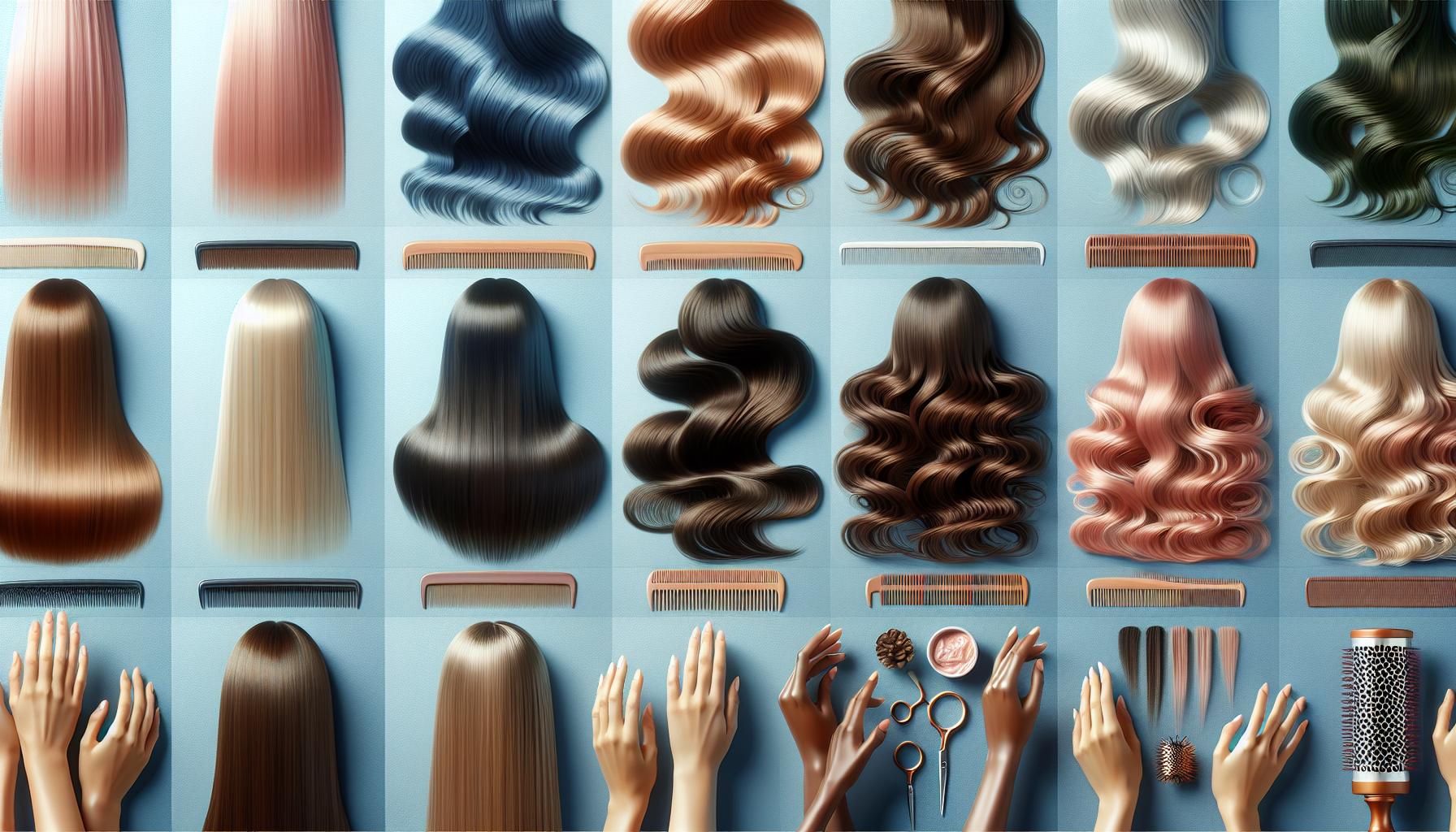
how to Identify Your Hair Profile: A Simple At-Home Test
Understanding your hair type can revolutionize your hair care routine, empowering you to choose products that perfectly match your unique hair profile. The journey to identifying your true hair texture is often simpler than you might think, requiring just a few basic steps you can perform at home. By answering some key questions and conducting simple tests, you can gain insight into whether your hair is straight, wavy, curly, or coily, enabling you to optimize your styling and maintenance strategies.
One of the easiest methods to assess your hair type involves a quick water test. begin with a clean strand of hair that has not been treated with any products. Place the hair in a glass of water and observe its behavior:
- If the hair floats on top, you likely have low porosity hair.
- If it sinks slowly, your hair probably has normal porosity.
- if it sinks rapidly, you may have high porosity hair.
This simple test helps determine how well your hair retains moisture and absorbs products, which is crucial for maintaining healthy locks.
To further refine your understanding of your hair type, consider taking an online quiz designed to guide you through the identification process. As a notable example, resources like the Hair Type Quiz utilize scientifically-backed questions to accurately categorize your hair based on recognized systems like FIA and Andre Walker’s. Such quizzes, often requiring less than five minutes to complete, provide personalized insights into what products and routines will work best for you.
Another element to consider is the visual assessment of your hair texture while it’s damp. After washing your hair, let it air dry without any styling products. Observe the natural shape of your hair strands:
- Straight hair will typically lay flat against your head.
- Wavy hair will form gentle waves, creating a “S” shape.
- Curlier hair will have more defined and tighter curls.
- Coily hair will have a zigzag pattern and appear voluminous.
Recording these observations helps in determining which hair care practices will be most effective for your specific needs, ultimately leading to healthier and more manageable hair.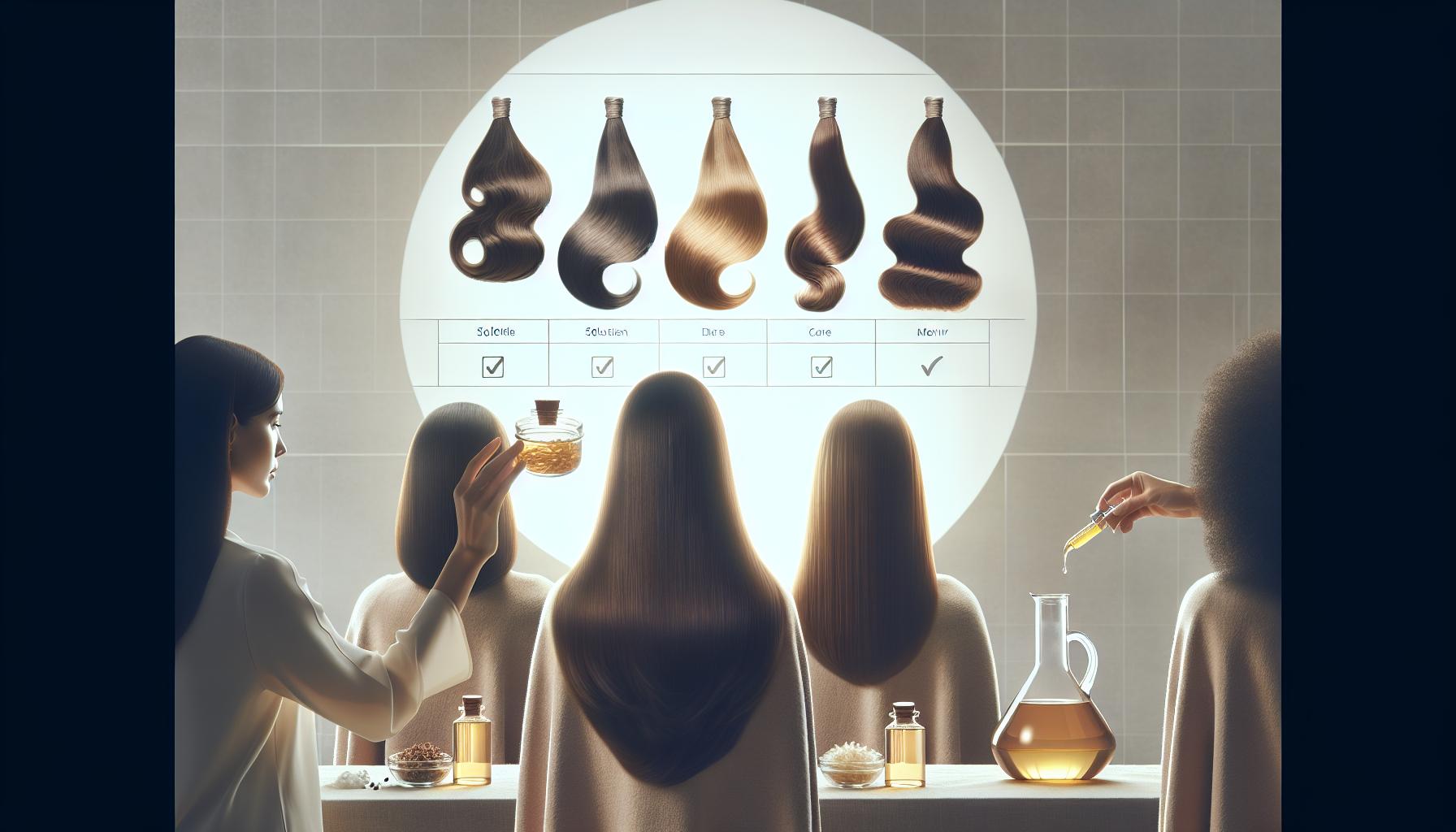
The Science Behind Hair Texture: what Your Strands Say about You
Understanding the biology of hair is not just a superficial endeavor; it reveals a lot about your identity, heritage, and even your lifestyle. Each strand of hair carries the story of your genetics, environmental encounters, and personal care habits. When discussing hair texture, we look beyond just appearance; we delve into the structural nuances that define straight, wavy, curly, and coily hair. These textures not only influence how you style your hair but also how you care for it and what products are most effective.
Hair texture is primarily resolute by the shape of the hair follicle. Round follicles produce straight strands, while oval or asymmetrical ones lead to wavy and curly textures.Hear’s a quick breakdown of the four main hair types:
- Type 1 (Straight): Characterized by a smooth texture that reflects light well, making it appear shiny.
- Type 2 (Wavy): Forms loose waves that can be easy to style but may require special products to enhance their natural texture.
- type 3 (Curly): defined curls that can vary from loose loops to tight corkscrews are more prone to frizz and often need moisture.
- Type 4 (Coily/Kinky): Tightly coiled textures that are beautiful yet delicate, often requiring extra care to prevent breakage.
To put your strands to the test, you can perform a simple water test: take a single hair strand and place it in a glass of water. If it sinks quickly, you likely have coarse hair; if it floats for a while before sinking, you’re probably dealing with fine hair. Understanding these characteristics not only informs your hair care routine but also helps in making style choices. For instance, those with coily hair may benefit from heavier creams and oils to maintain moisture, while individuals with straight hair could opt for lighter products that won’t weigh their hair down.
By exploring these aspects of hair texture, one can discover a personalized hair care strategy that enhances natural beauty while promoting overall hair health. this knowledge transforms the frequently enough-daunting hair care process into a tailored experience that celebrates your unique texture.
The Role of Genetics in Determining Your Hair Type
Genetics plays a pivotal role in determining your hair type,influencing everything from texture to color. Understanding the hereditary factors can illuminate why your hair behaves the way it does. While many may believe that hair traits are solely inherited from one parent, research shows that both mothers and fathers contribute to the genetic makeup of their children’s hair. this intricate interaction of genes can lead to a diverse array of hair characteristics, which makes exploring your hair type not just a personal journey but also a genetic expedition.
Genetic Influences on Hair Characteristics
The diversity in hair types results from a complex interplay of multiple genes, each playing a role in defining features like curl pattern, thickness, and even color. As a notable example,the genetic basis of hair pigmentation is determined by specific genes inherited from both parents,which can mix in various ways to create a unique shade for each individual. Understanding these genetic contributions can definitely help you embrace your individual hair type rather than conforming to standard beauty norms.
- Texture: The texture of hair—whether straight, wavy, or curly—can often arise from the combination of several genes, affecting the shape of the hair follicle.
- Density: The number of hair follicles on your scalp also has a genetic foundation, impacting how full or thin your hair appears.
- Growth Rate: Genetic predispositions can influence how quickly hair grows and how often it falls out.
for those curious about their specific hair type,a simple test can offer insights. Whether the focus is on discovering if you have straight,wavy,or curly hair,identifying your true texture is essential for choosing the right hair care products and styling techniques. This not only enhances the way your hair looks but can substantially improve its health and manageability.
The Interplay of environment and Genetics
While genetics is a strong determining factor, environmental influences can also affect your hair’s appearance and health.Factors such as weather, diet, and hair care regimens can alter how your hair looks and feels, even if its genetic foundation remains constant. Hence, it’s important to consider both your genetic predispositions and your lifestyle when assessing your hair type.
Recognizing your hair type through tests and observations can guide you in making informed choices about the products and techniques that suit your unique hair. Emphasizing both the genetic and environmental aspects will empower you to love your hair in all its natural glory, reflecting an gratitude for not just your genetic heritage but also your personal care choices.
Tailoring Your hair Care Routine to Suit Your Unique texture
Understanding your hair texture is key to developing a personalized hair care routine that brings out the best in your locks. Each hair type—whether straight, wavy, curly, or coily—has distinct characteristics that require specific approaches for care and styling. As an example, did you know that textured hair often needs more hydration compared to straight hair? This is because textured strands are typically drier, making it crucial to choose the right products that will cater to your unique needs.
Identifying Your Hair Type
To tailor your routine effectively, start by identifying your hair type. many methods, including the “water test,” can help you determine the texture of your hair. By observing how your hair behaves when wet versus dry, you can choose products that enhance its natural pattern. For example:
- Straight Hair: Usually sleek and shiny with minimal product use. Regular shampooing and lightweight conditioners work best.
- Wavy Hair: May require a combination of products to control frizz and enhance waves. use curl creams and light gels.
- Curly Hair: Needs rich moisturizers and specific techniques like the “praying hands” method to define curls without weighing them down.
- Coily Hair: This type demands high hydration and protective styling to keep the curls healthy and reduce breakage.
Creating Your Customized Routine
Onc you have identified your hair type, you can formulate a hair care regimen that prioritizes hydration and damage prevention. As a notable example, if your hair is curly or coily, consider incorporating the following steps into your routine:
| Step | Advice |
|---|---|
| Washing | Use sulfate-free shampoos that clean without stripping moisture. |
| Conditioning | Opt for deep conditioning masks once a week to replenish moisture. |
| Styling | apply leave-in conditioners and light oils to enhance texture while preventing frizz. |
To further refine your routine, pay attention to how your hair responds to different products and adjust accordingly. For instance, if you notice your hair feels weighed down, try using lighter formulations or reducing the amount of product you apply. This process of trial and error is essential in obtaining the best results tailored specifically to your unique texture, ensuring your hair remains vibrant, healthy, and manageable.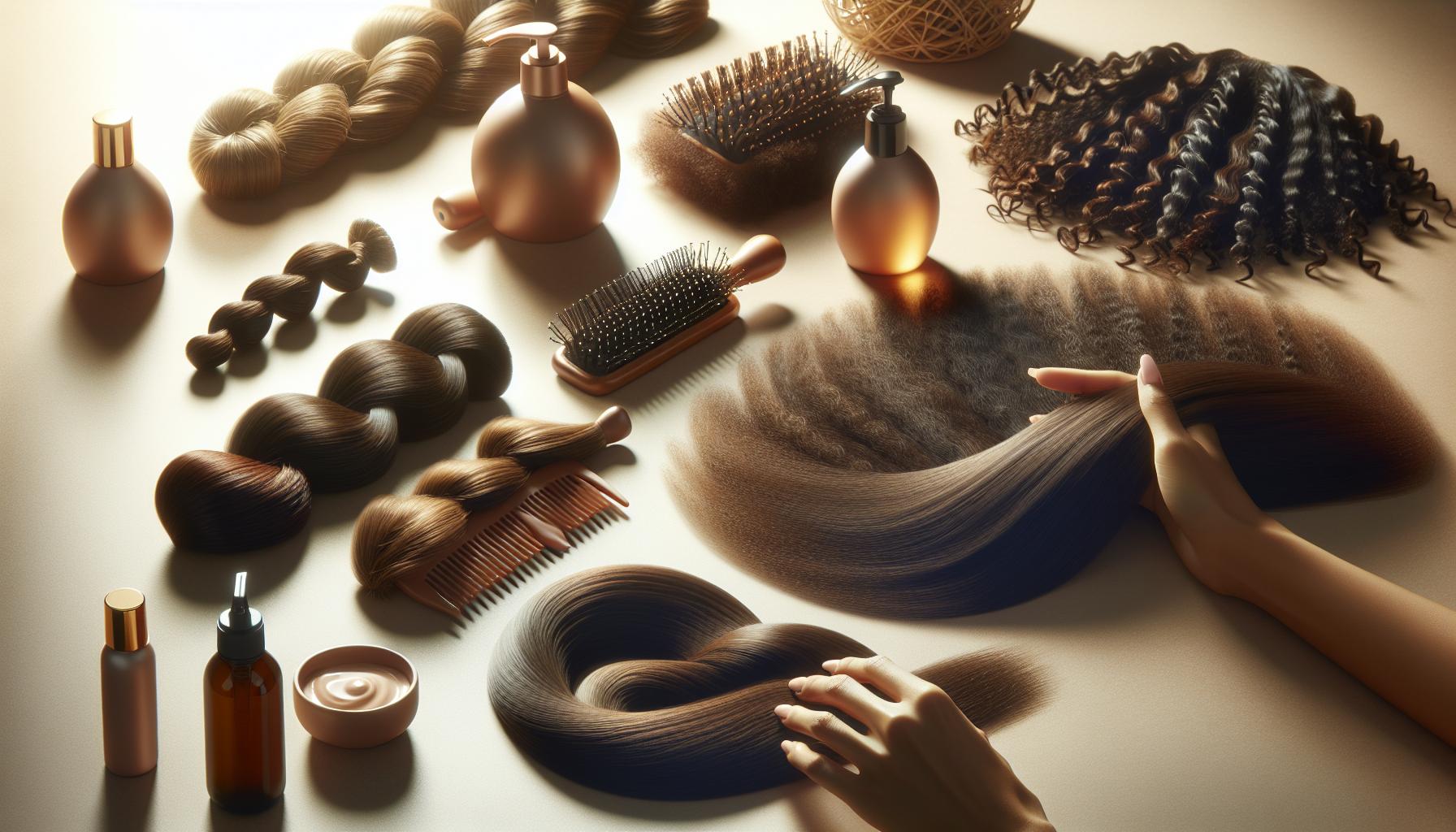
Common Misconceptions About Hair Types and Their Care
Understanding the nuances of hair types is essential for anyone seeking to optimize their hair care routine. Many individuals frequently enough fall prey to common misconceptions that can hinder their hair’s health and appearance. As an example, a prevalent myth states that natural hair is inherently unmanageable. Contrary to this belief, with the right techniques and products tailored to its specific needs, maintaining natural hair can not only be manageable but also enjoyable. Embracing one’s natural texture begins with acknowledging the distinct qualities of different hair types and learning how to care for them effectively.
Dispelling Hair myths
- Myth: All Hair can Be Treated the same Way – Each hair type—whether straight, wavy, curly, or coily—has unique characteristics that require specialized care. Such as, curly hair tends to be drier and may benefit from heavier moisturizers while straight hair might need lighter products to avoid greasiness.
- Myth: You Should Wash Your Hair Daily – Daily washing can strip natural oils, especially for certain hair types. Rather, consider adjusting your washing frequency based on your individual hair needs. Some may thrive with washing every few days, while others might require more frequent cleansing.
- Myth: Heat Styling Is the Only Way to Achieve a Desired Texture – Many believe that curlers and straighteners are necessary for styling. However, using techniques like braiding damp hair or employing heat-free styling methods can yield beautiful results without the damage associated with heat styling.
Nourishing Your Hair Type
Recognizing these myths is only the first step. tailoring your hair care to your specific type can unlock its potential. for those questioning, “What Type of hair Do You Have? Simple Test Reveals Your True Texture,” it’s worth noting that understanding your hair’s pattern can direct your product choices and styling methods. For instance, individuals with coily hair may find that lighter oils enhance moisture without weighing down their locks, while those with straight hair might need different styling products to maintain volume.
| Hair Type | Common Misconceptions | best Care Practices |
|---|---|---|
| Straight | Less prone to damage | use lightweight, volumizing products |
| Wavy | Always frizzy | Utilize wave-enhancing creams |
| Curly | Requires heavy products | Moisturize without weighing down curls |
| coily | Unmanageable without heat | Embrace protective styles and hydration |
By actively dispelling misconceptions and understanding hair care fundamentals, anyone can cultivate a personalized routine that celebrates their unique texture. Adjusting practices based on the knowledge of various hair types not only enhances hair health but can transform one’s overall hair experience.
Embracing Your Natural Hair: Confidence Through Knowledge
Understanding the nuances of your hair type is a powerful step toward embracing your natural beauty. Many individuals struggle with hair identity,often looking for validation in societal standards or commercial products that may not suit their unique needs. By learning what type of hair you possess, you gain not only clarity but also a renewed confidence. This knowledge enables you to tailor your hair care routine specifically to your hair’s texture and needs, paving the way for healthier, more vibrant hair.
When exploring your hair texture,consider taking a simple test that assesses its characteristics through tactile and visual means. This analysis will likely reveal crucial insights into your hair’s porosity, curl pattern, and density, all factors that dictate how you should care for it. As an example, different curl patterns require varied moisture levels and styling techniques. Understanding whether you have wavy,curly,or coily hair can help you choose products that enhance your natural beauty instead of masking it. With this tailored approach, you can maximize the natural shine and bounce that comes with well-cared-for hair.
Building Confidence Through Knowledge
achieving hair confidence is not merely about what products you use; it’s about understanding your hair and working with it, rather than against it. Here are some actionable steps you can take:
- Assess Your Hair: Conduct the simple test to identify your hair type. This can provide you with a foundation for understanding how to work with your natural texture.
- Educate yourself: Read up on hair care specifically tailored for your hair type. Resources that delve into the science of hair can guide you toward the best practices for maintaining your unique texture.
- Experiment: Try various styling methods that complement your hair type. For example, define curls with a lightweight gel or enhance waves with a curl cream designed for your specific texture.
- Connect with Community: Engage with others who share similar hair types. Online forums and social media can offer support, product recommendations, and styling tips that boost your confidence.
By focusing on what type of hair you have, as highlighted in the practical frameworks available in the “What Type of Hair Do You Have? Simple Test Reveals Your True Texture,” you not only enhance your hair care routine but also fortify your self-image. Each step taken to appreciate and nurture your natural hair contributes to a more profound sense of identity and confidence. Remember, your hair is a reflection of who you are; embrace it with knowledge and pride.
Expert Tips for Styling and Maintaining Different Hair Textures
Understanding the unique characteristics of your hair texture is essential for adopting effective styling and maintenance techniques. Each hair type—whether straight, wavy, curly, or coily—requires distinct methods to keep it healthy and stylish. By utilizing the right products and embracing tailored routines, you can enhance your natural beauty while avoiding damage.
For Straight Hair
Straight hair can frequently enough appear sleek and shiny but might struggle with volume and texture. To maintain its health and vibrancy, focus on:
- Regular Cleansing: Use a sulfate-free shampoo to avoid stripping natural oils, washing 2-3 times a week.
- Lightweight Conditioning: Condition the mid-lengths to ends to prevent oiliness at the roots.
- Heat Protection: Always apply a heat protectant before styling to shield your hair from damage.
For Wavy Hair
Wavy hair benefits from products that enhance its natural texture while controlling frizz. To care for wavy locks:
- Moisturizing Shampoo: Choose a shampoo that hydrates and defines waves, using it 2-3 times a week.
- leave-In Conditioner: A good leave-in conditioner can help maintain moisture and prevent tangling.
- Styling Techniques: Try the “plopping” method to enhance waves without excessive heat.
For Curly Hair
Curly hair typically requires a dedicated approach to prevent dryness and promote definition. To style and maintain curls:
- Cleansing Frequency: Limit washing to once a week to preserve natural oils.
- Deep Conditioning: Incorporate a deep conditioning treatment once a week to replenish moisture.
- Curly Styling Creams: Use curl creams or gels to define and hold your curls without crunch.
For Coily Hair
Coily hair is frequently enough the most fragile, necessitating a gentle approach. To keep coils healthy and vibrant:
- Gentle Cleansing: Use shampoo sparingly; co-washing with conditioner can be more effective and less drying.
- Hydration is Key: Deep moisturizers and oils can help reduce breakage and enhance curl definition.
- Protective Styles: Embrace styles like braids or twists to minimize manipulation and stress on your hair.
Incorporating these targeted strategies into your routine, as suggested in “What Type of Hair Do You Have? Simple Test Reveals your True Texture,” will help you achieve the healthiest version of your hair. Remember, the key is consistency and using products that complement your unique texture!
Frequently asked questions
What is the simplest way to determine my hair type?
The simplest way to determine your hair type is to observe your hair’s natural state after washing, without using any products. Allow it to air dry and see how it behaves—this will help reveal whether you have straight, wavy, curly, or coily hair.
Understanding your hair type is crucial for selecting suitable hair care products. For example, wavy hair may require lightweight moisturizing products, while coily hair benefits from heavier creams to maintain moisture. To learn more about hair types, you can check out our detailed guide.
Why does my hair change texture over time?
Hair texture can change due to various factors including age, hormonal shifts, and environmental influences. It’s not uncommon for your hair to become drier or coarser as you age due to changes in oil production.
Additionally, certain treatments, like chemical relaxers or dyes, can alter your hair’s natural texture. Regular hair care and the right products can help you maintain or enhance your natural texture and ensure healthy hair.
Can I have more than one hair type?
Yes, having multiple hair types on one head is quite common.Many people have different textures in different sections of their hair, such as wavy strands mixed with curly ones.
This mixture means styling and care routines may need to be tailored to specific areas of your hair. Identifying and understanding your unique blend will help you choose the best products and techniques to manage your hair effectively.
What products should I use for my hair type?
The key to healthy hair is using products that cater to your specific texture. For example, if you have curly hair, use moisturizing products designed for curls; for fine hair, choose volumizing products.
Utilizing the correct hair products not only enhances your texture but also minimizes damage. Experimenting with different products can help you discover what works best for your hair type. Make sure to check out our recommendations for the best products according to hair types.
How does humidity affect my hair texture?
Humidity can significantly alter how your hair looks and feels. In high humidity, curly and wavy hair types may experience increased frizz due to moisture in the air, whereas straight hair may become limp or stick to your scalp.
Understanding how your hair responds to humidity can help you choose appropriate styling products, like humidity-resistant sprays or anti-frizz serums, to maintain your desired style.Adapting your hair care routine to the weather can keep your hair looking its best.
What symptoms indicate I need to adjust my hair care routine?
If you notice excessive dryness, brittleness, or increased frizz, it might potentially be time to reassess your hair care routine. These symptoms often indicate that your current products or techniques are not meeting your hair’s needs.
Adjusting your routine by switching to moisturizing products, reducing heat styling, or incorporating regular deep conditioning can make a important difference. Pay attention to your hair’s response to these changes to find the best approach.
Why is understanding hair texture critically important for styling?
Understanding your hair texture is essential for choosing the right styling techniques and products. Different textures require different care, and knowing your type can help you avoid damage while achieving your desired looks.
Such as, straight hair may benefit from smoothing serums, while curly hair frequently enough needs curl creams to define and reduce frizz. Tailoring your styling methods to your hair type ensures healthier hair and more triumphant styling results.
To Wrap It up
Understanding your hair type is the first step towards adopting a successful hair care routine tailored to your unique texture and needs. Whether you have straight, wavy, curly, or coily hair, identifying your specific type can help you choose the right products and techniques for styling and maintenance. By taking a simple hair type quiz, you can gain insight into your hair’s natural patterns and texture, leading to effective care strategies that enhance its health and appearance.
Remember, there is no one-size-fits-all approach to hair care. Each hair type has its own set of challenges and advantages; for example,curly hair often requires more moisture,while straight hair may benefit from volumizing products. Embrace your individual texture and explore the products recommended for your hair type.
Don’t stop here—continue your journey to healthier hair by experimenting with different styles, products, and techniques. dive deeper into hair care resources to find the best solutions for your hair challenges and celebrate the beauty of your natural texture.Your hair has a story to tell; let this journey empower you to express it beautifully.


