
Choosing to strip color from your hair can be a daunting decision, especially with concerns about potential damage. while color removers are designed to eliminate unwanted dye, they can still impact your hairS health. understanding their effects is crucial for maintaining stunning, vibrant locks while navigating the world of hair care.
Contents
- Understanding Color Remover: what It Is and How It Works
- The Science Behind hair Damage: Can Color Removers Really Harm Your Strands?
- Signs of Damage: How to Identify Potential Problems After Using Color Remover
- Hair Health Matters: Preparing Your Hair Before Using a Color Removal Product
- Post-removal Care: nourishing Your Hair After Using a Color Remover
- Choosing the Right Product: What to Look for in Safe Color Removers
- Professional Insights: When to Consult a Stylist About Color Removel
- Real Experiences: What Others Wish They Knew Before Using Color Remover
- Frequently asked questions
- Does color remover damage hair? What You Need to Know Before Using?
- What types of hair color removers are available?
- Can I use color remover on my hair at home?
- How does color remover compare to bleach?
- Will color remover change my hair texture?
- How long does color remover last on hair?
- What should I do after using color remover?
- Wrapping Up
Understanding Color Remover: what It Is and How It Works
Understanding how color removers work is vital,especially if you’re considering a change in your hair color or want to correct a previous dye job. Color removers are unique products designed to strip unwanted color from the hair, bringing it closer to its natural shade without the harshness of customary bleach. While some might assume that these removers are safe and harmless, it’s essential to delve deeper into their composition and the effects they may have on your hair.
Color removers function by breaking down the color molecules embedded in the hair shaft. The main ingredients typically include various agents that facilitate the removal process without altering the hair’s basic structure. Unlike bleach, which lightens hair by removing pigments and can lead to significant damage, many color removers focus on neutralizing artificial colors instead. This difference is crucial when addressing the question of whether color remover damages hair—many experts agree that while they are generally less damaging than bleaching agents, improper use can still lead to issues such as dryness and brittleness, particularly if left on for too long or used excessively [[1](https://www.salonhaze.com/blogs/does-hair-color-remover-damage-hair)][[2](https://www.hair.com/hair-color-remover.html)].
To minimize potential damage while using a color remover, consider the following guidelines:
- Read the Instructions: Always follow the product’s directions carefully to avoid over-processing.
- Test Strands: Before applying the product to your entire head, do a strand test to see how your hair reacts.
- Moisturize Post-Request: Use a deep conditioning treatment after using a color remover to restore hydration and prevent dryness.
while the general consensus suggests that damage can be minimal compared to other methods, caution is always advised. If you’ve previously dyed your hair multiple times, or if you’re looking to use color remover frequently, be mindful of your hair’s health. In instances of overuse, some individuals report increased susceptibility to breakage and split ends, which emphasizes the importance of moderation [[2](https://www.hair.com/hair-color-remover.html)][[3](https://www.tiktok.com/discover/will-using-a-color-remover-twice-damage-my-hair)]. As an inevitable result, understanding how to properly utilize a color remover not only helps maintain the integrity of your hair but also enhances your overall coloring experience.
The Science Behind hair Damage: Can Color Removers Really Harm Your Strands?
When it comes to achieving your desired hair color, the process of using a color remover can often raise questions about potential damage. Understanding how these products work is crucial in determining whether they are a safe option for your strands. The short answer is that high-quality hair color removers are designed to be less damaging than traditional bleaching methods. Unlike bleach, which strips the hair of its natural pigments and can lead to severe damage, modern color removers are formulated to lift unwanted color without compromising the integrity of your hair.
The Mechanism of Color Removers
Color removers utilize chemical agents to break down the artificial pigments in your hair without the need for harsh bleaching agents. They work primarily through a gentle process that involves reducing the intensity of the dye particles.Many products include nourishing ingredients,such as argan oil,which can help maintain hair health during the color correction process. For instance,the Colorfix with Argan Oil specifically targets stubborn color while simultaneously offering hydration—making it ideal for colored hair needing care after color removal [[3](https://one-n-only.com/products/one-n-only%C2%AE-colorfix%E2%84%A2-w-argan-oil?srsltid=AfmBOoo_2DMOwT_swiuOZTCnjA-0We8djAieDZcdBmtnma–yt4ZPCng)].
Understanding Hair Health Post-Remover
The impact on hair health after using a color remover largely depends on the specific product and its formulation. According to sources,high-quality hair color removers do not damage hair in the way that bleaching can,as they target only the color molecules without affecting the natural structure of the hair [[2](https://www.salonhaze.com/blogs/does-hair-colour-remover-damage-hair)]. However, it is crucial to follow up with proper conditioning treatments to replenish moisture and repair any potential stress the hair may have undergone during the removal process.
- Choose Wisely: Opt for color removers that incorporate conditioning agents.
- Moisturize: Follow up with deep conditioning treatments post-removal for optimal hair health.
- Assess Your Hair: Consider the current state of your hair to determine the best product for your needs.
While it is indeed essential to read reviews and gather data on the specific products you intend to use, rest assured that with the right approach, using a color remover can indeed be a safe way to transition to your desired hair hue without significant damage. Adopting a cautious mindset and prioritizing hair care will ensure that your strands are left as healthy as possible after the process.
Signs of Damage: How to Identify Potential Problems After Using Color Remover
After using a hair color remover, it’s crucial to stay vigilant and recognize the signs of potential damage to your hair. Understanding how to identify these problems early can help you take necessary action to restore your hair to its healthy state.Color removers,while effective in stripping unwanted pigments,contain chemicals that can lead to various issues if not used correctly or if left on for too long.
A common indication of damage is when your hair feels excessively dry or brittle. After application, gently touch your hair; if it feels rough or straw-like, this is a clear sign that it may have suffered from the harsh chemicals in the remover. Additionally,look for increased hair breakage during brushing or styling. If you notice more than usual strands falling out or significant thinning, it may signify that your hair is under stress due to the color removal process.
Other Signs of Damage
It’s essential to monitor your hair’s overall appearance for further signs of distress. Here are additional indicators that might suggest potential issues:
- Discoloration: If your hair has taken on an unexpected hue, such as an orange or yellow tint, it could indicate the color remover did not work as intended or that it reacted negatively with the previous dye.
- Extreme Frizz: A sudden and unmanageable amount of frizz can signal that your hair’s cuticles are raised, causing moisture loss and making your hair more porous.
- Loss of Shine: Healthy hair typically has a natural shine. If your strands look dull and lifeless post-treatment, this may point to damage.
To aid in recovery, consider using deep conditioning treatments that focus on restoring moisture and strengthening the hair shaft. Products rich in proteins and hydrating oils can repair damage and improve texture. Regular trims may also help remove split ends and prevent further breakage. Remember to consult with a professional stylist if you’re unsure about your hair’s condition or how to proceed after using a color remover. Keeping an eye on these signs and responding accordingly can safeguard your hair health after the potentially damaging effects of color remover.
Hair Health Matters: Preparing Your Hair Before Using a Color Removal Product
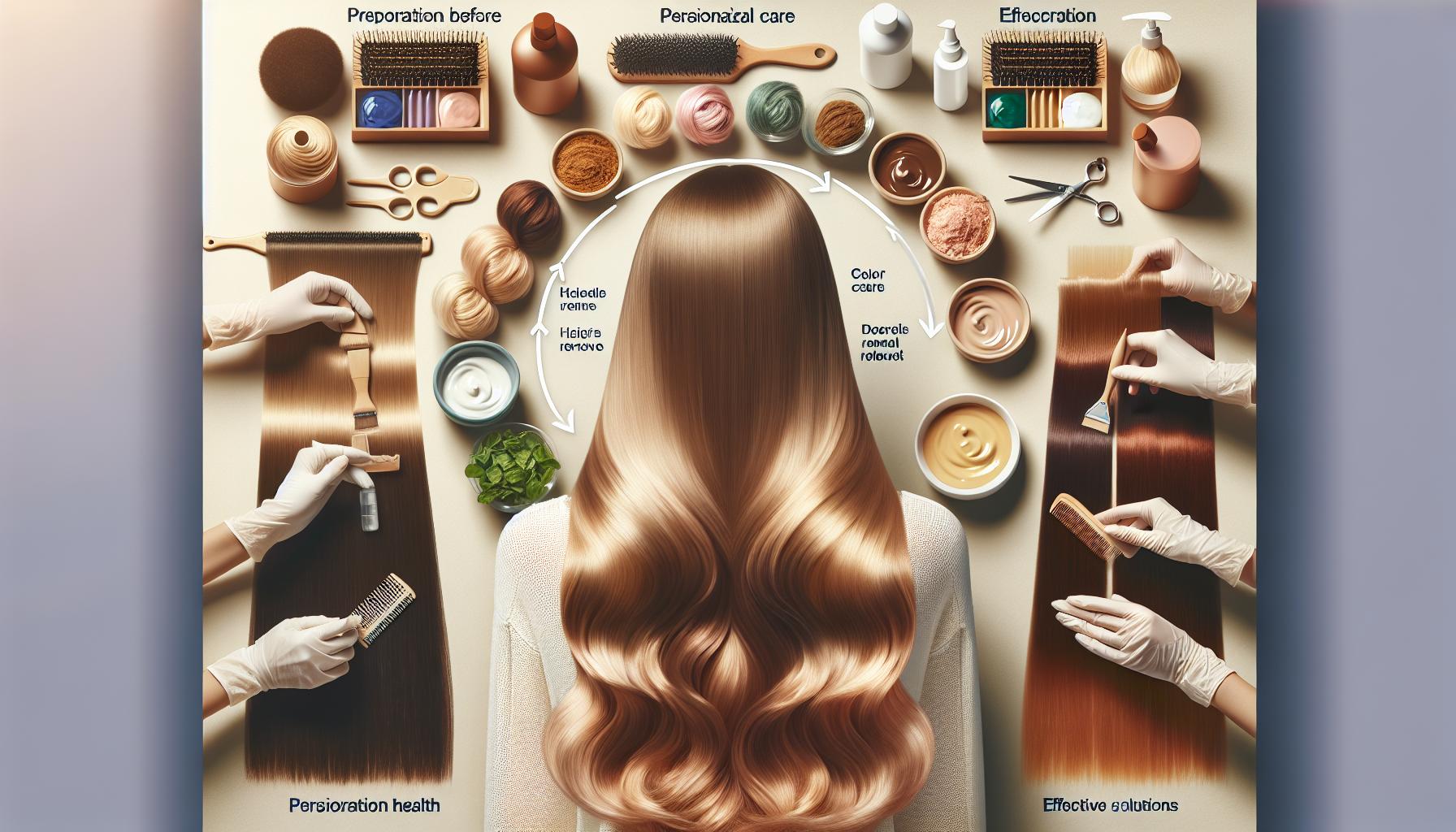
Before diving into the use of any color removal product, it’s essential to prioritize the health and condition of your hair. Many individuals ponder, “Does color remover damage hair? what You Need to Know Before Using” focuses on this crucial aspect, emphasizing the importance of readiness. Taking the necessary steps can minimize potential damage and set you on the path to hair restoration.
To start, assess the current state of your hair. Is it dry, brittle, or overly processed? If you’ve recently dyed your hair or used harsh treatments, your hair may be more susceptible to damage. It’s advisable to give your locks some time to recover. A good rule of thumb is to wait at least two weeks after coloring before using a color remover.During this period,incorporate nourishing treatments such as deep conditioners or hair masks to restore lost moisture and nutrients. Look for products containing ingredients like argan oil, keratin, or shea butter, which help in fortifying the hair.
Pre-Treatment Steps
Before applying any color removal product, prepare your hair with these actionable steps:
- Conduct a Strand Test: This will show how your hair reacts to the color remover and if any adverse effects occur.
- Clarifying Shampoo: Use a clarifying shampoo a day or two before to remove buildup from styling products and oils, making the color removal process more effective.
- Protect Your Hair: Apply a protective oil or conditioner on the ends of your hair to create a barrier against potential damage.
Additionally, choosing a color remover that is less harsh can be beneficial. Products like ion color Brilliance Hair Color Remover promise to remove color without affecting your natural hair pigment significantly, performing the job in a single step [[2](https://www.sallybeauty.com/hair-color/other-products-and-applications/hair-color-removers-and-correctors/hair-color-remover/SBS-405008.html?srsltid=AfmBOoqKsIOJM-HoOG1aZR4VXOQ8BsaSYzZhNDCXd1d6dvDzJEmsowDJ)]. It’s also wise to limit the number of times you use color removers in a short period to reduce cumulative stress on your hair.
the preparation stage is vital when contemplating the question, “does color remover damage hair? What You Need to know Before Using.” by taking these preliminary steps, you can significantly lower the risks associated with color removal and promote better hair health for the future. Keep your hair in top shape, and you’ll be much more satisfied with the results.
Post-removal Care: nourishing Your Hair After Using a Color Remover
Using a color remover can lead to significant changes in your hair’s texture and overall health, making post-removal care essential for restoring its vitality. Many are left wondering, does color remover damage hair? what you need to know before using one extends beyond the initial application. While these products can help you return to your natural shade or achieve a fresh new look, they often strip essential moisture and nutrients from the hair. Therefore, treating your hair with care after the removal process is crucial to prevent further damage and maintain its integrity.
To aid in recovery, start by incorporating high-quality moisturizing products into your hair care routine. Here are some key steps to nourish your hair after removing color:
1. Hydration is Key
- Use a deep conditioning treatment once a week.Look for products rich in natural oils such as argan, coconut, or olive oil that penetrate the hair shaft.
- Consider leave-in conditioners to provide ongoing moisture throughout the day.
2. Gentle Cleansing
- Switch to a sulfate-free shampoo that is formulated for damaged or color-treated hair. This will help maintain moisture levels while effectively cleaning your scalp and hair.
- Limit washing your hair to two or three times a week to reduce stripping natural oils.
3. Protective Styling
- Avoid heat styling tools as much as possible immediately after removal. If you need to use heat, always apply a heat protectant spray beforehand.
- Opt for loose styles that minimize tension on the roots and avoid any tight hairstyles that could cause breakage.
4. Nutritional Support
- A healthy diet rich in vitamins and minerals such as zinc, biotin, and omega-3 fatty acids can support hair health from the inside out. Foods like nuts, fish, and leafy greens are excellent choices.
Additionally, maintaining proper scalp health is crucial post-color treatment. You may want to include a scalp treatment that promotes circulation and prepares your hair follicles for new growth.
Through diligent care, you can ensure your hair recovers beautifully after using a color remover. Remember, patience is key as your hair adapts and heals. Following these steps not only answers does color remover damage hair? What you need to know before using one but also lays the groundwork for a healthy, vibrant mane moving forward.
Choosing the Right Product: What to Look for in Safe Color Removers
Using color remover can be a double-edged sword; it can effectively revert unwanted hair dye but simultaneously carry the risk of damaging your hair. As with any chemical treatment, the key is choosing a product that minimizes harm while achieving your desired results. To navigate the array of options available, it’s essential to consider the ingredients, product type, and application method that can help reduce potential damage.
Key Considerations When Selecting Color Removers
When evaluating color removers, look for the following features that contribute to a safer experience for your hair:
- Gentle Formulas: Opt for products specifically labeled as “conditioning” or “hydrating.” These often include ingredients known to nourish hair, such as natural oils or proteins, which help maintain moisture levels.
- Avoid Harsh Chemicals: Many traditional color removers have higher concentrations of ammonia or bleach, which can exacerbate damage. Look for options that use milder agents for color lifting, as these are frequently enough less damaging.
- pH-Balanced Products: Products that maintain a balanced pH can help avoid overloading hair cuticles,which contributes to damage and dryness. A pH level close to that of natural hair (between 4.5 and 5.5) is preferable.
- User-Kind Application: Some removers come in foam or cream forms, which may be easier to control during application and can reduce the risk of uneven results.
understanding the Damage Potential
It’s important to recognize that despite the advancements in formula technology, all color removers can still cause some level of damage to your hair.According to experts, products that remove hair color function by lifting the cuticles, which is integral to the hair’s health. For this reason, you should also consider the following tips:
- Patch Test: Always conduct a patch test to check for allergic reactions, which can inform you about the product’s gentleness and your hair’s response.
- Follow-Up Care: Invest in deep-conditioning treatments post-use to help restore moisture and elasticity to your hair.
- Professional Advice: If uncertain, consult a hairstylist who can recommend products tailored to your specific hair type and condition.
Product Recommendations
To assist in your selection, here’s a simple comparison of some popular and safer color remover options:
| Product Name | Key Benefits | Risk Level |
|---|---|---|
| Color Oops | Ammonia-free, conditioning formula | Moderate |
| Artistic Color Remover | Hydrating, gentle on hair | Low |
| Joico color Intensity Eraser | pH balanced, no bleach | Low |
while the query of “does color remover damage hair?” is a pressing concern, informed choices around product selection can significantly minimize this risk.Prioritize gentle formulations and proper aftercare to maintain hair health while achieving your color goals.
Professional Insights: When to Consult a Stylist About Color Removel
When contemplating whether to handle color removal at home or seek professional help, it’s essential to gauge the condition of your hair and the complexity of the color situation. Color removers can often be less damaging than bleach,as they break down dye molecules without compromising the hair’s natural pigment [[1]](https://salondeauville.com/are-hair-color-remover-damaging/). However, the effectiveness and safety of these products can vary greatly depending on your hair type, previous treatments, and the depth of the color you wish to remove.
Signs That Indicate It’s Time to Consult a Stylist
Recognizing when to seek expertise can prevent potential hair damage and ensure the best possible outcome. Here are some situations where consulting with a stylist is advisable:
- Deteriorating Hair Health: If your hair feels brittle, overly dry, or has undergone multiple color treatments, a stylist can assess its health and recommend a safe approach.
- Persistently Dark colors: If you’ve been using dark semi-permanent dyes or vibrant fashion colors, these can be challenging to remove at home. A professional will have access to stronger, more specialized formulas that can achieve better results.
- Previous Damage: If your hair has been previously bleached or heavily chemically treated, the structural integrity may already be compromised. A stylist can employ color removers carefully while minimizing damage [[2]](https://www.quora.com/What-will-happen-to-my-hair-when-I-put-color-remover-on-it).
- Unpredictable Results: If you’ve attempted color removal at home with unsatisfactory results, a stylist can provide correction services that are tailored to achieving your desired color while preserving the health of your hair.
Understanding Color Products and Hair Health
The choice between color removers and bleach is significant when considering hair preservation. Color removers are typically less harmful as they focus on breaking down dye molecules without affecting natural pigments, while bleach alters the hair’s structure [[1]](https://salondeauville.com/are-hair-color-remover-damaging/) [[3]](https://www.hairdyeforum.com/bleaching-lightening-hair/putting-color-stripper-after-bleach-to-remove-cuticle-staining/). Consulting a stylist can provide clarity on the right approach, particularly if your hair has underlying tones that may not respond well to self-treatment.
when faced with the question, “Does color remover damage hair? what You Need to Know Before Using,” remember that while these products are generally safer than bleach, professional insights can effectively tailor the approach to your hair’s unique needs. If in doubt, a stylist’s expertise can make a significant difference in achieving the color you desire while maintaining healthy hair.
Real Experiences: What Others Wish They Knew Before Using Color Remover
Many individuals considering the use of color remover find themselves uncertain about potential hair damage and the overall effectiveness of the process. Real-life experiences offer valuable insights that can help inform your decision. Users frequently enough express regret over not being more prepared or aware of what to expect before using products like color remover. While some report positive results, others caution that these removers can lead to unexpected outcomes, especially if not used correctly.
One common theme among those who have tried color removers is the importance of evaluating your hair’s condition beforehand. Many users suggest conducting a strand test to see how your hair reacts to the remover. This simple step can save you from potential disappointment and damage.according to reviews, some users experienced minimal damage, particularly after using products designed to be less harsh on the hair, such as Color Oops [[3]]. however, others noted that their hair felt dry and brittle post-treatment, leading to the conclusion that while removers can be effective, they often come with a cost to hair health.
Several users also emphasized the importance of following up with proper hair care post-removal. Engaging with deep conditioning treatments after using a color remover can significantly help in restoring moisture and shine. Those who did not prioritize aftercare often faced more severe dryness and breakage. As a preventive measure, it’s advisable to avoid coloring or bleaching your hair again soon after using a remover, as hair is in a sensitive state and needs time to recover.
Ultimately, prior research and preparation can dramatically impact the outcome of using a color remover. Being armed with real experiences from others can guide you in making informed choices. Awareness of the potential consequences, combined with proper technique and aftercare, can lead to satisfying results without compromising hair health.
Frequently asked questions
Does color remover damage hair? What You Need to Know Before Using?
No, color remover does not damage hair like chemical treatments such as bleach. Instead, it is designed to safely lift artificial color while minimizing harm to the hair structure.
Color removers work by targeting the oxidized dyes used in artificial coloring without deeply affecting the hair’s protein structure. However, it is still important to follow up with conditioning treatments to keep your hair healthy after the process.
What types of hair color removers are available?
There are generally two main types of hair color removers: oxydative and non-oxidative. Oxidative removers typically involve a chemical reaction to dissolve color, while non-oxidative options use a gentler formula.
Understanding these types can help you choose the right product. Non-oxidative removers are less harsh and safer for maintaining hair integrity, often recommended for sensitive hair types.
Can I use color remover on my hair at home?
Yes,you can use color remover at home; however,caution is essential. Always conduct a patch test first to ensure no adverse reactions.
Follow the instructions on the product carefully to achieve the best results. If you’re unsure or if your hair has undergone multiple treatments, consulting a professional stylist is advisable.
How does color remover compare to bleach?
Color remover is generally less damaging than bleach as it only targets artificial pigments. Bleach, on the other hand, strips hair of its natural color and can lead to significant damage.
While bleaching makes hair porous and weak, color removers typically allow you to retain more hair moisture and elasticity. This makes removers a favored option for those looking to change their hair color safely.
Will color remover change my hair texture?
In most cases, color remover will not alter your hair texture significantly. It primarily focuses on removing artificial pigments.
However, hair in poor condition may feel drier after using a color remover. Incorporating a deep conditioning treatment following the removal can help restore moisture and improve texture.
How long does color remover last on hair?
The effects of color remover can vary, but typically, it may last until new hair growth occurs or until you color your hair again. it’s critically important to follow up with proper hair care.
If you want to maintain your new look, regular conditioning treatments and using sulfate-free shampoos can help preserve the color results longer.
What should I do after using color remover?
After using color remover, it’s crucial to use a deep conditioner to replenish moisture and protect your hair.This will help in maintaining softness and manageability.
Additionally, avoid applying new color immediately. Allow your hair some time to recover from any processing before applying further treatments, ideally waiting at least a week.
Wrapping Up
When considering the use of color removers, it’s essential to weigh both benefits and potential risks. While these products can effectively strip away unwanted hair dye, they may cause some damage, leading to dryness, brittleness, or even discoloration, especially if not used correctly [1[1] [2[2]. though, they are generally less damaging than bleach, making them a preferable option for some users [3[3].
Before diving in, consider doing a strand test to gauge how your hair reacts, and ensure to follow up with deep conditioning treatments to help restore moisture and strength to your strands. It’s crucial to approach hair color removal with care and mindfulness to achieve your desired look while keeping your hair healthy.
We hope this overview empowers you to make informed decisions about hair color removers. Whether you’re looking to return to your natural tones or simply seeking to refresh your look, understanding the potential effects on your hair will help you navigate your hair care journey more confidently. Explore more, and don’t hesitate to seek professional advice for personalized recommendations tailored to your unique hair needs. Remember, beautiful hair starts with informed choices!