


Coloring your hair can enhance your look but often raises teh question: does it cause lasting damage? While vibrant shades can be tempting, the chemicals in hair dyes can lead to dryness and brittleness. Understanding these effects is crucial for anyone seeking to maintain healthy,beautiful hair while enjoying their desired color. With expert tips, you can keep your locks vibrant without compromising their integrity.
Contents
- Understanding Hair Structure: How Color Treatments Work
- The Science Behind Hair Damage: What Happens When you Dye
- Choosing the Right Hair Color: Strategies for Minimizing Damage
- Expert Techniques for Healthy Coloring: Dos and Don’ts
- Nourishing Your hair Post-Dye: Essential Care Tips
- Natural vs. Chemical Dyes: Making an Informed Choice
- Repairing Damaged Hair: Treatment options That Really Work
- Maintaining Vibrant Color Without Sacrificing Health
- Faq
- In Retrospect
Understanding Hair Structure: How Color Treatments Work
The hair structure is complex and multifaceted, playing a crucial role in how color treatments interact with the hair. Understanding this structure is essential, especially if you’re concerned about the question, “Does dying your hair damage it?” Hair consists of three main layers: the cuticle, cortex, and medulla. The outermost layer, the cuticle, is composed of overlapping cells that protect the inner layers. When you apply hair dye, especially permanent color, chemical processes occur that can impact these layers significantly.
The Role of Ammonia in Hair coloring
Most permanent hair dyes contain ammonia, a chemical that opens the cuticle by raising the hair’s pH level. This process allows the color to penetrate deeper into the hair shaft, reaching the cortex where the pigmentation occurs. While this method effectively deposits color, it raises concerns about damage. Opening the cuticle exposes the inner layers, which can lead to increased porosity and susceptibility to breakage if not managed correctly.
Understanding Porosity and Hair Health
Hair porosity refers to how well your hair can absorb and retain moisture and color.It’s classified into three types: low, normal, and high. Here’s a brief overview:
| Porosity Type | Description | Color Treatment Tips |
|---|---|---|
| Low | Cuticles are tightly packed; hair resists moisture and color. | Use gentle heat to open cuticles slightly before applying color. |
| Normal | Cuticles open and close well; balanced moisture retention. | Standard treatments work well; maintain with hydrating products. |
| High | Cuticles are raised; hair absorbs moisture but loses it quickly. | Use protein-rich products; minimize chemical treatments to prevent damage. |
Choosing the right hair dye and understanding your hair’s porosity can significantly affect the outcome of your color treatment. Additionally,using nourishing hair care products post-treatment can help mitigate damage. To keep your locks healthy while experimenting with vibrant colors, consider deep conditioning treatments and regular trims to combat split ends.
while the science of hair coloring involves intricate chemical reactions that can compromise hair structure, knowing how these processes work empowers you to make informed decisions about your hair care routine. Proper preparation, product selection, and aftercare can ensure that you enjoy beautiful, healthy color without the damaging effects often associated with dyeing hair.
The Science Behind Hair Damage: What Happens When you Dye
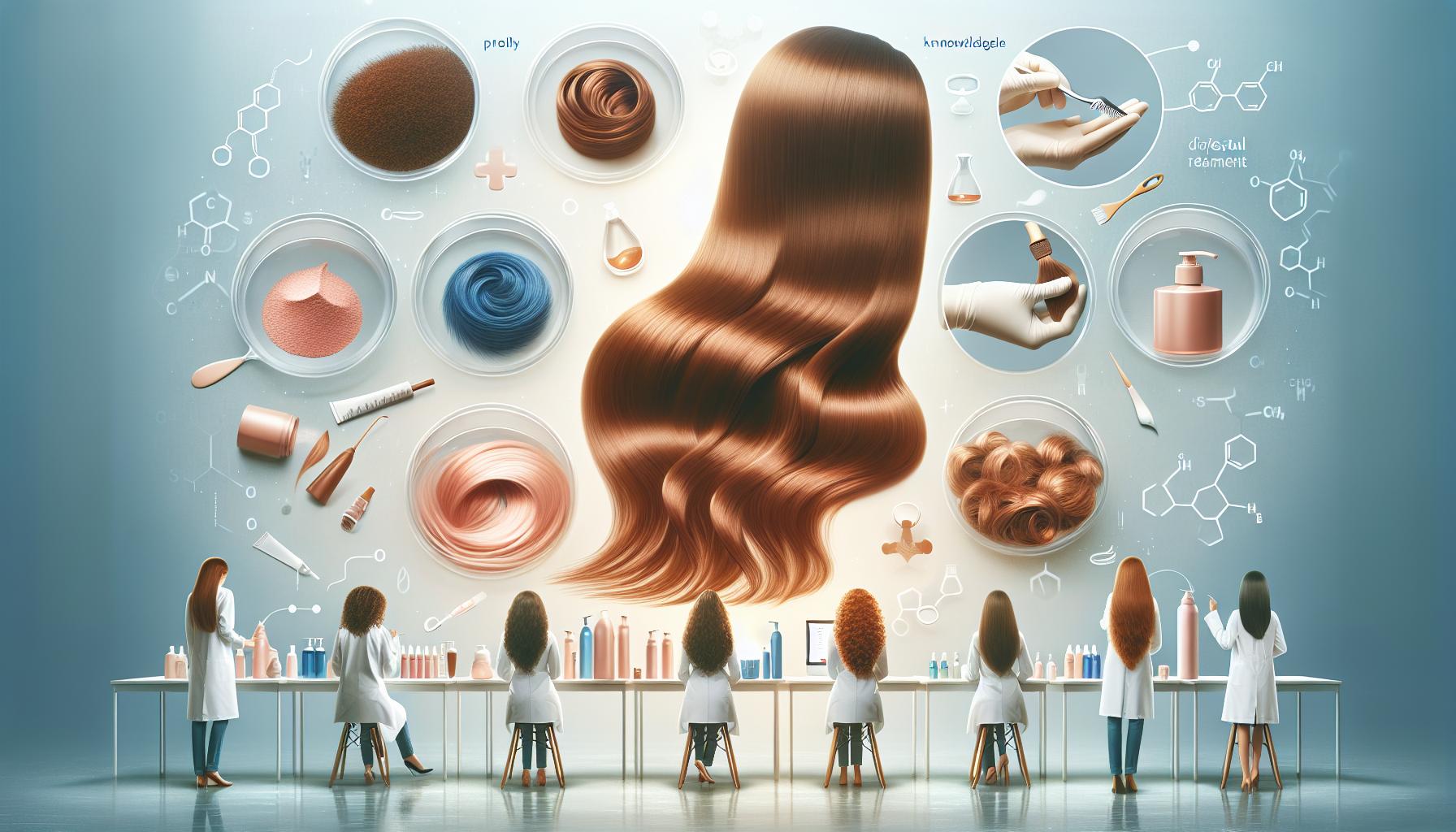
Dyeing hair has become a common beauty practice,but it’s critically important to understand the chemistry involved and its potential effects on hair health. When you apply color to your hair, particularly permanent dye, you are essentially altering its structure. This process frequently enough entails the use of harsh chemicals like ammonia and hydrogen peroxide, which can significantly impact the integrity of your hair.
The principal mechanism of dyeing involves the opening of the hair cuticle—the outer layer that protects the inner structure. When the cuticle lifts, it allows the color molecules to penetrate the hair shaft. This lifting, however, can lead to moisture loss and less resilience, making hair more susceptible to damage over time. While some coloring methods may utilize gentler formulations that minimize harm, such as semi-permanent dyes or natural alternatives, *it’s critical to note that any form of chemical alteration can result in varying degrees of damage* [[1]](https://www.milkshakehair.com/blogs/news/does-hair-color-really-damage-your-hair).
Types of Damage Caused by Hair Dye
The extent of damage caused by hair dye can be categorized into several types:
- Structural Damage: The cuticle may become rough and porous, leading to increased breakage.
- Moisture Loss: Processed hair may lose its natural moisture, resulting in dryness and brittleness.
- Color Fading: over time, the vibrancy of the color can diminish, particularly with exposure to sunlight and washing.
Strategies exist to mitigate these effects, such as regular conditioning treatments and the use of leave-in products that can provide hydration and strengthen hair. For example, deep conditioning masks can restore moisture and elasticity after treatments, enhancing the overall health of colored hair [[2]](https://www.haircode.uk/knowledge-base/hair-health-and-science/does-dying-your-hair-damage-it).
Ultimately, understanding the science behind hair damage is crucial for anyone considering or already participating in the dyeing process. Prioritizing hair care post-dyeing not only extends the life of your color but also maintains the strength and shine of your locks, proving that with proper maintenance, one can enjoy that vibrant color without excessive sacrifice to hair health.
Choosing the Right Hair Color: Strategies for Minimizing Damage
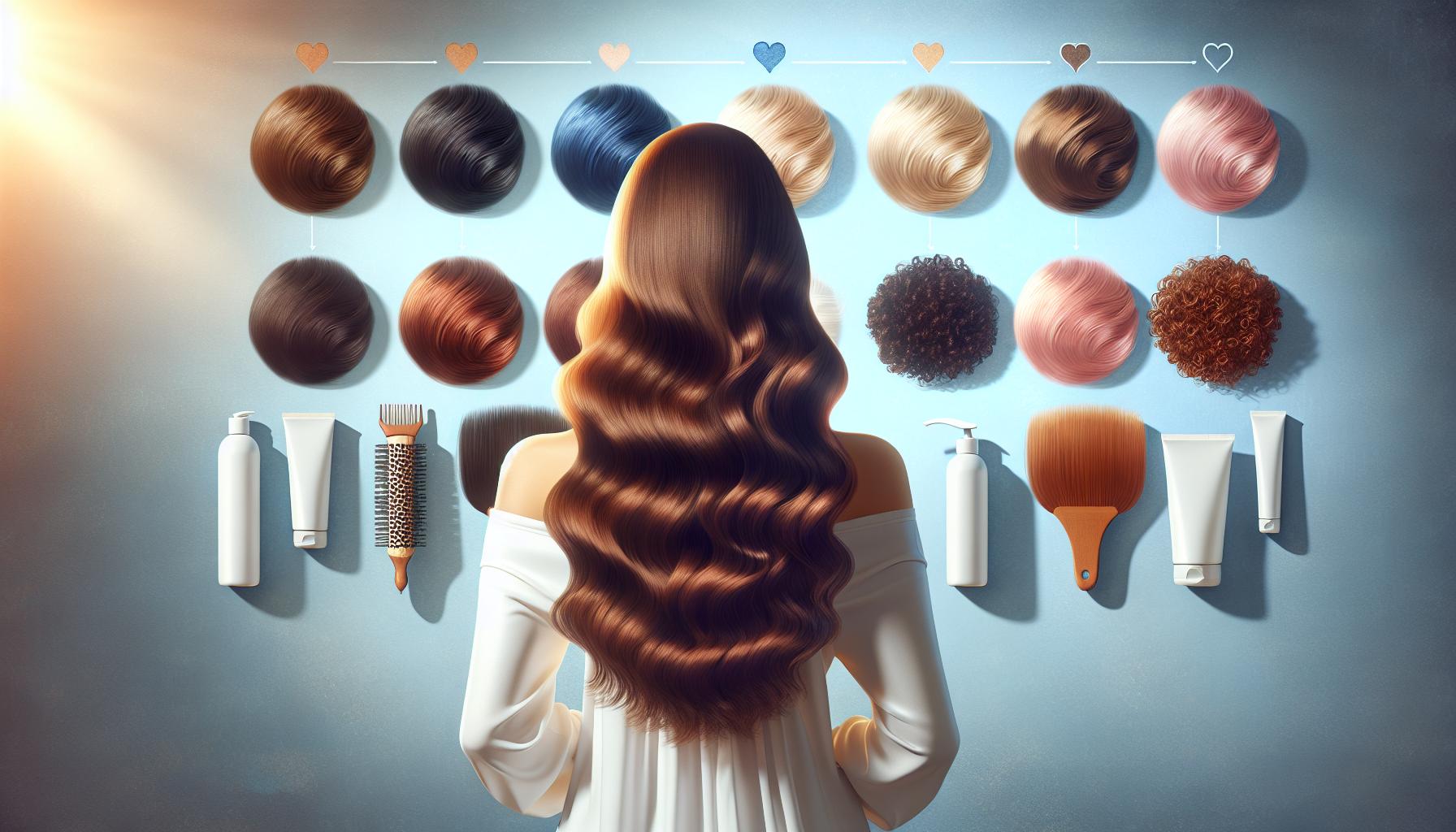
When contemplating a change in hair color, many individuals might pause and wonder about the potential impact on their hair’s health. The reality is that while achieving that desired hue can boost your confidence and style, the process of dyeing hair often brings some level of damage.This damage can manifest as weakened strands, reduced thickness, and an overall decline in hair health. However, with the right strategies, you can minimize these effects and keep your locks looking vibrant and healthy while balancing your eligibility for colors that suit your lifestyle.
Selecting Hair Dye with Fewer Chemicals
One of the most effective ways to protect your hair while coloring is to choose products with fewer harsh chemicals. Look for options that are labeled as ammonia-free or contain nourishing ingredients like oils and proteins. Brands that focus on semi-permanent or natural dyes frequently enough have fewer damaging effects compared to permanent options. These types of dyes not only add color but can also help maintain moisture and shine.
Consider Your Hair Type and Current Condition
Understanding your hair type and its current state is crucial when selecting a color. If your hair is already damaged or prone to breakage, it might potentially be wise to opt for a shade closer to your natural color or a less drastic change. For example, if you have fine or thin hair, highlights instead of an all-over dye can add dimension without overprocessing. Additionally, conducting a strand test prior to a full application can help assess how your hair might react to the color, potentially saving you from unforeseen damage.
Implement a Care Routine Post-Dyeing
After dyeing, proper aftercare is essential to mitigate damage. This includes using sulfate-free shampoos and conditioners designed for color-treated hair, which help lock in moisture and prevent fading.Incorporating deep conditioning treatments or hair masks weekly can also replenish lost nutrients.
- Limit Heat Styling: Reduce the use of heat styling tools to prevent additional stress on your dyed hair.
- Protect Hair from Elements: Use UV protectants when exposed to the sun and consider wearing a hat.
- Regular Trims: Keep your hair healthy by scheduling regular trims to get rid of split ends.
Choosing the right hair color involves more than just picking a shade; it is about understanding the process and how it affects your hair. by opting for gentler products,knowing your hair’s condition,and establishing a solid aftercare routine,you can enjoy your vibrant color while mitigating damage effectively. These strategies are essential for anyone asking, “does dying your hair damage it?” while seeking expert tips for maintaining healthy color.
Expert Techniques for Healthy Coloring: Dos and Don’ts
dyeing your hair can be an exciting way to express individuality, but it also comes with the concern of potential damage. To maintain vibrant color and healthy locks, adopting expert techniques is essential. Understanding what to embrace and what to avoid while coloring is key to minimizing any adverse effects. Here are some valuable dos and don’ts to ensure your hair remains healthy throughout its coloring journey.
Dos for Healthy Coloring
- Use Quality Products: Invest in high-quality hair dyes and conditioners specifically formulated for color-treated hair. These products are designed to protect your hair while delivering rich color.
- Opt for a Professional: Whenever possible, have your hair colored by a professional stylist. They can use techniques and formulas that best suit your hair type, ultimately reducing the risk of damage.
- Deep Condition Regularly: Incorporate deep conditioning treatments into your routine. Products rich in moisture can replenish the hydration that chemical processes strip away.Aim for a deep conditioning treatment at least once a week to maintain elasticity and shine.
- Wash Wisely: When cleansing color-treated hair, use lukewarm water and a sulfate-free shampoo. Sulfates can strip color quickly and lead to dryness, while cooler water helps in sealing the cuticles post-wash.
- Protect from Heat: Minimize the use of heat styling tools such as straighteners and curling wands. If you must use them, always apply a heat protectant spray beforehand to shield your strands.
don’ts for Healthy Coloring
- Avoid Overprocessing: Resist the urge to color your hair too frequently. Overprocessing can lead to brittleness and breakage. Stick to a schedule that allows your hair to recover, ideally every 6-8 weeks.
- Say No to Harsh Chemicals: Stay away from hair dyes laden with harsh chemicals like ammonia. Look for more gentle formulations that use natural ingredients to minimize damage.
- Don’t Skip Regular Trims: Regular hair trims every 6-8 weeks can help remove split ends and maintain the overall health of your hair, especially as color-treated hair is more prone to damage.
- Limit Exposure to Sun and Chlorine: Protect your hair from excessive sun exposure and chlorinated water, both of which can fade color and increase dryness. Wear a hat when outdoors and use a swimmer’s cap in pools.
By following these expert dos and don’ts, you can enjoy the vibrant shades of your color-treated hair while keeping damage at bay. Whether you’re pondering, “does dying your hair damage it?” or just looking for ways to enhance your coloring experience, these tips will guide you toward healthier hair.
Nourishing Your hair Post-Dye: Essential Care Tips
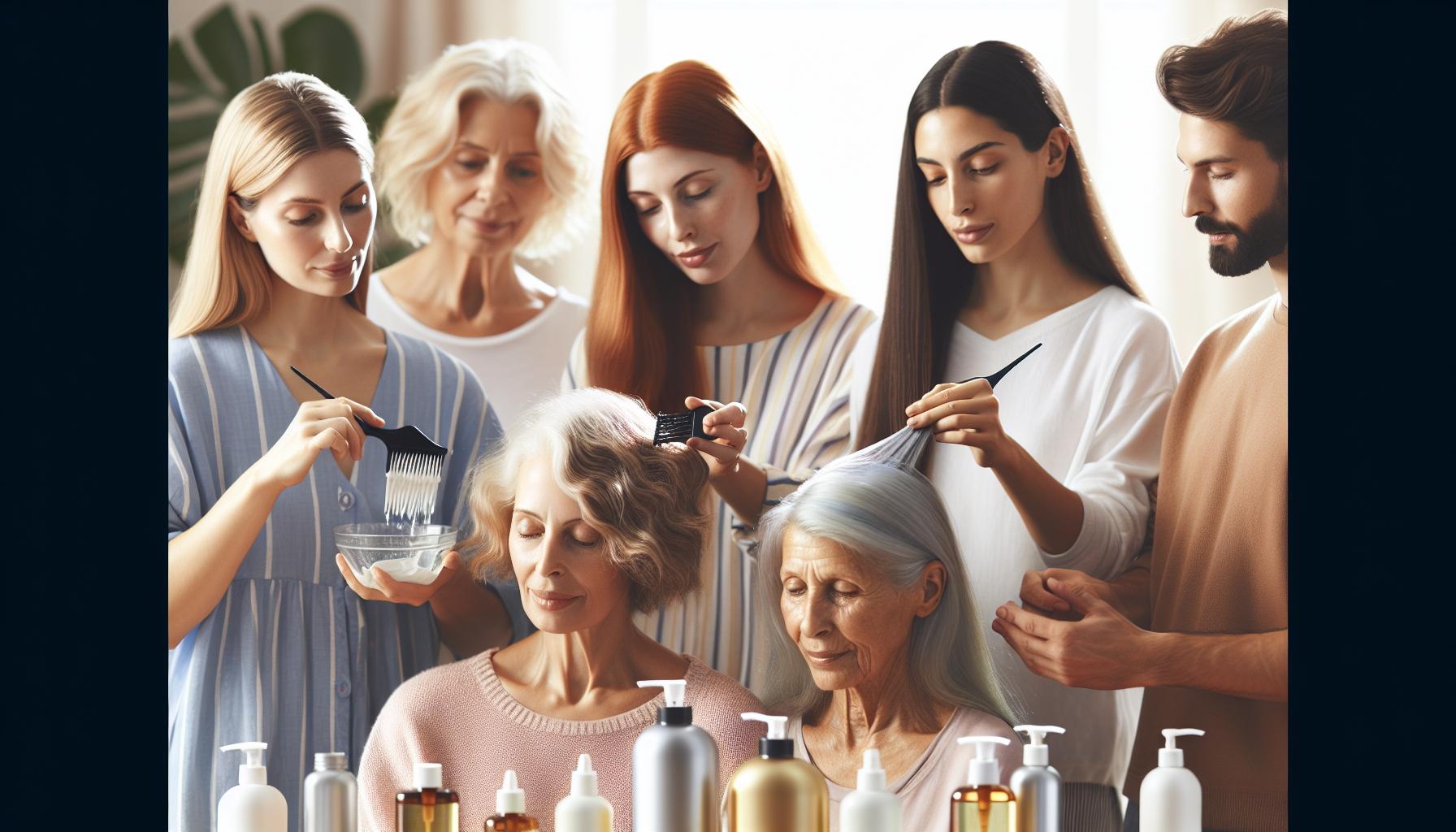
Coloring your hair can be an exciting way to express your individuality,but many people worry about the detrimental effects that dyes can have on hair health.While coloring can enhance your style, it often comes with the downside of dryness, brittleness, and potential damage. To counteract these effects and ensure your hair remains vibrant and healthy post-dye, following a nourishing care routine is essential.
Prioritize Moisture
One of the most critical steps in caring for dyed hair is to focus on hydration. After dyeing, your hair is more porous and prone to moisture loss, so incorporating deep conditioning treatments into your routine is vital. Look for products containing ingredients like argan oil, coconut oil, or shea butter, which help restore moisture and manageability. Aim to use a deep conditioner or hair mask at least once a week, leaving it on for 15-30 minutes for optimal results.
- Use sulfate-free shampoos: Sulfates can strip color and moisture from your hair. Opt for gentle, color-safe shampoos to maintain vibrancy.
- Apply leave-in conditioners: These products provide an additional layer of moisture and protection, helping to seal in color and keep hair soft.
Limit Heat Styling
Heat styling tools can exacerbate damage, especially for recently dyed hair. To keep your locks looking their best, consider reducing the frequency of heat styling. When you do use heat, make sure to apply a heat protectant spray to minimize damage.Embrace natural hairstyles and let your hair air-dry whenever possible to maintain its integrity and health.
Protect from Environmental Stressors
Sun exposure and chlorine from swimming pools can also alter the color and quality of your hair. To shield your hair, consider wearing a hat when in direct sunlight or using a UV protectant specifically designed for hair. Additionally, rinse your hair after swimming to remove chlorine, and follow up with a restorative conditioner to replenish moisture.
Nutrition Matters
nourishing your hair from the inside out is just as critically important as topical care. A diet rich in proteins, vitamins (particularly vitamins A, C, and E), and minerals like zinc and omega fatty acids can significantly influence hair health. Foods such as salmon, nuts, avocados, and leafy greens are fantastic choices for promoting healthy hair growth and maintaining color.
By following these essential care tips post-dye, you can enjoy your vibrant color while minimizing damage. Embrace the nuances of caring for colored hair, and you’ll find that maintaining healthy, beautiful hair is indeed possible.
Natural vs. Chemical Dyes: Making an Informed Choice
Choosing the right hair dye can feel overwhelming, especially when weighing the options between natural and chemical dyes. Each type has its own set of advantages and challenges, making it crucial to understand their differences before making a decision. For those who are concerned about potential damage to their hair, as discussed in expert tips for healthy color, it’s important to consider how each dye type affects not only the color but also the health of your strands.
Understanding Natural Dyes
Natural dyes are derived from renewable sources, including plants, minerals, and insects. They are often regarded as a safer choice because they generally contain fewer harsh chemicals. However, natural dyes do require the use of mordants—substances that help fix the dye to the hair—which can include metals like alum or iron, and may involve acidic or alkaline baths [[2](https://www.reddit.com/r/dyeing/comments/1dkb0x3/health_concerns_of_natural_vs_syntheic_dye/)].
The color palette available with natural dyes is somewhat limited compared to synthetic options, frequently enough presenting shades primarily based on the plant materials used. Nonetheless, many users find the muted, earthy tones provided by natural dyes appealing and softening on the hair. Additionally, natural dyes are often free from synthetic fragrances and other potentially irritating additives, making them a more favorable option for individuals with sensitive scalps.
The Appeal of Chemical Dyes
On the other hand, chemical dyes offer an expansive range of colors and consistent results that can be difficult to achieve with natural dyes. These products contain synthetic compounds that are designed to penetrate the hair shaft deeply, allowing for vibrant and lasting results.Though, it is indeed essential to note that they can also contain harsh chemicals that may strip moisture from the hair, leading to damage [[1](https://www.pascuali.de/en-eu/blogs/blog-knitting/dye?srsltid=AfmBOorND7OWsAB7Rxl8s5xzIqQDoEpyCMHzFkdDJrlSZyBmQxOhf1NT)].
When considering whether to dye your hair, it’s important to weigh the risks and benefits of both types of dyes.Chemical dyes can result in stunning, vivid colors that require less time and effort to achieve ideal results; though, users should be aware of the potential for long-term damage, particularly to dry or brittle hair. Those leaning towards natural options should prepare for a more labor-intensive process but might find the health benefits outweigh the inconvenience.
| Dye Type | advantages | Disadvantages |
|---|---|---|
| Natural Dyes | Safer for sensitive skin; environmentally friendly; fewer harsh chemicals | Limited color range; requires mordants; more time-consuming |
| Chemical Dyes | Wide array of colors; consistency in results; less time needed for application | Potential for hair damage; contains harsh chemicals; risk of allergic reactions |
Ultimately, the choice between natural and chemical dyes hinges on personal preferences, hair type, and health considerations. For those asking, “does dying your hair damage it?” expert advice suggests balancing between achieving the desired results while also taking steps to preserve overall hair health. Always conduct a patch test, consider the impact of repeated dyeing, and prioritize aftercare to maintain the vibrancy and integrity of your hair following any dye treatment.
Repairing Damaged Hair: Treatment options That Really Work
Many people wonder how to restore the vitality of their hair,especially after frequent coloring. Dying hair can indeed lead to damage, making effective treatment options essential for those seeking to maintain healthy color. Numerous methods can rehabilitate your locks, and understanding these can help you make informed decisions about your hair care routine.
One of the key strategies for repairing damage is to invest in high-quality products specifically designed to strengthen and nurture your hair. Consider products that contain ingredients such as keratin, biotin, and natural oils like argan or coconut oil. For example, treatments like the Bumble and Bumble Bond-Building repair Treatment have been highly praised for their ability to soften hair while adding volume, making them excellent choices for anyone suffering from hair breakage due to dyeing [2[2].
Furthermore, adopting a few simple practices can enhance the overall health of your hair. Lowering the temperature of styling tools is critical; high heat can exacerbate existing damage.Always use a heat protectant before styling, and consider air-drying your hair when possible. Handling wet hair with care is equally important; use a wide-tooth comb rather than a brush to detangle, as this minimizes breakage. Incorporating deep conditioning treatments regularly can also replenish moisture and elasticity, vital components often lost during the dyeing process. Rich hair masks, applied weekly, can dramatically improve the texture and manageability of your hair [1[1].
while the question of “does dying your hair damage it?” often leads to concerns, proactive treatment approaches can effectively mitigate damage.Evaluate your hair care products and be mindful of your styling habits; with these strategies, you can enjoy beautiful, healthy-looking hair long after your last dye session.
Maintaining Vibrant Color Without Sacrificing Health
Maintaining vibrant hair color while prioritizing the health of your strands can often feel like walking a tightrope. Many individuals worry that frequent coloring could lead to damage, but with the right strategies, it’s possible to enjoy rich, beautiful hues without sacrificing the integrity of your hair. Choosing high-quality dyes, coupled with thoughtful aftercare regimens, is essential in navigating this delicate balance.
One of the most effective ways to keep color looking fresh and vibrant is thru proper hair care practices. After dyeing,it’s crucial to avoid washing your hair for at least 72 hours to allow the color to set properly. When you do wash your hair, opt for sulfate-free shampoos that are specifically formulated for color-treated hair. These products help prevent color fading by minimizing the stripping of natural oils while still cleansing effectively.### Additional Care Techniques
To further extend the life of your color,consider incorporating the following tips into your hair care routine:
- Deep Conditioning Treatments: Regular use of deep conditioners or hair masks can help nourish and fortify color-treated hair. Look for products that contain ingredients like argan oil, keratin, or jojoba oil for best results.
- Heat Protection: If you use heat styling tools, ensure you apply a heat protectant spray to shield your strands from damage. This step helps maintain moisture and reduces the risk of brittleness.
- Limit Sun Exposure: UV rays can fade hair color, so wearing a hat or using UV protection sprays on hair can definitely help preserve vibrancy.
Additionally, regularly trimming your hair can remove split ends and make your color look brighter and healthier. This simple step not only keeps your ends looking fresh, but it also prevents further damage from traveling up the hair shaft.By following these expert tips and focusing on maintaining the health of your hair, you can enjoy vibrant colors that shine brilliantly without compromising the overall health of your tresses. Balancing aesthetics with care ensures that your hair remains beautiful for longer, embodying the essence of healthy, colored hair.
Faq
Does dying your hair damage it?
Yes, dying your hair can damage it. Frequent use of hair dyes, especially those containing harsh chemicals, can lead to dryness, breakage, and weakened hair structure.However, using the right products and techniques can minimize the damage.
Certain dyes, particularly permanent ones, penetrate the hair shaft and may affect its integrity. To maintain healthy hair while coloring, consider using a color-safe shampoo and deep conditioning treatments. These can help in retaining moisture and strength.
What are the best practices for hair dyeing?
To minimize damage when dying your hair, follow best practices like conducting a patch test, using professional products, and applying a deep conditioner regularly. These steps help ensure color adherence without compromising hair health.
It’s also advisable to avoid washing your hair instantly before dyeing. This allows your hair’s natural oils to protect against harsh chemicals. Moreover, consider using a sulfate-free shampoo to preserve your color and reduce damage.
Can I dye my hair without damaging it?
Yes, you can dye your hair while minimizing damage by choosing gentler formulations, such as semi-permanent or natural dyes. These options are less harsh than permanent dyes and can be less damaging to your hair.
Additionally, using a bonding treatment or a protective serum before and after dyeing can significantly reduce the likelihood of damage. look for products that specifically state they are designed to protect color-treated hair.
Why does hair dye cause damage?
Hair dye causes damage due to the chemical processes involved, which open the hair cuticle and alter its natural structure. This can lead to weakened hair and make it more prone to breakage over time.
The degree of damage frequently enough depends on the type of dye used and frequency of application. Chemical dyes contain ammonia or peroxide, which can strip away natural moisture, so implementing effective hair care routine is vital.
How can I repair damaged hair from dyeing?
To repair damaged hair from dyeing, integrate deep conditioning treatments and protein-rich products into your hair care routine. these restore moisture and strengthen the hair shaft,promoting healthier strands.
Regular trimming helps eliminate split ends and should be part of your recovery routine. moreover, abstaining from heat styling and chemical treatments can accelerate the healing process.
Can I dye my hair while pregnant or breastfeeding?
it is generally advised to avoid hair dye during pregnancy and breastfeeding due to potential exposure to chemicals. However, many experts believe that using natural or ammonia-free dyes may be safer options.
Always consult your healthcare provider before making decisions about hair dyeing during pregnancy or breastfeeding. They can offer personalized advice based on your unique situation.
What are some alternatives to traditional hair dyes?
Alternatives to traditional hair dyes include henna, vegetable dyes, and temporary color rinses. These options are generally less damaging and provide a more natural color change.
Additionally, using colored hair sprays for a temporary change can allow for experimentation with color without committing to a lasting effect. These methods often provide a fun way to update your look while maintaining hair health.
In Retrospect
while dying your hair can indeed lead to damage, understanding the factors at play allows you to take proactive steps in maintaining its health. The use of harsh chemicals in dyes can weaken hair structure, leading to potential dryness and brittleness. Though, incorporating high-quality conditioning treatments, avoiding excessive heat styling, and using a wide-tooth comb to detangle can significantly mitigate damage. remember, moderation is key—frequent dyeing can exacerbate issues, but occasional color changes with proper care can enhance your look without sacrificing hair health. For those curious about specific treatments or personalized advice, exploring further resources or consulting with hair care professionals can provide tailored solutions to suit your needs. Embrace your color journey with knowledge and confidence, ensuring your tresses remain vibrant and strong!


