


Maintaining vibrant highlights while minimizing damage is a common concern for many. Understanding how frequently to refresh your color is crucial for healthy hair. This article offers expert insights on timing your highlights perfectly to achieve stunning results without compromising the integrity of your hair. Discover pro tips to enhance your color while keeping your strands strong.
Contents
- Understanding Hair Damage: Signs You Shouldn’t Ignore
- The Science Behind Hair Color and Health
- Recommended Frequency for Highlights Based on Hair Type
- Pro Tips for minimizing Damage During Highlighting
- Alternating Highlight Techniques: What Works Best?
- At-Home Care: Keeping Your Highlights Vibrant and Damage-Free
- The Role of Professional Coloring Services in Hair Health
- Listening to Your Hair: How to Adjust Your Routine Responsively
- FAQ
- How often should I highlight my hair without damage?
- What are Pro Colorist Tips for healthy hair highlights?
- Can I highlight my hair if it’s damaged?
- why do highlights damage hair?
- What is the difference between foils and balayage for highlights?
- Can I lighten my hair with highlights while pregnant?
- How do I maintain my highlights at home?
- In Summary
Understanding Hair Damage: Signs You Shouldn’t Ignore
Recognizing the signs of hair damage is crucial for anyone who frequently highlights their hair. While highlights can enhance your look, they can also put your strands at risk if not properly monitored. Ignoring the subtle cues your hair sends can lead to long-term damage that may require drastic measures to repair. Being proactive and informed allows you to maintain healthy hair while enjoying your desired highlights.
Common Signs of Hair Damage
when it comes to keeping your hair healthy and vibrant,there are several key indicators of damage that you should never overlook. Here are some symptoms that point to underlying issues:
- Excessive dryness: If your hair feels straw-like, lacks moisture, or becomes brittle, these are clear signs that your highlights may have stripped your hair of it’s natural oils.
- Split Ends: Frequent highlights can exacerbate split ends. Regular trims can help manage this, but if they keep appearing rapidly, it’s time to assess your highlighting frequency.
- Loss of Elasticity: Healthy hair should stretch slightly and return to its original shape. If you notice that your hair is snapping easily or does not bounce back, this could indicate notable damage.
- Unusual Frizz: While some frizz is normal, excessive frizz—especially after using styling products—can indicate that your hair has lost its ability to retain moisture due to over-processing.
Monitoring Your Hair Health
Maintaining a regular check on these signs can help you determine when to step back from highlighting. If you start to notice any of the above symptoms, consider these actionable steps:
- Hydrate: Integrate deep conditioning treatments into your routine to help restore moisture.
- take Breaks: Allow your hair to recover by spacing out your highlighting appointments. A general guideline is to wait at least six to eight weeks between highlights.
- Choose Expert Care: When you do highlight, opt for products and techniques that are known for being less damaging, such as balayage or using low-ammonia dyes.
Concluding Thoughts
Understanding how often to highlight your hair without damage is essential for maintaining its health and vibrancy. If you’re experiencing any of these signs of damage, don’t hesitate to reassess your hair care routine and discuss options with your stylist. By prioritizing hair health, you can continue to enjoy gorgeous highlights without compromising the integrity of your hair.
The Science Behind Hair Color and Health
Understanding the connection between hair color and health can offer fascinating insights that go beyond aesthetics. Various studies have suggested that the natural hue of your hair can impact your health profile, particularly concerning skin sensitivity and certain cancer risks. For instance, individuals with lighter hair colors, such as blondes and redheads, often carry a heightened risk for skin cancers due to lower levels of melanin, which provides protection against harmful UV rays. This biological reality emphasizes the importance of diligent sun protection for those with fair hair.
The implications of hair color do not solely pertain to skin health.Research indicates that hair dye usage—common among individuals seeking to enhance or modify their natural color—raises questions regarding safety and chemical exposure. While some studies, such as those from the National Cancer Institute, have found no definitive link between personal hair dye use and certain cancers like bladder cancer, the ongoing debate highlights the need for further examination. as a precaution, individuals should consider the types of hair products they use and opt for formulations that minimize harmful chemicals.
In addition to cancer risks,other health aspects associated with hair color include pain tolerance. Studies suggest that people with red hair may experience a different pain threshold, affecting how they react to various medical treatments. this connection invites a broader discussion about how biological variations related to hair color might influence medical outcomes.
To ensure the safety and health of your hair while considering the best practices for highlighting—addressed in the context of “How Frequently enough to Highlight Your Hair Without Damage: Pro Colorist Tips”—it’s crucial to consult with professional stylists who can recommend gentle techniques and high-quality products. By layering highlights carefully and maintaining proper hair care routines, individuals can enjoy vibrant hair colors without compromising their health.
while hair color is frequently enough simply a style choice,understanding its potential health impacts is paramount. Whether you’re experimenting with colors or sticking to your natural hue, being aware of these factors can help you make informed decisions about hair care and overall wellness.
Recommended Frequency for Highlights Based on Hair Type
When it comes to freshening up your locks with highlights, understanding how your specific hair type interacts with the coloring process is essential. Properly timing your appointments can substantially affect the health and appearance of your hair, helping you maintain your desired look without causing damage. Consider the various hair types and how frequently each should have highlights reapplied.
Fine Hair
Fine hair is generally more susceptible to damage from chemical treatments, such as bleach used in highlights. Therefore, if you have fine hair, it’s recommended to space out appointments every 10 to 12 weeks. This interval allows your hair to recover from the lightening process, preventing excessive dryness and breakage, which can result from too frequent highlighting [3[3].
Medium to Thick Hair
for those with medium to thick hair, the recovery time can be slightly shorter. Aiming for every 6 to 8 weeks is frequently enough ideal. This schedule balances maintaining the vibrancy of your highlights and ensuring the hair retains its health,especially if your hair is in good condition and doesn’t show signs of damage [1[1]. It is important to keep an eye on your hair’s condition; if you notice increased dryness or breakage, give your hair a break.
Curly Hair
Curly hair can vary greatly in terms of porosity and overall health. If your curls are well-moisturized and healthy, a frequency of 8 to 10 weeks could work well to keep your highlights looking fresh while allowing curls to maintain their natural bounce and integrity [2[2]. However, ensure that your stylist uses techniques that suit your curl pattern to avoid damaging your hair.
Color Maintenance based on Highlights Technique
The highlighting technique also plays a pivotal role in determining how often you should return to the salon. For instance, if you opt for the more forgiving balayage technique, which creates a softer, sun-kissed effect, you may be able to extend your appointment schedule to 12 weeks or even longer [3[3]. Conversely, conventional foiling may require more frequent visits to maintain that fresh, crisp look, generally within the 6 to 8 weeks range.
| Hair Type | Recommended Frequency |
|---|---|
| Fine Hair | 10 to 12 weeks |
| Medium to Thick Hair | 6 to 8 weeks |
| Curly Hair | 8 to 10 weeks |
| Balayage Technique | Up to 12 weeks |
| Foiling Technique | 6 to 8 weeks |
By assessing your hair’s unique characteristics and sticking to these guidelines, you can enjoy vibrant highlights while minimizing the risk of damage. Remember, every head of hair is different, so it’s beneficial to consult with a professional stylist for personalized advice tailored to your hair care regimen.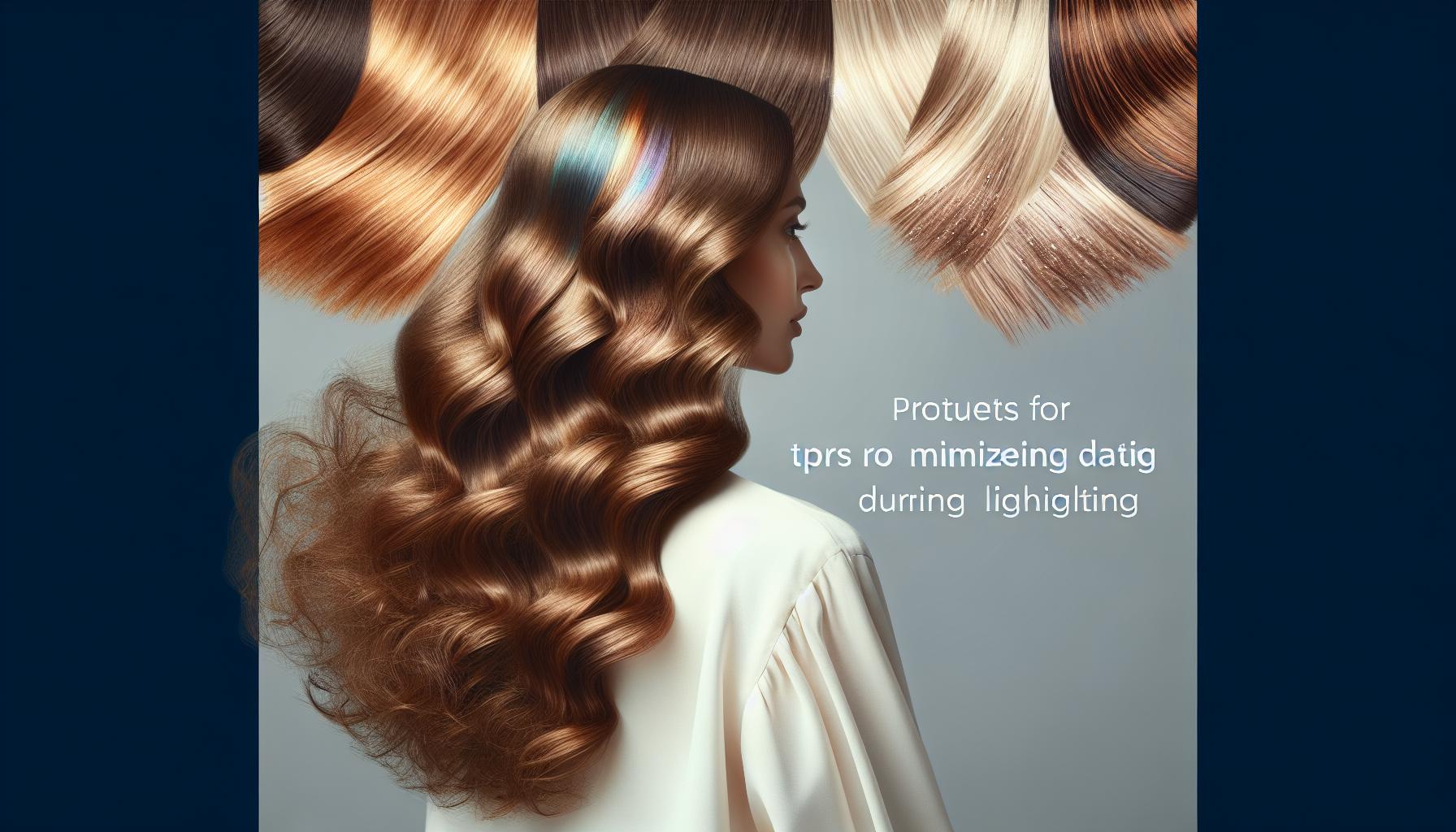
Pro Tips for minimizing Damage During Highlighting
Highlighting your hair can transform your look,but if done improperly,it may lead to unwanted damage. To ensure your mane stays healthy while achieving that sun-kissed glow, it’s critically important to follow a few pro tips that colorists swear by. These strategies will help you maximize the beauty of your highlights while minimizing the impact on your hair’s integrity.
Choose the Right Products
Opt for high-quality hair products specifically designed for highlighting. Avoid harsh chemicals that can strip your hair of natural moisture. Look for products with nourishing ingredients such as oils or proteins that replenish your strands. For instance, consider using a low-volume developer which is less damaging than higher volumes, especially if you’re new to highlighting.
Highlighting Frequency
The frequency with which you highlight your hair is crucial in determining how much damage occurs. Generally, it’s advisable to wait at least 6-8 weeks between highlighting sessions. This allows your hair time to recover and keeps the color looking fresh without compromising hair strength. Keep in mind that over-bleaching can lead to brittle hair and breakage.
Protect and Prepare Your Hair
Prior to highlighting, prepare your hair with a deep conditioning treatment to fortify it against potential damage. this can help the hair absorb moisture and nutrients better, leading to a healthier appearance post-highlighting.Additionally,using a bond builder treatment (like Olaplex) before the coloring process can definitely help strengthen and protect your strands during chemical treatment.
Aftercare Is Key
After highlighting, invest in a proper aftercare routine. Use sulfate-free shampoos and conditioners tailored for color-treated hair to maintain your highlights while minimizing fade. Incorporate regular deep conditioning masks to provide added moisture and resilience. Remember, a well-nourished hair is less prone to damage and retains color vibrancy longer.
By following these pro tips, you can enjoy beautiful highlights that enhance your look while keeping your hair healthy and vibrant, proving that achieving the perfect summer finish doesn’t have to come at the expense of your hair’s well-being.
Alternating Highlight Techniques: What Works Best?
To achieve beautifully highlighted hair without incurring substantial damage,the approach you take is crucial. Many people underestimate the impact of technique on hair health. While traditional foil highlights are popular for creating bold contrasts, they often require frequent maintenance due to root regrowth, which can lead to additional stress on already compromised strands. Thus, understanding the various highlighting techniques can help you choose the right one for your hair type and condition.
Benefits of Option Highlighting Techniques
Utilizing alternative highlighting methods can significantly reduce the likelihood of damage while offering stunning results. Some effective approaches include:
- Balayage: This freehand technique creates a natural, sun-kissed look and is less damaging becuase it doesn’t involve harsh foils. Rather than starting from the roots, color is painted onto the mid-lengths and ends, allowing for a softer transition as your hair grows.
- Sombré: For a subtler effect, sombré offers a softer variation of balayage, blending highlights with the base color for depth without the stark contrast.
- Teasy Lights: This method uses backcombing to minimize the amount of hair exposed to bleach, reducing damage significantly compared to full foil highlights, as it targets specific sections without overwhelming your strands.
Choosing the Right Technique for Your Hair
When deciding on a highlighting technique, consider your hair’s health and your desired look. as an example, if your hair is already damaged, techniques like balayage or sombré can provide highlighted effects with less chemical exposure. Consulting with a professional colorist can be invaluable; they can assess your hair’s condition and recommend a personalized highlighting plan that focuses on minimizing damage.
Frequency Matters
Another essential factor in maintaining hair health while highlighting is the frequency of your appointments. As outlined in expert guides,a good rule of thumb is to schedule your highlights every 8 to 12 weeks,depending on your hair’s growth and the technique used. This timing allows for the gradual fading of color, minimizing the need for frequent touch-ups.
Incorporating these alternative techniques and scheduling recommendations into your regimen can enhance your highlights and protect your hair integrity, aligning with the insights shared in How Often to Highlight your Hair Without Damage: Pro Colorist Tips. By making informed choices about your hair coloring process, you can enjoy vibrant highlights without compromising the health of your tresses.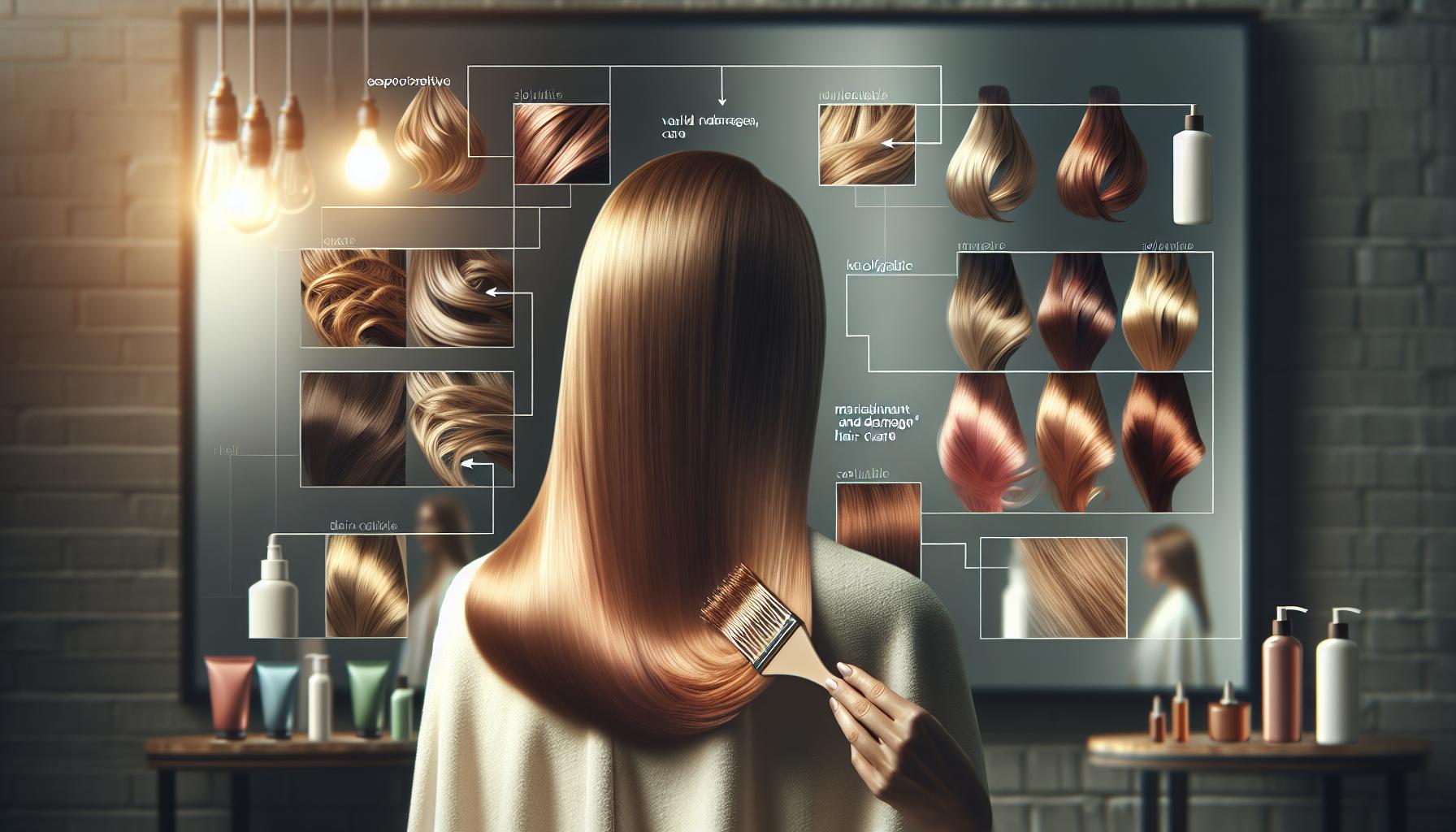
At-Home Care: Keeping Your Highlights Vibrant and Damage-Free
To maintain the vibrancy of your highlights without damaging your hair, a thoughtful at-home care routine is crucial. Think of your hair as a canvas; without proper maintenance,even the most brilliant colors can fade into dullness. By integrating a few expert tips into your hair care regimen, you can keep your highlights looking fresh and healthy between salon visits.
Key At-Home Care Steps
Start by choosing the right products. A sulfate-free, color-safe shampoo is essential for preserving the brilliance of your highlights. Sulfates can strip away color and moisture, leading to unwanted fade and damage. Follow up with a nourishing conditioner designed for color-treated hair, helping to seal in hydration and maintain even the brightest shades.
Additionally,incorporating weekly deep conditioning treatments can significantly enhance your hair’s resilience. These masks restore moisture and strength,protecting against breakage and ensuring that your highlights remain vibrant. aim to apply a deep conditioner to clean, damp hair, allowing it to penetrate your strands for 10 to 15 minutes before rinsing with lukewarm water, as this helps maintain shine and prevent dullness from setting in [3[3].
Sun Protection and Thermal Styling
Another crucial aspect of caring for highlighted hair is protection from sun damage. Like your skin, your hair can suffer from UV exposure, leading to faded highlights and increased dryness.Consider using hair products infused with UV filters or apply a light hair sunscreen before heading outside, especially on bright days [2[2].
When styling, always use a heat protectant to shield your hair from the damaging effects of heat tools such as blow dryers, flat irons, and curling wands. This not only helps to maintain your hair’s integrity but also safeguards those vibrant highlights from losing their luster.
Frequency of Salon Touch-Ups
While at-home care is vital, regular touch-ups in the salon are equally critically important for maintaining the appearance of your highlights. Schedule appointments every 6-8 weeks to refresh your color and address any unwanted brassiness.Ask your stylist about adding gloss treatments, which can enhance shine and revitalize your highlights, keeping them looking salon-fresh for longer [1[1].
By integrating these practices into your routine, you’ll not only protect your hair from damage but also ensure your highlights remain vibrant and beautiful, extending the time between salon visits while maintaining the quality of your locks.
The Role of Professional Coloring Services in Hair Health
The importance of maintaining the health of your hair cannot be overstated,especially when it comes to coloring. Many individuals opt for professional coloring services to ensure their hair remains vibrant and healthy, particularly when exploring the delicate process of highlighting. Professional hair colorists have the expertise to not only apply color effectively but also to assess individual hair needs, making tailored decisions that enhance health while achieving desired results.
Choosing professional coloring services provides numerous benefits that at-home box dye applications simply cannot match. Professionals use high-quality, customized products that are less damaging to the hair. For example, they frequently enough utilize products that contain nourishing ingredients, which contribute to hair strength and shine, as opposed to the harsh chemicals often found in store-bought dyes [[2](https://thenightingalehairstudio.com/beauty-tips-and-data/box-dye-vs-professional-color/)]. These professional products can help maintain the integrity of your strands, allowing you to highlight your hair more frequently without compromising its health.
Expertise in Customization
- Tailored Color Solutions: professional colorists assess your unique hair type, texture, and previous color treatments to create a customized formula. This personalized approach reduces the risk of unwanted results.
- Healthy Submission Techniques: Skilled professionals employ techniques that minimize damage, such as highlighting methods that don’t require full saturation or that utilize lower developer volumes.
- Continued Care: After the initial service, colorists can recommend the best maintenance products and routines, ensuring your highlights remain radiant while keeping your hair healthy.
When determining how often to highlight your hair without causing damage, it’s crucial to rely on the insights of professional colorists. They can provide tailored schedules based on your hair’s resilience and the products used. Regular consultations can keep you updated on the condition of your hair and the best timing for follow-ups. as an example, while some individuals may require touch-ups as frequently enough as every 6-8 weeks, others may find that 10-12 weeks is a healthier frequency for their specific hair type [[3](https://sunday.salon/blog/why-professional-hair-color-always-wins-over-box-dye/)].
Ultimately, opting for professional coloring services plays a vital role in preserving hair health while achieving beautiful, dynamic highlights. By trusting experienced colorists, you not only enhance your hair’s appearance but also ensure that it remains strong and nourished throughout the coloring process.
Listening to Your Hair: How to Adjust Your Routine Responsively
Listening to your hair is essential to maintaining its health, especially after highlighting, which can be particularly damaging if not properly managed. Just like our skin, hair responds to changes in its environment, products, and styling practices.Recognizing when your hair is feeling dry, brittle, or oily can inform necessary adjustments to your hair care routine. For instance, if your highlights seem dull, it might be a sign that your hair is in need of extra moisture or a nourishing treatment.
When evaluating how frequently enough to highlight your hair without damage, it’s crucial to assess not only the health of your hair but also how your hair responds to your current routine.If your usual schedule involves highlighting every six to eight weeks but you begin to notice signs of damage,consider extending the interval between treatments. A practical rule is to aim for a minimum of six to eight weeks between highlights if your hair is feeling healthy,but to be flexible should your hair require more time for recovery.
Signs That Indicate a Need for Adjustments
To fine-tune your highlighting routine effectively, watch for these key indicators:
- Dryness: If your hair feels like straw or appears dull, it may benefit from additional conditioning treatments or a longer break before your next highlighting session.
- Brittleness: Breakage can signal that your hair is being over-processed. Scaling back on the highlighting frequency or incorporating protein treatments might be necessary.
- Oiliness: An increase in oiliness at the roots can signal that your scalp is overcompensating for the drying effects of past highlights. Tweaking your shampooing routine could help.
Moreover, implementing weekly hair masks or treatments specifically designed for color-treated hair can keep your strands healthy in between highlights. Such products often contain ingredients like keratin and natural oils that provide both moisture and protein, helping to rebuild the hair’s structure and shine.
the path to vibrant, healthy highlighted hair involves a responsive approach to caring for it.By actively listening to the needs of your hair and adapting your highlighting routine per its condition, you’ll not only preserve its vibrancy and shine but also ensure its long-term health. By following pro colorist tips, you can find the optimal balance between maintaining stunning highlights and ensuring that your hair remains resilient and beautiful.
FAQ
How often should I highlight my hair without damage?
To avoid damage, it’s best to highlight your hair every 8 to 12 weeks. This interval allows your hair to recover from potential stresses while maintaining a fresh look. Highlights can be taxing on your hair, especially if you go lighter. Regular maintenance helps prevent breakage and keeps your hair healthy. Consult your stylist for personalized advice based on your hair type and condition.
What are Pro Colorist Tips for healthy hair highlights?
Pro colorists recommend using high-quality products and minimizing heat styling to maintain healthy highlights. This includes using a color-safe shampoo and conditioner. Additionally,regular deep conditioning treatments can help restore moisture. When highlighting, it’s essential to choose shades that complement your natural base color for a more natural look.
Can I highlight my hair if it’s damaged?
Highlighting damaged hair is generally not advised,as it can exacerbate the issue. It’s important to address any existing damage first. Focus on repairing your hair with treatments and trims before adding highlights. Once your hair is healthier, you can reconsider highlights, ideally with a gentle technique like balayage that requires less processing.
why do highlights damage hair?
Highlights damage hair due to the bleaching process, which strips natural oils and moisture, leading to dryness and brittleness. This is particularly true with frequent highlighting. limiting the exposure to harsh chemicals and ensuring proper aftercare can mitigate some risks associated with hair highlights.
What is the difference between foils and balayage for highlights?
Foils and balayage are two distinct highlighting techniques. Foils involve wrapping sections of hair in aluminum foil to create defined highlights, while balayage is a freehand technique that results in a more natural, sun-kissed look. Balayage often requires less frequent touch-ups, reducing potential damage, making it a popular choice for those concerned about hair health.
Can I lighten my hair with highlights while pregnant?
While there is no definitive research proving that highlights harm pregnant women or their babies, many choose to wait untill after pregnancy for safety. If you decide to go ahead, consult your doctor and consider waiting until the second trimester when risks are lower.Opt for techniques that keep the dye away from the scalp, such as balayage.
How do I maintain my highlights at home?
Maintaining highlights at home includes using color-safe products and minimizing heat exposure. Regularly use a deep conditioner to keep your hair hydrated. Additionally, consider styling with lower heat settings and incorporating leave-in treatments to further protect your color and moisture balance. Regular trims can also help keep your hair healthy.
In Summary
finding the right balance for highlighting your hair without causing damage is essential for maintaining its health and vibrancy. Remember that the frequency of highlighting should be tailored to your hair type and the techniques used. Pro colorists recommend waiting at least 8 to 10 weeks between sessions for optimal results,especially if you’re using lightening products. This allows your hair to recover and minimizes the risk of excessive damage. Additionally, investing in quality hair care products, such as deep conditioners and restorative serums, can further protect your locks and enhance their luster.
As you explore your highlighting options, consider consulting with a professional stylist to tailor a regimen that’s right for you.Your journey to beautiful highlights can be an empowering experience—take the time to discover what makes your hair feel fabulous and nourished. For more insights and practical tips, join our community discussions or check out related articles on maintaining healthy hair with highlights.Your best hair days are just around the corner!


