


Are you dreaming of transforming your dark locks into a lighter hue but worried about damage? Whether you’re looking for an at-home solution or considering a salon visit, safely lightening your hair is crucial for maintaining its health and shine. Discover effective techniques and tips to achieve your desired shade without compromising your hair’s integrity.
Contents
- Understanding the science of Hair Lightening: What Happens to Your Locks?
- Safe At-Home Methods: Natural Ingredients for Lifting Color Gently
- professional Techniques: when to Consider Salon Services for Hair Lightening
- Maintaining Hair health: Nourishing treatments After Lightening
- Color Theory basics: Finding the Right Shade for Your Unique Hair
- Common Myths About Lightening Dark Hair: Debunking Misconceptions
- Preparing Your Hair: Essential Steps Before You Lighten
- Aftercare Strategies: Keeping Your Lightened Hair Gorgeous and Vibrant
- FAQ
- How to lighten dark hair safely at home or in the salon?
- What is the best method for lightening dark hair?
- Why does hair lighten when exposed to sunlight?
- Can I use natural ingredients to lighten my hair?
- How often can I safely lighten my hair?
- What should I do if my hair gets damaged from lightening?
- Is it better to lighten hair at home or in a salon?
- what precautions should I take when lightening my hair?
- To Conclude
Understanding the science of Hair Lightening: What Happens to Your Locks?
Lightening dark hair is a interesting process that involves more than just applying bleach or a lightening product; it delves deep into the chemistry of hair itself.Understanding what happens to your locks during this change can definitely help you achieve stunning results while minimizing damage.Hair is primarily made of a protein called keratin, which is infused with pigment that gives it color. When you apply a lightening agent, such as hydrogen peroxide or bleach, you initiate a chemical reaction that breaks down the natural pigment in the hair.
How Hair Lightening Works
The process begins with the oxidizing agent penetrating the hair shaft. This agent causes the melanin (the pigment responsible for hair color) to break down. The stronger the developer or bleach used, the lighter the hair becomes as more melanin is removed. It’s crucial to note that while this process can yield stunning results, it can also weaken hair. the challenge lies in balancing effectiveness with hair health, especially for individuals with darker or coarser hair types, which may require different techniques and products for safe and effective results.
To mitigate potential damage during the lightening process, many professional stylists recommend using products like Olaplex, which help to rebuild the bonds within the hair. This is especially beneficial for those looking to lighten dark hair safely at home or in the salon.If you decide to go this route, performing a strand test is essential. This involves applying the lightening product to a small section of hair to gauge how your locks will react,allowing you to adjust timing and technique as necessary.
key Considerations for Healthy Lightening
When contemplating methods to lighten dark hair safely, it is vital to follow best practices:
- Choose the Right Product: select a lightening agent that suits your hair type.
- Use Protective Additives: Incorporate bond builders to protect hair structure.
- Limit Processing Time: Over-processing can lead to irreversible damage.
- Moisturize post-Process: Follow up with deep conditioning treatments to restore hydration.
Executing these steps can make a significant difference in how your hair responds to lightening and its overall health post-treatment. Proper readiness and understanding the science behind hair lightening can lead to vibrant results that not only look good but feel good too.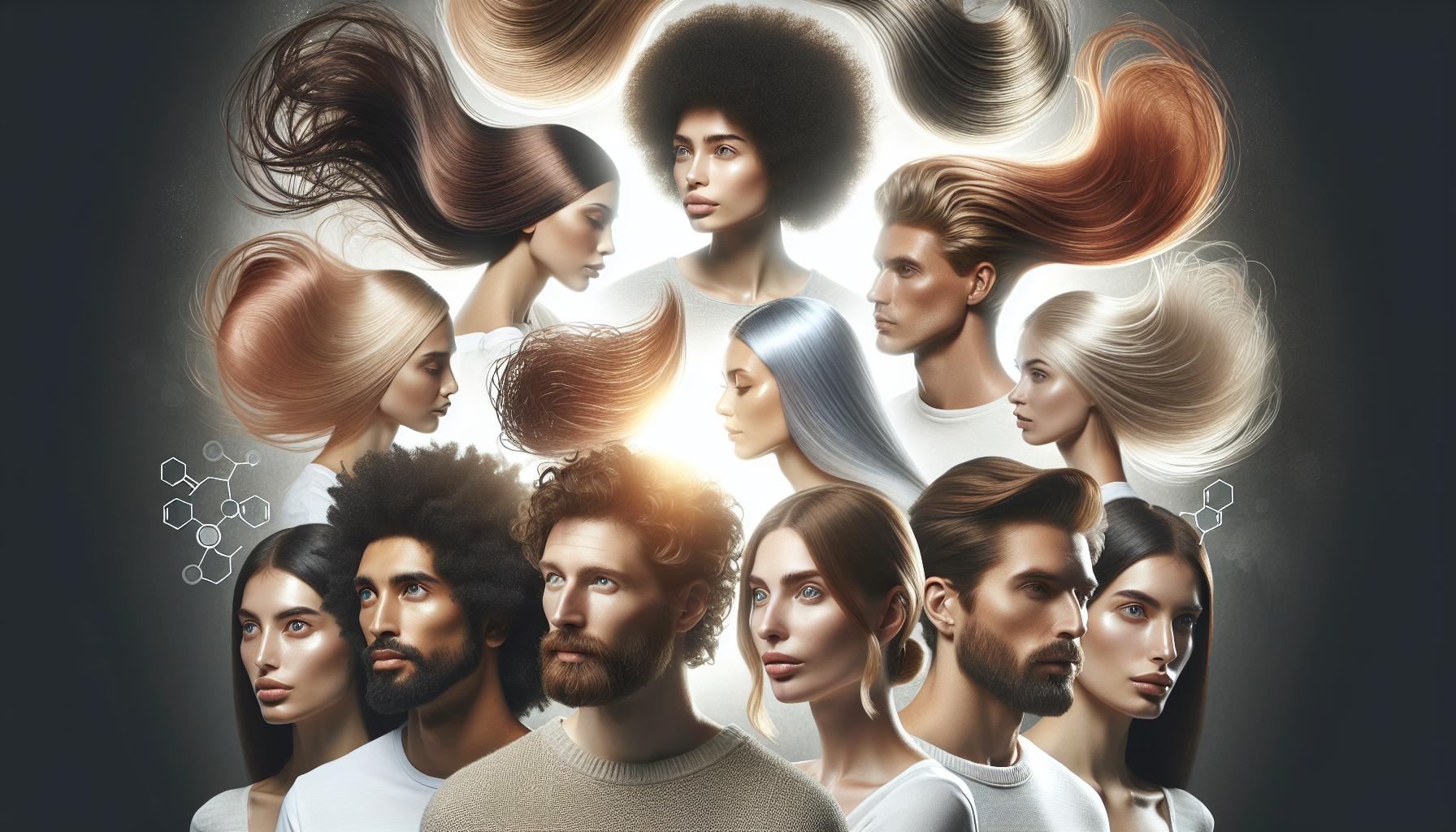
Safe At-Home Methods: Natural Ingredients for Lifting Color Gently
There’s an increasing demand for safe and natural methods to lighten hair at home, reflecting a broader trend towards using wholesome, less abrasive ingredients. Many individuals seek ways to achieve a sun-kissed look while avoiding the potential damage caused by harsh chemicals typically found in commercial hair dyes. Utilizing natural ingredients not only caters to this desire for gentleness but also promotes healthier hair in the long run.
Effective Natural Lightening Agents
Several household staples can effectively lighten dark hair without risking its health.Here are some tried-and-true options:
- Lemon Juice: A classic method, lemon juice contains citric acid, which can naturally lift color, especially when activated by sunlight. Mix equal parts lemon juice and water, apply it to your hair, and bask in the sun for 30-60 minutes.
- Chamomile: Known for its calming properties, chamomile tea also doubles as a lightening agent. Brew a strong cup of chamomile tea,let it cool,and use it as a rinse after shampooing.
- Honey and Vinegar: A natural humectant, honey can lighten hair when mixed with vinegar. Combine 1 part honey with 1 part apple cider vinegar, apply to damp hair, and leave it on for at least an hour before rinsing.
- Cinnamon: This aromatic spice can subtly lighten hair when mixed with conditioner. Create a paste using cinnamon and conditioner, apply it throughout your hair, and let it sit for 30 minutes.
Considerations for Gentle Lightening
while experimenting with natural lightening methods,it’s crucial to note that results vary based on hair type and natural color. Additionally, these treatments require consistent application over time for noticeable effects. Such as, using lemon juice may yield gradual lightening over a few weeks rather than an immediate drastic change.
Ultimately, understanding how to lighten dark hair safely at home or in the salon involves balancing your desired look with the health of your hair. Choose one or two methods that appeal to you, and commit to a routine that allows your hair to absorb and adapt to the changes. Always conduct a patch test to prevent adverse reactions, especially if you have sensitive skin or allergies.
Tips for Application
To maximize the effectiveness of these natural ingredients while ensuring safety, consider the following:
| ingredient | Method | Best For |
|---|---|---|
| Lemon Juice | Apply and sit in sunlight | Lightening with a brightening effect |
| Chamomile | Use as a rinse | Sensitive or light shades |
| Honey and Vinegar | Leave-in treatment | Moisturizing while lightening |
| Cinnamon | Conditioner mix | Warm tones and shine |
By embracing these gentle, natural methods, you can effectively lift color and enhance your hair’s natural beauty while keeping it healthy and vibrant.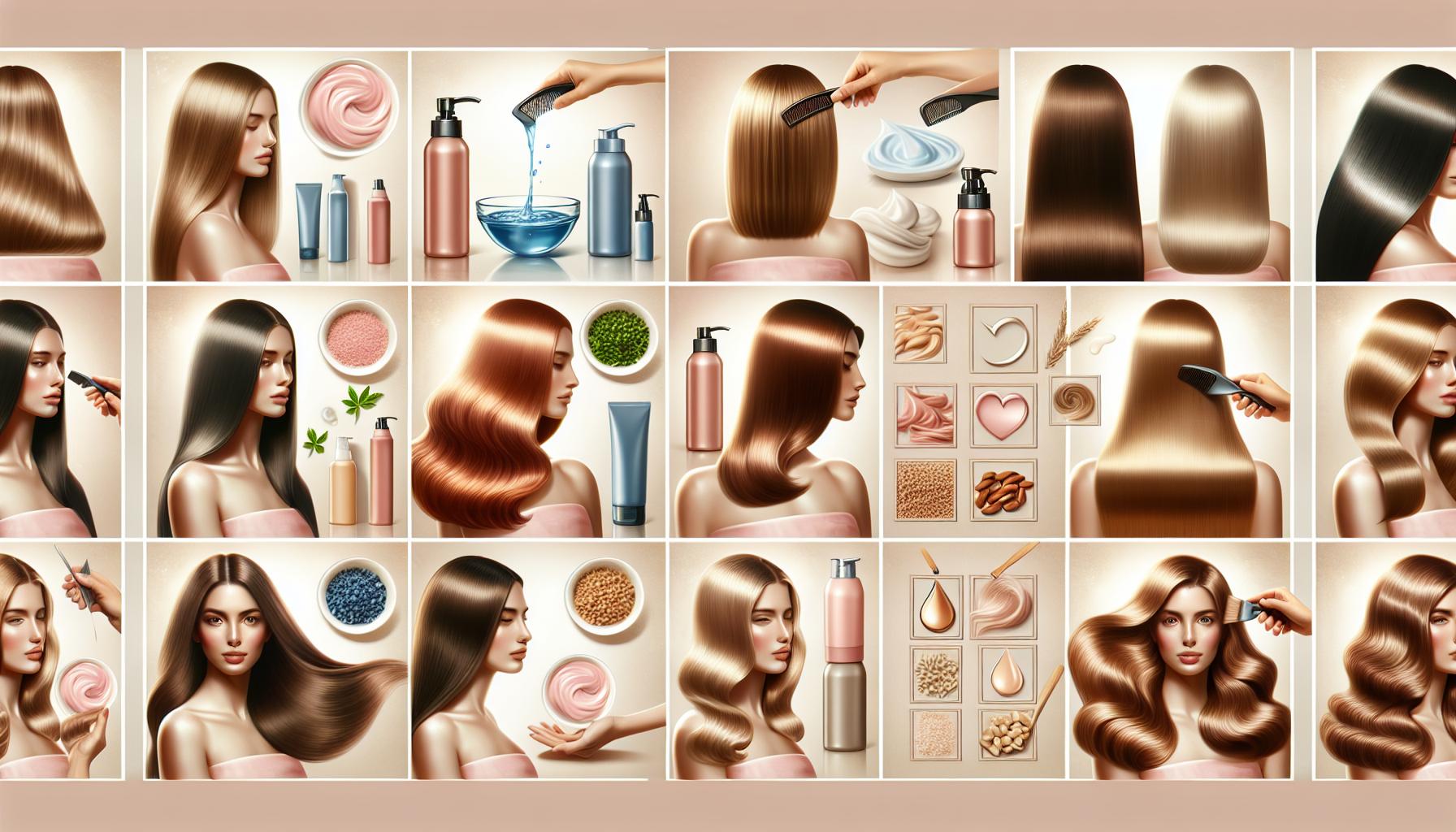
professional Techniques: when to Consider Salon Services for Hair Lightening
When considering a change in hair color, notably lightening dark hair, the decision between DIY techniques and professional salon services can considerably impact the outcome. many individuals underestimate the complexity involved in effectively lightening hair, especially when aiming for a dramatic transformation. While at-home methods can be convenient and cost-effective, they often lack the precision required to achieve a flawless and healthy result. This is where the expertise of a professional stylist becomes invaluable.Key Reasons to Opt for Professional Services
Choosing to lighten hair in a salon setting provides numerous advantages:
- Expertise and experience: Professional stylists have the training and experience necessary to assess hair type, condition, and desired results, ensuring safe and effective techniques are used.
- Advanced Techniques: A salon offers access to specialized products and methods, such as balayage or ombre, which can create a more natural and dimensioned look, tailored to your face shape and skin tone.
- Minimized Damage: Professionals utilize protective treatments and accurate application techniques,significantly reducing the risk of hair damage compared to typical home lightening kits.
- Customized Consultation: A stylist can provide personalized advice on maintenance and care post-treatment, helping to prolong the vibrancy of your new hair color.
Your Hair’s Health Matters
If your hair is currently colored, damaged, or has undergone multiple chemical treatments, professional assistance is especially crucial. Stylists are trained to evaluate the integrity of your hair and recommend a safe approach, which may include a gradual lightening process to preserve hair health.For example, instead of opting for an all-over bleach that could lead to breakage, a stylist might suggest highlights or a color correction service that gently lightens while maintaining hair strength.
While considering whether or not to visit a salon for lightening, weigh the potential long-term benefits against the upfront investment.Many local salons, such as The Color Studio in San antonio, offer varied professional hair services, from full color transformations to specialized treatments for optimal results [[1]]. Another excellent choice is Paul Mitchell Schools, which provides affordable services performed by students under professional supervision, allowing for an economy-friendly experience while still ensuring quality and safety [[2]].
Ultimately, investing in professional hair lightening services not only enhances aesthetic appeal but also safeguards the health and vitality of your hair, paving the way for striking looks that turn heads without the risk of damaging your locks.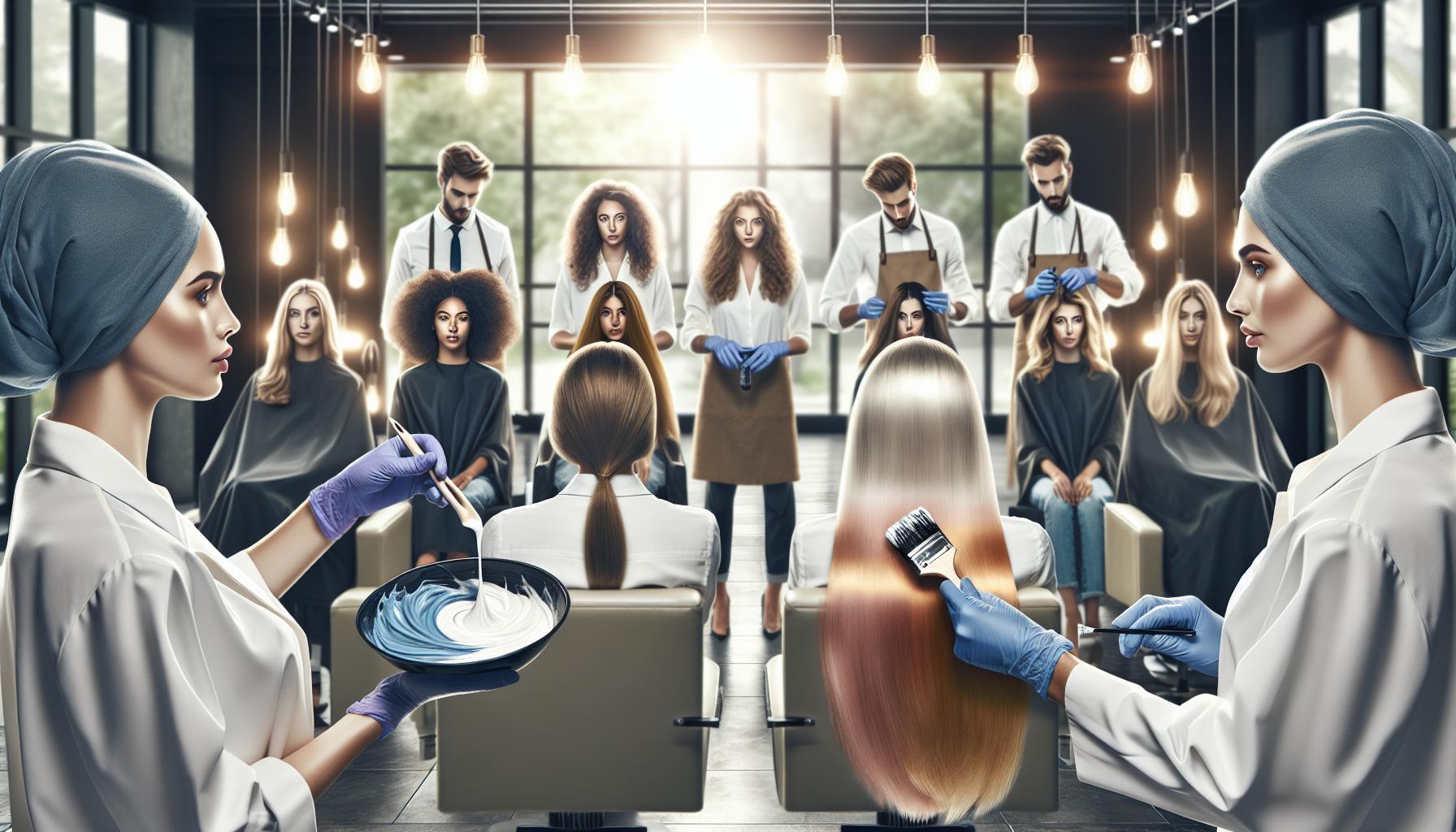
Maintaining Hair health: Nourishing treatments After Lightening
Maintaining the vibrancy and health of bleached hair is crucial after lightening, especially when trying to achieve a beautiful blonde or caramel tone. This delicate hair type requires special attention to restore moisture and reinforce its structure. With the right nourishing treatments, it’s possible to keep your locks looking luscious and minimize damage that can result from the bleaching process.
Essential Treatments for Post-Bleach Care
One of the most effective ways to restore moisture is through deep conditioning treatments. These treatments penetrate the hair shaft to provide hydration and elasticity. Look for products specifically designed for bleached hair,as they often contain ingredients like argan oil,keratin,and a blend of vitamins that target dryness and brittleness. Consider using a deep conditioner or hair mask once a week to rejuvenate your strands.
Another key aspect of maintaining hair health is the use of protein treatments. Bleaching often strips hair of its natural proteins, leading to weakness and breakage. Incorporating products that rebuild protein bonds can significantly enhance hair strength. Aim to use protein treatments every 4-6 weeks, depending on the level of damage your hair has sustained. This balance between moisture and protein is essential for optimal recovery.
- Moisture treatments: Apply a hydrating mask weekly.
- protein treatments: Use every 4-6 weeks to strengthen hair.
- Bond-building treatments: Integrate into your routine post-lightening for added protection.
Protective Oils and Products
After lightening, sealing in moisture with oils is a fantastic way to provide an extra layer of protection. Oils, such as jojoba or coconut oil, not only lock in hydration but also add shine and smoothness to your hair. Apply a few drops to the ends of your hair to prevent split ends and combat frizz. Pairing these oils with bond-building products can further reinforce your hair’s structure, making it less prone to damage over time.
Sun and Heat Protection
Lastly,never underestimate the power of protection against environmental factors and heat styling. UV rays can exacerbate damage to bleached hair,leading to fading and dryness. Using a leave-in conditioner with UV protection or wearing a hat can help shield your hair during sunny days. Additionally, always apply a heat protectant before styling with heat tools to prevent further trauma, keeping your newly lightened hair in the best condition possible.
By focusing on these nourishing treatments and preventive measures,you can enjoy beautiful,healthy hair post-lightening. Implementing a tailored hair care routine will ensure your efforts in achieving that perfect shade are long-lasting and rewarding.
Color Theory basics: Finding the Right Shade for Your Unique Hair
Understanding color theory is essential for anyone looking to achieve the perfect shade while exploring techniques on how to lighten dark hair safely at home or in the salon. The nuances in color combinations can significantly impact the final look,whether you’re aiming for a sun-kissed blonde or a bold pastel hue. Utilizing the color wheel can definitely help you visualize how different shades interact,allowing you to cancel unwanted tones or enhance your natural color.
Basics of the Color Wheel
The color wheel consists of primary,secondary,and tertiary colors that can serve as your guide. Below are key points to keep in mind when selecting your desired hair color:
- Primary Colors: Red, Blue, Yellow – these are the foundation colors that cannot be created by mixing other colors.
- Secondary Colors: Green, Purple, Orange – Formed by mixing two primary colors.
- Tertiary Colors: These are created by mixing a primary color with a secondary color, resulting in shades like red-orange or blue-green.
By understanding where your current hair color falls on the wheel, you can effectively select the right toner or color to achieve your goal.For instance, if your hair has unwanted yellow or brassy tones post-lightening, a purple toner can help neutralize those yellow tones, leading to a more balanced blonde result.
Practical Steps for Color Application
When applying your chosen lightening technique, bear in mind the following actionable advice:
- Determine Your Undertone: Your natural undertones can significantly affect how hair colors appear. Warmer tones might suit golden or copper shades,while cooler undertones often look great with ash or platinum blondes.
- Prepare Your Hair: Healthy hair absorbs color better. Consider a deep conditioning treatment a few days before you lighten your hair to ensure it’s in optimal condition.
- Test Strand Method: Before fully committing,always perform a test strand using the lightening product. This will give you an idea of how your hair will respond to the dye and help you adjust processing times as needed.
Color Correction
If you’ve made a coloring mistake,the color wheel can assist with corrections. For example:
| Unwanted tone | Corrective Color |
|---|---|
| Yellow | Purple |
| Brassy Orange | Blue |
| Red | Green |
By integrating color theory into your hair lightening practices, you can confidently explore how to lighten dark hair safely at home or in the salon. The right shade, applied with understanding and care, will elevate your look and boost your confidence. Remember, the more you understand your color choices, the better your results will be!
Common Myths About Lightening Dark Hair: Debunking Misconceptions
Lightening dark hair can seem like a daunting task, shrouded in misconceptions that often discourage individuals from exploring their desired hair transformation. Many people believe that hair color can be lightened without the use of bleach, impacting their confidence in attempting DIY methods or seeking salon services. However,understanding the myths surrounding this process is crucial for anyone looking to achieve beautiful,lighter locks safely.
Popular Myths Debunked
One of the most persistent myths is the idea that darker hair is easier to maintain than lighter hair. In reality, maintaining light hair often requires specific care strategies and products to prevent damage and brassiness. Additionally, many believe that they can achieve a lighter shade using just regular hair color products. This is a misconception; to lighten hair, especially dark hair, bleach is essential. Hair color alone cannot lift your original shade, as bleach works by removing the pigment from your hair, opening the hair shaft to lift dark tones effectively recommending nourishing treatments post-lightening. also, the idea that ”dirty” hair is preferred for lightening has some truth: natural oils can protect the scalp, but this is more relevant for extensive lightening processes rather than general color applications [1].
Practical Tips for Lightening Dark Hair Safely
If you’re contemplating how to lighten dark hair safely at home or in the salon, consider the following actionable tips:
- consult a Professional: Always start with a consultation from a certified stylist. They can assess your hair type and recommend suitable products.
- Perform a Strand Test: This is crucial for understanding how your hair reacts to bleach and what level of lightening can be achieved.
- Use quality Products: Select high-quality lighteners and hair care products to minimize damage and maintain hair health.
- Post-Treatment Care: Invest in hydrating shampoos and conditioners designed for color-treated hair to restore moisture and shine.
Understanding the facts behind lightening dark hair not only empowers individuals to make informed decisions but also paves the way for striking and healthy transformations. Embracing the right techniques and products ensures that the journey to lighter hair is safe and satisfying.
Preparing Your Hair: Essential Steps Before You Lighten
Before diving into the exhilarating world of hair lightening, it’s crucial to prepare your hair adequately to achieve the best results and minimize damage. Did you know that well-prepared hair not only lightens more evenly but also retains its health better throughout the process? This preparation phase involves understanding your hair’s current condition, selecting the right products, and taking specific steps to ensure the lightening process goes smoothly.
Assessing Your Hair’s Health
Begin by evaluating your hair’s condition. Look for signs of damage or dryness,such as split ends or a rough texture. If your hair is already compromised, it might potentially be wise to delay any lightening treatments until you can restore its health. This can involve treating your hair with deep conditioning masks or oil treatments for a few weeks. To assess your hair type and condition more effectively,consider the following:
- Conduct a strand test: Take a small section of hair and apply your chosen bleach or lightening agent to see how it reacts.
- Check for porosity: If your hair absorbs moisture quickly but dries out soon after,it might potentially be overly porous and in need of repair.
- Monitor for scalp sensitivity: Make sure your scalp isn’t irritated, as lightening agents can exacerbate existing issues.
Choosing the Right Products
Once you’ve assessed your hair, choosing the appropriate products becomes paramount. When learning how to lighten dark hair safely at home or in the salon,opt for high-quality lightening agents that suit your hair type. If you’re not sure where to start, look for products specifically designed for your hair’s porosity and texture.
Prepare a custom bleach mixture if you’re venturing into DIY lightening. Consider using a lower-volume developer for finer hair or more fragile strands, as this can help minimize damage while still achieving a lighter color. For maximum effectiveness and safety, follow the manufacturer’s instructions closely and consider consulting with a professional if unsure.
| Product Type | Best For | Developer Volume |
|---|---|---|
| Cream Bleach | All hair types | 20-30 vol for lightening |
| Powder Bleach | Thicker, darker hair | 30-40 vol for stronger lift |
| Oil-Based Lighteners | Fine or damaged hair | 10-20 vol for minimal damage |
Preparation Steps
With your products in hand, take the following essential steps before starting your lightening journey:
- Wash your hair lightly: Avoid using heavy conditioners or styling products on the day of lightening; they can create a barrier that hinders the lightening process.
- Gather tools: Drape an old towel over your shoulders, wear gloves, and have a comb, clips, and applicator brushes ready for a smooth application.
- Section your hair: To ensure even coverage, divide your hair into manageable sections. Start applying the bleach from the back to the front, as this area typically takes longer to lighten.
By meticulously preparing your hair, you’re setting the stage for a successful lightening experience that brings you closer to your desired look while keeping your hair healthy. Remember,patience and care are key when learning how to lighten dark hair safely at home or in the salon!
Aftercare Strategies: Keeping Your Lightened Hair Gorgeous and Vibrant
Achieving a lighter hair color can be exhilarating,but maintaining that vibrancy requires diligent aftercare.Once you’ve transformed your dark locks into a stunning lighter hue, it’s essential to implement effective strategies to keep your hair looking gorgeous and vibrant. The right aftercare not only preserves your color but also ensures your hair remains healthy and beautifully manageable.
hydration is Key
One of the most crucial aspects of aftercare is hydration. Lightened hair tends to be drier and more prone to damage due to the bleaching process. Incorporate hydrating products into your routine, such as deep conditioning masks and leave-in treatments. Look for products rich in natural oils, proteins, and moisture-boosting ingredients.Some highly recommended options include:
- Argan oil-infused hair masks
- Coconut oil treatments
- Shea butter conditioners
Consider applying a deep conditioning treatment once a week to restore moisture and elasticity to your hair.
Regular Maintenance with the Right Products
To keep your lightened hair vibrant, it’s crucial to choose specific products designed for color-treated hair. Using purple shampoo can definitely help neutralize brassy tones and maintain your shining, fresh color.Alternate your shampoo and conditioner to find the right balance that keeps your hair healthy without stripping away the color.
| Product Type | Purpose |
|---|---|
| Purple Shampoo | Neutralizes brassy tones |
| Moisturizing Conditioner | Hydrates and detangles |
| Leave-In Conditioner | Provides lasting moisture and protection |
Avoid Heat Styling
While styling may be tempting, excessive heat can further damage lightened hair. If you must use heat,always apply a heat protectant spray beforehand. Additionally, consider reducing the frequency of heat styling tools such as straighteners and curling irons. Embracing natural hairstyles or experimenting with heat-free styling can help maintain your hair’s health and vibrancy.
By prioritizing hydration,choosing the right products,and minimizing heat exposure,you can enjoy your beautiful lighter hair while keeping it in excellent condition. These strategically planned aftercare methods ensure that your hair remains strikingly vibrant, embodying the glamorous look you desired after learning how to lighten dark hair safely at home or in the salon.
FAQ
How to lighten dark hair safely at home or in the salon?
To lighten dark hair safely, whether at home or in the salon, consider using high-quality hair bleach or color-lifting products. It’s crucial to follow the instructions carefully to avoid damage. For less dramatic results, natural methods like lemon juice may also be effective.
When you choose to lighten your hair, the method you select can make a big difference in the outcome. For home applications, always perform a patch test to check for reactions. If you’re aiming for a significant color change, consulting a professional stylist can ensure the health of your hair remains intact.
What is the best method for lightening dark hair?
The best method for lightening dark hair often involves bleaching, which removes natural pigment. Alternatively, using hair dye with a lighter shade can also work if you’re looking for less drastic change.
Bleaching is best done with professional supervision, especially for those with very dark hair. Methods like honey or chamomile rinses provide gradual lightening effects and are gentler for your hair. Always consider the condition of your hair and your desired results before starting.
Why does hair lighten when exposed to sunlight?
Hair lightens in sunlight due to the ultraviolet (UV) rays breaking down the natural pigments in your hair. This is similar to how bleaches work and creates a sun-kissed effect.
However, this method can be slow and may lead to dry or damaged hair if overexposed.For more immediate results, try combining sun exposure with natural lightening ingredients, such as lemon juice, which enhances the effect.
Can I use natural ingredients to lighten my hair?
Yes, you can use natural ingredients like lemon juice, honey, and chamomile to lighten your hair. These ingredients work best on lighter bases and require repeated applications for noticeable effects.
Natural methods can be a gentle alternative to chemical treatments, though results may vary.It’s important to remember these methods take longer than bleaching and can depend on your hair’s initial color and texture.
How often can I safely lighten my hair?
Lightening hair too often can cause significant damage. It’s advisable to wait at least 4-6 weeks between treatments to allow your hair to recover.
Your hair’s health should always take priority. Consider using deep conditioning treatments between lightening sessions to maintain moisture and strength. Regular trims can also help manage any damage from the hair lightening process.
What should I do if my hair gets damaged from lightening?
If your hair gets damaged from lightening, prioritize repairing it with conditioning treatments and minimize heat styling. Deep conditioning masks can restore moisture and resilience.
If damage is severe, consult a professional to discuss options such as trims, treatments, or even transitioning to a darker color while your hair recovers. staying patient is key to restoring your hair’s health.
Is it better to lighten hair at home or in a salon?
While lightening hair at home can be cost-effective, salon professionals have the expertise to minimize damage and achieve desired results effectively. It’s frequently enough safer,especially for drastic changes.
If you’re new to hair lightening, or if you have dark or previously colored hair, visiting a salon can save you from potential mishaps. A stylist can analyse your hair’s condition and recommend the best products and techniques.
what precautions should I take when lightening my hair?
When lightening your hair,always perform a patch test and follow product instructions accurately. Use gloves, and work in a well-ventilated area to avoid inhaling chemicals.
Additionally, ensure your hair is in good condition before starting. Conditioning treatments leading up to your lightening process can definitely help. If you’re unsure, seeking professional help will ensure a safer experience.
To Conclude
Lightening dark hair can be a transformative experience, opening up a world of new styles and expressions. Whether you’re considering a bold change at home or planning a visit to the salon, safety should always be your priority. Understanding the science behind hair bleaching and lightening can definitely help you make informed decisions that minimize damage and enhance your results.
For those opting to go the DIY route, remember to choose the right products and techniques.Applying bleach carefully, as highlighted in resources from revlon Professional, involves analyzing your hair type and ensuring even saturation to prevent patchiness [1[1[1[1]. If you’re more inclined towards gentler alternatives, natural remedies, such as chamomile tea and lemon juice, can provide subtle results without harsh chemicals, as outlined by Madison Reed [2[2[2[2].
As you embark on your hair-lightening journey, keep these insights in mind. Your hair is an important part of your identity; treating it with care and respect will not only yield stunning results but also promote health and vitality. Dive deeper into hair care articles, explore treatments, and connect with community discussions to find support and inspiration along the way.embrace change with confidence and give yourself the opportunity to shine!


