


Split ends are often blamed for hindering hair growth, but understanding the truth behind this myth is essential for anyone seeking healthy, long locks. While trimming these damaged ends doesn’t directly accelerate growth, it plays a crucial role in preventing breakage and maintaining overall hair health. Discover the facts that can help you care for your hair effectively.
Contents
- Understanding Split Ends: What They Really Mean for Your Hair
- The Science Behind hair Growth: How Split Ends Factor In
- Debunking Common Myths About Split Ends and Hair Growth
- The Impact of hair Health on Growth: Beyond Just Split Ends
- Effective Hair Care Tips to Minimize Split Ends and Promote Growth
- Professional Insight: How Haircuts and Trims Influence Growth
- Natural Remedies and Treatments for Healthy, strong Hair
- Emotional Effects of Split Ends: It’s More Than Just Aesthetic Concerns
- FAQ
- Do split ends prevent hair growth? Myths vs. facts
- How to prevent split ends in hair?
- Why does hair develop split ends?
- Can trimming split ends make my hair grow faster?
- What treatments can definitely help with split ends?
- Do split ends affect hair thickness?
- Can I continue to grow my hair with split ends?
- The Conclusion
Understanding Split Ends: What They Really Mean for Your Hair
It’s a common belief that split ends can hinder hair growth, causing many to worry that these pesky problems hold their hair back from reaching its full potential. Though, the truth behind this myth is both enlightening and reassuring. While split ends can lead to broken hair strands,which may make your hair appear thinner and shorter,they do not actually stop hair from growing at the root.Instead, hair continues to grow from the scalp, nonetheless of the condition of the ends.
Understanding what split ends signify is crucial for effective hair care. Split ends occur when the protective outer layer of the hair cuticle wears away due to various factors such as heat styling, chemical processing, or environmental damage. When the cuticle is compromised, the hair strand can split and fray. Left untreated, split ends can travel up the hair shaft, leading to more damage and breakage. This is where regular hair trims come into play; by cutting off split ends, you prevent further splitting, which helps maintain the overall health of your hair and promotes a fuller appearance over time.
Key Takeaways on Hair Health
- Growth at the Roots: Hair continues to grow from the follicles at the scalp regardless of the split ends.
- prevention is Key: Regular trims can reduce the occurrence of split ends and prevent breakage.
- healthy hair Maintainance: Use gentle hair care products and minimize heat exposure to protect your locks.
To combat split ends effectively, incorporate a nourishing hair care routine that includes regular use of deep conditioning treatments and protective styling methods. By focusing on hair care practices that enhance your hairS resilience, you can ensure a strong foundation for growth. Some might wonder, “Do split ends prevent hair growth? Myths vs. Facts”; while the split ends themselves don’t stop growth,managing them is vital for maintaining vibrant,healthy hair that can grow long and strong.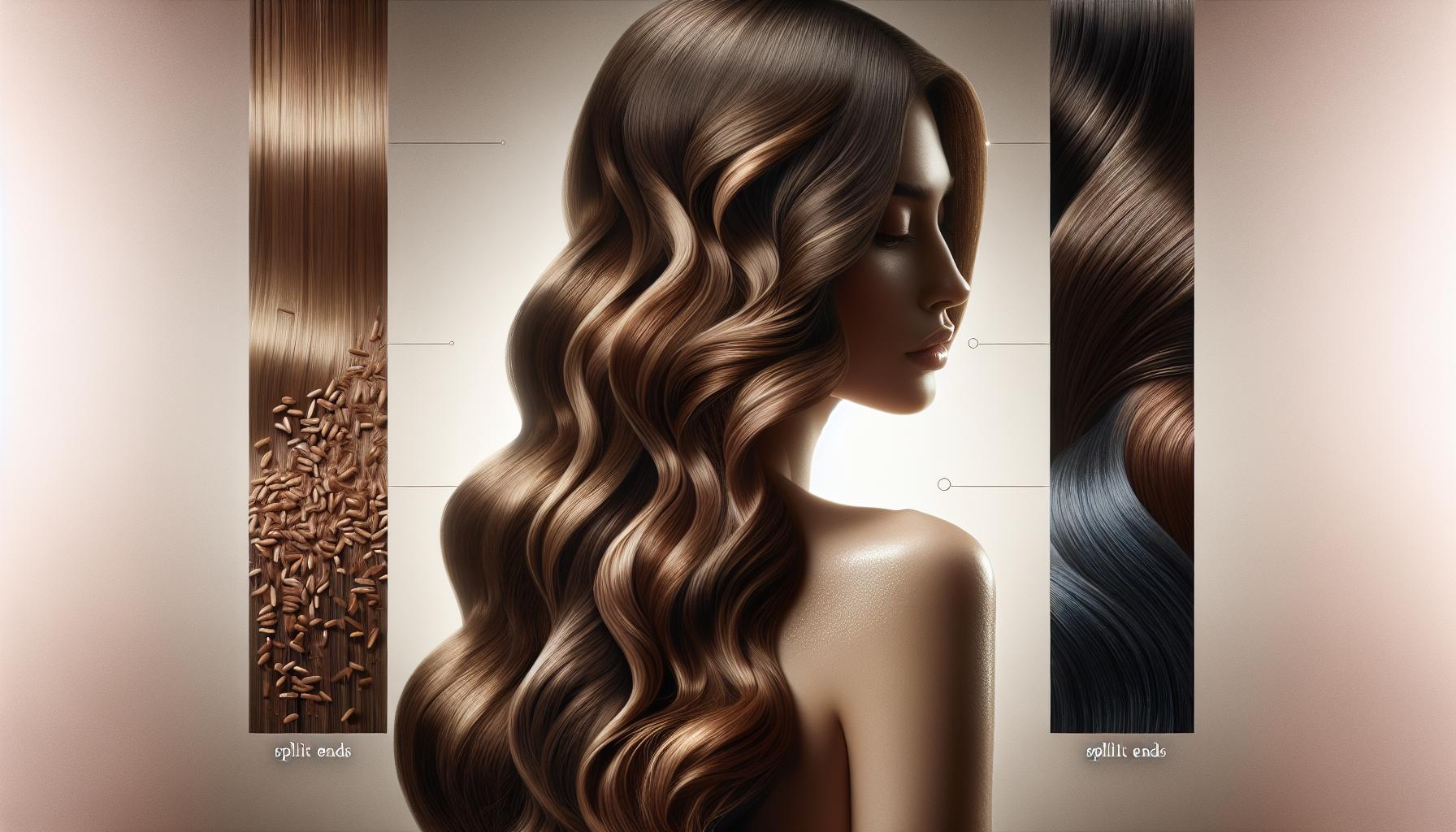
The Science Behind hair Growth: How Split Ends Factor In
The health of your hair is intricately tied to its growth potential, and understanding the relationship between split ends and growth is essential. Split ends occur when the hair shaft becomes damaged, splitting at the ends, which can be a result of various factors including heat exposure, environmental conditions, and insufficient moisture. Contrary to popular belief, having split ends does not directly inhibit hair growth; rather, they can cause more significant damage over time that leads to hair breakage. When the hair splits higher up the shaft, it ultimately leads to a shorter overall look, as the damaged hair breaks off.
Impacts of Split Ends on hair Health
Split ends, while they may not stop hair from growing from the roots, can significantly affect the hair’s appearance and integrity. A few crucial points to consider include:
- Elasticity Reduction: Damaged hair lacks elasticity, making it more prone to breakage.
- Visual Appearance: Split ends create a frayed look that can detract from the overall health of your hair,giving an appearance of less volume and thinning.
- Cascading Damage: If not addressed, split ends can lead to further damage that travels up the shaft, necessitating more drastic cuts than a simple trim.
While many hold on to the myth that split ends prevent hair growth, scientific insights reveal that proactive measures can mitigate damage. Regular trims can effectively remove split ends, which not only aids in maintaining hair length but also enhances the overall health and aesthetic of your hair. A routine haircut, around every 6 to 8 weeks, is often recommended to keep hair healthy and vibrant.
Practical Solutions to Manage Split Ends
To promote healthy growth and manage split ends effectively, consider these actionable tips:
- Use Heat Protectants: Prior to using heat styling tools, applying a protective spray can significantly reduce the chances of developing split ends from heat damage [[2]].
- Hydration is Key: Keeping hair moisturized with appropriate conditioners and leave-in treatments can prevent dryness, which is a primary cause of split ends.
- Gentle Handling: Avoid aggressive towel-drying and harsh brushing, especially on wet hair, to minimize breakage.
By understanding and addressing split ends, you can foster a healthier environment for hair growth. while they might seem like a minor cosmetic issue, the impact of split ends can ripple throughout your hair’s health, making proactive care crucial.
Debunking Common Myths About Split Ends and Hair Growth
While many people believe that split ends directly hinder hair growth, this is a misconception steeped in misunderstanding. First, it’s essential to realize that split ends themselves do not impede the growth of hair from the scalp. Hair growth occurs beneath the skin, in the hair follicles, while split ends are merely the result of damage to the hair shaft. Regularly trimming split ends can definitely help maintain the overall health and appearance of your hair, making it look fuller and more vibrant, but it does not impact the rate at which hair grows.
Another common myth is that specific hair care products can repair split ends. Unfortunately, this is largely untrue. Products may temporarily smooth the appearance of split ends, but they cannot restore hair to its original state after it has split. The best strategy to deal with split ends is prevention through proper hair care practices.This includes minimizing heat exposure, using a wide-tooth comb to detangle, and applying nourishing oils or serums that can help protect the hair shaft.
Understanding Hair Health
Maintaining hair health is crucial for minimizing split ends and promoting optimal growth. Hear are some practical tips:
- Regular Trims: Schedule trims every 6-8 weeks to prevent split ends from rising up the hair shaft.
- Gentle Hair Care: Use a sulfate-free shampoo and a moisturizing conditioner to maintain the hair’s natural oils.
- Heat Protection: Always apply a heat protectant before using styling tools to reduce damage.
- Healthy diet: Incorporate vitamins and nutrients—especially biotin, vitamin E, and omega-3 fatty acids—into your diet to support hair growth.
addressing the question, “Do split ends prevent hair growth? Myths vs. Facts,” reveals that while split ends can affect the overall aesthetics of your hair, they do not inhibit hair growth from the roots. Therefore, focusing on comprehensive hair care and regular maintenance will ensure your locks remain not only beautiful but also healthy and growing.
The Impact of hair Health on Growth: Beyond Just Split Ends
Maintaining healthy hair is essential for achieving optimal growth, and split ends are just one piece of a much larger puzzle. While many believe that split ends directly hinder hair growth, it’s critical to understand that they are merely symptomatic of underlying hair health issues. Inadequate nutrition, excessive heat exposure, and chemical treatments contribute significantly to overall hair condition, which in turn affects growth.Addressing these factors can lead to noticeable improvements not just in length, but also in hair texture and resilience.
Understanding the Role of hair Health
To fully comprehend the relationship between split ends and hair growth, it’s vital to consider the following aspects:
- Nutrition: Hair health starts from within. A balanced diet rich in vitamins and minerals, particularly those that promote hair strength and growth (such as biotin, zinc, and vitamins A and E), plays a crucial role.
- Heat and Chemical Damage: Regular use of heat styling tools and harsh chemical treatments can lead to structural damage, resulting in split ends and breakage. Protecting your hair with appropriate products can mitigate these effects.
- Hydration: Moisturizing your hair adequately keeps it pliable and less prone to splitting. regularly using hydrating hair masks or oils can make a significant difference.
The Cascading Effects of Poor Hair health
When hair health deteriorates, the effects ripple through the hair growth cycle. Split ends indicate damage that can lead to further breakage if not addressed. Hair strands that are weak and brittle will not only break off but may also slow down the growth process. This is because damaged hair often requires more frequent trims,cutting off potential length. According to experts, allowing hair to become too damaged can lead to thinning and increased shedding, which can be mistaken for a slowdown in growth when, in fact, it’s about maintenance needs.
To ensure that your hair can thrive and grow, consider incorporating the following strategies:
- Regular Trims: Keep up with haircuts every 6-8 weeks to prevent split ends from traveling up the hair shaft.
- Heat Protection: Always apply a heat protector before styling with heat tools.
- Gentle Care: Use a wide-tooth comb to detangle wet hair and avoid repetitive styles that can put stress on your strands.
while questioning the impact of split ends on hair growth, it’s essential to view them in the broader context of overall hair health. By actively promoting a healthy environment for your hair through proper nutrition, protective measures, and routine care, you can enhance growth potential while minimizing damage.A holistic approach to hair health not only addresses the symptoms that manifest as split ends but also nurtures your hair from root to tip, ensuring it remains vibrant and strong.
Effective Hair Care Tips to Minimize Split Ends and Promote Growth
To keep your hair looking healthy and thriving, it’s vital to understand how to minimize split ends, which are not just a nuisance but can also hinder the appearance of healthy growth. While it’s a common myth that split ends directly prevent hair from growing,managing them effectively can promote an overall healthier mane. Here are some actionable tips to help you maintain your strands and support their growth potential.
Regular Trims
One of the most effective methods for minimizing split ends is scheduling regular trims. Aim to cut your hair every 6 to 8 weeks. This simple act not only removes damaged ends but also prevents split ends from traveling up the hair shaft, which can lead to further damage.Even if you’re trying to grow your hair longer, trimming the tips will keep your hair looking fuller and healthier.
Choose the Right Products
Using quality hair care products can significantly influence the health of your hair. Look for shampoos and conditioners formulated to strengthen hair and prevent damage.Avoid harsh sulfates and alcohols that can dry out your hair.Instead, opt for products containing nourishing ingredients like:
- Keratin: Helps to strengthen and protect hair.
- Oils: Natural oils (like argan or coconut) nourish and moisturize.
- proteins: Aid in repairing damaged hair and preventing future breakage.
Gentle Hair Care Practices
How you handle your hair can also affect split ends. Consider the following tips to reduce damage:
- Avoid tight hairstyles: Styles that pull on the hair can cause breakage.
- Use a wide-tooth comb: This is gentler on wet hair, reducing the risk of tearing.
- Limit heat styling: High temperatures can severely damage hair, leading to split ends. If you must style with heat, always apply a heat protectant first.
Hydration is Key
Keeping your hair hydrated is crucial.Incorporate deep conditioning treatments into your routine at least once a week. Look for masks that specifically target split ends and damage repair. Additionally, drinking plenty of water and maintaining a balanced diet rich in vitamins and minerals will nourish your hair from the inside out, supporting healthier growth over time.
By integrating these effective hair care tips into your routine,you can minimize the occurrence of split ends while promoting robust hair growth.Remember, even though split ends do not directly prevent hair from growing, their presence signals a need for better care, ensuring that your hair stays vibrant and full.
Professional Insight: How Haircuts and Trims Influence Growth
While many believe that getting regular trims stimulates hair growth, the reality is more nuanced. Hair grows from the scalp, and cutting the ends does not affect the growth rate at the root level. Though, maintaining healthy hair through regular trims does play a crucial role in preventing split ends, which can compromise the overall appearance and health of your hair. By addressing split ends,you help retain hair length and prevent breakage,allowing your hair to appear fuller and healthier over time.
Understanding Hair Growth dynamics
To delve deeper into how regular haircuts influence hair health, it’s essential to realize that hair growth occurs at the follicle level. Factors such as genetics and overall health dictate how fast or slow your hair grows. While trimming doesn’t speed up this process, it does remove damaged parts that can hinder your hair’s ability to grow effectively.For instance, split ends can travel up the hair shaft, leading to more extensive damage and breakage. By keeping your hair trimmed and healthy, you can improve its resilience, which is vital for maintaining length.
Practical Tips for Healthy Hair Maintenance
Incorporating a trimming routine into your hair care regimen can significantly contribute to its health and appearance. Here are some actionable steps to follow:
- Schedule Regular Trims: Aim for a trim every 6-8 weeks to keep split ends at bay.
- Use Quality Hair Products: Invest in shampoos and conditioners that promote hair strength and hydration.
- Avoid Heat Damage: Limit the use of heat styling tools or apply heat protectants when necessary.
- Healthy Diet: Ensure a balanced diet rich in vitamins and minerals to support optimal hair growth.
Addressing the Myths
The common belief that split ends directly prevent hair growth is a myth. Rather, it’s the hair’s structural integrity that influences its ability to grow long and healthy. By proactively managing your hair with regular trims and proper care, you directly combat the adverse effects of split ends.For more detailed insights on this subject, exploring resources like articles on the myths surrounding haircuts can provide further clarity and support for maintaining your hair’s health.
By understanding the facts surrounding hair growth and split ends, you can make informed decisions that enhance your hair’s vitality and appearance. A focus on upkeep and health will ensure that you not only avoid split ends but also foster an environment where your hair can thrive.
Natural Remedies and Treatments for Healthy, strong Hair
While many people are concerned about weather split ends prevent hair growth, it’s essential to focus on nurturing your hair to keep it healthy and strong. Taking proactive steps in your hair care routine can stave off damage, enhance growth, and maintain your locks’ overall vitality. Here are some proven natural remedies and treatments that can help you achieve the luscious hair you desire.
Natural Treatments for Hair Strength
Incorporating a variety of natural ingredients into your hair care routine can significantly impact its health.here are some remedies that can promote healthier hair:
- essential Oils: Oils like rosemary, peppermint, and castor oil have shown promise in stimulating hair follicles and promoting growth.
- Coconut Oil: This natural oil is excellent for moisturizing and protecting hair from damage due to its unique ability to penetrate the hair shaft.
- Aloe Vera: Known for its soothing properties, aloe vera can hydrate hair and scalp, reducing dryness and promoting growth.
- Protein-Rich Foods: Incorporate more protein into your diet with foods like eggs, yogurt, and nuts, which support hair structure and strength.
Hair Care Practices to Avoid Split Ends
To truly understand whether split ends prevent hair growth, consider how certain practices can lead to damage over time. here are some actions to take:
- regular Trims: Trimming hair every 6-8 weeks can help eliminate split ends, thus preventing further breakage.
- Gentle Washing Techniques: Avoid harsh shampoos and excessive scrubbing. Instead, use a sulfate-free shampoo and handle your hair gently.
- Limit Heat Exposure: High temperatures from styling tools can lead to damage. Embrace air drying when possible or use heat protectant sprays.
Dietary Considerations for Healthy hair
your hair’s health is also deeply influenced by what you eat. A balanced diet rich in vitamins and minerals can contribute to stronger, healthier hair.Below is a table highlighting crucial nutrients and their benefits:
| Nutrient | Benefit |
|---|---|
| Biotin | Supports hair growth and health. |
| Vitamin D | Promotes hair follicle cycling. |
| Iron | Prevents hair loss associated with anemia. |
| Omega-3 Fatty Acids | Boosts scalp health and hydration. |
Incorporating these natural remedies and treatments into your routine can definitely help maintain beautiful, healthy hair that is resilient against split ends. By understanding how these elements work together, you can confidently answer the question of whether split ends prevent hair growth while actively promoting the strength and appearance of your hair.
Emotional Effects of Split Ends: It’s More Than Just Aesthetic Concerns
Experiencing split ends can evoke a range of emotional responses that extend beyond mere aesthetic concerns. For many, the condition of their hair—especially the presence of split ends—can significantly impact self-esteem and body image. This connection between hair health and emotional well-being highlights why understanding the phrase “Do split ends prevent hair growth? Myths vs. Facts” is essential not just for achieving glowing locks but also for fostering a positive self-image.
Research suggests that split ends and similar hair issues can manifest as symptoms of underlying psychological struggles. Such as, some individuals may engage in hair-pulling or compulsively pick at split ends as a coping mechanism for stress or anxiety. This behavior is linked to conditions such as trichotillomania, where the act of pulling hair serves to provide temporary relief from emotional distress[[2]](https://my.clevelandclinic.org/health/diseases/9880-trichotillomania). in this context, addressing split ends is not merely about cosmetic improvement; it’s also about recognizing the emotional dimensions tied to the state of one’s hair.
Moreover,the act of picking at split ends can escalate into a repetitive,compulsive behavior that perpetuates a cycle of emotional strain. similar to other body-focused repetitive behaviors, such as skin-picking or nail-biting, it can become a way to alleviate anxiety, leading individuals to focus excessively on hair damage[[3]](https://www.huffpost.com/entry/picking-split-ends-bad-habit_l_5e5589dec5b62e9dc7d8f0fd). This connection underscores the importance of not only caring for hair to prevent split ends but also engaging in broader discussions about mental health and strategies for emotional resilience.
To combat these emotional effects and promote healthy hair,consider the following actionable steps:
- Protective Hairstyles: Keeping hair tied up minimizes visibility of split ends and can reduce the temptation to fiddle with them.
- mindfulness Practices: Engage in mindfulness techniques to help manage stress and lessen compulsive behaviors related to hair.
- Healthy Hair Care Routine: regular trims and the use of nourishing hair products can support both the physical health of hair and the emotional health of individuals concerned with their appearance.
- Seek Support: If hair-pulling or similar behaviors are affecting your quality of life, consider reaching out to a mental health professional for guidance.
understanding the emotional implications of split ends can encourage a more holistic approach to hair care. It illuminates the intersection between physical appearance and mental health, reminding us that sometimes the struggle with hair may reflect deeper emotional challenges that deserve attention and care.
FAQ
Do split ends prevent hair growth? Myths vs. facts
No, split ends do not prevent hair growth.However, regularly trimming them can help maintain the overall health of your hair, allowing it to grow more effectively.
While split ends might not directly stop growth, they indicate damage, which can lead to breakage. Keeping hair healthy with trims helps prevent this and maintains length over time. For more insights, consider exploring effective hair care routines.
How to prevent split ends in hair?
To prevent split ends, maintain a healthy hair care routine that includes regular trims, moisturizing treatments, and gentle handling.
Using sulfate-free shampoos and minimizing heat styling can significantly reduce hair damage. Also, consider using leave-in conditioners or hair oils to keep your hair hydrated and strong, which can help combat split ends.
Why does hair develop split ends?
Hair develops split ends due to damage from heat, chemical treatments, and environmental factors like wind and sun exposure.
As hair becomes dry and brittle, it is indeed more prone to splitting. Regular conditioning and protective hairstyles can definitely help mitigate these effects and keep hair resilient.
Can trimming split ends make my hair grow faster?
trimming split ends does not cause hair to grow faster, but it helps prevent further damage and promotes healthier growth.
When you cut off damaged ends, your hair can appear thicker and healthier. Additionally, trimming can help you maintain your desired length by preventing further breakage, enabling your hair to grow without interruption.
What treatments can definitely help with split ends?
Treatments like deep conditioning masks, hair serums, and oils can help reduce split ends by nourishing and repairing damaged hair strands.
Look for products rich in proteins, vitamins, and fatty acids to strengthen your hair. Regular use of these treatments can enhance the overall texture and health, minimizing the occurrence of split ends over time.
Do split ends affect hair thickness?
While split ends do not affect the actual thickness of the hair strand,they can make hair look thinner and frizzier due to the uneven edges.
Maintaining a regular trimming schedule can help maintain a thicker appearance, as it prevents the hair from looking damaged and encourages healthier, more uniform strands.
Can I continue to grow my hair with split ends?
Yes, you can still grow your hair with split ends, but they may lead to further breakage, resulting in damaged hair and uneven growth.
Addressing split ends through trimming and consistent hair care is essential for maintaining healthy growth and achieving your desired length. Focusing on nourishing your hair will make a difference in its appearance and strength.
The Conclusion
the relationship between split ends and hair growth is often misunderstood. While split ends themselves do not directly prevent hair from growing, they can impact the overall health and appearance of your hair. Addressing split ends through regular trims and adopting a nourishing hair care routine can promote healthier strands and potentially lead to longer hair over time. Remember, healthy hair is a reflection of good care practices. We encourage you to explore more about effective hair management strategies and share your experiences with others on their hair care journeys. your insights could be invaluable to someone seeking solutions!


