


Clip-in hair extensions can beautifully enhance your look, but many worry about their potential to damage natural hair. Understanding how to use these popular hairpieces safely is crucial for maintaining healthy locks. This guide addresses common concerns and offers tips to ensure your hair remains vibrant and strong while enjoying the versatility of extensions.
Contents
- Understanding clip-In Extensions: Weighing the Pros and Cons for Your Hair
- How Clip-In Extensions can Affect Hair Health: Insights from Experts
- choosing the Right Clip-In Extensions: Materials and Quality matters
- safe Application Techniques for Clip-In Extensions: Expert Tips
- Daily Care for Clip-in Extensions: Protecting Your Natural Hair
- Common Misconceptions About Hair Damage and Clip-Ins
- navigating Hair Types and Clip-In Extensions: A Customized Approach
- Alternatives to Clip-In Extensions: Exploring Other Hair Enhancement Options
- Faq
- Concluding Remarks
Understanding clip-In Extensions: Weighing the Pros and Cons for Your Hair
When it comes to enhancing your hairstyle, clip-in extensions are a popular choice for their versatility and ease of use. Though, many users frequently enough wonder about the potential impact these extensions may have on the health of their natural hair. Understanding the risks and benefits involved can definitely help you make an informed decision, ensuring that your hair remains healthy and vibrant while enjoying the added length and volume that clip-in extensions provide.
Benefits of Clip-In Extensions
Clip-in extensions come with several advantages that make them an appealing option for many. Hear are some key benefits:
- Immediate Transformation: Clip-ins allow for instant changes in both volume and length, enabling you to achieve different looks within minutes.
- No Long-Term Commitment: Unlike permanent extensions,clip-ins can easily be removed,allowing you to maintain full control over your hairstyle.
- Minimal Damage: When applied and removed properly, clip-in extensions are less likely to cause damage to your natural hair compared to other types of extensions.
- Variety: Clip-ins are available in various colors, lengths, and textures, allowing you to match them seamlessly with your natural hair.
Potential Drawbacks of Clip-In Extensions
While clip-in extensions are generally safe, there are some considerations to keep in mind to protect your hair:
- Weight of the Clips: If not applied correctly or if to many clips are used, the added weight can lead to tension and potential breakage of natural hair.
- Access to Natural Hair: Frequent use can make it harder to care for your natural hair, especially if the clips are not removed regularly, potentially leading to product buildup.
- Risk of Snagging: Improper submission can cause the clips to snag on your hair, increasing the risk of damage during both application and removal.
Best Practices for Healthy Use
To ensure that using clip-in extensions doesn’t harm your hair, consider the following practical tips:
- Choose Quality Extensions: Invest in high-quality clip-in extensions that use softer clips and breathable fabrics.
- Limit Usage: consider using clip-ins only for special occasions or events rather than daily wear.
- Gentle Removal: Always take your time when removing extensions to avoid pulling on your hair.
- Regular Hair Care: Maintain a healthy hair care routine, including deep conditioning treatments, to keep your natural hair strong and nourished.
By weighing the pros and cons and following safe usage practices, you can enjoy the beauty of clip-in extensions without compromising the health of your hair. For those curious about the potential impact of these accessories, exploring options like the Invisi edge Clip-In Extensions, which offer a seamless design, can provide an elegant solution that aligns with your styling needs while prioritizing hair health [2[2]. Remember, making informed choices is key to having fun with your hairstyle and keeping your hair vibrant and healthy.
How Clip-In Extensions can Affect Hair Health: Insights from Experts
The debate surrounding the safety of clip-in hair extensions often highlights a significant concern: their potential impact on natural hair health. Many individuals seeking to enhance their look with length and volume are curious about whether these popular accessories could lead to hair damage over time. Insights from experts reveal that while clip-in extensions can provide a temporary style boost, their effects depend heavily on usage practices and hair care.
To minimize any risk associated with clip-in extensions, it’s crucial to understand how they interact with your natural hair. Poor installation or overuse can lead to traction alopecia, a condition caused by stress on the hair follicles. This condition can result in thinning hair or hair loss, notably around the areas where the clips attach. Experts recommend following best practices:
- Limit Wear Time: Avoid wearing clip-ins for prolonged periods. It’s wise to give your natural hair a break between uses to recover.
- Choose Quality Products: Selecting high-quality extensions made from 100% human hair can reduce damage. brands that focus on craftsmanship often create clips that are gentler on your natural strands.
- Careful Installation: Ensure that extensions are installed loosely enough to prevent needless tension on your hair.
- Regular Maintenance: Keeping your natural hair healthy through proper washing, conditioning, and moisturizing is essential when frequently using extensions.
Signs of Potential Damage
It can be tough to identify hair damage instantly. Look for signs such as excessive shedding, breakage, or a lack of elasticity in your hair. If any of these symptoms arise while using clip-in extensions, it’s advisable to reassess your application method or consider alternating your style choices.
maintaining the health of your hair while enjoying clip-in extensions requires a mindful approach. By adhering to expert recommendations and being proactive about care,you can look fabulous without compromising your hair’s integrity. adopting safer practices, as detailed in the “Are Clip In Extensions Damaging your Hair? Safe Usage Guide,” can ensure you continue to flaunt your style while preserving your hair’s natural beauty.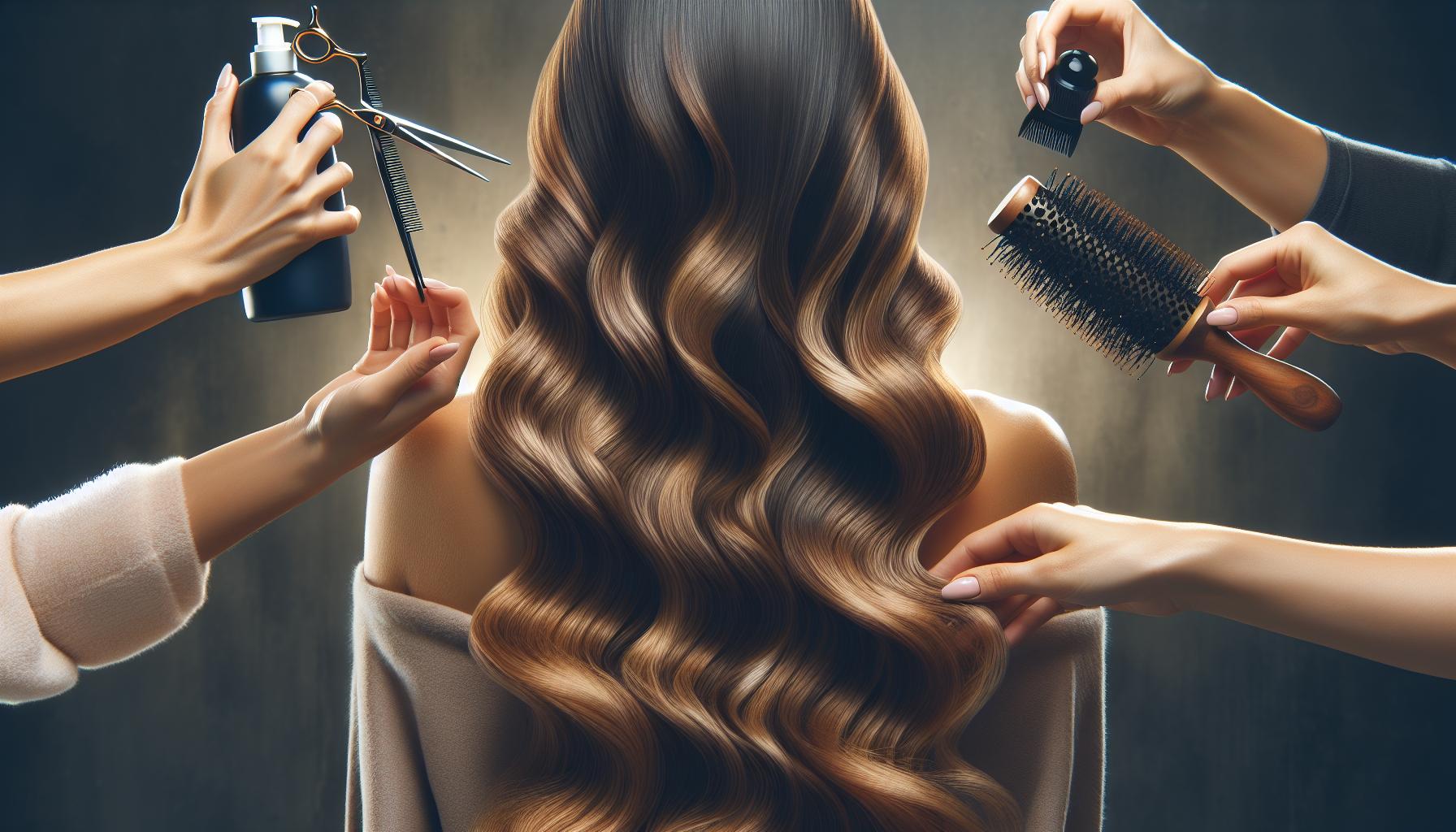
choosing the Right Clip-In Extensions: Materials and Quality matters
Choosing the right clip-in extensions can make all the difference in achieving the perfect look while ensuring that your natural hair remains healthy. With so many options available,understanding materials and quality is essential. Clip-in extensions are typically made from either synthetic fibers or 100% human hair, and this choice directly affects the overall appearance and longevity of the extensions.
Understanding the Materials
When selecting clip-in extensions, consider the type of material used:
- Synthetic Hair: These extensions are often more affordable and come in a wide range of colors and styles. Though, they lack the versatility of human hair, as they cannot be heat-styled or dyed. Over time, synthetic fibers may not hold up as well, leading to a less natural appearance and potential tangling.
- Human Hair: Made from 100% real hair, these extensions blend seamlessly with your natural locks and can be styled, colored, and treated just like your own hair. They typically provide a more authentic look and feel, making them a preferred choice for many users. Notable brands, such as Locks & Mane, offer clip-in extensions that are easy to apply and can last for several months with proper care [2[2].
Evaluating Quality
Quality should not be overlooked when choosing clip-in extensions. High-quality extensions not only look better but also minimize the risk of damage to your natural hair.Look for features such as:
| Feature | Importance |
|---|---|
| Double Wefting: | Provides more volume and reduces shedding, ensuring durability. |
| silicone-Backed Clips: | Helps keep the extensions secure and prevents slipping, which can cause hair breakage. |
| Natural Finish: | A matte finish tends to blend better with natural hair compared to shiny extensions. |
Investing in high-quality clip-in extensions will save you money in the long run and keep your natural hair looking it’s best. As outlined in the ‘Are Clip In extensions Damaging Your Hair? Safe Usage Guide,’ prioritizing quality and material choice can help mitigate potential damage and enhance your styling options. Always ensure you are cozy with your choice by assessing how well the extensions match your hair texture and colour for a seamless finish.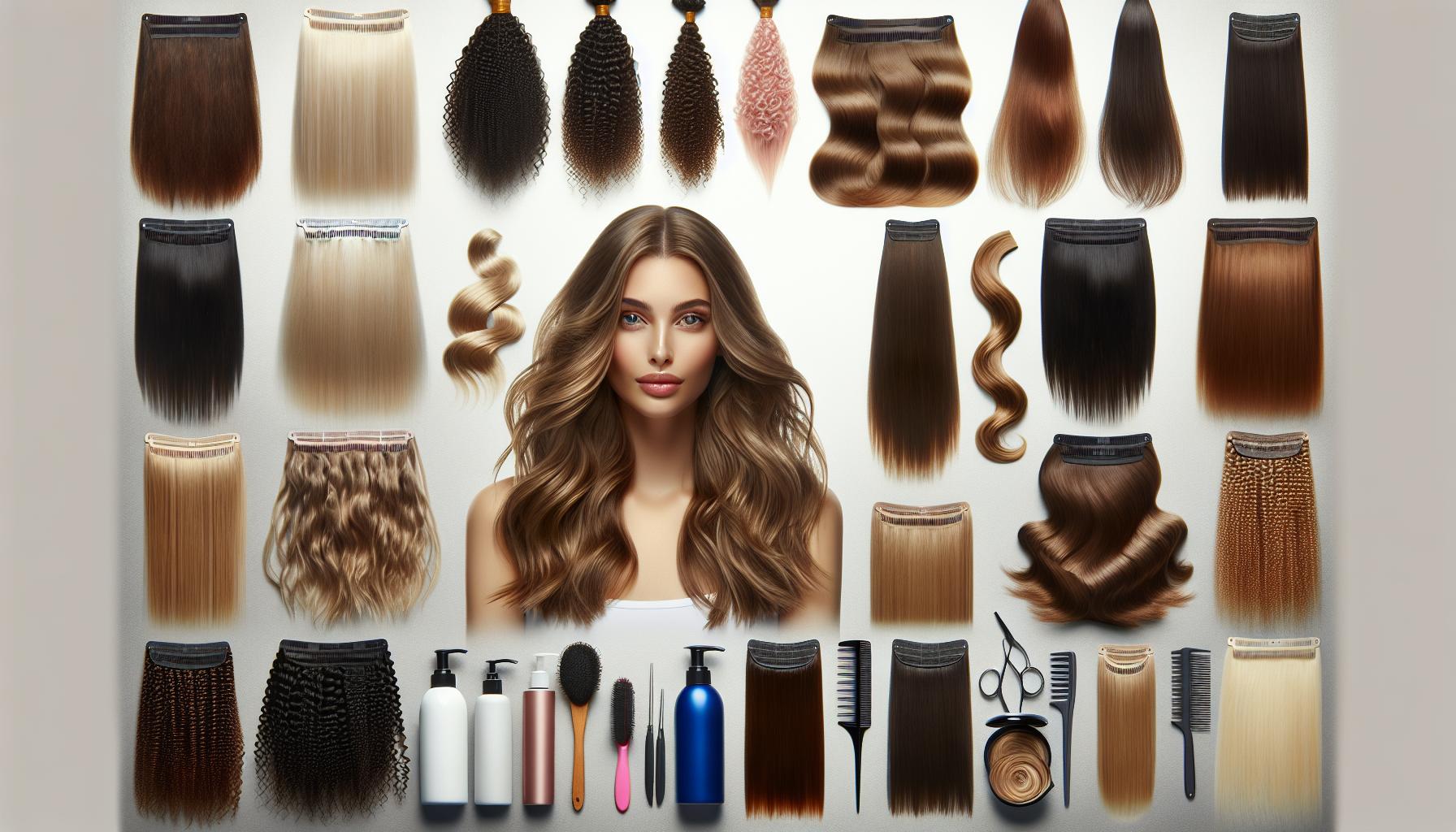
safe Application Techniques for Clip-In Extensions: Expert Tips
Using clip-in extensions can transform your look dramatically, but safety during application is crucial to prevent any potential damage to your natural hair. Many individuals wonder, “Are clip-in extensions damaging your hair?” To help answer this, let’s explore some expert-approved techniques that ensure your hair remains healthy and vibrant while enjoying the versatility of these extensions.
Readiness is Key
Before attaching your clip-in extensions, it’s essential to prepare both your hair and the extensions. start by washing your hair with a gentle, sulfate-free shampoo and conditioner to provide a clean slate for application. Dry your hair thoroughly, as wet or damp hair can increase the risk of breakage when applying clips. Additionally, consider brushing your extensions to remove any tangles and ensure they lie smoothly against your natural hair.
Application Techniques
When it comes time to attach your clip-in extensions, adopting the right technique can significantly impact the health of your hair. Follow these steps:
- Section Your Hair: Divide your hair into manageable sections using hair clips.This will allow for precise application and ensure that the extensions blend seamlessly with your natural hair.
- Start from the Bottom: Begin applying the extensions from the nape of your neck and work your way up. This method not only provides a secure fit but also enables easier blending.
- Secure the Clips Correctly: Open the clips fully before placing them close to your scalp. Press down firmly until you hear a click, ensuring they are securely fastened. Avoid placing them too tightly,as this can cause tension on your natural hair.
- Use the Right Number of Clips: Depending on the thickness of your hair, you might need to adjust the number of clips used. If your hair is fine, opt for fewer clips to reduce weight and prevent damage.
Regular Maintenance
To keep your extensions looking their best without compromising your hair’s health, regular maintenance is necessary. Wash your extensions separately using a gentle, hydrating shampoo and deep condition them occasionally. Additionally, try to limit the use of styling tools on both your extensions and natural hair. When styling, always use a heat protectant to shield your strands from potential heat damage.
by implementing these safe application techniques, you can enjoy the transformative effect of clip-in extensions while minimizing the risk of damaging your hair. ensuring your extensions are applied thoughtfully will allow you to experiment with styles and colors, all while keeping your natural locks in optimal condition.
Daily Care for Clip-in Extensions: Protecting Your Natural Hair
When it comes to maintaining the health of your natural hair while enjoying the beauty and versatility of clip-in extensions, daily care routines can make a world of difference. Properly caring for both your extensions and your natural tresses is essential to prevent damage and maintain a luscious look. By implementing a few simple strategies, you can protect your hair from potential harm while still reaping the aesthetic benefits of added volume and length.
Daily Maintenance Tips
To keep your natural hair healthy and your clip-in extensions looking fabulous, here are essential daily maintenance tips to incorporate into your routine:
- Gentle Brushing: Use a wide-tooth comb or a specially designed hair extension brush to remove any tangles from your extensions. Start from the tips and work your way up to prevent breakage.
- Hydration is key: Just like your natural hair, clip-ins also benefit from hydration.Use a leave-in conditioner or a light hair oil to maintain moisture without weighing the extensions down.
- Heat Protection: Always apply a heat protectant before using styling tools.This will help shield both your extensions and your natural hair from the damaging effects of heat.
- Avoid Excess Tension: If you wear your clip-ins daily, ensure they’re not clipped too tightly. This will help prevent traction alopecia and maintain the integrity of your natural hair.
Washing and Care Schedule
In addition to daily maintenance,it’s crucial to establish a washing and care schedule for your clip-in extensions. Over-washing can strip both your natural hair and extensions of essential oils, leading to dryness and brittleness.
| Frequency | Hair Type | Extension Care |
|---|---|---|
| 1-2 times a week | Straight or Wavy | Wash after every 5-10 wears |
| Every 3-4 days | Curlier Textures | Wash after every 3-5 wears |
| As needed | Color-treated | Use sulfate-free shampoo and conditioner |
Employing a careful washing method—using lukewarm water and sulfate-free products—will prevent any unnecessary frizz and keep both your natural hair and clip-ins looking vibrant. Remember, avoiding excessive dryness is key to preventing damage and maintaining style longevity.By following these daily care tips and establishing a solid maintenance routine, you can enjoy the versatility of clip-in extensions without the fear of damaging your natural hair. With a little attention and the right techniques, you can keep both your extensions and your hair healthy, stunning, and ready for any occasion.
Common Misconceptions About Hair Damage and Clip-Ins
Many people enjoy the versatility that clip-in hair extensions provide,but they frequently enough worry about the potential damage to their natural hair. Understanding these concerns is critical, especially when exploring if clip-in extensions pose any real threat to hair health. Commanding a blend of beauty and practicality, these extensions need to be viewed in the right light to dispel common myths surrounding their use.
Misconception: Clip-ins Always Cause Hair Damage
One of the most prevalent misconceptions is that using clip-in extensions will always damage your hair. While improper use can lead to issues, such as breakage or traction alopecia, properly applied extensions do not guarantee damage. Many users report healthy hair after regular use of quality clip-ins. to further minimize risk, it’s essential to:
- choose high-quality extensions made from natural human hair for a more seamless and safe experience.
- Ensure that clips are securely fastened without tugging at the natural hair.
- Alternating between wearing extensions and giving your hair a rest will help maintain overall health.
Myth: Clip-Ins Weigh Down Your Natural Hair
Many individuals believe that clip-in extensions weigh down their natural hair, leading to breakage. This is not necessarily the case. If you’re opting for clip-ins that are too heavy or if you’re using an excessive number, they may place stress on your hair. Though,by choosing lightweight extensions and a suitable quantity,users can enjoy added volume without overwhelming their strands.
Assumption: Clip-Ins Are the Same as Other Types of Extensions
Another commonly held belief is that clip-ins are just as damaging as other types of extensions, such as sew-ins or glue-ins. However, because clip-in extensions are non-permanent, they’re designed for flexibility and last-minute styling. This temporary application allows your hair to be held in a more natural state, thus reducing the risk of damage when compared to methods that require long-term wear.
| Extension Type | Potential Damage | Safety Level |
|---|---|---|
| Clip-In Extensions | Minimal (if used correctly) | High |
| Sew-In Extensions | Moderate to High | Medium |
| Glue-In Extensions | High | Low |
Understanding these misconceptions is vital for anyone considering using clip-in extensions. By arming yourself with knowledge about their usage and care, you can enjoy the benefits of beautiful, voluminous hair without compromising your natural locks.
Choosing the right clip-in extensions can elevate your hairstyle while seamlessly blending with your natural hair. It’s essential to recognise that different hair textures and types require customized approaches to ensure the extensions look authentic and do not cause damage. Understanding your hair type—be it straight, wavy, curly, or coily—will help you select the best extensions and application techniques, influencing both the aesthetic and health of your locks.
Understanding hair Types
Each hair type has unique characteristics that affect how clip-in extensions will sit and appear. Consider the following points when assessing your needs:
- Straight Hair: Typically sleek, straight hair accommodates most clip-in extensions easily. Though, ensure the wefts are thin enough to blend into the natural hair without creating bulk.
- Wavy Hair: Extensions for wavy hair should match the texture and wave pattern.Loose wave extensions can enhance natural volume and style without compromising the integrity of your hair.
- Curly Hair: for curly-haired individuals,it’s crucial to select extensions that mimic the curl pattern. This ensures a cohesive look; extensions that are too straight or have loose curls may stand out awkwardly.
- Coily Hair: Those with coily hair should seek clip-ins designed specifically for textured hair. These often come with more density and elasticity,allowing for better blending and a natural appearance.
Choosing the Right Extensions
When selecting clip-in extensions, consider the following factors to prevent potential damage and maximize their lifespan:
- Material: Opt for 100% human hair if possible, as it can withstand heat styling and can seamlessly blend with your natural locks.
- weight: Heavier extensions can cause stress on your natural hair. Lightweight options distribute the weight evenly and reduce strain on your strands.
- Attachment Method: Ensure you are well-versed in safe clip-in techniques—avoid adding too much tension to your roots during application to minimize breakage.
Ultimately, understanding the compatibility between your natural hair and clip-in extensions plays a crucial role in maintaining healthy hair. By making informed choices, you can enhance your style without sacrificing the integrity of your natural hair, as outlined in the “Are Clip In Extensions Damaging Your Hair? Safe Usage Guide.” Regular care and the right techniques will ensure your extensions complement your unique hair type beautifully while safeguarding your hair health.
Alternatives to Clip-In Extensions: Exploring Other Hair Enhancement Options
The world of hair enhancement is as diverse as the hairstyles one can achieve. While clip-in extensions have gained popularity for their convenience,concerns about their impact on hair health have led many to seek option methods. Understanding these alternatives can empower individuals to make choices that suit their style needs without compromising the integrity of their natural hair.
Fusion and Bonded Extensions
Fusion and bonded extensions are often considered a long-lasting solution that can provide a natural look. These hair extensions are individually bonded to your natural hair using a keratin adhesive. While they can last several months, it is crucial to have them applied by a professional to avoid potential damage.
- Pros: Natural look, long-lasting, can be styled like natural hair.
- Cons: requires professional application, more expensive upfront cost, potential for hair damage during application or removal.
Tape-In Extensions
Another rising star in the world of hair enhancement is tape-in extensions. These are lightweight and apply directly to your hair with a special adhesive tape, making them less damaging than conventional clip-ins or fusion methods.
- Pros: Easy to apply and remove, reusability, minimal damage to natural hair.
- Cons: Adhesive can wear out over time, may require regular maintenance visits.
Micro-Link or Beaded Extensions
Micro-link extensions, also known as beaded extensions, are another innovative option that does not require any adhesive or heat for application.Small beads are used to attach extensions to small sections of natural hair,providing a fresh look without the risk of damaging bonds or adhesives.
- Pros: No adhesives, reusable, allows easy styling and parting.
- Cons: Learning curve in application, may require frequent adjustments.
Wigs and Hairpieces
For those looking for an instant transformation without long-term commitments, wigs and hairpieces can offer versatility and complete coverage without the risk of damaging your natural hair. Available in various styles, lengths, and colors, wigs can be a fun way to experiment with different looks.
- Pros: non-damaging, instant change, variety in style and color.
- Cons: Can feel heavy or hot,requires maintenance for longevity.
For every enhancement option available, it’s important to weigh the pros and cons with your hair type, maintenance routine, and budget. Each alternative presents unique benefits that can lead to beautiful results without the worries of hair damage often associated with clip-in extensions. By exploring various hair enhancement methods, individuals can achieve the desired look while preserving their natural hair’s health.
Faq
Are Clip In extensions Damaging Your Hair?
No, clip-in extensions are generally safe for your hair if used correctly. They do not damage your natural hair as long as you follow proper application and removal techniques.
Many people opt for clip-in extensions to add volume or length without committing to permanent changes.However, the key is to avoid tension on your roots and give your hair breaks between uses to maintain its health.
How to Properly Use Clip In Extensions?
To use clip-in extensions properly, start by sectioning your hair and securing with clips. Apply the extensions close to the scalp, ensuring they’re well-distributed to avoid strain.
It’s essential to choose high-quality extensions that blend naturally with your hair. Remember to remove them gently and avoid excessive tugging, which can lead to breakage. Consider reading a detailed guide on safe extension use.
Can I Sleep with Clip In Extensions?
Sleeping with clip-in extensions is not recommended as it can lead to tangling and damage. It’s best to remove them before bed for optimal hair health.
If you want to maintain your hairstyle overnight, consider using a loose braid or a silk scarf rather. This can help minimize friction and keep your hair safe.
What Hair Types Are Best for Clip In Extensions?
Clip-in extensions work well with various hair types, especially thick or straight hair. though, those with finer hair should choose lighter extensions to avoid pulling.
Extensions made from human hair tend to blend better and can be styled just like your own. Ensure you select extensions that match your hair texture and color for a natural look.
Why Do Clip In Extensions Cause Hair breakage?
breakage from clip-in extensions usually occurs due to improper application,excessive tension,or lack of care.If not applied correctly, they can pull on your natural hair.
Maintaining a gentle approach when wearing extensions, along with regular hair care routines, can definitely help prevent breakage. Always ensure your natural hair is healthy and strong before adding any extensions.
How Often Can I Use Clip In extensions?
You can use clip-in extensions regularly, but it’s wise to give your hair breaks to avoid strain. Limit use to a few times a week for healthy maintenance.
Taking breaks allows your hair to recover and prevents potential damage. pay attention to how your hair feels after using extensions and adjust your usage accordingly.
Do Clip In Extensions Work for Fine Hair?
Yes, clip-in extensions can work for fine hair, but choosing the right type is crucial.Look for lightweight options that won’t pull on your roots.
Opt for extensions specifically designed for fine hair, which often feature smaller clips. This can help create a fuller look without compromising the integrity of your natural hair.
Concluding Remarks
understanding the impact of clip-in extensions on your hair is crucial for maintaining its health and vitality. While these extensions offer a fantastic way to enhance your looks temporarily, they can lead to damage if not used correctly. By following safe usage guidelines, such as avoiding excessive tension, choosing high-quality products, and practicing proper hair care, you can enjoy the benefits of clip-ins without compromising your natural hair. Remember, it’s essential to listen to your hair’s needs and adjust your routine accordingly. We encourage you to explore further articles and resources, stay informed on best practices, and connect with fellow hair care enthusiasts. Your journey towards fabulous hair can be both beautiful and safe!


