


Removing hair extensions can be a daunting process, but understanding safe methods is crucial for maintaining the health of your natural hair. Heat guns, widely used for bonding extensions, offer a speedy solution for removal if used correctly. This article explores effective techniques to ensure a safe and damage-free experience when detaching hair extensions.
Contents
- Understanding Hair Extension Types: Which Ones Are Affected by Heat?
- The Science Behind heat Application: How a Heat Gun Works
- Safe Heat Gun Techniques for Hair Extension Removal
- Alternative Methods for Gently Removing Hair Extensions
- Expert Tips for Avoiding Hair Damage During Removal
- When to Seek Professional Help for Hair Extension Removal
- Post-Removal Care: Nurturing Your Natural Hair After Extensions
- Q&A
- Does a heat gun remove hair extensions? Safe Removal Methods?
- How to use a heat gun for hair extension removal?
- What are the risks of using a heat gun on hair extensions?
- Can I remove hair extensions without a heat gun?
- Why does heat removal work for extensions?
- What tools are recommended for safe extension removal?
- Is it better to have extensions removed professionally?
- Concluding remarks
Understanding Hair Extension Types: Which Ones Are Affected by Heat?
understanding the impact of heat on various hair extension types is essential for maintaining their quality and longevity. hair extensions can elevate your style, but not all types are created equal when it comes to heat exposure. Depending on the method of request and the material used, certain extensions can suffer notable damage from everyday heat styling or tools such as heat guns.
Types of Hair Extensions and Their Heat Sensitivity
Several popular extension types exist, each with different reactions to heat:
- Clip-in Extensions: Generally, clip-in extensions are constructed from either human or synthetic hair.While human hair can withstand some heat, synthetic types may melt or become frizzy if exposed to high temperatures.
- Fusion Extensions: These involve bonding extensions to natural hair using heat. Excessive heat can compromise the bond,making them more susceptible to damage if not removed properly.
- Tape-in Extensions: Tape-ins utilize adhesive to attach to the natural hair. High heat can weaken the adhesive, leading to slippage or premature removal.
- micro-link Extensions: These extensions are attached using small beads. While they can handle some heat, direct heat can still affect the extensions’ texture and appearance over time.
Among these, fusion and tape-in extensions are notably vulnerable when exposed to high temperatures. For instance, using a heat gun during removal, like through the safe methods discussed in ‘Does a heat gun remove hair extensions? Safe Removal Methods,’ can efficiently melt the bonds but requires care to avoid damaging the natural hair beneath. It’s crucial to monitor the heat settings and avoid prolonged exposure to ensure both the extensions and your hair remain intact.
Practical Tips for Heat Protection
To protect your hair extensions from heat damage while still allowing for some styling flexibility, consider the following tips:
- Always use a heat protectant spray or serum before applying any heat styling tools to your extensions.
- Opt for lower heat settings when styling.Many extensions will look beautiful with moderate heat rather than scorching temperatures.
- Limit the use of heat styling tools as much as possible; instead, explore heatless styling methods for a more gentle approach.
Ultimately, understanding the types of hair extensions and their varying levels of heat resistance is critical in preserving their look and longevity.Knowing how to use and remove them safely, especially in conjunction with heated tools, will keep your hair extensions looking their best without compromising your natural hair.
The Science Behind heat Application: How a Heat Gun Works
The process of removing hair extensions safely and effectively frequently enough hinges on understanding the technology behind heat application. Heat guns are essential tools designed to generate concentrated heat, making them ideal for melting the keratin bonds used in fusion hair extensions. By applying heat strategically, these devices create the perfect conditions for loosening adhesive bonds without compromising the integrity of natural hair.
A heat gun operates by converting electrical energy into heat, which is then directed through a nozzle. This nozzle can be adjusted to control the temperature output as required. For hair extensions, a common temperature range lies between 100°C and 220°C (212°F to 428°F), depending on the type of keratin used. For instance, many professionals find that a temperature of around 200°C (392°F) is optimal for melting the keratin effectively without risking damage to the surrounding hair.
Key Features of a Heat Gun for Hair Extensions
When selecting a heat gun for the removal process, certain features should be considered:
- Adjustable Temperature Settings: Essential for tailoring heat application to the specific bond type.
- Ceramic tips: Provide even heat distribution and faster heating times, enhancing efficiency.
- Lightweight and Ergonomic Design: Ensures comfortable handling, particularly during prolonged use.
- Anti-Burn Features: Protects users from accidental burns while manipulating the tool.
Using a heat gun for the removal of hair extensions is not merely about applying heat; it requires a methodical approach to maximize safety and effectiveness.For instance, professionals typically hold the heat gun about 1-2 inches away from the keratin bond. This positioning allows for controlled heat transfer, reducing the risk of overheating nearby hair.Once the bond begins to soften, gentle pressure can be applied to carefully slide the extension off, minimizing damage to the natural hair.
understanding how heat guns function while emphasizing safe removal methods such as maintaining the correct distance and temperature can substantially enhance the effectiveness of hair extension removal. This knowledge empowers both professionals and individuals to utilize heat guns confidently, ensuring the process remains safe and preserves the health of the hair.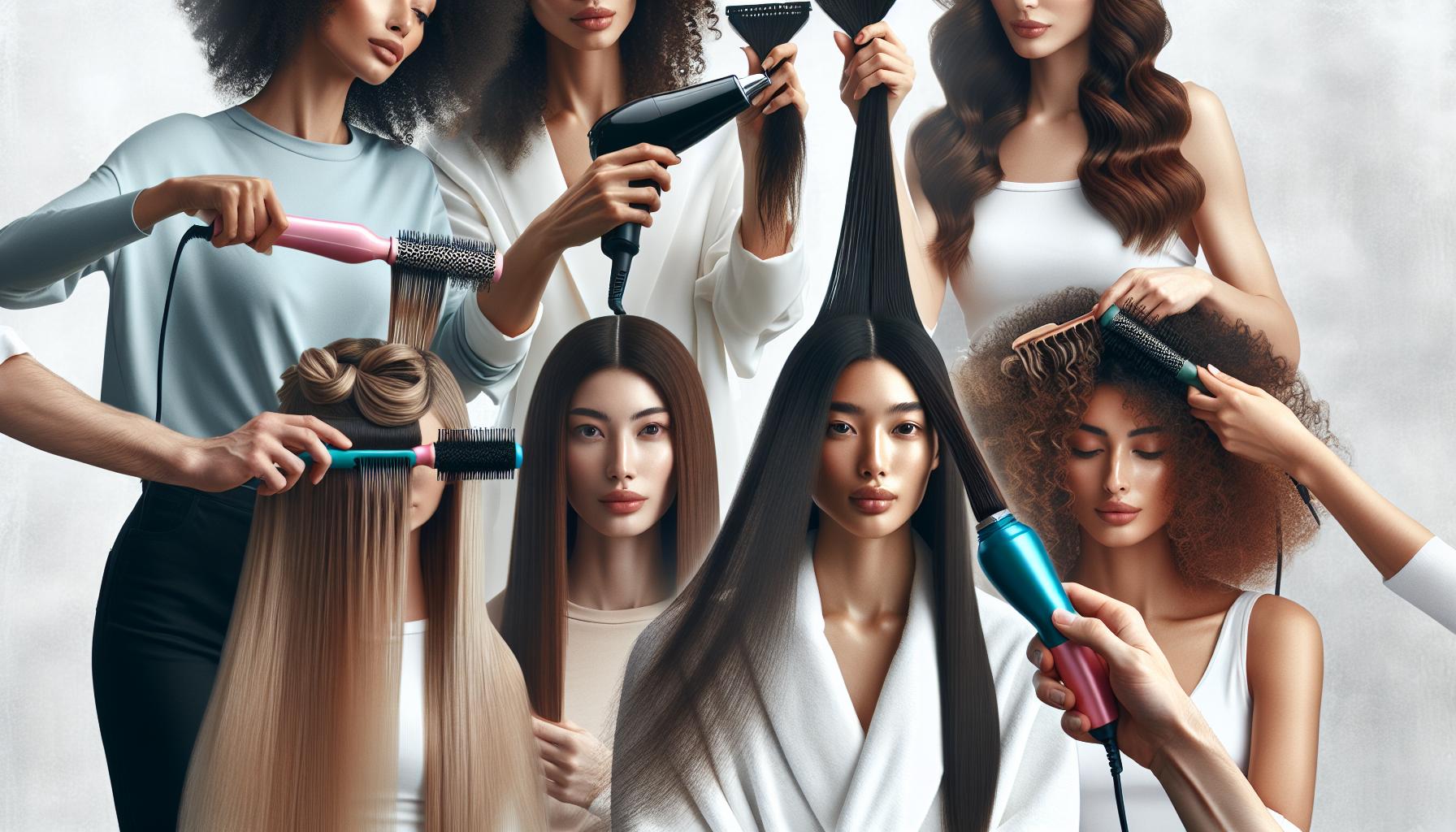
Safe Heat Gun Techniques for Hair Extension Removal
using a heat gun for hair extension removal can be a game-changer when done correctly. This method is particularly effective for keratin bond extensions, as the heat softens the keratin, making it easier to remove without damaging your natural hair. However, it’s crucial to follow safe techniques to ensure you don’t cause harm to your hair or scalp.
Essential Tools and Preparation
Before starting, gather the necessary tools to facilitate a smooth and safe removal process. You will typically need a heat gun, tail comb, sectioning clips, and a protective serum or oil to safeguard your hair. Additionally, ensure your workspace is well-lit and free from distractions. Here’s a simple checklist:
- Heat gun
- Tail comb
- Sectioning clips
- Protective serum or oil
- Pincers or tweezers (optional for precision)
Safe Heat Application Techniques
When using a heat gun, it’s vital to keep the temperature at a controlled level—around 250°F (121°C) is optimal. Start by sectioning your hair to keep your work organized. Hold the heat gun a few inches away from the extensions and oscillate gently from side to side, heating the keratin bonds evenly.Remember to regularly check the bond’s consistency to prevent overheating, which could lead to hair damage or scalp burns.
Once heated, use the tail comb to gently slide the bond away from the natural hair. If needed, apply a few drops of protective serum or oil to the area to ease the removal process.This helps in reducing friction and any discomfort that might occur during the removal.
Post-Removal Care
After successfully removing the hair extensions, take care of your natural hair. It’s crucial to wash your hair with a nourishing shampoo to remove any residue from the bonds. Follow up with a deep conditioning treatment to restore moisture and shine.If you notice any irritation or tangling, consider using a leave-in conditioner or a detangling spray to help your hair breathe and recover.
Using a heat gun can be a highly effective method for removing hair extensions when executed with caution and preparation. By adhering to safe practices and prioritizing your hair’s health, you can enjoy a seamless transition without the risks typically associated with extension removal.
Alternative Methods for Gently Removing Hair Extensions
Gently removing hair extensions is crucial not only for the health of your natural hair but also for the longevity of the extensions themselves. While some might consider more heated approaches, such as using a heat gun, there are several alternative methods that provide a safe and effective way to detach extensions without causing damage. These gentle techniques often involve products specifically designed to break down adhesives or methods that minimize stress on your hair.
Oil-Based Removal
One of the most popular and effective methods for removing tape-in extensions involves using oil-based products. Oils like coconut oil, olive oil, or specialized extension remover can help break down the adhesive used to bond the extensions. Follow these steps for optimal results:
- Prepare: Gather oil, a fine-toothed comb, and a towel to protect your clothing.
- Application: Apply a generous amount of oil directly to the area where the extensions meet your hair. Allow the oil to sit for at least 10-15 minutes to penetrate the adhesive.
- Gently Remove: Use the comb to carefully slide between the extension and your natural hair, easing them apart.Avoid tugging to prevent breakage.
heat Application with Caution
While the question “Does a heat gun remove hair extensions?” may suggest a quick solution, using heated tools like hair straighteners can also be an option if done cautiously. Here’s how to effectively apply heat without causing harm:
- Set Temperature: Use a low heat setting on your straightener or wand.
- Distance Matters: Maintain about a half-inch distance from your scalp to prevent burns.
- Quick Motions: Pass the heated tool over the joint between the extension and your hair briefly, which can help soften the adhesive.
- Follow with Oil: Once the heat has loosened the bond, follow up with an oil application to ensure a painless detachment.
Alcohol-Based Solutions
Another effective alternative involves the use of alcohol-based solutions,which can definitely help dissolve the adhesives used in tape-in extensions. Apply the solution with precision using a cotton pad, focusing on areas where the bonding is strongest.
| Product | Application Method |
|---|---|
| Coconut Oil | Apply and let sit, then comb out gently. |
| Isopropyl alcohol | Apply with cotton pad, let sit, then slide extensions off. |
| Heat Protective Spray | Apply to hair if using a heat method to protect natural strands. |
Using these methods not only ensures that removals are safe but can also improve the condition of your natural hair post-extensions. Involving oil and careful handling ensures that you minimize damage, setting the stage for healthier hair and an easier reapplication process in the future.
Expert Tips for Avoiding Hair Damage During Removal
When considering hair extension removal techniques, the emphasis should be on minimizing damage to your natural locks. Using methods such as heat removal can be effective but requires a cautious approach to avoid unnecessary harm. It is crucial to equip yourself with expert tips that will help you safely remove hair extensions without compromising the health of your hair.
Understand the Safe use of Heat
If you’re contemplating the use of a heat gun for removing hair extensions, ensure you keep the settings to a low heat. High temperatures can damage both the hair extensions and your natural hair, leading to breakage and split ends. Use the heat gun sparingly, and always maintain a safe distance from your scalp to prevent burns.Consider using a heat protectant spray before applying heat to further safeguard your hair.
Preparation is Key
Prior to removal, prepare your hair by deep conditioning to enhance its strength and resilience. A nourishing hair mask can provide essential hydration, making your strands more pliable and less prone to breakage. Additionally, have a trusty pair of scissors on hand to snip any tangles or knots that could complicate the removal process. This preparation phase is vital in reducing the risk of damage during the actual removal.
Gentle Removal Techniques
Nonetheless of the method chosen, whether using a heat gun or othre techniques, adopt a gentle, methodical approach. Avoid yanking or pulling at the extensions; rather, gently slide them off while applying heat or the chosen removal product, ensuring you don’t tug at the root of your natural hair. It’s often beneficial to work in sections, as this makes the process more manageable and allows for closer attention to detail.
| Tip | Description |
|---|---|
| Use Low Heat | Set your heat gun to low and maintain a safe distance to prevent damage. |
| Deep Condition | Prepare your hair with a deep conditioning treatment before removal. |
| Gentle Techniques | Avoid pulling; use a gentle sliding motion when removing extensions. |
By following these expert recommendations, you can effectively remove hair extensions while prioritizing the integrity of your natural hair. Keeping your hair healthy and avoiding damage during the removal process will provide you with a beautiful foundation for future styles and extensions.
When to Seek Professional Help for Hair Extension Removal
When it comes to removing hair extensions, ensuring the health and integrity of your natural hair should be a top priority. While some may consider DIY methods such as using a heat gun, these approaches can often lead to damage if not executed properly. Recognizing the signs that professional intervention is necessary can save you from unnecessary hair distress.
Signs You Should Seek professional Help
There are several key indicators that it’s time to turn to a professional for hair extension removal. These include:
- Severe Tangling or Matting: If your hair is tangled or matted, a professional can carefully address these issues without causing further damage.
- Experiencing discomfort: If the extensions are causing pain or pulling on your scalp,it’s crucial to consult with an expert who can safely remove them.
- Visible Damage to Natural Hair: Signs of breakage or thinning should not be ignored. A professional can definitely help minimize further harm.
- Type of Extensions: Certain methods, like fusion or tape-in extensions, require specialized products for safe removal. A salon is equipped with the right tools to handle these techniques effectively.
Benefits of Professional Removal
Engaging a professional for hair extension removal provides numerous advantages. The trained specialists are familiar with various removal methods and have the necessary tools to ensure a safe process. Such as, using the appropriate bond remover for tape-in extensions or fusion methods is critical. Professionals also often utilize wide-toothed combs and conditioning products post-removal to restore your natural hair’s texture and health [[1]](https://xexchicago.com/extensions/extensions-101/hair-extensions-removal/).
Real-World Considerations
In a pinch, attempting to remove hair extensions without guidance might be tempting, however, this can lead to unintended consequences such as excessive shedding or irreversible damage [[2]](https://chicagohairextensionssalon.com/hair-extensions/removal/). If you find yourself in need of assistance, contacting a salon is a proactive step to protect your hair. Always consider the long-term health of your natural locks rather than shortcuts that may save time but cost you in the end.
By understanding , you can make informed decisions that prioritize hair health, prevent damage, and ensure a successful transition back to your natural look.
Post-Removal Care: Nurturing Your Natural Hair After Extensions
After the excitement of long,luscious hair fades,it’s crucial to focus on the well-being of your natural locks. Hair extensions, especially when removed improperly, can leave your hair feeling damaged and fragile.Thus, prioritizing the right post-removal care is essential to restore and maintain your hair’s health. This ensures that any negative effects from the removal process, such as breakage or dryness, are mitigated, even if the extensions were taken out using safe methods like a heat gun.
Rejuvenating Your Hair
The first step in nurturing your hair after extensions is to give it a deep cleanse to remove any residual adhesives or products. Use a gentle sulfate-free shampoo and follow with a hydrating conditioner to replenish moisture. This not only cleans the scalp but also helps in detangling any snags that might have occurred.
Consider incorporating the following products into your hair care routine:
- Deep conditioning masks
- Leave-in conditioners
- Hair oils rich in argan or coconut oil
strengthening Treatments
To further improve the health of your natural hair, consider weekly strengthening treatments. These can include protein-rich hair masks, which help rebuild the hair shaft and reduce breakage. Look for products specifically designed to counteract the effects of extensions or heat damage. In addition, regular trims can improve the overall appearance by getting rid of split ends and promoting healthy growth.
Scalp Care and Natural Hair Health
Don’t forget about your scalp! After the removal of extensions, your scalp might need some extra care. A healthy scalp is crucial for robust hair growth. You can stimulate your scalp with gentle massages and use tea tree oil or peppermint oil blends known for their invigorating properties. Additionally, ensure you’re drinking plenty of water and maintaining a balanced diet rich in vitamins and minerals that promote hair health.
through diligent post-removal care and using the right products,you can effectively nurture your natural hair back to its optimal state. By following these actionable steps and seeking professional advice when needed, you ensure that your hair remains strong and beautiful long after the extensions are gone.
Q&A
Does a heat gun remove hair extensions? Safe Removal Methods?
Yes, a heat gun can effectively remove hair extensions by softening the adhesive that bonds them, making the process easier. Though, it is indeed significant to use it carefully to avoid damage to your natural hair.
Using a heat gun allows you to reach high enough temperatures to melt the bonding glue without risking exposure to harmful chemicals. Ensure you maintain a safe distance from your hair to prevent burns. For safe removal, consider investing in specialized fusion tools that are designed to handle the heat needs of extensions.
How to use a heat gun for hair extension removal?
To use a heat gun for hair extension removal, first, ensure your hair is dry. hold the gun about 6 inches away from the bonds, applying heat carefully until the adhesive softens.
Once the glue is pliable, gently tug on the extensions to remove them. It’s advisable to work on small sections at a time to avoid overheating any part of your natural hair. Follow up with a nourishing treatment to restore moisture to your hair.
What are the risks of using a heat gun on hair extensions?
Using a heat gun does carry risks, primarily hair damage and burns. Prolonged exposure to high heat can weaken your natural hair structure or cause split ends.
To mitigate these risks, always use a heat protectant and keep the gun at a safe distance. Consider professional removal if you’re unsure or if the extensions are tightly bonded, as improper technique can lead to more damage.
Can I remove hair extensions without a heat gun?
Yes, hair extensions can be safely removed without a heat gun using specific solvents or oils designed to break down bonding adhesives.
These methods are beneficial for those with sensitive scalps or fear of heat damage.Applying the product to the bonds and allowing it to sit for a few minutes can effectively loosen the glue for gentle removal.
Why does heat removal work for extensions?
Heat removal works for hair extensions as it directly affects the adhesives used in bonding. Most hair extension glues are thermoplastic, meaning they soften when heated.
This process alleviates pressure on the hair and allows for gentle removal, minimizing trauma and potential breakage. Therefore, recognizing the right temperature is crucial for effective removal without causing damage.
What tools are recommended for safe extension removal?
Recommended tools for safe extension removal include specialized heat guns designed specifically for this purpose, adhesive removal solutions, and combs for gentle detangling.
Using the right tools not only ensures safety but also enhances the effectiveness of the removal process.Always follow up with hair care treatments to maintain the health of your strands.
Is it better to have extensions removed professionally?
Having hair extensions removed professionally is frequently enough safer and more effective,especially for complex installations.Professionals can assess the bond condition and choose the best removal method.
While DIY methods can save money,the risk of damaging your hair increases without experience. Investing in a professional service helps protect your natural hair and ensures a pristine removal process.
Concluding remarks
understanding the safe removal of hair extensions is crucial for maintaining the health and integrity of your natural hair. While heat guns can be effective tools for this process, it’s essential to use them correctly to avoid damage. Opting for tools with adjustable temperature settings ensures that you can cater the heat to the specific type of keratin or adhesive used in your extensions, thereby minimizing the risk of harm. Always combine heat application with protective measures, such as using professional-grade removal solutions or consulting with a stylist for guidance.
As you navigate your hair care journey, remember that there are multiple approaches to safely removing extensions, each offering unique benefits.By exploring these methods and staying informed, you empower yourself to make choices that foster healthier hair. Don’t hesitate to delve deeper into the specifics of hair extension types, safe removal techniques, and aftercare tips. Your hair deserves the best, and educated decisions will lead you to beautiful, resilient hair that you’ll love showing off.


