


Navigating the recovery journey after a hair transplant can raise many questions,especially regarding intimacy. Understanding the right time to resume sexual activity is crucial for maintaining both physical health adn well-being. This guide addresses when you can safely engage in sexual activities, ensuring your hair restoration process remains on track while prioritizing your comfort and peace of mind.
Contents
- Understanding the Hair Transplant Healing Process
- When Is It Safe to Resume Sexual Activity?
- The Impact of Sexual Activity on Recovery: What You Need to Know
- Tips for a Smooth Recovery: Balancing Intimacy and Healing
- Common Questions About Sexual Health Post-Transplant
- Listening to Your Body: Signs That Indicate You’re Ready
- Expert Opinions: What Doctors Say About Post-Transplant Intimacy
- Frequently asked questions
- Can you have sex after a hair transplant?
- How long should I wait to have sex after my hair transplant?
- Why does waiting to have sex after a hair transplant matter?
- Can I engage in other physical activities post-hair transplant?
- What should I do if I experience discomfort after sex following a hair transplant?
- Are there any signs that indicate I should delay sexual activity after my hair transplant?
- How can I ensure a smooth recovery after a hair transplant?
- To Conclude
Understanding the Hair Transplant Healing Process
The journey to a full head of hair after a transplant is not merely a matter of waiting; itS an intricate healing process that involves several stages and careful attention to your well-being. Understanding these phases can significantly impact the results and contribute to a smooth recovery. After undergoing the procedure, patients frequently enough wonder about restrictions, including the question: can you have sex after a hair transplant? Recovery and safety are paramount during this time, and knowing when to resume normal activities can definitely help safeguard your results and overall health.
Initial Recovery Phase
In the first week following the hair transplant,your scalp will be sensitive,and swelling is common. It’s essential to keep the area clean and avoid any activities that might aggravate the scalp. During this period, refraining from physical exertion and intimate activities is strongly advised. Not only can these actions cause discomfort, but they can also lead to complications such as increased swelling or even dislodging grafts.
resuming Normal Activities
Typically, most surgeons recommend waiting at least 7 to 10 days post-surgery before considering a return to sexual activities. This allows the grafts to begin settling into place without the risk of dislodgment due to excessive movement or friction. Listening to your body and adhering to your surgeon’s advice is crucial during this healing process.
You might also consider the following tips:
- Follow post-operative care instructions: Your surgeon will provide guidelines specific to your case. Adhering to these will enhance your healing.
- Avoid intense physical activities: This includes heavy workouts or any activity that raises your heart rate significantly.
- Communicate with your partner: Keeping an open line of communication about your comfort levels can help both of you navigate this sensitive period.
Monitoring Recovery Indicators
As you progress,pay attention to how your body is responding. If you notice any excessive pain,bleeding,or signs of infection,contact your provider promptly. It’s also worth noting that during the first month,there will be some shedding of the transplanted hair,which is part of the natural cycle. This new phase of hair growth will start about three months after the procedure, and that’s when most patients begin to notice a change.
| Timeframe | Activity Recommendations |
|---|---|
| First Week | Rest, minimal activity, no sexual activity |
| Week 2 | Light activities only, monitor recovery |
| Week 3-4 | Consider resuming sexual activity, ensure comfort |
Understanding the healing process post-hair transplant equips you with the knowledge needed for a accomplished recovery. By respecting your body’s needs during this vulnerable time, including knowing when you can safely resume intimate activities, you’ll be supporting your journey to vibrant new hair and overall well-being. always prioritize following your surgeon’s tailored recommendations for the best results.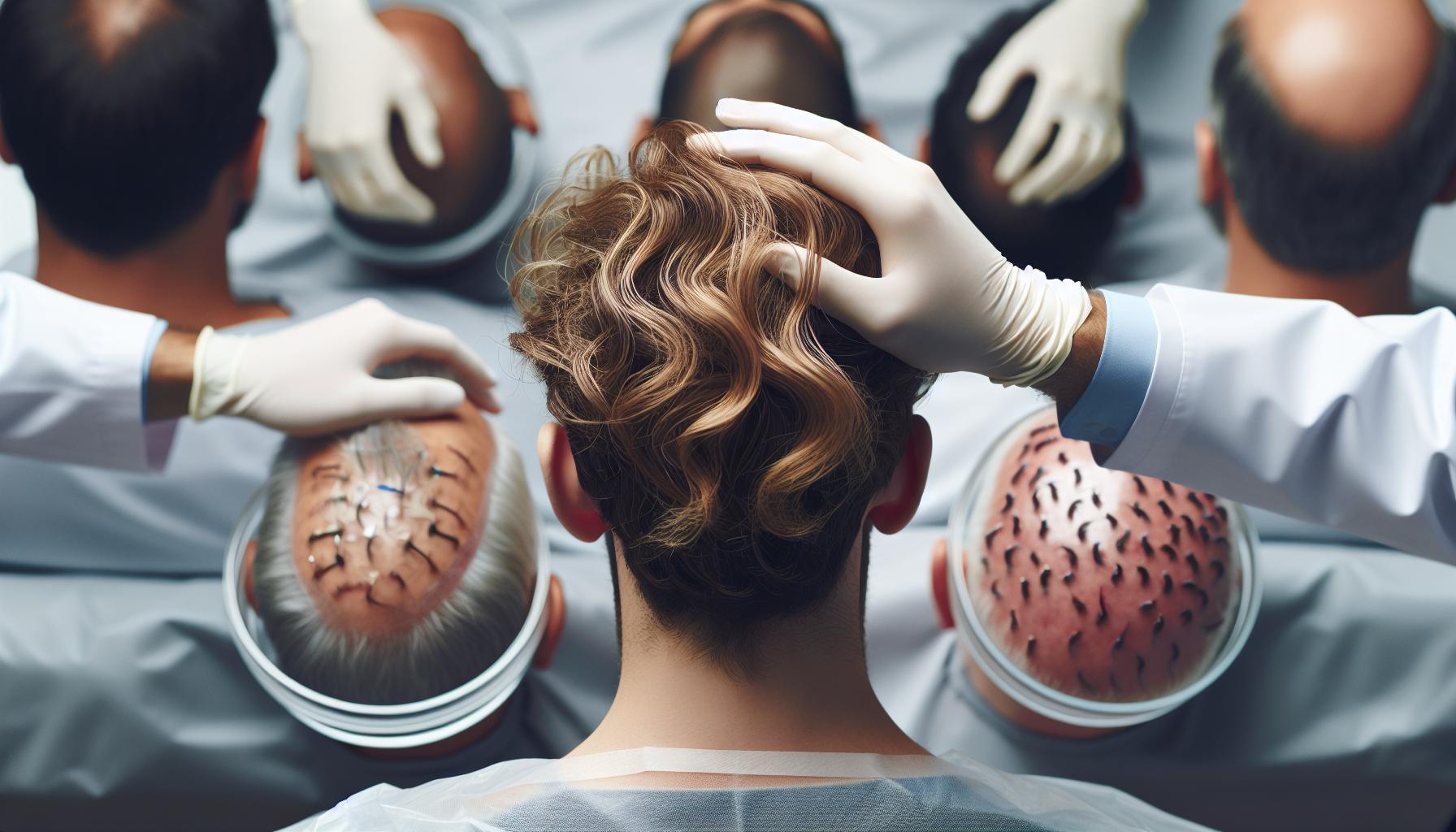
When Is It Safe to Resume Sexual Activity?
Following a hair transplant,many patients wonder about the appropriate timeline for resuming intimate activities.Physical recovery from the procedure is crucial, and this aspect should not be overlooked. Engaging in sexual activity too soon can perhaps disrupt the healing process or lead to complications, such as increased swelling or irritation at the graft site.
it is generally advised to wait at least 7 to 10 days post-surgery before resuming sexual activity. This period allows the transplanted follicles to stabilize in their new locations and reduces the risk of altering blood flow to the scalp, which is vital during the initial healing stages. During the first few days, your body is focused on healing, and any additional exertion could impede this process.
Additionally, it’s important to consider the types of sexual activity you engage in during recovery. here are some guidelines to help you navigate this sensitive period:
- Listen to Your Body: If you experience discomfort or notice any unusual bleeding, it may be prudent to pause and consult your healthcare provider.
- Be Gentle: If you resume sexual activity, ensure that movements are gentle to avoid any needless pressure on the scalp.
- Avoid Hot Environments: High heat can exacerbate inflammation, so consider this when planning intimate moments.
- Consult Your Surgeon: For personalized advice, always check with your surgeon as recovery timelines can vary.
Remember, the recovery journey post-hair transplant is unique to each individual. patience and attentiveness to your body’s needs will not only support healing but also pave the way for successful results from your hair restoration efforts. Always prioritize your recovery to ensure the best possible outcome, and don’t hesitate to reach out to your medical team with any concerns you may have.
The Impact of Sexual Activity on Recovery: What You Need to Know
Engaging in sexual activity after undergoing a hair transplant can raise important questions regarding recovery and safety. It’s crucial to consider how activities that might seem unrelated can affect your healing process.Recent studies suggest that the body’s response to sexual activity could impact wound healing and overall recovery – especially in the early stages post-surgery. Understanding the nuances of this interaction can help in making informed decisions about when to resume intimate activities.
Following a hair transplant, the scalp requires time to heal as new hair follicles are integrated into the scalp. Engaging in sexual activity too soon may not only cause physical discomfort due to increased movement and potential stress on the transplanted area, but it can also risk dislodging grafts or irritating incisions. Experts recommend a waiting period of at least 7-10 days before considering sexual activity. This timeframe allows for the initial healing, reducing the risk of complications such as bleeding or infections.
Considerations for Resuming Sexual Activity
When planning to return to sexual activity post-hair transplant, keep the following points in mind:
- Listen to Your Body: Every individual responds differently. Pay attention to any signs of discomfort or stress in the transplanted areas.
- Communicate with Your Partner: be open about your recovery process. Understanding from both sides can make the experience more comfortable.
- Follow Medical Advice: Always adhere to the post-operative care instructions provided by your surgeon.
- Monitor for Signs of Complications: If you notice unusual bruising, bleeding, or swelling, consult your healthcare provider immediately.
By taking these steps, individuals can ensure that they prioritize their healing while maintaining intimacy with their partners.The intersection between physical recovery and sexual health is vital, especially in the context of *Can you have sex after a hair transplant? Recovery & Safety Guide*. Ultimately, being informed and cautious will lead to a healthier recovery and a more enjoyable experience as intimacy is reintroduced.
Tips for a Smooth Recovery: Balancing Intimacy and Healing
Understanding the delicate balance between intimacy and recovery is essential for those undergoing hair transplants. While the excitement of renewed confidence can make you eager to return to your normal activities, including intimate relationships, it’s crucial to prioritize healing in the crucial weeks following the procedure. Engaging in activities that could impact your healing process not only affects your health but can also influence your results.
After a hair transplant, it’s typically advised to wait about 7-10 days before resuming sexual activity. This period is vital as the grafts are especially vulnerable during the initial healing stages.Physical exertion, including intimacy, can lead to sweating or pressure on your scalp, jeopardizing the stability of the grafts and potentially affecting your final results[3].
Practical Tips for Balancing Intimacy and Healing
- Communicate Openly: Discuss with your partner your need for recovery time and set expectations about intimacy during this period.
- Prioritize Comfort: When you do resume intimacy, consider comfortable positions that minimize pressure on your scalp.
- Stay Hydrated: Drinking plenty of water can aid your recovery and help maintain your energy levels for intimate moments.
- Follow post-Operative Instructions: Adhere to your doctor’s advice regarding care for your scalp, including cleaning protocols and avoiding activities that raise blood pressure.
- Monitor Your Body: Pay attention to any discomfort or signs of complications. If concerns arise, consult your healthcare provider promptly.
By approaching intimacy with care and consideration right after your hair transplant,you can ensure a smooth recovery while still nurturing your relationships. Following these guidelines not only safeguards your physical health but can also enhance the emotional connection with your partner during this transitional period. Remember,patience and caution now will lead to greater satisfaction later in both your healing journey and your relationships.
Common Questions About Sexual Health Post-Transplant
following a hair transplant, many individuals naturally have concerns about their sexual health and what is considered safe when it comes to resuming sexual activity. It’s common to wonder, “Can you have sex after a hair transplant?” The recovery process involves several factors that can influence not just physical comfort, but also hormonal balance and overall confidence. Understanding these elements can help in navigating intimacy post-procedure.
Timing is Key
After undergoing a hair transplant, it is generally recommended to wait at least 7 to 10 days before engaging in sexual activity. This period allows the grafts to settle and decreases the risk of displacing the newly implanted hair. Engaging in sexual activities too soon can lead to increased blood flow and movement in the scalp, which might jeopardize the results.
Physical Comfort and Hormonal Changes
Participants often experience a range of physical sensations following their procedure, including swelling and tenderness in the scalp. While many feel ready to resume a normal sex life after a week, listening to your body is crucial. Additionally, hormonal changes can occur post-surgery due to stress and recovery impacts, potentially affecting libido. Here are some factors to consider:
- Swelling and Discomfort: Ensure that any unpleasant symptoms have substantially improved before resuming activities.
- Emotional Readiness: Confidence can fluctuate; take time to feel comfortable with the changes in your appearance.
- Communication with Partner: Having an open discussion about concerns can enhance intimacy and mutual understanding.
Real-World Examples
Many individuals report varying timelines in resuming sexual activity, dependent on their personal recovery experience. for some, waiting the full two weeks makes them feel more secure, while others resume intimacy sooner. Ultimately, the decision should be made based on individual comfort levels and the advice of the healthcare provider.
navigating sexual health after a hair transplant involves a careful balance of patience, physical healing, and open communication. Embracing these aspects can lead to a satisfying and healthy sex life post-transplant, positively impacted by the newfound confidence from a successful hair restoration process. By considering the question, “Can you have sex after a hair transplant?” within the framework of recovery and safety, individuals can confidently move forward as they heal.
Listening to Your Body: Signs That Indicate You’re Ready
understanding how to listen to your body during the recovery period after a hair transplant is crucial for ensuring optimal healing and results. It’s common to feel a blend of excitement and apprehension, particularly regarding activities that may affect the newly transplanted follicles. Following the surgery, your body will signal when it is ready to return to normal activities, including sexual intimacy. Recognizing these signs can help you navigate your recovery with confidence.
A key indicator that you might potentially be ready to engage in sexual activity is the reduction of discomfort around the grafted area. Post-operative swelling and tenderness are normal, but as these symptoms subside, it’s a sign that your body is healing.Usually, this reduction occurs around the 7 to 10-day mark. Ensure there are no persistent scabs on the scalp, and the area feels more comfortable. additionally, if you’re able to return to your usual routines without significant pain or discomfort, it’s another positive signal.
Monitoring your overall energy levels and emotional state is essential. After surgery, you might experience fatigue and a fluctuating mood as your body focuses on healing. As you start to feel more like yourself and regain your energy, this can suggest you’re ready to resume intimacy. Also,keep in mind that your psychological readiness matters—if you feel anxious or hesitant about re-engaging in sexual activity,take the time you need until you feel comfortable.
always remember to consult your hair transplant surgeon or healthcare professional before making decisions about resuming sexual activity. They can provide personalized advice based on your specific situation and recovery progress. Ultimately, your body will guide you; by tuning into its signals and being mindful of your healing journey, you can make informed decisions that support both your recovery and sexual health.
Expert Opinions: What Doctors Say About Post-Transplant Intimacy
While the focus often lies on physical recovery after a hair transplant, the impact on intimacy and relationships is an equally critical aspect that deserves attention. Understanding that many patients may feel anxious about engaging in sexual activity after surgery, expert opinions highlight the importance of open communication with healthcare providers and also partners. As one leading dermatologist notes, “It’s not just about the hair; it’s also about how you feel as an individual. Addressing intimacy can significantly enhance recovery and emotional well-being.”
The Timing for Resuming Intimacy
Most doctors recommend waiting a brief period before returning to sexual activities post-transplant. Generally, it’s advised to hold off for at least 7 to 10 days to allow the scalp to heal properly. This timeframe helps mitigate the risk of disturbing transplanted follicles, which could compromise results. During this period, some patients may experience changes in libido or concerns about their appearance. Physicians often suggest focusing on non-sexual forms of intimacy, such as cuddling or massage, to maintain closeness without overexerting the healing scalp.
Understanding Potential Challenges
It’s crucial to acknowledge that patients may face certain challenges when it comes to intimacy after a hair transplant. Factors such as emotional stress, anxiety about appearance, and fear of discomfort can create barriers:
- Emotional Well-being: Many individuals may struggle with self-esteem issues following their procedure, which can affect intimacy.
- Physical Discomfort: Sensitivity and swelling in the scalp area can lead to discomfort that might discourage sexual activity.
- Partner Communication: A lack of conversation about fears and expectations can lead to misunderstandings or frustration.
To navigate these challenges,experts recommend engaging in candid discussions with partners and emphasizing affection and reassurance during the recovery phase.
Expert Recommendations for a Healthy Intimacy Transition
To ensure a smooth transition back to a healthy intimate life, healthcare providers often recommend a strategic approach. Here are some suggestions:
| Tip | Description |
|---|---|
| Open Dialog | Discuss feelings, fears, and expectations with your partner to promote understanding. |
| Gradual Resumption | Start with gentle activities and gradually ease back into physical intimacy as comfort levels rise. |
| Follow-Up Consultations | Check in with your physician about any concerns as healing progresses to tailor your intimacy plan. |
In essence, while transitioning back to an intimate life after a hair transplant might present challenges, taking an informed, compassionate approach as advocated by experts can greatly enhance the experience. The focus should always remain on recovery and emotional wellness alongside physical healing, ensuring that intimacy is both safe and enjoyable.
Frequently asked questions
Can you have sex after a hair transplant?
Yes, but it is generally advised to wait at least a week after your hair transplant before engaging in sexual activity. This allows for initial healing to occur,minimizing the risk of complications.
After a hair transplant, your scalp is sensitive, and activities that increase blood flow, such as sex, can potentially affect the healing process. Waiting at least a week gives your transplanted hair follicles time to settle in their new locations and start the healing process.
How long should I wait to have sex after my hair transplant?
It’s recommended to wait at least 7 days before having sex after a hair transplant. this timeline helps prevent complications and supports a smoother recovery.
Engaging in vigorous activities too soon can lead to swelling or increased blood flow to the scalp, which may disrupt the newly implanted follicles. Follow your surgeon’s specific advice for the best outcome.
Why does waiting to have sex after a hair transplant matter?
Waiting to have sex after a hair transplant is critically important as it helps reduce the risk of complications, such as bleeding and irritation to the transplant site.
During the first week, your scalp is more vulnerable to trauma. Activities that might stress the area can interfere with the healing of follicles, potentially leading to less effective results.
Can I engage in other physical activities post-hair transplant?
It’s best to avoid strenuous physical activities for at least a week after your hair transplant procedure.light activities like walking are acceptable, but anything that strains your body should be avoided.
Refraining from heavy lifting or intense workouts helps ensure that your hair follicles remain stable during their critical early healing phase.
What should I do if I experience discomfort after sex following a hair transplant?
If you experience discomfort after having sex post-hair transplant, it’s important to consult your surgeon. Mild discomfort can be normal, but persistent pain should be addressed.
Ensure that you follow your post-operative care instructions properly.If discomfort arises, applying cold compresses and taking prescribed medication may help alleviate symptoms.
Are there any signs that indicate I should delay sexual activity after my hair transplant?
Yes, if you experience excessive swelling, bleeding, or any unusual discharge from the transplant site, you should delay sexual activity until these issues are resolved.
These symptoms can indicate that the healing process is not going as planned, and it’s crucial to seek medical advice to avoid complications.
How can I ensure a smooth recovery after a hair transplant?
To ensure a smooth recovery after a hair transplant, follow your surgeon’s guidelines, including waiting to engage in activities like sex. Proper aftercare is key to achieving the best results.
Using prescribed medications, staying hydrated, and avoiding direct sun exposure are also essential practices. For more tips on post-operative care, check out our guide.
To Conclude
navigating the question of engaging in sexual activity after a hair transplant requires careful consideration and patience. As highlighted, it’s essential to wait at least 7 to 10 days post-procedure to allow the transplanted grafts to securely settle. This precaution helps prevent dislodging the fragile grafts, which can jeopardize the success of your hair restoration. During this recovery period, focusing on proper scalp care is also crucial, as maintaining cleanliness and avoiding high blood pressure-inducing activities can significantly influence healing.
We understand the emotional aspects tied to hair loss and the recovery journey. By prioritizing your scalp’s health and adhering to these guidelines, you set the stage for a successful outcome and peace of mind. For those facing the intricacies of hair restoration, we encourage you to explore more on this topic. Dive deeper into post-transplant care and gain valuable insights by engaging with our content. Your journey toward renewed confidence starts with informed choices—let’s continue this conversation together.


