


After a hair transplant, many patients wonder how soon they can don their favorite hat without compromising healing.Exploring the ideal timeline is crucial, as it impacts both comfort adn recovery.Generally, you can wear a hat about one week post-procedure, but it’s essential to follow yoru surgeon’s specific guidelines for optimal results.
Contents
- Understanding the Healing Process After a Hair Transplant
- When is It Safe to wear a Hat? Key Recovery Timeline Phases
- Factors That Influence Your Hat-Wearing Schedule
- Types of Hats: Which Should You Choose Post-transplant?
- Tips for Protecting Your Scalp While Wearing a Hat
- Common Mistakes to Avoid When Covering Newly Transplanted Hair
- Professional Insights: What Surgeons Recommend Regarding Hats
- The Emotional Journey: Feeling Confident while You Heal
- FAQ
- How long after a hair transplant can you wear a hat?
- Can I wear a hat immediately after a hair transplant?
- Why does wearing a hat too soon after a hair transplant pose a risk?
- What type of hat is best after a hair transplant?
- Can I wear a beanie after a hair transplant?
- What should I avoid when wearing a hat after a hair transplant?
- When can I style my hair after a hair transplant?
- The Conclusion
Understanding the Healing Process After a Hair Transplant
After undergoing a hair transplant, many patients are eager to see the results but often overlook the importance of the healing process that follows. Understanding what happens post-surgery can greatly impact the overall success of the transplant and the health of your newly implanted hair follicles. While the desire to don a hat might be strong, particularly in the initial healing stages, it’s crucial to comprehend how this choice affects recovery.
The Stages of Healing
The healing process after a hair transplant generally unfolds in several stages, each lasting a few days to weeks, depending on individual factors such as skin type and the complexity of the procedure. Here’s a breakdown:
- Initial Recovery (Days 1-7): The most critical phase, where the transplanted follicles begin to secure themselves into the scalp. Expect some redness and swelling. Avoid tight headgear to minimize irritation.
- crust Formation (Days 7-14): Small scabs might form over the transplanted areas. It’s vital to refrain from picking at these scabs, as doing so could dislodge the newly implanted hair follicles.
- Shedding phase (Weeks 2-8): Many patients notice a shedding of hair from the transplanted area. This is normal as the follicles enter a resting phase before new growth begins.
- New Hair Growth (months 3-6): Gradually, new hair will start to emerge. Patience is key, as the growth can be uneven and may take time to fill in.
When Can You Wear a Hat?
Knowing when it is safe to wear a hat after a hair transplant can help protect your scalp while also making you feel more confident. Here’s a general guideline to follow:
| Time Frame Post-Transplant | Hat Wearing Guidelines |
|---|---|
| First 3 Days | Avoid wearing hats. Your scalp needs to be free from pressure and friction to ensure successful healing. |
| Days 4-7 | Loose hats onyl. If necessary, opt for a loose-fitting hat to avoid any rubbing on the treated area. |
| Week 2 and Beyond | Introduce hats gradually. Begin with hats that are spacious and breathable, and avoid any that fit tightly. |
During the healing process, keep your scalp clean and moisturized, and always consult your surgeon for personalized advice. Listening to your body and being attentive to your scalp’s condition will ensure that you achieve the best results possible from your hair transplant. By prioritizing care during this vital period, you pave the way for a successful recovery and, ultimately, a full head of hair.
When is It Safe to wear a Hat? Key Recovery Timeline Phases
When considering the right moment to don a hat after a hair transplant, it’s crucial to understand the key recovery phases your scalp will undergo. The healing process can significantly impact the timing, and knowing what to expect can definitely help you avoid needless complications.
Understanding the Recovery Timeline
Typically, the recovery timeline can be divided into specific phases, each with its own guidelines on wearing a hat:
| Phase | Time Frame | Hat Wear Recommendations |
|---|---|---|
| Initial Healing | 0-7 Days Post-Transplant | No hats. Your scalp is extremely sensitive, and the grafts are vulnerable during this time. |
| Early Recovery | 1-2 Weeks Post-Transplant | Light hats only. It’s best to wear loose-fitting hats that do not apply pressure on the scalp. |
| Mid-recovery | 3-4 Weeks Post-Transplant | Soft hats permitted. By now, the grafts are more stable; however, ensure the hat is breathable and not to tight. |
| Final Stages | 1-3 Months post-Transplant | Normal hats. You can wear your regular hats, but it’s wise to be cautious and avoid any discomfort. |
Factors Influencing When You Can Wear a Hat
Many factors can influence when it’s safe to wear headgear following a hair transplant, including the technique used during the transplant (FUT vs. FUE),your overall health,and the sensitivity of your scalp. Listening to your body is paramount. If you experience any discomfort or irritation while wearing a hat, it’s advisable to remove it immediately.
Best Practices for Hat Wear Post-Transplant
- choose hats made from soft,breathable materials to avoid excessive sweating and irritation.
- Avoid tight-fitting hats that could disrupt the healing grafts.
- Monitor your scalp for any signs of discomfort, redness, or infection when wearing a hat.
- Keep your hat clean to prevent any risk of introducing bacteria or contaminants to your healing scalp.
Staying informed about when you can safely wear a hat after a hair transplant is essential for protecting your investment in your hair restoration journey. By understanding the recovery timeline and following best practices, you’ll ensure a smooth healing process and optimal results.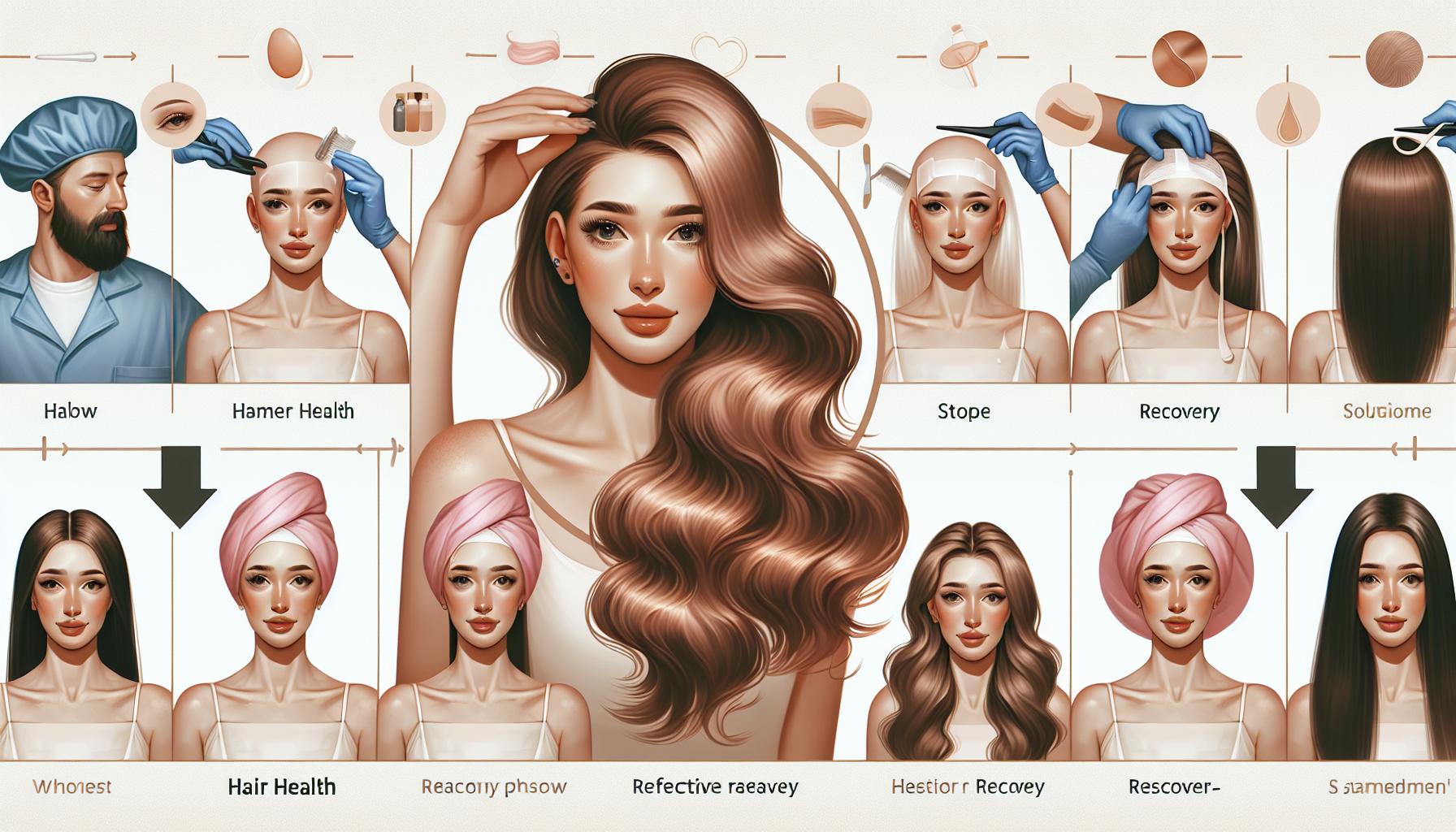
Factors That Influence Your Hat-Wearing Schedule
When considering the ideal timing for donning a hat following a hair transplant, several influential factors come into play. Understanding these elements not only ensures the success of your procedure but also contributes to your overall comfort and confidence during the recovery phase.
Healing Process
One of the most critically important factors affecting when you can wear a hat is the healing process of the scalp. after a hair transplant, the scalp may be sensitive and vulnerable for up to two weeks. It’s crucial to allow your skin to heal properly to minimize the risk of irritation or infection. In general, most surgeons recommend waiting at least 7-10 days before putting on a hat.Though, the timeline can vary based on several individual factors:
- Type of Hair Transplant: The method used (FUE vs. FUT) can impact healing time.
- Individual Healing Rate: Each person’s body heals differently,so take your own recovery into account.
- Post-operative Care: Following aftercare instructions can significantly influence how quickly you recover.
External Conditions
Environmental factors also play a critical role in deciding when to wear a hat. Depending on your living conditions, you may want to postpone this decision to promote healing.For instance:
- Climate: Hot and humid weather can aggravate the scalp, increasing the likelihood of irritation if a hat is worn too soon.
- Activity Level: high-impact activities or exposure to dust and sweat during exercise can also delay when you should wear a hat.
- Season: Winter may necessitate protective headgear sooner than summer,especially if sun exposure could affect healing.
Type and Style of Hat
The kind of hat you choose can further influence how soon after the procedure you can wear one.
| Type of Hat | Recommended Timing | Why? |
|---|---|---|
| Baseball Cap | 2-3 weeks | Offers good coverage without tightness. |
| Beanies | 4 weeks | Can fit tightly; avoid early use to prevent irritation. |
| Sun Hats | After 1 week | Light protection from sun,not too tight. |
Choosing the right hat style can help protect your new hair follicles while allowing for adequate airflow. Ultimately, the time you can safely wear a hat post-transplant hinges on how well you manage your recovery and environmental conditions. By being mindful of these factors, you can ensure a smooth transition back to your favorite headwear, all while prioritizing the health of your scalp.
Types of Hats: Which Should You Choose Post-transplant?
When it comes to selecting the perfect hat after a hair transplant, the choice is more than just a matter of style—it’s also about protection and comfort. After undergoing a hair transplant, many individuals wonder not only about the recovery timeline but also about the best types of headwear to opt for during this crucial period. Wearing a hat too soon can jeopardize your healing process, so understanding the different types of hats available will help you make an informed decision on when, and what, to wear.
Soft, Breathable Fabrics
After a transplant, the scalp is sensitive and prone to irritation. Choosing hats made from soft, breathable materials can help protect the newly transplanted hair and allow for proper air circulation. Here are some suitable options:
- Cotton Beanies: These are gentle on the scalp and provide warmth without too much pressure.
- Wide-Brimmed Hats: Protect the scalp from sun exposure while also providing a stylish look.
- Lightweight Caps: For those in warmer climates, a lightweight cotton or linen cap can offer some shade.
Types of Hats to Avoid
Not all hats are created equal, especially post-transplant. Here’s a quick glance at headwear to steer clear of:
| Type of hat | Reason to Avoid |
|---|---|
| Fitted Caps | they can cause friction and pressure on the scalp. |
| Heavy wool Hats | Can trap heat and moisture, irritating the scalp. |
| Visors | May expose the scalp to direct sunlight, risking damage. |
By carefully considering your hat choices in the weeks following your hair transplant, you can ensure both style and safety. Opt for options that prioritize comfort and breathability while steering clear of any that could impede your healing. Remember that the journey to a full head of hair takes time, and your post-transplant hat decisions play a crucial part in supporting that recovery.
Tips for Protecting Your Scalp While Wearing a Hat
Wearing a hat is not just a style choice; it can also be essential for protecting your scalp, especially after undergoing a hair transplant. However, it’s crucial to be mindful of your scalp’s sensitivity during the recovery phase. If you’re asking yourself, “How long after a hair transplant can you wear a hat?” the answer may vary based on individual healing times and the type of procedure performed. Regardless of when you choose to put on that hat, here are some tips to ensure your scalp remains protected and healthy.
Choose the Right Material
The fabric of your hat can significantly affect your scalp’s comfort and healing process. Opt for soft, breathable materials like cotton or linen that allow airflow, preventing moisture buildup and irritation. Avoid tight-fitting hats that might rub against the newly transplanted hair follicles, which can lead to discomfort or even disrupt the healing process.
Timing is Key
After a hair transplant, it’s advisable to wait a minimum of 7 to 10 days before wearing a hat. This period allows the transplanted grafts to secure themselves properly. When you do start wearing a hat,choose a loose-fitting design. here’s a simple guideline for when to wear a hat post-transplant:
| Time Post-Transplant | Hat Proposal |
|---|---|
| 0-7 Days | No hats; keep the area clean and uncovered. |
| 7-10 Days | Loose, breathable hats for sun protection. |
| 10-14 Days | Soft hats; avoid tight fits until cleared by a doctor. |
Use Scalp Protection
For added protection while wearing a hat,consider using a gentle sunscreen or a scalp-specific moisturizer.This can definitely help guard against harmful UV rays, particularly if you are wearing a hat outdoors. Additionally, be cautious of excessive sweating, which can lead to irritation. If your hat feels damp, it’s best to remove it briefly and allow your scalp to breathe.
Listen to Your Body
Everyone’s recovery journey is unique,so it’s crucial to pay attention to how your scalp feels. If you experience any discomfort or notice redness when wearing a hat,it may be a sign that you need to take a break or consult with your hair transplant surgeon.Regular follow-up appointments are vital to ensure the health of your scalp and the success of your hair transplant.By following these tips, you can successfully navigate the process of wearing a hat after your hair transplant, ensuring that your scalp remains protected while you embrace your new look.
Common Mistakes to Avoid When Covering Newly Transplanted Hair
following a hair transplant, taking care of your new locks is crucial for achieving the best results. One of the most common concerns among those who have just undergone this procedure is how long they should wait before wearing a hat. Though it might be tempting to cover your head for various reasons—including sun exposure or personal preference—there are several missteps to avoid that can hinder the healing process and the success of your transplant.
Ignoring the recovery Timeline
If you’re looking to maintain the health of your newly transplanted hair, it’s vital to adhere to the recovery timeline established by your physician. The general guidance is to avoid wearing hats for at least the first week post-surgery, as this is when the grafts are most vulnerable.
- First 3 Days: The hair follicles are still settling in, and wearing a hat can disrupt their placement.
- Days 4-7: Hats may cause friction or pressure on the transplanted area, possibly dislodging fragile grafts.
- Weeks 2-4: After about two weeks, you can start wearing light hats, but avoid tight-fitting styles.
Choosing the Wrong Type of Hat
Even after the initial healing phase, the type of hat you choose can make a significant difference. Opt for materials that are soft and breathable, avoiding anything abrasive that could irritate your scalp.
Consider the following tips when selecting a hat:
- Avoid beanies or hats that fit too snugly. Loose-fitting options will allow airflow.
- Select hats made from natural fibers such as cotton, which reduce irritation.
- Skip heavy or structured hats that may weigh down and stress the transplant area.
Neglecting Aftercare Recommendations
Proper aftercare is just as key after wearing a hat. many patients underestimate the impact of sweat,dirt,and oil accumulation when wearing headgear. Neglecting to wash your scalp regularly following hat use can lead to infection or graft failure.
| Aftercare Task | Timing |
|---|---|
| Gentle cleansing | Daily |
| Avoid tight hairstyles | First month |
| Limit sun exposure | First 2 weeks or as needed |
being cautious and attentive in these early days can lead you to optimal outcomes. Taking the time to understand how long after a hair transplant you can wear a hat, along with avoiding these common mistakes, will ultimately pave the way for a successful recovery and a fuller head of hair.
Professional Insights: What Surgeons Recommend Regarding Hats
Patients often have questions about wearing hats after undergoing a hair transplant, especially considering how critical the post-operative period is for optimal healing. Surgeons often advise their patients on various aspects of post-transplant care, with headwear being a significant concern for many. Understanding the consensus among medical professionals can help patients make informed decisions about their recovery wardrobe.
Timing is Everything
Most surgeons typically recommend avoiding hats for at least the first week following the procedure. This initial period is crucial as the grafts are still taking hold and any unnecessary pressure or friction can jeopardize their success. After the first week, patients may gradually start to wear loose-fitting hats, but there are critically important considerations to keep in mind:
- Type of Material: Opt for breathable fabrics like cotton. This allows the scalp to remain ventilated and helps prevent sweating.
- fit: Choose hats that do not compress the scalp. A loose-fitting option ensures no additional pressure on the newly implanted grafts.
- duration: Limit wear time initially. Short periods of use are advisable to gauge how the scalp reacts.
Real-World Recommendations
Surgeons frequently enough emphasize the importance of following post-operative care instructions closely to maximize the results of the hair transplantation. As an example, Dr. Smith, a renowned hair restoration specialist, suggests a timeline approach:
| Day Post-transplant | Hat Recommendations |
|---|---|
| 1-7 Days | No hats allowed; prioritize healing. |
| 7-14 Days | Consider breathable, loose hats for brief periods. |
| 14+ Days | Gradually reintroduce hats, ensuring they are loose-fitting and cozy. |
Additionally,patients are encouraged to consult their surgeons for personalized advice tailored to their specific recovery process. Individual factors such as skin sensitivity and graft type can also influence hat-wearing guidelines, making it essential to communicate openly with healthcare professionals throughout recovery.By adhering to their recommendations, patients can enjoy the protective benefits of headwear while fostering optimal growth conditions for newly transplanted hair.
The Emotional Journey: Feeling Confident while You Heal
When embarking on the journey of hair restoration,one often overlooked aspect is the emotional journey intertwined with physical healing. After a hair transplant, many individuals find themselves navigating through a blend of excitement and insecurity, not merely concerning their appearance but also regarding their self-esteem. It’s essential to acknowledge that feeling confident during this healing process is just as critical as managing the physical aftermath of the surgery.
The Impact of Visual changes on Self-Esteem
The immediate aftermath of a hair transplant can come with visible signs like swelling, redness, or even scabbing. During this period, you might wonder, “How long after a hair transplant can you wear a hat?” This concern stems from wanting to cover up these changes while also prioritizing your comfort and protection. Understanding the guidelines on when hats can be worn—typically around the 7 to 10-day mark—can offer some peace of mind. Yet, it’s crucial to acknowledge that giving yourself permission to embrace the changes and to be patient while your new hair begins to flourish is vital for emotional well-being.
- Acknowledge Your feelings: Take a moment to recognize any insecurities or anxieties you may feel.Journaling can be a great way to process these emotions.
- Connect with Others: Speaking with individuals who have undergone a similar journey can provide insight and reinforce a sense of belonging.
- Practice Self-Compassion: Remember that healing takes time, and it’s natural to have mixed feelings during this process.
Nurturing Confidence as You Heal
Building confidence in your new appearance isn’t solely reliant on physical transformations; mental and emotional health play a significant role. During the initial weeks post-transplant, consider engaging in activities that promote a positive self-image:
| Activity | Description |
|---|---|
| Meditation | Practicing mindfulness can help reduce anxiety and promote a tranquil mindset. |
| Social Interactions | Spending time with supportive friends or family can bolster your confidence. |
| Focus on Style | Experiment with different ways to style your hair or cover it (once permitted), which can boost your self-image. |
Reflect on your journey as an prospect for growth rather than a point of worry. As your healing progresses and the new hair begins to take shape, celebrating this conversion can reclaim not only your appearance but also your confidence. Embracing each step of the process can foster a sense of empowerment, guiding you toward a more positive self-view during a significant period of change.
FAQ
How long after a hair transplant can you wear a hat?
You can typically wear a hat around 7-10 days after a hair transplant, but always consult your surgeon for personalized advice. Protecting the newly transplanted hair during the initial healing period is essential.
During the first week after surgery,your scalp is healing,and the hair follicles are settling into their new locations. After this period, most patients can wear loose-fitting hats, preferably made from breathable materials. Though, avoid anything too tight that could stress the hair follicles.
Can I wear a hat immediately after a hair transplant?
No,wearing a hat immediately after a hair transplant is generally not recommended. Your scalp is very sensitive and needs time to heal.
During the initial days post-surgery, your scalp may experience swelling, redness, or discomfort, making hats uncomfortable. Hats can also create an habitat conducive to bacteria and affect the healing process. It’s best to avoid them initially.
Why does wearing a hat too soon after a hair transplant pose a risk?
Wearing a hat too soon can irritate the scalp and displace the newly transplanted hair follicles. This may hinder proper growth and increase the risk of infection.
The risk arises because the hat can create friction against the scalp, disrupting the delicate healing environment. Moreover, a tight hat might inadvertently pull on hair grafts, increasing the chance of dislodging them. Always heed your surgeon’s guidance for the safest recovery.
What type of hat is best after a hair transplant?
After the first week, it’s best to wear soft, breathable hats made from materials like cotton. These help avoid irritation while ensuring airflow.
loose-fitting caps or wide-brimmed hats are ideal choices as they don’t apply pressure to the scalp. Avoid using baseball caps or anything too snug as it can rub against the scalp and affect the healing process of the transplanted hair.
Can I wear a beanie after a hair transplant?
You can wear a beanie about 10-14 days post-surgery, but ensure it is loose-fitting to minimize pressure on your scalp.
A snug beanie can irritate the scalp and displace hair follicles, so make your choice wisely. By the two-week mark, if your doctor approves, a soft, loose beanie can provide warmth without compromising your healing.
What should I avoid when wearing a hat after a hair transplant?
Avoid tight-fitting hats, hats made from synthetic materials, and wearing any headgear for prolonged periods soon after surgery.
Tight hats can inhibit blood flow and increase discomfort. Additionally, hats made from non-breathable materials can trap moisture and bacteria, increasing the risk of infection. Always prioritize comfort and follow your healthcare provider’s recommendations for the best outcomes.
When can I style my hair after a hair transplant?
Generally, you can start styling your hair about 2-3 weeks after a hair transplant, depending on your surgeon’s advice.
At this stage, hair follicles have had time to settle, and you can begin to use gentle hair care products.Though, you should still avoid heavy products or heat styling to allow your hair to continue healing effectively.
The Conclusion
As we wrap up our exploration of when you can start wearing a hat after a hair transplant, it’s essential to remember that patience and care are your best allies in this journey. Typically, most experts recommend waiting around 7 to 14 days to allow your scalp to heal properly, but individual circumstances may vary. Factors like the type of procedure, personal healing speed, and overall scalp sensitivity play vital roles in determining the right timeline for you.
During this healing phase, consider alternatives like soft headbands or loose-fitting caps that won’t irritate your fragile scalp. They can offer both comfort and style while you navigate this important recovery period. Always prioritize following the aftercare advice from your surgeon,as this is tailored to your unique situation,ensuring optimal results.
Emotional connections to hair are profound,and recognizing that you’re not alone in this journey can be incredibly comforting. If you’re grappling with concerns about the outcomes,don’t hesitate to reach out for support or further facts. Your hair restoration journey is just that—yours. Engage with your progress, embrace the changes, and allow yourself to enjoy each step towards regaining your confidence.
Curious about more tips on hair care,styling options,or understanding the transplant process in depth? Dive into our related articles or reach out to our community. Your path to fuller hair and renewed self-assurance starts here,and we’re excited to walk alongside you.


