


Turning your passion for hair into a fulfilling career is within reach, but figuring out where to start can be overwhelming. Becoming a skilled hair specialist not only allows you to express creativity but also to positively impact clients’ lives. This guide will walk you through five essential steps to kickstart your journey in the dynamic beauty industry.
Contents
- Understanding the Role of a Hair Specialist: What You Should Know
- Essential Education and Training Pathways for Aspiring Hair Professionals
- Gaining Experience: Internships, Apprenticeships, and beyond
- Sharpening Your Skills: The Importance of Continuous Learning in Hair Care
- Building Your brand: Marketing Yourself as a Hair Specialist
- Creating a Supportive Network: Connecting with industry Professionals
- Navigating Client Relationships: The Art of Effective Communication in Hair Care
- Q&A
- How do I become a hair specialist?
- what is the average salary for a hair specialist?
- why should I consider becoming a hair specialist?
- Can I work as a freelance hair specialist?
- what are the essential skills for a hair specialist?
- How long does it take to become a hair specialist?
- What training do I need to become a hair specialist?
- In Retrospect
Understanding the Role of a Hair Specialist: What You Should Know
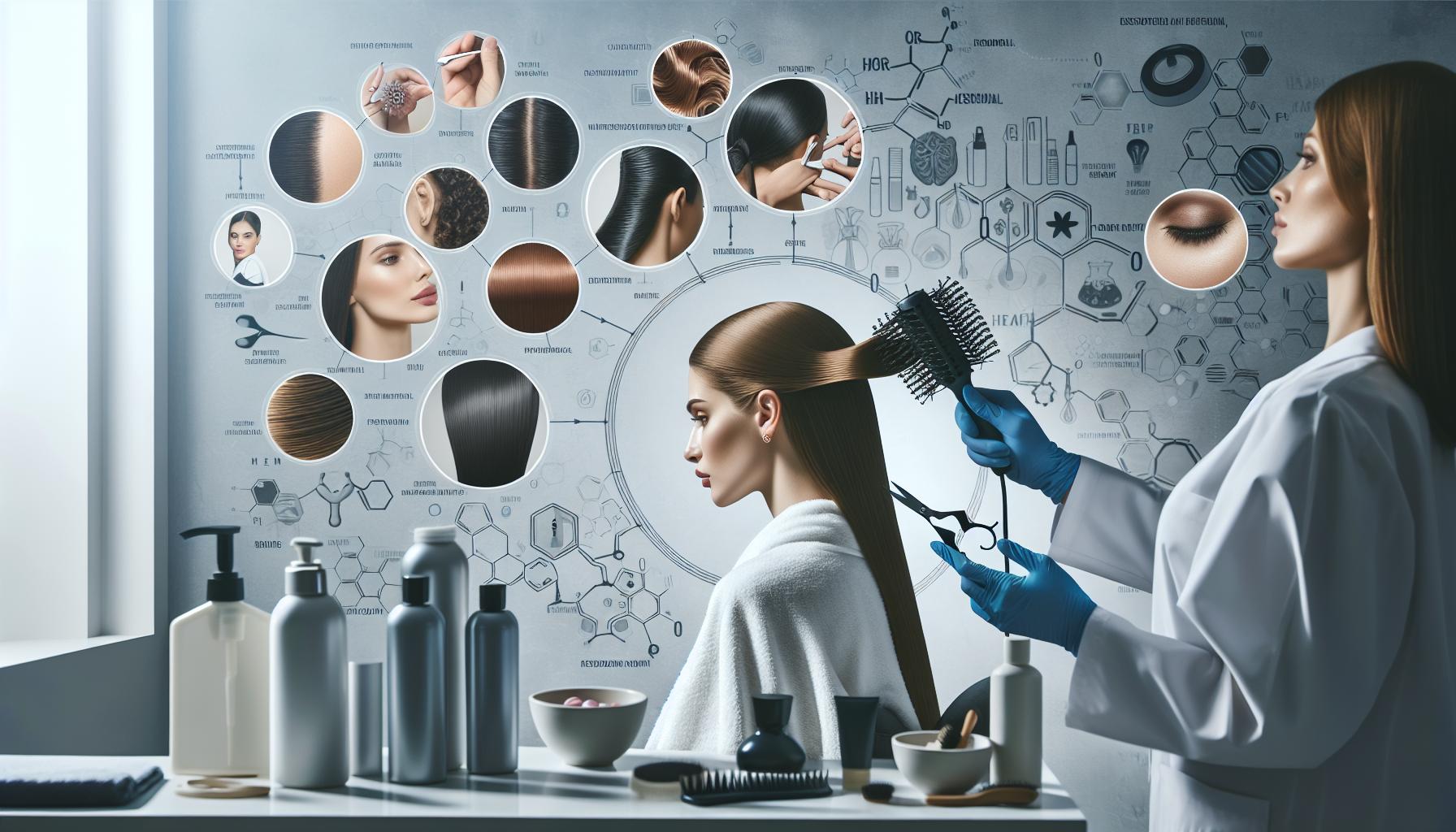
Aspiring to be a hair specialist means stepping into a vibrant and creative field where passion meets precision. This role is not only about the technical skills of cutting and styling; it encompasses a wide range of services designed to enhance the appearance and health of hair.From the moment you help a client choose the perfect look, you are engaging deeply with their vision and self-expression.Whether you’re working with color treatments or specialized hair care techniques, being a hair specialist requires both artistic flair and a solid grounding in the science of hair and scalp health.
Key Responsibilities of a Hair Specialist
A hair specialist is multifaceted, performing various tasks that contribute to a client’s overall beauty experience. Here are some essential duties you can expect to undertake:
- Hair Cutting and Styling: Mastering different cutting techniques and styles that complement your clients’ facial features and hair types.
- Color Services: Applying color treatments, including highlights, lowlights, and balayage techniques, while understanding color theory.
- Hair Treatments: Offering conditioning and treatment services, such as deep conditioning, keratin treatments, or scalp massages, to maintain hair health.
- Client Consultation: Engaging with clients to understand their specific needs, preferences, and hair concerns.
These responsibilities reflect not only the technical skills needed but also the importance of client relationships and communication in a successful hair styling career.
Skills Required for Success
To thrive as a hair specialist, a blend of artistic talent and professional knowledge is crucial. Consider the following key skills:
- Creativity: The ability to envision and execute styles that reflect current trends and also individual client preferences.
- Technical proficiency: Expertise in using hair styling tools and techniques, from scissors to coloring products.
- Attention to Detail: Precision in cuts and applications can make a meaningful difference in client satisfaction.
- Communication Skills: Effectively discussing style choices and hair care routines with clients establishes trust and rapport.
Incorporating these skills into your daily practice will not only enhance your services but also encourage client loyalty and referrals, which are crucial for growth in this competitive field.
Career Development Opportunities
As you embark on this exciting journey, continuous learning will be vital in keeping your skills sharp and relevant. Many hair specialists choose to:
- Attend workshops and seminars to learn about the latest trends and techniques.
- Explore specializations, such as color correction, hair extensions, or wedding styling, to diversify their service offerings.
- Seek mentorship or connect with seasoned professionals in the industry to gain insights and tips.
By committing to lifelong education and professional growth, you’ll not only master the art of hair styling but also set yourself up for a fulfilling career as a hair specialist.
embracing the role of a hair specialist requires a blend of creativity, technical skill, and a dedication to client satisfaction. With the right approach and ongoing education, you can turn your passion for hair into a successful career.
Essential Education and Training Pathways for Aspiring Hair Professionals
To thrive in the dynamic world of hair styling and treatments, aspiring professionals must prioritize acquiring essential education and training. Engaging in comprehensive learning opportunities not only enhances technical skills but also builds confidence and credibility in the industry. Starting with core fundamentals and advancing to specialized techniques can set one on a path to becoming a sought-after hair specialist.
One effective way to gain a solid foundation is through structured courses that cover both theory and practical application. for instance, platforms like NAK Hair Education offer an inspiring array of online classes focusing on vital areas such as hair color mastery and innovative styling techniques. This flexibility allows learners from different backgrounds to elevate their skills anytime, anywhere, which is essential in today’s fast-paced surroundings [[1]](https://education.nakhair.com.au/online-courses-2025). Similarly, Pony Education provides a blended learning model, combining in-person workshops with online training, ensuring hair professionals can develop hands-on experience while mastering the art of hairstyling at their own pace [[2]](https://www.ponyeducation.com/).
Key Training Areas to Explore
Understanding the essential areas of study is vital for anyone considering how to become a hair specialist. In addition to mastering basic techniques, aspiring professionals should focus on:
- Hair Color Theory: Learning the science behind colors, including formulation and application techniques.
- Cutting Techniques: Mastering various cutting styles to cater to diverse client needs.
- Styling and Finishing: Developing skills in blow-drying, curling, and styling for various occasions.
- Business Skills: Gaining insights into running a salon, client management, and marketing.
Investing time in these areas not only builds a strong portfolio but also prepares professionals for the diverse demands of the hair industry.
Next Steps in Your Educational Journey
Once foundational skills are established, seeking ongoing education through advanced courses and workshops becomes crucial. Visiting platforms such as Wella Education can provide access to a plethora of resources tailored to professional hair care and services, enhancing industry knowledge and staying current with trends [[3]](https://education.wella.com/). Engaging in continuous learning and networking with industry professionals can considerably improve one’s career prospects.
Ultimately, the journey towards becoming a hair specialist involves a combination of formal education, practical experience, and a commitment to lifelong learning. By actively participating in specialized training programs and keeping abreast of industry advancements,aspiring hair professionals can carve out successful and fulfilling careers.
Gaining Experience: Internships, Apprenticeships, and beyond
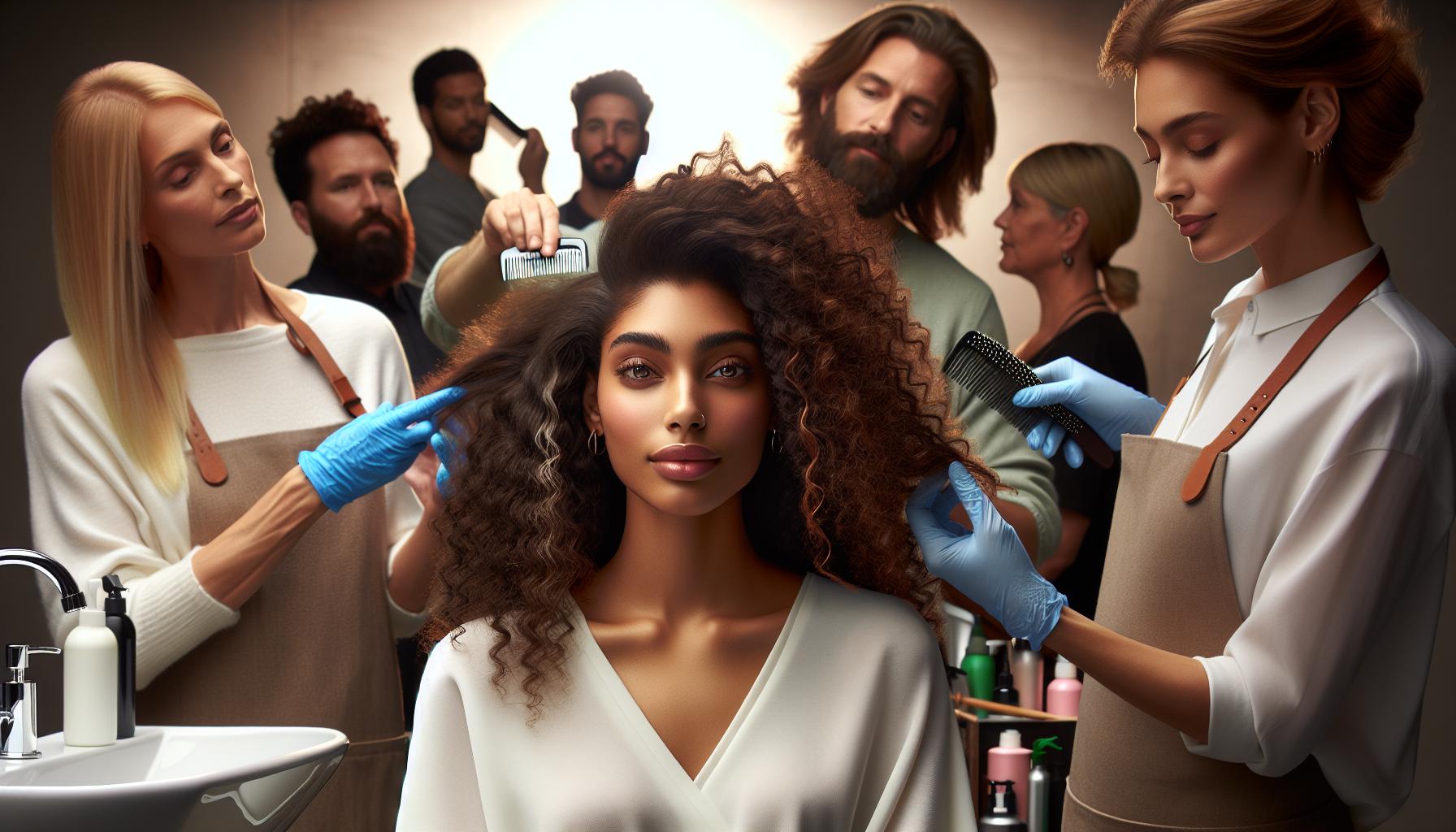
The journey to becoming a hair specialist is not only about mastering techniques and trends in hairstyling but also about gaining hands-on experience in real-world settings. both internships and apprenticeships serve as valuable avenues for aspiring professionals to deepen their skills and build essential industry connections. Understanding the differences between these two types of training can significantly enhance your career trajectory.
Internships are frequently enough short-term and may occur during your education, allowing you to observe and learn within a professional environment. These positions can be unpaid or paid, meaning you could potentially earn while you learn.As an intern, you will likely work alongside seasoned professionals, gaining insights into various practices within salons or beauty schools. As an example, participating in an internship could provide exposure to customer service, styling techniques, and the day-to-day operations that fuel successful businesses. This experience is critical when exploring how to become a hair specialist, as engaging directly with clients and understanding their needs helps refine your craft.
Apprenticeships: A Path to mastery
On the other hand, apprenticeships often entail a longer commitment, combining both classroom learning and on-the-job training. These structured programs typically last for one to four years, allowing you to work closely with experienced professionals who guide you through the complexities of hair care and styling. Unlike internships, apprenticeships usually come with a financial component; apprentices are frequently enough paid for their work, making it a more enduring option while you learn. This method not only facilitates an in-depth understanding of techniques but also immerses you in the workplace culture, preparing you more thoroughly for your future career.
Here’s a fast comparison of internships and apprenticeships for those looking to explore these options:
| Aspect | Internship | Apprenticeship |
|---|---|---|
| Duration | Short-term (usually a few months) | Long-term (1-4 years) |
| Compensation | Frequently enough unpaid or stipends | paid position |
| Training Format | More observational, less hands-on | Combination of classroom and practical work |
| Outcome | General experience and networking | certification/qualifications in the field |
In addition to internships and apprenticeships, seeking out advanced training programs, workshops, and networking events can bolster your resume and confidence as you embark on the path to become a hair specialist. Each experience adds to your knowledge base and makes you a more well-rounded candidate in this competitive industry. Embracing these opportunities creates a solid foundation for a successful career in hairstyling and beauty services.
Sharpening Your Skills: The Importance of Continuous Learning in Hair Care
The beauty industry, especially the realm of hair care, is dynamic and ever-evolving. As trends come and go, the demand for knowledgeable professionals who can adapt to these changes only increases. Investing time in continuous learning not only enhances your technical abilities but also sets you apart in a competitive job market. Developing expertise through ongoing education ensures that you are equipped with the latest techniques, products, and best practices, which is imperative for anyone aspiring to become a hair specialist.
Why Continuous Learning Matters
Continuous education is vital for maintaining and sharpening your skills. Here are several reasons why staying informed should be a top priority for aspiring hair specialists:
- Staying Current: Hair care products and techniques are constantly evolving. Regularly updating your knowledge helps you stay in line with current trends and innovations.
- Expertise Development: Engaging in advanced courses enhances your skills,enabling you to offer a wider range of services,thus appealing to a broader clientele.
- Professional Growth: The more you learn, the more opportunities you create for yourself, whether through promotions, diversifying your service offerings, or even starting your own business.
- Networking Opportunities: Participating in workshops and classes allows you to connect with other professionals, opening doors for collaborations and mentorships.
Opportunities for Learning
Ther are various routes you can take to enhance your expertise in hair care. Consider these options:
- Online Courses: Schools like Zamora Natural Hair offer diverse courses covering topics from natural hair care product crafting to specific styling techniques [[1](https://www.zamoranaturalhair.com/)].
- Workshops and Seminars: Attending hands-on sessions provides practical experience and valuable insights from industry veterans.
- Apprenticeships: engaging in apprenticeship programs allows for real-world experience under the supervision of experienced professionals, giving you a grounded understanding of the trade.
Real-World Application
To truly embody the essence of a hair specialist, you must apply what you learn in a practical setting.For example, enrolling in a natural hair care formulation course can be incredibly beneficial, as highlighted by the experiences of students who found the coursework both informative and transformational [[3](https://joanmorais.com/product/professional-natural-hair-care-product-making-course/)].
As you delve deeper into the various aspects of hair care, remember that consistent learning is not just an option; it’s a necessity for success. Embrace the journey of becoming a hair specialist by committing to lifelong education, and you will not only launch your dream career but sustain and grow it over time.
Building Your brand: Marketing Yourself as a Hair Specialist
To thrive as a hair specialist, building a personal brand is essential in distinguishing yourself in a competitive industry.An impactful brand not only reflects your unique skills and personality but also resonates with your target clientele. Leveraging digital platforms and in-person interactions can help establish a robust presence, driving engagement and client retention. As you embark on your journey to become a hair specialist, keep in mind that effective marketing strategies will steer you toward success.One effective method to market yourself is through storytelling, where sharing your journey and passion for hair care can connect emotionally with clients.Consider documenting your change and showcasing your skills through social media channels like Instagram and TikTok. Posting engaging content—such as before-and-after photos, tutorials, and behind-the-scenes glimpses of your work—will highlight your expertise and attract potential clients. Cultivating a recognizable aesthetic or theme can further reinforce your brand identity.Remember to engage with your audience by responding to comments and messages, building a community around your expertise.
Another powerful strategy involves collaborating with local businesses and influencers in your area. Host events or workshops that allow you to showcase your skills while expanding your network. For instance, partner with makeup artists or fashion boutiques to create a comprehensive beauty experience, offering mutual promotion. These tactics not only elevate your visibility but also establish your reputation as a go-to hair specialist.
To enhance your credibility, consider crafting a professional website that includes testimonials, a portfolio of your work, and a blog where you can share insights and tips. This not only boosts your search engine optimization (SEO) but also positions you as an authority in the field. Utilize keyword-rich content to ensure you’re easily found by those searching for a hair specialist, providing valuable information that keeps visitors returning. Establishing an effective online presence will support your growth and solidify your brand within the hair care community.
Ultimately, marketing yourself as a hair specialist involves a blend of authenticity, strategy, and engagement with your audience. By focusing on building an impactful brand, you’ll pave the way for a successful career while inspiring confidence in your clients and attracting a loyal following.
Creating a Supportive Network: Connecting with industry Professionals
Building connections with industry professionals is a vital step in crafting a successful career in hair specialization. Networking not only provides access to valuable resources but also enables collaboration with experts who can offer guidance, mentorship, and opportunities for professional growth. The hair restoration field is constantly evolving, and staying updated on the latest techniques and technologies is essential. Therefore, establishing a robust professional network can significantly enhance your learning and career trajectory.
Engage with Professional Organizations
One of the most effective ways to connect with industry professionals is by engaging with professional organizations related to hair restoration and dermatology. Joining associations such as the American Academy of Dermatology or local dermatology societies allows you to interact with seasoned professionals.These organizations often host conferences, workshops, and seminars where you can learn from experts, network with peers, and gain insights into best practices in the field. Participating in these events strengthens your knowledge base while providing valuable contacts for future collaboration.
Utilize Social Media and Online Platforms
In today’s digital age, social media platforms like LinkedIn, instagram, and Facebook can be powerful tools for networking with industry experts. Follow prominent hair specialists and organizations to stay informed about the latest trends and developments. Engaging with posts, joining relevant groups, and participating in discussions can definately help you establish your presence in the community. Additionally, consider creating content that showcases your expertise, such as blog posts or videos related to hair restoration. This not only enhances your visibility but also attracts potential mentors and collaborators who share your passion for the industry.
Seek Mentorship Opportunities
Finding a mentor within the hair restoration field can provide invaluable support as you navigate your career. A mentor can offer personalized advice based on their experiences, helping you avoid common pitfalls and highlighting opportunities you may not have considered. Look for mentorship programs offered by professional associations or reach out to professionals whose work you admire. When approaching potential mentors, be clear about your goals and how you hope to benefit from their guidance, ensuring a mutually rewarding relationship.
Participate in Local Networking Events
Local networking events provide a fantastic platform for meeting industry professionals face-to-face.Check for events hosted by beauty schools,dermatology clinics,or hair restoration clinics. Engaging in these settings allows you to build relationships in a more personal manner, making it easier to foster collaborations and exchange knowledge.Bring business cards to these events, and be prepared to discuss your interests and aspirations in the hair specialization field.
connecting with industry professionals is crucial for anyone looking to thrive in the hair specialization field. By actively participating in professional organizations, leveraging social media, seeking mentorship, and engaging in local events, you can build a supportive network that will enhance your career journey. Taking these proactive steps will not only enrich your knowledge but also open up new avenues for professional growth as you learn how to become a hair specialist and establish a successful career.
Building strong relationships with clients in the hair care industry requires more than just technical skill; it hinges on the art of effective communication. Engaging with clients effectively not only enhances their experience but also nurtures loyalty and satisfaction,which are essential components of a successful career in hair styling. Understanding the nuances of client interactions can lead to a thriving business and a rewarding career path.
Active Listening
One of the foundational elements of effective communication is active listening. This means paying close attention to what clients say, confirming understanding, and responding appropriately. Consider these steps to enhance your listening skills:
- Maintain eye contact to show you are focused.
- Paraphrase what the client has said to ensure clarity.
- Encourage them to share their desires and concerns.
For example, during a consultation, ask open-ended questions about their hair goals and past experiences. This not only shows you value their input but also helps in tailoring your services to meet their specific needs.
clear and Consistent Messaging
Clear communication regarding services, pricing, and expected outcomes is vital. Misunderstandings concerning these areas can lead to dissatisfaction and mistrust. Be upfront about:
- Service offerings and any special treatments available.
- Cost estimates and any potential additional charges.
- Expected results and aftercare instructions.
Using visual aids, like pictures of hairstyles or treatments, can help convey these messages more effectively. Such clarity not only sets the right expectations but also establishes your professionalism.
Setting the Right Tone
The tone of your communication contributes significantly to the client relationship. Positive, pleasant interactions can make clients feel pleasant and valued. Keep the following approaches in mind:
- Use a welcoming greeting to make clients feel at home.
- Utilize affirming language that echoes their preferences.
- Show enthusiasm for their choices and aspirations.
As a notable example, when a client expresses excitement about a new color treatment, respond with genuine enthusiasm, reinforcing their choice to enhance their confidence.
Follow-Up and Feedback
Maintaining communication after the service is completed is just as critical. Following up with clients can reinforce their satisfaction and open the door for constructive feedback. Consider implementing:
- A follow-up message thanking them for their visit.
- A request for feedback on their experience.
- An invitation to schedule their next appointment.
Such follow-ups not only demonstrate your commitment to their satisfaction but also show that you value their opinion, thus creating opportunities for long-term relationships.
Establishing effective communication within the framework of hair care services can significantly elevate client satisfaction. By integrating active listening, clear messaging, an inviting tone, and diligent follow-up, you position yourself as a trusted hair specialist, paving the way for sustained success in your career.These practices harmonize with the principles outlined in “How to Become a Hair Specialist: 5 Steps to Launch Your Dream Career,” ensuring that you not only master your craft but also firmly connect with your clients.
Q&A
How do I become a hair specialist?
To become a hair specialist, you typically start with obtaining a cosmetology licence. This involves completing a training program, gaining hands-on experience, and passing licensing exams. Each step builds essential skills needed to excel in various hair treatments and styles.
Along with formal education, continuing education is vital. Staying updated with the latest trends, techniques, and products enhances your expertise and appeal to clients. Practical experience, whether through internships or salon work, allows you to apply your skills and build a portfolio, which is crucial in this competitive field.
what is the average salary for a hair specialist?
The average salary for a hair specialist varies widely. According to industry statistics, it can range from $30,000 to $70,000 annually, depending on experience, location, and specialization. Stylists in high-demand areas or who own their salons may earn significantly more.
Moreover, performance-based incentives, such as tips and commissions on product sales, can increase overall earnings. Specializing in services like hair coloring or extensions can also lead to higher pay, as those skills are often in greater demand.
why should I consider becoming a hair specialist?
Becoming a hair specialist is rewarding due to the creative freedom and personal interactions it offers. You’ll have the prospect to make clients feel confident and gorgeous, which can be incredibly fulfilling. Additionally, the hair industry is continually evolving, allowing you to learn and grow continuously.
As a hair specialist, you also benefit from flexible working hours and the potential for a lucrative income. With the growing demand for skilled stylists, job security is strong, making it a wise career choice for those passionate about hair and beauty.
Can I work as a freelance hair specialist?
Yes,many hair specialists choose to work freelance. Freelancing allows you to set your schedule, choose your clients, and often increase your profit margins.To succeed, however, it’s essential to build a robust network and promote your services effectively.
The freedom of freelancing comes with responsibilities, such as managing your business and securing clients. A strong portfolio, online presence, and positive client relationships will help you thrive in this independent route.
what are the essential skills for a hair specialist?
key skills for a hair specialist include technical proficiency, creativity, and excellent communication. mastering various cutting, coloring, and styling techniques is fundamental, but understanding your clients’ needs and preferences is equally crucial.
Additionally, building trust with clients enhances your success. cultivating a friendly atmosphere encourages repeat business and referrals.Ongoing education in trends and technologies will keep your skills relevant and your clientele growing.
How long does it take to become a hair specialist?
The timeline to become a hair specialist varies based on training programs. Generally, completing a cosmetology program can take about 9 to 18 months. After this, passing the necessary licensure exams is required.
Once licensed, many specialists continue to learn through workshops and hands-on experiences, enhancing their skills in specific areas.This ongoing education is crucial for staying competitive in the evolving beauty landscape.
What training do I need to become a hair specialist?
To become a hair specialist, you typically need a cosmetology license. This involves completing an accredited training program that includes both theory and practical experience in various hair techniques.
Many programs also cover business management aspects, allowing you to understand running a salon or managing your freelance career. After completing the program, passing a state licensing exam is crucial for legal practice in your area.
In Retrospect
Embarking on the journey to become a hair specialist is an exciting venture filled with creative opportunities and the chance to make a positive impact on people’s lives. By following the essential five steps outlined in this guide, you’ll gain the foundational knowledge and practical skills you need to thrive in the ever-evolving world of hairstyling. Remember, from enrolling in a reputable cosmetology program to gaining hands-on experience, each step is a building block towards a fulfilling career.
As you move forward, consider the diverse specialties within hair care, such as color techniques or advanced hair treatments, which can set you apart in the competitive market. Stay informed about industry trends and best practices, as the demand for skilled hairstylists continues to grow, providing ample opportunities for professional advancement.
Explore further,reach out to experienced professionals in the field,and immerse yourself in the latest hair care innovations. Your passion for helping others look and feel their best will not only guide your journey but will also create connections that enrich your career. Embrace this rewarding path, and remember that each hairstyle you craft is not just a job but an opportunity to transform someone’s day. Your adventure as a hair specialist awaits!


