


Is your hair looking lackluster and unmanageable? Recognizing the signs of hair damage is crucial for maintaining vibrant locks. From dullness to breakage, these eight warning signs can signal underlying issues that need attention. Understanding them helps you take proactive steps to restore your hair’s health and radiance.
Contents
- Understanding Hair Structure: What Makes Hair Prone to Damage?
- Common Causes of Hair Damage: Are You at risk?
- Warning Sign #1: Unexplained Breakage and split Ends
- Warning Sign #2: Lack of Shine: When Does Dullness Indicate Damage?
- Warning Sign #3: Changes in Texture: Roughness vs. Healthy Strands
- Warning Sign #4: Excessive Shedding: When to Seek Help
- Warning Sign #5: Oiliness or Dryness: Finding Balance in Your Scalp
- Pro Tips for Repairing Damaged Hair: Realistic Solutions That work
- Q&A
- Final Thoughts
Understanding Hair Structure: What Makes Hair Prone to Damage?
The intricate structure of hair plays a critical role in its health and resilience. Understanding the composition and characteristics of hair can shed light on why it may become damaged over time. Each hair strand is composed of three primary layers: the cuticle, cortex, and medulla. among these, the cuticle serves as the outer protective layer, comprised of overlapping, scale-like cells that guard against environmental factors and chemical damage. When the cuticle is compromised, whether through heat styling or harsh treatments, the hair becomes more susceptible to breakage and frizz.
Key Factors Contributing to Hair Damage
Several factors influence hair’s vulnerability to damage. Here are some key contributors:
- Heat Styling: Frequent use of hair dryers, straighteners, and curling irons can cause the cuticle to lift, exposing the inner layers of the hair and making it prone to moisture loss.
- Chemical Treatments: Processes such as coloring, perming, or relaxing alter the hair’s chemical structure, leading to weakened bonds and an increased risk of damage.
- Environmental Stressors: UV rays, pollution, and harsh weather can degrade the cuticle over time, diminishing shine and elasticity.
- Improper Care Products: Using shampoos and conditioners with sulfates or alcohol can strip hair of its natural oils, further compromising its health.
To understand the spectrum of hair damage, it’s crucial to recognize the signs that indicate a deeper issue. A healthy hair cuticle reflects light beautifully, providing shine and softness. However,once damage occurs,the hair may appear dull,brittle,and lacking in elasticity. As noted in the article “How to Know if Your hair is Damaged: 8 Warning Signs You Shouldn’t Ignore,” the progression from slight dehydration to complete breakage can happen quickly if these indicators are overlooked.
Preventative Measures for Hair Health
To maintain the integrity of hair structure and prevent damage, consider the following:
- Limit Heat Exposure: Reduce the use of heat styling tools or apply heat protectants when necessary.
- Choose Gentle Hair Products: opt for sulfate-free shampoos and conditioners that nourish rather than strip essential oils.
- Regular Conditioning: Use deep conditioning treatments or leave-in conditioners to replenish moisture and strengthen hair.
Understanding hair structure and the factors leading to damage can empower you to make informed decisions about your hair care routine. By being proactive and attentive to the signs of damage, you can maintain vibrant, healthy hair for the long term.
Common Causes of Hair Damage: Are You at risk?

Understanding the common causes of hair damage is essential if you wont to maintain healthy locks. Many individuals may be unaware of the risks they are exposing their hair to on a daily basis. From everyday styling practices to environmental factors, numerous elements can contribute to deterioration, affecting the overall health and appearance of hair. Recognizing these risks can definitely help you take proactive steps toward prevention and better hair care.
Frequent Heat Exposure
One of the most significant culprits of hair damage is the frequent use of heat styling tools such as blow dryers, flat irons, and curling wands. While these tools can help achieve the desired style, excessive heat can lead to dryness and breakage. It’s advisable to limit the use of these tools and always apply a heat protectant spray before styling. Additionally, consider air-drying your hair whenever possible to reduce needless thermal exposure.
Chemical Treatments
Chemical treatments, including bleaching, coloring, and perming, can severely weaken hair, making it prone to damage. These processes strip hair of its natural oils and alter its structure. If you’re fond of experimenting with your hair color, make sure to space out chemical treatments and incorporate deep conditioning treatments in your routine to help replenish lost moisture and nutrients.
Improper Hair Care Techniques
Improper hair care practices can also lead to damage. For instance, aggressive brushing or towel drying can create friction that breaks hair strands. Instead, gently detangle wet hair using a wide-tooth comb, and opt for a soft microfiber towel to absorb moisture without causing frizz or breakage. Additionally, be cautious with the products you choose; those with harsh ingredients can exacerbate hair issues. Look for products specifically designed for your hair type that contain nourishing components like natural oils and proteins.
Lack of Moisture and Nutrition
A well-balanced diet and adequate hydration are fundamental for hair health. Nutritional deficiencies can lead to weakened strands and increased breakage. Incorporate a variety of vitamins and minerals,particularly biotin,vitamins A,C,D,and E,in your diet to support hair strength. Remember, the foundation of great hair starts from within, so ensure you’re nourishing your body properly to promote vibrant and resilient hair.
By being aware of these common causes of hair damage, you can take practical steps to mitigate risks. Regularly assessing your hair care regime and making informed choices will empower you to maintain luscious, healthy hair while recognizing the warning signs in “How to Know if Your Hair is Damaged: 8 Warning Signs You Shouldn’t Ignore.”
Warning Sign #1: Unexplained Breakage and split Ends

Experiencing unexplained breakage and split ends can be incredibly frustrating, often leading to a cascade of bad hair days that seem never-ending. These signs are not merely cosmetic issues; they signify underlying problems that need immediate attention. To maintain the health and beauty of your hair, understanding the root causes of these issues and addressing them promptly is essential.
Identifying the Causes
Hair breakage and split ends can stem from various factors, both environmental and lifestyle-related. Here are some common causes:
- Heat Damage: Frequent use of styling tools like flat irons and curling wands can weaken hair strands, leading to breakage.
- Chemical Treatments: Hair coloring, perming, and relaxing can strip natural moisture, rendering hair more susceptible to damage.
- Lack of Moisture: Dry hair often results in split ends. Factors such as dry weather, inadequate hydration, or harsh shampoos can deplete moisture.
- Physical Damage: Improper brushing or tight hairstyles can strain hair follicles, resulting in breakage.
Practical Solutions
To combat breakage and split ends effectively, consider the following steps:
- Limit Heat Exposure: Reduce the frequency of heat styling and use a protective spray whenever you do.
- Moisturize Regularly: Incorporate deep conditioning treatments into your hair care routine to restore lost moisture.
- Be Gentle: Use a wide-toothed comb to detangle wet hair and avoid tight hairstyles that pull on the roots.
- regular Trims: Schedule regular haircuts every 6-8 weeks to prevent split ends from progressing.
By addressing these factors, you can substantially improve the health of your hair. Recognizing these warning signs is a crucial part of understanding how to know if your hair is damaged, allowing you to take proactive measures to prevent further issues.Taking action against breakage and split ends not only helps in restoring your hair’s vitality but also enhances its overall appearance, leading to more manageable and stylish locks.
Warning Sign #2: Lack of Shine: When Does Dullness Indicate Damage?
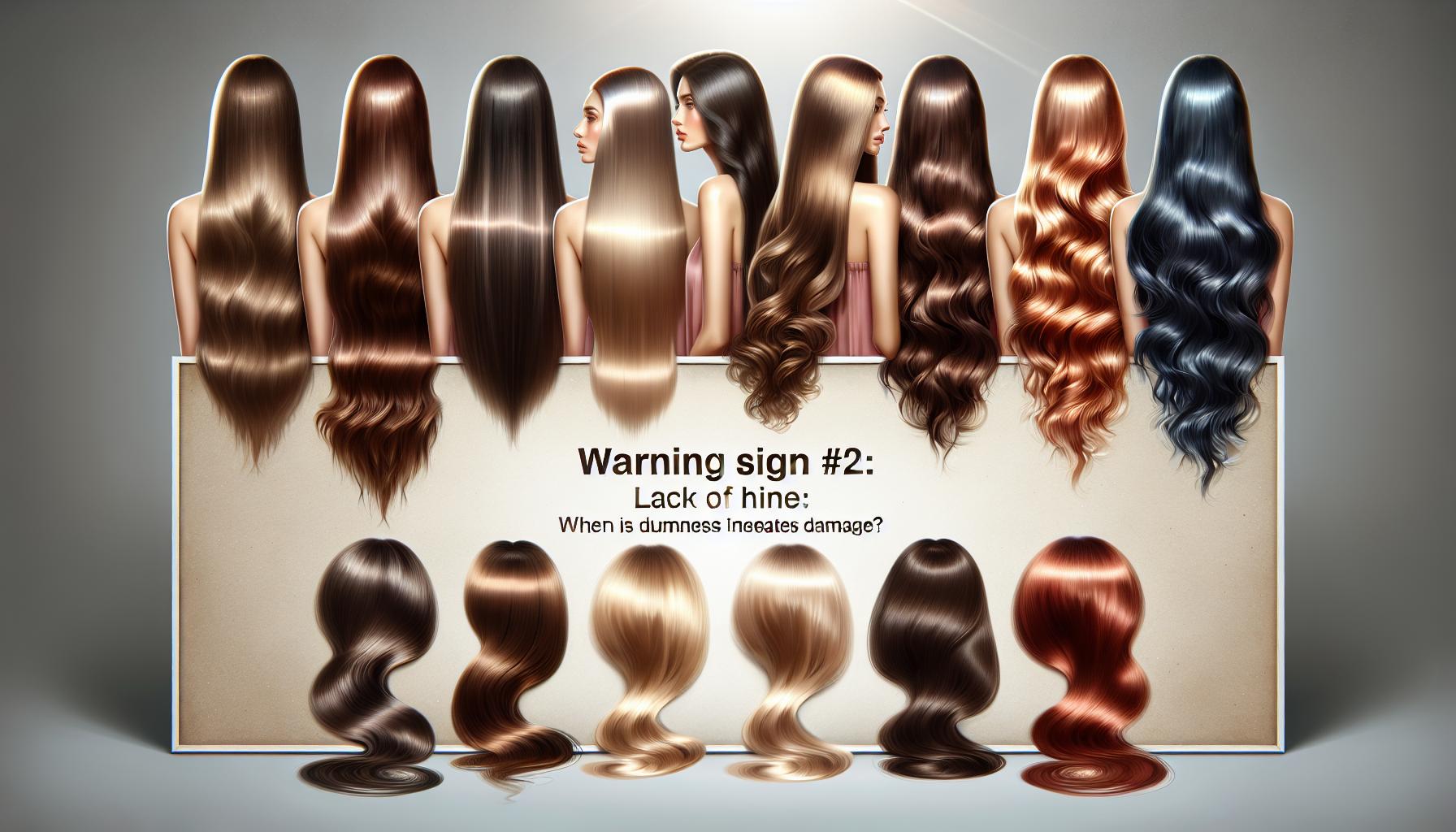
Dull hair can be more than just a temporary issue; it’s frequently enough one of the first signs that your hair is in distress.When hair lacks shine, it can indicate a breakdown in its structure and health, resulting in strands that not only appear lifeless but also feel rough to the touch.Several factors can contribute to this dullness, and recognizing these can be crucial for regaining your hair’s vitality.
The reasons behind a lack of shine frequently enough stem from internal damage or external influences. external factors may include environmental stressors like sun exposure, pollution, and styling practices that incorporate heat.Internally, issues such as dehydration, poor nutrition, or chemical over-processing can lead to hair that looks dull and lacks luster. To assess whether dullness signifies damage, pay attention to additional signs:
- Texture: Does your hair feel rough or brittle? A healthy shine often comes from smooth strands that reflect light.
- Flatness: If your hair appears flat and without bounce, it may indicate a loss of natural oils or moisture.
- Split Ends: increased split ends alongside dullness frequently enough signal that your hair is crying out for intervention.
In practical terms, if you find yourself reaching for the shine spray more often and still feeling dissatisfied, it might be time to delve deeper into your hair’s health. Implementing a nourishing hair care routine can definitely help restore shine. Consider using sulfate-free shampoos that cleanse without stripping vital oils. Deep conditioning treatments, especially those containing natural oils like argan or coconut oil, can help replenish moisture and promote shine.
An area often overlooked is diet; a lack of nutrients such as omega fatty acids, vitamins A and E can contribute heavily to dull hair. Foods rich in these nutrients—think salmon, avocados, and leafy greens—can make a noticeable difference.Keeping your hair hydrated and protected from environmental stressors will go a long way in restoring its natural shine and health. By recognizing dullness as a serious warning sign of hair damage, you can take proactive steps to rejuvenate your locks and maintain their vibrant appearance.
Warning Sign #3: Changes in Texture: Roughness vs. Healthy Strands

The texture of your hair can be a telling indicator of its overall health; smooth and shiny strands often signify vitality, while rough and brittle hair is a red flag that repair is needed. if you’ve noticed a roughness in your hair, it’s essential to assess this change closely. Factors such as heat damage, environmental conditions, and improper hair care can lead to the deterioration of your hair’s texture. Recognizing the distinction between healthy hair and strands that need attention is crucial in your journey to maintain beautiful and healthy locks.
Identifying Changes in Texture
When assessing your hair, several signs of change in texture might become evident. Here are a few key indicators that your hair might be in distress:
- Increased Roughness: Healthy hair typically feels soft and smooth. If your strands have started to feel coarse or dry to the touch, it’s a clear warning sign that they may be damaged.
- Frizz and Flyaways: Excessive frizz can indicate a loss of moisture, which often occurs in heat-damaged hair. This is exacerbated by environmental factors such as humidity and dryness.
- Brittleness: If your hair snaps or breaks easily, this brittleness is a strong indicator of a compromised internal structure.
Understanding how these changes manifest can definitely help you take action before further damage occurs. For example, environmental conditions like humidity can affect your hair’s moisture balance, leading to an unhealthy texture [[3](https://www.quora.com/Why-did-my-hair-texture-change-overnight-like-it-feels-brittle-and-dry-out-of-nowhere)]. Additionally,frequent use of heat styling tools can drastically alter your hair’s feel,resulting in a rough texture that lacks luster [[1](https://numehair.com/blogs/hair-care/signs-of-heat-damaged-hair?srsltid=AfmBOoq_x4Xd1OEebqjvmuzoJMWituuw7Uk6peNzbKgIbBDrlxA9TsBU)].
Taking Action Against Texture Changes
Once you’ve identified the signs of rough and damaged hair, it’s time to implement a restorative regimen. Consider integrating the following steps into your hair care routine:
- Moisturizing Treatments: Regular deep conditioning treatments can help restore moisture balance and improve texture.
- Avoiding Heat: Cutting back on heat-styling tools allows your hair to recover naturally.
- Protective Styles: Opt for braids or updos that minimize hair exposure to environmental stressors.
By paying close attention to changes in your hair’s texture, you can proactively manage its health and appearance. Recognizing these early signs is integral to your journey of understanding how to know if your hair is damaged and what steps to take next.
Warning Sign #4: Excessive Shedding: When to Seek Help

Experiencing an increase in hair shedding can be alarming, especially when it truly seems excessive or out of the ordinary. While it’s normal to lose between 50 to 100 strands of hair each day as part of the hair growth cycle, excessive shedding can indicate underlying issues that may require attention. If you notice clumps of hair on your comb, brush, or in the shower, or if your hair appears noticeably thinner, it may be time to consider seeking help.
Excessive shedding can often be linked to a condition known as Telogen Effluvium, where a significant number of hair follicles shift to the shedding phase of the hair cycle, usually triggered by stress, hormonal changes, or nutritional deficiencies. This type of hair loss is typically temporary, but understanding its triggers is crucial. Common causes include:
- Physical or Emotional Stress: Events like surgery, the loss of a loved one, or even dramatic lifestyle changes can lead to hair loss a few months after the event.
- Hormonal Changes: Fluctuations due to pregnancy, childbirth, menopause, or thyroid issues can exacerbate hair shedding.
- Nutritional Deficiencies: Lack of essential nutrients, including iron or protein, can impair hair health.
When to Seek Professional Advice
Knowing when to reach out for professional help can make a significant difference in the management of hair shedding. If you find yourself losing more hair than usual for an extended period, here are compelling reasons to consult a healthcare provider or a dermatologist:
- Persistent Shedding: If hair loss continues beyond six months.
- Change in Texture or Thickness: If hair feels different or appears thinner.
- Family History: If there is a pattern of hair loss in your family that may warrant inquiry.
Recognizing these warning signs is a crucial step in preventing potential long-term hair health issues. Early intervention can lead to effective management strategies, whether through lifestyle adjustments, medical treatments, or nutritional changes. By being proactive,you can address the underlying conditions causing excessive shedding and safeguard the vitality of your hair.
Warning Sign #5: Oiliness or Dryness: Finding Balance in Your Scalp
Finding the right balance for your scalp can often feel like navigating a minefield. Whether it’s an overproduction of oil or persistent dryness,both extremes can be signs that your hair might be damaged.Understanding the nuances of your scalp’s condition is crucial in your journey of recognizing how to tell if your hair is damaged through the warning signs you shouldn’t overlook. An imbalanced scalp can lead to hair issues that extend beyond the surface, impacting hair growth and overall health.
Oiliness: Signs of Overproduction
Excess oil production on the scalp can often indicate that your scalp is fighting to maintain its own health. When hair and scalp are too oily, it can attract dirt and pollutants, potentially leading to dandruff and other scalp irritations. Common culprits include the overuse of heavy products or infrequent washing, which can lead to a buildup that clogs hair follicles. When assessing oiliness, consider the following:
- Frequency of washing: Are you washing your hair regularly enough to manage oil levels?
- Type of hair products: Heavy styling products can contribute to an oily buildup.
- Diet: High-fat diets can also lead to increased sebum production.
Addressing oiliness often requires a shift to sulfate-free shampoos that effectively cleanse without stripping natural oils. Additionally, incorporating scalp treatments, such as ones with fermented willow bark, can restore balance and encourage a healthier scalp environment [[2](https://innersensebeauty.com/products/hair-renew-scalp-balance-duo?srsltid=AfmBOoqm_zaJBmxu5TCBGEKYXmsyaNjFOk2mtsbAG8rdKDD0uCpdKhkV)].
Dryness: A Call for Hydration
On the flip side, an excessively dry scalp can lead to discomfort and irritation, often manifesting as flakiness and itchiness. Several factors contribute to a dry scalp, such as environmental conditions, over-washing, and the use of harsh hair products. Recognizing the symptoms of a dry scalp is vital in mitigating its effects. Pay attention to these indicators:
- Flaking: Is there noticeable dandruff or dry patches on the scalp?
- Itching: Persistent itchiness is a common sign that the scalp is overly dry.
- Hair texture: Is your hair feeling brittle and lacking luster?
To combat dryness, consider introducing natural oils and moisturizing treatments into your hair care routine. regularly using gentle,hydrating shampoos and conditioners can significantly improve moisture balance. Moreover, gentle scalp scrubs can help remove buildup without compromising the scalp’s natural oils [[3](https://www.foreo.com/mysa/scalp-care-101-thick-healthy-glossy-hair?srsltid=AfmBOop6AYG-_SLL6GRVcSuiKNWf6XilqnW3NeWhex8sgkImVFbwMqaL)].
Ultimately, recognizing whether your scalp is oily or dry is essential for maintaining overall hair health and can provide invaluable insights into how to know if your hair is damaged. Making informed adjustments to your hair care routine can lead to a happier, healthier scalp and strands filled with vitality.
Pro Tips for Repairing Damaged Hair: Realistic Solutions That work
When it comes to restoring the health of your hair, understanding the nuances of damage can be transformative. The signs of hair damage, as detailed in the article, can manifest as dryness, split ends, and breakage, which may seem daunting at first. Though, armed with the right knowledge and products, you can effectively heal your hair.
Know Your Enemy: Types of Damage
Identifying the type of damage your hair is facing is crucial for effective repair. Chemical damage from dyes and treatments, thermal damage from styling tools, and mechanical damage from improper brushing or tight hairstyles all require different approaches. Here’s how to tackle each type:
- Chemical Damage: Opt for treatments rich in nourishing ingredients, such as Olaplex No. 3 Hair Perfector, which helps rebuild internal bonds and adds moisture to restore your hair’s vitality [[2]].
- Mechanical Damage: Switch to a wide-tooth comb to detangle your hair gently and reduce breakage. Additionally, avoid hairstyles that pull tightly on your roots, which can lead to further stress and damage.
Implement a Nutritious Routine
To revitalize your hair, incorporating a comprehensive hair care routine is key. This can include:
| Action Item | Description |
|---|---|
| Deep Conditioning Masks | Use once a week to infuse moisture and nutrients back into your hair. |
| Regular Trims | Every 6-8 weeks to eradicate split ends and promote healthier growth. |
| Hydration | Drink plenty of water and consider supplements that promote hair health. |
Be Gentle with Your Hair
developing habits that protect your hair is vital for ongoing health. Limit washing your hair to a few times a week to avoid stripping it of its natural oils. Opt for a sulfate-free shampoo and a rich conditioner to maintain moisture levels. moreover, consider air-drying your hair whenever possible rather of relying on heat.
Being proactive and informed about the signs of damaged hair can empower you to make effective changes. With the right products and practices, you can restore your hair’s natural shine and strength, ensuring that it not only looks good but also feels healthy.
Q&A
How to Know if Your Hair is Damaged?
One of the simplest ways to know if your hair is damaged is by looking for visible signs such as excessive frizz, breakage, or split ends. If your hair feels dry and looks lifeless, you may be dealing with damage.
Pay attention to how your hair behaves when styled or brushed. Healthy hair should bounce back and retain its shape, while damaged hair frequently enough feels brittle and hard to manage.
What are the 8 Warning Signs You Shouldn’t Ignore?
The eight warning signs of damaged hair include dryness,frizz,breakage,split ends,lack of shine,tangling,dullness,and excessive hair fall.Recognizing these signs early can prevent further harm.
As a notable example,if your hair frequently tangles and loses its luster,these indicate underlying damage. Maintaining hair health requires vigilance and proper care as detailed in our guide on hair maintenance.
Why Does Hair Become Damaged?
Hair can become damaged due to various factors, including over-styling, chemical treatments, heat exposure, and environmental stressors. Each of these factors can weaken hair’s structure, leading to visible damage.
For example, using hot tools frequently can lead to significant moisture loss, making hair more prone to dryness and breakage. Understanding the causes is crucial for implementing effective hair care routines.
Can I Repair Damaged Hair?
Yes, you can repair damaged hair, but it requires consistent care and the right products. Start with a good moisturizing shampoo and nourishing conditioners to help restore moisture.
Additionally, regular trims can remove split ends, while deep conditioning treatments strengthen hair over time. Look for products specifically designed for damaged hair for optimal results.
How Often Should I Trim My Hair to Prevent Damage?
To prevent damage, it’s recommended to trim your hair every six to eight weeks. This helps remove split ends and keeps hair looking healthy.
Regular trims not only enhance the appearance of your hair but also promote growth and vitality. Even if you’re trying to grow your hair long, maintaining it is essential for keeping it healthy.
What Products Help with Damaged Hair?
Products that help with damaged hair include deep conditioners, leave-in treatments, and oils rich in nutrients like argan or coconut oil.These products provide deep hydration and nourishment to restore your hair’s health.
Additionally, consider sulfate-free and gentle shampoos, which are less damaging than harsher alternatives. Check out more tips on finding the right hair care products for your specific needs.
How can I protect My Hair from Future Damage?
To protect your hair from future damage, avoid excessive heat styling, use protective hairstyles, and apply heat protectants when necessary. Additionally, maintaining a balanced diet can support overall hair health.
Consider minimizing chemical treatments and opting for natural hair care solutions to maintain hair integrity long term. Regular maintenance, coupled with protective measures, ensures healthy hair.
Final Thoughts
Recognizing the signs of hair damage is crucial for maintaining healthy hair. The subtle yet powerful indicators such as dryness, split ends, and increased frizz frequently enough signal underlying concerns that should not be overlooked. By paying attention to these warning signs, you can take proactive steps to restore your hair’s vitality. Incorporate nourishing treatments, minimize heat styling, and adopt a routine that prioritizes hydration and protection.
To explore more about effective solutions for your specific hair concerns,consider diving deeper into hair care practices tailored to combat damage. Remember,caring for your hair is an ongoing journey. Equip yourself with knowledge and strategies that empower you to love your hair in every condition. Engaging with expert resources can broaden your understanding and enhance your hair care routine, ensuring that you not only address current issues but also prevent future damage. Let your hair shine with health and confidence!


