When you invest in hair extensions, ensuring their longevity and your comfort at night can be a challenge. Sleeping with extensions requires special care to prevent tangling and damage. Discover essential tips that make nighttime routines easier, helping you maintain gorgeous locks while enjoying restful sleep. Prioritize your hair care without sacrificing comfort!
Contents
- Understanding the Basics: How Extensions Affect Your Sleep Routine
- Choosing the Right Pillowcase for Extension Care
- Positioning for Comfort: Best Sleeping Positions with Hair Extensions
- Protective Styles: How to Secure Your Extensions Overnight
- Nighttime Hair Care: Products That Nourish and Protect
- The Role of Sleep Hygiene in Maintaining Healthy Extensions
- Signs Your Extensions need a Break: When to Rest and Repair
- FAQ
- How to sleep after getting extensions without causing damage?
- Can I sleep with wet hair extensions?
- What is the best position to sleep with hair extensions?
- Why does my head hurt after sleeping with extensions?
- Can I use a hair wrap while sleeping with extensions?
- What should I avoid while sleeping with hair extensions?
- How often should I check my extensions for damage?
- Can sleeping on extensions cause them to fall out?
- Wrapping Up
Understanding the Basics: How Extensions Affect Your Sleep Routine
When considering the impact of hair extensions on your nightly rest, it’s crucial to recognize that your sleep position and hair care practices can either enhance or detract from the longevity of your extensions.Many people underestimate how importent these factors are when it comes to maintaining healthy hair and ensuring that extensions remain intact. The way you sleep can lead to tangles, friction, and even damage to the bonds where extensions are attached.
To optimize your sleep routine after getting extensions, implementing a few strategic practices can make a world of difference:
Protective Measures for a Better Sleep Experience
- Choose the Right Pillowcase: Consider using a silk or satin pillowcase. These materials reduce friction, which can help minimize tangling and breakage compared to traditional cotton.
- Loose Braids or Twists: Gently braid or twist your hair before bed. This technique keeps your extensions organized and lowers the risk of knotting overnight.
- Sleep on Your back: If agreeable, try to sleep on your back. This position reduces pressure on the bonds and helps maintain the integrity of your extensions.
- Use a Silk Scarf: wrap your hair in a silk scarf or bonnet to keep it secure. This can protect against frizz and help maintain smoothness.
By taking these simple yet effective steps, you can significantly reduce the chances of discomfort and damage, allowing you to enjoy your extensions longer.
Understanding Hair Care Products
Additionally, being mindful of the hair care products you use can greatly affect your sleep quality and the health of your extensions. Opt for sulfate-free and alcohol-free products to prevent dryness and maintain the softness of both your natural hair and extensions. After washing your hair, always ensure that it’s thoroughly dried before going to bed, as sleeping with wet hair can lead to breakage and other complications.
While you may be tempted to toss and turn without a care,remember that the health of your extensions is largely in your hands. By integrating these practices into your nightly routine, you’ll not only protect your investments in hair extensions but also enhance your overall sleep quality, transforming your rest into a rejuvenating experience that nurtures both your hair and your well-being.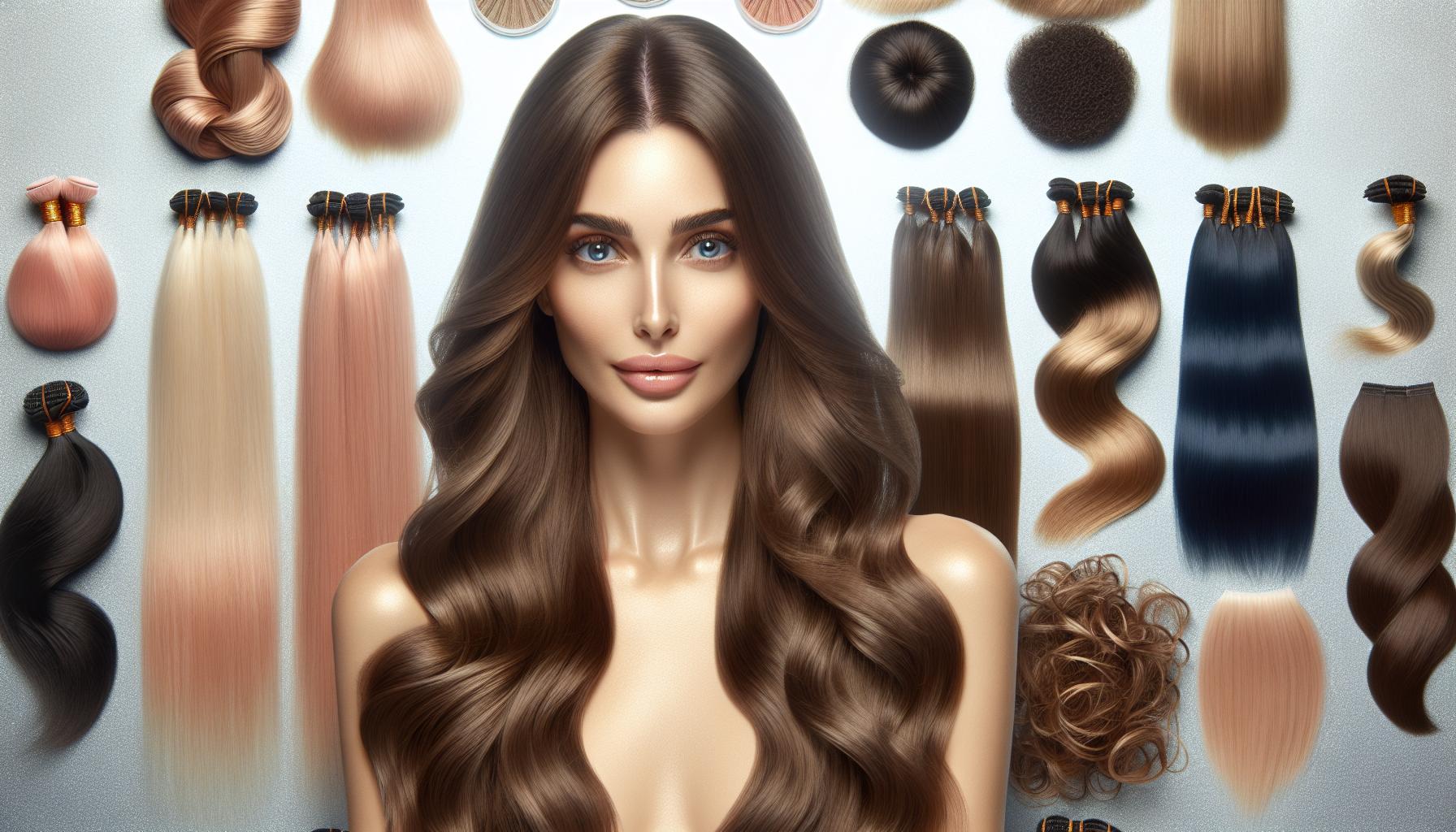
Choosing the Right Pillowcase for Extension Care
Choosing the right pillowcase can significantly impact the longevity and appearance of your hair extensions. Selecting a material that minimizes friction is essential; this helps prevent tangles, breakage, and damage when you move during sleep.Traditional cotton pillowcases can create a grating effect on hair, whereas softer fabrics will keep your extensions smooth and intact.
Best Pillowcase Materials
When considering which pillowcase to use, focus on these materials:
- Silk: Renowned for its luxurious feel, silk pillowcases not only feel great against your skin but also reduce friction on your hair. This can help maintain the shine and prevent the dreaded frizz associated with extensions. They are excellent at keeping your hair hydrated because they do not absorb moisture from your hair like cotton does.
- Satin: A more affordable option to silk, satin pillowcases also offer low friction.They provide a similar smooth texture that can aid in keeping your extensions manageable while reducing breakage during sleep.
- Bamboo: Bamboo pillowcases have natural moisture-wicking abilities, which can be beneficial for those with human hair extensions as they help maintain the moisture and prevent dryness.
How to Maintain Your Pillowcase
Maintaining your pillowcase is just as crucial as choosing the right material. Follow these tips to ensure your pillowcase is clean and effective in supporting your extension care:
| Material | Washing Instructions | Drying Tips |
|---|---|---|
| Silk | Hand wash or delicate cycle in cold water with mild detergent. | Air dry or use a low heat setting. |
| Satin | Machine wash on a gentle cycle with mild detergent. | Line dry to prevent any potential heat damage. |
| Bamboo | Wash in cold water, avoiding bleach. | Dry flat or use low heat. |
By investing in the right pillowcase and properly maintaining it, you can definitely help extend the life of your hair extensions and ensure they remain beautiful and vibrant.As you explore how to sleep after getting extensions, remember that even the smallest details, like your choice of pillowcase, can play a significant role in preventing damage and discomfort.
Positioning for Comfort: Best Sleeping Positions with Hair Extensions
Getting good rest after getting hair extensions can be a challenge,but the right sleeping position can make all the difference. Many people overlook how their sleep position can affect the longevity and appearance of their extensions.Choosing the right stance not only enhances comfort but also helps prevent damage. Based on expert advice and practical experience, adopting specific sleeping positions can safeguard your extensions while ensuring a peaceful night’s sleep.
Optimal Sleeping Position
Sleeping on your back is often regarded as the best position for maintaining hair extensions.This posture keeps your hair flat against the pillow and minimizes friction,which can lead to tangling and breakage. By allowing your hair to lay smoothly, you promote the integrity of the bonds or sew-ins, enhancing both their durability and your overall comfort at night. Though, if back sleeping isn’t your preference, consider these alternatives:
- Loose Side Sleeping: If you must sleep on your side, make sure to keep your head elevated with a soft and supportive pillow. This approach reduces pressure on your extensions and keeps them from becoming matted.
- Use a Silk Pillowcase: Switching to a silk or satin pillowcase can dramatically reduce friction between your hair and the pillow. This simple change can prevent pulling and frizz,ensuring your extensions stay looking fresh.
Preparation Matters
Before settling in for the night, taking a few moments to prepare your hair can significantly enhance your comfort. Consider gentle techniques such as loosely braiding your hair in one or two braids. This not only reduces tangling but also helps to preserve the wave or curl patterns in your extensions.Additionally,applying a lightweight leave-in conditioner can hydrate your hair and make it more manageable while you sleep.
For those with particularly long extensions, using a scrunchie to loosely tie hair up can prevent it from dragging across your pillow. Avoid tight hairstyles that might pull at the roots or cause discomfort.By creating a natural and protective arrangement for your hair, you can wake up with your extensions looking fabulous and feeling secure.
Consider Your Mattress and Pillow
the surface you sleep on plays a key role in the health of your extensions. A mattress that provides too much resistance or uneven support can cause your head to shift frequently, leading to unwanted friction. If necessary, investing in a premium mattress and pillows that suit your sleeping style can contribute to a more restful sleep and better hair care.
Maintaining quality sleep hygiene is just as essential as taking care of your extensions. Practicing good sleep habits will further contribute to the longevity and quality of your hair, keeping both your scalp and extensions in top shape.
Protective Styles: How to Secure Your Extensions Overnight
When it comes to caring for hair extensions overnight, selecting the right protective style can make all the difference in maintaining their integrity and preventing damage. Using protective hairstyles not only helps keep your extensions secure while you sleep but also promotes healthy hair and reduces tangling and frizz. Simple, yet effective, these styles will help you wake up to beautiful locks without the stress of potential breakage or discomfort.
Top Protective Styles for Secure Sleep
Adopting effective protective styles is essential for preserving the quality of your hair extensions. Here are some popular methods to consider:
- Loose Braids: One of the easiest ways to protect your extensions is by creating loose braids.This method reduces friction against your pillow and keeps your hair contained, preventing tangling as you move in your sleep. Aim for one to three braids, depending on your hair thickness.
- Pineapple Method: Perfect for curly extensions, this technique involves gathering your hair at the top of your head in a loose, high ponytail. This not only secures your extensions but also helps maintain your curls’ shape overnight.
- Low Bun: A low bun at the nape of your neck can also protect your extensions while ensuring comfort. Keep the bun loose to avoid tension on the scalp and extensions, allowing for a restful night.
- Silk or Satin Scarf: wrapping your hair in a silk or satin scarf can reduce friction and keep your hair smooth. This method is particularly beneficial for preventing breakage around the bonds of your extensions.
Choosing the Right Hair Care Products
Proper hair care products can enhance your protective styles. Look for silk or satin pillowcases to reduce friction further and keep your extensions slick and shiny. Additionally, consider applying a light leave-in conditioner or hair oil before securing your hair to maintain moisture and nourishment throughout the night.
to summarize, creating secure protective styles before bed is a crucial element in any regimen for caring for extensions. with the right techniques and products, you will not only prevent damage but also enjoy the luxurious look and feel of your hair extensions for longer. By incorporating these practices into your nightly routine, you’ll be well-equipped to manage any extension-related concerns and make the most of your gorgeous new hair.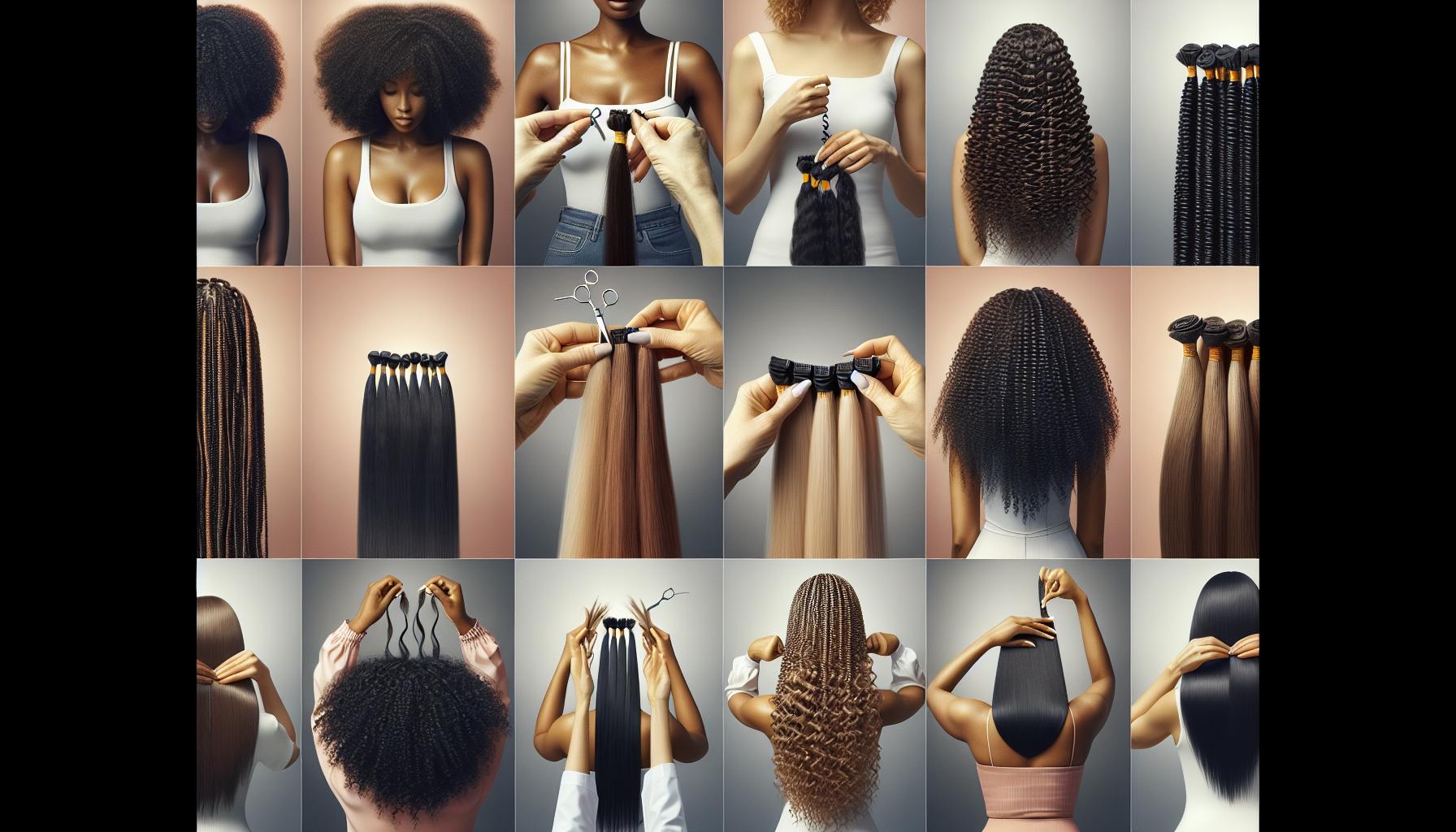
Nighttime Hair Care: Products That Nourish and Protect
Taking proper care of hair extensions during the night is vital for maintaining their beauty and longevity. Just like your natural hair, extensions can become damaged if they aren’t treated with care, especially when you’re sleeping. Using the right products can significantly enhance the health and appearance of your extensions while you rest.
To ensure that your extensions remain nourished and protected, consider incorporating a routine that includes the following products:
Key Products to Use Overnight
- Satin or Silk Pillowcases: These fabrics create less friction compared to cotton, helping to prevent tangling and breakage. Sleeping on a satin or silk pillowcase can keep your hair extensions smooth and frizz-free.
- Leave-in Conditioner: A high-quality leave-in conditioner can provide moisture and nourishment overnight. Look for a product specifically formulated for hair extensions, as it will help to maintain their shine and softness.
- Hair Oil or Serum: A lightweight hair oil can help to lock in moisture and add shine. Apply a small amount to the ends of your extensions before bed to keep them hydrated.
- Heat Protectant Sprays: If you plan to style your extensions the next day,apply a heat protectant spray before you sleep.This will shield your hair from potential heat damage during styling.
For optimal results, layering these products can work wonders. Start with a leave-in conditioner, follow with a few drops of hair oil, and finalize with a protective spray if you intend to heat style the next day. This multi-faceted approach not only nourishes your extensions but also creates a protective barrier against nighttime wear.
Practical Application Tips
Consider tying your hair in a loose braid or bun to further minimize tangles while you sleep. This technique is particularly useful for longer extensions. Additionally, regularly brushing your extensions before bed with a wide-toothed comb can help to remove tangles and distribute oils evenly throughout the strands, enhancing the overall health of your hair.
understanding how to care for your hair extensions overnight is crucial. by choosing the right products and following an intentional nighttime routine, you can prevent damage and ensure that your extensions remain vibrant and healthy.This will lead to a smoother morning routine and longer-lasting extensions, aligning perfectly with essential practices on how to sleep after getting extensions to prevent damage and discomfort.
The Role of Sleep Hygiene in Maintaining Healthy Extensions
Sleep hygiene plays a crucial role in maintaining the health and longevity of your hair extensions. Just like your natural hair, extensions require proper care to avoid tangling, damage, and discomfort while you sleep. Establishing a consistent nighttime routine is essential, as it not only protects your extensions but also ensures you wake up looking and feeling fabulous.Understanding how to adequately care for your hair while you sleep can make a significant difference in the way your extensions look and feel.
To begin with, it’s vital to ensure that your extensions are entirely dry before hitting the pillow. Wet hair extensions are particularly vulnerable to damage, as they can stretch and lose their shape. Aim to wash your hair and allow it to air dry or use a blow dryer on a low heat setting to eliminate any moisture. This simple yet effective practice can definitely help maintain the quality of the extensions in the long run. Additionally, consider using a silk or satin pillowcase to minimize friction during the night, which can further reduce tangling and breakage.
Another effective strategy is to securely tie your hair back before sleep. Utilizing a loose braid or a soft scrunchie can definitely help keep your extensions neat and tangle-free. However, avoid using tight hairstyles as they can pull at the extensions and lead to unneeded stress on both your natural hair and the extensions.A loose bun at the top of your head can also be a great alternative, ensuring minimal friction against the pillow while keeping your hair contained.
| Tip | Description |
|---|---|
| Keep Extensions Dry | Ensure hair extensions are completely dry before sleeping to prevent damage. |
| Use silk pillowcases | Satin or silk pillowcases reduce friction and help maintain smoothness. |
| Secure Hair Loosely | Tie hair back in a loose braid or bun to minimize tangling at night. |
Practicing good sleep hygiene when it comes to hair extensions can significantly reduce the risk of damage and discomfort. By taking these steps, you can enjoy your beautiful hair and extend the life of your extensions, ensuring they continue to enhance your look day after day. The right nighttime care can allow you to wake up with fabulous, manageable hair, ready to take on the world.
Signs Your Extensions need a Break: When to Rest and Repair
understanding when your hair extensions need a break is crucial for sustaining their beauty and integrity over time. Just like your natural hair, extensions experience wear and tear, and recognizing the signs is key to ensuring they last longer and look their best. If you’ve been feeling uncomfortable or noticing your extensions are not behaving as they should, it might be time to assess their condition and give them the care they require.
One of the most noticeable indicators that your extensions need a break is *excessive tangling and matting*. If your extensions are becoming increasingly difficult to manage and require constant brushing, your hair might be showing signs of wear. This can be a result of not using the right products or improper care techniques.Additionally, *increased shedding* can also be a warning sign. if you find more strands than usual on your brush or in your shower, it’s time to evaluate whether your extensions should stay in or if they need to be gently removed for a rest.
Moreover, another telltale sign is feeling *discomfort or tightness*. If your scalp is sensitive or sore around the areas where extensions are applied, it’s a clear sign that it’s best to take a break. Overworked hair extensions can lead to traction alopecia, a condition that causes hair loss due to the continuous pulling from heavy extensions. This discomfort can often intensify during sleep, making it essential to prioritize the health of your scalp and hair.
If you identify these signs, consider implementing a proper *rest and repair* regimen. Here are a few steps you can take:
- Schedule Regular Maintenance: Visit your stylist for regular check-ups to assess the health of your extensions.
- Limit Heat Styling: Reduce the use of heat tools to prevent further damage.
- Deep Condition: Use nourishing masks to restore moisture and elasticity to both your natural hair and extensions.
- Consider a Break Period: Allowing your hair to rest for a few weeks can help regain strength if you notice signs of distress.
By being observant and proactive about the needs of your extensions, you can enjoy luscious, healthy hair without compromising on quality. Remember, maintaining the beauty of your hair extensions starts with understanding when they need that essential downtime.
FAQ
How to sleep after getting extensions without causing damage?
To sleep after getting extensions and prevent damage, it’s essential to secure your hair properly. Use a loose braid or a soft scrunchie to minimize tangling while you sleep.
Keeping your extensions safe during the night helps prevent unnecessary pulling and breakage. Additionally, consider using a silk or satin pillowcase, which reduces friction and keeps your hair smooth and protected. For more detailed care tips, check out our extensive guide on hair extensions.
Can I sleep with wet hair extensions?
No, you should never sleep with wet hair extensions. Sleeping with damp hair can cause bacteria to develop at the attachment points, leading to irritation and potential damage.
Always ensure your hair is fully dry before going to bed. This practice not only keeps your extensions healthy but also maintains their longevity. Remember,taking care of your extensions enhances their appearance and keeps them looking fresh.
What is the best position to sleep with hair extensions?
The best position to sleep with hair extensions is on your back or side. Sleeping on your back helps distribute the weight evenly and minimizes tangling, while side sleeping can be encouraged with proper positioning.
If you find yourself shifting during the night,try placing a soft pillow under your extensions. This positioning creates a buffer that protects them from friction against the pillowcase, reducing the risk of damage.
Why does my head hurt after sleeping with extensions?
Headaches or discomfort after sleeping with extensions may occur due to tightness at the roots. If extensions are applied too tightly or not secured adequately, they can cause pressure on the scalp.
To alleviate discomfort, ensure your extensions are not too tight and consider loosening them if necessary. Regular maintenance and adjustments by a professional stylist can also help keep your scalp comfortable while wearing extensions.
Can I use a hair wrap while sleeping with extensions?
Yes, using a silk or satin hair wrap can be very beneficial for extensions. It helps reduce friction and prevents tangling during sleep, preserving your hairstyle.
A hair wrap keeps your extensions in place and protects them from night-time friction against cotton pillowcases. Make it a part of your bedtime routine for optimal hair health.
What should I avoid while sleeping with hair extensions?
When sleeping with hair extensions, avoid sleeping with wet hair, tight hairstyles, or harsh pillowcases. These can lead to tangling, breakage, or damage to the bonds of your extensions.
Use gentle hair ties and consider a looser style, such as a braid, to keep your extensions from pulling. Opting for a silk pillowcase can also help prevent friction and damage while you sleep.
How often should I check my extensions for damage?
you should check your hair extensions at least onc a week for signs of damage. look for tangling, shedding, or weakened bonds, as these can indicate that your extensions need attention.
Regular checks allow you to address any issues early on, prolonging the life of your extensions. If you notice significant wear or damage, consider consulting a professional for maintenance or replacement options.
Can sleeping on extensions cause them to fall out?
Yes, improper care during sleep can lead to extensions falling out. Sleeping with extreme friction,wet hair,or tight styles can all contribute to bond weakness.
To prevent this, always sleep with dry hair and opt for protective methods like braiding or using hair wraps. taking these precautions can ensure your extensions remain secure and last longer.
Wrapping Up
understanding how to sleep after getting extensions is crucial for maintaining their integrity and your comfort. Remember to prioritize sleeping on your back to minimize friction and pressure on your extensions,which helps prevent potential damage. Selecting the right pillow—ideally one that offers good support—can also aid in protecting your extensions during rest. Additionally, create a relaxing nighttime routine that allows you to unwind and ensures a good night’s sleep, which is essential for both your overall wellbeing and the longevity of your extensions.
For further engagement, explore additional articles on hair extension care and styling tips that can enhance your overall hair health journey. Your hair deserves the best, and with mindful practices, you can enjoy beautiful, lasting results from your extensions.