


Can certain hair types protect against lice infestations? This common question frequently enough leads to misconceptions about lice and their ability to thrive in various hair textures. understanding the facts is essential, as it affects hygiene awareness and health education in diverse communities. Let’s debunk myths and uncover the truth about lice in Black hair.
Contents
- understanding Lice: What They Are and how They Affect hair
- Debunking the Myth: Do Lice Discriminate by Hair Texture?
- The Science Behind Lice Infestations: Why Everyone is at Risk
- Common Misconceptions About Lice in Black Hair
- Effective Prevention Strategies for keeping Lice at Bay
- What to Do if You Discover Lice in Your hair
- Exploring the Emotional Impact of Lice Infestations on Hair Care
- Professional Insights: Seeking Help from Hair Care Experts
- Faq
- Can Black People Get Lice in Their Hair? Myth-Busting Facts
- What are the common myths about lice in Black hair?
- Why does the misconception about lice in Black hair persist?
- Can lice treatments work on Black hair?
- What should I do if my child has lice?
- How can I prevent lice infestation in my family?
- Can I get lice from pets or animals?
- In Summary
understanding Lice: What They Are and how They Affect hair

while many associate lice infestations with a specific demographic or hair type, the reality is that lice are opportunistic parasites, unaffected by racial or ethnic backgrounds. Regardless of whether a person has curly, straight, coarse, or fine hair, lice can take residence if certain conditions are met. Understanding what lice are and how they interact with hair is essential for effective prevention and treatment.
What are Lice?
Lice are tiny, wingless insects that feed on human blood, primarily residing on the scalp and hair. There are three main types of lice that can infest humans:
- Head Lice (Pediculus humanus capitis): Commonly found on the scalp and near the ears and neck.
- Body Lice (Pediculus humanus corporus): More likely to infest clothing and are less common; associated with poor hygiene.
- Pubic Lice (Pthirus pubis): Typically found in the pubic region but can also be found in other coarse body hair.
Thes parasites lay eggs, or nits, that attach firmly to hair shafts, making them challenging to remove. The transmission of lice primarily occurs through direct head-to-head contact, as lice cannot jump or fly.
How Lice Affect Hair
The presence of lice can lead to various symptoms, including intense itching due to allergic reactions to louse bites. Individuals may notice small, red bumps on the scalp or behind the ears. In severe cases, scratching can lead to secondary infections. There is a common misconception that lice prefer certain hair types; however,studies indicate that factors like hair care practices and environmental conditions play more significant roles than hair texture in determining susceptibility to lice.
| Type of Lice | Common Symptoms | Transmission method |
|---|---|---|
| Head Lice | Itching, red bumps, visible nits | Direct head-to-head contact |
| Body Lice | Itching, rash, secondary infections | Close contact with infested clothing |
| Pubic Lice | Itching, irritation | Close physical contact, sexual activity |
lice do not discriminate based on hair type, ethnicity, or socioeconomic status. Understanding their biology and behavior is crucial in debunking myths around lice transmission, including the misconception surrounding the question, “Can Black People Get Lice in Their Hair?” By recognizing that lice can affect anyone, regardless of hair texture, individuals can take proactive steps to prevent and manage infestations.
Debunking the Myth: Do Lice Discriminate by Hair Texture?
While it’s frequently enough assumed that certain groups might be more or less susceptible to lice infestations based on hair texture, this idea is fundamentally flawed. Lice are parasites that thrive irrespective of the hair type, color, or length.The reality is that lice are attracted to human heads,not hair characteristics.Using myths surrounding lice as a guide can lead to misinformation and unjust stigmas about various ethnic groups.
To understand why lice do not discriminate by hair texture, we must first look at the biology of these pests. Head lice (Pediculus humanus capitis) are small, wingless insects that feed primarily on human blood. Their primary mode of transmission is through close contact with an infested individual.This means that when it comes to contracting lice, factors such as social activities, sharing personal items (like hats or combs), and overall hygiene play a far more pivotal role than hair type alone.
For a better understanding, we can dispel some common misconceptions about lice transmission and hair texture:
- Connection to hair Health: Clean or unclean hair—regardless of its texture—can attract lice equally. Their only requirement is proximity to a human scalp.
- Misunderstanding About Hair Thickness: It is a misconception that thicker or curlier hair prevents lice. In fact, lice can grip any hair type, making it possible for infestations to occur in any demographic.
- Myth of Hair Color: Lice don’t prefer specific hair colors.Their preference is solely for the warmth of the scalp and the blood vessels beneath it.
The notion that specific demographics,particularly racial or ethnic groups,are immune to lice due to hair characteristics can be harmful and misleading. These myths can not only perpetuate stigma but also lead to poor awareness and public health responses. Education and awareness about lice transmission should focus on factual scientific evidence rather than on culturally nuanced untruths. Families and communities need to be informed that lice can affect anyone, and prevention strategies should be universally applied, enabling society to respond more effectively and empathetically to this widespread issue.
The Science Behind Lice Infestations: Why Everyone is at Risk
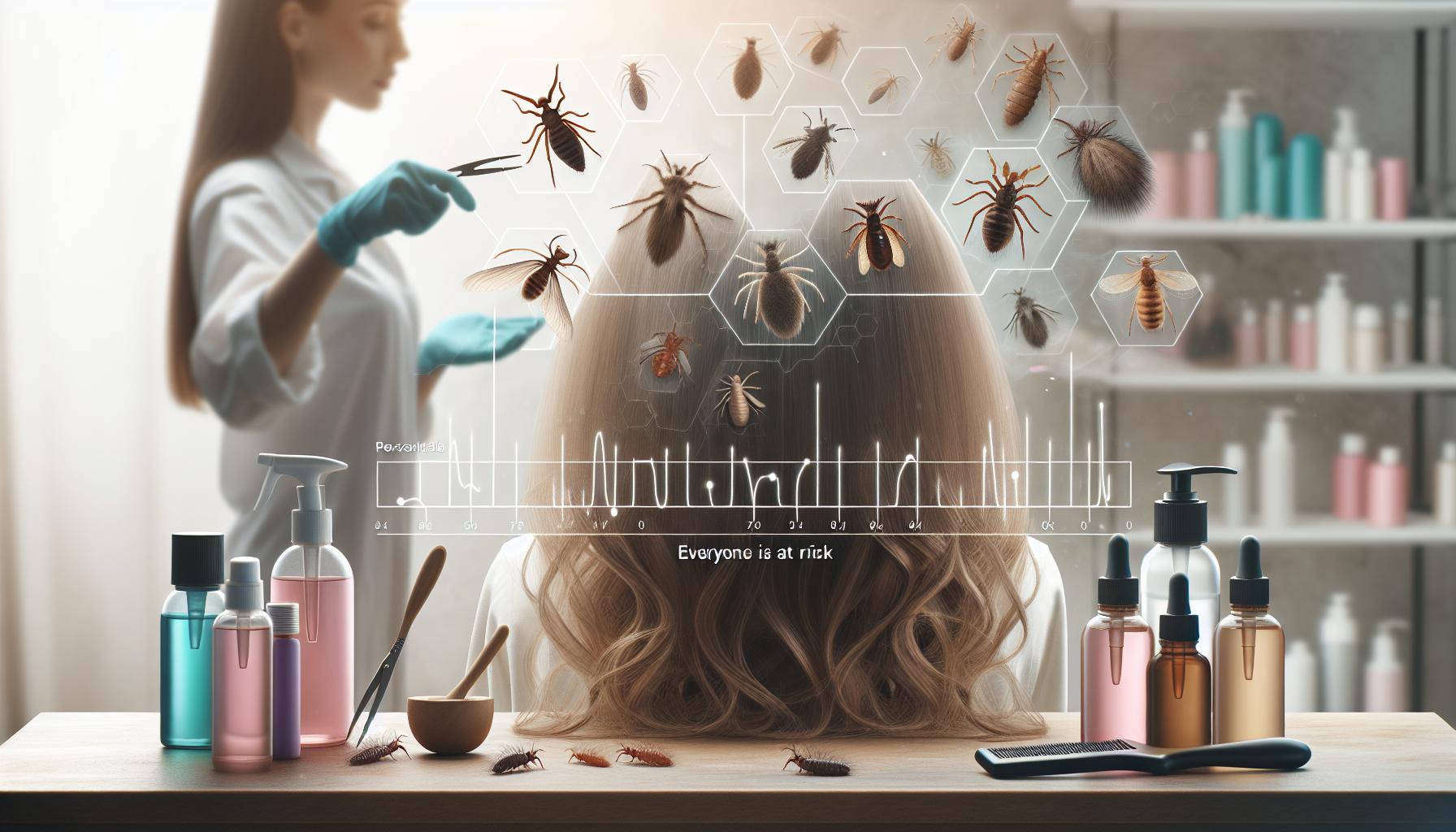
Despite common misconceptions, lice infestations are inclusive of all hair types and ethnic backgrounds. Lice do not discriminate based on race, hair texture, or hygiene. Understanding the biological and social factors that contribute to the spread of lice is crucial for demystifying this prevalent issue.
Lice are tiny parasitic insects that thrive on human blood, and they are notably resilient.They can cling tightly to hair strands and lay eggs, or nits, close to the scalp. their primary mode of transmission is through direct head-to-head contact, which is common in communal settings like schools, sleepovers, and family gatherings. This means that anyone, regardless of their racial or ethnic background, is at risk.
### Factors Influencing Lice Infestations
Several factors contribute to the susceptibility to lice infestations:
- Environmental Conditions: Warm, humid environments promote lice survival, making densely populated areas, like classrooms, hotspots for outbreaks.
- Hair Care Products: Excessive use of oils and creams can make it difficult to detect lice, allowing infestations to go unnoticed until they proliferate.
- Social Interaction: Close social interactions,particularly among children,increase the likelihood of lice transmission.
- Awareness and Education: Many myths persist about lice,and a lack of understanding can prevent people from taking effective preventive measures.
Additionally, it is vital to recognize that while some may believe certain hair textures are less favorable for lice, studies indicate that lice can and do infest all hair types.A comprehensive approach, encompassing education and proactive measures, can considerably curb the risk.
by busting myths around lice, such as the belief that only certain individuals can be affected, we pave the way toward a more informed community. Taking preventive steps, promoting awareness, and fostering open discussions about lice can empower everyone, ensuring that no one feels stigmatized or isolated by this common ailment.
Common Misconceptions About Lice in Black Hair
Many people erroneously believe that head lice are exclusive to certain hair textures, frequently enough associating them solely with straight hair types. This misconception stems from a lack of education and awareness around how lice actually infest hair, regardless of ethnic background or hair texture. Contrary to popular belief,head lice can and do thrive in all hair types,including black hair. understanding the biology of lice and dispelling these myths is essential for effective prevention and treatment.
One common myth is that Black people cannot get lice due to the coiled texture of their hair. In reality, the shape of the hair shaft does not determine a person’s susceptibility to lice. Lice are parasitic insects that can attach to any hair type to feed on blood from the scalp. They do not discriminate based on hair texture; instead, they seek out a warm, secure environment to survive and reproduce. Factors such as close contact with an infested person or sharing personal items (like hairbrushes and hats) are far more significant in determining the risk of infestation.
Impact of Hair Care Practices
It’s also a misunderstanding that the extensive use of hair products in black hair care prevents lice. While certain products may make the scalp less hospitable in theory, they do not provide immunity against lice. Lice can thrive even in heavily styled or treated hair; thus, relying on products as a preventive measure is not sufficient. Here’s a brief overview of essential practices to help manage the misconception:
- Avoid Sharing Personal Items: Make a conscious effort to avoid sharing hats, hair accessories, or brushes.
- Regularly Check for Lice: Conduct routine checks using a fine-tooth comb, especially after exposure to large groups of children.
- Educate Others: Share knowledge with family and friends to combat myths about lice and hair types.
One more false notion is that lice indicate poor hygiene.This myth can be especially harmful, reinforcing negative stereotypes and stigmas that contribute to social injustices. In truth,lice are not a reflection of cleanliness or lifestyle; rather,they are a common public health issue affecting millions of families across different backgrounds. By prioritizing factual information over stereotypes, we can foster a more inclusive understanding of lice prevention and treatment.
Lastly, when faced with an actual infestation, individuals may sometimes feel overwhelmed by the stigma associated with lice. However, it is crucial to tackle the issue head-on, using effective treatments and preventive measures regardless of hair type. Remember, the presence of lice in Black hair is not a taboo topic; discussing it openly can lead to better awareness and more effective solutions for everyone affected.
Effective Prevention Strategies for keeping Lice at Bay

keeping lice at bay is essential for anyone, regardless of hair type. contrary to misconceptions presented in discussions about whether Black people can get lice in their hair, it’s crucial to understand that lice do not discriminate based on hair texture or ethnicity. The key to effective prevention lies in a few straightforward strategies that everyone can adopt, making lice management proactive rather than reactive.
Regular hair Checks
Conducting routine inspections of your scalp and hair can help catch lice infestations early. Here are some tips for effective checks:
- Use a Fine-Toothed Comb: invest in a quality lice comb; this tool is a game-changer in spotting and removing nits or adult lice.
- Seek Natural Light: Natural sunlight is ideal for spotting the tiny insects and their eggs.
- Section the Hair: Work through small sections of hair for a thorough check – this method ensures no area is overlooked.
Avoiding Direct Contact
Understanding that lice spread primarily through direct human-to-human contact can help formulate effective prevention strategies. Adopting simple practices can significantly reduce the risk of transmission:
- Avoid Sharing Personal Items: Don’t share combs,hats,or headphones,which can serve as a bridge for infestation.
- Keep Long Hair Tied Back: For children and adults alike, keeping hair styled and tied back reduces the chance of hair touching and transferring lice.
- Teach Kids About Lice: Educate your children on how lice spread and the importance of not sharing personal items during playdates or school.
Home Environment Considerations
Creating an environment less conducive to lice is just as important as personal hygiene practices. Here are practical steps for enhancing your home’s defenses:
- Regularly Wash Bedding: Frequent washing of sheets, pillowcases, and towels in hot water can help eliminate any lice that may have fallen onto these surfaces.
- Avoiding Infested Areas: Stay vigilant in areas known for lice outbreaks, especially during school seasons or sleepovers.
| Action | Frequency | Benefit |
|---|---|---|
| Hair Checks | Once a week | Early detection and intervention |
| Washing Bedding | Weekly | Removes potential lice and eggs |
| Hair Ties/Braids | Daily | Minimizes risk of spreading during contact |
By incorporating these effective prevention strategies into your routine, you can effectively manage the risk of lice infestations. Understanding the facts related to lice and adopting simple yet proactive measures are integral to keeping your family safe and healthy, debunking myths surrounding the question of whether Black people can get lice in their hair.
What to Do if You Discover Lice in Your hair

Finding lice in your hair can be a distressing experience, but it’s essential to no that it is a common issue that can affect anyone, regardless of hair type, including individuals with afro-textured hair. Understanding the next steps can help you address the situation effectively and restore your peace of mind.
first and foremost, effective treatment options are available.Over-the-counter treatments, such as those containing permethrin, can effectively eliminate lice. When using these products, follow the instructions meticulously. Start by washing your hair with regular shampoo, then apply the permethrin lotion to dry hair, ensuring that it covers the scalp and all hair strands.This process will typically require leaving the product on for about 10 minutes before rinsing it off thoroughly. If in doubt, consult a healthcare provider for recommended treatment options tailored to your needs [[2]].
After treatment, it’s crucial to comb through your hair with a fine-toothed nit comb to remove any remaining lice and their eggs, known as nits. Be diligent in this process, as missing even a few can lead to re-infestation.Regularly check your hair for any signs of lice or nits for at least two weeks after treatment. additionally, consider washing bed linens, clothing, and towels in hot water and drying them on high heat to kill any lice that may have transferred to these items [[1]].
Lastly,take preventive measures to protect against future infestations. Encourage family members, especially children, to avoid sharing personal items such as hats, hair accessories, and pillows. Educating those around you about lice and its transmission can definitely help reduce the stigma and promote effective prevention strategies. Just remember,discovering lice is not a reflection of poor hygiene; it can happen to anyone,and the key is to act promptly and effectively.
Exploring the Emotional Impact of Lice Infestations on Hair Care
One common misconception about lice is that certain racial or ethnic groups are immune to infestations.This myth can lead to misunderstandings and stigmatization, particularly among the Black community, where many may not consider the possibility of conducting regular checks for lice due to a lack of awareness. The emotional toll of lice infestations can be unexpectedly profound, affecting not only personal hygiene habits but also self-esteem and communal perceptions of beauty.
Emotional Consequences of Infestations
The mere mention of lice often triggers a visceral reaction, leading to feelings of embarrassment and anxiety. For individuals with textured hair, the experience can bring about unique challenges. Here are some common emotional responses associated with lice infestations:
- Shame and Stigmatization: Many people associate lice with poor hygiene, which can foster feelings of shame, regardless of the reality that lice can infest clean hair. This misperception can lead to social exclusion.
- Anxiety and Stress: The fear of being judged or ridiculed can cause high levels of anxiety. The process of treating lice, which frequently enough involves multiple steps, can also be overwhelming.
- Impact on Self-Image: Lice can significantly alter one’s self-perception, particularly in cultures that place a high value on hair as a symbol of beauty and identity.
acknowledging the emotional challenges is essential for effective handling of lice infestations. Here are actionable steps that can help individuals cope and manage their feelings during such an episode:
- Stay Informed: understanding that lice infestations are not linked to poor hygiene can reduce feelings of shame and embarrassment. Knowledge can empower individuals, influencing how they approach treatment and recovery.
- Seek Support: Discussing the issue with trusted friends or family can alleviate feelings of isolation.It’s important to remember that these infestations are common and can happen to anyone.
- Embrace Community Resources: Engaging in community discussions or support groups can provide solidarity. Sharing experiences can be therapeutic and help build resilience.
| Emotional response | Recommended Action |
|---|---|
| shame | Educate yourself about lice and their prevalence across all hair types. |
| Anxiety | practice mindfulness and relaxation techniques during this time. |
| Isolation | Connect with others going through similar experiences through social platforms. |
Ultimately,recognizing and addressing the emotional impact of lice infestations allows individuals to take charge of their hair care and overall well-being. By dispelling myths about lice, particularly regarding the question, “Can Black People Get Lice in Their Hair? Myth-Busting Facts,” we pave the way for more informed and compassionate discussions surrounding this often-ignored topic.
Professional Insights: Seeking Help from Hair Care Experts
When it comes to hair care, particularly in discussions around lice and their prevalence, seeking the right expert advice is crucial. Many myths surround the notion of lice infestations, especially about their occurrence in different hair types, including those commonly associated with Black individuals. Understanding how to navigate these misconceptions and when to consult with professionals can make a significant difference in overall hair health and hygiene.
Identifying the Right Professionals
Not all professionals have the same level of expertise when it comes to addressing issues like lice. Here are some types of experts you may want to consult:
- Dermatologists: Specializing in skin and hair conditions,dermatologists can provide accurate diagnoses and treatment options for lice and any other scalp issues.
- Hair Care Specialists: These experts focus on hair health, including maintenance and treatment of hair types prevalent in diverse populations. They can offer tailored advice that aligns with your hair’s unique characteristics.
- Pediatricians: If you’re concerned about a child showing signs of lice, a pediatrician can give you the best approach to treatment, ensuring it’s safe for young ones.
Practical Steps for Consultation
Engaging with hair care experts doesn’t have to be daunting. Here are some practical steps to ensure you make the moast out of your consultations:
- Be Prepared: Document any symptoms or concerns you have before your visit to help the expert understand your situation better.
- Ask Questions: Don’t hesitate to inquire about the expert’s experience with lice treatment specifically for Black hair and any recommendations tailored for your hair type.
- Follow Guidelines: experts might suggest specific products or practices. Always follow their advice carefully, and note any changes in your hair or scalp condition.
Understanding Treatment and Prevention
Once you consult with a professional, understanding the recommended treatment options is key. Here’s a simple overview of potential treatments you might discuss with your expert:
| Treatment Option | Description | Considerations |
|---|---|---|
| Over-the-Counter Products | Shampoos and lotions designed to eliminate lice. | Check for compatibility with your hair type. |
| Prescription Treatments | Medication prescribed for severe cases. | Requires a consultation with a licensed professional. |
| Home Remedies | Natural solutions like essential oils; effectiveness varies. | Consult before attempting to ensure safety. |
Accessing expert advice not only helps alleviate concerns surrounding lice but also serves as a valuable resource for maintaining a healthy scalp and hair. Being informed and proactive will equip you with the knowledge to dispel the myths surrounding whether Black individuals can get lice, ultimately leading to better health practices and peace of mind.
Faq
Can Black People Get Lice in Their Hair? Myth-Busting Facts
yes, Black people can get lice in their hair. Lice do not discriminate based on hair type or ethnicity; they infest any hair where they can find a suitable environment to live.
While it’s a common myth that lice prefer certain hair textures, the truth is that anyone can get lice if they are in close contact with someone who has them. Lice are spread through direct head-to-head contact, so understanding this is vital for prevention. For more details,check out our guide on lice prevention tips.
What are the common myths about lice in Black hair?
Common myths include the idea that lice cannot live in Black hair due to its texture. This is false and misleading.
Many believe that tight curls and hair density prevent lice from adhering, but lice are highly adaptable creatures. They are attracted to the warmth of the scalp and not the hair texture. Additionally, diminished awareness among some communities can lead to misunderstandings about lice prevalence.
Why does the misconception about lice in Black hair persist?
This misconception persists due to cultural stereotypes and limited awareness about how lice infestations occur.
Historically, many myths surrounding hair care and health have been related to race, often lacking scientific basis. The spread of these misconceptions makes it essential to educate all communities about the actual risks of lice and how to effectively manage them.
Can lice treatments work on Black hair?
Absolutely, lice treatments are effective on all hair types, including Black hair.
Whether you choose over-the-counter treatments or natural remedies, the active ingredients will work regardless of hair texture.Though, ensuring thorough distribution and follow-up treatments are key steps in eradicating lice completely.
What should I do if my child has lice?
If your child has lice,first confirm the infestation,then begin treatment promptly.
Check for nits (lice eggs) close to the scalp, typically behind the ears and at the nape of the neck. After confirming, use a lice treatment specifically formulated for children, and ensure to follow the instructions thoroughly. Also, combing through the hair with a fine-tooth comb can help remove both lice and nits effectively.
How can I prevent lice infestation in my family?
You can prevent lice infestation by minimizing head-to-head contact and avoiding sharing personal items.
Encourage children to maintain distance during play and refrain from sharing hats, combs, and hair accessories. Routine checks of hair and scalp can definitely help detect lice early, promoting swift treatment. For detailed preventive measures, visit our article on lice prevention techniques.
Can I get lice from pets or animals?
No, lice are human-specific parasites and cannot be transmitted by pets or animals.
Lice infestation occurs primarily through human-to-human contact. Understanding this can help dispel fears associated with animals and focus on effective prevention strategies within human interactions.
In Summary
understanding the realities of lice and their impact on individuals with Black hair is essential for dispelling myths that can lead to undue stress and confusion. It’s a common misconception that hair texture alone determines susceptibility to lice, but as we’ve explored, anyone can fall victim to these pests, regardless of hair type.
The key takeaways highlight that lice are not selective and can thrive in various hair environments. If you find yourself facing a lice situation, rest assured that effective treatments exist—ranging from over-the-counter solutions to natural remedies. Additionally, maintaining good hygiene practices and regularly checking for lice are practical steps that can definitely help prevent infestations.
We encourage you to continue this journey of exploration and education about hair health. Whether you’re facing lice concerns or simply seeking to understand more about your hair, embracing knowledge empowers you to make informed choices. Share your experiences,ask questions,and connect with your community—because every strand of hair tells a story worth understanding. Your journey to healthy hair is just beginning, and with the right tools and information, you’re more than capable of navigating it with confidence.


