


Many long-haired individuals often wonder if their flowing locks are linked to persistent headaches. This exploration into the science, myths, and potential solutions reveals that while hair itself isn’t a direct cause, factors like tension and hairstyles can contribute to discomfort. Understanding these connections is essential for anyone seeking relief and improved well-being.
Contents
- Understanding the Link Between Long Hair and Headaches
- Debunking Common Myths About Hair Length and Pain
- The Science of Tension Headaches: Could Your Hair Be a Factor?
- Signs Your Hairstyle Might Be Contributing to Headaches
- Practical Tips to Alleviate Hair-Related Discomfort
- When to Seek Professional Help for Chronic Headaches
- Hair Care Habits That Promote Comfort and Health
- Emotional Impact: How Hair Concerns Affect Overall Well-being
- Frequently Asked Questions
- Can long hair cause headaches? Science, Myths & Solutions
- What are tension-type headaches related to hair?
- Why dose my scalp hurt when I wear my hair up?
- Can hair accessories contribute to headaches?
- How can I prevent headaches from my long hair?
- Are there any myths about long hair and headaches?
- What should I do if headaches persist despite changing hairstyles?
- In Conclusion
Understanding the Link Between Long Hair and Headaches
The relationship between long hair and headaches is more common than many might assume. while often dismissed as myth, there is a growing body of evidence suggesting that the way we manage long hair could indeed contribute to discomfort and headaches. For those who frequently wear their hair in tight styles,such as ponytails or buns,the tension created could trigger a type of headache known as a tension headache,which is not onyl uncomfortable but can also affect daily activities.
Potential Causes of Headaches from Long Hair
When exploring the potential connection between length of hair and headaches, several factors come into play. Here are some key aspects that can exacerbate headache symptoms:
- Hair Weight: Long hair can be heavy, especially when worn down or in styles that pull on the scalp. This added weight can create strain on the neck and head muscles, leading to tension headaches.
- Pulling and Tension: Tight hairstyles, even if they look stylish, can lead to a condition known as traction alopecia, where follicles are pulled, causing pain and discomfort that may translate into headaches.
- Scalp Sensitivity: Some individuals have more sensitive scalps, and the constant pulling from styling can aggravate nerves in the area, resulting in pain that can progress to headaches.
- Product Build-up: The use of hair products can sometimes lead to scalp irritation. When combined with hairstyles that pull on the roots,irritation can trigger headaches.
Real-World Examples and Solutions
Understanding that headaches can stem from proper hair management is crucial. Some individuals have reported meaningful relief by altering their hair care routines. Such as, a person who frequently experienced headaches from tight hairstyles switched to wearing more relaxed, loose styles, which alleviated their tension headaches significantly.
Here are some practical solutions for those who enjoy long hair but want to minimize the risk of headaches:
| Solution | Description |
|————————————|——————————————————————|
| Use Loose Hair Accessories | Opt for scrunchies or clips that do not exert excessive tension. |
| Alternate Hairstyles | Shift between wearing hair down, in braids, or loose buns. |
| Practice Scalp Massages | Gentle massages can relieve tension in the scalp and neck area. |
| Stay Hydrated | Drink plenty of water to prevent dehydration-related headaches. |
By being mindful of hairstyles and incorporating gentle care practices, individuals can enjoy the beauty of long hair while reducing the likelihood of discomfort.This approach helps demystify the question of whether long hair can contribute to headaches, emphasizing that stress from hair management is, in fact, a scientifically supported concern worth addressing.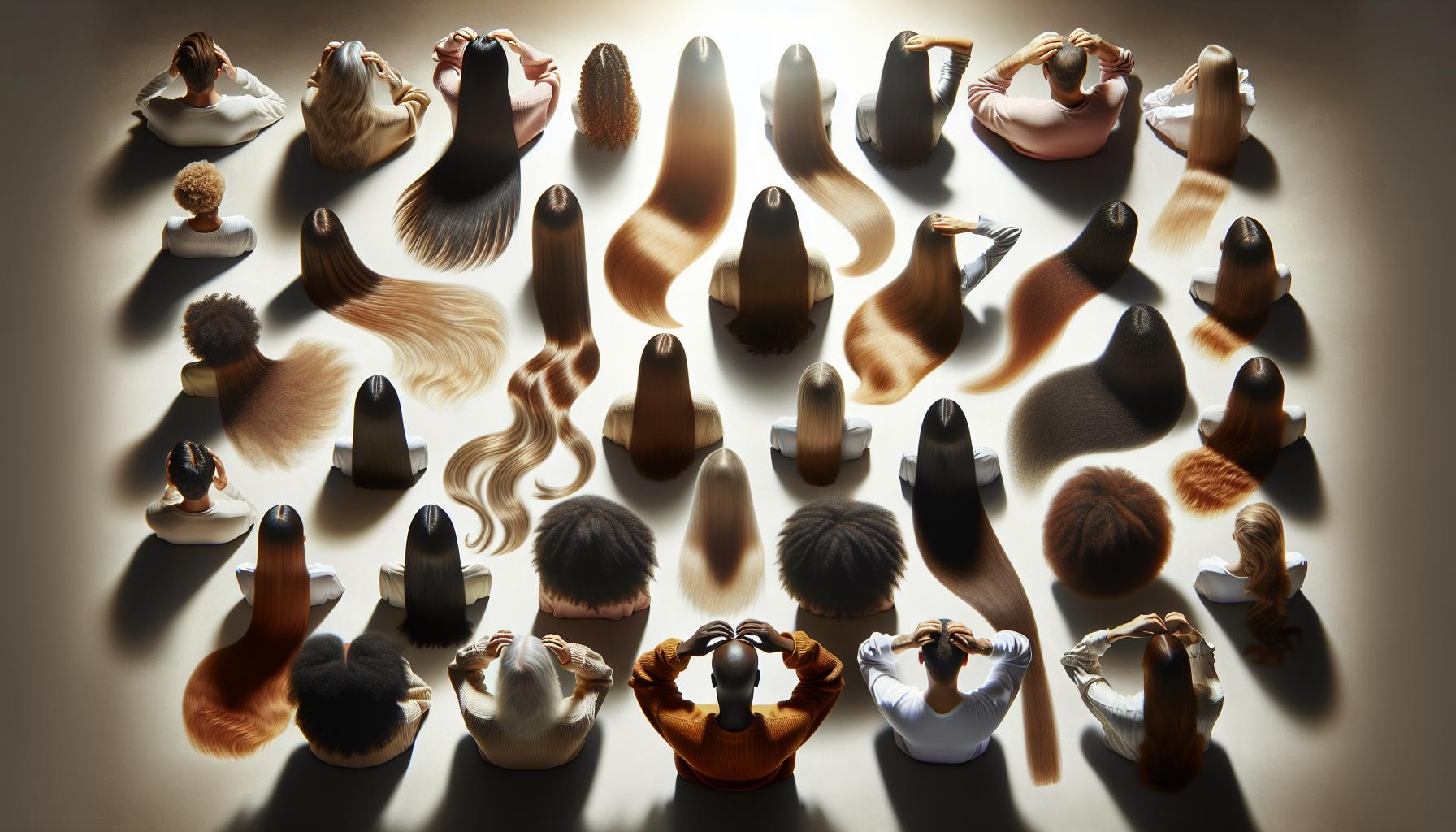
Debunking Common Myths About Hair Length and Pain
Many people believe that long hair can be a direct cause of discomfort, including headaches. This misconception often stems from a general correlation between hair length and the physical tension that can arise from how hair is worn. However, it’s essential to separate fact from fiction to understand whether long hair truly has any effect on headache occurrence. Let’s explore some prevalent myths surrounding this topic and reveal the science behind them.
Myth 1: Long Hair Always Leads to Headaches
It is commonly believed that the mere existence of long hair will inevitably lead to headaches; however, this notion overlooks several key factors. The way hair is styled and managed plays a much more significant role than the length itself. Tight hairstyles,such as high ponytails or braids,can create tension on the scalp,leading to tension headaches. In contrast, allowing hair to flow freely or opting for looser styles can minimize discomfort.
Myth 2: Hair weight Causes Head Pain
Some individuals worry that the weight of long hair itself can cause pain in the head or neck. While it’s true that heavier hairstyles might contribute to discomfort in specific situations, most people adapt to the weight of their hair over time. The majority of headache cases related to hair are linked more closely to tension and stress rather than the physiological weight of the hair. Studies and anecdotal evidence suggest that individuals with long hair can manage and style their hair in ways that provide comfort.
Myth 3: Hair Accessories Are Always Harmful
Another common misconception is that any use of hair accessories, such as clips and elastics, will lead to head pain. While certain styles or poor-quality accessories can indeed cause discomfort, selecting the right tools and techniques can dramatically reduce the risk. When using accessories, consider the following tips:
- Opt for soft, elastic bands that won’t pull on the hair.
- Avoid overly tight hairstyles, especially for extended periods.
- Consider using hair ties designed for a gentle hold.
By understanding these factors,individuals with long hair can debunk these myths and create a comfortable,headache-free hair routine.
Understanding the Differences in Experience
It’s also critically important to recognise that not everyone experiences the same discomfort related to hair. Personal sensitivity to tension, individual styling choices, and even environmental stressors can contribute to headaches. By paying attention to personal triggers and adjusting hair care routines accordingly, it’s possible for individuals to enjoy long hair without the fear of headaches or discomfort.
| myth | Reality |
|---|---|
| Long Hair Causes Headaches | Headaches are more often caused by tension from styling than hair length. |
| Hair weight is a Primary cause of Pain | Most headaches stem from tension and stress rather than hair weight. |
| Hair Accessories are Bad for Yoru Head | Properly chosen hair accessories can be used comfortably. |
In summation, debunking these myths can empower individuals with long hair to enjoy their styling choices without concern. Understanding the relationship between hair length and headache occurrence involves more than just speculation; it requires an analysis of personal experience, hair management techniques, and lifestyle factors.
The Science of Tension Headaches: Could Your Hair Be a Factor?
Tension headaches are a common ailment that many experience,and there’s a surprising connection between them and your hairstyle,especially if you have long hair. The pressure exerted by heavy hairstyles, such as tight ponytails or braids, can lead to muscle tension in the scalp, neck, and shoulders, contributing to the onset of these headaches. This connection has sparked interest in understanding whether the length and styling of hair could play a significant role in headache occurrences.
Long hair can be both a beauty asset and a source of discomfort. When styled tightly, it may cause mechanical stress on the scalp, creating a sensation similar to a tension headache. This type of pain often manifests as a dull ache coupled with a feeling of tightness, akin to a band squeezing the head. Research indicates that muscle strain caused by hairstyles — particularly those that pull at the roots — can exacerbate or trigger headaches. it’s essential to recognize that while hairstyles can contribute to this type of headache, individual susceptibility varies.
To mitigate the risk of developing headaches from long hair, consider these practical tips:
- Avoid Tight Styles: Opt for looser hairstyles that don’t place undue stress on your scalp.
- Take Breaks: If you wear your hair up frequently, give your scalp a break by letting your hair down for a while.
- Consider Hair Products: Heavy products can weigh down your hair, leading you to compensate with tighter styles.
- Practice Good Posture: maintaining a good posture can reduce the muscle tension in your neck and shoulders, indirectly helping to alleviate headache symptoms.
while the link between long hair and tension headaches may not be universally experienced, awareness of how hairstyles impact your health is crucial. For those questioning if long hair can cause headaches, the science suggests that it can if styled in a way that places additional strain on the scalp and neck. Paying attention to your hairstyling habits might just help in reducing those nagging headaches.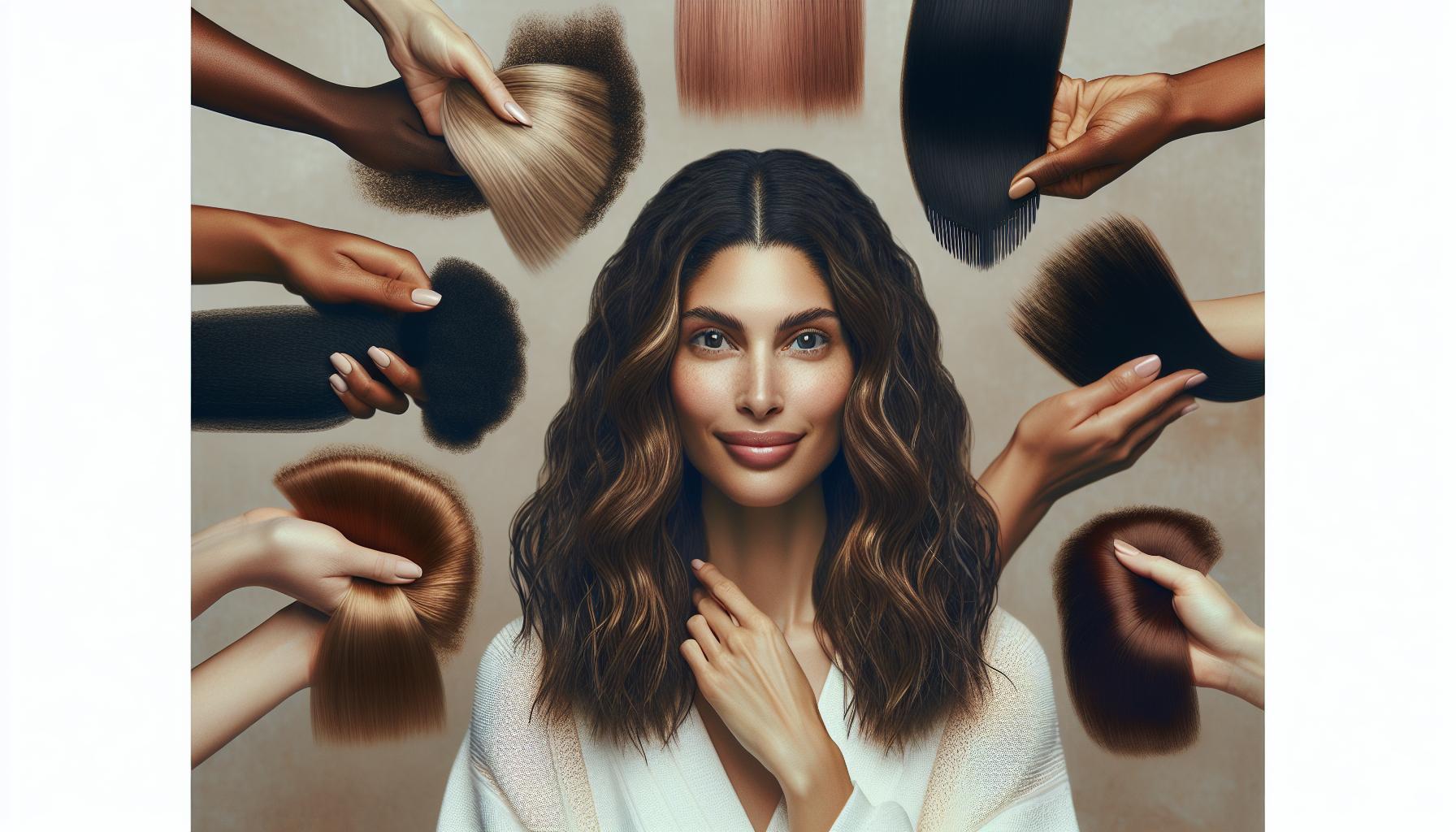
Signs Your Hairstyle Might Be Contributing to Headaches
To many,a well-styled hairdo can boost confidence and make a fashion statement,but what if that stunning hairstyle is the culprit behind your nagging headaches? It may sound surprising,but certain hairstyles can indeed place undue stress on your scalp and neck,leading to discomfort. Recognizing the signs that your hair arrangements might be doing more harm than good is essential for anyone experiencing frequent headaches.
Recognizing the Indicators
There are several signs that your hairstyle might potentially be contributing to your headaches:
- Frequent Tightness: If your hairstyle involves tight ponytails, braids, or buns, you might notice a constant tight sensation around your scalp. This tension can trigger what is known as a tension headache.
- Scalp Sensitivity: Increased sensitivity or pain on your scalp, especially at points where hair ties or clips are used, can indicate that your hairstyle is too constricting.
- Neck Stiffness: Pay attention to any accompanying neck stiffness or discomfort. Complex styles that require the neck to be held in awkward positions for prolonged periods can lead to muscular tension and headaches.
- Seasonal Haircare Rituals: Notice if headaches coincide with periods of changing your hairstyle, like adding extensions or going for an elaborate updo. This can be a clue that your current style is not conducive to comfort.
Hair Types and Styles to Watch
some hairstyles tend to cause more issues than others. As an example, wearing hair tightly pulled back or using heavy accessories can exacerbate tension in both your scalp and neck. Here are common styles linked to headaches:
| Hairstyle | Potential Issue |
|---|---|
| Ponytails | Tension at the base of the skull, leading to headaches |
| Buns | pressure on scalp and neck, especially if styled tightly |
| Braids | Localized pulling can cause scalp discomfort |
| Extensions | weight and strain on hair roots can lead to headaches |
actionable Steps to Alleviate Discomfort
If you identify with any of these signs, consider making immediate changes to your hairstyling habits:
- Loosen Your Style: Opt for looser hairstyles that don’t pull on your scalp. A low ponytail or loose braid can still look great while reducing tension.
- Take Breaks: If you wear your hair in a tight style, remember to switch things up and let your hair down for extended periods to relieve pressure.
- Use Gentle Accessories: Replace hard clips with softer alternatives that don’t dig into the scalp.
- Consult a Professional: If headaches persist, visit a hairstylist for advice on styles that suit you better and promote comfort.
while your hairstyle can be an expression of self, it’s crucial to ensure that it doesn’t come at the cost of your comfort. By paying attention to the signs and making informed adjustments, you can enjoy both style and well-being.
Practical Tips to Alleviate Hair-Related Discomfort
Maintaining long hair can be a beautiful aspect of many people’s lives, but it may come with unexpected downsides, such as headaches or discomfort. While it’s easy to blame the length for any resulting pain, many solutions can definitely help ease discomfort without sacrificing your hair’s beauty. By understanding these practical tips, you can negate the strain that excessive weight and styling may bring.
Adjust Your Hairstyles
The way you wear your hair can significantly impact the tension on your scalp.Tight hairstyles often pull on the roots, which can lead to discomfort and headaches. Consider switching to looser styles. Here are some suggestions:
- Ponytails: Use soft, stretchy hair ties instead of elastic bands, which might pull too tightly.
- Loose Buns: Opt for a relaxed bun, which distributes weight more evenly.
- Braids: Try employing various braiding techniques that won’t pull as tightly on the scalp.
Experimenting with diffrent hairstyles can alleviate pressure points and provide instant relief.
Choose the Right Accessories
Sometimes, the hair accessories we use contribute to discomfort. Opting for the right tools can make a world of difference. A comparison of common hair accessories is as follows:
| Accessory Type | Comfort Level | Suggested use |
|---|---|---|
| Traditional Hair Ties | Low | Avoid tight styles and switch to softer alternatives. |
| Clips/Claws | Medium | Use to secure hair without pulling on roots. |
| Scrunchies | High | Best for ponytails and buns, minimizing tension. |
Switching to scrunchies or larger clips can also help to minimize the strain on your scalp,making styling both comfortable and effortless.
Mind your Product Choice
Certain hair products might inadvertently lead to discomfort. Heavy waxes and gels can weigh hair down, exacerbating tension across your scalp. Consider these practical steps:
- Lightweight Formulations: Look for products marketed as “light” or “weightless.”
- Natural Oils: use natural oils as alternatives for styling that won’t burden your scalp.
- Minimize Product Build-Up: Regularly cleanse your hair to prevent the accumulation of heavy residues.
These adjustments can contribute to not only alleviating headaches but also maintaining healthier hair.
By implementing these practical tips, you can comfortably embrace your long hair without fear of headaches caused by strain. Tailoring your hair care approach and method can significantly enhance your daily comfort, making long hair a true joy rather than a burden.
When to Seek Professional Help for Chronic Headaches
Chronic headaches can significantly disrupt daily life, leaving individuals to grapple with discomfort and uncertainty. While various triggers exist,one frequently enough-overlooked factor is the hairstyle itself,particularly for those with long hair. The question “Can long hair cause headaches?” is not merely a myth; it’s a concern many face. If you’re experiencing persistent headache symptoms, knowing when to seek professional help is crucial for effective management and relief.
Recognizing the distinction between occasional headaches and chronic ones is essential. If you find yourself taking pain relievers more than twice a week or notice that headaches occur on 15 or more days per month over at least three months, it might be time to consult a healthcare professional. Chronic headaches can occur in several forms, including tension-type headaches and migraines—both of which can stem from factors such as stress, poor posture, and yes, even tight hairstyles associated with long hair. These headaches may not only be frequent but also debilitating, necessitating a thorough evaluation by a healthcare provider.
Moreover, if your headaches are accompanied by alarming symptoms such as vision changes, weakness, or confusion, immediate medical attention is warranted. These could signal a more serious underlying condition. A thorough assessment can help identify whether your headaches relate to tension from hairstyles or other lifestyle habits. In fact, professional guidance can also offer personalized strategies to alleviate tension headaches that may result from wearing your hair in tight styles, perhaps eliminating the need for medication altogether.
In addition to seeking professional help, consider maintaining a headache diary to record your headache patterns, triggers, and any associated symptoms. This valuable information can assist healthcare providers in making a more accurate diagnosis and establishing a tailored treatment plan aimed at relieving your chronic headache condition. Understanding the interplay between long hair and headaches may lead to simple changes that can significantly improve your quality of life, such as adjusting how you style your hair or considering a more manageable length.Prioritize your health by staying informed and proactive about your symptoms.
Hair Care Habits That Promote Comfort and Health
Maintaining healthy, comfortable hair is essential, particularly for those with longer locks, which can sometimes lead to discomfort, including headaches. Understanding the relationship between hair care habits and overall wellness can help mitigate these issues and improve daily comfort. Incorporating thoughtful practices into your hair care routine not only enhances the condition of your hair but also promotes a more relaxed lifestyle.
Gentle Cleansing Techniques
Using the right cleansing methods can significantly affect how your scalp feels. A strong, chemical-laden shampoo might strip your hair of natural oils, leaving your scalp dry and irritated, which can contribute to discomfort or even headaches. Consider the following tips to create a soothing cleansing routine:
- Hydrating Shampoo: Opt for sulfate-free shampoos that cleanse without stripping natural oils.
- Scalp Massages: During washing, gently massage your scalp to promote circulation and relieve tension.
- Warm Water Rinse: Use warm,not hot,water to avoid stressing your scalp and hair.
Proper Styling Techniques
The way you style your hair can either contribute to or alleviate discomfort. Tight hairstyles can lead to tension headaches, especially when worn for extended periods. Adopt these strategies for comfortable styling:
- Loose Styles: Embrace looser hairstyles, like low ponytails or buns, which reduce tension on your scalp.
- Change it Up: Alternate your hairstyles to avoid stressing the same areas continually.
- Avoid Heavy Accessories: limit the use of heavy clips or thick elastics that might weigh down your hair.
| styling Method | Comfort Level | Frequency |
|---|---|---|
| Loose Braid | High | Daily |
| Low Bun | Medium | Several times a week |
| high ponytail | Low | Occasionally |
Regular Trims and Maintenance
Keeping your hair well-maintained can also play a role in your comfort levels. Split ends and damaged hair can cause additional weight and tension, exacerbating potential headaches. Regular trims help keep your hair healthy. Consider the following maintenance tips:
- Schedule Regular Trims: Aim for trims every 8-12 weeks to keep hair healthy and reduce split ends.
- Balanced Diet: Nourish your hair from the inside out with a diet rich in vitamins and minerals.
- Hydration: keep your hair hydrated with the right conditioners and oils, which can improve manageability and comfort.
By integrating these hair care habits into your routine, you can reduce the likelihood of discomfort and headaches associated with long hair. A comfortable and healthy hair care regimen not only enhances the look and feel of your locks but ultimately contributes to your overall well-being.
Emotional Impact: How Hair Concerns Affect Overall Well-being
the connection between our physical appearance and mental well-being is a powerful one, often overlooked in discussions about health concerns. Various hair issues, including the length and style of hair, can significantly impact an individual’s emotional and psychological state.anecdotal evidence suggests that many people struggle with self-esteem and confidence when grappling with hair concerns, leading to wider implications for their overall well-being.Stress from managing long hair can manifest in various ways, including physical discomfort such as headaches. The question “can long hair cause headaches?” isn’t just academic; it reverberates deeply in the lives of many. Hair that is heavy or tightly styled can lead to tension headaches, which may further exacerbate anxiety and feelings of dissatisfaction with one’s appearance. The emotional fallout from these experiences can lead individuals into a cycle of self-doubt, stemming from both the discomfort of physical pain and the impact it has on one’s self-image.One way to address these concerns is by recognizing their emotional weight. Here are some ways to mitigate the psychological effects of hair-related worries:
- Professional Consultation: Consult with hair care professionals to find suitable styles that reduce tension and improve comfort.
- Self-Care Rituals: Implement hair care routines that promote relaxation and pampering, reinforcing a positive self-image.
- mindfulness Practices: Engage in mindfulness exercises to help manage stress and refocus your thoughts on self-acceptance.
The ramifications of hair concerns extend beyond mere aesthetics; they directly influence mental health. Individuals who are preoccupied with their appearance may experience increased anxiety or depressive symptoms, specifically linked to perceived flaws in their hair. Coping strategies, such as those listed above, can definitely help break these detrimental thought patterns.
Maintaining awareness of how hair concerns can bleed into broader emotional issues is vital. By exploring the science behind headaches related to hair and acknowledging the myths versus the truths, individuals can take informed steps toward improving both physical comfort and emotional well-being. Taking proactive measures can transform hair care from a source of stress into a pathway toward greater self-love and acceptance.
Frequently Asked Questions
Can long hair cause headaches? Science, Myths & Solutions
Yes, long hair can contribute to headaches for some individuals due to factors like tension from tight hairstyles or the weight of the hair itself. Such headaches are often tension-type headaches, which involve muscle contraction and stress.
When hair is tightly pulled back in styles like ponytails or braids, it can create restive tension on your scalp, leading to discomfort.Conversely,the weight of long hair rubbing against the neck or shoulder area may also trigger sensitivity in some people. If you frequently experience headaches, consider adjusting your hairstyle.
Tension-type headaches are often associated with stress and muscle tightness, including tension that may arise from hairstyles. While hips of hair pulling on the scalp can lead to discomfort,it’s also essential to consider overall stress levels.
In many cases, these headaches can feel like a constant band of pressure around the head. Regular breaks from tight hairstyles or switching to looser options may alleviate symptoms. For more insight, look into our article on headache prevention techniques.
Why dose my scalp hurt when I wear my hair up?
A painful scalp when wearing your hair up can result from several factors, including sensitivity and prolonged tension. Tight hairstyles can place significant strain on the scalp, causing pain.
If your hair is styled tightly or if you’re using heavy products, these can exacerbate discomfort. Opting for looser styles,using fewer hair products,or taking regular breaks from wearing your hair up can all help alleviate this issue.
Can hair accessories contribute to headaches?
Yes, certain hair accessories can contribute to headaches, especially if they are too tight or heavy.Accessories like tight elastics, clips, or even heavy decorative pieces can pull on your hair and scalp.
switching to softer hair ties or lighter accessories can make a difference. If you experience discomfort, consider simplifying your hairstyles to reduce potential triggers.
How can I prevent headaches from my long hair?
to prevent headaches from long hair, you can adopt various strategies such as switching to loose hairstyles, evenly distributing the weight of your hair, or taking breaks during the day.
Additionally, practicing regular scalp massages can help alleviate tension and promote blood circulation. Maintaining a balanced lifestyle with stress-reduction techniques like yoga or meditation may also improve overall comfort.
Are there any myths about long hair and headaches?
One common myth is that having long hair inherently causes headaches. While it’s true that hair length can contribute to discomfort, the actual cause is frequently enough related to tight hairstyles and tension, not the length itself.
Understanding this distinction can help you make informed choices on hair care and styles. Focus on finding what feels comfortable to you,as everyone’s sensitivity varies.
What should I do if headaches persist despite changing hairstyles?
If headaches persist even after changing hairstyles, it’s vital to consult a healthcare professional. While hair can be a factor, multiple underlying causes may also contribute to chronic headaches.
Keeping a headache diary to track potential triggers and symptoms can be beneficial. This information can aid in discussions with your doctor and guide appropriate treatment, ensuring you address both potential hair-related issues and other health concerns.
In Conclusion
As we’ve explored in this article, the relationship between long hair and headaches is both complex and nuanced. While there are myths that suggest simply having longer locks leads to discomfort, scientific evidence hints at a deeper understanding, pointing to factors like tension, hairstyle choices, and individual sensitivity. By recognizing potential triggers—whether it’s tight ponytails or certain styling products—we can take proactive steps to alleviate discomfort, such as opting for softer hairstyles, integrating regular scalp massages, or even evaluating our hair care routines.
Don’t let concerns about hair-related headaches deter you from embracing your unique style. Instead, empower yourself with knowledge and solutions that can enhance your hair health and comfort. Remember, every person is different, and what works for one may not work for another. experiment gently and patiently with the strategies discussed, and don’t hesitate to consult a healthcare professional if headaches persist.We invite you to delve deeper into your hair journey—exploring various remedies, styles, and the emotional dimensions tied to our hair can be incredibly enriching. Keep the conversation going; share your experiences, insights, or additional questions. Your hair is a significant part of your identity, and acknowledging it’s impact on your well-being can lead to healthier choices and a happier you.


