


Swimming should be enjoyable, but teh harsh effects of chlorine can leave your hair dry and damaged. Protecting your locks from pool chemicals is essential for maintaining healthy, vibrant hair. In this article, we’ll explore effective strategies and products to shield your hair from chlorine, ensuring every swim remains worry-free and refreshing.
Contents
- Understanding Chlorine: How It Affects Your Hair
- Pre-swim Prep: Essential Steps for Protecting Your Strands
- Post-Swim Care: Nourishing Your Hair After Swimming
- Choosing the Right Products: What to Look For in Swim-Safe Hair Care
- Swim Caps: Do They Really Help? Pros and Cons
- Rinse and Repeat: The Importance of Showering Before and After Swimming
- Natural Remedies: DIY Solutions to Combat Chlorine Damage
- Professional Treatments: When to Seek Expert Help for Hair Recovery
- Q&A
- How to protect Hair While Swimming: Prevent Chlorine Damage & Dryness?
- What is the best way to care for hair after swimming?
- Can I swim with colored hair without damage?
- Why does chlorine damage hair?
- How often should I wash my hair if I swim regularly?
- What are some effective products for protecting hair during swimming?
- How can I repair chlorine-damaged hair?
- To Wrap It Up
Understanding Chlorine: How It Affects Your Hair
Chlorine is commonly used in swimming pools to keep the water clean and safe, but its effects on your hair can be quite detrimental. When hair is regularly exposed to chlorine, it can lead to a variety of issues, including dryness, discoloration, and even brittleness. This harsh chemical strips the hair of its natural oils and proteins, leaving strands vulnerable and damaged. Understanding how chlorine interacts with hair can definitely help you take proactive measures to maintain healthy locks while still enjoying your time in the water.
The interaction of chlorine with hair fibers can be especially harsh, especially for those with color-treated or chemically processed hair.Chlorine works by binding to the hair’s proteins, which can cause a breakdown of the hair structure. Over time, this can lead to notable alterations in texture and appearance, resulting in hair that feels rough and appears dull. Additionally, frequent exposure may result in chlorine buildup, which can exacerbate dryness and make it more challenging to maintain moisture levels.
To effectively manage chlorine-related damage, consider implementing a protective routine before and after swimming. Here are some actionable steps you can take:
- Pre-Swimming Treatment: Rinse your hair with clean water before entering the pool. Wet hair absorbs less chlorine than dry hair, reducing the amount that penetrates.
- Use a Leave-In Conditioner: Apply a leave-in conditioner or hair oil specifically designed to protect against chlorine. these products create a barrier that helps shield against the harsh effects of the chemical.
- Post-Swim Care: After swimming, use a clarifying shampoo to remove chlorine buildup followed by a deep conditioning treatment to restore moisture and replenish nutrients.
- Protective Accessories: consider wearing a swim cap. While not entirely foolproof, it can reduce chlorine exposure significantly.
understanding the impact of chlorine on your hair is crucial for anyone who enjoys swimming. By adopting a protective regimen and utilizing effective hair care practices, you can significantly diminish the adverse effects of chlorine damage and keep your hair looking vibrant and healthy.
Pre-swim Prep: Essential Steps for Protecting Your Strands

Did you know that taking a few simple steps before diving into a pool can significantly protect your hair from chlorine damage? Whether you’re a casual swimmer or a regular at the local pool, a proper pre-swim routine is essential to keep your strands healthy and vibrant. Chlorine is notorious for making hair dry, brittle, and prone to color fading, but with the right readiness, you can minimize its effects and maintain your luscious locks.
Hydration is Key
One of the best ways to shield your hair is by pre-wetting it with fresh water before you swim. This simple act creates a barrier that reduces the amount of chlorine your hair absorbs. The more hydrated your hair is, the less likely it is indeed to oxidize and sustain damage. consider using a leave-in conditioner or a light hair oil for an extra layer of moisture.These products not only provide hydration but also help to lock in moisture during your swim.
Use Protective Products
There are several specialized products designed specifically to protect your hair from chlorine. For example, AquaGuard Pre-Swim Hair Defense forms a nourishing barrier against harsh pool chemicals. Applying such products can help you avoid painful tangles, dull color, and the dreaded green tones that ofen result from prolonged exposure to chlorine water. Before your next swim, look for hair defense sprays or creams that are easy to apply and can offer immediate protection [[1](https://www.byrdie.com/how-to-protect-your-hair-from-chlorine-5271383)][[2](https://www.aquaguardswim.com/?srsltid=AfmBOoptoYfB8fYK7dz9LuuXVUCpHXK6Qv7peJr_qL4hhY9b0nyP-ySK)].
Cover Up
another effective strategy is to wear a swim cap. While many may shy away from caps for style reasons, they serve as an excellent barrier against chlorine. A snug swimming cap can significantly reduce the amount of chlorine that contacts your hair, thereby preserving its health and color. If you’re looking to maintain your hairstyle while swimming, a swim cap is a small investment that can yield big results.
by integrating these pre-swim preparations into your routine, you’re not only taking steps to protect your hair but also establishing a habit that can lead to healthier, more resilient strands.Remember, the care you put in before hitting the water can make all the difference in preventing chlorinated locks from becoming a reality.
Post-Swim Care: Nourishing Your Hair After Swimming

Swimming can be invigorating and refreshing, but it also exposes your hair to chlorinated water, which can lead to dryness and damage. To maintain healthy locks post-swim, it is essential to adopt a nourishing hair care routine that counters the effects of chlorine. By nurturing your hair after each swim, you not only protect its integrity but also enhance its natural beauty.
Immediate Care: Rinse Thoroughly
After stepping out of the pool, the frist course of action should be to rinse your hair immediately with clean water. this step removes chlorine and prevents it from penetrating your hair further. Its often recommended to use cool water, as it helps to seal the hair cuticle and reduce frizz. If you’re swimming regularly,consider wearing a swim cap to minimize chlorine exposure.
Choose the Right Products
Selecting products specifically designed for swimmers can make a significant difference. Look for shampoos and conditioners that are formulated to purify and hydrate. Consider products with natural ingredients like coconut oil, shea butter, and primrose oil, which nourish and moisturize the hair. These ingredients help restore your hair’s moisture balance while providing a protective barrier against future damage [[3](https://www.babobotanicals.com/blogs/news/hair-care-for-swimmers?srsltid=AfmBOorRA7X-dTCWcXH864a_1W18uvTlNXqdWeRAYHm9TJggWgVWp1yf)].
Deep Conditioning Treatments
Incorporating deep conditioning treatments into your routine is crucial for repairing any damage done by chlorine. Use a deep conditioner or a hair mask at least once a week; apply it generously to your hair and leave it on for the time recommended on the packaging. This extra moisture can restore elasticity and shine, combating the harsh effects of chlorine. For an extra boost, consider mixing in some olive or argan oil for added hydration.
Protective Strategies for Long-Term care
To maintain the health of your hair over time, consider implementing protective strategies such as:
- Using leave-in conditioners or hair serums that protect against environmental damage.
- Avoiding heat styling to reduce further stress on your hair.
- Regular trims to eliminate split ends and promote healthier growth.
Engaging in these practices not only helps in how to protect your hair while swimming but also promotes overall hair health and vitality. Adopting a dedicated post-swim routine will ensure your hair remains radiant, allowing you to enjoy the water without the worry of damage or dryness.
Choosing the Right Products: What to Look For in Swim-Safe Hair Care

To maintain luscious locks while enjoying your time in the water, selecting the right products is crucial. Swimming in chlorinated pools can lead to hair damage,but using specialized hair care products can mitigate these effects significantly. The market offers a plethora of swim-safe hair care products designed to provide a protective barrier against chlorine and other harsh chemicals. Knowing what to look for is key to ensuring your hair stays healthy and vibrant throughout the summer swimming season.
When scouting for effective swim-safe hair care products, consider the following attributes:
- Pre-Swim Protection: Look for products that create a barrier against chlorine. For example, AquaGuard Pre-Swim Hair Defense is designed to coat the hair, helping to prevent tangling and dullness associated with chlorine exposure [[2](https://www.aquaguardswim.com/?srsltid=AfmBOoqNlH4daJJroPphlkGJd6TZSJt8A8_bIawxOuHzdFjg5fa28nZe)].
- Hydrating Formulas: Choose conditioners or masks that hydrate and nourish your hair post-swim. Ingredients like aloe vera, jojoba oil, and coconut oil can replenish moisture stripped away by chlorine [[1](https://www.triathlete.com/gear/swim/post-swim-hair-care/)].
- Color Safe Options: If you have color-treated hair, it’s essential to find products labeled as color-safe to prevent fading from chlorine exposure.
- Detangling Sprays: After swimming, use a detangling spray to help ease knots and tangles that may occur due to exposure to chlorinated water.
Additionally, check the ingredients list for natural elements that nourish and protect. Products enriched with protective oils and moisture-locking compounds are ideal for keeping hair soft and manageable. always consider a routine that includes both pre-swim and post-swim care. For example, applying a pre-swim defense and following it with a targeted conditioner can make a significant difference in maintaining your hair’s condition.
the right swim-safe hair care products can be a game changer when it comes to preserving your hair’s health while swimming. By selecting options that provide a protective barrier against chlorine, coupled with hydrating ingredients, you’ll be well on your way to preventing chlorine damage and dryness effectively.
Swim Caps: Do They Really Help? Pros and Cons
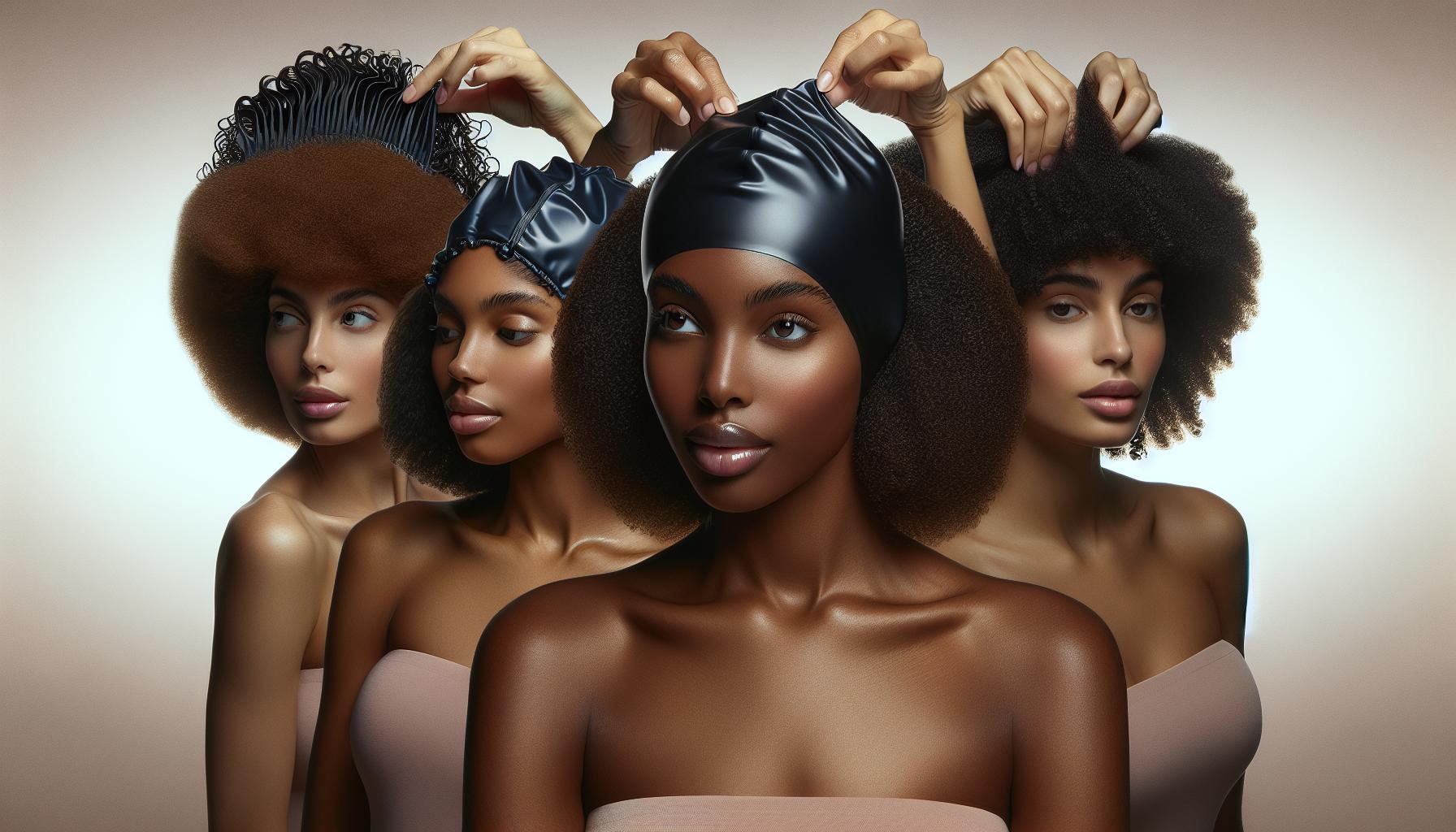
Swim caps are often seen as a necessary accessory for any serious swimmer, but do they really provide the protection and benefits that many assume? With countless swimmers battling the adverse effects of chlorine and other pool chemicals on their hair, understanding the role of swim caps in hair care is essential. While they are not a perfect solution, swim caps can indeed be a beneficial tool in your swimming routine, minimizing damage from harsh elements.
Pros of using Swim Caps
Swim caps offer several advantages that can help maintain the health of your hair while swimming. Here are some of the key benefits:
- Reduced Chlorine Exposure: While swim caps won’t keep your hair fully dry, they significantly reduce the amount of chlorinated water that reaches your hair. Wearing a cap can be particularly useful if you pre-wet your hair before putting it on, as this can definitely help prevent your hair from absorbing excess chlorine [[2](https://www.reddit.com/r/Swimming/comments/11g5r99/swim_caps_to_keep_hair_dry/)].
- UV Protection: Some swim caps provide an additional barrier against UV rays, which can cause color-fade and damage. This is especially relevant for swimmers who enjoy outdoor pools or swimming in the ocean [[1](https://www.philipkingsley.com/swimcap.html)].
- Style & Comfort: Available in various materials and styles, swim caps can help to streamline your swimming experience. Silicone caps, in particular, are favored by many long-haired swimmers for their smoothness and ease of wear [[3](https://www.headcovers.com/resources/swim-gear/swim-cap-guide/?srsltid=AfmBOootOys5bDyVLIRa1njXz_dHFAF3u0xNOXkgEfnxA4ewqYGS0pYG)].
Cons of Using Swim Caps
Despite their benefits, some negatives come with wearing swim caps, which could influence your decision:
- Comfort Issues: Some swimmers find swim caps uncomfortable, especially if they have long or thick hair. Tight-fitting caps can cause headaches or discomfort during long swim sessions.
- Incomplete Protection: No cap can entirely prevent hair from getting wet. Moast caps reduce water exposure but do not provide full protection from chlorine and other pool chemicals that can still penetrate through the material [[2](https://www.reddit.com/r/Swimming/comments/11g5r99/swim_caps_to_keep_hair_dry/)].
- Maintenance: Swim caps require proper care.Regular cleaning is essential to prevent mold and bacterial growth, especially in silicone caps. Neglecting this maintenance can render them less effective over time.
Ultimately, while swim caps are not a foolproof solution to chlorine damage, they are a worthwhile investment for those seeking to protect their hair. Pairing them with additional hair care strategies—such as using protective hair masks or conditioning treatments—can enhance your approach to safeguarding your hair during swimming. The combination of these techniques offers a more extensive method for tackling the issues linked to chlorine exposure and dryness.
With the right preparation and care, swimmers can enjoy their time in the water while keeping their locks healthy and stylish.
Rinse and Repeat: The Importance of Showering Before and After Swimming
To maintain healthy hair while enjoying a swim, it’s crucial to consider the transformative power of rinsing both before and after your time in the pool. Chlorine, while effective in sanitizing water, can lead to significant hair damage if not properly mitigated. By developing a consistent routine of showering before and after swimming, you can greatly enhance your hair’s resilience against chlorine, minimizing dryness and brittleness.
Why Shower Before Swimming?
Showering prior to entering the pool is essential for two main reasons: it reduces the amount of organic matter (like sweat and oils) that enters the water and provides a protective barrier for your hair. Wetting your hair with fresh water allows it to absorb less chlorine during your swim, as wet hair will soak up the clean water first. Here are some benefits of a pre-swim rinse:
- Protects Your Hair: Wet hair can absorb some of the chlorinated water, which can help minimize damage.
- Enhances chlorine Efficacy: By reducing contaminants in the water, chlorine can work more effectively to keep the pool clean[[3]](https://www.sunsetpools-spas.com/blog/should-you-shower-before-swimming-heres-why-it-matters).
The Importance of Rinsing After Swimming
After your swim, showering becomes equally critical. Chlorine can stick to your hair, leading to dryness and potential shedding if not rinsed off. A thorough post-swim rinse helps wash away chlorine, preventing long-term damage. Additionally, consider incorporating a specialized swimmer’s shampoo that can help eliminate chlorine and replenish lost moisture. Here’s why an after-swim rinse matters:
- Prevents Chlorine Damage: Immediate rinsing can significantly reduce the adverse effects of chlorine, leaving your hair more manageable and less prone to breakage.
- Rehydrates Your Hair: Post-swim showers can be an possibility to apply moisturizing treatments or conditioners that restore hydration lost during your swim[[1]](https://balmonds.com/blogs/swimming-chlorine/what-happens-if-you-don-t-shower-after-swimming).
Implementing these simple yet effective practices not only contributes to overall hair health but also enhances your swimming experience. By following the guidance on how to protect hair while swimming, namely through consistent rinsing before and after, you can enjoy the water while keeping your locks vibrant and moisturized.
Natural Remedies: DIY Solutions to Combat Chlorine Damage
Exposure to chlorine can wreak havoc on hair, leading to dryness, brittleness, and a host of other issues.Rather of relying solely on commercial products, many effective DIY remedies can definitely help combat chlorine damage. These natural solutions not only nourish and protect your hair but also allow you to enjoy your swimming sessions without the worry of harmful chemicals.
Essential Oils and Natural oils
One of the simplest and most effective methods to shield your hair from chlorine is by using natural oils. Oils such as coconut, argan, or jojoba create a barrier that repels chlorine and moisture.To use these oils effectively:
- Coconut Oil: Apply a generous amount to dry hair before swimming. Its natural properties help retain moisture and can reduce chlorine absorption.
- Argan Oil: Known for its nourishing effects, argan oil can be used as a pre-swim treatment. Massage a few drops into your hair, focusing on the ends.
- Jojoba Oil: This oil mimics the natural sebum produced by your scalp,helping to lock in hydration and protect against chlorine.
DIY Rinse and Conditioning Treatments
Keep your hair feeling soft and healthy with simple DIY rinses and conditioning treatments. Here are a few you can try:
- Apple Cider Vinegar Rinse: Mix equal parts of apple cider vinegar and water, and rinse your hair post-swim. This solution helps to neutralize chlorine and restore the hair’s natural pH.
- Yogurt and Honey Mask: Combine plain yogurt with a tablespoon of honey to create a nourishing mask. Apply it to damp hair for 20-30 minutes before rinsing. This not only provides moisture but also helps repair damaged hair cuticles.
- Avocado Treatment: Mash a ripe avocado and mix it with a tablespoon of olive oil. Spread this mixture through your hair, leave it on for about 30 minutes, and then rinse thoroughly. This treatment is rich in vitamins and helps restore luster.
Protective Techniques While Swimming
Along with topical treatments, consider incorporating protective techniques to minimize chlorine damage while swimming.
- Wet Your Hair First: Rinsing your hair with fresh water before entering the pool can reduce chlorine absorption.
- Wear a Swim Cap: While not the most glamorous, swim caps are effective at keeping chlorine-laden water away from your hair.
Using these natural remedies and techniques will empower you to take control of your hair’s health while enjoying the benefits of swimming.By embracing these DIY solutions, you can significantly reduce the impact of chlorine damage and maintain beautiful, vibrant hair.
Professional Treatments: When to Seek Expert Help for Hair Recovery
Swimming can be a refreshing activity, but for those who frequently take the plunge, maintaining healthy hair can be a significant challenge.Chlorine, a common disinfectant found in swimming pools, can strip moisture from hair, leaving strands brittle and prone to damage. If you find yourself dealing with hair issues after swimming — such as dryness, split ends, or increased breakage — it may be time to consider professional treatments.
Recognizing the Need for Expert Help
When your hair becomes consistently dry or damaged despite following basic protective measures, consulting a hair care professional can provide tailored solutions. A trichologist or a dermatologist specializing in hair care can assess your specific situation, recommend appropriate treatments, and help you understand if underlying issues contribute to your hair problems. Common indicators that it’s time to seek professional assistance include:
- Persistent dryness despite using deep conditioners and hair oils.
- Visible hair thinning or the appearance of bald spots.
- Frequent breakage, leading to uneven lengths.
- Changes in texture that do not improve with at-home remedies.
professional Treatment Options
Hair specialists offer a variety of treatments that can help rejuvenate your locks after exposure to harsh pool chemicals. Here are a few methods that may be suggested:
- Platelet-Rich Plasma (PRP): This treatment uses your body’s own platelets to stimulate hair growth and improve scalp health.
- Low-Level Light Therapy (LLLT): A non-invasive method that uses light to promote hair growth and prevent further loss.
- Customizable Hair Masks: Professionals can create personalized deep conditioning treatments that specifically address the damage caused by chlorine exposure.
By seeking expert assistance,you can develop a comprehensive hair care strategy that includes both preventive measures for swimming and targeted remedies to restore your hair’s health.
when to Act
It’s advisable to act proactively. If you’ve noticed the signs of damage, consider scheduling an appointment before the situation escalates. By getting an expert’s insight early, you can enjoy your swim without compromising the integrity of your hair. Remember, the sooner you address potential problems, the easier it may be to repair damage and restore shine and vibrancy.
Q&A
How to protect Hair While Swimming: Prevent Chlorine Damage & Dryness?
To protect your hair while swimming and prevent chlorine damage, wet your hair before entering the pool, and apply a protective hair oil. This creates a barrier that helps minimize chlorine absorption.
Pre-swim routines are essential for reducing damage. Wetting your hair first dilutes the chlorine exposure. Additionally, using natural oils like coconut or olive oil can offer extra protection by coating the hair strands and locking in moisture. For more tips on hair care, check out this article.
What is the best way to care for hair after swimming?
after swimming, rinse your hair immediately with fresh water to remove chlorine and other chemicals. Follow up with a hydrating conditioner to restore moisture.
Chlorine can leave your hair feeling dry and brittle, so it’s crucial to use a deep conditioner or a leave-in conditioner post-swim. Look for products that contain nourishing ingredients like aloe vera or argan oil for optimal hydration.
Can I swim with colored hair without damage?
Yes, you can swim with colored hair, but extra precautions are necessary to avoid fading and dryness. Use a leave-in conditioner and wear a swim cap.
Color-treated hair is particularly vulnerable to damage from chlorine. A protective layer of leave-in conditioner can help maintain color vibrancy. Additionally, wearing a swim cap can limit chlorine exposure, keeping your hair healthier during swims.
Why does chlorine damage hair?
Chlorine damages hair by stripping away natural oils and weakening the hair structure. This leads to dryness, breakage, and often a greenish tint in lighter hair shades due to a chemical reaction.
The harsh chemicals in chlorine work by reacting with the proteins in your hair. This not only dries out your strands but can also lead to split ends and an overall unhealthy appearance.Implementing a regular hair care routine can definitely help mitigate these effects.
How often should I wash my hair if I swim regularly?
If you swim regularly, washing your hair with a clarifying shampoo 1-2 times a week is ideal. This helps to remove chlorine buildup without over-drying your hair.
While it’s important to cleanse away chlorine and prevent damage, washing too frequently can strip essential oils. Balancing cleansing with hydration is key. Consider co-washing (using conditioner rather of shampoo) on non-swim days to maintain moisture levels.
What are some effective products for protecting hair during swimming?
Effective products for protecting your hair while swimming include leave-in conditioners, swim-specific shampoos, and silicone-based serums. These help shield hair from chlorine damage.
Look for products specifically designed for swimmers, frequently enough labeled as swim sprays, which can be applied pre-swim. They create a barrier against chlorine and help in restoring moisture post-swim to keep your hair healthy.
How can I repair chlorine-damaged hair?
To repair chlorine-damaged hair, use deep conditioning treatments and protein-repair masks regularly.Hydration and nourishment are key.
Incorporating a weekly deep conditioner into your routine can significantly improve hair health. Look for products rich in proteins and moisture-retaining ingredients. Regular trims can also help eliminate split ends caused by chlorine damage.
To Wrap It Up
Protecting your hair while swimming is essential to maintain its health and vibrancy, especially when facing the harsh effects of chlorine. By implementing a few strategic practices, you can minimize damage and keep your locks looking luscious. Begin with preventative measures such as using specialized hair care products designed to shield your hair from chlorine exposure. Products like AquaGuard’s Pre-Swim Hair defense create a protective barrier, preventing chlorine from penetrating the hair shaft, while hydrating treatments such as Philip Kingsley’s Swimcap Water Resistant Mask provide moisture and nourishment before you hit the water.
In addition to using pre-swim treatments, remember the importance of rinsing your hair with fresh water before swimming.this simple step can definitely help reduce the amount of chlorine your hair absorbs. After your swim, make sure to wash your hair thoroughly with a gentle, clarifying shampoo to remove chlorine residue and replenish moisture with a deep conditioner.also, consider sun protection sprays that provide UV shield, enhancing your hair’s defense against drying out from sun exposure.
by choosing the right protective products, establishing a solid pre- and post-swim routine, and remaining mindful of your hair’s hydration needs, you can effectively combat the challenges posed by chlorine and enjoy your time in the water without guilt. Dive deeper into this topic by exploring more about the specific products available and the science behind hair care tailored for swimmers.Staying proactive in your hair care regimen can help you achieve healthy,beautiful hair all summer long!


