


Many potential clients wonder about the discomfort associated with laser hair removal, often fearing the unknown.Understanding the sensations experienced during treatment is crucial for making informed choices about personal grooming. This procedure can offer long-lasting results, making it essential to prepare adequately and set realistic expectations for a smoother experience.
Contents
- Understanding the Laser Hair Removal Process: How it effectively works
- Does Laser Hair Removal Really Hurt? A Closer Look
- Pain Management Tips for a Comfortable Experience
- What to Expect During Your Laser Hair Removal Session
- Preparing for Your Appointment: Essential Pre-Treatment Steps
- Post-Treatment Care: Enhancing Results and Comfort
- Debunking Common Myths About Laser Hair Removal
- FAQ
- Does laser hair removal hurt?
- What should I expect during laser hair removal?
- How should I prepare for laser hair removal?
- Why does laser hair removal cause discomfort?
- Can I use pain relief methods before treatment?
- What happens after laser hair removal?
- Is laser hair removal safe for all skin types?
- In Conclusion
Understanding the Laser Hair Removal Process: How it effectively works
The science behind laser hair removal is as intriguing as it is indeed effective, harnessing advanced technology to provide a solution many seek for long-term hair reduction. This method utilizes concentrated beams of light, effectively targeting the pigment in hair follicles. When the laser light is absorbed, it converts to heat, which damages the follicle’s ability to produce new hair. This precision helps minimize damage to surrounding skin, making it a popular choice for those considering hair removal options.
Before embarking on your journey, understanding what to expect is crucial. During the treatment, patients may experience sensations ranging from mild tingling to a snapping feeling akin to a rubber band against the skin. many factors influence this sensation, including hair thickness, the area being treated, and individual pain tolerance.Preparing appropriately can substantially enhance your comfort level; consider using a cooling gel or numbing cream prior to treatment to alleviate any discomfort.
Additionally, it’s crucial to note that multiple sessions are typically required to achieve the desired results, as hair grows in diffrent cycles. To maximize effectiveness, treatments are spaced out, usually 4 to 6 weeks apart, allowing the treatment to target hair in the growth phase. This cyclical nature means that patience is key to observing critically important reduction after several sessions.
When assessing whether to proceed, individuals often ask, “Does laser hair removal hurt?” While the level of discomfort varies from person to person, communicating openly with your technician and discussing any concerns beforehand can help you better prepare and navigate the experience. Many practitioners recommend keeping the area shaved but avoiding waxing or plucking before treatment to ensure that laser energy effectively reaches the hair follicle.
understanding the laser hair removal process provides valuable insight into what you can expect and how to prepare, making your transition to smoother skin a more informed and comfortable experience.
Does Laser Hair Removal Really Hurt? A Closer Look
Many individuals contemplating the transition to a hair-free life through laser hair removal often find themselves asking a crucial question: does the process hurt? Fortunately,understanding what to expect can alleviate much of the anxiety surrounding the perception of pain during this popular cosmetic procedure.
The sensation experienced during laser hair removal can be best described as a series of speedy, sharp pinches or snaps, akin to the flick of a rubber band against the skin. The degree of discomfort largely depends on several factors including the individual’s pain tolerance, the area being treated, and the type of laser technology used. Skin types and hair thickness can also influence the experience; as an example, areas with denser or coarser hair might cause a heightened sensation compared to those with fine hair. To provide a clearer overview, here’s a brief breakdown of pain levels based on various body parts:
| body Area | Pain Level (1-10) |
|---|---|
| Underarms | 3-5 |
| Bikini Line | 4-6 |
| Legs | 2-4 |
| Face | 2-5 |
To further enhance comfort during treatment, clinics frequently enough employ cooling methods, such as a cool air system or topical anesthetic creams, both before and after the laser application. These techniques can significantly reduce discomfort, making the experience more tolerable.Additionally, many practitioners encourage patients to communicate their pain levels during the session. This allows for adjustments in technique or settings, ensuring that each session suits your personal tolerance.
while the experience of laser hair removal varies from person to person, it is generally manageable with the right readiness and support. Patients who arrive informed about what to expect and who actively engage with their practitioner often report more positive outcomes, reducing anxiety and enhancing their overall experience.
Pain Management Tips for a Comfortable Experience
Understanding the discomfort associated with laser hair removal is crucial for anyone considering the procedure. While many anticipate a bit of pain, it’s essential to note that there are effective strategies to enhance your comfort and mitigate discomfort. Utilizing these tips can transform your experience from daunting to manageable, allowing you to focus on the benefits of smooth, hair-free skin.
Preparation Before Your appointment
Proper preparation can significantly impact your comfort during laser hair removal. Here are some useful strategies to consider:
- Shave Beforehand: It’s highly recommended to shave the area to be treated 24 hours before your appointment. This helps minimize the chances of skin irritation and allows the laser to target hair follicles more effectively.
- Avoid Sun Exposure: Protect your skin from sunburn or tanning for at least two weeks prior to treatment. Tanned skin can lead to increased sensitivity and discomfort during the procedure.
- Consult Your Specialist: Discuss any concerns about pain management with your technician.They may offer numbing creams or cooling devices to help enhance your comfort during the session.
During and After the Procedure
Managing discomfort during and after the procedure is equally important. Here are some effective pain management tips:
- use Cooling Gel: Some clinics provide cooling gel or ice packs right after the session. Applying these to the treated area can help soothe any irritation and reduce redness.
- Hydrating Post-Treatment: Keeping your skin well-moisturized after treatment can prevent dryness and discomfort. Look for hydrating lotions that calm inflammation.
- Take Pain Relievers: If you experience discomfort, consider taking over-the-counter pain medication such as ibuprofen or acetaminophen as recommended by your healthcare provider. This can help alleviate any pain post-treatment effectively.
Incorporating these pain management strategies into your preparation can set realistic expectations about discomfort. Understanding what to expect during laser hair removal will help you maintain calmness and maximize the effectiveness of your sessions. Ultimately, addressing pain proactively leads to a more enjoyable experience—after all, achieving your desired results shouldn’t be marred by unneeded discomfort.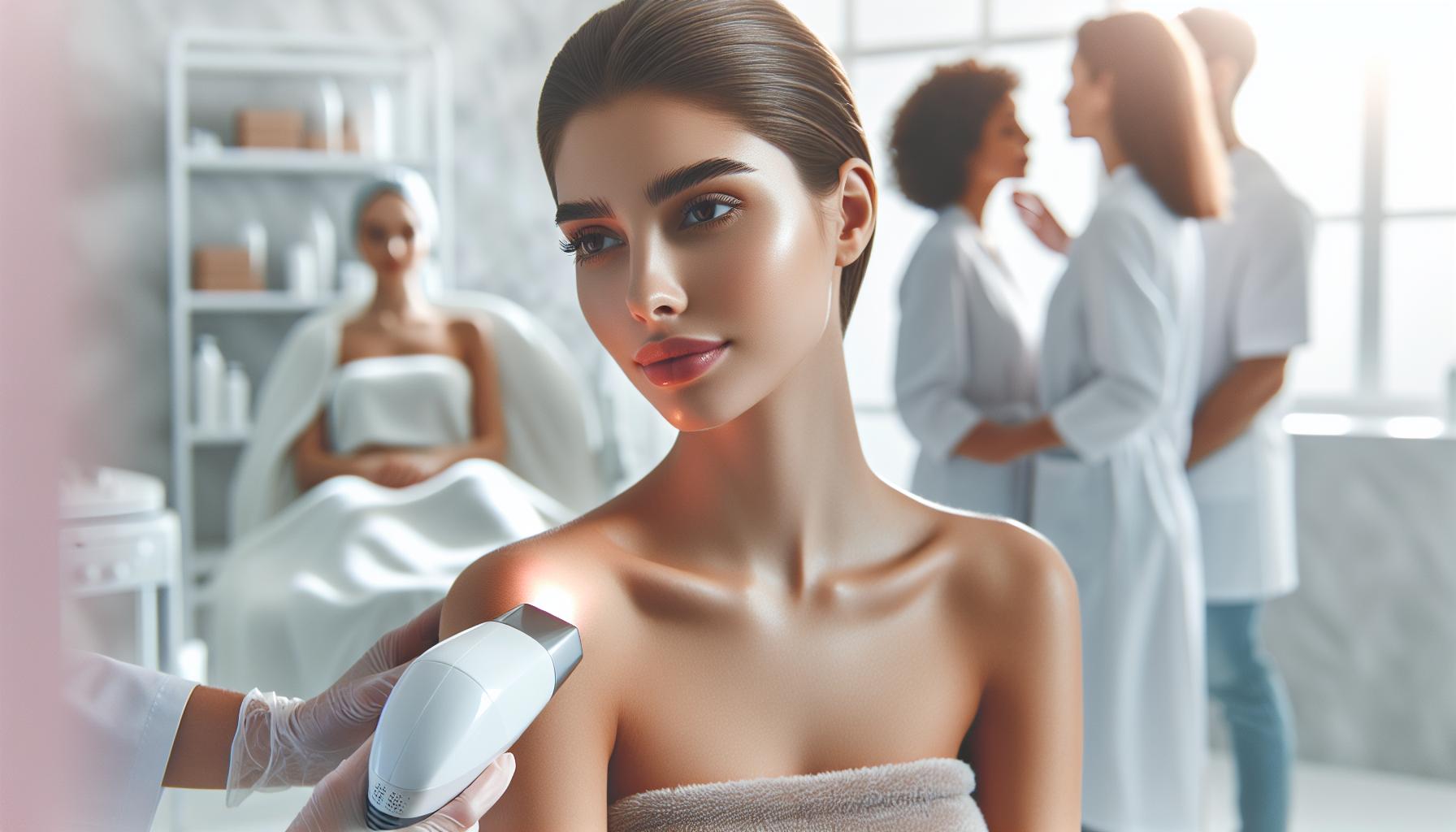
What to Expect During Your Laser Hair Removal Session
When considering laser hair removal, understanding what happens during your session can greatly ease any apprehensions about the experience. many prospective clients wonder, “Does laser hair removal hurt?” While individual experiences may vary, entering your appointment equipped with knowledge can help set your mind at ease.
Before the Treatment
Prior to your appointment, expect some preparatory measures from your technician. Typically, you will need to shave the area being treated a day or two before your session to ensure optimal results and minimize discomfort. Avoid tweezing, waxing, or using depilatory creams for at least four weeks leading up to your session, as these methods can interfere with the laser’s ability to target the hair follicle effectively.
what Happens During the Session
Once you’re in the treatment room, your technician will outline the process and confirm your comfort level. Most sessions last from 15 minutes to an hour, depending on the size of the area being treated. To further ease your worries about discomfort, many clinics employ cooling devices or topical anesthetics to numb the skin. Here’s what typically takes place:
- Consultation: A brief discussion to ensure your understanding and comfort.
- Protection: You will be given protective eyewear to shield your eyes from the laser’s light.
- Laser Treatment: The technician will use a handheld device, directing laser light at the targeted hairs. You may experience a sensation akin to a rubber band snapping against the skin.
- Cooling and Soothing: Post-treatment, some clinics apply cooling gels or provide ice packs to alleviate any immediate discomfort.
aftercare considerations
Once the session is complete, it’s essential to follow aftercare instructions for optimal results. Cool the treated area as instructed and avoid sun exposure for at least two weeks to minimize the risk of pigmentation changes. Typical side effects may include slight redness or swelling, resembling a mild sunburn, which usually subsides within a few hours to a couple of days.
one of the best parts about laser hair removal is its long-term effectiveness. Many clients report a significant reduction in hair growth after their sessions, making the temporary discomfort a worthwhile investment in a smoother, hair-free future.
Preparing for Your Appointment: Essential Pre-Treatment Steps
Preparing for a laser hair removal appointment is crucial to ensure a smooth experience and optimal results. The anticipation of how laser treatment might feel often leads to questions like, “Does laser hair removal hurt?” Understanding what to expect and how to prepare can significantly reduce anxiety and improve your comfort level during the procedure.
To make the most out of your laser hair removal experience, consider the following essential pre-treatment steps:
Consultation and Skin Assessment
Before anything else, it’s important to schedule a consultation with a licensed professional. During this initial visit, the specialist will:
- Evaluate your skin type and hair color.
- Discuss your medical history, including any skin issues or previous hair removal methods.
- Set clear expectations regarding session length, number of treatments needed, and potential discomfort.
This assessment is necessary to tailor the treatment specifically to your needs and determine the most effective laser settings.
Avoid Certain Products and Treatments
In the days leading up to your appointment, it’s vital to avoid products that can irritate your skin.This includes:
- Exfoliants: Steer clear of scrubs or chemical exfoliants that can make your skin sensitive.
- Tanning: Avoid sun exposure or tanning products, as tanned skin can increase the risk of complications and affect treatment effectiveness.
- Medications: If you’re on any medications that increase skin sensitivity, such as certain antibiotics, consult your practitioner about what you should do.
By keeping your skin calm and free from irritants, you set the stage for a more effective and less painful experience.
Shave the Area to Be Treated
It’s recommended to shave the area you’ll be having treated 24 hours prior to your appointment. This helps to prevent burns and allows the laser to target hair follicles more effectively.Here’s how to do it right:
| Step | Details |
|---|---|
| 1. Choose the Right Razor | Use a clean, sharp razor to minimize irritation and cuts. |
| 2. moisturize | Apply shaving cream or gel to hydrate your skin before shaving. |
| 3. Shave in the Direction of Hair Growth | This reduces the risk of ingrown hairs and irritation. |
| 4.Cleanse the Skin | Wash the area afterward to remove any product residue. |
Following these grooming tips will not only enhance your treatment results but also promote a comfortable experience.
By taking these essential pre-treatment steps, you can minimize discomfort and maximize effectiveness during your laser hair removal journey. understanding what to expect and adequately preparing ensures you enter your appointment with confidence, ready to embrace the benefits of laser hair removal.
Post-Treatment Care: Enhancing Results and Comfort
When embarking on the journey of laser hair removal, the experience doesn’t end in the treatment room; actually, post-treatment care plays a crucial role in enhancing the results and ensuring your comfort. Many individuals often wonder, “Does laser hair removal hurt?” and while the discomfort can be minimal during the session, the aftercare is essential to navigating any potential side effects.
Understanding Post-Treatment Needs
After your session, the skin may feel sensitive and appear slightly red or swollen, similar to a mild sunburn. To optimize healing and ensure the best results, follow these essential post-treatment guidelines:
- Cool Compress: Apply a cool compress to the treated area for 10-15 minutes to alleviate any discomfort and reduce swelling.
- Avoid sun Exposure: It’s crucial to protect your skin from UV rays for at least two weeks post-treatment. Consider using a sunscreen with SPF 30 or higher on any areas exposed to sunlight.
- Moisturize: Keep the treated area hydrated using gentle, alcohol-free moisturizers, which can soothe the skin and prevent dryness.
- Skip the heat: Avoid hot showers, saunas, and intense workouts for a couple of days, as heat can aggravate the skin further.
Monitoring Results and Potential Side Effects
Staying attuned to your skin’s response is key to your post-treatment success. It’s typical for the hair to fall out gradually over the weeks following the procedure, and awareness of any unusual side effects is necessary. Here’s a quick reference table to help identify common reactions:
| Reaction | Normal Appearance | When to Seek Help |
|---|---|---|
| Redness & Swelling | Minor redness for 1-2 hours | Persistent redness or swelling after 48 hours |
| Bumps | Small, localized bumps | Increased swelling or pus formation |
| Itching | Mild itching, similar to sunburn | Severe itching requiring medication |
Long-Term Care Strategies
To extend the benefits of laser hair removal and keep your skin in superb condition, consider integrating these long-term care practices into your routine:
- Follow-Up Treatments: Adhere to your recommended treatment schedule. Additional sessions can ensure optimal results and address any residual hair growth.
- Gentle Skincare Routine: Use mild, fragrance-free products that are hypoallergenic to keep your skin clean without irritation.
- Consult Your Specialist: if you experience excessive discomfort or notice anything abnormal, don’t hesitate to reach out to your practitioner for advice.
By following these post-treatment care instructions, you’ll not only enhance your results from laser hair removal but also ensure a smoother, more comfortable recovery. As with any cosmetic procedure, being proactive about aftercare can significantly boost your confidence and satisfaction with the final outcome.
Debunking Common Myths About Laser Hair Removal
Laser hair removal is frequently enough shrouded in myths that can deter individuals from exploring this effective hair removal method.understanding the reality behind these misconceptions is crucial for making an informed decision. While some may ponder about the discomfort associated with laser hair removal, it’s essential to separate fact from fiction to alleviate concerns and encourage individuals to pursue this long-lasting solution.
One common myth is that laser hair removal is excruciatingly painful. In reality, most patients report that the sensation feels more like a gentle snap of a rubber band against the skin rather than intense pain. Modern laser technologies are specifically designed with built-in cooling mechanisms that help minimize discomfort. Moreover, many clinics offer topical anesthetics to ensure a comfortable experience.Another frequent misconception revolves around the effectiveness of the treatment on various skin types and hair colors. Some believe that laser hair removal only works on light skin and dark hair. While it’s true that greater contrast yields better results, advancements in laser technology have made it possible to target a wider range of hair colors and skin tones. For instance, newer laser systems can effectively treat individuals with darker skin or lighter hair, expanding access to this hair removal method.
a prevalent belief is that laser hair removal provides immediate results,leading to a false expectation about the treatment. Users of laser hair removal should be prepared for multiple sessions to achieve optimal outcomes. Hair grows in different cycles, and effective destruction of the hair follicle requires treatment during the active growth phase. Consequently,multiple treatments spaced several weeks apart are typically necessary to reach a satisfactory reduction in hair growth.
| Myth | Reality |
|---|---|
| Laser hair removal is extremely painful. | Most people describe it as a mild sensation; cooling methods and anesthetics can further reduce discomfort. |
| It only works on certain skin types or hair colors. | Newer technologies allow for effective treatment across various skin tones and hair colors. |
| Results are instantaneous after one treatment. | Multiple sessions are needed due to hair growth cycles for effective long-term results. |
By debunking these myths surrounding laser hair removal, potential candidates can approach their treatment with a clearer understanding and less apprehension. This knowledge empowers individuals to take the plunge and explore the benefits of a method that can provide lasting results with minimal hassle.
FAQ
Does laser hair removal hurt?
Laser hair removal can cause some discomfort, but it’s typically tolerable. Many describe the sensation as similar to a rubber band snapping against the skin. Most users find the pain manageable and temporary, especially with proper preparation.
Each person’s pain threshold varies, and areas with denser hair may feel more sensitive. To minimize discomfort, professionals frequently enough use cooling methods or topical anesthetics during the procedure. If you’d like to learn more about pain management, check our article on pain management during laser hair removal.
What should I expect during laser hair removal?
During laser hair removal, you can expect a quick and efficient process. The treatment typically lasts from a few minutes to an hour, depending on the treatment area. you’ll first undergo a consultation to discuss your goals and develop a personalized plan.
The procedure involves using a laser to target hair follicles, which may result in mild discomfort. Post-treatment,you might experience skin irritation or redness,which usually subsides within a few hours. Following your technician’s aftercare instructions is crucial for optimal results.
How should I prepare for laser hair removal?
Preparing for laser hair removal is essential for effective results. Start by avoiding sun exposure and tanning products at least two weeks before your session.Additionally, avoid waxing or plucking hair in the targeted area for about six weeks prior.
Ensure your skin is clean and free from lotions or makeup on the treatment day. consult with your technician about any medications you take, as some can increase skin sensitivity. Following these preparation steps can enhance the effectiveness and comfort of your treatment.
Why does laser hair removal cause discomfort?
Laser hair removal can cause discomfort due to the nature of the treatment. The laser emits pulses of light energy that target hair follicles, leading to heat that may impact the surrounding skin. This heat is what users commonly experience as pain.
The level of discomfort can vary based on skin type, hair thickness, and sensitivity. Technicians often employ cooling devices to soothe the skin and mitigate pain. Understanding *why* this discomfort occurs can help you approach the treatment with a more informed mindset.
Can I use pain relief methods before treatment?
Yes, you can use pain relief methods before laser hair removal to alleviate discomfort. Many professionals recommend applying a topical anesthetic cream to the treatment area 30 to 45 minutes before your appointment.
Additionally, over-the-counter pain relievers like ibuprofen may help reduce sensitivity. Always consult with your technician before using any pain management methods to ensure compatibility with your treatment plan.
What happens after laser hair removal?
After laser hair removal, it’s normal to experience some side effects. You may notice redness, swelling, or a slight burning sensation in the treated area, similar to a mild sunburn. These effects usually fade within a few hours to a few days.
It’s essential to follow post-treatment care instructions, which may include avoiding sun exposure and using soothing lotion. Understanding what to expect post-treatment helps mitigate any concerns and allows for a smoother recovery.
Is laser hair removal safe for all skin types?
Laser hair removal is generally safe for most skin types, but effectiveness varies. Advances in technology have made it easier to treat a broader range of skin tones and hair colors, though consultation with a professional is crucial to ensure your safety and desired results.
Some lasers are specifically designed for darker skin tones, which minimizes the risk of skin damage while delivering effective hair reduction. Always seek professional advice to choose the right technique tailored to your skin type and hair.
In Conclusion
understanding what to expect from laser hair removal can be pivotal in alleviating concerns about discomfort and ensuring a positive experience. While many report only mild sensations akin to a rubber band snap, personal pain thresholds vary, and some areas may be more sensitive than others. Preparing effectively—including shaving the treatment area beforehand and discussing anesthetic options with your provider—can also contribute to a smoother process.Embrace the journey towards smoother skin with confidence. Explore further to learn about aftercare, potential side effects, and how to choose the right laser technology for your unique needs. Armed with the right knowledge and preparation, you can make informed decisions that cater to your hair removal goals, fostering a satisfying and liberating experience. For more insights and support on your hair removal journey, keep engaging with our content and reach out with your questions—we’re here to help!


