Are you struggling with greasy hair after using pomade? Many enthusiasts face this common styling dilemma, questioning the trade-offs between hold and shine. understanding how to apply pomade effectively can be a game-changer in achieving that polished look without unwanted oiliness, ensuring your hair stays fresh and stylish all day.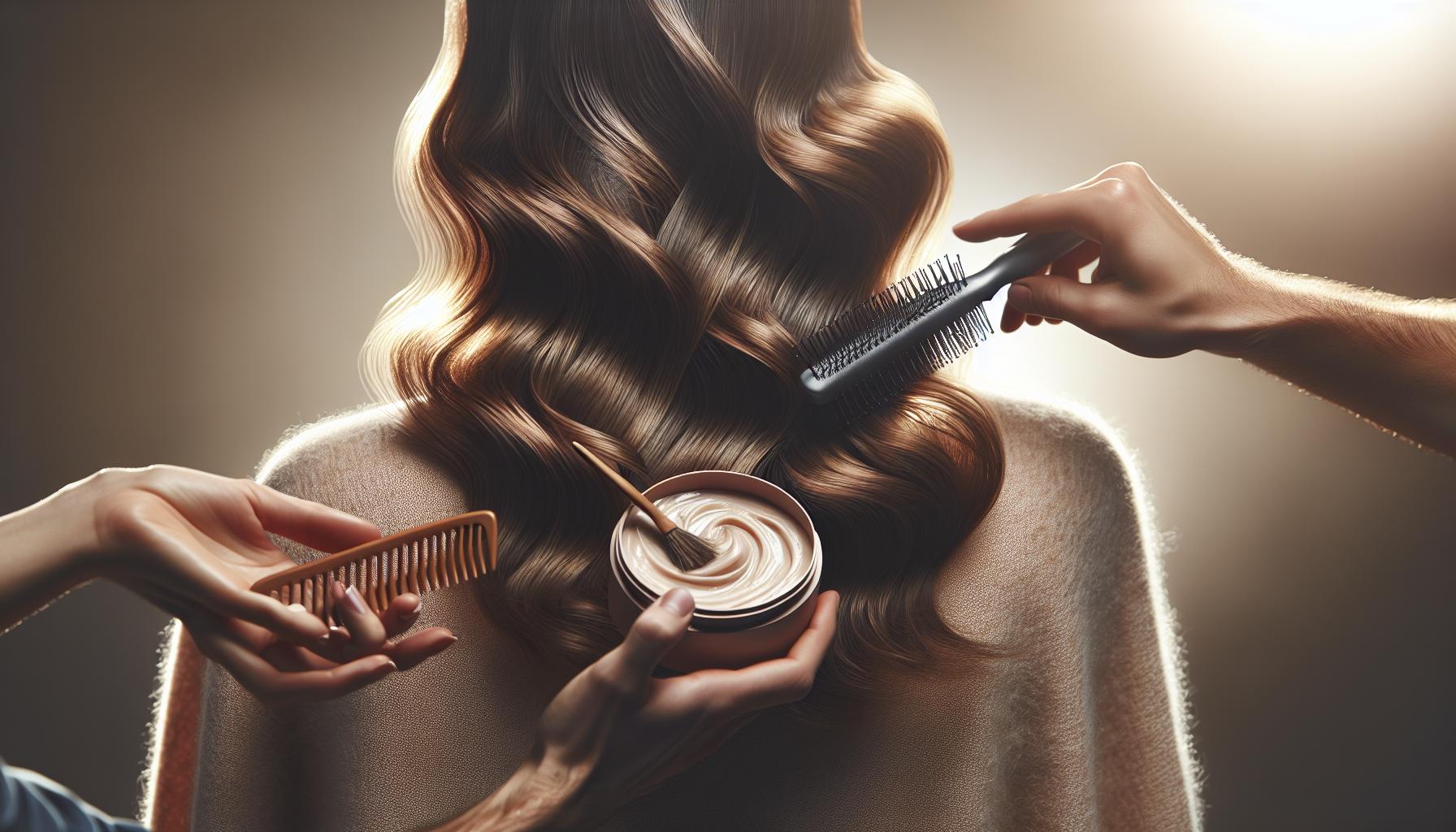
Contents
- Understanding Pomade: What Is It and How Does It Work?
- The Grease Factor: Can Pomade Really Make Your Hair Oily?
- Choosing the Right Type of Pomade for Your Hair Texture
- Tips for Applying Pomade: Techniques for a Non-Greasy Finish
- The Role of Hair Products in your Styling Routine
- Common Mistakes When using Pomade and How to Avoid Them
- managing Greasiness: how to Refresh Your Hair Between Washes
- Alternatives to Pomade: Exploring Other Styling Options for Your Hair
- Frequently Asked Questions
- Final Thoughts
Understanding Pomade: What Is It and How Does It Work?
When it comes to hairstyling products, pomade stands out as a versatile choice, capable of transforming your look with a single application. For many, a key concern is whether pomade makes hair greasy. Understanding the composition, function, and various styles of pomade can help in making informed decisions about its use and benefits.
What is pomade?
Pomade is a hairstyling product that offers a medium to high hold with varying levels of shine. Traditionally made from petroleum, beeswax, or lanolin, pomades come in two main types: water-based and oil-based.
- Water-Based Pomade: This variety is easier to wash out, making it a popular choice for everyday use. It provides a more natural finish and is typically less greasy.
- Oil-Based Pomade: This type offers a stronger hold and more shine but can leave hair feeling greasier, as it does not wash out easily.
The flexibility of pomade allows for creating a variety of styles, from sleek and polished looks to tousled and textured finishes.
How Does Pomade Work?
The efficacy of pomade lies in its ability to coat hair strands and alter their structure temporarily. When applied, pomade allows for manipulation of the hair, providing control over texture, volume, and style. Here’s how it works:
- Application: A small amount of pomade is typically rubbed between the palms and then distributed evenly throughout dry or slightly damp hair.
- Styling: After application, hair can be styled using fingers, a comb, or a brush, depending on the desired finish. The product’s tackiness allows for shaping and defines locks without creating stiffness.
- Longevity: Pomade can hold styles for several hours, making it suitable for long days or evenings out.
Best Practices to Avoid Greasiness
To prevent the common concern of hair becoming greasy when using pomade, consider thes best practices:
| Practice | Description |
|---|---|
| Choose the Right type | Opt for water-based pomades for a lighter finish that’s easier to clean. |
| Use Sparingly | Apply a small amount to start,adding more as needed for styling.This helps to minimize a greasy feel. |
| Application Technique | Ensure even distribution to avoid clumping, which can create a greasy look. |
| Regular Wash | Regularly wash your hair to remove buildup, especially with oil-based pomades. |
By understanding the nature of pomade and how to apply it effectively, you can achieve a stylish look without the greasy aftermath. Whether you’re going for a classic slick back or a modern textured style, incorporating the right practices ensures you maintain control over your hair’s health and appearance.
The Grease Factor: Can Pomade Really Make Your Hair Oily?
Hair styling can be a delicate balancing act between achieving your desired look and maintaining a healthy, non-greasy appearance. Many users wonder about the impact of styling products, especially pomade, on the oiliness of their hair. The question that frequently arises is whether pomade can actually make your hair greasy. Understanding how pomades work and adopting the right techniques can definitely help you enjoy the benefits of this versatile styling product without turning your locks into a shiny mess.
Understanding Pomade
Pomades are frequently enough oil-based or water-based styling products designed to give your hair a defined hold with varying levels of shine. The formula you choose considerably influences whether it will contribute to greasiness. Oil-based pomades, typically containing ingredients like petroleum or lanolin, can add a greasy texture if applied improperly or in excess. In contrast, water-based pomades offer a lighter feel and are usually easier to wash out, reducing the likelihood of an oily finish.
Best Practices to Prevent Oily Hair
To avoid the greasy look that some pomades can impart, consider these best practices:
- Start With Less: Less is often more when it comes to pomade. Begin with a small amount and gradually increase as needed.
- Application Technique: Warm the pomade between your palms before applying it. this makes it easier to distribute evenly throughout your hair.
- Choose the Right Product: Opt for water-based pomades if you have fine hair, as they provide a lighter finish and better washability. Those with thicker or curly hair might prefer oil-based formulas but should apply them sparingly.
- Maintain Clean Hair: Ensure your hair is clean and free of product build-up before applying pomade. Regular washing helps control any natural oils your scalp produces.
for many people, the key is in the balance. Assess your hair type and styling needs to choose the right pomade for you. It can be beneficial to experiment with different amounts and methods of application until you find the right combination that achieves the desired hold without excess oiliness.
| Hair Type | Recommended Pomade | Application Amount | Wash Frequency |
|---|---|---|---|
| Fine | Water-based | Pea-sized | 2-3 times a week |
| Thick/Coarse | Oil-based or water-based | Nickel-sized | 1-2 times a week |
| Curly | Oil-based | Quarter-sized | 1-2 times a week |
Employing the right styling practices can greatly enhance your results while avoiding the greasy pitfalls associated with pomade use. By understanding how different formulas interact with your hair type and adjusting your application accordingly, you can confidently rock your pomade-styled hair without the worry of excess oil.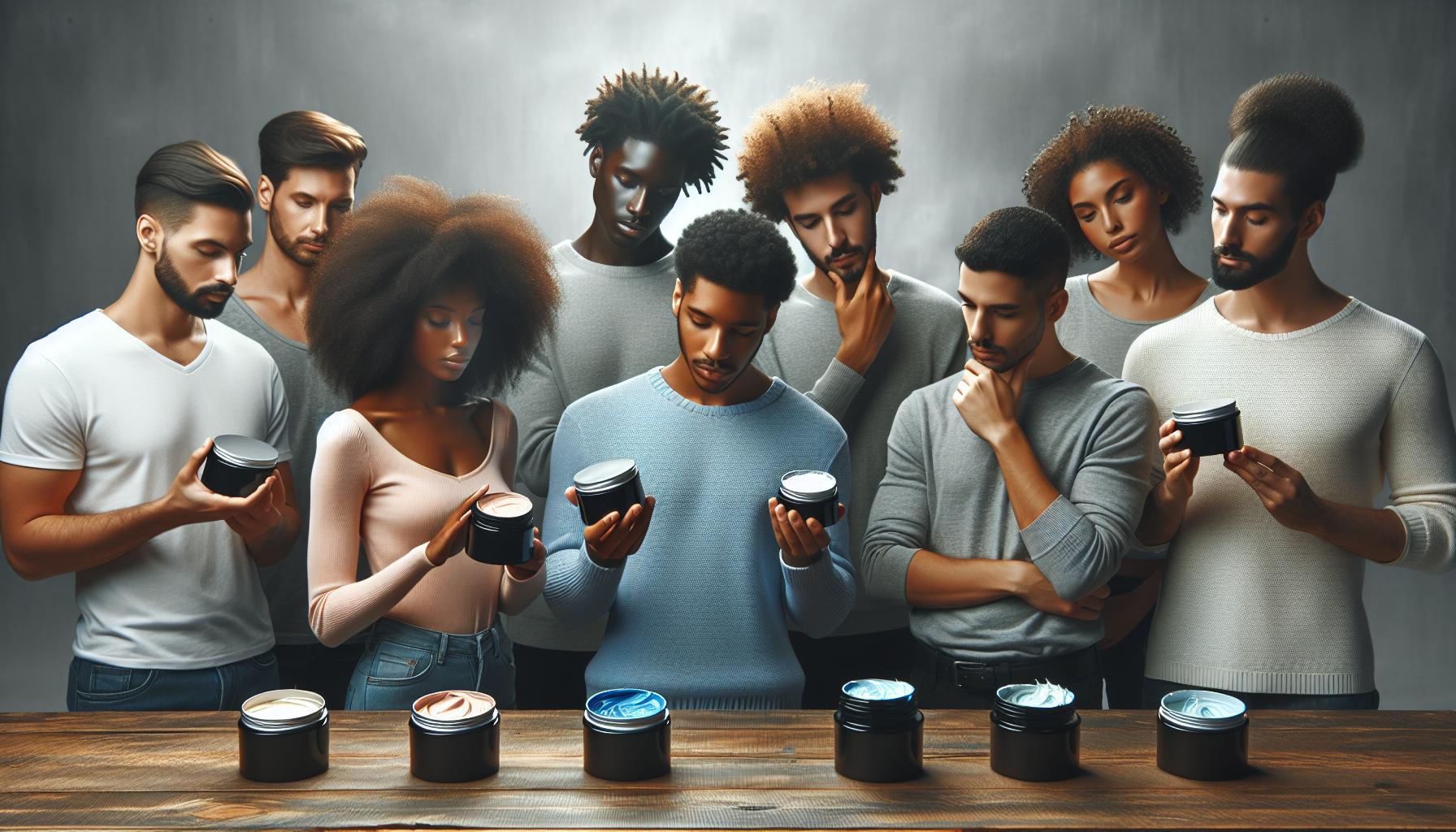
Choosing the Right Type of Pomade for Your Hair Texture
When it comes to crafting the perfect hairstyle, choosing the right type of pomade can make all the difference, especially considering how various formulations interact with different hair textures. It’s essential to understand that not all pomades are created equal, and knowing your hair type can significantly influence the effectiveness of your styling product. Since many individuals wonder, does pomade make hair greasy? Understanding your options can help you achieve the desired finish without an unwanted oily look.
Understanding Hair Textures
To find the ideal pomade, you should first identify your hair texture, as it dictates how well products will perform. Here’s a breakdown of common hair types:
- Fine Hair: Fine hair tends to be more susceptible to becoming greasy. Lightweight, water-based pomades with a matte finish work best, providing hold without weighing the hair down.
- Medium Hair: this hair type can handle a bit more product. Creamy pomades offer versatility, allowing you to achieve either a sleek or tousled look without excess greasiness.
- Thick Hair: For thicker strands, heavier pomades or waxes can help tame and shape your mane. Look for those that provide a strong hold to manage volume while preventing a greasy appearance.
- Curly Hair: Curly textures benefit from pomades that provide moisture and definition. Opt for products labeled as curl-enhancing or moisturizing to avoid frizz without adding too much shine.
Choosing the Right Pomade
Once you’ve identified your hair texture,consider the following characteristics of pomades to ensure you select one that suits your needs:
| Pomade Type | Best For | Finish |
|---|---|---|
| Matte Pomade | Fine to Medium Hair | Natural matte |
| Cream Pomade | Medium Hair | Soft hold |
| Heavy Wax | Thick or Coarse Hair | Semi-matte to glossy |
| moisturizing Pomade | Curly or Textured Hair | Shiny with definition |
Applying Pomade Effectively
Additionally,application techniques can enhance the outcome of using pomade,allowing you to maintain a polished look without a greasy finish. Here are some actions to consider:
- Start Small: Use a dime-sized amount of pomade, warming it between your hands before application. This ensures even distribution without overloading your hair.
- Focus on the Ends: For a more natural look, apply product to the ends of your hair first, gradually working it towards the roots. This prevents excess oil from pooling at the scalp.
- Style with Purpose: Experiment with different styling methods, such as finger-combing for a softer appearance or a comb for a defined look, depending on your desired outcome.
By understanding the nuances of pomade and hair texture, you’ll be equipped to avoid the potential pitfall of an overly greasy hairstyle.With the right product and application technique, you can achieve optimal style without sacrificing the health and appearance of your hair.
Tips for Applying Pomade: Techniques for a Non-Greasy Finish
When it comes to achieving that flawless hairstyle with pomade, many worry about the possibility of ending up with greasy-looking locks. The truth is, with the right techniques, you can master the art of applying pomade to ensure a polished finish without the slick, oily appearance. Understanding how to use this versatile styling product effectively can transform not only your hair but also your daily routine.
Preparation is Key
Before you even think about applying pomade, it’s essential to start with clean, dry hair. This foundational step helps diminish excess oils that can lead to a greasy finish. Follow these preparatory steps for optimal results:
- Wash Your Hair: Start with a gentle shampoo and conditioner to remove any product buildup or oils.
- Towel-Dry the Hair: Gently pat your hair with a towel until it’s damp but not dripping wet.
- Use a Heat Tool (Optional): If your hair tends to be unruly, consider using a blow dryer to style it into place as you apply the pomade.
Applying the Pomade
Now that your hair is prepped, it’s time for application. The method you choose can significantly impact the final look:
- Start Small: Initially,scoop a small amount of pomade (about the size of a dime) into your palms. You can always add more if needed.
- Emulsify: Rub your palms together to warm the product, making it easier to distribute evenly throughout your hair.
- Apply Evenly: Begin at the back and work your way to the front.Use your fingers to work the pomade through your hair, ensuring an even distribution without clumping.
Finishing Touches for a Non-Greasy Look
To enhance your styling process and fend off any greasy appearance, consider these additional tips:
- Use a Little Product: Less is more; increase the amount only if absolutely necessary.too much pomade is a common culprit for greasy-looking hair.
- Style with a Comb: Use a fine-toothed comb to refine your look after applying pomade. This helps blend the product and gives a more polished finish.
- Set with a Hair Spray: For added hold and to keep the style in place throughout the day, follow with a light hair spray. This will help lock in your styled look without adding grease.
By understanding the best practices from “Does pomade make hair greasy? Best Styling Practices,” and carefully implementing these techniques, you can achieve a refined hairstyle that stays fresh without succumbing to a greasy finish. Adopting these applications not only promotes a neater appearance but also boosts your confidence in daily styling.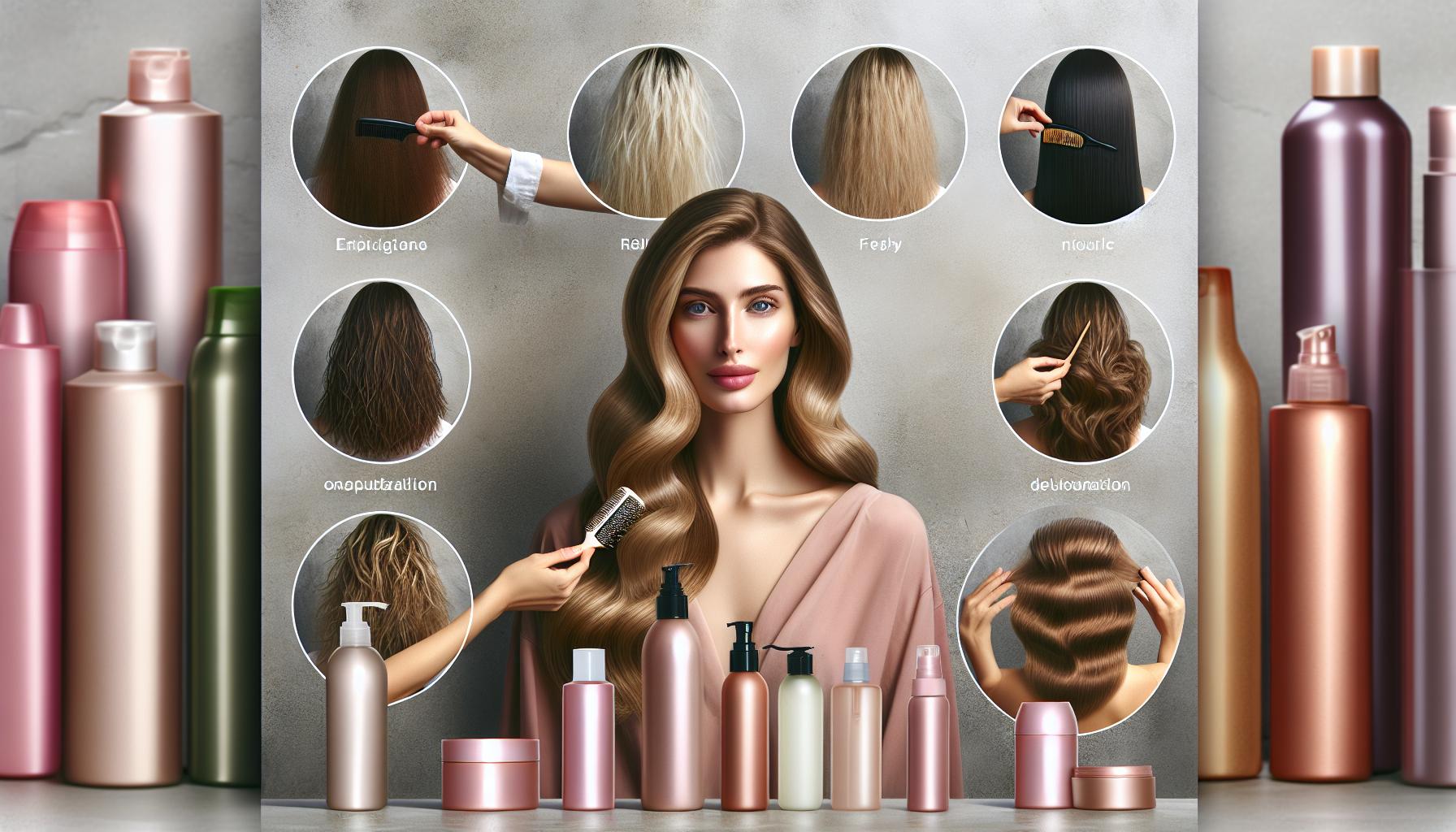
The Role of Hair Products in your Styling Routine
In the modern world of hair styling, the right products can transform not just your hair but your entire look. A well-chosen styling product can add texture, control frizz, and enhance volume, making it a critical component of your daily routine. However, with myriad options available, many individuals wonder about the implications of certain products, such as pomade, on their hair’s appearance. specifically, questions arise about whether pomade makes hair greasy, which can be a determining factor in your styling choices and practices.
Understanding Pomade and Its Effects
Pomade is traditionally known for its glossy finish and strong hold, making it a favorite among those looking to achieve a sleek style. Though, its formulation can lead to varying results depending on hair type and application technique. To prevent your hair from becoming greasy—an often-cited concern surrounding pomade—consider the following:
- Choose the Right Formula: Water-based pomades tend to offer a lighter hold and are easier to wash out than oil-based versions, which can contribute to a greasy appearance.
- Apply Sparingly: A little goes a long way. Start with a small amount and gradually add more as needed to find the right balance.
- Focus on Application Technique: Distribute product evenly through dry or slightly damp hair to avoid clumping and needless buildup.
Enhancing Your Styling Routine
Incorporating hair products effectively into your styling routine not only helps avoid greasiness but also allows for more versatility in your looks. Combine different products to address various styling goals. For example, pairing a volumizing spray with a lightweight pomade can create a fuller style without excess weight or shine.
Additionally, understanding your hair’s unique characteristics—such as its texture, density, and moisture levels—can guide you in selecting the most suitable products. If you have fine hair, look for lightweight textures that won’t overwhelm your strands. For thicker hair types, a stronger hold with a bit of shine can be beneficial, but always consider the product’s finish to avoid the greasy look.
Practical Steps for Optimal Styling
To further optimize your hair styling practices while avoiding greasiness, follow these actionable steps:
| Step | Description |
|---|---|
| 1. Start Clean | Use a clarifying shampoo to remove product buildup before styling. |
| 2.Condition Wisely | Apply a light leave-in conditioner to damp hair for moisture without heaviness. |
| 3. Select the Right Products | Opt for water-based or lightweight products to minimize greasiness. |
| 4. Monitor Application | Apply styling products gradually, checking for desired hold and finish. |
By embracing these strategies, you can confidently navigate the question of whether pomade makes hair greasy and perfect your styling routine. Remember, the goal is not only to achieve your desired hairstyle but to maintain healthy hair that looks and feels great throughout the day.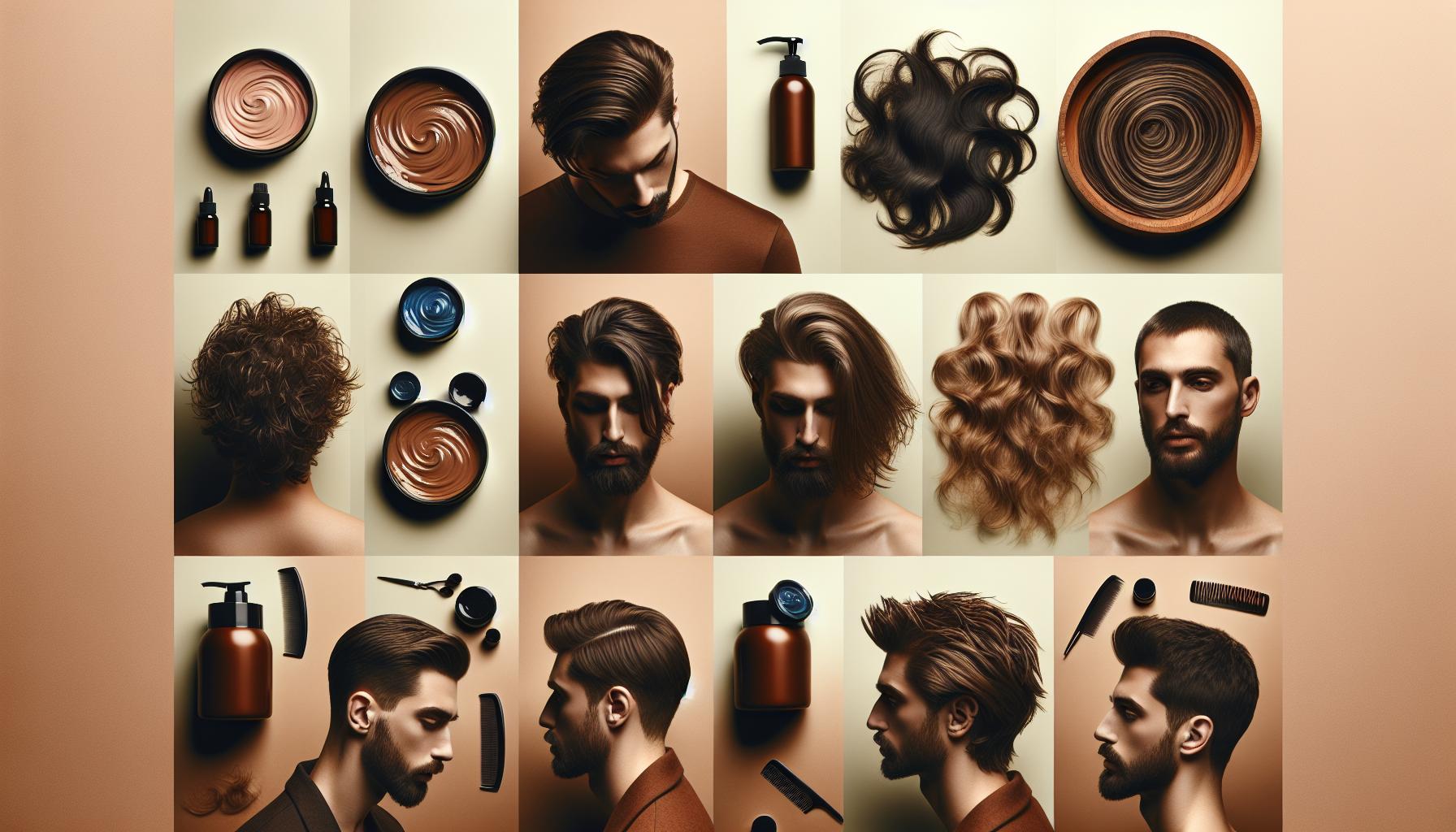
Common Mistakes When using Pomade and How to Avoid Them
Using pomade can transform your hairstyle, giving it structure and a polished finish. However, even the most straightforward product can lead to undesirable results if not used properly. Many individuals wonder, “does pomade make hair greasy?” this concern often stems from common mistakes made during application or choice of product. To achieve the perfect look while avoiding that dreaded greasy appearance, let’s examine some prevalent blunders in pomade use and how you can sidestep them.
Choosing the Wrong Type of Pomade
One of the first missteps is selecting a pomade that doesn’t suit your hair type or desired style. There are generally two types of pomade: water-based and oil-based. Water-based pomades are easier to wash out and can provide a lighter hold, making them a great choice for those with finer hair or who prefer a more natural look. Oil-based pomades, while offering a stronger and shinier finish, can leave the hair feeling heavy or greasy if overused.
- Tip: always examine the product label. For finer hair, opt for water-based varieties, while thicker or coarser hair types can benefit from oil-based options.
- Actionable Step: Consider trying a small sample before committing to a full-sized container, allowing you to see how it behaves with your hair.
Applying Too Much Product
Another frequently encountered issue is the excessive use of pomade. The adage “less is more” rings especially true in the realm of hairstyling.Applying too much pomade can weight your hair down, leading it to appear greasy and unkempt rather than styled and polished.
- Tip: Start with a small amount, approximately the size of a dime. You can always add more if needed, but it’s challenging to remove excess product once applied.
- actionable Step: Use your fingers to distribute the pomade evenly before applying to your hair. This ensures you have a controlled application.
Neglecting to Warm Up the product
Insufficient warming of the pomade before application is another mistake that can lead to uneven distribution. When applied directly from the container, the product may clump together, resulting in a less desirable look.
- Tip: Rub the pomade between your palms until it’s pliable and warm. This not only helps in achieving a more even consistency but also aids in better adhesion to your hair strands.
- Actionable Step: Experiment with techniques, such as using a comb for a more structured application or your fingers for a more tousled look.
Failure to Wash Hair properly
Lastly, not regularly washing and maintaining your hair can accumulate product build-up, contributing to that greasy feeling many fear. Over time, pomade residue can lead to a dull appearance and irritation on the scalp.
- Tip: Integrate a clarifying shampoo into your hair care routine at least once a week to remove excess product build-up.
- Actionable Step: Follow up with a hydrating conditioner to maintain moisture balance after using a clarifying shampoo.
By being mindful of these common errors when using pomade, you can avoid the pitfalls that lead to greasy hair and enjoy the styling benefits without the drawbacks.Embracing best practices not only enhances your look but also maximizes the longevity and health of your hair.
managing Greasiness: how to Refresh Your Hair Between Washes
Proper hair care is essential, especially if you’re using products like pomade that can build up and lead to greasiness between washes. Many people wonder, “Does pomade make hair greasy?” The answer frequently enough lies in how you manage your hair and the products you choose. Thankfully, with a few smart techniques, you can keep your locks looking fresh and manageable, avoiding the heaviness that pomade can sometimes bring.
Understanding the Build-Up
before discussing refreshing techniques, it’s helpful to understand how and why greasiness occurs. Pomade, designed for hold and shine, can leave residue on your hair and scalp. Factors such as excessive product application, oily hair types, or even environmental conditions can increase this effect. To combat greasiness effectively, you need a balance of good styling practices and refreshment strategies.
Quick Refresh Techniques
- Dry Shampoo: This is a go-to solution for reviving greasy hair without a full wash. Simply spray or sprinkle it on your roots, let it absorb for a few minutes, and then brush it out to reveal softer, fresher locks.
- Blotting Paper: In a pinch, using facial blotting paper can help soak up excess oil at the roots. Gently press the paper against your scalp wherever you notice greasiness.
- Refreshing sprays: consider using water-based refreshing sprays that can add moisture while combating greasiness. These work best if your hair is styled with lighter products and may restore some life to your locks without requiring a wash.
Best Practices for Long-Term Management
Adopting consistent hair care practices minimizes the need for frequent refreshes. Here are some best tips to prevent excessive greasiness caused by pomade:
| Practice | Description |
|---|---|
| Wash Hair Regularly | Depending on your hair type, aim for washing every 2-3 days to prevent build-up and maintain scalp health. |
| Apply the Right Amount of Product | Start with a small amount of pomade. You can always add more, but it’s harder to remedy over-application. |
| Choose Lightweight Products | Opt for water-based pomades instead of oil-based ones, which tend to leave a heavier residue. |
| Brush Regularly | Brushing helps distribute oils evenly and can remove some build-up on the scalp. |
By implementing these techniques,you can effectively manage greasiness and maintain a fresh look between washes. Balancing product use with these revitalizing strategies ensures that your hair remains vibrant, stylish, and healthy, avoiding the nagging question of whether pomade makes hair greasy.
Alternatives to Pomade: Exploring Other Styling Options for Your Hair
When it comes to achieving that perfect hairstyle,many people turn to pomade for its longevity and versatility.though, with concerns about whether pomade makes hair greasy, it’s no wonder that some are searching for alternatives. The good news is that numerous other products and techniques can help you achieve your desired look without the heavy weight or shine that pomade often brings.
Exploring Hair Styling Alternatives
One option is to consider mousse, a lighter styling product ideal for adding volume and texture without the greasy residue. Mousse works well on various hair types and can provide a soft, natural finish. Simply apply a small amount to damp hair, scrunch, and allow it to air-dry or use a blow-dryer with a diffuser for enhanced volume.
Another fantastic choice is hair cream, which can offer a natural hold and is perfect for fine to medium hair types. Hair cream tends to provide a more understated shine, allowing for a more casual style without the heaviness of pomade. You can use it to smooth down frizz while maintaining movement in your locks.To apply, warm a small amount between your palms before working it through damp or dry hair.
A Quick Comparison of Styling Products
| Styling Product | Hold Type | grease Factor | Best For |
|---|---|---|---|
| Pomade | Medium to Strong | high | Thick or Curly Hair |
| Mousse | Light | Low | All Hair Types |
| Hair Cream | Medium | Very Low | Fine to Medium hair |
| Gel | Strong | Medium | Sleek Styles |
| Wax | Strong | Medium to High | Short to Medium Styles |
Additional Options for Styling
If you’re looking for a more natural approach, beeswax is another excellent alternative. It’s a natural sealer that can control flyaways while providing a flexible hold – perfect for those looking to style their hair without the fear of greasiness. Just remember to use it sparingly, as a little goes a long way.
Texturizing spray is also gaining popularity among those who want to bring out their hair’s natural beauty without sacrificing style. this lightweight product can add body and movement,making it suitable for all hair types.Simply spray it onto dry hair for a tousled, beachy effect that looks effortlessly chic.
By exploring these alternatives to pomade, you’re bound to find a styling option that meets your needs without leaving that annoying greasy residue. Consider your hair type, the desired style, and the finish you want, and give one of these alternatives a try!
Frequently Asked Questions
does pomade make hair greasy?
Yes, pomade can make hair greasy there are various types of pomade, including water-based and oil-based. While oil-based pomades provide a strong hold and high shine, they often leave hair looking greasier than their water-based counterparts. To minimize oiliness, consider using a small amount and applying it to slightly damp hair for better distribution. You can also explore our guide on best hair products for alternatives.
Pomade is a styling product that provides hold and shine to hair. It’s primarily made from either water or oil, affecting its application and finish. Oil-based pomades create a slick, shiny look and are perfect for structured styles like pompadours or slick backs. In contrast, water-based options offer a lighter hold and can be easily washed out, making them ideal for achieving a more natural look without greasy residue. Choosing the right type depends on your desired style and hair type.
Yes, you can use pomade on fine hair without making it greasy, but it’s essential to select a lightweight, water-based option and use it sparingly. For fine hair, applying too much product can weigh it down, leading to a flat and greasy appearance. Start with a pea-sized amount and gradually increase if necessary. Additionally, applying it to damp hair rather than dry hair can enhance the styling effect while controlling greasiness.
Pomade can make hair feel sticky due to its formulation, particularly with higher levels of waxes or oils that can create a thick texture. Sticky feelings are often associated with using too much product or not fully working it through your hair. To prevent stickiness, warm the pomade in your palms before application, ensuring even distribution. A small quantity is often sufficient to achieve your desired style without the unwanted stickiness.
The best practices for applying pomade include starting with clean, slightly damp hair and using a small amount to avoid greasiness. Begin by warming the pomade between your hands to make it easier to distribute. apply it evenly, focusing on the ends of your hair first and then working your way up.If you need more hold, add a bit at a time rather than applying too much initially. For tips on achieving the best results, check out our article on styling techniques.
If you regularly use pomade, it’s advisable to wash your hair daily or every other day to prevent buildup and greasiness. Oil-based pomades can lead to product accumulation, making your hair feel weighed down or dirty. A clarifying shampoo can be useful in removing stubborn residues. However, if you use lighter, water-based products, you may find that washing less frequently still allows for clean and styled hair.
Generally,pomade does not directly cause hair damage or loss, but improper use can contribute to issues like buildup and breakage over time. If left unwashed or excessively used, pomade can clog hair follicles and weaken hair strands. Always ensure to remove product with regular cleansing and avoid tight hairstyles that may lead to traction alopecia. For healthy hair, practice good hair hygiene and consult with a hairstylist if you notice thinning or weakening.What is pomade and how does it work?
Can I use pomade on fine hair without making it greasy?
why does pomade make my hair feel sticky?
What are the best practices for applying pomade?
how often should I wash my hair if I use pomade?
Can pomade cause hair damage or hair loss?
Final Thoughts
navigating the world of pomade and hair styling doesn’t have to be daunting. While it’s true that pomade can leave your hair looking greasy if not used correctly, understanding its properties and learning the best practices can help you achieve that coveted polished look without the unwanted shine. By choosing the right type of pomade for your hair type, applying it sparingly, and utilizing techniques like mixing with other products or direct application on damp hair, you can elevate your styling game.
If you’re frustrated with hair concerns such as greasiness, don’t hesitate to experiment and find what works best for you. Remember, the key lies in balance—embrace your hair’s natural texture while enhancing it with the right products. we invite you to explore further, try different techniques, and share your experiences. Your hair journey is unique, and with the right knowlege and tools, you can transform it from a source of concern to one of pride. Happy styling!