


Frizzy hair is more then just an annoying styling issue; it often signals underlying problems related to moisture levels, hair health, and environmental stressors. Understanding what your hair is trying to communicate can lead to effective care strategies. This guide unpacks the causes of frizz and offers insights to restore your locks to their smooth, vibrant self.
Contents
- Understanding frizz: the Science Behind Your Hair’s Behavior
- Common Causes of Frizzy Hair: Is It More Than Just Humidity?
- The Role of Hair Health: How Damage and Lack of Moisture Contribute to Frizz
- Decoding Your Hair’s Signals: What Your frizziness Might Be Trying to Tell You
- Products That Help: Debunking Myths and Exploring Effective Solutions
- Styling Techniques for Frizzy Hair: Mastering Control and Definition
- Embracing your Texture: Celebrating Frizz as Part of Your Hair’s Unique Personality
- Professional Insights: When to Seek Help from a Hairstylist or Dermatologist
- Q&A
- Final Thoughts
Understanding frizz: the Science Behind Your Hair’s Behavior
Understanding the intricacies of hair behavior reveals much about our locks’ health and the external factors that influence them. Many people experience frizz—an annoying but common hair concern—especially in humid conditions or after exposure to harsh treatments. The science behind frizzy hair stems from its structural properties and environmental interactions,making it a multifaceted problem that deserves attention and understanding.
Hair frizz is fundamentally linked to the cuticle, the outer layer of the hair shaft. When this protective layer becomes damaged or lifted due to dryness, excessive styling, or humidity, moisture can infiltrate the hair shaft, leading to altered textures. This results not only in frizzy strands but also in breakage and an overall lack of shine. The phenomenon is exacerbated in environments with high humidity, where water vapor in the air is absorbed by the hair, causing it to swell and the cuticle to open further. This condition essentially transforms the organized structure of the hair, leading to the wild, unruly appearance associated with frizz [[2](https://www.scientificamerican.com/article/why-hair-turns-curly-and-frizzy-in-the-summer-according-to-chemistry/)].
To combat frizz effectively,understanding hair porosity is crucial,as it dictates how well your hair retains moisture. high-porosity hair tends to absorb moisture quickly but also loses it easily, making it more susceptible to frizz [[3](https://odelebeauty.com/blogs/the-rinse/what-causes-frizzy-hair?srsltid=AfmBOoqn_TIS0LKiffeJP6rIMI7K1i4X8CqlYNir1sbw2w62Zty0zuV9)]. Here are some actionable steps you can take to manage frizz:
- Hydration is key: Invest in a good quality moisturizing shampoo and conditioner that can definitely help shield your hair from excessive moisture.
- limit heat styling: Try to minimize the use of heat tools, which can compromise the cuticle and lead to further frizz.
- Use anti-frizz treatments: Look for products containing silicones or oils. These create a barrier that helps to keep humidity out and moisture in [[1](https://www.oligclub.com/blogs/blog/untangling-the-science-of-frizzy-hair-understanding-what-causes-it-and-how-to-fight-it)].
- Consider a professional treatment: If you struggle with frizz despite home care, consult with a professional stylist about options like keratin treatments or deep conditioning to help seal the cuticle.
Each person’s hair is unique, so understanding what frizzy hair means for you can lead to personalized solutions that enhance both the texture and health of your hair. By decoding the underlying signals of your hair and implementing these strategies, you can regain control over your style and enjoy smoother, more manageable tresses.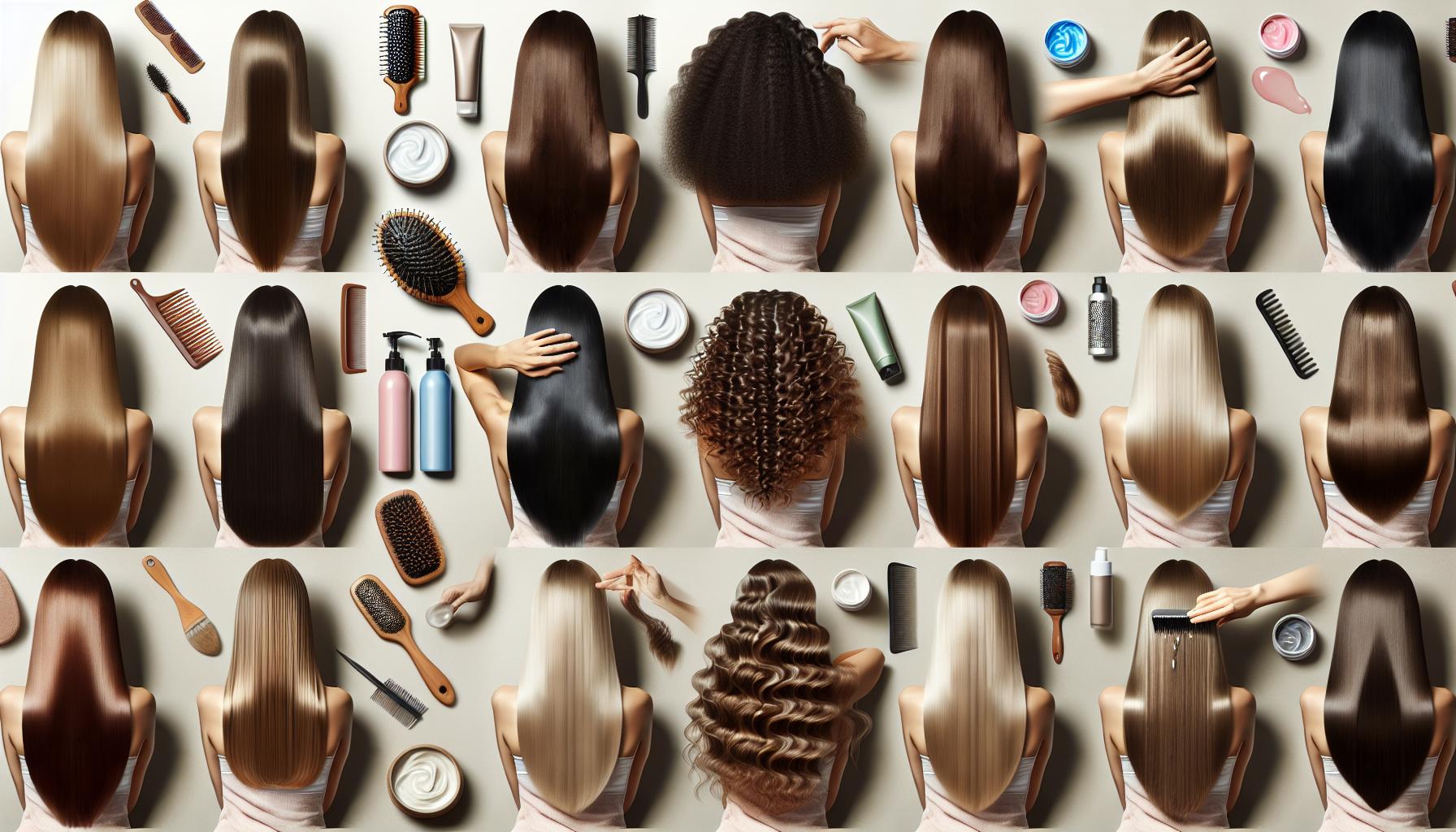
Common Causes of Frizzy Hair: Is It More Than Just Humidity?
Frizzy hair can feel like an unsolvable puzzle, especially when humidity isn’t the sole culprit. Many factors contribute to this texture challenge, making it essential to explore the reasons behind those flyaways and curls that appear uninvited. Understanding the various causes of frizzy hair is crucial not only for managing your locks but also for decoding their desperate signals—as highlighted in the exploration of frizz.
Understanding the Role of Humidity
It’s widely recognized that humidity is a primary factor in the occurrence of frizzy hair. When the air is saturated with moisture, hair absorbs this water, leading to the swelling of the hair shaft. This process can cause the cuticle, which is the outer layer of the hair, to become rough and uneven. Consequently, hair appears frizzy and unruly. The delicate hydrogen bonds that form between the proteins in your hair and water molecules unravel, altering the structure and making strands curlier and more prone to frizz [1[1].
other Contributing Factors
While humidity plays a meaningful role,several other factors can exacerbate frizz:
- Damage from Heat Styling: Frequent use of heated tools such as blow dryers,flat irons,and curling wands can strip hair of its natural moisture,leading to dryness and frizziness.
- Poor Hair Care Products: Choosing shampoos and conditioners that are harsh or contain high levels of alcohol can further irritate and dry out the hair. Instead, opt for sulfate-free and moisturizing products.
- Lack of Moisture: Under-hydrated hair is more susceptible to frizz. Regular deep conditioning treatments can help retain moisture and prevent frizzy hair.
- Environmental Factors: Pollution, sun exposure, and the use of harsh water can also diminish hair’s natural barrier, leading to increased frizz.
Tackling Frizz Effectively
To effectively combat frizz, assess your hair care routine and consider the following actionable steps:
- Switch to anti-frizz products that create a protective barrier against humidity.
- Incorporate leave-in conditioners or serums to seal moisture into the hair.
- Limit heat styling and utilize heat protectants when necesary.
- Schedule regular trims to eliminate split ends, which can contribute to a frizzy appearance.
By recognizing the multifaceted nature of frizzy hair, you can better understand what contributes to its behavior and take informed actions towards achieving smoother, healthier strands. Addressing issues beyond humidity can lead to significant improvements, enhancing your overall hair health and appearance.
The Role of Hair Health: How Damage and Lack of Moisture Contribute to Frizz
Frizz is not just a superficial annoyance; it’s a clear signal from your hair that it needs attention. Often, frizzy hair indicates deeper issues related to damage and moisture balance.Understanding the role of hair health in this context can empower you to address the root causes effectively. The interplay between hair damage, lack of moisture, and their contribution to frizz is a vital topic for anyone seeking smoother, more manageable locks.
When hair is damaged, its cuticle—the outer protective layer—becomes compromised.This damage can stem from various factors such as heat styling, chemical treatments, or environmental stressors like humidity and pollution. As the cuticle becomes rough and uneven, it fails to lie flat, causing strands to lift and ultimately resulting in frizz. Regular trims, ideally every 6-8 weeks, help maintain hair health by removing brittle ends and preventing further breakage, which is essential to reducing frizz over time [[1]].
Moisture levels play a crucial role in maintaining the integrity of your hair. Without sufficient hydration, hair can become dry and brittle, exacerbating frizz. In humid conditions, dry hair tends to absorb moisture from the air, swelling and leading to that frustrating frizzy look. To combat this, incorporating a consistent moisturizing routine is advisable. this includes the use of hydrating shampoos and conditioners, and also treatments like leave-in conditioners or hair oils, which can seal moisture into the hair shaft [[3]].
- Invest in Quality Products: Look for products specifically designed for frizzy hair, including those with moisturizing ingredients like argan oil or shea butter.
- Minimize heat Exposure: Reduce the frequency of heat styling and always use a heat protectant when you do.
- Dry Hair Gently: Rather of rubbing your hair with a towel, gently squeeze out excess water to prevent friction that contributes to frizz.
By recognizing how damage and moisture levels influence frizz, you can implement actionable strategies tailored to your hair’s specific needs. With the right care, you can decode the signals of your hair and transform its texture for more manageable, healthier hair over time.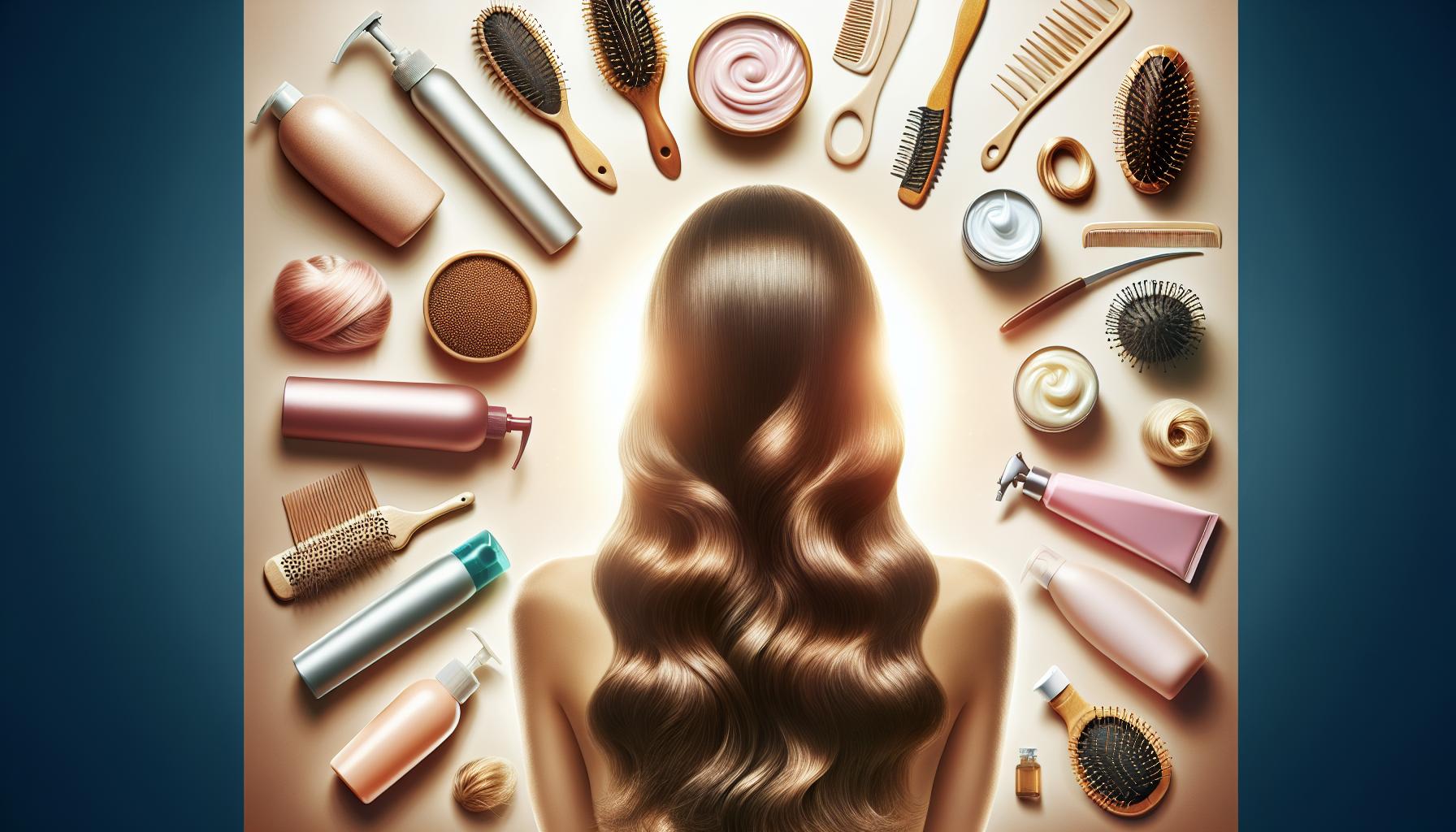
Decoding Your Hair’s Signals: What Your frizziness Might Be Trying to Tell You
Frizzy hair can be more than just a nuisance; it’s your hair’s way of communicating its needs. Understanding frizziness as a signal can help you unlock the key to healthier, more manageable hair. When hair appears frizzy, it often indicates a few underlying issues, primarily centered around moisture levels, damage, and even hair type. Addressing these factors can significantly improve the overall texture and appearance of your hair.
One of the primary reasons for frizz is a lack of moisture. When hair is dry, it seeks hydration from the environment, which can lead to that dreaded halo effect, especially in humid conditions.To combat this, consider incorporating a hydrating routine that includes deep conditioning treatments and leave-in moisturizers. Products that contain ingredients like argan oil, shea butter, and glycerin can help maintain moisture balance and reduce frizziness over time.
Moreover, the way you handle your hair can exacerbate frizz.Rough towel drying or excessive brushing can damage the hair cuticle, leading to increased frizz. Instead, opt for a microfiber towel or an old t-shirt to gently blot your hair after washing. Using a wide-toothed comb on wet hair can also minimize breakage and help maintain your hair’s natural pattern, weather it’s wavy, curly, or straight.
Understanding your specific hair type can also provide insights into managing frizz effectively. As a notable example, if you have curly or wavy hair, air-drying your hair with a curl cream can enhance your natural texture while minimizing frizz. On the other hand, straight hair may require smoothing serums or anti-frizz sprays for a polished finish. By paying attention to these signals and adjusting your hair care routine accordingly, you can alleviate frizz and express your hair’s natural beauty with confidence.
Products That Help: Debunking Myths and Exploring Effective Solutions
When it comes to understanding and treating frizzy hair,many myths can cloud our judgment,leaving us unsure about which products to trust. Frizzy hair often signals that your strands are dehydrated, and tackling this issue effectively requires a combination of the right products and techniques. A plethora of hair care solutions claim to tame frizz, but only a few deliver real results. To make informed choices, let’s debunk some myths and explore proven products that can definitely help nourish and smooth your hair.
Common Myths About Frizzy Hair products
- Myth 1: All oils are bad for frizzy hair.
- Myth 2: You should avoid all heat tools, even those designed for frizz control.
- Myth 3: Expensive products are always more effective.
These misconceptions can lead you to overlook genuinely effective treatments. For instance, using high-quality oils like Moroccan or argan oil can actually improve your hair’s health and reduce frizz by providing essential hydration and protecting against damage [[1](https://www.reddit.com/r/Haircare/comments/1dk259v/need_help_with_frizzy_hair/)].
Effective Products to Combat Frizz
To effectively manage frizzy hair, it’s crucial to implement a regimen that focuses on hydration and protection. Here are some categories of products that have shown positive results:
| Product Type | Key ingredients | Benefits |
|---|---|---|
| Moisturizing Shampoo | Argan oil, Shea butter | Hydrates hair and reduces frizz during cleansing. |
| Conditioner | Coconut oil, Amino acids | Seals in moisture and detangles hair, making it smoother. |
| Hair Serums | Silicones, Natural oils | Offers frizz control by creating a protective layer. |
| Heat Protectants | Polymers | Minimizes damage from styling tools,aiding in frizz prevention. |
Practical Tips for Use
In addition to selecting the right products, submission techniques can greatly enhance their effectiveness. For example, applying a serum to damp hair and then using a diffuser when blow-drying can help define curls while controlling frizz [[2](https://www.johnfrieda.com/en-au/blog/frizzy-hair-solutions/)].Furthermore, consider taking breaks from coloring your hair and limiting the use of heat tools to foster healthier hair overall. By embracing a routine that includes hydrating products and proper application methods, you can significantly improve the texture and appearance of your hair.
Understanding what frizzy hair means can lead you to select products that truly address its needs,combining the right knowledge with quality solutions to achieve smoother,healthier hair.
Styling Techniques for Frizzy Hair: Mastering Control and Definition
Understanding how to manage frizzy hair can significantly enhance your daily styling routine, giving you the control and definition you crave. Frizziness often signals a lack of moisture or damage, making it crucial to adopt techniques that focus on hydration and gentle handling. Here are some effective strategies to master your styling game.
Hydration is Key
To combat frizz, the first step is ensuring your hair is adequately hydrated. This can be achieved through:
- Deep Conditioning Treatments: Use a nourishing deep conditioner once a week. Look for products containing natural oils like argan or coconut oil, as they can help lock in moisture.
- Leave-In Conditioners: After washing, apply a leave-in conditioner to damp hair. This provides a moisture barrier that keeps frizz at bay throughout the day.
- Hair Oils: Consider using lightweight oils on the ends of your hair. A little goes a long way in taming flyaways and adding shine without weighing your hair down.
Choose the Right Products
Selecting the right styling products is crucial for reducing frizz and enhancing definition. Focus on the following categories to effectively manage frizz:
- Anti-Frizz Serums: Apply a small amount to damp or dry hair to smooth the hair cuticle and create a polished look.
- Moisturizing Mousses: If you’re looking to define curls or waves, a lightweight mousse can add volume and hold without the crunch.
- Humidity-Resistant Sprays: Finish your styling with a humidity-resistant hair spray to lock in your style against moisture in the air.
Smart Styling techniques
Incorporating smart techniques into your hairstyling routine will help maintain control and definition:
- Detangle With Care: Always detangle your hair while it’s wet and conditioned to prevent breakage and minimize frizz.
- Heat Styling Wisely: If you use heat tools, keep them on low settings.Use a heat protectant beforehand to prevent damage.
- Diffuser for Curls: For curly hair, use a diffuser attachment when blow-drying to enhance your natural texture without escalating frizz.
By understanding what frizzy hair means in relation to moisture and damage, and implementing these styling techniques, you can achieve a sleek and defined look effortlessly.whether you’re battling humidity or simply looking to control unruly strands, the key lies in hydration, product choice, and careful styling techniques that your hair will thank you for.
| Technique | Description |
|---|---|
| Deep Conditioning | Weekly treatments with nourishing ingredients. |
| Leave-In Conditioner | Moisture barrier applied post-wash for lasting hydration. |
| Anti-Frizz serum | Smoothing product to control frizz. |
Embracing your Texture: Celebrating Frizz as Part of Your Hair’s Unique Personality
Embracing frizz can transform your relationship with your hair, turning what many perceive as a flaw into a canvas for personal expression. Frizzy hair is frequently enough misunderstood; it’s not simply a sign of disobedient strands but a reflection of your hair’s unique characteristics. This texture can tell a story of resilience, individuality, and even beauty, echoing a journey that many have navigated. Understanding what frizzy hair signifies—often indicating dryness,humidity sensitivity,or damage—empowers you to embrace and celebrate its personality rather than hide it.
Understanding Frizz
Frizz occurs when moisture in the air interacts with the hair’s natural structure. Particularly for those with wavy or curly hair, this reaction can lead to the gorgeous chaos of frizzy strands. Instead of seeing this as something negative, reframe your viewpoint. Rather than battling the elements, equip your hair care routine with strategies to support and enhance your frizz. Here are practical steps to nurture your texture:
- Hydration is Key: Deep conditioning treatments and leave-in conditioners can revitalize and moisturize dry strands.
- Choose the Right Products: Look for styling products specifically designed for textured hair, such as curl creams or anti-frizz serums.
- Embrace Air-Drying: Allowing your hair to air-dry can promote natural texture without the heat damage associated with blow-drying.
- Adjust Your Washing Routine: Consider washing your hair less frequently to retain natural oils that help with hydration and shine.
Frizz as a Form of Self-expression
Just as art is subjective, your hair is an extension of your personality. Embracing your frizz can foster a sense of confidence that aligns with self-acceptance. Many people have documented their own journeys of embracing natural frizz and waves,reflecting on how it has connected them deeper to their cultural backgrounds and unique identities. As a notable example, incorporating your frizz into a signature hairstyle can be a powerful statement. Experiment with styles such as:
| Style | Description |
|---|---|
| Pineapple Updo | Gather your hair at the top of your head to preserve curls while embracing volume. |
| Braid It | Loose braids can enhance texture and reduce frizz while keeping hair manageable. |
| Half-Up, Half-Down | Kevy texture is shown off while offering some control of the volume on top. |
Through styles like these, frizz shifts from being a frustration to a unique statement of your hair’s vitality. Rather than decoding frizz solely as a desperate signal from your hair, celebrate it as an intrinsic part of your identity that reflects a fuller, richer narrative. Embracing this journey involves recognizing the blend of textures and experiences that ultimately define you, paving the way for genuine self-love.
Professional Insights: When to Seek Help from a Hairstylist or Dermatologist
When confronted with frizzy hair, understanding when to consult a professional can be pivotal in restoring your hair’s health. Frizz often results from a variety of underlying issues, ranging from environmental factors to hair care practices. Both hairstylists and dermatologists possess specialized knowledge that can address your hair concerns, but knowing when to seek out each professional is essential for effective treatment.
When to Visit a Hairstylist
A hairstylist is typically the first point of contact for those dealing with frizzy hair as they are well-versed in hair care products and styling techniques. They can offer immediate solutions such as deep conditioning treatments,hair masks,and advice on the best styling tools to use. It’s beneficial to consult a stylist if:
- Your frizz is mainly caused by styling choices or product buildup.
- You need a haircut to remove split ends that may contribute to frizz.
- You seek tips on daily maintenance strategies or product recommendations tailored to your hair type.
A stylist can also suggest protective hairstyles that can minimize frizz and improve your hair’s overall appearance.
When to consult a dermatologist
While a hairstylist can help manage the outer appearance of your frizz, a dermatologist should be consulted if you suspect underlying health issues are contributing to your hair problems. Dermatologists specialize in skin and hair conditions,making them an ideal choice for diagnosing potential problems like:
- Scalp issues such as dermatitis or psoriasis that lead to increased frizziness.
- Hormonal imbalances causing hair texture changes.
- Medical conditions involving hair loss or damage.
A dermatologist will provide a detailed examination of your scalp and hair health, offering treatments that may include medicated shampoos or topical solutions tailored to your specific condition.
Remember, while frizzy hair can often be addressed through styling techniques and products, persistent issues may warrant a professional evaluation. In the journey of decoding what frizzy hair means for your unique situation, the right professional insights can lead to healthier, more manageable hair.
Q&A
What does frizzy hair mean?
Frizzy hair means your hair is dry and lacks moisture The term *frizz* refers to small clusters of hair that stand out or curl in unpredictable directions. This can be exacerbated by environmental factors like humidity or damage from styling tools. Understanding what frizzy hair means is essential in tailoring your hair care routine to maintain smoothness and manageability.
Why does my hair get frizzy?
Frizz occurs primarily due to a lack of moisture in your hair. When hair is dry or damaged, it absorbs moisture from the air, creating a frizzy appearance.Factors such as heat styling, chemical treatments, and environmental conditions contribute to this issue.
Additionally, hair texture plays a significant role—curly and wavy hair types are more prone to frizz. By understanding the causes of frizz, you can implement targeted strategies, such as using moisturizers and heat protectants, to combat these frustrating strands.
How can I prevent frizzy hair?
Preventing frizzy hair starts with proper moisture management. Use hydrating shampoos and conditioners designed for frizz control, and consider deep-conditioning treatments regularly to keep your hair hydrated.
Additionally,avoid excessive heat styling and always apply a leave-in conditioner. Practices such as the *squish to condish* technique can help maintain moisture levels,which significantly reduces frizz.
What products help eliminate frizz?
Products designed for frizz control include serums, oils, and heavy moisturizers.These products help to seal the hair cuticle and reduce humidity’s effect on your strands.
Look for ingredients like *shea butter,argan oil,* or *silicone*,which can offer both hydration and smoothing benefits. Always remember to choose products suitable for your hair type and texture to achieve the best results.
Can I style frizzy hair without heat?
yes, styling frizzy hair without heat is entirely possible. Embrace styles such as braids or buns that can tame frizz while allowing your hair to air-dry.
Using gel or mousse can also help define curls or waves without requiring heat. Furthermore, experimenting with protective hairstyles can minimize frizz and reduce the need for daily styling.
Why is my frizz worse in humidity?
Frizz worsens in humidity becuase wet air causes the hair cuticle to lift. When hair absorbs moisture from the air, it swells and expands, leading to that familiar frizzy look.
To combat humidity-induced frizz, consider using anti-frizz products formulated to create a barrier against moisture. Regular trims can also help maintain the health of your hair and minimize frizzy ends.
What hairstyles are best for frizz control?
Hairstyles that secure and control frizz include buns, braids, and ponytails. These styles not only keep your hair neat but also minimize the exposure of your hair to humidity.
Additionally, choosing to wear your hair up or styled in looser, protective styles can keep frizz at bay, making it easier to manage throughout the day.
Final Thoughts
Understanding frizzy hair is the first step towards managing it effectively. Frizz frequently enough signals a need for moisture and care, as it can arise from various factors such as humidity, damaged hair cuticles, or over-processing from heat and chemicals. By recognizing that frizzy hair is not a failure but rather a signal from your hair that it requires attention, you can begin to implement solutions that can lead to healthier locks.
To control frizz, consider investing time in a tailored hair care routine that includes hydrating shampoos and conditioners, regular deep-conditioning treatments, and protective styling techniques. Knowledge of your hair type is crucial, too, as different textures respond uniquely to products and methods. It’s also beneficial to avoid excessive heat and chemical treatments that strip hair of its natural oils and moisture, contributing to frizz.
As you decode the signals your hair is sending, remember that while there are scientific principles at play, your hair journey is deeply personal. Embrace what makes your hair unique, and don’t hesitate to explore further solutions tailored to your specific needs. By taking these steps, you’ll not only improve the appearance of your hair but also cultivate a deeper understanding and appreciation of it. Keep experimenting and learning, and remember, every strand tells a story worth hearing.


