


The pandemic has left manny grappling wiht unexpected changes to their locks, from the DIY dye disasters to increased stress-induced hair loss. Understanding how quarantine impacts hair health is vital as it not only reflects our emotional state but also influences beauty trends and wellness markets. Dive in to explore these transformative effects and their significance.
Contents
- Understanding the Impact of Quarantine on Hair Health
- Common Hair Concerns: From Breakage to Thinning
- The Role of Stress and Routine Changes in Hair Loss
- Nourishing Your Hair: Tips for Pandemic-Proof Care
- Home Hair Treatments: Finding What Works for You
- The Science Behind Hair Growth: What You Need to Know
- Embracing Change: Adapting Your Hair Care Routine
- Seeking Professional Help: When to Consult a Specialist
- Q&A
- What Does Quarantine Do to Your Hair?
- How can I take care of my hair during quarantine?
- Why does my hair feel different during quarantine?
- Can I dye my hair at home during quarantine?
- What are the signs of hair damage from quarantine?
- what should I avoid to protect my hair during quarantine?
- How does stress from quarantine affect my hair?
- Why should I establish a hair care routine during quarantine?
- In Summary
Understanding the Impact of Quarantine on Hair Health
The pandemic brought unprecedented changes to daily routines,affecting not just our lifestyles but also our hair health. Many individuals experienced meaningful alterations in their hair due to stress, changes in hair care routines, and the lack of professional salon treatments during quarantine. This period raised awareness about the importance of hair and wellness,prompting an increase in the consumption of hair care products aimed at maintaining hair vitality.
One of the most notable impacts was the rise of temporary hair loss,commonly referred to as Telogen Effluvium. Stress from isolation and the pandemic took a toll on many, leading to increased shedding of hair. According to experts, the body’s response to significant stressors can interrupt the hair growth cycle, pushing more hair into a resting state. This is especially concerning for those who were already predisposed to hair loss issues. Individuals noticing changes in their hair density should seek to replenish their hair’s health through targeted treatments and mindful self-care.
Additionally, many took this chance to invest time and effort into their hair care routines. For example, consumers began exploring various hair wellness products, including supplements designed to promote hair growth and prevent further loss. Reports indicate a surge in the market for these products, reflecting a growing consciousness around hair health during this period. This proactive approach is encouraging, as it highlights a shift towards prioritizing self-care and wellness amidst challenging times.
To counteract the adverse effects observed during quarantine, consider implementing a few actionable strategies into your routine:
- Balanced Diet: Eating a nutrient-rich diet can considerably boost hair health. Consider foods high in vitamins A, C, D, E, zinc, iron, and omega-3 fatty acids.
- Gentle Hair Care: utilize gentle shampoos and conditioners that promote scalp health and strengthen hair without stripping natural oils.
- Stress reduction Techniques: Incorporate practices such as meditation or yoga to reduce stress, which may help in minimizing hair loss related to anxiety.
- professional Consultations: Don’t hesitate to seek advice from dermatologists or hair care specialists if you notice significant changes. They can offer tailored solutions that address your specific concerns.
By understanding these pandemic-induced changes to hair health, individuals can actively combat issues and promote a healthier, more vibrant mane moving forward.
Common Hair Concerns: From Breakage to Thinning
The pandemic has reshaped our lives in numerous ways, and one surprising area affected has been hair health. As many people transitioned to working from home, they reported increased issues with hair breakage and thinning. Factors contributing to these challenges include heightened stress levels, changes in grooming habits, and alterations in nutrition due to the uncertainty of the times.
Stress and Its impact on Hair
The correlation between stress and hair loss is well-documented. During times of heightened anxiety, such as a global pandemic, the body can experience telogen effluvium, a condition where hair follicles enter a resting phase prematurely, leading to significant shedding. In particular, many individuals reported noticing their hair thinning after surviving or recovering from COVID-19, highlighting the profound impact stress can have on hair health.
To combat stress-related hair loss, consider incorporating a self-care routine that includes:
- Regular exercise, which can alleviate stress and improve circulation.
- Mindfulness practices such as meditation or yoga.
- A balanced diet rich in vitamins and minerals that support hair health,such as biotin and zinc.
Changes in Hair Care Routines
The pandemic forced many to rethink their daily routines, including hair care.Many people began to wash their hair less frequently or forewent haircuts altogether. While this may offer a temporary reprieve from damage for some,it can also lead to issues such as buildup and breakage if not managed properly. Over time, neglecting regular cleansing or using unsuitable products can exacerbate hair issues.
To maintain healthy hair during and after such disruptions, a structured hair care regimen is essential. Here are actionable steps to enhance your routine:
- Implement a consistent washing schedule based on your hair type.
- Use sulfate-free shampoos and nourishing conditioners to minimize stripping hair of its natural oils.
- Incorporate weekly deep conditioning treatments or hair masks.
Nutrition’s Role in Hair Health
Nutrition also plays a vital role in maintaining robust hair. During lockdown, many experienced diet changes—whether due to anxiety-eating or limited grocery access—which may have introduced deficiencies in crucial nutrients that promote hair growth. Ensuring adequate intake of proteins,omega-3 fatty acids,and vitamins A,C,and E can significantly improve hair condition and prevent thinning.
Enhancing your diet can be straightforward; consider adding the following foods:
| Food Item | Nutritional Benefit |
|---|---|
| Salmon | Rich in omega-3 fatty acids, promoting scalp health. |
| Spinach | Loaded with iron, which helps carry oxygen to hair follicles. |
| Eggs | High in protein and biotin, essential for hair strength. |
By addressing common hair concerns such as breakage and thinning through stress management, proper hair care, and a balanced diet, individuals can better navigate the effects of what quarantine has done to their hair. This holistic approach not only supports recovery but also enhances resilience against future hair issues.
The Role of Stress and Routine Changes in Hair Loss
The effects of stress and significant routine changes on hair health have become increasingly evident in recent times, notably during periods like quarantine when life was upended for many. Stress-induced hair loss is a real phenomenon, often manifesting in conditions such as telogen effluvium, where hair follicles prematurely enter the shedding phase, leading to noticeable thinning or loss over a short period. For individuals experiencing the drastic changes brought about by the pandemic,the psychological toll could have led to a comparable impact on hair.
- Psychological Stress: Emotional and psychological stressors, such as those experienced during quarantine, can exacerbate hair loss. Conditions like telogen effluvium typically result from stress lasting more than six months, reflecting a delayed response of hair loss due to ongoing tension.
- Physical Changes: Changes in routine also lead to alterations in physical well-being. Adjustments to diet, sleep patterns, and regular exercise have been disrupted, which can contribute to an unhealthy hair cycle. For many, reduced physical activity or poor nutrition during quarantine could worsen hair health.
Understanding Hair Loss Mechanisms
The role of stress in hair loss can be further understood through the lens of scientific research. Stress affects the body’s hormonal balance, triggering a cascade of effects that can expedite hair loss. As an example, increased cortisol levels, often referred to as the stress hormone, can lead to follicle miniaturization and inhibit hair regrowth. In many cases, such as telogen effluvium, hair loss can present itself about two to three months after a stressful event, making it crucial to identify and manage stressors early on.
Practical Steps for Managing Stress and Hair Health
To combat stress-related hair loss during challenging times, consider adopting the following practices:
- Mindfulness and Meditation: Engaging in mindfulness practices can reduce stress levels significantly. Techniques such as deep breathing, yoga, or meditation can improve mental health and, in turn, support hair health.
- Nutritional Outreach: Maintaining a balanced diet rich in vitamins and minerals is essential for hair regrowth. Foods rich in zinc, vitamins A, C, D, and E, as well as omega-3 fatty acids, can bolster hair strength and resilience.
- Regular Exercise: Even simple home workouts can improve mood and reduce stress. Regular physical activity enhances blood circulation, which nourishes hair follicles and promotes healthier hair growth.
By acknowledging the connections between stress, routine changes, and hair health, individuals can take proactive steps to mitigate the negative impacts observed during times like quarantine.Recognizing these patterns not only aids in effective hair care but also emphasizes the importance of holistic well-being during stressful periods.
Nourishing Your Hair: Tips for Pandemic-Proof Care
The impact of quarantine on our hair can often be overlooked, yet those months of isolation have reshaped our routines and, in turn, the health of our locks.Experts suggest that the stress and changes to our daily habits during this period have led to noticeable effects, such as increased hair fall and diminished luster. To counter these consequences and ensure your hair remains vibrant and healthy, it’s vital to incorporate nourishing practices into your hair care routine.
essential Tips for Hair Nourishment
Start by focusing on a consistent cleansing and conditioning routine. Make sure to use high-quality, enriching products designed for your hair type. Regular washing can definitely help prevent the buildup of oils and dirt, which can exacerbate hair issues. After cleansing, apply a deep conditioner or nourishing hair mask at least once a week to restore moisture and repair damage.
To enhance hydration, consider integrating the following practices into your regimen:
- detangle with Care: Use a wide-tooth comb on damp hair to gently remove knots, minimizing breakage.
- Regular Trims: Schedule trims every 6-8 weeks to eliminate split ends and promote healthy growth.
- Hydrating Oils: Incorporate natural oils like argan or coconut oil into your routine for an added moisture boost.
- Balanced Diet: Nourish your body with a diet rich in vitamins, minerals, and protein to support hair health from within.
Creating a stress-Free Hair Surroundings
The emotional toll of quarantine frequently enough leads to hair neglect. Therefore,creating a stress-free environment can significantly impact your hair’s wellbeing. Engage in relaxing activities such as yoga or meditation, which can definitely help reduce stress-related hair shedding. Remember,a calm mind contributes to a healthier scalp and,ultimately,healthier hair.
Additionally, avoid frequent heat styling to give your hair a break. Opt for simple hairstyles that require less manipulation, reducing the risk of damage while maintaining a neat appearance. Simple braids or buns are effective styles that can keep hair secure without stressing the strands.
By implementing these practical tips and making conscious choices during your pandemic hair care journey, you can combat the negative effects of what quarantine has done to your hair. The key is consistency and a willingness to adapt your routine as needed to ensure your locks remain nourished and vibrant, even in challenging times.
Home Hair Treatments: Finding What Works for You
In the wake of unprecedented times, many individuals discovered that their at-home hair care routines could have a significant impact on their overall well-being. As quarantine forced salons to close, creativity surged, and DIY hair treatments became a popular form of self-expression and self-care. finding the right approach for your hair can be a transformative experience, allowing you to explore new styles and revive your tresses while combating the effects of stress and environmental changes during the pandemic.
Understanding your Hair’s Needs
Not all hair types respond the same way to treatments, so it’s crucial to understand your specific needs. Before diving into any home remedy or treatment, assess whether your hair is dry, oily, damaged, or thinning. For instance, if your hair has become brittle from prolonged exposure to indoor heating or environmental stressors, nourishing masks with ingredients like honey or avocado can help restore moisture. Similarly, if you’re dealing with hair fallout, implementing a regimen that includes scalp treatments with essential oils or stimulating massage can promote hair health.
- Dry Hair: Use coconut or olive oil masks to hydrate and add shine.
- Oily Hair: Try clay masks that absorb excess oil while detoxifying the scalp.
- Damaged Hair: Protein-rich treatments can help rebuild hair strength.
- Thinning Hair: Consider treatments with rosemary or peppermint oil to stimulate growth.
Natural Remedies to Experiment With
During lockdown, individuals turned to natural ingredients for hair treatments, exploring their kitchen for potential remedies. Herbal hair colors became a safer experimentation option, with ingredients like chamomile for blonde highlights and coffee bean infusions for dark shades gaining popularity as alternatives to chemical dyes [[2](https://www.allure.com/story/covid-19-quarantine-hair-makeover)]. Additionally, various herbs such as hibiscus and fenugreek can be turned into a paste to treat hair loss, as they are believed to feed the scalp and promote hair growth [[3](https://www.twoherbs.com.sg/blogs/news/home-remedies-hair-loss-after-covid?srsltid=AfmBOoojWgc6Zup2gws7_A15PMtOCJm9EUOCGPpIPe4s2Xz-VWAhiICP)].
Maximizing Effectiveness of Treatments
To ensure the effectiveness of your home hair treatments, consistency is key. Establish a routine that includes regular masks or oils based on your hair’s condition. For instance, you might opt for a weekly deep conditioning treatment followed by a bi-weekly scalp massage with essential oils. Documenting changes and results can help you adjust your regimen as needed,ensuring your approach remains aligned with the changing state of your hair through different seasons and stresses.
| Hair Type | Recommended Treatment | Frequency |
|---|---|---|
| Dry | Coconut oil mask | Once a week |
| Oily | Clay mask | Every two weeks |
| Damaged | Protein treatment | Monthly |
| Thinning | Essential oil scalp massage | Twice a week |
By embracing these home hair treatments and understanding the unique needs of your hair, you can effectively counteract the challenges brought about by quarantine and enhance your overall hair health and vitality as you navigate this new chapter.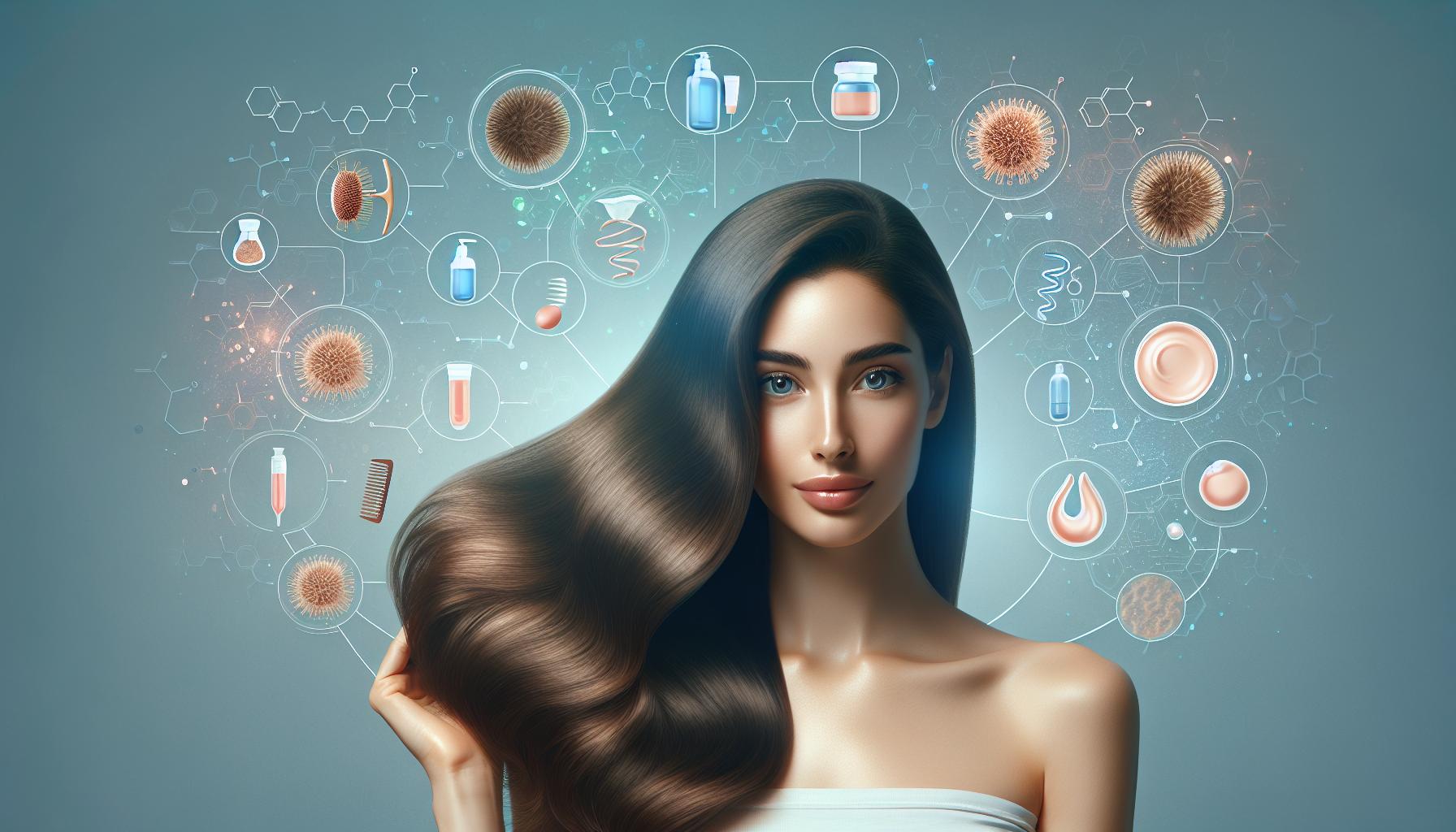
The Science Behind Hair Growth: What You Need to Know
Hair growth is a complex biological process influenced by various factors,from genetics and nutrition to stress and environmental conditions. Understanding the science of hair growth is crucial, especially in light of the changes many have experienced during quarantine, as highlighted in discussions about how the pandemic can affect our hair. The hair growth cycle consists of three main phases: the anagen (growth) phase, the catagen (transitional) phase, and the telogen (resting) phase. disruptions in this cycle, such as those caused by stress or illness, can lead to conditions like telogen effluvium, where a significant amount of hair enters the resting phase prematurely, resulting in noticeable hair loss.
How Stress and COVID-19 Impact Hair Growth
During the pandemic, many individuals experienced heightened levels of stress, contributing to changes in hair health.Stress can lead to a range of biological responses,including hormonal fluctuations that affect hair follicles. Moreover, recent studies have indicated that COVID-19 can exacerbate existing hair conditions and trigger new forms of hair loss, particularly telogen effluvium. Research indicates that up to 68.1% of patients reported increased hair loss after recovering from COVID-19, highlighting a significant link between the virus and hair health issues that many faced post-infection [[2](https://pmc.ncbi.nlm.nih.gov/articles/PMC10961269/)].
The Role of Nutrition in Hair Health
Nutrition plays a vital role in maintaining healthy hair through all stages of the growth cycle. A balanced diet rich in vitamins, minerals, and proteins supports the anagen phase, promoting strong and healthy hair. During quarantine, changes in eating habits could have affected nutrient intake, leading to deficiencies that impact hair growth. Essential nutrients for hair health include:
- Biotin: Supports keratin production.
- Iron: helps red blood cells carry oxygen to hair follicles.
- Vitamin D: Plays a role in hair follicle cycling.
Ensuring a diet rich in these nutrients can help mitigate some of the adverse effects on hair during stressful periods like a pandemic.
Practical tips to Promote Healthy hair Growth
To counteract the effects of stress and potential nutritional deficiencies, consider implementing the following actions:
| Action | description |
|---|---|
| Manage stress | Engage in regular meditation, yoga, or deep breathing exercises. |
| Balanced Diet | Incorporate a variety of fruits, vegetables, lean proteins, and whole grains. |
| Hydrate | Drink plenty of water to keep the body and hair hydrated. |
| Scalp care | Practice gentle scalp massage to stimulate circulation. |
By focusing on these areas,individuals can better manage the impacts of quarantine and stress on their hair,promoting healthier growth and reducing the risk of prolonged hair loss.
Embracing Change: Adapting Your Hair Care Routine
As we navigate the changes brought about by the pandemic, it’s become clear that our hair care routines have also undergone significant change. With increased self-awareness regarding personal care, many individuals are seeking to adapt their approaches to maintain healthy hair. The question of what quarantine does to your hair taps into a broader narrative about wellness and the resilience of our personal beauty routines.
Understanding Post-Pandemic Hair Needs
The shifts in daily life during quarantine—ranging from less frequent salon visits to increased stress levels—have prompted many to reconsider their hair care strategies. Individuals have reported changes such as increased hair thinning or scalp conditions, which are often linked to stress and changes in daily habits. Therefore,adapting your hair care routine means prioritizing not only the products you use but also the methods and rituals that surround your hair care.
To address these changes effectively, consider the following actionable steps:
- Invest in Quality Products: With unit prices rising, consumers are leaning towards fewer but higher-quality items. Opting for products free from harsh chemicals and infused with natural ingredients can help restore and protect your hair.
- Develop a Self-Care Ritual: Beyond washing and styling, think about integrating simple self-care rituals into your routine. This could include regular scalp massages to boost circulation, nourishing hair masks, or holistic methods like aromatherapy.
- Personalize Your routine: Recognize that your hair type and condition may have changed during the pandemic. Evaluate your needs and adjust accordingly, whether that involves switching to sulfate-free shampoos or incorporating more moisture-rich conditioners.
Mindful Maintenance and Routine Reevaluation
Amidst the pandemic changes, embracing a mindful approach to hair care has never been more crucial. Establishing a routine that not only caters to the physical aspect of hair care but also supports mental well-being can create a holistic benefits loop. Keep in mind that regular assessments of your hair care products and practices can lead to finding a personalized regimen that helps you adapt to your changing hair needs.
By leveraging the insights gained from the experience of quarantine and its impact on our hair, you can create a routine that not only addresses immediate concerns but also fosters long-term health and vitality. Remember that embracing change is not just about the products used but also about nurturing the relationship you have with your hair during this transformative time.
Seeking Professional Help: When to Consult a Specialist
The pandemic has profoundly affected various aspects of our lives,including our hair health. As we navigated lockdowns and social distancing, many individuals faced changes in their hair due to stress, altered routines, and reduced access to professional hair care services. It’s important to recognize the signs that indicate it might be time to seek professional help, particularly when dealing with changes that may stem from or have been exacerbated by the pandemic.
When to Consult a hair Specialist
Understanding when to reach out for expert advice can help mitigate long-term damage and restore your hair’s health. Consider scheduling a consultation if you experience:
- Increased Hair Loss: If you’re noticing more hair falling out than usual,particularly in clumps or in your brush,this could indicate a serious issue such as telogen effluvium,which can occur after intense stress or illness.
- Persistent Dryness or Brittle Hair: Hair that feels dry and brittle may be a sign of over-processing or lack of moisture. A professional can offer tailored treatments and product recommendations to rejuvenate your hair.
- Changes in Texture: If your hair has suddenly changed in texture or curl pattern,this can be a sign of underlying issues that should be assessed by a stylist or dermatologist.
- Scalp Issues: Conditions such as dandruff,itching,or flakiness may have been aggravated during lockdowns due to stress or changes in hair care routines. Consulting a dermatologist can definitely help address these conditions effectively.
When it comes to these concerns,visiting a skilled hairstylist or dermatologist can provide invaluable insights and personalized care strategies.For instance,many professionals are trained not just in styling and cutting,but also in understanding the medical aspects of hair and scalp health,offering treatments that align with what you’ve experienced during this challenging time. Moreover, choosing reputable salons or clinics ensures that you receive expert advice tailored to your unique hair type and condition, leading to more effective solutions.
Given that the pandemic has impacted hair health in unprecedented ways, addressing these issues proactively can make all the difference in achieving and maintaining healthy hair. If you’ve seen changes in your hair or scalp that concern you, don’t hesitate to reach out for professional assistance and guidance tailored to your needs as you navigate the changes brought on by the pandemic.
Q&A
What Does Quarantine Do to Your Hair?
Quarantine can significantly impact your hair due to factors like reduced salon access and a lifestyle change. Many people have noticed hair growth, damage from neglect, and shifts in hair texture.
During quarantine, a lack of regular haircuts often leaves people with longer hair. This can lead to difficulties in managing hair types and styles. Additionally, stress and changes in personal care routines can affect hair health. To mitigate these effects, establish a consistent hair care routine.
How can I take care of my hair during quarantine?
Taking care of your hair involves using good quality shampoo and conditioner, along with appropriate styling techniques. Regularly combing or brushing your hair after showers can help maintain its health.
Focus on understanding your hair type and selecting products suited to its needs. For example, using a wide-toothed comb for curly hair and ensuring you hydrate your hair frequently can lead to improved results during this period of limited grooming.
Why does my hair feel different during quarantine?
Your hair may feel different due to changes in your regular hair care routine and environmental stressors. Lack of salon treatments can lead to increased dryness or unruliness.
This change in texture is often accompanied by other effects such as increased oiliness or frizziness. Factors like stress, dietary changes, and even new hairstyling routines can contribute to these feelings. Regular conditioning can help mitigate dryness.
Can I dye my hair at home during quarantine?
Yes, you can dye your hair at home; however, it’s essential to choose quality, ammonia-free products to minimize damage. Semi-permanent colors are frequently enough recommended for DIY dye jobs.
Be careful to follow submission instructions closely to achieve the best results. It’s wise to conduct a patch test prior to using any new product to avoid allergic reactions. This can be a fun way to refresh your look during isolation.
What are the signs of hair damage from quarantine?
Signs of hair damage include increased dryness, split ends, and loss of luster. If your hair feels brittle or looks unmanaged, it might potentially be suffering.
Recognizing these signs early can definitely help you take steps to restore your hair. regular trims at home, conditioning treatments, and ensuring you’re not washing your hair too frequently can help improve the overall health of your hair.
what should I avoid to protect my hair during quarantine?
Avoid using heat styling tools excessively, harsh chemicals, and inconsistent washing routines. These practices can exacerbate damage during quarantine.
Instead, embrace natural styles, limit the use of products that contain alcohol or sulfates, and prioritize a healthier hair care routine. Incorporating nourishing oils like argan or coconut oil can definitely help combat dryness.
How does stress from quarantine affect my hair?
Stress can lead to hair loss and changes in texture or thickness,often manifesting as increased shedding. this is a common reaction to prolonged anxiety and lifestyle change.
Even if you don’t notice immediate hair loss, the stress response can alter hormone levels and affect hair cycles. Practicing stress-relieving techniques, such as meditation or gentle exercise, can help support hair health.
Why should I establish a hair care routine during quarantine?
Establishing a routine can definitely help maintain your hair’s health and prevent damage while salons are closed. Consistency in care provides balance and supports your hair’s needs.
Incorporating regular washing, conditioning, and protective styling will help improve hair resilience. With limited salon visits, your personalized routine can become a critical component in keeping your hair looking its best throughout your quarantine experience.
In Summary
As we conclude our exploration of the impact quarantine has had on our hair, it’s clear that the pandemic brought about significant changes to our hair health and styling routines. From increased stress leading to hair loss to the common issues of brittleness and split ends thanks to less frequent haircuts, understanding these challenges is vital for effective hair care.
Practical solutions such as incorporating hydrating treatments,minimizing heat styling,and considering regular trims can substantially improve the condition of your hair. Moreover, acknowledging the emotional aspects tied to hair concerns can help provide comfort during these trying times.
We encourage you to delve deeper into your hair care journey—consider experimenting with new products, adopting healthier routines, and perhaps seeking professional advice tailored to your unique hair needs. Remember, the road to robust and beautiful hair might potentially be paved with challenges, but with the right knowledge and care, you can reclaim your hair’s vitality and shine. Don’t hesitate to share your experiences or tips with our community—we’re all in this together!


