


Choosing the right hair extensions can transform your look,but with so many options available,it begs the question: which type offers the longest-lasting results? This guide,featuring expert recommendations,will help you navigate through various styles and materials to ensure your investment stands the test of time,giving you stunning,durable hair effortlessly.
Contents
- Understanding the Different Types of hair Extensions
- The science Behind Longevity: What Makes Extensions Last?
- Expert Picks: The Most Durable Hair Extension Options
- Maintenance Tips for Prolonging the Life of Your Extensions
- The Role of Hair Quality in the Longevity of Extensions
- Comparing Natural vs. Synthetic Hair Extensions
- Cost vs. Quality: What You Need to Know for Long-Lasting Results
- Making Informed Choices: Finding the Right Extensions for You
- Faq
- What type of hair extensions last the longest? Expert picks?
- How to choose long-lasting hair extensions?
- Why do some hair extensions last longer than others?
- Can I wash hair extensions to make them last longer?
- what are the maintenance tips for long-lasting hair extensions?
- Are clip-in hair extensions durable?
- How do I know if my hair extensions are of good quality?
- To Wrap It Up
Understanding the Different Types of hair Extensions
Understanding the various types of hair extensions is crucial for anyone looking to enhance their hairstyle with added length or volume. With so many options available, it can be overwhelming to choose which type best suits your needs. Different extensions have varying lifespans, application methods, and styles, making it essential to do your homework before committing to one.
Types of Hair Extensions
There are primarily two categories of hair extensions: temporary and semi-permanent. Temporary hair extensions, such as clip-ins, are popular for their ease of use and versatility. They can be applied and removed daily, making them perfect for those who like to change their look frequently without a long-term commitment. Clip-in extensions are especially favored for special occasions and casual wear, as they allow you to achieve longer, thicker hair in just a few minutes.
On the other side, semi-permanent hair extensions are designed to last longer and often require professional installation.This category includes methods like tape-in, sew-in, and fusion extensions. These extensions bond more securely to your natural hair,allowing for a more seamless look. However, they generally require more maintenance and care.
Comparative Lifespan of Extensions
To better understand which type may last the longest, here’s a comparative overview of various hair extension types:
| Type of Extension | Durability | Application Method | Maintenance Level |
|---|---|---|---|
| clip-In | Temporary (1 day) | DIY | Low |
| Tape-In | 6-8 weeks | Professional | Medium |
| Sew-in | 6-8 weeks | Professional | High |
| Fusion | 3-6 months | professional | High |
Choosing the right type of hair extension not only impacts the longevity of your style but also the overall health of your hair. Always consider your lifestyle and hair care routine when selecting extensions.As an example, if you lack the time or desire for extensive upkeep, clip-in extensions may be your best bet.Conversely, if you’re looking for something more permanent and can handle the maintenance requirements, fusion or sew-in extensions could be ideal.
by understanding the differences in hair extension types,including their lifespan and maintenance needs,you can make an informed choice that fits your personal style and lifestyle,ensuring you achieve that coveted long-lasting look.
The science Behind Longevity: What Makes Extensions Last?
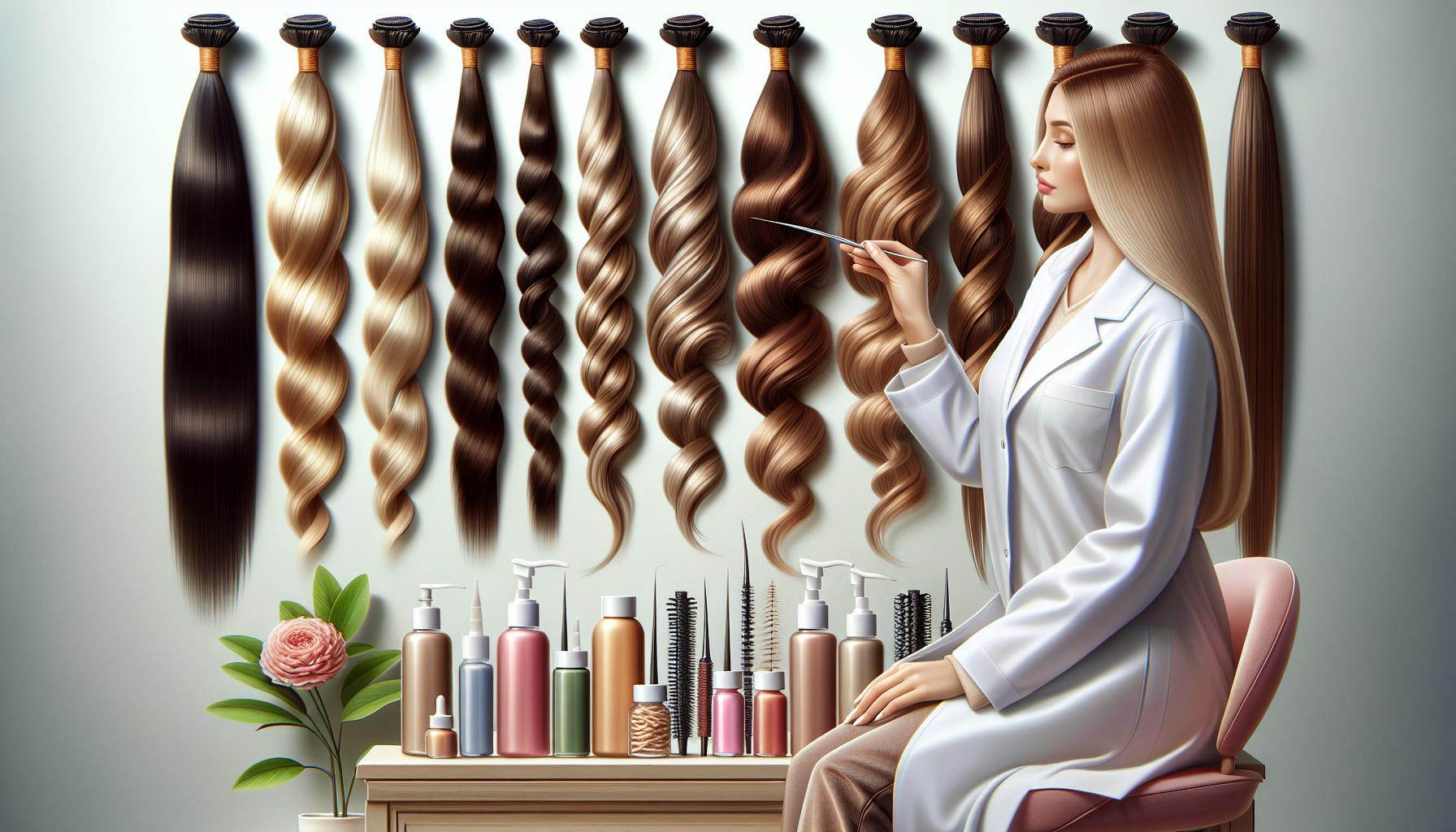
Understanding the longevity of hair extensions involves unraveling a complex interplay of materials,craftsmanship,and maintenance techniques. It’s captivating to note that the lifespan of hair extensions can vary tremendously, frequently enough depending on their type, the quality of the materials used, and the individual care practices adopted by the wearer. By delving into the science behind what makes extensions durable, we can help users make informed choices about their hair investments.
Materials That Matter
The primary factor influencing the longevity of hair extensions is the material from which they are made. Here’s a breakdown of common types found in the market:
- Remy Human Hair: Celebrated for its cuticle intact structure, Remy human hair extensions are less prone to tangling and can last anywhere from six months to a year with proper care.
- Non-Remy Human Hair: Although more affordable, this type is often stripped of its cuticles, which can lead to a higher propensity for tangling and a lifespan of only three to six months.
- Synthetic Hair: Generally the most budget-pleasant option, synthetic extensions can last up to three months. however,heat styling and regular washing can considerably shorten their lifespan.
Understanding these differences allows consumers to select the right extensions that simultaneously meet aesthetic and longevity needs. When asking “What type of hair extensions last the longest?”, it’s clear that remy human hair emerges as a top contender.
Craftsmanship and Application Techniques
The way hair extensions are crafted and applied has a significant impact on their longevity. High-quality extensions frequently enough undergo a rigorous production process, ensuring that each strand is aligned correctly and secured. Here are a few techniques to consider:
- Sew-in (Weave): These extensions are securely sewn to the natural hair,reducing the risk of slippage or damage. They can last for several months.
- Tape-in Extensions: While easy to apply, the quality of the adhesive can determine their lifespan. Opt for higher-end brands that offer more durable tapes for extended wear.
- Clip-in Extensions: Ideal for temporary wear, their longevity relies heavily on how frequently they are used and how they are stored when not in use.
Choosing the right application method can significantly prolong the life of hair extensions, which is essential for anyone looking for the best answer to “What type of hair extensions last the longest? Expert picks.”
Maintenance: The Key to Longevity
Another critical aspect that determines the lifespan of hair extensions is maintenance. Here are some actionable tips to maximize the durability of your chosen extensions:
| Maintenance Tip | Description |
|---|---|
| Avoid Excessive Heat | Limit the use of heat styling tools,as high temperatures can damage hair fibers,particularly in synthetic extensions. |
| Regular Conditioning | Use sulfate-free shampoos and deep conditioners designed for extensions to keep them moisturized and manageable. |
| Gentle Brushing | Use a wide-tooth comb or special extension brush to prevent breakage and tangling. |
| Professional Maintenance | Schedule regular maintenance appointments with a stylist familiar with extensions to check for wear and tear and to replace or move up extensions as needed. |
By following these guidelines, wearers can not only enhance the appearance of their extensions but also extend their lifespan considerably. When you’re considering various types that promise long-lasting wear, remember that informed decisions, quality materials, and diligent care lead to the best outcomes in the quest for enduring beauty.
Expert Picks: The Most Durable Hair Extension Options
When it comes to hair extensions, durability is paramount. After all, no one wants to invest in a product that requires constant replacement or maintenance. Understanding which types of hair extensions offer the longest lifespan is essential for anyone looking to enhance their hair’s volume and length without the hassle of frequent upkeep. From the intricate world of weave-ins to the convenience of tape-ins, several options stand out for their resilience.
Top Contenders for Longevity
- Clip-in Extensions: these are perfect for those looking for temporary wear. When cared for properly, high-quality clip-in extensions can last up to a year or more, making them an excellent choice for special occasions or infrequent use.
- Tape-in Extensions: Known for their seamless finish and natural look, tape-ins can endure up to 8 weeks before needing reapplication. With the proper care—such as avoiding heavy oils and using a sulfate-free shampoo—they can last through multiple applications.
- Micro-link Extensions: these extensions can be a bit more labor-intensive to apply, but when done right, they can last up to six months.The key is ensuring they are installed by a skilled professional, as improper installation can shorten their life significantly.
- Fusion Extensions: These are well-known for their longevity,offering a natural look that can last anywhere from three to six months with proper maintenance. They require a bit of a commitment, but their durability frequently enough outweighs the initial investment.
Material Matters
Choosing the right material can also significantly impact the lifespan of your hair extensions. here’s a comparative breakdown:
| Material | Durability | Maintenance Level | Cost |
|---|---|---|---|
| Real Remy Hair | Long-lasting; can be reused | Moderate | Higher |
| Synthetic Hair | Shorter lifespan; typically not reusable | Low | Lower |
| Non-Remy Hair | Average durability; may tangle | High | Moderate |
Investing time and resources into high-quality extensions can save you money and hassle in the long run. by selecting options that are not only durable but suited to your lifestyle and styling preferences, you set yourself up for a positive extension experience. Always consult with a professional stylist for personalized recommendations that will align with your hair’s unique characteristics.
Maintenance Tips for Prolonging the Life of Your Extensions

To keep your beautiful hair extensions looking fresh and vibrant for as long as possible, proper maintenance is key. Just like your natural hair, extensions require a tailored care routine that considers their unique characteristics and the type of installation. From washing methods to styling practices,here are essential tips to help you prolong the life of your extensions.
Washing Your Extensions
Regular washing is crucial,yet it’s the approach that makes all the difference. Aim to wash your extensions every 7-10 days to prevent buildup without drying them out. Consider these practices:
- Use sulfate-free shampoos: Products without sulfates are gentler and won’t strip the hair of essential oils.
- Conditioner carefully: Apply conditioner primarily to the lengths and ends of your extensions, avoiding the roots to prevent grease buildup.
- Cold water rinse: Conclude your wash with a rinse in cold water to seal the cuticles and enhance shine.
Drying Techniques
Proper drying methods are equally significant in maintaining the integrity of your extensions. Here are some drying techniques:
- Avoid heat: Whenever possible, let your extensions air dry. If you must use a blow dryer, opt for a cooler setting.
- Microfiber towels: Use a microfiber towel to blot excess water gently, minimizing friction and potential damage.
Styling Safely
When it comes to styling, less is frequently enough more. Use the following strategies to safeguard your hair extensions while achieving the look you want:
- Heat protectant: Always apply a heat protectant spray before using any styling tools. This layer acts as a barrier against damaging temperatures.
- Minimize tight hairstyles: Styles that pull on the extensions can cause them to loosen and lead to damage. Opt for looser styles when possible.
- Invest in quality tools: Utilize high-quality brushes and tools that are specifically designed for extensions to avoid tugging and snagging.
Regular Maintenance and check-ups
Set a routine for inspections and adjustments to stay on top of any wear and tear.Regular visits to a stylist familiar with extensions can help in several ways:
- Reinstallation: For types that need periodic reinstallation, maintain a calendar to avoid waiting too long.
- Professional conditioning: schedule professional deep conditioning treatments every few months to keep extensions soft and hydrated.
Utilizing these maintenance tips will ensure that your hair extensions not only look fabulous but also retain their longevity. By dedicating time and care to your extensions, you’re making a practical investment in your beauty routine, making every future styling experience a joy rather than a chore.
The Role of Hair Quality in the Longevity of Extensions

When considering hair extensions, the quality of the hair is paramount to ensuring their longevity. Premium-quality hair can dramatically enhance your overall look while providing durability that withstands daily wear and tear. Remember, not all hair extensions are created equal, and the type of hair used can significantly influence how long they will last. Whether you’re pondering the question of what type of hair extensions last the longest or seeking expert recommendations, understanding the role of hair quality will guide you toward the best choices.
### understanding Hair Quality
Hair extensions are typically made from either synthetic fibers or natural human hair. The latter is generally deemed superior due to its resemblance to real hair in texture, movement, and appearance. Here are a few critical aspects to consider regarding hair quality:
- Texture: Quality extensions should have a seamless match with your natural hair texture, ensuring they blend well and look more natural.
- cuticle alignment: High-quality extensions maintain the cuticles in their natural direction,reducing tangling and matting and improving longevity.
- Source Integrity: Extensions sourced from single donors typically promise better quality, resulting in healthier and more manageable hair.
### Comparing Hair Types
Different types of hair extensions vary in terms of durability based on their composition.Below is a simplified comparison of common types to answer the question, “What type of hair extensions last the longest?” Consider this table when evaluating your options:
| Type | longevity | maintenance | Cost |
|---|---|---|---|
| Remy Human Hair | 6-12 months | Moderate | $$$ |
| Virgin Human Hair | 12-24 months | Minimal | $$$$ |
| Synthetic Hair | 1-3 months | low | $ |
| Non-remy Human Hair | 3-6 months | High | $$ |
### Practical Advice for Extension Longevity
To maximize the lifespan of your hair extensions, incorporating a thoughtful maintenance routine is essential. Here are practical tips to ensure your investments last:
- Washing: Use sulfate-free shampoos and conditioners, specifically designed for extensions. Wash them gently to prevent tangling.
- Styling: Limit heat styling to prevent damage. When necessary, use heat protectants, and consider using lower temperatures.
- Storage: Store your extensions properly when not in use,ideally hanging to avoid tangling.
- Regular Adjustments: If you opt for bonded or sewn-in extensions, schedule regular maintenance to prevent slippage and tension.
Investing in high-quality hair extensions paired with diligent care will not only enhance your appearance but also save you time and money in the long run. By understanding the crucial link between hair quality and longevity, you will be well-equipped to select extensions that provide both beauty and durability.
Comparing Natural vs. Synthetic Hair Extensions

When it comes to hair extensions, one of the biggest decisions you’ll face is whether to choose natural or synthetic options. With the growing popularity of hair extensions, it’s essential to understand the distinct characteristics that differentiate these two types. Each option comes with its own set of advantages and drawbacks, impacting not only the final look but also the longevity and maintenance requirements.
Natural Hair Extensions
Natural hair extensions are made from real human hair, offering a range of benefits for users looking for authentic looks and versatility. here are some key features:
- Realistic Appearance: Since natural hair extensions are made from real hair, they blend seamlessly with your own for a more realistic look.
- styling Flexibility: You can style them just like your own hair, using heat tools, dyes, and other products without worrying about damaging them.
- Longevity: high-quality natural extensions can last from 6 months to over a year, depending on care and maintenance.
Though, they do require more upkeep. Proper washing, conditioning, and occasional professional maintenance are necessary to ensure they remain in great condition. This extra attention equates to an investment, not just financially but also time-wise.
synthetic Hair Extensions
On the opposite end, synthetic hair extensions are made from artificial fibers, such as kanekalon or polyester. While they come with a lower price tag,their functional characteristics might limit your styling options. Consider the following:
- Affordability: Synthetic options are generally more budget-friendly, making them an excellent choice for those seeking variety without breaking the bank.
- Ease of Maintenance: These extensions require less maintenance since they don’t react to styling products like natural hair, and usually hold their style for longer.
- Limited Versatility: Synthetic hair cannot withstand high heat, meaning straighteners and curling irons are a no-go, limiting your styling options.
While synthetic hair can last from a few weeks to several months, their lifespan is often significantly shorter than that of natural extensions, especially with frequent washing or styling.
In Summary
Ultimately, the decision between natural and synthetic hair extensions boils down to personal preference, lifestyle, and budget.Natural extensions are ideal for those looking for a long-lasting, versatile solution, while synthetic options are suited for users who prioritize affordability and ease of upkeep. Whether you’re pondering “What type of hair extensions last the longest? Expert picks” suggests a focus on quality and care when considering your choices in hair extensions.
Cost vs. Quality: What You Need to Know for Long-Lasting Results
Investing in hair extensions can be a game-changer for your look, yet it often comes with a burning question: can you really have quality and affordability in the same package? Understanding the balance between cost and quality is essential, especially if you’re searching for hair extensions that will stand the test of time. Experts agree that the type of hair extensions you select significantly influences their longevity, aesthetics, and how well they blend with your natural hair.
When evaluating hair extensions, it’s important to note that higher-quality products typically justify their price tag with features that promote durability and a natural appearance. As a notable example,remy human hair extensions are frequently enough recommended by professionals. They retain their cuticles, which leads to less tangling and a more natural look, and they can last much longer than synthetic options if properly maintained. Here’s a breakdown of key types and their long-term value:
| Type of Hair Extensions | Average Lifespan | Approximate Cost |
|---|---|---|
| Clip-ins | 3-6 months | $100 – $500 |
| Tape-ins | 6-8 weeks (can be re-used) | $200 – $800 |
| Sew-ins | 3-6 months | $150 – $600 |
| Micro-links | 3-6 months | $200 – $1000 |
| Fusion | 3-6 months | $800 – $2000 |
While it’s tempting to opt for the cheapest option, investing in higher-quality extensions can save you money in the long run. Lower-quality extensions may initially be less expensive, but they often require replacements more frequently, leading to higher cumulative costs. Additionally,they may not provide the desired look or hold up well against styling and maintenance practices.To ensure that your investment pays off, prioritize proper maintenance and care routines. Regular washing with sulfate-free shampoos, minimizing heat exposure, and using appropriate styling products can extend the lifespan of your hair extensions significantly. By choosing wisely between cost and quality, and understanding the implications of your selections regarding longevity, you can enjoy beautiful, long-lasting results that make your investment truly worthwhile.
Making Informed Choices: Finding the Right Extensions for You
When it comes to hair extensions, the variety available in the market can be overwhelming, leaving many wondering which options are most durable and suited to their lifestyle. Understanding the types that last longest not only enhances your styling possibilities but also ensures that you’re making a wise investment.This guide will help you navigate your choices and find the perfect extensions for your needs.To start with, consider the different types of extensions available. Options like clip-in, halo, and tape-in extensions vary significantly in terms of longevity and ease of use. As a notable example,clip-ins are a favorite for their convenience and allow you to easily change your look daily,but they typically last several months with proper care. In contrast, tape-in extensions are semi-permanent and can last up to 8 weeks, requiring professional installation and removal, making them a more significant commitment.Here’s a quick overview of some key options:
| Type of Extension | Longevity | Installation | maintenance |
|---|---|---|---|
| Clip-In | Up to 6 months | DIY | Low |
| Tape-In | 6-8 weeks | Professional | Moderate |
| Halo | 6-12 months | DIY | Low |
| Bonded | 3-6 months | Professional | High |
Along with the type, the quality of hair extensions plays a crucial role in determining their lifespan. Extensions made from 100% Remy human hair, such as those from Luxy Hair, are typically of higher quality than synthetic options. Remy hair extensions ensure that the cuticles remain aligned, leading to a more natural look and longer durability. Not only do they offer versatility in styling compared to synthetic hair, but they also withstand heat better, allowing you to use styling tools without fear of damage.
Lastly, always consider your lifestyle when selecting extensions. If you frequently wash and style your hair, opting for longer-lasting options like tape-ins or bonded extensions might potentially be more beneficial. Meanwhile, if you prefer flexibility and ease, clip-ins or halo extensions might be the better route. Ultimately, the right choice hinges on balancing your personal style, maintenance routine, and hair health for the best results.
Faq
What type of hair extensions last the longest? Expert picks?
The type of hair extensions that last the longest are typically keratin bonded and sew-in extensions. These options can last between 6 to 12 months with proper maintenance and care.
Keratin bonded extensions are fused directly to your natural hair using a keratin adhesive, making them durable and less likely to loosen over time. Sew-in extensions involve weaving hair into braids,offering a secure and long-lasting method. Regular maintenance and following a professional’s guidance are essential for maximizing the lifespan of any hair extensions. For more details on extension care,check out our hair care tips.
How to choose long-lasting hair extensions?
To choose long-lasting hair extensions, consider factors such as material, method of application, and brand reputation.High-quality 100% Remy human hair extensions are recommended for durability.
The method of application can affect longevity—opt for techniques like micro-link or keratin fusion if you want extensions that stand the test of time. Additionally, reputable brands frequently enough offer better quality and support, contributing to overall satisfaction and longevity.
Why do some hair extensions last longer than others?
Some hair extensions last longer due to the quality of materials used, the application technique, and regular maintenance. Natural human hair extensions generally outperform synthetic ones.
Extensions made from high-grade human hair, like Remy hair, retain their structure and shine longer.Furthermore, application techniques that minimize stress on your natural hair can promote longevity. Regular upkeep such as gentle washing and avoiding harsh products will further enhance their lifespan.
Can I wash hair extensions to make them last longer?
Yes, washing hair extensions properly can help them last longer. It is indeed essential to use sulfate-free shampoos and conditioners specifically designed for extensions.
Over-washing can strip the hair of essential oils, leading to dryness. Aim to wash your extensions every 1-2 weeks, and always remember to handle them gently to avoid tangling. This approach preserves both the hair’s quality and your natural hair health.
what are the maintenance tips for long-lasting hair extensions?
Maintenance for long-lasting hair extensions includes regular brushing, using heat protectants, and adhering to a proper washing routine. These practices minimize damage and keep your extensions looking fresh.
Invest in a high-quality brush designed for extensions, and always detangle with care. using heat styling tools can shorten the lifespan of your extensions, so always apply a protectant before styling. Following your stylist’s specific maintenance recommendations also dramatically influences longevity.
Are clip-in hair extensions durable?
Clip-in hair extensions are generally less durable than sew-in or keratin bonded options. Though,they can last several months with proper care and are best suited for temporary use.
While clip-ins are convenient and easy to apply, frequent use can strain the natural hair and shorten their lifespan. For longer wear, consider investing in higher-quality clip-ins made from human hair, which can mimic the texture and sheen of your natural hair more effectively.
How do I know if my hair extensions are of good quality?
You can determine the quality of hair extensions by assessing texture, smell, and how they react to heat. High-quality extensions should feel soft and smooth without an artificial sheen.
Perform a burn test: if you’re able to, take a small strand and see how it reacts to heat.Human hair will burn and turn to ash, while synthetic hair will melt. Reading reviews and purchasing from recognized brands can also help ensure you’re making a worthwhile investment.
To Wrap It Up
As we wrap up our exploration of hair extensions that stand the test of time, it’s clear that knowledge is key to making the right choice for your hair needs. From the long-lasting durability of high-quality keratin or tape-in extensions to the luxurious feel of virgin hair, each option offers unique benefits tailored to different lifestyles and preferences. Understanding the maintenance requirements and the correct application methods can further enhance the longevity of your chosen extensions.
It’s not just about choosing a product; it’s about finding what works best for you, respecting your hair’s individuality, and taking proactive steps to care for it. If you’re considering hair extensions, reflect on your daily routine, future styling desires, and, most importantly, what makes you feel confident and beautiful.
The journey to fabulous hair doesn’t stop here! Dive into your hair care routine with renewed motivation and don’t hesitate to reach out with questions or share your experiences. Your hair journey is personal and deserves the best guidance—let’s explore it together!


