


As we age, our vibrant hair colors frequently enough undergo a change, leading many to wonder: do red-haired individuals follow the same path as others in going gray or white? understanding the science of hair aging is crucial, as it reveals not just genetics but the impact of pigmentation on our natural locks over time. Essentially, red hair typically fades to a lighter shade before ultimately turning grey, rather than white, reflecting a unique aging process.
Contents
- Understanding Hair Pigmentation: The Role of Melanin in Red Hair
- Why Do Redheads Age Differently? A Look at Genetics and Aging
- The Transition: How and When Does Red Hair Turn Grey or White?
- Exploring the Science of Hair Aging: What Happens to Follicles Over Time?
- The Emotional Impact of hair Color Changes: Embracing the Gray or White
- Caring for Aging Hair: Tips and Tricks for Maintaining Health and Shine
- Debunking Myths: Common Misconceptions About Gray Hair in Redheads
- Expert Insights: Professional Advice on Hair Aging and Care Strategies
- Q&A
- Does red hair go grey or white?
- What is the science behind hair aging?
- Why does red hair age differently than brown or black hair?
- Can I prevent my red hair from going grey or white?
- What are common misconceptions about red hair aging?
- Do genetics influence whether red hair goes grey or white?
- key Takeaways
Understanding Hair Pigmentation: The Role of Melanin in Red Hair
Red hair, often celebrated for its vibrant hue, has a unique genetic foundation rooted in the pigment called melanin. Unlike other hair colors, red hair arises from a distinct type of melanin known as pheomelanin, which carries the fiery red and warm blonde shades typically associated with this hair type. This captivating distinction not only contributes to the rarity and allure of red hair but also influences how it ages over time. As we explore the link between melanin and red hair, understanding the nuances of pigmentation becomes essential, especially when pondering the question: does red hair go grey or white?
The Science of Melanin and Hair Color
Melanin is the primary determinant of hair color, produced in specialized cells called melanocytes. There are two main types of melanin contributing to hair color:
- Eumelanin: Responsible for black and brown shades.
- Pheomelanin: The pigment that results in red and yellow hues.
Interestingly,individuals with red hair typically have a higher ratio of pheomelanin compared to eumelanin,which gives their hair its distinctive tone. This unique composition not only sets red hair apart but also raises critically important questions about its aging process. Research suggests that hair loses its color as melanocyte activity declines, leading to the transition from rich, red tones to grey or white as time goes on. the aging process manifests differently for redheads, impacted substantially by their melanin levels.
How Does Aging Affect Red Hair?
Many wonder whether red hair goes grey or white as it ages.The answer lies in the diminishing production of melanin. While most hair colors can transition to various shades of grey, red hair frequently enough evolves differently due to its distinctive pigment composition. Some redheads might notice their hair fading to a sandy blonde before it turns grey or white, while others may experience a stark transition to a silvery hue.
| Age Range | Common Observations for red Hair | possible Outcomes |
|---|---|---|
| 20-30 | Vibrant red color with minimal fading. | No meaningful changes in pigmentation. |
| 30-40 | Subtle fading may begin; some may observe a sandy blonde tint. | potential shift toward lighter shades. |
| 40-50 | Clearer transition to grey or white in areas. | Hair may begin to lose its vibrant hue. |
| 50+ | Strong presence of grey or white, particularly at the temples. | Hair may become predominantly white/silver. |
Understanding how melanin functions gives insight not only into hair growth and aging but also into potential care methods. Redheads can benefit from hair care strategies aimed at preserving their unique color, such as limiting sun exposure and using color-preserving products. By recognizing the impact of melanin in their hair aging journey, those with red hair can make informed choices that maintain the health and appearance of their hair throughout the years.
Why Do Redheads Age Differently? A Look at Genetics and Aging
Curious about how those fiery locks influence the aging process? Redheads not only turn heads with their vibrant hair color, but they also experience a unique aging trajectory, influenced by their genetic makeup. The science behind hair aging suggests that red hair undergoes specific changes, diverging from the paths taken by those with other hair colors. Understanding this phenomenon gives us insight into what happens as redheads transition from their youthful hues to the later stages of life.
Genetic Factors at Play
the key to why redheads age differently lies in their genetics, specifically the variant of the MC1R gene responsible for their signature color.This gene not only dictates hair pigmentation but also plays a role in how hair responds to aging. Individuals with red hair generally possess more pheomelanin and less eumelanin, which can influence the aging process when it comes to hair texture and color.
Studies have shown that redheads tend to experience graying differently than individuals with other hair colors. Instead of transitioning to gray, many will find their hair becoming a striking white shade. This difference is attributed to the level of melanin present and how it degrades with age. Red hair often loses its vibrant color earlier, leading to an earlier transition to white rather than the typical gray associated with aging.
Understanding Hair Aging in Redheads
To illustrate these differences, consider the comparative aging of hair colors:
| Hair Color | Common Aging Transition | Typical Age of Transition |
|---|---|---|
| Red | White | Mid-40s to early 50s |
| Brown | Gray | Late 30s to early 50s |
| Blonde | Gray | Late 20s to early 40s |
| Black | Gray | Late 30s to late 50s |
This distinct pattern signifies that red hair not only captures attention but also has a unique story in its aging journey. While the natural process varies among individuals, the broader implications of this genetic predisposition reveal how the nuances of pigmentation and loss of color contribute to the individuality of aging.
By exploring the genetics of hair aging, especially for redheads, we unlock a fascinating narrative around not just appearance, but also health, identity, and self-perception throughout the years. Understanding these differences enables redheads to embrace their aging process confidently, knowing that their journey is as unique as their color.
The Transition: How and When Does Red Hair Turn Grey or White?
As hair ages, it undergoes a fascinating transformation that varies significantly among individuals based on genetics, lifestyle, and natural pigmentation. For those with red hair, the question of whether and how their vibrant locks will fade to grey or white becomes particularly intriguing. Understanding the science behind this transition sheds light on the beauty of aging hair and why the process differs for everyone.
The Process of Transition
As we grow older, the hair follicles gradually lose their ability to produce melanin, the pigment responsible for hair color.For red-haired individuals, who generally have a higher concentration of pheomelanin, the transition to grey or white occurs differently than it does for those with darker hair. On average, red hair tends to stay vibrant longer than other colors, with many redheads noticing that their hair may turn an ashy blond before finally fading to grey or white.
- Age of Transition: Most people begin to see signs of grey hair in their late 30s to early 40s. Though, red-haired individuals may experience a ‘delayed’ onset relative to others.
- Genetic Factors: Genetic predisposition plays a significant role in determining when an individual’s red hair will transition to grey or white.
- Environmental Impact: Factors such as sun exposure, smoking, and stress can accelerate the process of greying hair, regardless of its original color.
Common Stages of Change
The journey from vibrant red to grey or white hair typically unfolds in several stages:
| Stage | Description |
|---|---|
| 1. Vibrant red | Initially full of life,red hair is rich in pheomelanin and retains its color for many years. |
| 2. Lightening | As melanin production slows, red hair may lighten, showing hints of blond or copper shades. |
| 3. Greying | White or grey hairs begin to emerge,often mixed with the remaining red strands. |
| 4.Complete Transition | Eventually, the hair may turn predominantly grey or white, yielding a striking, silvery appearance that can be just as stunning. |
Recognizing that red hair does indeed transition to grey or white helps individuals appreciate their changing look rather than resist it. Embracing this natural evolution can encourage positive self-acceptance, allowing red-haired individuals to enjoy the beauty and wisdom that comes with age.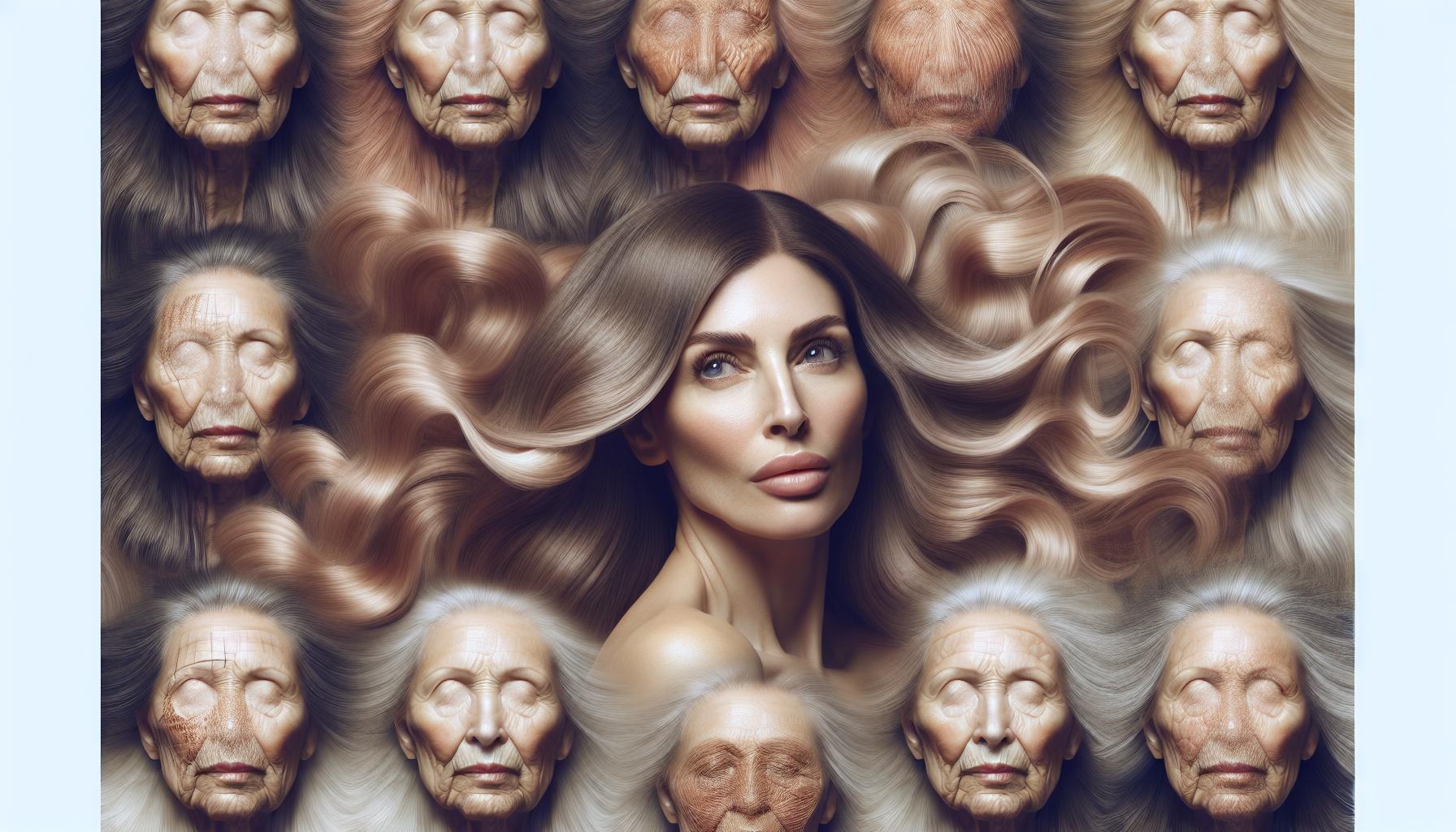
Exploring the Science of Hair Aging: What Happens to Follicles Over Time?
As we age,our bodies undergo a myriad of changes,and one of the most visible is the transformation of our hair. The age-old question of whether red hair goes grey or white frequently enough leads us to ponder deeper issues: what really happens to hair follicles as we grow older? understanding the science of hair aging involves dissecting the intricate functions of hair follicles, the pigments that provide hair its color, and the inevitable decline of these systems over time.
The lifespan of Hair Follicles
Hair follicles are remarkable structures with a life cycle that generally involves three phases: anagen (growth), catagen (transitional), and telogen (resting).As we enter adulthood, the activity in our hair follicles gradually diminishes. Factors influencing this decline include:
- Genetics: Genetic predisposition plays a crucial role in determining the age at which we experience changes in hair color and thickness.
- Hormones: Fluctuations in hormonal levels, especially as we age or undergo significant life events, can affect hair loss and color.
- Environmental Factors: UV exposure, pollution, and dietary deficiencies can exacerbate the aging of hair follicles.
Color Change Mechanisms
A significant aspect of the aging process is the gradual decrease in melanin production within the hair follicles. Melanin is the pigment responsible for the color of hair, skin, and eyes. In individuals with red hair, which is caused by a specific variant of the MC1R gene, the dual presence of pheomelanin (red/yellow pigment) and reduced eumelanin (dark pigment) makes the transition to grey or white particularly engaging.
as follicles lose their ability to produce melanin, the hair becomes less vibrant and eventually transitions to an ashy version of the original color before fading into gray or white. The following table illustrates this progression:
| Stage | Color Description | Follicle Activity |
|---|---|---|
| Young Adult | vibrant Color | High Melanin Production |
| Middle Age | Fading Color | decreased Melanin Production |
| Senior Years | Gray/White Hair | Minimal Melanin Production |
Practical Understanding and Care
Understanding these biological changes can empower individuals to make informed decisions about their hair care as they age.For instance, maintaining a nutrient-rich diet and using products that protect against environmental damage can support healthy hair follicles longer. While the inevitability of change is part of aging, embracing the beauty in evolving hair can reshape one’s self-image and confidence.
By comprehending the underlying mechanisms behind the aging process—especially with a focus on how red hair transitions—individuals can approach their hair’s natural progression with curiosity rather than concern. Whether you’re pondering “Does red hair go grey or white?” or simply seeking to understand the aging process better, the science of hair aging is a fascinating blend of biology, genetics, and personal history.
The Emotional Impact of hair Color Changes: Embracing the Gray or White
The journey of hair transitioning from vibrant shades to muted hues can evoke a complex array of emotions. Many individuals grapple with the reality of their hair changing color,facing questions such as “Does red hair go grey or white?” as they navigate through this chapter of their lives. Embracing gray or white hair is not merely about aesthetics; it’s about redefining identity, self-acceptance, and confidence in one’s appearance.
Understanding the Emotional shift
The emotional impact of adjusting to new hair colors often delves deep into personal and cultural perceptions of beauty. For some, gray hair signifies wisdom and maturity, while for others, it may feel like a loss of youthfulness. This emotional transition can manifest in various forms, including:
- Acceptance: Many find empowerment in embracing their natural color, viewing it as a celebration of life’s journey.
- Resistance: There are those who feel a sense of loss or vulnerability,often opting for hair color treatments to hide their grays.
- Rediscovery: For many, transitioning to gray or white can be an chance to experiment with new styles and find joy in this change.
It’s essential to recognize that hair color changes can serve as a reflection of inner transformation. Individuals who once adhered to societal expectations of beauty may discover newfound freedom in the acceptance of their natural hues.
Strategies for Embracing Transitioning Hair Colors
If you find yourself transitioning to gray or white and feeling uncertain, consider these actionable steps to embrace this change positively:
| Step | Approach |
|---|---|
| Self-Reflection | Journal your thoughts about aging and your perception of beauty to understand your feelings better. |
| Seek Inspiration | Follow social media influencers or communities who celebrate gray or white hair. |
| Experiment with Styles | Play with different cuts and styles that highlight your new hair color. |
| Connect with Others | Join support groups or forums where individuals share their experiences and tips on embracing gray hair. |
Ultimately,the transition to gray or white hair is a profoundly personal journey that interlaces physical change with emotional growth. whether you choose to embrace this change or continue dying your hair, recognizing the emotional facets can guide you toward a decision that resonates with your identity and values. Each shade of gray or white tells a story, and understanding that story can lead to greater self-acceptance and confidence in your unique beauty.
Caring for Aging Hair: Tips and Tricks for Maintaining Health and Shine
Aging hair is a universal experience, but understanding how to care for it can make a significant difference in maintaining its health and shine. as you embark on the journey of hair aging, knowledge gleaned from studies, including insights on why red hair transitions to grey or white, can help you adapt your hair care routine to meet its evolving needs. In this section, we’ll explore practical tips and tricks aimed at restoring vibrancy and encouraging luster for your beautifully aging locks.
Understanding the Changes
As hair matures, it undergoes various transformations, including changes in texture, thickness, and pigmentation. Even though everyone experiences these transformations, they can be more pronounced in individuals with red hair, as they may transition to grey or white more rapidly and visibly. To maintain the beauty of aging hair, it is indeed crucial to recognize its vulnerabilities and provide targeted care.
Essential Hair Care Tips
To keep your aging hair looking its best, consider the following strategies:
- Gentle Cleansing: Opt for sulfate-free shampoos that are designed for sensitive or aging hair. These will cleanse your scalp and hair without stripping away vital oils.
- Condition Regularly: use a nourishing conditioner that provides hydration. Leave-in conditioners can be a grate addition to maintain moisture throughout the day.
- Minimize Heat Styling: Limit the use of hair dryers, curling irons, and straighteners to reduce damage. When using heat tools, always apply a thermal protectant spray.
- Embrace Natural Oils: incorporate oils like argan or coconut oil into your routine. They can help restore moisture and add a glossy finish to your hair.
Nutrition and Hydration
Nourishing your body is just as important as caring for your hair externally. A well-balanced diet rich in vitamins and minerals can help maintain your hair’s health as it ages. Focus on nutrients known for hair support, such as:
| Nutrient | Benefits for Hair | Food Sources |
|---|---|---|
| Biotin | Strengthens hair and may promote growth | Nuts, eggs, salmon |
| Vitamin E | Enhances scalp health and circulation | Spinach, avocado, sunflower seeds |
| Omega-3 Fatty Acids | Supports hair growth and nourishment | Fish, flaxseeds, walnuts |
Incorporating these nutrients into your diet can lead to healthier hair, complementing your topical care routine. Adequate hydration is also essential, as drinking enough water can help improve your hair’s moisture retention and overall vitality.
By incorporating these intentional practices into your regimen,you can effectively tackle the challenges presented by aging hair. With the right care and understanding of how red hair transitions to grey or white, you can enjoy the natural beauty that comes with each new phase of life.
Debunking Myths: Common Misconceptions About Gray Hair in Redheads
The transition from vibrant red hair to its later shades is often shrouded in myths that can mislead many. A common belief is that redheads cannot go grey; rather, they transition straight to white. This misconception neglects the complex biology of hair pigmentation and aging, a fascinating topic explored in depth by examining how red hair evolves over time. In reality, while redheads do face unique challenges in the aging process, the scenario is far more dynamic than simply shifting from one color to another.
Myth: Red Hair never Goes Grey
One popular myth suggests that individuals with red hair can never experience grey strands. This notion might arise from the striking appearance of red hair, which tends to fade gradually.However,just like other hair colors,red hair is subject to the aging process. The *melanin* responsible for its rich hue diminishes over time,leading to a gradual shift often characterized more by the appearance of white hairs rather than a ample transition to grey.
Reality: A Unique Path to Silver
Unlike their darker-haired counterparts, redheads are often presumed to skip grey altogether because the hair eventually takes on a lighter, almost silvery appearance. This can lead to the belief that the vibrant reds vanish only to be replaced with stark whiteness. In truth, red hair commonly shows variations in tone as it ages. Those with red hair typically shift from the bright hues to a muted auburn, which can indeed transition to grey and, later, white.
Understanding Hair Aging: The Role of Genetics
The aging process of hair is heavily influenced by genetics. Understanding this can demystify the changes that occur in red hair. Here are some key factors affecting the transition:
- Genetic Makeup: Individuals carry different genes that control hair pigmentation and the onset of greying.
- Hair Follicle Health: The condition of hair follicles plays a crucial role. Damage or stress can speed up graying irrespective of hair color.
- Environmental Factors: Exposure to sunlight and pollutants can affect melanin production and may accelerate the graying process.
Table: Comparison of Hair Aging Patterns by Color
| Hair Color | Typical Pattern of Aging | First Signs of Greying |
|---|---|---|
| Blonde | Lightens to pale blonde, then white | Age 20s – 30s |
| Brunette | Darker brown fades to grey, then white | Age 30s – 40s |
| Red | From bright red to muted auburn, often to silver | Age 30s – 40s |
Understanding these myths about red hair and their eventual transition to grey or white opens up a dialog about the natural aging process. emphasizing the uniqueness of each individual’s genetic makeup provides redheads with a viewpoint that their hair journey is as distinctive as their fiery locks.
Expert Insights: Professional Advice on Hair Aging and Care Strategies
Understanding how hair transitions with age can provide valuable insights into maintaining its health and vibrancy. For individuals with naturally red hair, a common concern revolves around the question: does red hair go grey or white? This question not only taps into the aesthetics of aging but also into the science behind hair pigmentation and the strategies for care as our locks change.
Understanding the Genetic Component of Hair Aging
The genetic factors that influence hair aging are pivotal in determining how your hair will change over time. Individuals with red hair possess a unique variant of the MC1R gene. This gene not only gives red hair its distinctive color but also plays a role in how melanin is produced and distributed.As you age,the decrease in melanin production leads to changes in hair color,and in the case of red hair,these changes can manifest differently than in other hair colors. Understanding this genetic basis can empower individuals to focus on effective hair care strategies that align with their unique hair characteristics.
- Invest in Color-Safe Products: Opt for shampoos and conditioners that are specifically designed to protect against color fading. Red hair is particularly susceptible to fading, so maintaining vibrancy is key.
- Limit Heat Styling: Reduce the frequency of heat styling tools, which can accelerate the aging process of your hair. when you do use heat, ensure you’re applying a protective spray or serum beforehand.
- Embrace Natural Oils: Incorporating natural oils like argan or coconut oil can help nourish and moisturize, promoting healthier-looking hair as you age.
Practical Strategies for Hair Care Through the Aging Process
As hair naturally transitions to gray or white, embracing effective care practices becomes essential. Aging hair, regardless of color, frequently enough becomes more fragile and dry. Thus, adopting a tailored approach can make a significant difference in maintaining both the look and feel of your hair.
| Care Strategy | Description |
|---|---|
| Regular Trims | Trimming your hair every 6 to 8 weeks can definitely help eliminate split ends and promote healthier growth. |
| Hydration is Key | Weekly deep-conditioning treatments can restore moisture and luster to aging strands. |
| Protect from Sun Damage | Use UV protection sprays when spending extended time outdoors to shield hair from harmful rays. |
incorporating these strategies into your routine can help counteract the effects of aging and keep your hair looking vibrant and healthy. By understanding both the science and the care techniques for your hair type, you can navigate the complexities of hair aging with confidence and grace. Adjust your hair care regimen to fit these evolving needs,allowing your personality to shine through,regardless of whether your hair transitions to grey or white.
Q&A
Does red hair go grey or white?
Yes, red hair can go grey or white as it ages. Generally,red hair tends to transition to a lighter,faded version of its original color before it appears grey or white.
During the aging process, the melanin production in hair follicles decreases, which affects all hair colors, including red.However, red hair often fades to a blonde or white shade instead of the typical grey seen in darker hair colors. This transition is mediated by genetics and the amount of pheomelanin present in red hair.
What is the science behind hair aging?
The science of hair aging involves changes at the cellular level. Hair color is persistent by pigments produced in hair follicles, primarily melanin, which decreases with age.
As we age, hair follicles gradually lose their ability to produce melanin, resulting in color changes. This process varies among individuals, influenced by factors such as genetics and health. For more insights, check our article on hair pigmentation.
Why does red hair age differently than brown or black hair?
Red hair contains more pheomelanin, which affects aging. As red hair ages, it may transition to a lighter color rather than grey, distinguishing it from darker hair types.
The absence of eumelanin—a pigment more prevalent in black and brown hair—means that red hair’s fading can result in shades like pastel or blonde rather than the pure grey, highlighting the unique genetic makeup of red-haired individuals.
Can I prevent my red hair from going grey or white?
While you can’t prevent aging, certain practices can help. Maintaining a healthy lifestyle and using color-preserving hair products can keep your red hair vibrant longer.
Diet, hydration, and proper hair care, including sun protection and regular trims, can minimize damage and fading. Consult with a trusted hairstylist for personalized advice on hair maintenance.
What are common misconceptions about red hair aging?
Many believe that red hair doesn’t grey. In reality, it changes color and may transition through various lighter shades.
This misconception arises from the unique fading patterns of red hair. Even though it may not show typical grey, it can lead to noticeable changes in overall appearance. Informed care can help manage these transitions effectively.
Do genetics influence whether red hair goes grey or white?
Yes, genetics play a significant role in hair aging patterns. Your family history can determine how your hair color changes over time, including the degree to which red hair may fade.
Genetics will influence not only when hair starts to gray but also how it transitions. If your ancestors had unique fading patterns, it’s likely you will too. Staying informed about your family’s hair history can give you insights into what to expect.
key Takeaways
understanding why red hair ages differently is a blend of science and personal journeys.We’ve explored the fascinating shifts from vibrant hues to shades of grey or white,unpacking the role of melanin and genetic factors. Remember,each strand of hair tells a story,and embracing these changes can be empowering rather than daunting.Whether you’re navigating the first signs of grey or considering options to enhance your natural beauty,informed choices can make all the difference.
Don’t hesitate to explore more about hair care routines that promote healthy aging or consult with professionals who can offer personalized advice tailored to your unique hair type. What matters most is finding joy and confidence in your evolving look. Keep the conversation going—share your experiences, thoughts, or questions in the comments below, and let’s support each other on this journey!


