


Are you tired of waiting for your hair to grow while trying countless products that promise results? Understanding effective methods to boost hair growth is essential for anyone eager to achieve long, healthy locks. This article explores science-backed strategies that can genuinely enhance hair growth speed and strength, transforming your hair journey into a reality.
Contents
- Understanding Hair Growth: The Basics of Your Hair Cycle
- Nutritional Support: Foods and Supplements for Long Locks
- Scalp Care Secrets: Boosting Growth from the Root
- Styling Wisely: How Your hair Routine Affects Growth
- Stress and Hair: The Connection You Need to Know
- Professional treatments: What Works According to Science
- Natural Remedies: Time-Tested Solutions for Faster Growth
- Hormones and Hair: How They Influence Your Hair Health
- FAQ
- how can I get my hair to grow faster naturally?
- What is the role of vitamins in hair growth?
- Why does hair grow slower as we age?
- Can stress impact hair growth?
- What treatments are effective for enhancing hair growth?
- How frequently enough should I trim my hair for faster growth?
- Can I use hair growth supplements effectively?
- How to create a hair care routine that promotes growth?
- The Way Forward
Understanding Hair Growth: The Basics of Your Hair Cycle
Understanding the intricacies of the hair growth cycle can empower you to embrace effective strategies for faster hair growth. Your hair does not grow in a linear fashion; rather,it follows a complex cycle made up of distinct phases,each playing a crucial role in the overall health and length of your hair. By familiarizing yourself with the mechanics of this cycle, you can implement science-backed methods for optimal growth.
The Phases of Hair Growth
Hair growth occurs in four main phases:
- Anagen Phase: This is the active growth stage, lasting anywhere from two to seven years. Approximately 85-90% of your hair follicles are in this phase at any given time.
- Catagen Phase: Lasting about two to three weeks, this transitional phase marks the end of active growth. The hair follicle shrinks, signaling the hair to stop growing altogether.
- Telogen Phase: Typically lasting around three months, this is the resting phase where hair is not growing. Eventually, the hair strand will shed in preparation for the next anagen phase.
- Exogen Phase: A part of the telogen phase,during which the old hair sheds and falls out,making way for new hair to grow.
| Phase | Duration | Description |
|---|---|---|
| Anagen | 2-7 years | Active growth phase; the majority of hair is in this stage. |
| Catagen | 2-3 weeks | Transitional phase; marks the end of growth. |
| Telogen | 3 months | Resting phase; hair is not actively growing. |
| Exogen | Part of telogen | Shedding phase; old hair falls out. |
Practical Steps for Enhancing Hair Growth
Understanding thes phases is crucial for maximizing your hair’s potential growth. Consider these science-backed methods to help promote a longer anagen phase, thus facilitating stronger hair growth:
- Maintain a Healthy Diet: Incorporate vitamins and minerals, especially biotin, zinc, and vitamins A and C, to support hair follicle health.
- Keep Scalp healthy: Regular scalp massages can improve blood flow to hair follicles, enhancing nutrient delivery.
- Avoid Harsh Treatments: Limit the use of heat styling tools and chemical treatments that can damage the hair and prematurely push it into the catagen or telogen phases.
- Use Nourishing Hair Products: Choose shampoos and conditioners with ingredients known to foster growth and health, such as caffeine and natural oils.
By integrating these tips into your routine, you can help stimulate the hair growth cycle, moving towards a healthier, longer mane. Understanding how to harness the natural phases of hair growth is an essential step in achieving your desired hair length.
Nutritional Support: Foods and Supplements for Long Locks
To achieve luscious, long hair, the nutritional choices we make play a pivotal role. Actually, the right balance of vitamins and minerals can considerably enhance hair growth and overall health. Many individuals overlook the impact of their diet on hair vitality, but understanding how to harness these nutrients can provide a solid foundation for those seeking effective hair growth strategies.
Vital Nutrients for Hair Growth
Certain vitamins and minerals are particularly beneficial for hair health. Here’s a quick overview of the essential nutrients that can help stimulate growth:
- Biotin: Often referred to as Vitamin H, biotin is a water-soluble B-vitamin crucial for hair structure and growth. Sufficient biotin intake is linked to stronger hair and may prevent hair loss.
- Vitamin D: This vitamin plays a role in the creation of new hair follicles, making it essential for sustaining healthy hair growth. Sources include sunlight, fatty fish, and fortified foods.
- Iron: Iron deficiency can lead to hair loss, so including iron-rich foods like spinach, lentils, and meat can support hair growth.
- Folic Acid: An essential B-vitamin that helps in producing new cells, including hair cells. Incorporate leafy greens, nuts, and beans into your diet.
- Vitamin E: Known for its antioxidant properties, Vitamin E helps prevent oxidative stress, which can contribute to hair loss. Foods such as almonds and avocados are excellent sources.
- Omega-3 Fatty Acids: Found in fish and flaxseeds, these healthy fats nourish the hair and promote growth by keeping the scalp hydrated.
Effective Supplements
Along with dietary changes, supplements can provide targeted support. hair vitamins specifically formulated to encourage growth often include combinations of the above nutrients. As an example, one popular product on Amazon combines biotin, keratin, folic acid, and vitamins B and C to promote stronger hair and healthier skin and nails [[1]].
Before starting any supplement routine, it’s wise to consult with a healthcare provider to avoid potential overdoses or negative interactions with medications. It’s also worth noting that while supplementation can definitely help,over-supplementation of certain nutrients,such as Selenium and Vitamin A,has been linked to hair loss,highlighting the need for balanced intake [[3]].
Embracing a holistic approach that includes a balanced diet rich in essential vitamins and minerals, alongside targeted supplementation, offers a promising pathway to achieving the long, healthy locks you desire.By focusing on nutritional support as part of your hair care regimen, you’re empowered to actively foster an habitat conducive to hair growth, putting the science behind how to get hair to grow faster into action.
Scalp Care Secrets: Boosting Growth from the Root
The foundation of vibrant, fast-growing hair lies not just in the strands but deeply rooted in the scalp. An often-overlooked aspect of hair care is the health of your scalp, which plays a crucial role in promoting robust hair growth. A healthy scalp creates a thriving environment for hair follicles, leading to healthier, denser hair over time. By integrating targeted scalp care techniques into your routine, you can significantly optimize your hair growth while harnessing science-backed methods.
Effective scalp Treatments
Incorporating products that focus on scalp health can dramatically enhance hair growth. Here are key elements to consider:
- Salicylic Acid Shampoos: This ingredient helps to exfoliate the scalp,removing dead skin cells and debris that can clog hair follicles. Regular use can prevent conditions like dandruff and promote a clearer,healthier scalp.
- Serums with Growth Promoting ingredients: Consider products like the Scalp Care Density Serum by Living Proof, which claims to minimize gray hair and increase hair density in as little as 90 days. Ingredients like peppermint oil, in addition to its invigorating scent, are known to enhance blood circulation in the scalp, promoting healthy hair growth.
- Scalp Massagers: Introducing a silicone spiked massager during your shower can stimulate blood flow and exfoliate the scalp. This not only feels good but aids in product absorption for better efficacy.
Maintaining a Healthy Scalp Environment
creating a nurturing environment is essential for hair follicles. here are actionable steps to keep your scalp thriving:
- Regular Cleansing: Keeping the scalp clean is paramount.Aim to wash your hair regularly with gentle, sulfate-free shampoos to avoid drying out the scalp while still removing buildup.
- Hydration is Key: Just as your hair needs moisture, so does your scalp. Consider using lightweight oils like jojoba or tea tree oil post shower to maintain hydration without clogging pores.
- Identify Irritants: Be conscious of the products you use; harsh chemicals or allergens can lead to scalp irritation, which may hinder hair growth. Always choose formulations that are free from parabens and sulfates.
By focusing on maintaining scalp health through these practices, you create an ideal habitat for hair growth.Understanding and implementing these science-backed methods can empower you to take charge of your hair’s journey toward faster, healthier lengths. Remember, every strand begins at the root—investing in your scalp is investing in your hair.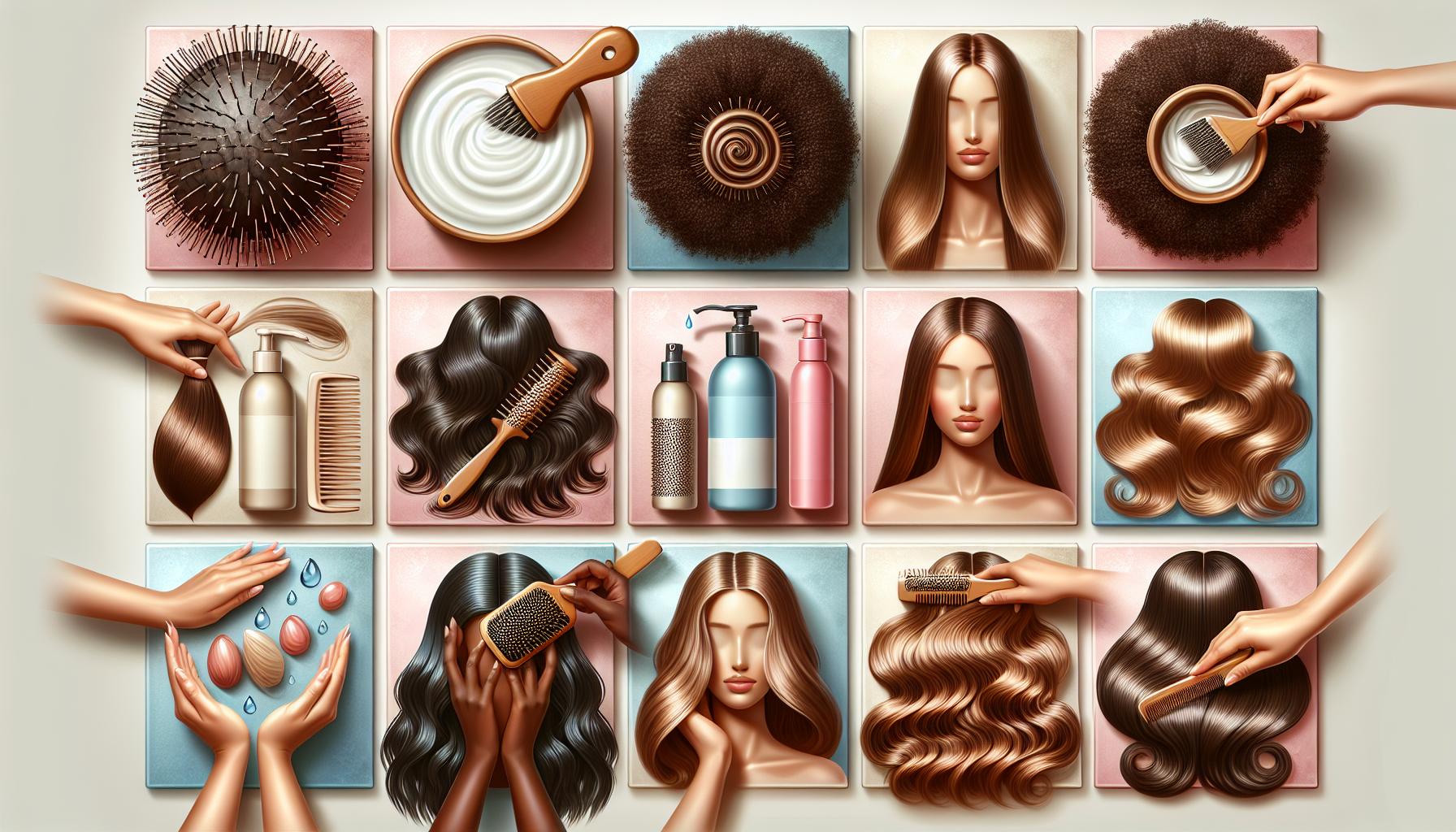
Styling Wisely: How Your hair Routine Affects Growth
Achieving longer, healthier hair often hinges on the routine we maintain. One key aspect to consider is how our styling choices impact hair growth, as improper techniques can lead to damage and setbacks. Understanding the delicate balance between styling for aesthetics and maintaining the integrity of our hair is essential for anyone striving for length.
Choosing the Right Products
The foundation of a healthy hair routine begins with the products we use. Opting for gentle, nourishing formulas can prevent breakage. Look for shampoos and conditioners infused with natural oils, proteins, and vitamins.Avoid products with sulfates and parabens, which can strip hair of its natural moisture.Instead, consider items from the following categories:
- Moisturizing shampoos: These help to hydrate and soften hair.
- Deep conditioning treatments: Aim for treatments that focus on repair and hydration, applied once a week.
- Hair oils and serums: products rich in argan oil or jojoba can provide essential nutrients.
Minimizing Heat Damage
frequent use of heat-styling tools like blow dryers, curling irons, and straighteners can wreak havoc on hair health. to mitigate damage, implement protective measures such as:
- Using a heat protectant spray before styling.
- Limiting the use of heat tools to a few times per week.
- Experimenting with no-heat styling methods, such as braiding damp hair or utilizing foam rollers.
These practices not only preserve the structural integrity of your hair but also enhance its overall appearance, aligning with the science-backed methods for promoting growth.
Gentle Styling Techniques
How you style your hair daily matters significantly for its growth potential. Opt for looser hairstyles that avoid putting excessive tension on the hair shaft. Tight ponytails or braids can lead to traction alopecia, a form of hair loss caused by stress on the follicles. Instead,try:
- Soft,loose ponytails or buns.
- Using fabric hair ties rather of rubber bands to minimize breakage.
- Incorporating protective styles such as braids or twists that shield the ends.
by adjusting your hairstyling practices in these simple ways, you can significantly enhance your hair’s ability to grow longer and healthier.
| Styling Tips | Benefits |
|---|---|
| Use moisturizing products | Prevent dryness and breakage |
| Limit heat usage | Reduce damage and maintain shine |
| Choose gentle, loose hairstyles | Minimize stress on hair follicles |
Incorporating these actionable steps into your hair care routine is a vital component of learning how to foster growth effectively, ensuring that each strand remains strong and vibrant as you work towards your length goals.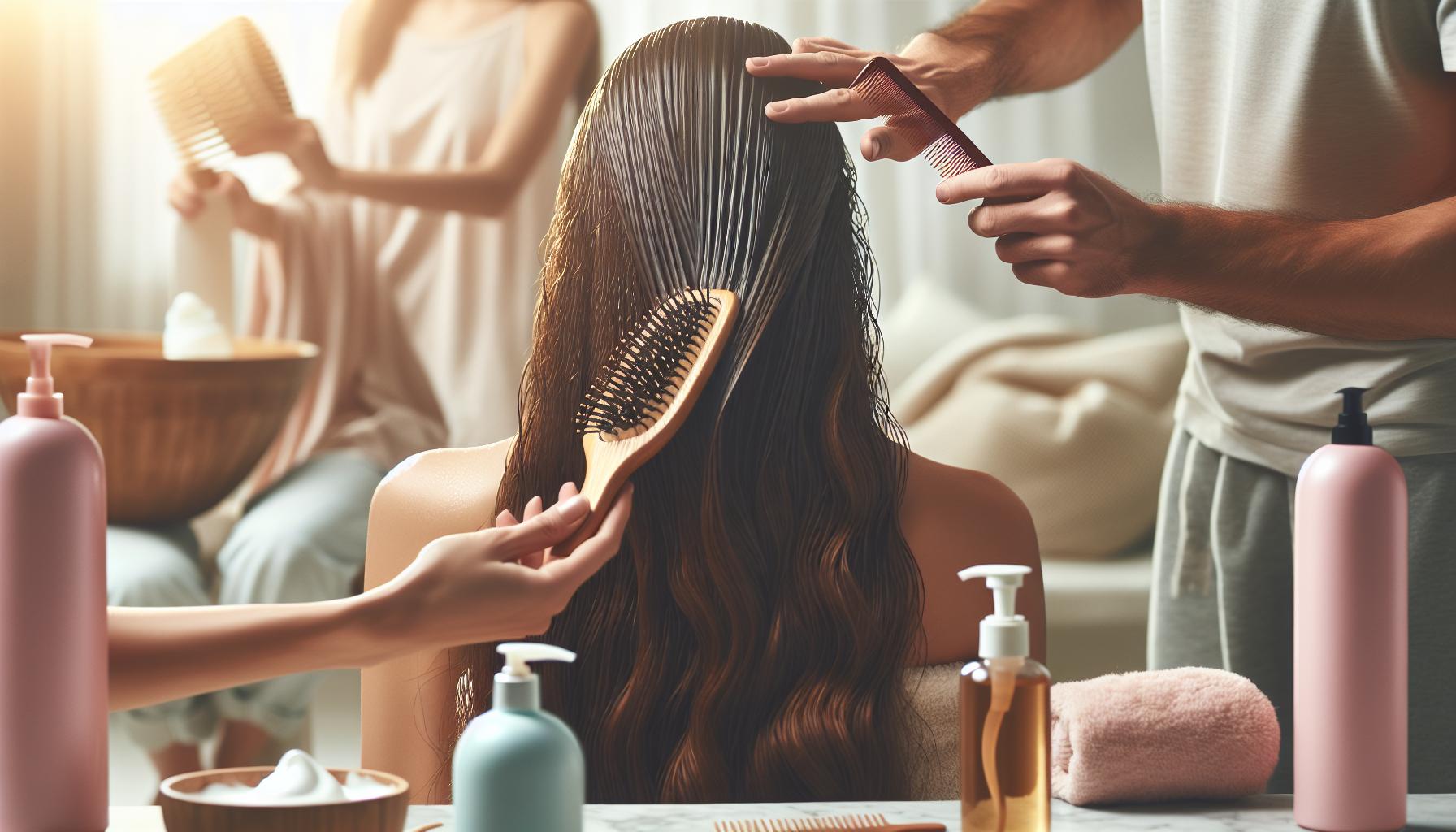
Stress and Hair: The Connection You Need to Know
Experiencing hair loss can be distressing, and many people don’t realize that stress is a major contributing factor. Research indicates that physical or emotional stress can trigger several forms of hair loss, notably telogen effluvium, where a significant number of hairs shed prematurely. This condition may lead to noticeable thinning,often happening several months after a stressful event,making it crucial to manage stress levels effectively.
Understanding the Mechanism
the connection between stress and hair loss revolves around the body’s stress response. When faced with stress, the body releases hormones like cortisol, which can disrupt the normal hair growth cycle. A study highlighted by the National Institutes of Health revealed that stress hormones may impede the function of stem cells required for hair growth, showcasing a direct biological link between stress and hair loss [[2](https://www.nih.gov/news-events/nih-research-matters/how-stress-causes-hair-loss)]. Additionally, Mayo Clinic notes that increased stress can lead to various forms of hair loss, including alopecia areata, an autoimmune condition where the immune system attacks hair follicles [[3](https://www.mayoclinic.org/healthy-lifestyle/stress-management/expert-answers/stress-and-hair-loss/faq-20057820)].
Practical Steps to Combat Stress-Related Hair Loss
To mitigate the impact of stress on your hair, consider incorporating the following practices into your daily routine:
- Mindfulness and Meditation: Engaging in mindfulness practices can help reduce stress and promote hair health.
- Regular Exercise: Physical activity is a proven stress reliever and can improve overall well-being, indirectly benefiting hair health.
- Healthy Diet: Consuming a balanced diet rich in vitamins and minerals—such as Biotin, Zinc, and Vitamin D—supports hair growth and counters the negative effects of stress.
- Seek Professional help: If stress becomes overwhelming, speaking with a mental health professional can provide coping strategies.
maintaining healthy hair goes beyond just treatments and products. Understanding the profound impact that stress has on hair growth is imperative. Incorporating stress management techniques not only enhances emotional well-being but can also play a crucial role in achieving the healthy, rapidly growing hair you desire.Balancing stress levels is one of the science-backed methods that align with your goal of hair growth by creating optimal conditions for your hair to thrive.
Professional treatments: What Works According to Science
The quest for longer hair can sometimes feel unending, leading many to explore professional treatments that promise results. Various scientifically backed methods can effectively stimulate hair growth, mitigate hair loss, and enhance the overall health of hair. Various professional interventions are gaining traction for their efficacy, and numerous studies highlight their potential benefits.
Minoxidil Treatments
One of the most widely recognized treatments for hair growth is minoxidil, a topical solution that is available over-the-counter. It operates by expanding blood vessels, which improves blood circulation to hair follicles, ultimately supporting their health. Research has shown that regular use can significantly promote hair regrowth in individuals experiencing androgenetic alopecia (male or female pattern baldness). Those seeking to understand how to get hair to grow faster might consider incorporating minoxidil into their routine and should expect visible results within 4 to 6 months of consistent application.
Finasteride
Another effective treatment is finasteride, particularly for men, as it works by inhibiting the hormone that contributes to hair loss. by blocking the conversion of testosterone to dihydrotestosterone (DHT), finasteride helps manage hereditary hair loss. Clinical studies have indicated that long-term use can lead to significant improvements in hair density and growth rates, making it a powerful option for those looking to maintain their mane.
Platelet-Rich Plasma (PRP) Therapy
In recent years, innovative therapies like Platelet-Rich Plasma (PRP) have emerged. This procedure involves drawing a small amount of the patient’s blood, processing it to concentrate the platelets, and then injecting this rich plasma directly into the scalp.PRP therapy aims to rejuvenate hair follicles and encourage hair growth. Research supports its effectiveness, with many patients noticing a marked enhancement in hair thickness and scalp coverage after several sessions.
Laser Therapy
Lastly, low-level laser therapy (LLLT) devices are also making headlines as non-invasive options that promote hair growth. These devices utilize specific light wavelengths to stimulate hair follicles without damaging the surrounding tissues. studies indicate that LLLT can significantly enhance hair density and improve the overall hair growth process, making it a suitable alternative for individuals looking to achieve longer hair without extensive medical interventions.
whether it’s topical treatments like minoxidil,hormonal options such as finasteride,or cutting-edge procedures like PRP and laser therapy,there are numerous science-backed methods available that can assist individuals in their journey to achieve longer,healthier hair. each method presents its unique advantages and considerations, making it essential to consult with a healthcare professional to determine the best approach tailored to individual needs and goals.
Natural Remedies: Time-Tested Solutions for Faster Growth
The quest for luscious locks is as old as time, with countless generations turning to nature’s pantry for solutions to stimulate hair growth. Many individuals have found success in employing simple, yet effective, remedies that harness the power of botanicals and foods known for their health benefits. Whether you’re looking to revitalize thinning strands or simply enhance the speed of hair growth, these customary methods offer a blend of effectiveness and accessibility.
Herbal Allies in Hair Growth
A variety of herbs have stood the test of time when it comes to promoting hair growth.For instance, aloe vera is widely recognized for its nourishing properties. It not only moisturizes the scalp but also contains enzymes that can definitely help in repairing dead skin cells on the scalp. Similarly, ginseng is praised for its ability to stimulate the scalp and improve circulation, thereby nourishing hair follicles. Saw palmetto, another powerful herb, has been historically used to block the production of DHT, a hormone linked to hair loss. Incorporating these herbs into your hair care routine can potentially yield significant improvements.
Essential Oils and Their Impact
Essential oils offer an intense boost to your hair care regime. One standout oil is rosemary oil, known for its stimulating effects on hair follicles. Studies indicate that when massaged into the scalp, rosemary oil can improve circulation and promote faster growth compared to some conventional treatments. Additionally, adding a few drops of peppermint oil may enhance the invigorating experience and further support growth by ensuring a refreshed scalp environment. To use these oils effectively, consider diluting them with a carrier oil, such as coconut oil, for a nourishing scalp massage.
Dietary Enhancements for Hair Health
What you consume plays a crucial role in how to get hair to grow faster. Incorporating foods rich in vitamins and minerals can help fortify your locks from within. Focus on including:
- Omega-3 fatty acids: Found in fish like salmon and seeds like flaxseeds, they support scalp health.
- Biotin-rich foods: Eggs, nuts, and whole grains are excellent sources vital for hair structure.
- Iron and Zinc: Spinach and lentils boost blood flow while strengthening hair strands.
These nutritional powerhouses not only enhance hair health but also promote overall well-being.
By integrating these time-tested remedies and enhancing your diet, you can pave the way for stronger, healthier hair. Whether you’re tackling hair loss or aiming for quicker growth, these natural solutions provide a grounded approach to achieving your hair goals, informed by centuries of tradition and modern understanding.
Hormones and Hair: How They Influence Your Hair Health
The intricate connection between hormones and hair health is a fascinating aspect of human biology.Hormones not only regulate various bodily functions, but they also play a pivotal role in the hair growth cycle. Disorders or fluctuations in hormone levels can significantly impact hair density, texture, and overall growth, making it essential to understand how these biochemical messengers influence your mane.
Androgens, particularly testosterone and its more potent derivative, dihydrotestosterone (DHT), are critical players in hair follicle health.These hormones can stimulate hair growth, but in excess, they may lead to conditions like androgenetic alopecia, commonly known as male or female pattern baldness. In women, hormonal imbalances often seen during menopause, pregnancy, or due to conditions like polycystic ovary syndrome (PCOS) can lead to thinning hair or excessive hair shedding. Therefore, maintaining balanced hormone levels is crucial for promoting optimal hair growth and density.
Practical Steps for hormonal Balance and Hair Health
To harness the power of hormones for better hair health, consider these actionable strategies:
- Regular Exercise: Engaging in physical activity can help regulate hormone levels, reducing stress and promoting a healthier hair cycle.
- Nutrient-Rich diet: Incorporate vitamins and minerals that support hair health, such as biotin, Vitamin D, iron, and omega-3 fatty acids. Foods like salmon, spinach, and eggs are excellent choices.
- Consult Healthcare Professionals: If you notice significant changes in your hair growth or thinning, seeking advice from a healthcare provider or an endocrinologist can definitely help determine if hormonal imbalances are contributing factors.
- Stress Management Techniques: Chronic stress can lead to hormonal fluctuations that negatively affect hair growth. Practices like yoga, meditation, or deep-breathing exercises can be beneficial.
Understanding the Hair Growth Cycle
The hair growth cycle comprises three phases: anagen (growth), catagen (transition), and telogen (rest). Hormones are intricately linked to these phases. For instance, the anagen phase, where hair actively grows, can be elongated by certain hormones, while disruptions caused by hormonal shifts can prematurely push hair into the catagen or telogen phases. Recognizing these cycles allows individuals to implement informed strategies on how to get hair to grow faster by focusing on hormone health.
By understanding and managing the hormonal factors that influence hair, it becomes possible to create a robust environment for hair growth. This approach not only addresses aesthetic concerns but fosters overall well-being,allowing each strand to thrive.
FAQ
how can I get my hair to grow faster naturally?
To promote quicker hair growth naturally, maintain a balanced diet rich in vitamins and minerals, especially biotin and zinc. Additionally, regular scalp massages can enhance blood circulation, encouraging hair follicles to thrive.
Consider incorporating foods like eggs, nuts, and leafy greens into your meals. Also, using essential oils like rosemary during a massage can boost effectiveness. For a detailed guide, check our article on natural solutions for hair growth.
What is the role of vitamins in hair growth?
Vitamins play a crucial role in hair health and growth. for example, vitamin E helps improve circulation to the scalp, while biotin supports hair structure and strength.
Deficiencies in these essential vitamins can lead to slower growth or hair loss. It’s often beneficial to consider a well-rounded supplement or dietary adjustments to include these vitamins for optimal hair health.
Why does hair grow slower as we age?
As we age, hair growth tends to slow down due to reduced hormone production, changes in hair follicles, and the natural aging process. These factors can lead to finer hair and less overall volume.
Understanding these changes can help you adopt targeted strategies, such as using products specifically designed for mature hair, which enhance volume and provide necessary nutrients to combat age-related hair issues.
Can stress impact hair growth?
Yes, stress significantly affects hair growth. High stress levels can lead to hair loss conditions like telogen effluvium, where hair prematurely enters the resting phase.
Managing stress through techniques like yoga, meditation, or regular exercise can mitigate its impact on your hair. Creating a calming routine can contribute to healthier hair and overall well-being.
What treatments are effective for enhancing hair growth?
Effective treatments for enhancing hair growth include topical solutions like minoxidil and natural oils like castor or peppermint oil, which promote circulation.
Studies show consistency in application yields the best results. It’s advisable to explore various options and consult a dermatologist for personalized recommendations tailored to your hair type.
How frequently enough should I trim my hair for faster growth?
Trimming your hair every 6-8 weeks helps remove split ends, which can lead to breakage. Regular trims can make your hair look healthier, tho they won’t speed up growth directly.
Maintaining healthy ends allows hair to grow longer without interruptions from damage. Pairing regular trims with a nourishing hair care regimen can maximize growth potential and keep your hair in top shape.
Can I use hair growth supplements effectively?
Hair growth supplements can be effective if they contain key ingredients like biotin, saw palmetto, and collagen. These ingredients support hair health, promoting stronger growth.
Results may vary, and it’s critically important to combine supplementation with a healthy lifestyle and diet. Always consult with a healthcare professional before starting any new supplements to ensure they align with your health needs.
How to create a hair care routine that promotes growth?
To establish a hair care routine that promotes growth, focus on using sulfate-free shampoos, deep conditioning regularly, and protecting your hair from heat styling.
Incorporate weekly scalp massages and choose products that cater to your hair type. Adding protective styles can also minimize damage and stress on your hair, fostering a healthy environment for growth.
The Way Forward
nurturing your hair to grow faster and healthier involves a combination of dietary and lifestyle choices, effective hair care routines, and possibly medical treatments when necessary. Emphasizing the importance of a balanced diet rich in vitamins and minerals will support hair growth from within. Additionally,maintaining gentle hair care practices,such as avoiding excessive heat and harsh chemicals,is crucial for preventing damage and promoting stronger strands. Furthermore, exploring scientifically-backed treatments like minoxidil can offer hope for those experiencing significant hair loss. Remember, patience is key, as hair growth is a gradual process. We encourage you to dive deeper into each of these methods and tailor them to your unique hair type and needs. Understanding your hair and how to care for it can turn your hair goals into a reality, fostering not only growth but also the confidence that comes with it. For more tips and insights, don’t hesitate to explore further into your hair care journey!


