


Wondering when you can dye yoru hair after a bleaching session? Timing is crucial for achieving vibrant, long-lasting color while minimizing damage. This article explores the ideal waiting period between bleaching and dyeing, helping you achieve stunning results without compromising your hair’s health. Let’s dive into the best practices for your hair conversion!
Contents
- Understanding the Bleaching Process: What Happens to Your Hair?
- Timing Matters: Ideal Wait times Between Bleaching and Dyeing
- Hair Health: How Bleaching affects Color Retention
- The Science Behind Hair Porosity After Bleaching
- Choosing the Right Dye: Considerations for post-Bleach Hair
- Preparing Your Hair: steps to Take before Coloring After Bleaching
- Expert Tips for Maintaining Hair integrity After Bleaching
- Signs Your Hair is Ready for the Next Color Adventure
- Frequently asked questions
- How long after bleaching can I dye my hair?
- Why wait to dye hair after bleaching?
- Can I dye my hair immediately after bleaching?
- What is the best care routine after bleaching before dyeing?
- How can I prepare my hair for dyeing after bleaching?
- What types of dye can I use after bleaching?
- Can I use toner before dyeing my hair after bleaching?
- Wrapping Up
Understanding the Bleaching Process: What Happens to Your Hair?
The transformation your hair undergoes during the bleaching process is a captivating yet complex chemical reaction that alters its structure and color. When bleach is applied, it penetrates the hair cuticle, opening it up and allowing the bleaching agent—usually in powder form mixed with a developer—to strip away the natural pigments. This chemical cocktail typically involves hydrogen peroxide,which is crucial in lifting the hair color. The strength of the developer, measured in volumes (such as 20, 30, or 40), determines how quickly and how deeply the bleach interacts with your hair. Higher volumes can result in more drastic changes but come with an increased risk of damage,making it essential to choose the right type based on your hair’s current condition and desired outcome.
Chemical Breakdown of Hair
During the bleaching process, the melanin in the hair is broken down, which is responsible for its natural color. The key steps in this process include:
- Cuticle Opening: The bleaching agent opens the outermost layer of the hair, known as the cuticle, which allows the bleach to access the inner layers.
- Oxidation: As the bleach works, it oxidizes the melanin, effectively neutralizing pigments and lightening the overall hair color.
- color Change: Depending on how long the bleach is left in and the strength of the developer,your hair can shift from its original color to a pale blonde or even a platinum shade.
Understanding Hair Damage
While the hair color transformation can be exciting, it’s essential to understand the potential for damage that accompanies bleaching. The very process of opening the hair cuticle and oxidizing the melanin can compromise hair health,leading to dryness and brittleness. Here are a few strategies to mitigate damage:
- Pre-Bleach Treatments: Conditioning treatments or oils can be applied prior to bleaching to help protect the cuticle.
- Pacing Your Bleach sessions: Allowing ample time between bleaching and dyeing can help your hair recover,typically recommended to be at least 2-4 weeks.
- Hydration: Post-bleach care shoudl involve deep conditioning to restore moisture and nutrients.
Understanding the intricacies of how bleach interacts with your hair is crucial when contemplating timelines between bleaching and further dyeing. Knowing how long after bleaching you should wait can greatly enhance the final results, ensuring your hair remains as healthy as possible while achieving that desired vibrant color.
Timing Matters: Ideal Wait times Between Bleaching and Dyeing
After bleaching, the urgency to achieve that perfect hair color can be overwhelming. Many hair enthusiasts find themselves itching to reach for their favorite dye almost immediately. Though, understanding the necessary wait times is crucial for achieving vibrant and lasting results while maintaining hair health. So, how long after bleaching can you effectively dye your hair for optimum results?
The Science Behind Bleach and Dye
Bleaching opens the hair cuticle, lifting away color molecules and stripping your hair of its natural pigments. This process can weaken the hair structure,making it more susceptible to damage. Therefore, rushing into dyeing your hair immediately after bleaching can result in poor color absorption, uneven results, and further damage to an already compromised hair strand. It’s vital to give your hair some time to recuperate.
- 24 to 48 hours: A commonly recommended wait time for those who are eager to try a new shade. This short wait allows the cuticle to settle slightly without compromising the effectiveness of the dye.
- 3 to 7 days: Allowing a week will enable your hair to regain some moisture and elasticity. This is particularly useful if you’ve used high-volume developers or if your hair feels particularly fragile.
- 1 to 4 weeks: For optimal results, especially if you’ve experienced meaningful bleaching, consider waiting at least a week or longer.This extended time allows for potential recovery, especially with the application of deep conditioning treatments.
Real-World Examples
Consider two scenarios: in the first, Sarah bleached her hair and decided to dye it the next day. The result? A dull, uneven hue that faded quickly. Meanwhile, Jessica waited a week after her bleaching session to dye her hair. She invested time in deep conditioning treatments, and the color she achieved was rich, vibrant, and long-lasting. The difference in their approaches highlights the importance of waiting for the hair to recover.
To help you visualize the ideal wait times, here’s a simple comparison:
| Action | Ideal Wait Time | Potential Results |
|---|---|---|
| Dye Immediately | 0-24 hours | Dull, patchy color; potential damage |
| Dye After 24-48 hours | 1-2 days | Acceptable color but may not be long-lasting |
| Dye After 3-7 days | 3-7 days | Better color absorption; healthier result |
| Dye After 1-4 weeks | 1-4 weeks | Optimal color results; healthier hair |
Taking the time to care for your hair not only protects its integrity but also enhances the overall outcome of your dye job. Knowing how long after bleaching you should wait before dyeing is essential for achieving the best results possible. By considering these waiting periods and incorporating a tailored hair care regimen,you can look forward to stunning,long-lasting color while keeping your hair healthy.
Hair Health: How Bleaching affects Color Retention
the journey to vibrant hair color often takes a detour through bleaching, a process that can significantly impact your hair’s health and its ability to retain color. While bleaching strips the hair of its natural pigment, it also alters its structure, increasing porosity and making the hair more susceptible to damage. This fundamental change raises an important question: How long after bleaching can you dye your hair without compromising the results?
To ensure your newly bleached hair remains vibrant and healthy, timing is crucial. It is generally recommended to wait at least two weeks before applying another color treatment. This waiting period allows your hair to recover from the chemical processes associated with bleaching.By giving your hair time to regain some moisture and strength, you enhance its ability to absorb and retain color effectively. Here are some factors to consider during this interval:
- Hydration: Use deep conditioning treatments to restore moisture in your hair. Look for products rich in proteins and hydrating ingredients.
- Color Choice: When dyeing after bleaching,opt for semi-permanent or demi-permanent dyes,as they tend to be less damaging and can provide a more forgiving color application.
- Pre-Treatment: consider using a bond-building treatment before dyeing. Products like Olaplex can definitely help strengthen the hair and improve color retention.
Additionally, it’s essential to recognize the impact of your hair’s porosity on the retention of color. High porosity hair absorbs color quickly but also loses it just as fast. Applying color sooner than recommended can lead to dull, washed-out results. To gauge the health of your bleached hair,perform a porosity test; simply place a strand in a glass of water—if it sinks quickly,it’s highly porous and may need more time to recover.
understanding how bleaching affects color retention is vital for maintaining the integrity and vibrancy of your hair. By being patient and employing restorative practices within the recommended timeframe—about two weeks—you can ensure that your next dye job yields the best possible results. This approach not only enhances color durability but also promotes overall hair health, making your tresses look gorgeous and well-cared-for.
The Science Behind Hair Porosity After Bleaching
Understanding how bleaching affects hair porosity is crucial for anyone considering dyeing their hair thereafter. When hair is bleached,the process essentially alters the hair’s cuticle layer,making it more porous. This increased porosity means that the hair can absorb dye more readily; however, it also has implications for how well the hair retains moisture and color after the dyeing process.
Bleaching opens up the hair’s cuticle, creating a state often referred to as “high porosity.” This type of hair absorbs moisture and color quickly but struggles to retain it. For those asking, “How long after bleaching can I dye my hair? Timing for Best Results,” it’s essential to note that the hair needs some time to recover from bleaching. Waiting at least a week is advisable to allow the hair shaft to stabilize, reducing the risk of damage during the dyeing process. In that time, it’s beneficial to focus on deep conditioning treatments that can help temporarily restore moisture and improve the overall health of your hair.
Assessing Hair Condition Before Dyeing
To effectively gauge your hair’s readiness for dyeing post-bleaching, consider these steps:
- Conditioning Treatments: Regular deep conditioning can help restore some of the lost moisture.
- Porosity Test: Conduct a simple porosity test by placing a strand of hair in water; if it sinks quickly, your hair is highly likely highly porous.
- Consultation: If you’re uncertain,consulting a professional stylist can provide personalized insight into your hair’s state.
Utilizing the right products formulated for high porosity hair is key. Look for shampoos and conditioners that are designed to enhance moisture retention and minimize breakage. Products with ingredients like protein and fatty acids can form a protective barrier,aiding in the retention of hydration and color.
the science of hair porosity after bleaching reveals a delicate balance between absorption and retention.To achieve the best results with hair dyeing after bleaching, patience is vital as you allow the hair to recover.By understanding your hair’s unique porosity and taking steps to nurture it, you can ensure a more vibrant and long-lasting color.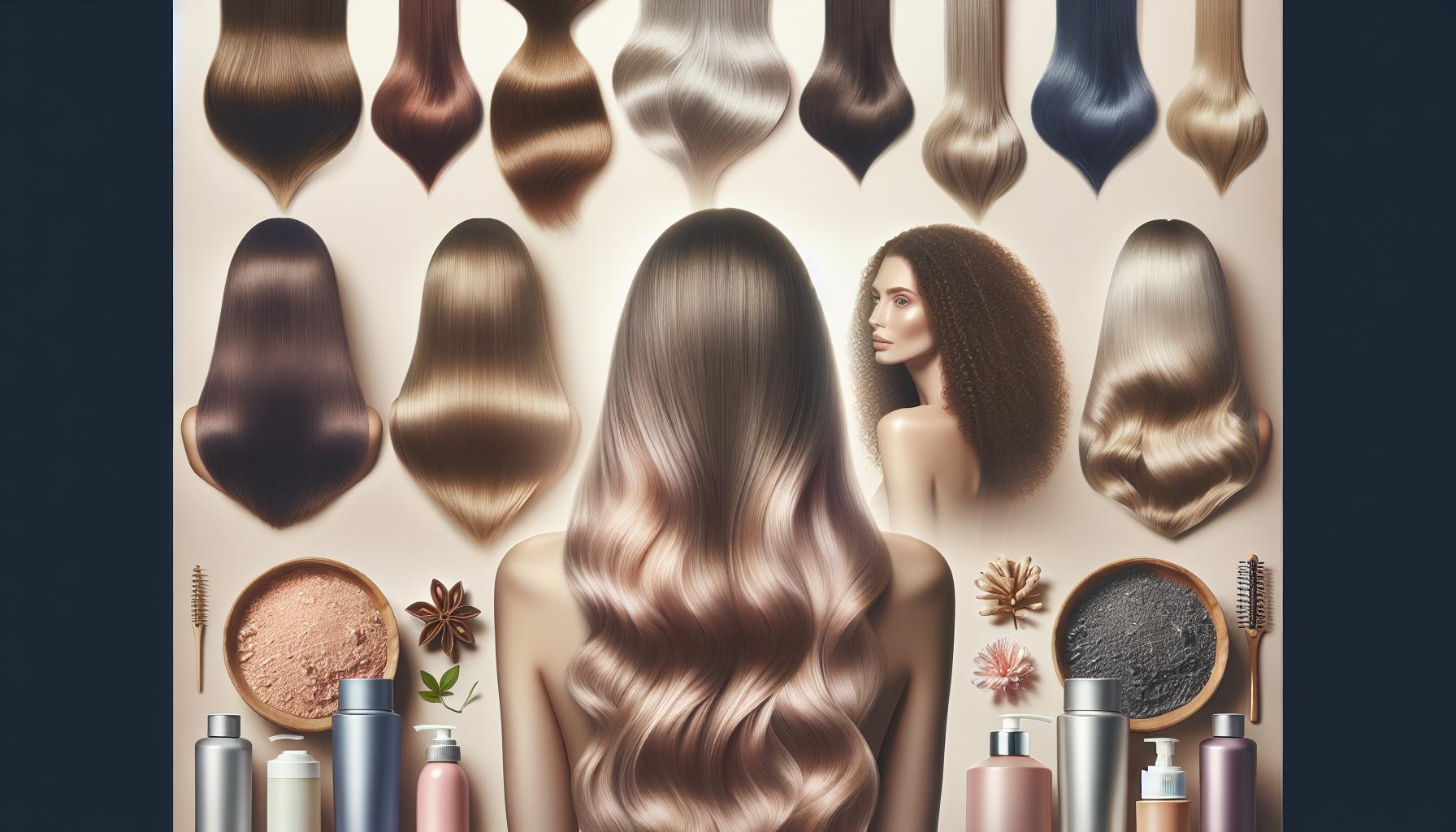
Choosing the Right Dye: Considerations for post-Bleach Hair
When it comes to refreshing your look with a hair dye after bleaching, choosing the right dye is essential for achieving beautiful, vibrant results while minimizing damage. The process of bleaching opens the hair cuticle, making it more porous and susceptible to harsh chemicals. Thus, understanding the nuances of dye selection is critical.
Understanding Your Hair Type and Condition
Before diving into the dye selection process,take a moment to assess your hair’s condition post-bleach. Factors such as porosity, elasticity, and overall health play a significant role in the dyeing process. Here are some considerations:
- Porosity: Bleached hair typically has higher porosity, meaning it absorbs products more readily. This can enhance color uptake but may require gentler formulations that offer moisture.
- elasticity: If your hair feels fragile or breaks easily, opt for dyes that are ammonia-free or contain nourishing ingredients to promote health and vibrancy.
- Desired Color Outcome: Depending on the shade you’re targeting, consider whether you’re aiming for a semi-permanent, permanent, or direct dye. The first two may require varying processing times after bleaching.
Types of Hair Dyes to Consider
Choosing the right type of dye can make all the difference in achieving the best results. Here’s a breakdown of options suited for post-bleach hair:
| Type of dye | benefits | Best For |
|---|---|---|
| Semi-Permanent | Less damaging, easy to apply, and fades gradually | First-time colorers or those looking for low-commitment options |
| Permanent | Long-lasting color with full coverage | Individuals desiring a dramatic change or gray coverage |
| Direct Dyes | Vibrant shades, often non-oxidative, with conditioning ingredients | Bold fashion colors and creative looks |
It’s also worth exploring the pH levels of dyes, as acidic formulations can help seal the cuticle and maintain moisture. When asking, “How long after bleaching can I dye my hair?” remember that your hair’s needs dictate timing and choice. Waiting a sufficient period for your hair to recover can enhance the effectiveness of the dye, while also ensuring that the color applied lasts longer and looks more radiant.
the key to successful dyeing post-bleach lies in understanding your hair’s unique condition and qualities, which will help guide your selection of the most suitable dye. This mindful approach not only protects your hair but also maximizes your coloring results.
Preparing Your Hair: steps to Take before Coloring After Bleaching
To achieve those stunning color results you’ve been dreaming about after a bleaching session,it’s crucial to prepare your hair adequately. Bleaching can strip your hair of its natural oils and proteins, leaving it vulnerable and in need of some tender loving care. Familiarizing yourself with the right steps to take before jumping into the dyeing process can significantly affect the vibrancy and longevity of your new color.
Start with a protein Treatment
After bleaching, your hair has likely lost much of its structural integrity. Introducing a protein treatment can help restore some of that strength and prepare your strands for the dye. Aim for a product rich in hydrolyzed proteins, which penetrate the hair shaft deeper than others. Follow these general steps for your treatment:
- Choose a suitable protein treatment based on your hair type.
- Apply it generously from roots to tips.
- Leave it on for the recommended time, usually around 15-30 minutes.
- Rinse thoroughly and follow with a deep conditioner.
Hydration is Key
Along with protein, moisture is essential. After a bleaching process, your hair will benefit enormously from hydrating treatments that can replenish lost moisture. Utilizing a deep conditioning mask or hydrating hair products is a great way to prepare your hair further before applying color.
To optimize your hydration routine:
- Use a deep conditioning mask once a week leading up to the dye application.
- incorporate leave-in conditioners or hydrating sprays to keep moisture locked in.
Timing Your Color Application
You might wonder: how long after bleaching can you dye your hair? Timing plays a critical role in achieving the best results. Even though most stylists recommend waiting at least 1-2 weeks before applying color,everyone’s hair and experience varies. Here’s a simple table to guide your timing:
| Time After Bleaching | Recommended Action |
|---|---|
| 0-3 Days | Avoid dyeing; focus on moisturizing and rebuilding. |
| 4-7 Days | Consider applying a semi-permanent color if hair feels good. |
| 1-2 Weeks | Ideal for permanent coloring; hair needs to regain some strength. |
| 2+ Weeks | Hair is generally more resilient; go ahead with your desired color. |
By following these key steps, you set yourself up for success when it comes to dyeing your hair after it’s been bleached.The right preparation, hydration, and timing will ensure your hair not only looks vibrant and beautiful but also remains healthy and strong throughout the process.
Expert Tips for Maintaining Hair integrity After Bleaching
After the transformative process of bleaching, your hair frequently enough requires a little extra TLC to maintain its integrity and vibrancy. While it may be tempting to jump right into a new color, it’s important to pause and consider what your freshly bleached hair needs to stay healthy. Proper care can help delay further damage and set you up for the best results when ready to dye again.
Hydration is Key
One of the most critical aspects of maintaining hair integrity post-bleach is ensuring your strands are adequately moisturized. Bleaching strips the hair of essential moisture, making it vital to replenish that lost hydration.Here are a few strategies to consider:
- Deep Conditioning Treatments: Incorporate a weekly deep conditioning mask into your hair care routine. Look for products rich in oils and proteins, which can help rebuild and strengthen your hair.
- Leave-In Conditioners: These products can provide ongoing moisture and protection. Apply them to damp hair to lock in hydration.
- Hot Oil Treatments: Once a month, treat yourself to a hot oil treatment to restore luster and hydration.
limit Heat exposure
After bleaching, your hair may become more prone to damage from heat styling tools. It’s advisable to reduce the use of blow dryers, curling irons, and flat irons whenever possible. When you do style your hair, consider the following tips for added protection:
- Heat Protectant Sprays: Always apply a heat protectant spray before using any thermal styling tools. This creates a barrier against heat damage.
- Opt for Lower Settings: Use the lowest effective heat settings to minimize damage.
Timing Your Next Dye
now, regarding the question of how long after bleaching can you dye your hair, it’s crucial to allow your hair to recover before undergoing any additional chemical processes. Waiting between 4 to 6 weeks is recommended, providing ample time for your hair to regain some of its strength. When you’re ready to take the plunge into a new color, consider using semi-permanent dyes that typically cause less damage compared to permanent colors.
Creating a Hair Maintenance schedule
Establishing a consistent hair care regimen can greatly improve your hair’s resilience. Here’s a simple monthly schedule you can follow:
| Week | Routine |
|---|---|
| 1 | Deep conditioning treatment and trim |
| 2 | Hot oil treatment and scalp massage |
| 3 | Protein-rich mask followed by moisturizing conditioner |
| 4 | Routine wash and go, with emphasis on leave-in conditioner |
By committing to these expert tips and developing a personalized hair care regimen, you can significantly elevate the health and appearance of your hair after bleaching. This not only prolongs the life of your style but also prepares your hair for the next coloring adventure, ensuring that you achieve the best results when you finally decide to dye your hair.
Signs Your Hair is Ready for the Next Color Adventure
After transforming your hair with a bleach treatment, you might be itching to dive into your next color exploration. but before you grab that vibrant dye,it’s essential to determine if your hair is truly ready for the adventure. Proper timing can make all the difference, ensuring that your strands remain healthy while achieving optimal results. So how do you know when the time is right to dye your bleached hair?
Recognizing the Signs
Your hair may signal that it’s ready for further coloring. Here are some indicators to look out for:
- hydration Levels: If your hair feels soft and hydrated after a moisturizing treatment, it may be ready for a new color. Look out for dryness or brittleness, as these can indicate your hair needs more time to recover.
- Elasticity: Test the elasticity of your strands by taking a small section of hair and stretching it. Healthy hair will bounce back without breaking. If your hair stretches and snaps, give it some more time.
- Color Fade: If your previous bleach job has faded significantly, it may be a sign that your hair can absorb another dye without risk of damage. This can also help the new color take better.
- Smoothness: After washing and conditioning, run your fingers through your hair. If it feels smooth and tangle-free, that’s a good sign your hair is ready for dyeing.
Hair Health Checks
Before making any drastic changes, consider performing a hair health check. Here’s a straightforward approach:
| Step | What to Look For |
|---|---|
| 1. Shampoo & Condition | Check for softness and moisture retention. |
| 2.Inspect for Damage | Look for split ends or rough textures that indicate damage. |
| 3. moisture Test | Apply a deep conditioning treatment and evaluate results. |
| 4.Patch Test | A small test on a hidden section can show your hair’s reactions to new dye. |
Once you’ve assessed your hair with these methods and find it in good condition, you can confidently move to your next color. Remember, waiting the appropriate amount of time after bleaching is crucial—not just for the best results in coloring but also for maintaining your hair’s integrity. Aim for at least a couple of weeks after bleaching before applying any dye to ensure your hair can withstand the process and prevent excessive damage.
Frequently asked questions
How long after bleaching can I dye my hair?
It is generally recommended to wait at least two weeks after bleaching before applying any dye to your hair.
Waiting two weeks allows your hair to recover from the damaging effects of bleach and helps maintain its health. During this time, using deep conditioning treatments can restore moisture and strength, making your hair more resilient to the next coloring process.
By spacing out these treatments,you minimize the risk of excessive damage and achieve better results with your hair dye. Consider using products designed for color-treated hair to maintain the vibrancy and health of your locks.
Why wait to dye hair after bleaching?
Waiting to dye your hair after bleaching reduces the risk of breakage and maintains hair health.
Bleaching strips away natural oils and moisture,leaving hair vulnerable. By waiting a couple of weeks, you allow your hair to regain some vital moisture and strength, which is crucial for a successful next dye application.
This approach not only preserves the integrity of the hair but also leads to a more even and vibrant color when you do decide to dye it.
Can I dye my hair immediately after bleaching?
Dyeing your hair immediately after bleaching is not advisable due to potential damage.
applying dye right after bleaching can exacerbate hair damage and result in a less than desirable outcome, such as uneven color or excessive breakage. It’s essential to give your hair a chance to recover between treatments.
Using quality conditioners and treatments during the waiting period can significantly improve your hair’s condition and the color absorption in the long run.
What is the best care routine after bleaching before dyeing?
The best care routine after bleaching includes deep conditioning and avoiding heat styling.
After bleaching, focus on restoring moisture and strength. Incorporate a weekly deep conditioning mask, and use leave-in conditioners to shield your hair from dryness.
Avoid heat styling tools like curling irons or hair dryers during this time, as they can further weaken your hair. Instead, consider air-drying or using heat protectants if styling is necessary.
How can I prepare my hair for dyeing after bleaching?
To prepare your hair for dyeing after bleaching, ensure your hair is well-moisturized and healthy.
Before dyeing, conduct regular conditioning treatments and consider protein treatments if your hair feels overly porous. These steps help in reinforcing the hair structure and promote better dye adherence.
Additionally, trim any split ends to give your hair a fresh and healthy appearance, further enhancing the results of your upcoming dye job.
What types of dye can I use after bleaching?
after bleaching, semi-permanent or demi-permanent dyes are recommended for better results.
These types of dyes are less damaging compared to permanent lines and allow for easy correction if the color does not turn out as was to be expected. They also tend to fade gradually, providing a more natural transition back to your original color.
Ensure that the dye is specifically designed for color-treated hair for optimal results and health.
Can I use toner before dyeing my hair after bleaching?
Yes, using a toner before dyeing after bleaching can enhance color depth and reduce brassiness.
Toners help adjust unwanted hues, providing a more pleasing base for your hair dye. Applying toner after the recommended waiting period allows it to settle into the bleached hair, preparing it for the final dye application.
Choose a toner that complements your desired hair color, and always follow up with conditioning treatments to keep your hair healthy and vibrant.
Wrapping Up
understanding the timing and process behind dyeing your hair after bleaching is crucial for achieving the best results and maintaining hair health. It typically takes about two weeks post-bleach for your hair to return to a more stable state, allowing for better absorption of color and minimizing potential damage. During this period, prioritize nourishing your hair with deep conditioning treatments and avoid harsh chemicals to provide it with the TLC it needs.
If you’re eager to experiment with new shades, remember that patience and care can lead to beautiful transformations while safeguarding your hair’s integrity. Keep in mind the science of hair porosity and how it affects dye uptake; this knowledge can empower you to select the right products and techniques tailored to your unique hair type.
We invite you to delve deeper into hair care practices and explore various coloring options that suit your individual needs. Your hair journey is a personal one—embrace the process, and don’t hesitate to reach out for advice or share your experiences.Let’s continue the conversation about achieving vibrant, healthy hair that reflects your unique style!


