


Swimming in chlorinated pools can leave blondes with an unwanted green tint, often caused by copper compounds. Understanding how to counteract this discoloration is essential for restoring your hair’s vibrancy. This article explores effective color tints and treatments to neutralize green hues and bring back your hair’s natural beauty, ensuring you feel confident and radiant.
Contents
- Understanding the Causes of Green Hair After Swimming
- The Role of Chlorine: Why It Affects Hair Color
- Color Theory 101: Which Tints Neutralize Green Undertones?
- Step-by-Step Guide to Choosing the Right Color Treatment
- Professional Tips for Neutralizing Green Tints Safely
- Home remedies: Can Kitchen Staples help Fix Green Hair?
- Preventing Green Hair: Best Practices for Pool-goers
- The Importance of Regular Hair Care After Swimming Activities
- Faq
- What color tints fix green hair from pool chlorine?
- Can I use shampoo to fix green hair from pool chlorine?
- Why does chlorine turn hair green?
- What are some home remedies for green hair from chlorine?
- Can purple shampoo fix green hair from chlorine?
- How often should I treat green hair from chlorine?
- Are there specific products to avoid after getting green hair from chlorine?
- in summary
Understanding the Causes of Green Hair After Swimming
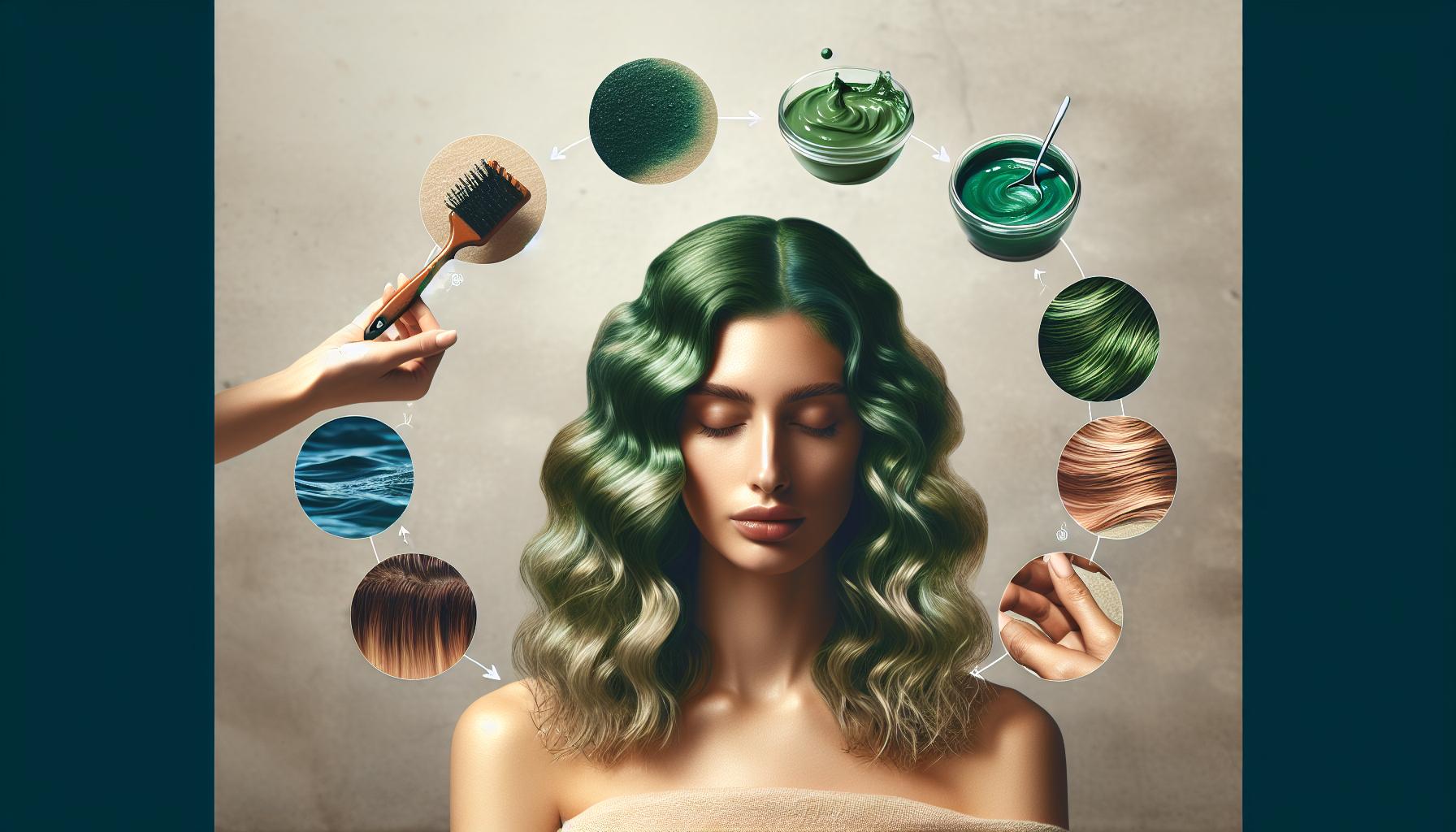
Experiencing a green tint in blonde hair after a swim can be alarming, but understanding why this occurs provides a valuable viewpoint for prevention and remediation. The primary culprit behind this phenomenon is copper,often found in pool water due to corroded pipes or algaecides. When you swim,the chlorine in the pool can react with copper,especially in light-colored hair,leading to an undesirable green hue that resembles the verdigris seen on oxidized copper statues,like the famous Statue of Liberty.
How Copper Affects Hair Color
When hair containing blonde or light colors interacts with oxidized copper, the metal deposits can bond with the hair cuticle. As the chlorine in the pool facilitates this oxidation process, the copper starts to cling to the hair fibers. This process is not instantaneous; rather, it builds over time with repeated swims, leading to a more noticeable tint.
To avoid green hair, consider the following preventive measures:
- Pre-Swim Treatments: Use a leave-in conditioner or specialized hair oil before plunging into the pool to create a barrier against chlorine and metals.
- swim Caps: Wearing a swim cap can significantly reduce the amount of water that comes in contact with your hair.
- Rinse Promptly: Always rinse your hair with fresh water right after swimming to wash away chlorine and copper before it can react.
What to Do If Your hair Turns Green
If you find yourself with green-tinted hair,don’t worry—there are effective ways to address the issue. Using color-depositing shampoos specifically designed to neutralize green tones can be a quick fix. These shampoos frequently enough contain purple or blue pigments,which counteract the green.Moreover, specific color tints can help too. For instance, shades like ash blonde or gray often work well because they counterbalance the unwanted green.
In severe cases, salon treatments involving color correction might potentially be necessary. It’s also beneficial to incorporate clarifying shampoos into your hair care routine, as they can help remove both chlorine and copper buildup effectively. Using these methods regularly can transform your hair back to its natural beauty and keep it vibrant and healthy.
is crucial in preventing and treating this common issue. With proper care and treatment,you can continue to enjoy your time in the pool without worrying about the impact on your hair color.
The Role of Chlorine: Why It Affects Hair Color
The vivid colors of dyed hair, while striking and lovely, can become victims of chlorinated pool water. Chlorine, a common component in swimming pools used for sanitization, reacts chemically with the pigments in hair dye, frequently enough resulting in unwanted green or faded hues. This phenomenon primarily occurs due to chlorine’s bleaching properties,which strip the hair of its natural oils and color molecules,leaving it dry and vulnerable to damage. Understanding how this interaction works is crucial for anyone looking to maintain the vibrancy of their hair color while enjoying poolside fun.
Chlorine affects hair color through a chemical reaction with its color pigments. For individuals with blonde or light-colored hair,the green tint that can develop after swimming is the result of chlorine binding with copper and other minerals found in pool water. These elements combine with the hair dye and begin to alter its color, often resulting in a greenish appearance. This is especially prevalent for those with lighter shades, as the blue-green hues produced can starkly contrast against blonde tones.On the other hand, darker hair colors may not visibly show the same effects, but the potential for damage and fading still exists.
To combat the negative effects of chlorine on dyed hair, several preventive measures can be employed. Before entering the pool, applying a leave-in conditioner can create a barrier against chlorine, while also providing moisture to prevent dryness. Additionally, wearing a swim cap can offer physical protection from chlorine exposure. After swimming, rinsing hair immediately with clean water is vital to remove chlorine residue. Following this, using a clarifying shampoo can help eliminate any remaining chlorinated compounds, ultimately restoring the hair’s natural shine.
For those already facing the challenge of green-tinged hair,consider using color-corrective products. What color tints fix green hair from pool chlorine? Tones of red or pink can neutralize the green while restoring vibrancy to your color. Products such as color-depositing shampoos or conditioners specifically designed to address chlorine damage can also be effective. This approach not only helps correct color but also deep conditions the hair, providing much-needed nourishment after exposure to harsh pool chemicals.
Through understanding the role of chlorine and taking appropriate steps to protect and restore your dyed hair, you can confidently enjoy swimming without compromising your hair’s beauty.
Color Theory 101: Which Tints Neutralize Green Undertones?
One of the common challenges for those who frequently swim in chlorinated pools is the unfortunate green tint that often settles in their hair.This effect is primarily due to copper present in pool water, and understanding color theory can significantly help in correcting it. By leveraging the principles of complementary colors, you can effectively neutralize unwanted green tones and restore a more natural hue.To combat green undertones, focus on using shades that are opposite to green on the color wheel. Specifically, the color red plays a crucial role in this process. A dye with red undertones, such as mahogany or burgundy, can beautifully counteract the green, resulting in a richer and more balanced color.Here’s a quick reference on how different colors interact:
| target Tone | Neutralizing Color |
|---|---|
| Green | Red |
| Teal | Orange |
| Blue | Orange |
Incorporating dyes with the right undertones can make all the difference. Here are some actionable steps you can take when selecting products for your hair:
- Choose the Right Shade: Look for dyes that are labeled as having red or warm undertones for the most effective neutralization of green.
- Consult a Color Wheel: Use a color wheel as a guide to select shades that will counteract the unwanted tones.
- Strand Test: Always perform a strand test before applying any dye to check how it interacts with your existing color.
- Professional help: If unsure, seek the assistance of a professional colorist who can help in restoring your hair’s beauty without damage.
By understanding and applying the principles of color theory, you can effectively neutralize green hair from pool chlorine, enhancing not only the appearance but also the overall health of your hair.Taking these steps will lead you toward achieving a vibrant and balanced color that reflects your style and personality.
Step-by-Step Guide to Choosing the Right Color Treatment
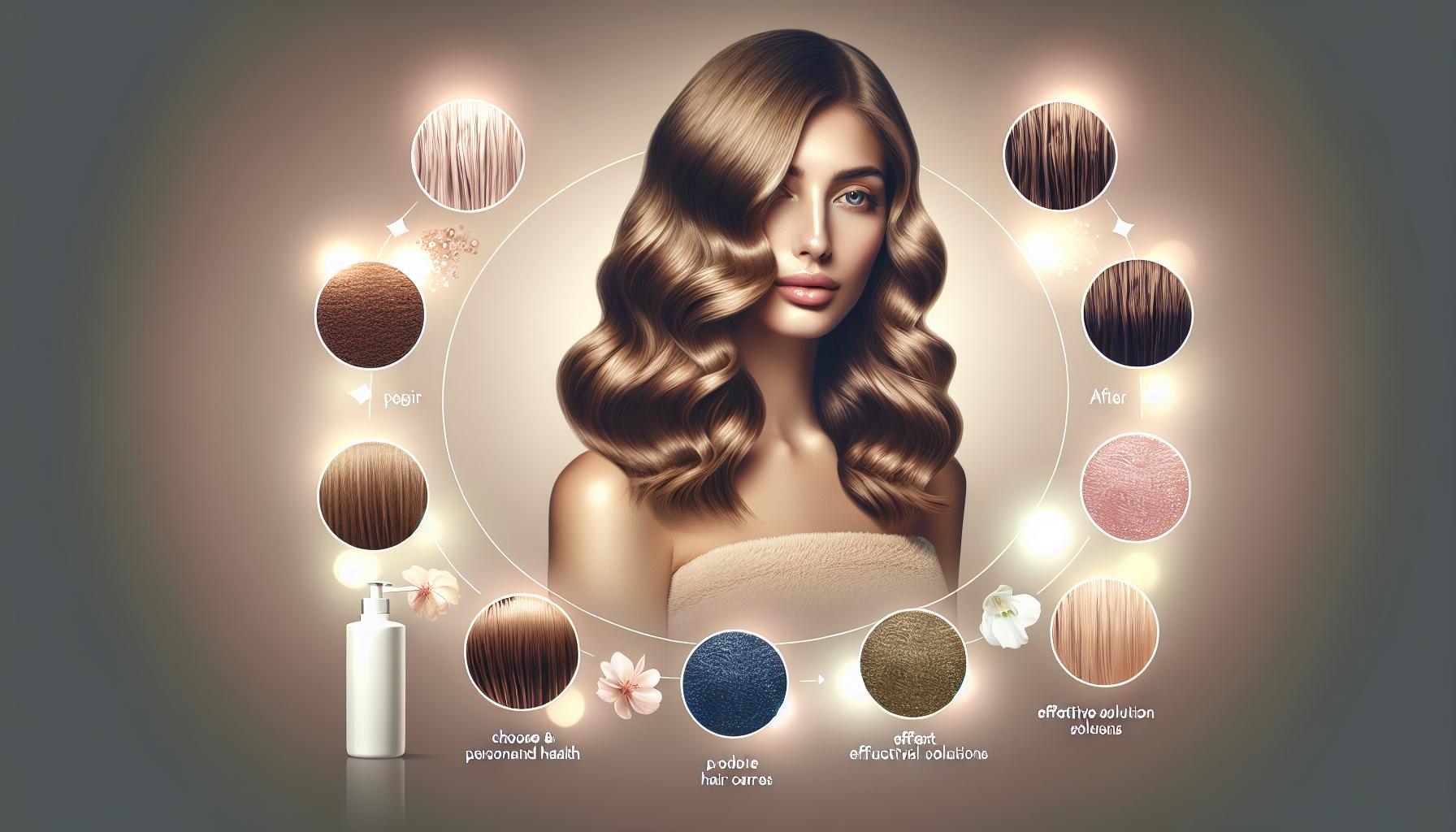
When dealing with the unpleasant aftermath of pool chlorine turning your hair green, selecting the right color treatment can be transformative. This issue commonly plagues blonde and light-colored hair, leaving a vivid greenish tint that can feel nearly impossible to remove without seriously damaging your locks. Fortunately, understanding how to choose effective color tints can make a significant difference in restoring your hair’s vibrancy and shine.
Identify Your Hair Type and Damage
Before diving into treatments, assess your hair’s current condition. Hair that has been previously compromised by chemicals or heat may react differently to various color tints.
- Porosity: High porosity hair absorbs color quickly, which may lead to uneven results.
- Texture: Curly or coarse hair may require heavier treatments compared to straight hair.
- Previous Treatments: If your hair has been dyed recently, be cautious with additional color, as damage can compound.
this initial assessment will help guide your choice—if your hair is fragile, opt for more gentle treatments such as color-depositing shampoos or conditioners designed for color correction.
Choosing the Right Tint
When selecting a tint to counteract green hues, you’ll want to consider colors that can neutralize green tones effectively. The complementary color for green is red, so look for products that include warmer shades. This can include:
- Copper Tints: These not only neutralize green tones but add a warm glow.
- Red Shampoos: Formulations designed to boost red tones can counteract the green effectively.
- Color Depositing Conditioners: These can refresh color while allowing for moisture retention.
For example, a copper or red shampoo can be used once or twice a week to gradually tone down the green without overwhelming your hair.
Submission Techniques
Applying color treatments correctly is crucial.
| Step | Instructions |
|---|---|
| Prepare | Start on dry, clean hair to allow maximum absorption. |
| Section | Divide hair into manageable sections to ensure even application. |
| apply | Use gloves and apply product evenly, saturating the hair entirely. |
| Timing | Leave the product on as per manufacturer instructions for the best results. |
| Rinse | Thoroughly rinse and follow with a nourishing conditioner. |
Following these steps not only maximizes the effectiveness of your chosen treatment but also works to maintain the integrity of your hair during the process. By making a thoughtful decision based on your hair type and its specific needs, you will have a greater chance of restoring your hair’s natural beauty and avoiding further green tints from pool chlorine in the future.
Professional Tips for Neutralizing Green Tints Safely
When chlorine meets copper, the aftermath can often leave swimmers with an unwanted green tint in their hair, a notorious side effect for anyone who enjoys a dip in the pool. Fortunately, there are several effective strategies to neutralize these green tints safely and restore vibrancy to your hair. Understanding the root causes and methods to counteract these effects can make your swimming experience worry-free.
Color-Correcting Solutions
To combat the green hues, color-correcting shampoos and conditioners can be incredibly effective. Products specifically formulated for this purpose often feature a reddish or violet tint, which counteracts the green tones. Here are some top choices:
- Red shampoos: Designed to neutralize green, red-toned shampoos can be used periodically to help restore your natural color.
- Violet conditioners: These assist in balancing the color, especially in blonde hair that has been affected by chlorine.
Using these products a couple of times a week can gradually diminish the unwanted green tint without over-processing your hair.
Natural Remedies to Remove Green Tints
If you prefer natural methods, consider using household items that may help neutralize the green shades. Here are a few effective remedies:
- Coke or club soda: Rinse your hair with Coke or club soda, massaging it gently through the green-tinged areas before rinsing. The acidity helps break down the copper compounds causing the discoloration.
- Tomato juice: Applying tomato juice to your hair for about 15 minutes before washing can neutralize green tones effectively due to its acidity and pigments.
These methods not only eliminate the green tint but also add moisture back into your hair, making them a two-in-one solution.
Preventive Measures
Taking steps to prevent green hair is just as crucial as treating it. Always wet your hair with fresh water before entering the pool; this minimizes chlorine absorption. Additionally, using a leave-in conditioner can create a barrier, protecting your hair from pool chemicals.
Maintaining a routine that incorporates clarifying shampoos a couple of times a month will also help remove chemical buildup. Always follow up with a nourishing conditioner to keep your hair healthy and hydrated.
By integrating these practices into your hair care routine, you can successfully manage and neutralize green tints from pool chlorine effectively, ensuring your hair remains radiant and healthy after every swim.
Home remedies: Can Kitchen Staples help Fix Green Hair?
If you’ve ever stepped out of a pool with an unexpected greenish tint in your hair,you’re not alone. Chlorine can react with the metals found in pool water, leading to a green hue, especially for lighter hair colors. Fortunately, several kitchen staples can act as effective home remedies to help restore your hair’s original color without the need for harsh chemicals.
Key Ingredients That Help Combat the Green Tint
Some common kitchen items can work wonders in reversing that unwanted green shade. Here are a few options to consider:
- Vitamin C: Mixing crushed Vitamin C tablets with a clarifying shampoo is a powerful way to address green hair. The ascorbic acid helps neutralize the green pigments, making it easier for your hair to regain its vibrancy. Mix the tablet powder into the shampoo to form a paste and apply it to your hair for 30-60 minutes.
- Baking Soda: Known for its alkaline properties, baking soda can help lift unwanted color from your hair. Combine it with water to create a paste, apply it to the green areas, and leave it on for about 15 minutes before rinsing off.
- Tomato or Lemon Juice: The acidity in these juices can also combat green tones. Apply either tomato juice or a mixture of lemon juice and water to your hair, let it sit for about 20 minutes, and then rinse thoroughly.
- Red or Pink Hair Dye: Another unconventional but effective method is to use a diluted red or pink hair dye. Since red cancels out green on the color wheel, mixing a small amount of your chosen dye with a lot of conditioner can act as a toner. Apply this mixture to the green areas and leave it on accordingly.
Steps to Treat Green Hair at Home
To successfully fix green hair with these remedies, here’s a step-by-step approach:
| Ingredient | Planning | Application Time |
|---|---|---|
| Vitamin C | Crush tablets and mix with clarifying shampoo | 30-60 minutes |
| Baking soda | Mix with water to form a paste | 15 minutes |
| Tomato Juice | Apply directly or mix with a bit of water | 20 minutes |
| Red/Pink Dye | Mixed with conditioner | Apply as needed based on desired tone |
These simple yet effective remedies serve as valuable tools in your arsenal against chlorine-induced discoloration. Incorporating these kitchen staples into your hair care routine not only mitigates the green tones but also offers a more holistic approach to maintaining the health of your hair. Whether you’re looking to remedy a green tint or simply enrich your hair’s overall appearance, these natural options are worth a try.
Preventing Green Hair: Best Practices for Pool-goers
Swimming is a refreshing way to enjoy the summer heat, but it can leave your hair looking less than fabulous—especially if your locks turn an unwanted shade of green from pool chlorine.This chemical reaction primarily affects those with lighter hair, creating a frustrating beauty dilemma. Fortunately, there are effective strategies you can employ before and after your swim to keep your hair healthy and vibrant.To prepare your hair for chlorine exposure, consider these best practices:
- Pre-Swim Rinse: Rinsing your hair with fresh water before diving in can significantly reduce chlorine absorption. Think of it as a protective barrier for your strands.
- Leave-In Conditioner: Applying a leave-in conditioner or natural oil can definately help seal the hair cuticle, providing additional protection against chlorinated water.
- Swim Cap: While it may not be the most fashionable choice, wearing a swim cap can be a practical solution to shield your hair from direct exposure to chlorine.
After swimming, the care for your hair should be just as important. Implement these steps to mitigate any chlorine effects:
- Shampoo Immediately: Use a clarifying shampoo, which is specifically designed to strip chemicals from the hair. Look for products enriched with vitamin C or alkaline ingredients to help neutralize the green tint.
- Deep Conditioning Treatment: Following your shampoo, apply a deep conditioning mask to replenish moisture and restore shine to your hair.
- Swimmers’ Products: Consider using specialized swimmer’s shampoos and conditioners, like the swimmers Wellness® Remedy from Malibu C, which is formulated to address chlorine damage while removing discoloration from hair.
By combining these preventative and post-swim care techniques, you can effectively reduce the chances of green hair while enjoying your time in the pool. Keeping your hair free from chlorine-related issues means you can swim with confidence, knowing that your locks will remain healthy and vibrant.
The Importance of Regular Hair Care After Swimming Activities
When you dive into the pool, the refreshing water can be invigorating, but it also carries a hidden risk for your hair—chlorine. This common pool treatment wreaks havoc on hair, causing dryness, brittleness, and, in some cases, that infamous green tint, especially for blondes and lighter shades. Understanding the importance of caring for your hair after swimming is crucial in maintaining its health and vibrancy, and it directly leads to mitigating potential issues like green tints.
A vital aspect of post-swim hair care involves promptly rinsing your hair with clean, fresh water. This simple action significantly reduces the time chlorine remains in contact with your hair, limiting its damaging effects. Also, consider using a specialized swimmer’s shampoo that is designed to remove chlorine and other impurities effectively. Products infused with chelating agents can bind to the chlorine and help wash it away, preventing long-term damage.
effective Hair Care Practices After Swimming
To preserve your hair’s natural beauty, integrate the following practices into your swimming routine:
- pre-swim Hydration: Wet your hair with fresh water before entering the pool to help it absorb less chlorine.
- use protective Oils: Applying oils such as coconut or olive oil before swimming can create a barrier against chlorine.
- Deep Conditioning: Incorporate a deep conditioning treatment into your routine once a week to combat dryness and keep your hair moisturized.
- Swim-Specific Products: Invest in chlorine-removing shampoos and conditioners to address any buildup and restore your hair’s luster.
Implementing these strategies can make a considerable difference in how your hair reacts to chlorinated water. If you experience discoloration, such as when your hair turns green, adding color-correcting shampoos with red or purple pigments can neutralize the green tones and restore balance.It’s not just about what you do during or after swimming but also how you prepare. by making informed choices, you enhance your hair’s resilience against chlorine’s effects and can enjoy swimming without worrying about lasting damage.
Faq
What color tints fix green hair from pool chlorine?
Using a purple or red toner is effective in fixing green hair caused by chlorine. These colors neutralize the green hue, restoring balance and warmth to your hair.
Chlorine can react with light or blonde hair, leaving it with an unwanted green tint. This happens due to the presence of copper in pool water, which binds to the hair. Applying a purple or red toner can counteract this effect, as purple neutralizes yellow tones and red cancels out green.
For optimal results, follow up with a high-quality conditioner to maintain hair health. For more detailed data on toning, check out our article on how to tone hair.
Can I use shampoo to fix green hair from pool chlorine?
Yes, using a clarifying shampoo can definitely help remove chlorine and buildup from your hair, possibly reducing green tones.
Clarifying shampoos are formulated to cleanse hair deeply and remove impurities, including chlorine. However, be cautious as frequent use may strip natural oils and color from your hair. Follow up with a deep conditioner to restore moisture.
For those with color-treated hair, look for a gently clarifying shampoo to protect your color while addressing the green tint.
Why does chlorine turn hair green?
Chlorine turns hair green due to the oxidation of copper compounds found in pool water that bond with hair.
When you swim in chlorine-treated pools, copper ions can be released into the water. These copper compounds can adhere to hair and, over time, create a greenish tint, especially in lighter shades. This reaction is frequently enough accelerated in hair that is already damaged or porous.
Understanding this reaction can help you take preventive measures,such as wetting your hair before swimming to reduce chlorine absorption.
What are some home remedies for green hair from chlorine?
Home remedies like using ketchup or a baking soda paste can help combat green hues in hair caused by chlorine.
Ketchup contains tomatoes, which can neutralize green with their acidity. apply it onto your hair, leave it for about 20 minutes, and rinse thoroughly. Baking soda mixed with water can also provide a gentle abrasive action to help lift copper deposits.However, ensure to follow up with a nourishing conditioner.
These remedies can be effective but treat them as temporary fixes. Professional treatments might be necessary for more stubborn cases.
Can purple shampoo fix green hair from chlorine?
Yes, purple shampoo is effective for neutralizing green tones in blonde or light-colored hair damaged by chlorine.
Purple shampoo works by depositing a small amount of purple pigment onto the hair, which counteracts yellow and can also help neutralize green hues.Use it according to the instructions, usually once or twice a week, for best results.
If your hair is extremely green, you might need a stronger toner or a visit to a stylist for professional help.
How often should I treat green hair from chlorine?
You should treat green hair from chlorine as soon as you notice the discoloration, but regular treatments can help prevent buildup.
If chlorine is a frequent part of your routine, consider using a clarifying shampoo or purple shampoo once a week to maintain hair health and color balance. Always follow treatments with a deep conditioner to keep hair hydrated.
For those who swim often, consider protective hair products before entering the pool to minimize chlorine absorption.
Are there specific products to avoid after getting green hair from chlorine?
Yes, avoid heavy moisturizing products and those with high silicone content, as they can worsen green tones in the hair.
Heavy conditioners may cause more buildup, making the green tint more pronounced. Instead,choose light formulas that focus on cleansing and repairing without adding extra residues.
Also, steer clear of heat styling until your hair is restored, as heat can exacerbate damage and color issues.
in summary
addressing the challenge of green hair caused by chlorine exposure involves knowing how to neutralize the unwanted tones effectively. utilizing color-depositing shampoos or conditioners, particularly those infused with purple or blue pigments, can counteract the green hue by balancing the color spectrum. Additionally,incorporating clarifying shampoos to remove chlorine and copper build-up is essential for restoring your hair’s natural vibrancy. Remember, patience and consistent care are key when mitigating hair discoloration from pool chemicals. We encourage you to explore various products and techniques that can rejuvenate your locks while keeping the science behind hair care in mind.Embrace the journey to healthier, happier hair, and don’t hesitate to share your experiences or seek advice from others facing similar challenges.


