


Are you worried that laser hair removal might actually stimulate hair growth instead of reducing it? This concern is more common than you think, and understanding the underlying factors is crucial for anyone considering this popular treatment. By demystifying the relationship between laser treatments and hair growth, you can make an informed choice about your beauty regimen.
Contents
- Understanding Hair Growth: The Basics of Hair Follicles and growth Cycles
- The Science Behind Laser Hair Removal: How It Works
- Can Laser Hair Removal Backfire? Exploring Potential Side Effects
- Myth vs. Reality: Do Laser Treatments Really Cause Increased hair Growth?
- Professional Opinions: Insights from Dermatologists on Laser Hair Removal
- What to expect: Timelines and Results from Laser Hair Removal Treatments
- Best Practices: Preparing for and caring After Laser Hair Removal
- FAQs About Hair Growth and Laser Treatment: What You Need to Know
- Q&A
- Can laser hair removal cause more hair growth? What to know?
- How effective is laser hair removal in reducing hair growth?
- why does hair grow back after laser hair removal?
- Can I experience side effects from laser hair removal?
- Is laser hair removal suitable for all skin types?
- What is the difference between laser hair removal and electrolysis?
- How should I prepare for a laser hair removal session?
- key Takeaways
Understanding Hair Growth: The Basics of Hair Follicles and growth Cycles
The journey of hair growth is a fascinating biological process influenced by various factors, including genetics, health, and external treatments like laser hair removal. Understanding the fundamentals of hair follicles and their growth cycles can shed light on common questions, particularly around concerns such as whether laser hair removal can inadvertently stimulate more hair growth.
At the core of every strand of hair lies the hair follicle, a tiny organ situated in the skin’s dermal layer. Each follicle is responsible for hair production, and multiple follicles can be found in a single area of skin. Over the course of a human life, follicles operate in a cyclical pattern, divided into three main phases:
phases of Hair growth
- Anagen Phase: This is the growth phase, where the hair follicle is actively producing hair. It can last for several years,depending on genetic factors. Hair grows roughly half an inch per month during this phase.
- Catagen Phase: Following the anagen phase, hair enters a short transitional phase lasting a few weeks. During this stage, hair growth slows down and the hair bulb shrinks, moving away from the follicle.
- Telogen Phase: This is the resting phase, which can last several months. At this stage, hair is no longer growing but remains attached to the follicle. Eventually, the old hair will shed, and a new hair will begin to grow as the cycle restarts.
Understanding these stages can provide insights into hair behavior post-treatment. As an example, many individuals worry about whether laser hair removal can cause more hair growth as they transition through these phases. Contrary to some beliefs, laser treatments target the active anagen phase effectively, disrupting hair regrowth rather than promoting it.
However, it’s vital to note that not all hair follicles may be in the same phase at the same time. Up to 85% of hair follicles are in the anagen phase at any moment, meaning only a portion of hair can be effectively treated in one session. This is why multiple sessions are typically recommended for effective hair removal. Understanding this cyclical growth can empower individuals when considering treatments and help alleviate concerns about possible increased hair growth post-laser treatment.
The Science Behind Laser Hair Removal: How It Works

Laser hair removal is a modern and effective method widely utilized for long-term hair reduction,leveraging the principles of light and heat to target hair follicles. At the core of this technology is a process known as selective photothermolysis, where specific wavelengths of light are absorbed by the pigment, or melanin, in the hair. The energy from the laser is converted into heat, damaging the follicle and inhibiting future hair growth. understanding this mechanism is crucial when considering the potential side effects, including the intriguing question: can laser hair removal cause more hair growth?
How Laser Hair Removal Works
The effectiveness of laser hair removal primarily depends on several key factors, including the type of laser used, the hair color, and the skin type of the individual. Most lasers target dark hair against lighter skin, as the contrast allows for better absorption of light by the hair follicles. Hear are some notable aspects of this process:
- Hair Growth Cycles: Hair grows in cycles, and laser treatment is most effective during the anagen phase (active growth phase) when the hair is rooted deep in the follicle.Regular sessions are needed to target all hairs as they enter this phase.
- Safety and Precision: Modern lasers come equipped wiht cooling systems that protect the skin while effectively targeting the follicles. This minimizes discomfort and the risk of damage to surrounding skin.
- Individual Variability: Results can vary significantly between individuals due to factors such as hair thickness, hair color, and hormonal influences, potentially leading to the misconception that treatment is causing increased hair growth.
Can Laser Hair Removal Cause Unexpected Hair Growth?
Although rare,some individuals report an increase in hair growth post-treatment,often leading to misconceptions that laser hair removal may cause more hair to develop. This phenomenon can be explained by a few factors:
- Hormonal Fluctuations: Conditions such as polycystic ovary syndrome (PCOS) can lead to hormonal imbalances that may cause unexpected hair growth,overshadowing the effects of laser treatment.
- Incomplete Treatments: If treatments are not performed consistently or if sessions occur during the wrong hair growth cycle, it may result in some follicles not being adequately targeted.
- Follicle Stimulation: In some instances, the laser may stimulate dormant hair follicles, leading to a temporary increase in fine hair density, which can give the appearance of more growth.
while many individuals successfully experience hair reduction through laser treatments, it’s essential to understand the contributing factors that may lead to the perception of increased hair growth. Proper consultation with a licensed practitioner can definitely help manage expectations and tailor a treatment plan suited to individual needs.
Can Laser Hair Removal Backfire? Exploring Potential Side Effects

While laser hair removal is a popular option for achieving smooth skin, it’s crucial to understand that, like any cosmetic procedure, it carries potential risks and side effects. This non-invasive treatment uses concentrated light beams to target hair follicles, aiming to reduce hair growth effectively.However, there are instances where things may not go as planned, leading some individuals to wonder: can laser hair removal cause more hair growth?
Potential Side effects of Laser Hair Removal
Most side effects associated with laser hair removal are temporary and minor, but vigilance is essential. Common issues include:
- Redness and Swelling: After treatment, many patients experience some degree of redness or swelling around the treatment area. This usually subsides within a few hours or days.
- Skin Discoloration: In some cases, patients may notice darkening or lightening of the skin. These changes are typically temporary, but they can be more pronounced in individuals with darker skin tones or those who do not follow post-treatment care instructions.
- Ingrown Hairs: Even though laser hair removal aims to reduce hair, improper treatment can sometimes lead to ingrown hairs, which can be uncomfortable and may require additional treatment.
Can It Lead to Increased Hair Growth?
In the realm of concerns surrounding laser hair removal, an unexpected issue can arise: paradoxically increased hair growth. Though rare, some individuals report an increase in hair growth in the treated areas. This can occur due to several factors, including the type of skin and hair being treated, improper settings used during the procedure, or hormonal changes in the body. Keeping an open line of communication with your laser technician about any changes you observe is essential to address potential issues early.
Preventing Unwanted Side Effects
To maximize the benefits of laser hair removal while minimizing risks, consider the following strategies:
- Choose a Qualified Technician: Ensuring that your procedure is performed by a licensed and experienced professional can significantly reduce the risk of complications.
- Follow Pre- and Post-Care Instructions: Adhering to recommended care guidelines before and after treatment can help mitigate side effects, including potential hair growth issues.
- Understand Your Skin Type: Different skin and hair types respond differently to laser treatments. it’s advisable to discuss your skin type and treatment expectations with your provider.
While laser hair removal presents a viable solution for many seeking a hair-free experience, understanding possible side effects, including the atypical risk of increased hair growth, is crucial. With the right precautions and informed choices, you can better navigate this cosmetic option and achieve the desired results.
Myth vs. Reality: Do Laser Treatments Really Cause Increased hair Growth?
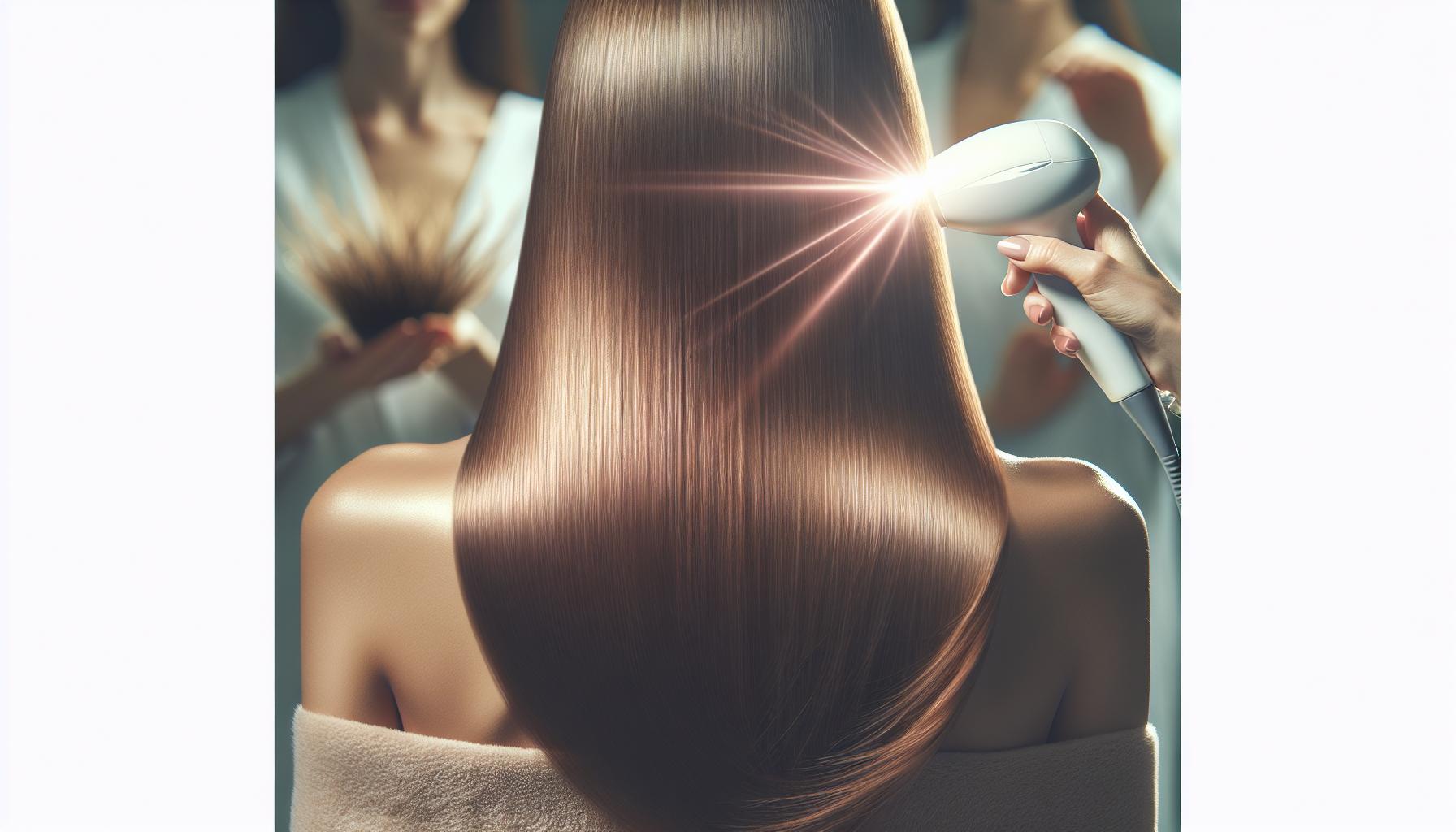
The perception that laser hair removal may lead to increased hair growth is a myth that can create unnecessary confusion for those considering this treatment. In reality, laser hair removal is designed to target hair follicles, effectively reducing hair count and inhibiting future hair growth. This process hinges on the principle of selective photothermolysis, where specific wavelengths of light are absorbed by the pigment in the hair follicles, causing targeted destruction without damaging the surrounding skin. This means that rather than stimulating hair growth, laser treatments are actually intended to decrease it.
One common misconception arises from the concept of “shock hair.” After the initial treatment, some individuals may notice a temporary increase in hair thickness or density in certain areas, which can be disconcerting. However, this is typically due to shedding of hairs that where in their anagen (growth) phase at the time of treatment, a normal part of the hair growth cycle. As the treated hair continues to fall out, patients will generally experience less hair over time.It’s crucial to note that this phenomenon is not a true indication of new hair growth but rather a transient effect as the hair follicles respond to the laser treatment.
Understanding the Science Behind Laser Hair Removal
To further clarify the distinction between myth and reality,it’s helpful to understand how the hair growth cycle works.Hair grows in three stages: anagen (growth), catagen (transition), and telogen (rest). laser hair removal is most effective during the anagen phase, when hair is actively growing.Treatments can lead to a significant reduction in hair quantity, with the possibility of permanent hair removal for many individuals.The following table summarizes the hair growth cycle stages:
| Stage | Description | Duration |
|---|---|---|
| Anagen | Active growth phase where the hair bulb is firmly attached to the follicle. | 2-6 years |
| Catagen | Short transition phase, where hair growth slows and detaches from the follicle. | 2-3 weeks |
| Telogen | Resting phase before hair falls out and the cycle begins anew. | 3 months |
Practical Advice for Potential Patients
For those pondering the question, “Can laser hair removal cause more hair growth?” it is indeed vital to seek treatment from qualified professionals who can provide personalized assessments and manage expectations. Prior to initiating any treatments, clients may consider the following actions:
- Research reputable clinics and practitioners with positive reviews.
- Ask about the types of lasers used and their efficacy for your skin and hair type.
- Engage in consultations to understand the treatment process and post-treatment care.
In essence, laser hair removal should not be feared as a catalyst for unwanted hair growth; rather, it is a scientifically grounded method for achieving smoother skin with reduced hair density over time. By distinguishing between these myths and realities, individuals can make informed decisions regarding their hair removal options.
Professional Opinions: Insights from Dermatologists on Laser Hair Removal
Laser hair removal has gained immense popularity as a long-term solution for unwanted hair. Understanding its effectiveness and potential side effects is crucial, especially the question on many minds: can laser hair removal cause more hair growth? Insights from dermatologists can clarify this concern for those considering this treatment.
Dermatologists emphasize that when performed correctly, laser hair removal generally reduces hair growth rather than increasing it. This technology works by targeting the melanin in hair follicles, effectively damaging them to inhibit future growth. However, several factors can influence the results, such as skin type, hair color, and the specific laser technology used. A strong proposal from dermatologists is to seek treatments from certified professionals who assess these factors before proceeding, as improper use of equipment or technique can lead to inadequate results.
Additionally, some individuals may experience paradoxical hypertrichosis, a phenomenon where hair growth occurs in areas surrounding the treated area. This is more likely in patients with lighter hair types (e.g., blond or gray). Experts advise that those at risk should consider alternative hair removal options or pre-treatments to minimize this potential side effect. Regular follow-ups and adjustments to treatment plans based on individual responses are also vital in ensuring optimal outcomes.
while concerns about laser hair removal causing increased hair growth exist, expert opinions generally indicate that, when performed correctly, it is a safe and effective method for reducing unwanted hair. By consulting with qualified dermatologists and following recommended protocols, patients can maximize their chances of achieving the desired results without adverse effects.
For anyone considering laser hair removal, it is invaluable to discuss potential risks and benefits with a qualified dermatologist. They can provide personalized advice and outline realistic expectations, helping to navigate through the treatment process safely.
What to expect: Timelines and Results from Laser Hair Removal Treatments
Laser hair removal is a popular choice for individuals seeking a long-term solution for unwanted hair. However, many wonder about the effectiveness and timing of results associated with this treatment. Generally, patients can expect a series of sessions to achieve optimal hair reduction, with varying intervals depending on individual hair growth cycles and the treatment area.
Typical Treatment Timeline
The laser hair removal process typically involves multiple sessions. Most practitioners recommend at least 6 to 8 treatments spaced 4 to 8 weeks apart. this timing allows hair follicles to cycle through their growth phases, as not all hair is actively growing at the same time. For instance, body areas like the underarms or groin tend to respond well with slightly fewer sessions, while other areas may require additional treatments for full effectiveness laser hair removal reduces hair growth, it does not guarantee the complete elimination of hair. In some rare cases, individuals might experience an increase in hair growth in previously treated areas, often linked to hormonal changes or improper treatment settings Realistic Expectations It’s crucial to approach laser hair removal with realistic expectations. Most people achieve semi-permanent hair reduction, meaning that while many follicles will be disabled in their ability to grow hair, some may remain active or reactivate over time. Maintenance treatments can be beneficial, typically requiring follow-ups every 6 to 12 months after initial sessions to sustain results or_electrolysis/”>[2[2[2[2]. adjustments to treatment protocols or exploring other options like electrolysis can prove beneficial in such cases. embarking on a laser hair removal journey requires commitment to a series of sessions for optimal results.While discomfort and adverse outcomes such as an increase in hair growth can occur, these situations are often manageable with proper care and follow-up. Engaging in informed discussions with your practitioner will help tailor the best approach for your unique circumstances. Preparing for laser hair removal and caring for your skin post-treatment is crucial to achieving optimal results and minimizing discomfort. Understanding how to approach both phases can significantly enhance the effectiveness of the treatment and address common concerns,including the question of whether laser hair removal can inadvertently cause more hair growth. to get started, here are key planning tips to ensure your skin is ready for the procedure: Once your session is complete, aftercare is essential to ensure the best results and minimize potential side effects. here’s what you should keep in mind post-treatment: Understanding these best practices significantly contributes to a smoother experience with laser hair removal, addressing any worries about adverse effects, including the possibility of increased hair growth. Each individual may respond differently, but following these guidelines can help mitigate potential issues and enhance the overall effectiveness of the treatment. Laser hair removal is often celebrated for its long-lasting effects on unwanted hair, yet many people harbor misconceptions about its impact on hair growth.One common question that arises is whether undergoing this treatment can lead to increased hair growth.To address this concern, it’s essential to understand how laser hair removal works and the hair growth cycle involved. During the laser hair removal process, concentrated beams of light target hair follicles, damaging them to inhibit future hair growth. This technology primarily affects hair within the anagen phase, the stage where hair is actively growing. While it may seem counterintuitive, laser hair removal does not stimulate additional hair growth; rather, it works to reduce hair density over time. However,some individuals may experience a temporary increase in hair growth in the surrounding areas,which is often attributed to the damaged follicles attempting to compensate for the loss. Many clients worry about the potential for laser hair removal to cause hair growth in unintended areas, sometimes referred to as “paradoxical hypertrichosis.” This rare phenomenon can occur, particularly in individuals with particular hair types or hormonal imbalances. Understanding that this is not a standard response can help alleviate fears surrounding the treatment. To mitigate risks,it’s advisable to consult a qualified dermatologist who can assess individual hair and skin types before treatment. In some cases, pre-treatment with topical medications may be recommended to minimize potential side effects. If your considering laser hair removal, here are some practical steps to enhance your results: laser hair removal is designed to reduce hair growth rather than promote it. Gaining an accurate understanding of how it interacts with the hair growth cycle can empower individuals to make informed decisions and expectations regarding their hair removal journey. Always aim to engage with learned professionals to ensure the best outcomes for your hair removal goals. No, laser hair removal generally does not cause more hair growth. While some individuals may experience temporary skin reactions, the treatment is designed to reduce hair growth effectively.It can lead to a significant reduction in hair density and thickness over time. However,some people may notice changes in hair texture or the appearance of finer hairs,which might lead to a perception of increased hair growth. It’s vital to consult a licensed practitioner to discuss any concerns you may have. laser hair removal typically results in a long-term reduction in hair growth for many individuals. Most experience a permanent reduction of 70-90% of hair in treated areas after completing multiple sessions. The effectiveness can depend on several factors, including hair type, skin type, and the specific area being treated. Regular maintenance may be required to achieve optimal results,but overall satisfaction among users is high. Some hair may grow back after laser hair removal due to multiple factors, including hair cycle phases. Hair grows in cycles, and lasers are most effective during the anagen phase, which is when hair is actively growing. If treatments are not timed correctly or if all hair follicles are not treated, regrowth can occur. This is why multiple sessions are recommended to target all hair in its active growth phase. Yes, potential side effects from laser hair removal can include skin irritation, redness, or swelling in the treated area. These effects are usually temporary and resolve quickly. In rare cases, more serious side effects like blistering or pigmentation changes may occur. It’s critically important to follow pre- and post-treatment care as advised by your practitioner to minimize risks. Laser hair removal can be performed on various skin types, but its effectiveness and safety can vary. Newer laser technologies have made it more accessible for individuals with darker skin tones. It’s crucial to consult with a qualified practitioner who can determine the best approach based on your specific skin type and hair characteristics, ensuring the safest and most effective treatment. The primary difference is that laser hair removal offers a semi-permanent solution by targeting multiple follicles concurrently, while electrolysis is the only FDA-approved method for permanent hair removal, treating one follicle at a time. Each method has its advantages; laser treatment is typically faster and less painful, while electrolysis can effectively remove all hair colors and types. Your choice may depend on factors like hair type, budget, and personal preference. Preparation for laser hair removal includes avoiding sun exposure, waxing, or plucking hair in the treated area for several weeks prior. Shaving is recommended, as it removes hair above the skin without affecting the follicle. Additionally,consult your practitioner about any medications you may be taking,as certain medications can increase sensitivity to light. Proper preparation can lead to a smoother and more effective treatment experience. while laser hair removal is a popular choice for managing unwanted hair, it is indeed critically important to recognize that its effectiveness can vary depending on individual factors such as hair type, skin tone, and the specific technology used.There is a common concern about whether laser treatments can actually lead to more hair growth,especially if not done correctly or if the wrong device is used. However,with the right approach,laser hair removal can effectively reduce hair growth over time,though maintenance sessions may be required to keep results consistent. As you explore the realm of hair removal options, consider consulting with a licensed professional to determine the best method for your unique needs. Staying informed about the latest technologies and techniques can empower you to make confident decisions about your hair management journey. If you’re still unsure or curious about the nuances of this treatment, don’t hesitate to reach out for more facts. Together,we can navigate your hair concerns and uncover the solution that’s right for you.Best Practices: Preparing for and caring After Laser Hair Removal
Post-Treatment Care
FAQs About Hair Growth and Laser Treatment: What You Need to Know
Understanding Hair growth and Laser Treatment
Common Concerns and Misconceptions
Tips for Optimizing Hair Removal Results
Q&A
Can laser hair removal cause more hair growth? What to know?
How effective is laser hair removal in reducing hair growth?
why does hair grow back after laser hair removal?
Can I experience side effects from laser hair removal?
Is laser hair removal suitable for all skin types?
What is the difference between laser hair removal and electrolysis?
How should I prepare for a laser hair removal session?
key Takeaways


